
Artist
Van Morrison
Belfast, United Kingdom · b. 1945
Van Morrison is a musician from Belfast, United Kingdom, active since 1945. Their discography on Gatefold includes 24 records. They also recorded with Them.

84
Albums tracked
888
In collections
1945
Since
Biography
The suits at Bang Records thought they were getting a pop singer when they threw Van into a three-day session in 1967, but Bert Berns was a prick who didn't understand the guy he’d signed. He wanted another 'Brown Eyed Girl' and instead he got a man obsessed with stream-of-consciousness jazz structures and Celtic soul. When Berns dropped dead of a heart attack, Van was left broke, blacklisted by the Mob-adjacent label, and hiding out in Boston with nothing but an acoustic guitar and a massive chip on his shoulder. He didn't just find a new sound in that hole; he found the basement of his own psyche. He pulled in Richard Davis, a jazz bassist who’d played with Eric Dolphy, and told the musicians to just play what they felt while he stood in a vocal booth and let the demons out. It wasn't about hits anymore. It was about capturing the exact moment a man loses his mind and finds his spirit. Every record since has been a struggle between that transcendental streak and his absolute disdain for the industry that tried to box him in.
Bio from The Clerk
The Arc of Van Morrison
The pivots — what forced Van Morrison to reinvent.
The Belfast Garage Years
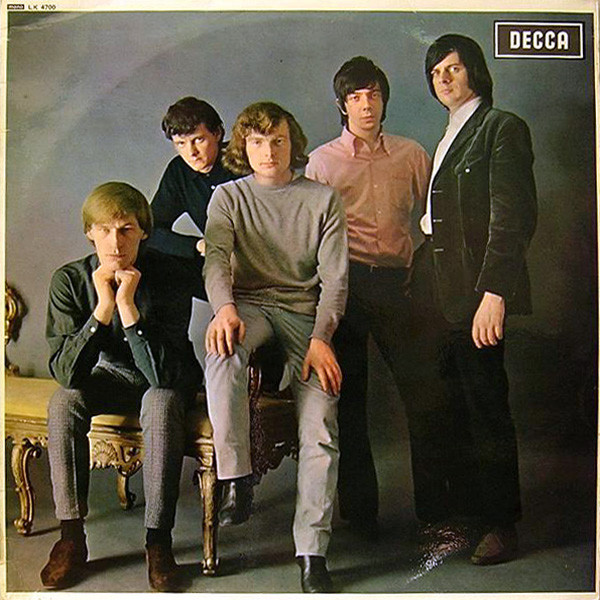
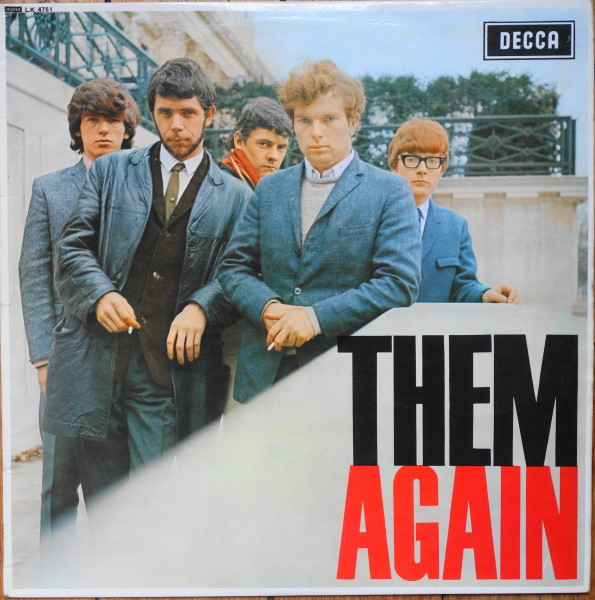
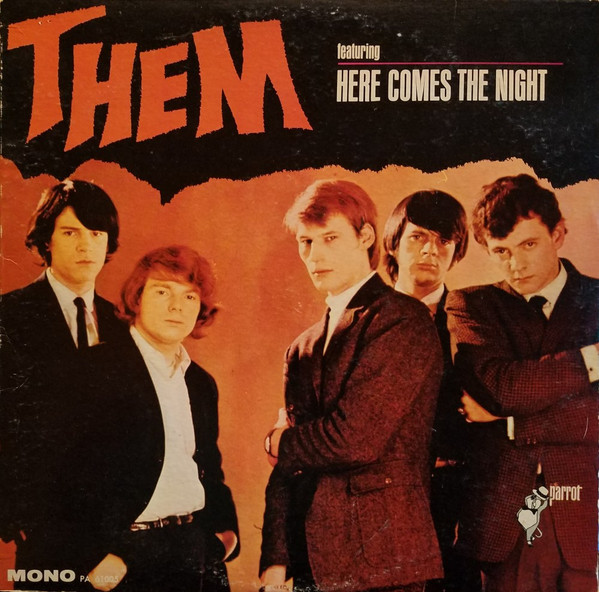
Before the solo mythos, he was just the kid with the loudest lungs in Them, screaming 'Gloria' over three chords and a pile of distortion. They were the meanest R&B outfit in Ireland, but the constant lineup churn and crooked management burned him out before he even turned twenty-one. You can hear that raw, bratty frustration on the Decca recordings where he's fighting to be heard over the cheap studio gear and the ego of session players. It was a baptism in the absolute bullshit of the music business.
The Acoustic Seance
He went into Century Sound Studios in '68 with a group of jazz guys who didn't even know the songs, and the result was Astral Weeks. He moved away from the 45rpm pop structure of the Bang era into eight-minute meditations that felt more like a exorcism than a folk record. The flute and vibraphone textures replaced the grit of the garage, proving he could make the air in the room feel heavy just by whispering. It’s the sound of a man realizing he didn't need a band as much as he needed a congregation.
The Caledonia Soul Revision
By 1973, he’d traded the isolation for the Caledonia Soul Orchestra, a massive touring unit with a string section and a heavy brass line. He was chasing the high of Stax and Motown, leading the band like a dictator to find that perfect pocket where country, soul, and Irish traditional music finally shook hands. The live double album It's Too Late to Stop Now is the peak of this run, catching him at the precise second before he retreated back into the hermetic, grumpy mysticism that defined his later decades. He never sounded more alive than when he was steering that giant machine through a rework of 'Caravan'.
Influences
- Lead Belly — Van’s father had an massive collection of 78s including Huddie Ledbetter, and Van has explicitly cited 'Midnight Special' as the reason he picked up a guitar. You hear it in the rhythmic, driving acoustic strumming that anchors his early solo demos. It’s that raw, unpolished folk-blues foundation that kept him from ever sounding like a soft-rocker.
- Ray Charles — The vocal phrasing on 'Moondance' is a direct lift from the way Brother Ray manipulated a melody. Van once said Ray was the first person he heard who could sing in several different voices in one song. He took that 'Amen' corner soul and mapped it onto his own Belfast growl.
- Sidney Bechet — He spent his childhood obsessing over Bechet's soprano sax records and eventually picked up the instrument himself to mimic those vibrato-heavy runs. You hear the jazz clarinet influence in the way he structures his vocal improvisations, often treating his voice like a reed instrument. It's why his phrasing feels so alien compared to standard rock singers.
- Lonnie Donegan — Donegan was the king of British Skiffle and the guy who proved you could make it big with just a washboard and a dream. Van actually played in skiffle bands as a teenager and later recorded a full tribute album with Donegan in 2000. That high-energy, DIY folk stomp is the DNA of his fastest tracks.
- John Lee Hooker — They shared a label, toured together, and Van spent decades trying to capture the specific 'healing' quality of Hooker’s boogie. The influence is all over the hypnotic, one-chord vamps of his 1970s live sets. It wasn't just about the blues; it was about the trance-like state Hooker achieved through repetition.
Van Morrison — solo
Their records — most-collected first.
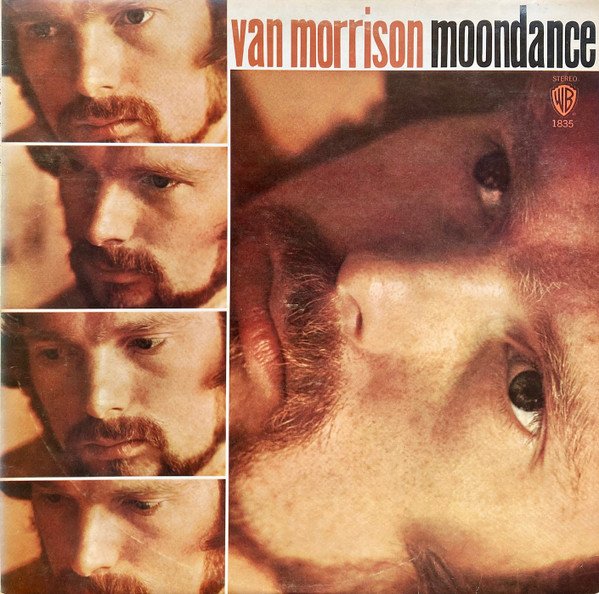
Moondance
1970
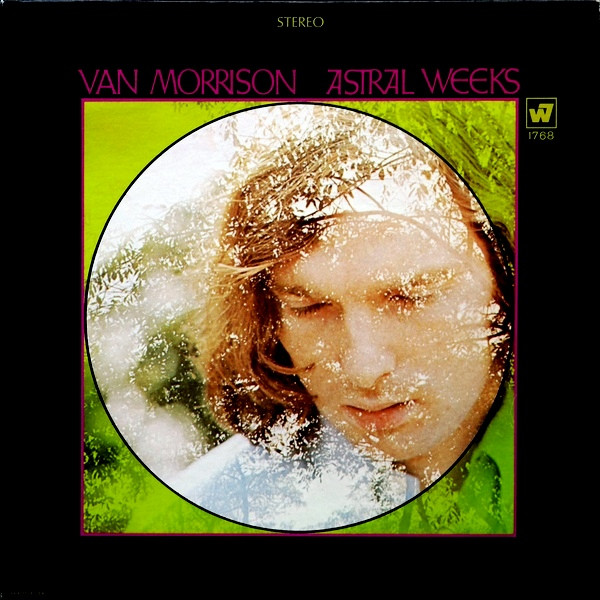
Astral Weeks
1968
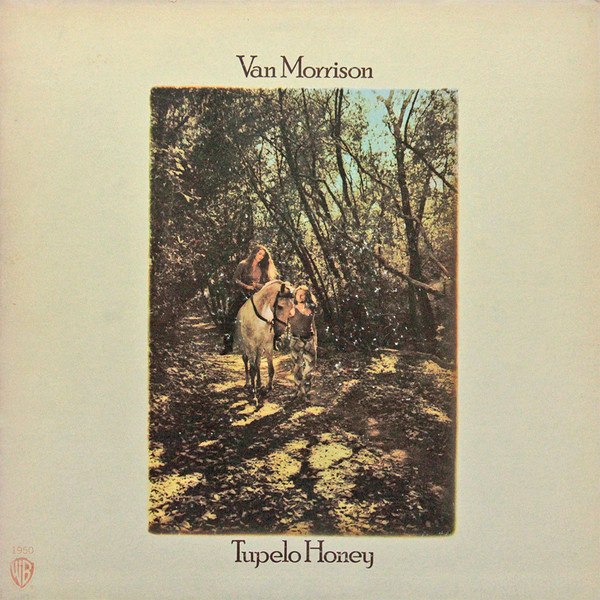
Tupelo Honey
1971
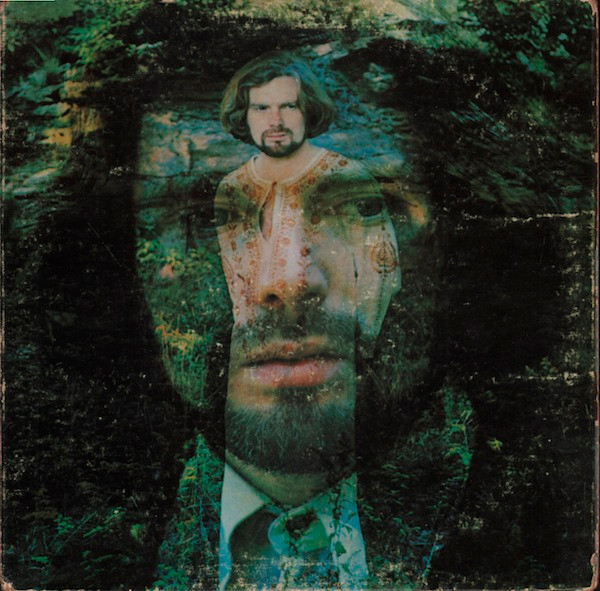
His Band And The Street Choir
1970
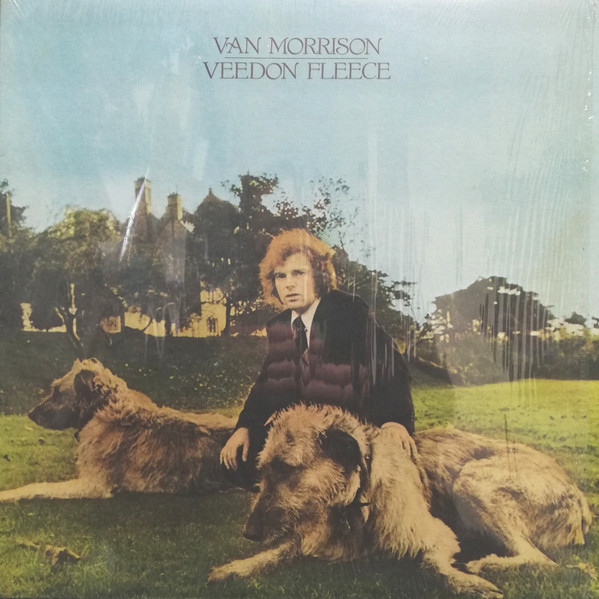
Veedon Fleece
1974
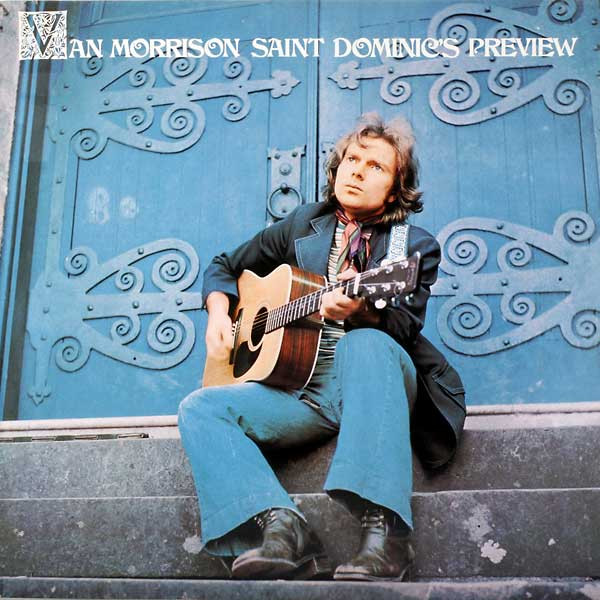
Saint Dominic's Preview
1972
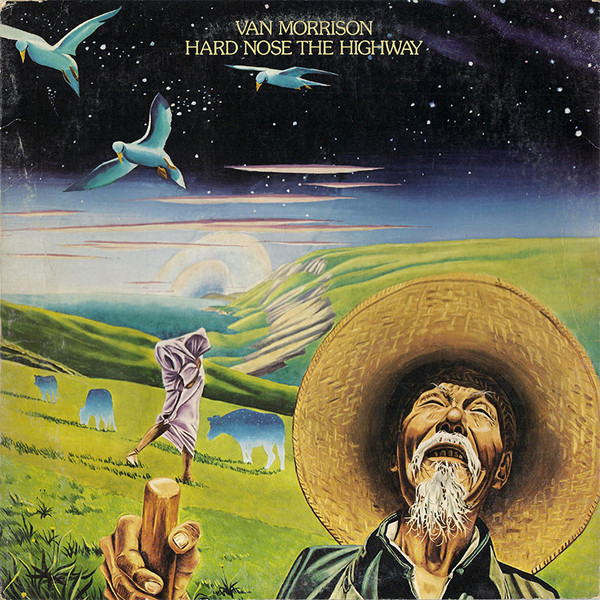
Hard Nose The Highway
1973
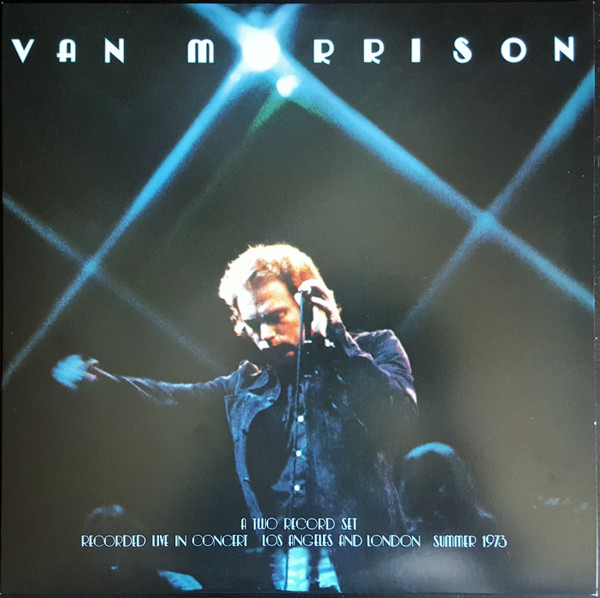
It's Too Late To Stop Now
1974

Into The Music
1979

The Best Of Van Morrison
1990
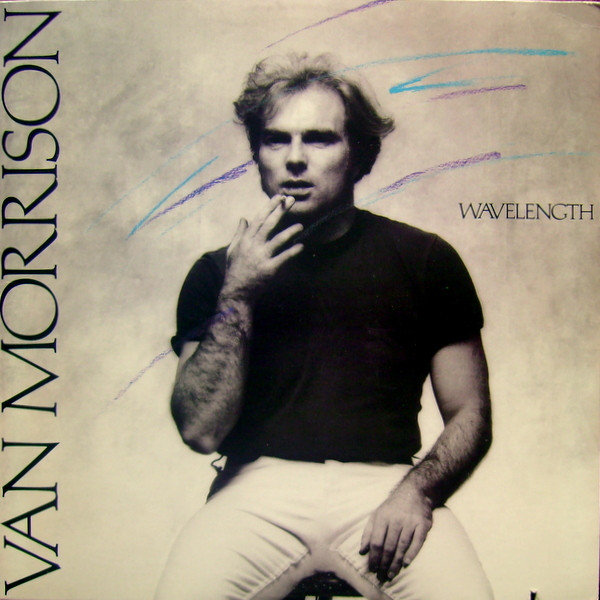
Wavelength
1978
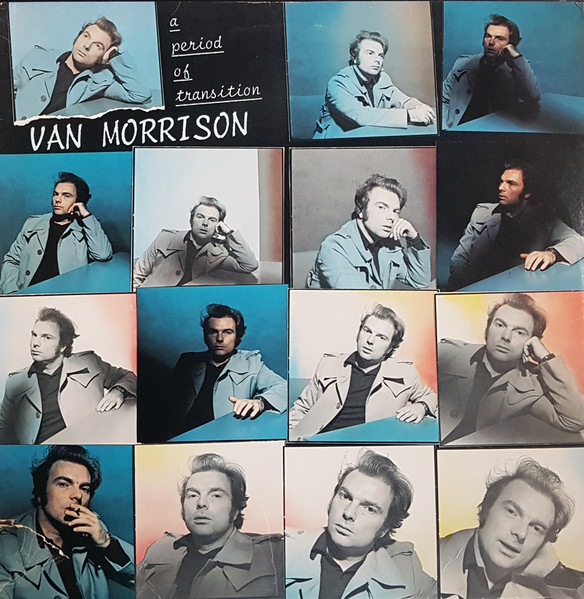
A Period Of Transition
1977
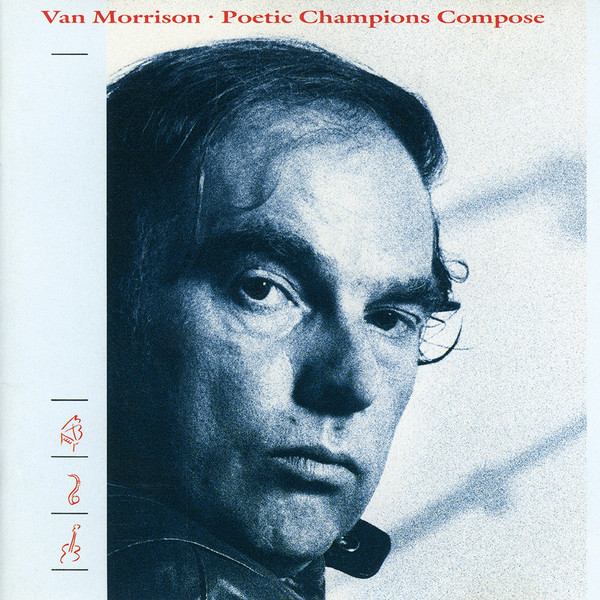
Poetic Champions Compose
1987
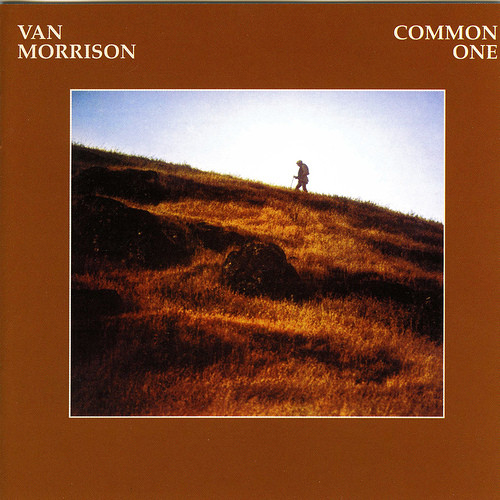
Common One
1980
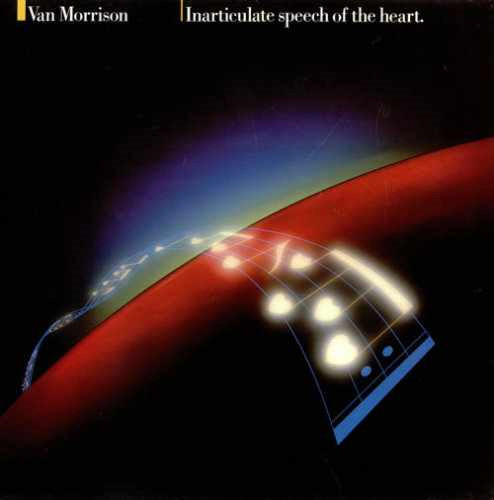
Inarticulate Speech Of The Heart
1983
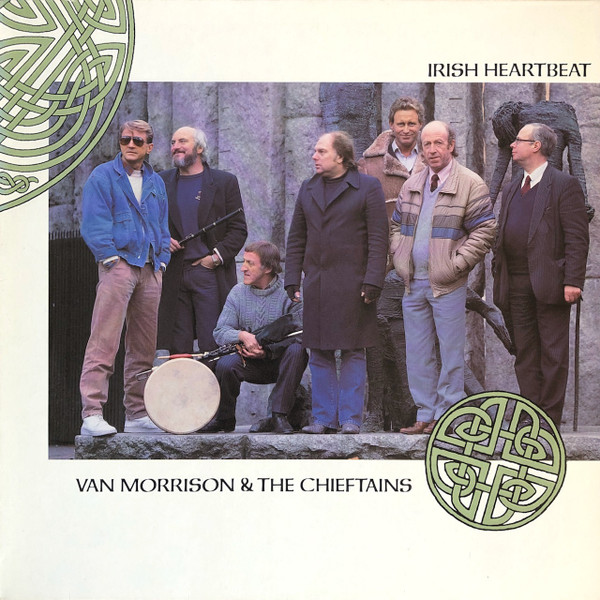
Irish Heartbeat
1988

Beautiful Vision
1982

Blowin' Your Mind!
1967
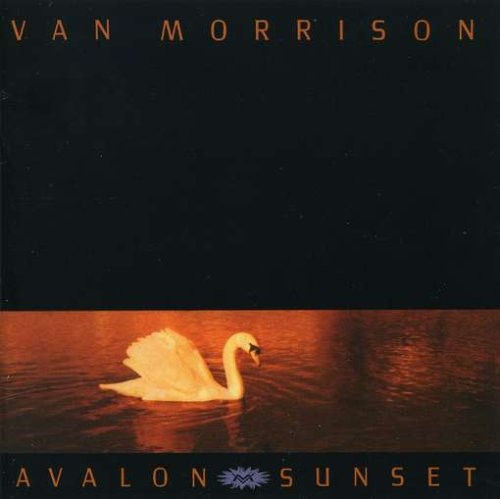
Avalon Sunset
1989

T.B. Sheets
1973

No Guru, No Method, No Teacher
1986
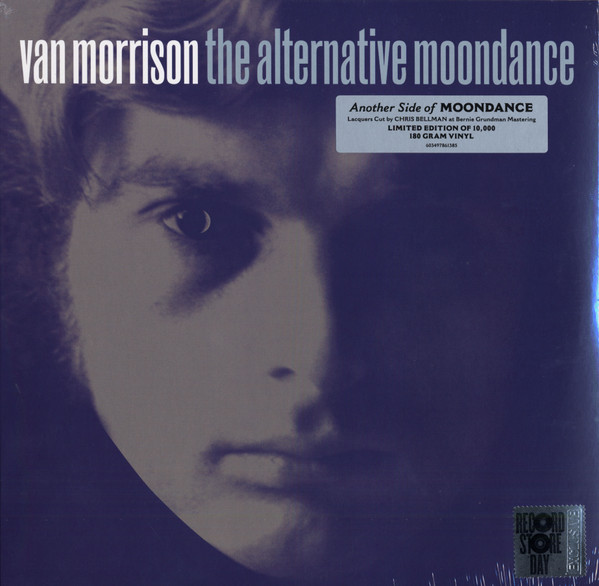
The Alternative Moondance
2018

A Sense Of Wonder
1984

Too Long In Exile
1993
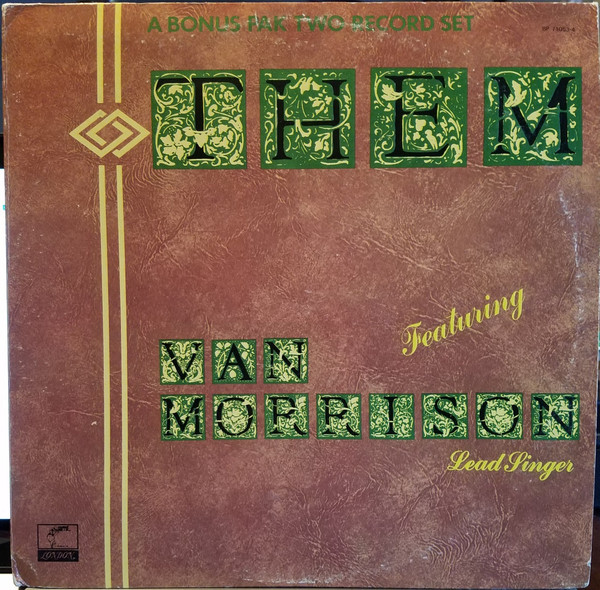
Them
A project Van Morrison was part of. Former member.




Related artists
Around the web
Follow every record they touch.
Start your shelf and Gatefold tracks Van Morrison's new pressings, tour dates, and the whole discography — automatically.
Start your shelf →Free forever. Works with 10 records or 10,000.