
Artist
The Band
Toronto, Canada
The Band is a music group from Toronto, Canada. Their discography on Gatefold includes 24 records.

28
Albums tracked
481
In collections
—
Since
Biography
They spent years backed up in a black Cadillac limousine hauling Ronnie Hawkins across the Canadian chitlin circuit. By the time they locked themselves inside a pink ranch house in West Saugerties with Bob Dylan and a couple of two-track recorders, they had more miles on them than most bands get in a lifetime. That wood-paneled, basement-huddled setup changed everything. They weren't trying to sound like the British Invasion. They were trying to sound like a weird, forgotten radio broadcast from 1930. Robbie Robertson's sharp guitar lines got the press, but the engine was three lead singers trading lines in a way that sounded like a dry-throated church choir. Levon Helm's backbeat was so deep because he played like a southern delta mandolin player behind a drum kit. Garth Hudson was a classically trained eccentric who ran his Lowrey organ through a Leslie speaker with a homemade pedal setup. They built a mythology out of dust, old history books, and pure road-hardened muscle. Then the pressure of being the standard-bearers of American music took its toll. By '71, heroin and road fatigue turned their tight-knit brotherhood into a cold corporate structure managed by Robertson. The records got slicker, the vocals got thinner, and the songwriting dried up into nostalgia. The Last Waltz wasn't just a victory lap concert. It was a mercy killing disguised as a high-budget Scorsese film.
Bio from The Clerk
The Arc of The Band
The pivots — what forced The Band to reinvent.
The Basement Retreat
After Bob Dylan cracked his neck in a motorcycle wreck, the group retreated to a rented house in West Saugerties called Big Pink to recover and record on two-track machines. Stripped of stadium volume and high-end studio gloss, they learned to play with a quiet, psychic telepathy that prioritized vocal blend over individual solos. Garth Hudson hooked his Lowrey organ up to a black box toy that let him bend notes like a steel guitar. The result was Music From Big Pink, a record that completely killed off the excessive psychedelic studio trickery of 1968 overnight.
The Hollywood Pool House
To record their self-titled sophomore album, the band fled New York for Sammy Davis Jr.'s pool house in Los Angeles and built a makeshift studio in the pool house itself. They wanted a dead, dry sound with no natural reverb, which meant putting towels over Levon's drums and recording the horns right in the middle of the room. This deadened acoustic space forced Robertson to write hyper-specific historical narratives that sounded like they were pulled straight from the soil. The tracks on The Band have a warm, dusty cabin feel because the players were literally sitting on top of each other in a hot, cramped room.
The Playback Theater Slump
For Stage Fright, the band rented out the Playhouse Theatre in Woodstock to record live on stage with engineer Todd Rundgren, but the internal chemistry was already rotting from heavy drug use. The camaraderie of Big Pink was gone, replaced by a cold, isolated stage setup where the band members barely looked at each other. You can hear the paranoia and exhaustion in Richard Manuel's fragile vocals and Robertson's increasingly anxious guitar fills. Rundgren's sharp, treble-heavy mix couldn't hide the fact that the democratic songwriting partnership had fractured into a dictatorship.
The Waltz and the End
By 1976, Robbie Robertson was exhausted by the road and orchestrated a massive, star-studded farewell concert at Winterland Ballroom on Thanksgiving Day to shut the operation down. Director Martin Scorsese shot the show with 35mm cameras, capturing a bloated, heavily overdubbed spectacle that featured everyone from Muddy Waters to Neil Diamond. The actual performance required heavy post-production work in the studio to fix out-of-tune instruments and missing vocals from the exhausted band members. This massive corporate wake permanently fractured the relationship between Robertson and Levon Helm, who spent the rest of his life calling the movie a self-serving cash grab.
Influences
- Ronnie Hawkins — Hawkins hired them as his backing band, the Hawks, in the early sixties and ran them through grueling rehearsals that lasted up to twelve hours a day. His swaggering rockabilly tempo and strict bandleader discipline built their foundational rhythm section. You can hear his raw, stomping bar-band drive on their frantic cover of 'Share Your Love With Me' from Moondog Matinee.
- Little Richard — The Band covered 'Slippin' and Slidin'' on Moondog Matinee as a direct homage to the man who defined their early rock and roll education. Richard Manuel's pounding, chaotic piano style and throat-shredding vocal deliveries were direct imitations of Richard's specialty. His influence is all over the high-energy, blues-based piano runs that drive the rhythm of 'The Shape I'm In'.
- The Staple Singers — The Staple Singers' stark, gospel-drenched family harmonies and Pops Staples' tremolo-heavy guitar licks were the blueprint for the Band's three-part vocal arrangements. The Band loved them so much they brought them into the studio to sing on the soundtrack version of 'The Weight' for The Last Waltz. You hear this influence in the call-and-response vocal structure of 'Up on Cripple Creek'.
- Bobby 'Blue' Bland — Levon Helm and Richard Manuel were obsessed with Bland's sophisticated, horn-heavy Southern soul arrangements and his raspy, emotional vocal delivery. His backing band's tight, understated horn section became the model for how Garth Hudson arranged the brass on Cahoots. The Band covered his signature track 'Share Your Love' to pay direct tribute to his vocal phrasing.
- Bob Dylan — Dylan hired them as his backing band for his controversial 1966 electric world tour, where they endured nightly booing from folk purists. During their subsequent isolation at Big Pink, Dylan's surrealist, character-driven songwriting style completely infected Robbie Robertson's lyrical approach. You can hear the direct hand of his cryptic, loose-limbed songwriting on 'Tears of Rage', which Dylan co-wrote with Richard Manuel.
Discography
Their records — most-collected first.
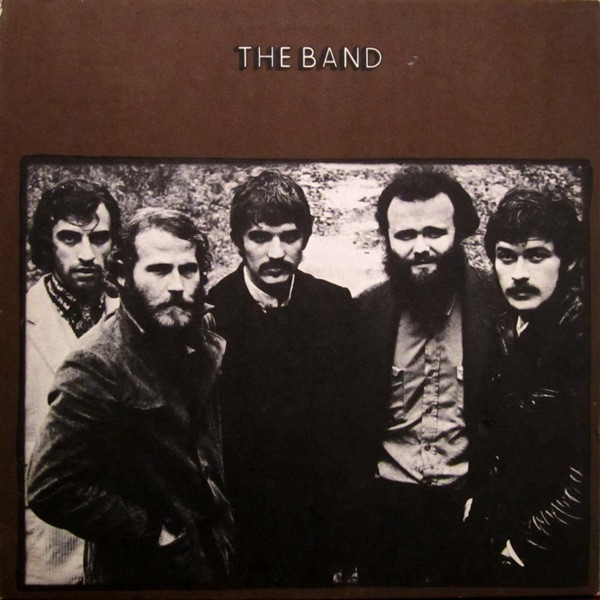
The Band
1969
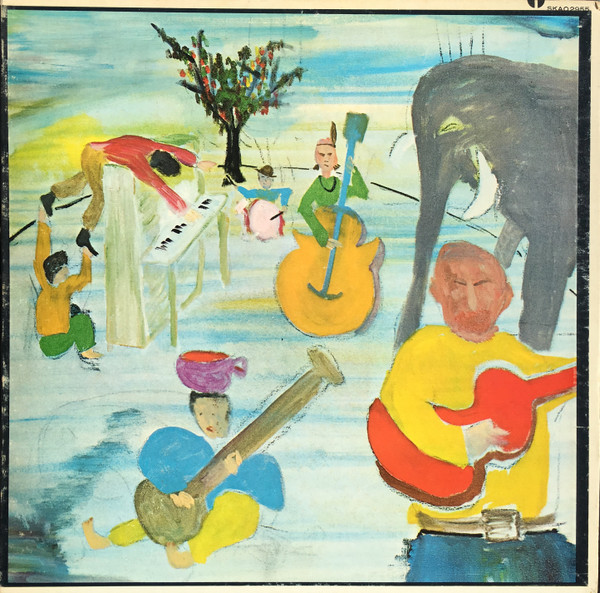
Music From Big Pink
1968
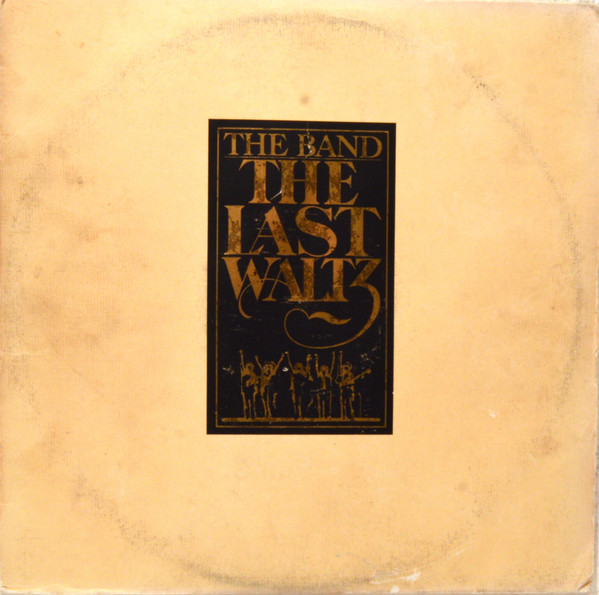
The Last Waltz
1978
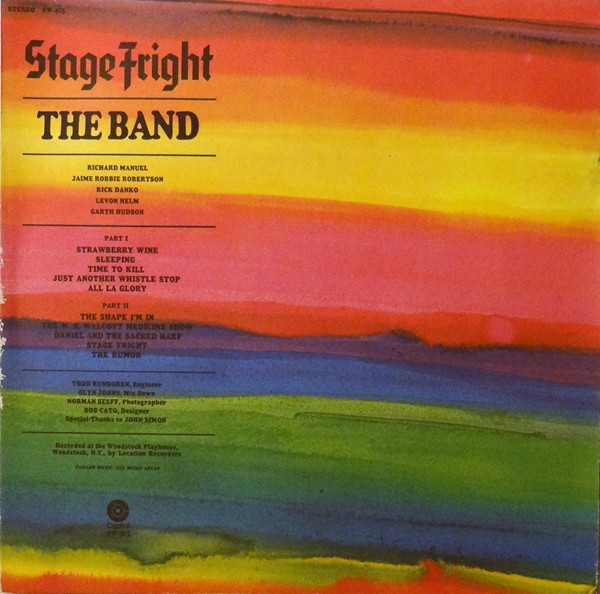
Stage Fright
1970

Rock Of Ages (The Band In Concert)
1972
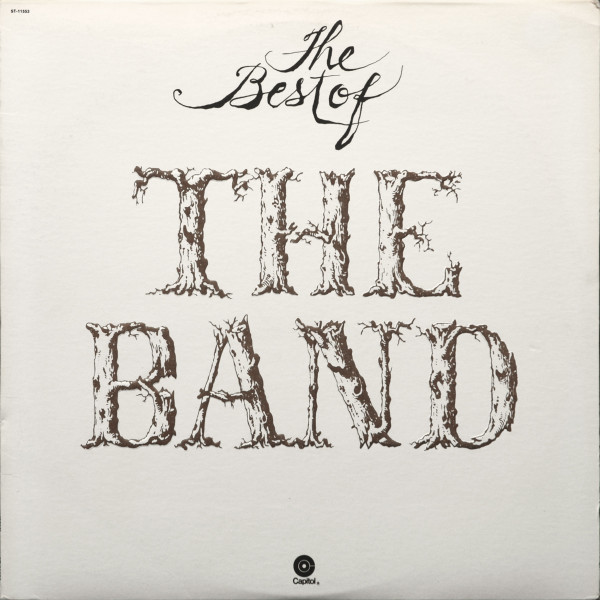
The Best Of The Band
1976
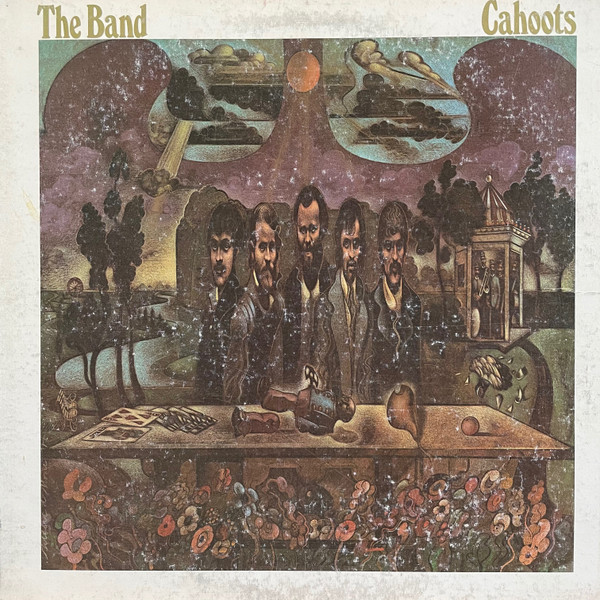
Cahoots
1971

Northern Lights-Southern Cross
1975

Moondog Matinee
1973
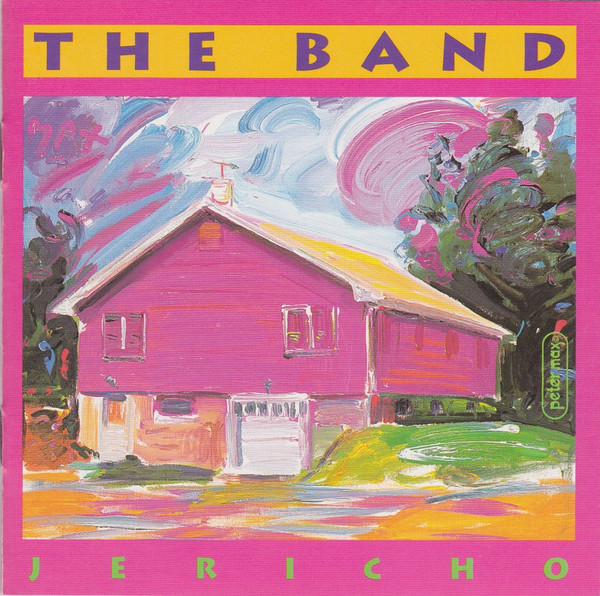
Jericho
1993

Islands
1977

The Capitol Albums 1968-1977
2015
A Musical History
2005

Jubilation
1998

Anthology
1978

Greatest Hits
2000

Palladium Circles
2015
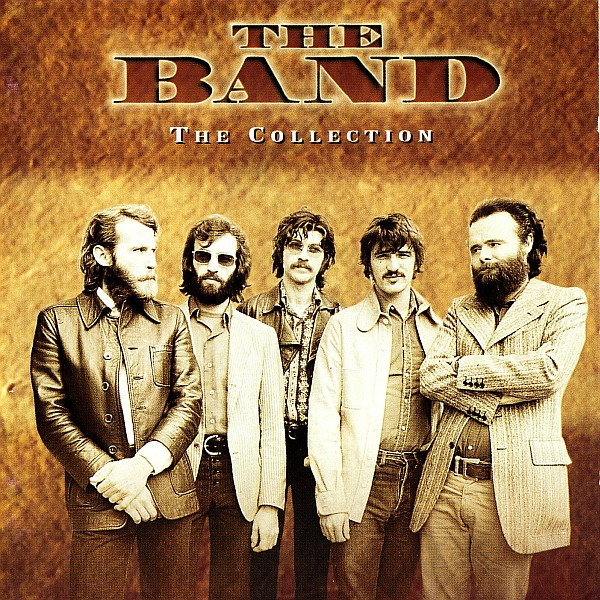
The Collection
1997
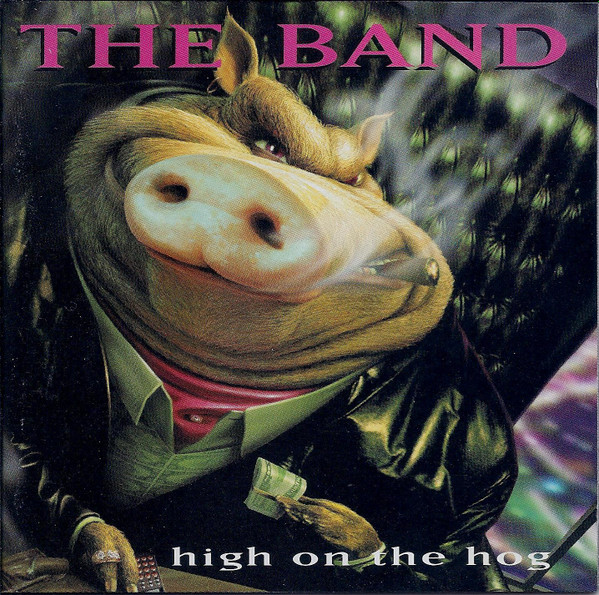
High On The Hog
1996

Music From Big Pink + The Band
1974

The Best Of A Musical History
2007

The Weight
1996
Across The Great Divide
1994

10 Great Songs
2009
Related artists
Members
Frequent collaborators
Around the web
Follow every record they touch.
Start your shelf and Gatefold tracks The Band's new pressings, tour dates, and the whole discography — automatically.
Start your shelf →Free forever. Works with 10 records or 10,000.