
Artist
Tom Petty
Gainesville, United States · 1950 – 2017
Tom Petty is a musician from Gainesville, United States, active 1950–2017. Their discography on Gatefold includes 9 records. They also recorded with Tom Petty and the Heartbreakers, Traveling Wilburys, Mudcrutch and Peace Choir.

50
Albums tracked
1,359
In collections
1950
Since
Biography
Shelter Records didn't want Tom Petty at first—they wanted a solo star, not the Gainesville bar band he brought with him. He had to sign a shitty contract that eventually forced him into a Chapter 11 bankruptcy filing just to get his masters back from MCA. That lawsuit was the first time anyone saw the real Petty: a stubborn prick who would rather burn the building down than let a suit tell him how to value his own songs. He was the only guy in the industry who could tell the label to drop the price of 'Hard Promises' by a dollar so the kids could afford it, and actually make them do it. He spent the eighties surviving the cocaine-logic of the industry and Jeff Lynne’s obsession with clean, dry drums. When he finally hit 'Wildflowers,' he was basically an orphan, divorcing his wife and leaving his original label for Warner Bros. It’s the sound of a man who realized the Heartbreakers were the best backing band in the world but didn't actually want to be in a democracy anymore. He was a stone-cold perfectionist who hid it behind a drawl and a Rickenbacker, and he never once pretended to be anything other than a guy trying to write a song as good as 'American Girl' again.
Bio from The Clerk
The Arc of Tom Petty
The pivots — what forced Tom Petty to reinvent.
The Shelter Stand-off
After Mudcrutch imploded, Petty grabbed Mike Campbell and Benmont Tench to form the Heartbreakers, but the industry tried to treat them like a power-pop novelty. Denny Cordell pushed them into a tighter, leaner sound that owed more to the jukebox than the jam-band roots of Florida. You hear the tension in those early records where they’re trying to be as sharp as the New Wave bands while keeping the Southern grit. It culminated in a legal war for independence that defined Petty’s career as the industry’s most principled headache.
The Jeff Lynne Gloss
By 'Full Moon Fever,' Petty ditched the full band dynamic to work in Mike Campbell’s garage with Jeff Lynne and George Harrison. Lynne stripped away the room reverb and replaced the Heartbreakers' organic swing with metronomic precision and stacks of vocal harmonies. This was the moment he shifted from a rock-and-roll lifer to a global pop commodity, finding a radio-friendly sheen that stayed with him through the Traveling Wilburys era. The snare hits are tighter, the acoustic guitars are layered like a wall, and the loose edges of the seventies were officially sanded off.
The Rick Rubin Strip-down
Moving to Warner Bros. and hiring Rick Rubin for the 'Wildflowers' sessions was a brutal reset that broke the band’s spirit but saved the music. Rubin forced Petty to stop hiding behind the studio tricks of the eighties and focus on the skeletal frame of the songwriting. They tracked dozens of songs with a rotating door of players, including Steve Ferrone on drums, which effectively ended the original lineup's chemistry. What came out was a dusty, vulnerable masterpiece that sounds like it was recorded in a wood-paneled room at 3:00 AM.
Influences
- The Byrds — Petty straight-up lifted the 12-string Rickenbacker chime of Roger McGuinn for 'American Girl' and 'Listen to Her Heart.' McGuinn famously heard the track and asked his manager if he’d written it, eventually covering it himself to reclaim the sound. The vocal phrasing and the jangle are the DNA of the Heartbreakers' entire first decade.
- The Beatles — Seeing them on Ed Sullivan in '64 is the only reason Petty picked up a guitar. He spent his career chasing the economy of George Harrison’s lead lines, eventually becoming his bandmate in the Traveling Wilburys. You hear it in the middle-eight transitions and the obsession with three-minute pop perfection.
- Del Shannon — Petty produced Shannon’s 'Drop Down and Get Me' in '81 to pay back the debt he owed to those early rock-and-roll melodies. The minor-key melancholia and the driving rhythm of Shannon’s hits were the blueprints for Petty’s darker, mid-tempo rockers. He never lost that fifties sense of a lonely guy with a big hook.
- Elvis Presley — Petty met Elvis on a film set in Ocala as a kid, which he claimed was the lightning bolt moment. While he didn't do the kitschy Vegas schtick, he kept the sneer and the rockabilly shuffle alive in the Heartbreakers' DNA. It’s why his rhythm section always had more swing than the heavy metal bands he toured with.
- Bob Dylan — The Heartbreakers served as Dylan’s backing band on the 1986 True Confessions tour, which served as a masterclass in loose, improvisational performance. Petty’s later lyrics traded the literalism of Southern rock for the surrealism he picked up from Dylan’s mid-sixties run. It’s the difference between a song about a girl and a song about a feeling.
Tom Petty — solo
Their records — most-collected first.
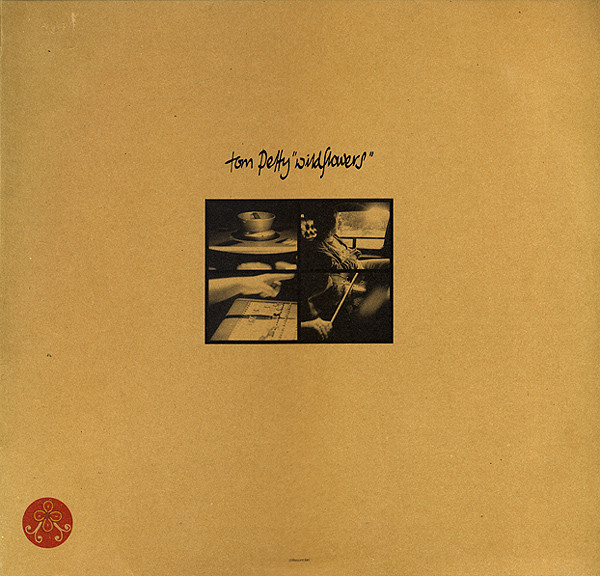

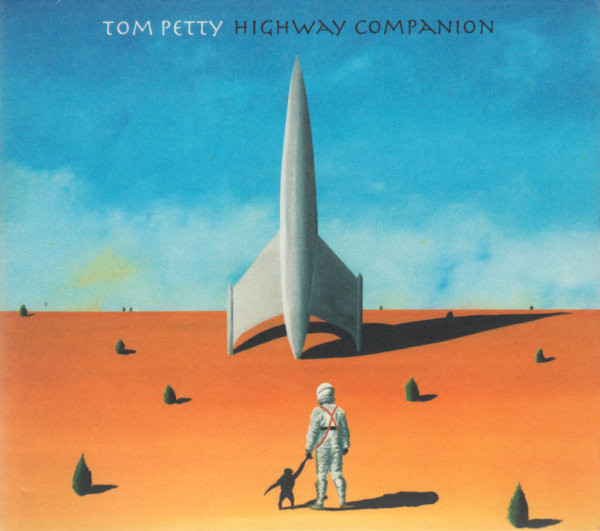
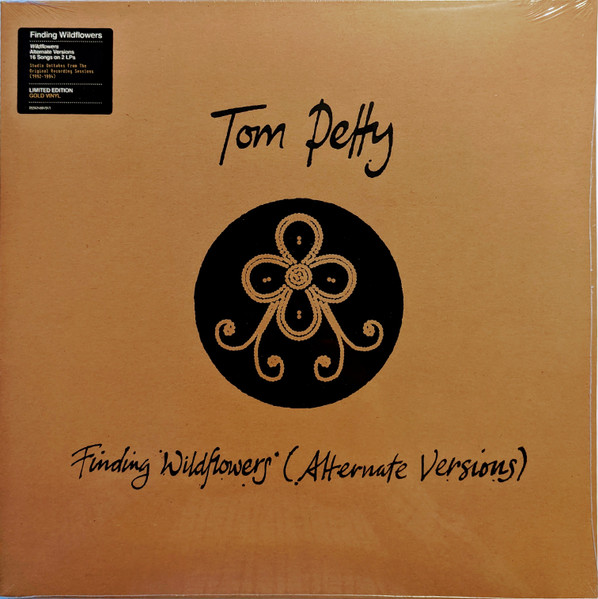

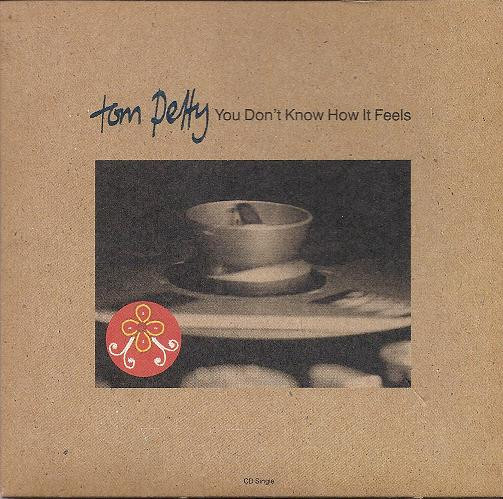
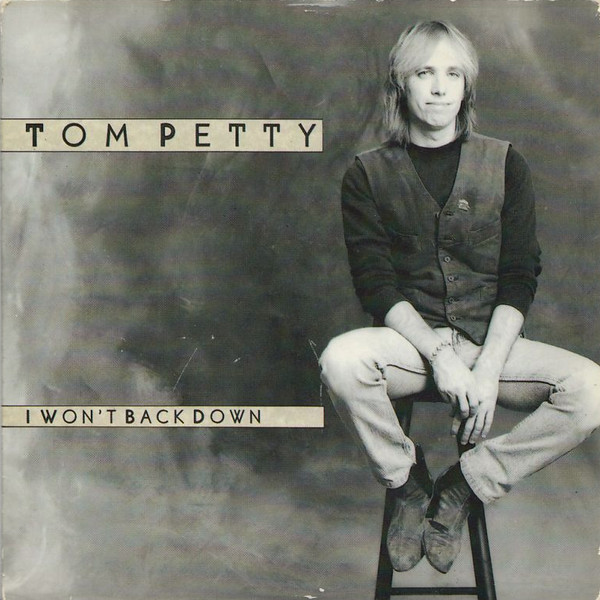
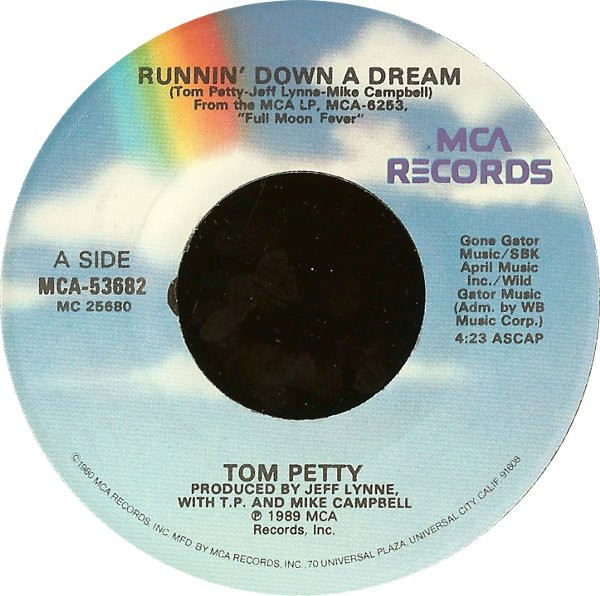
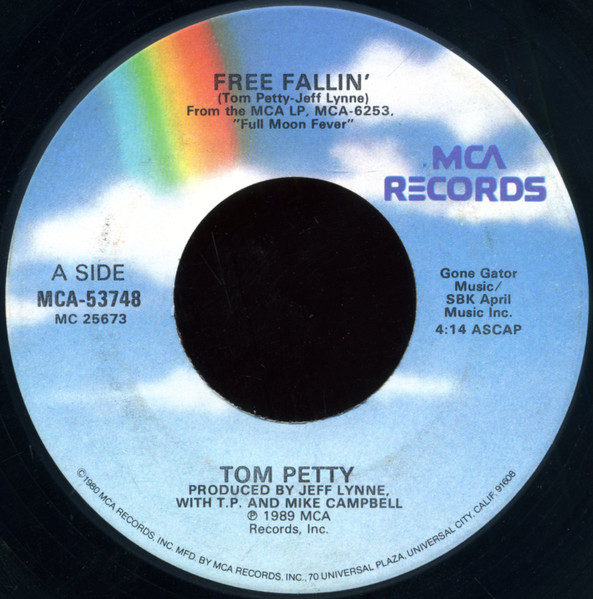
Tom Petty and the Heartbreakers
Tom Petty under another name — MusicBrainz marks this project eponymous.
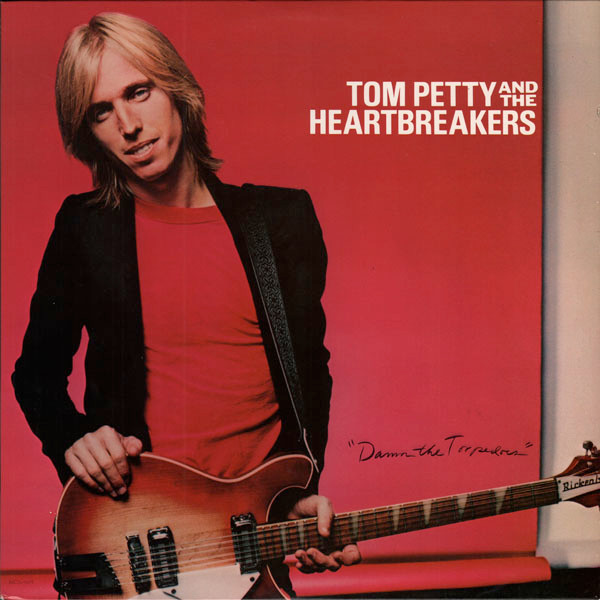
Damn The Torpedoes
1979
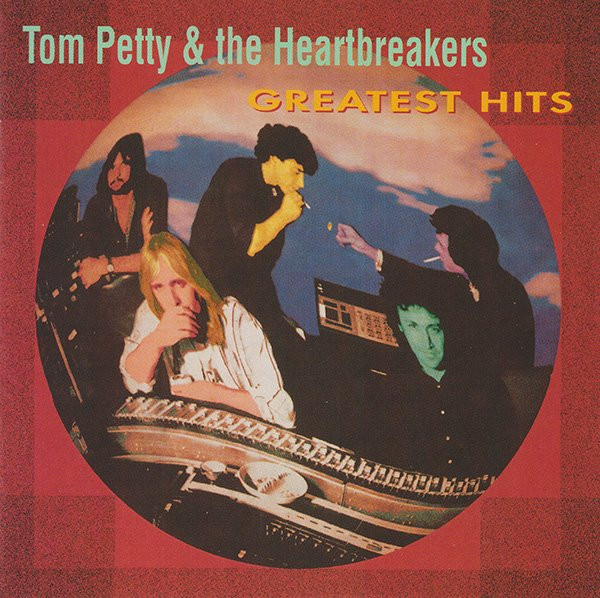
Greatest Hits
1993
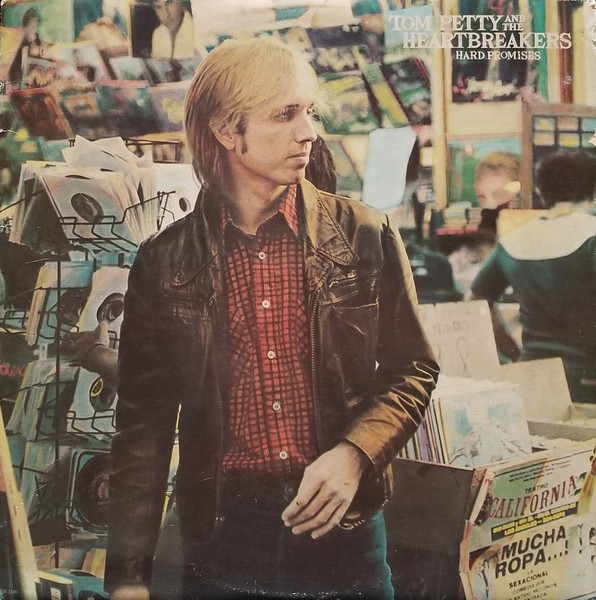
Hard Promises
1981
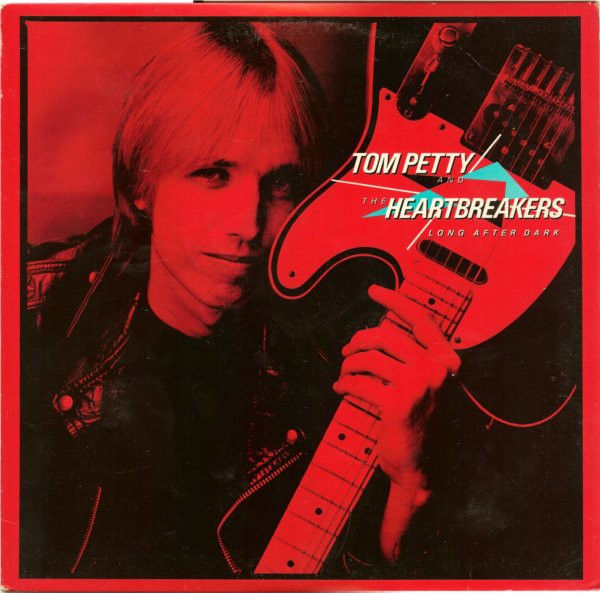
Long After Dark
1982
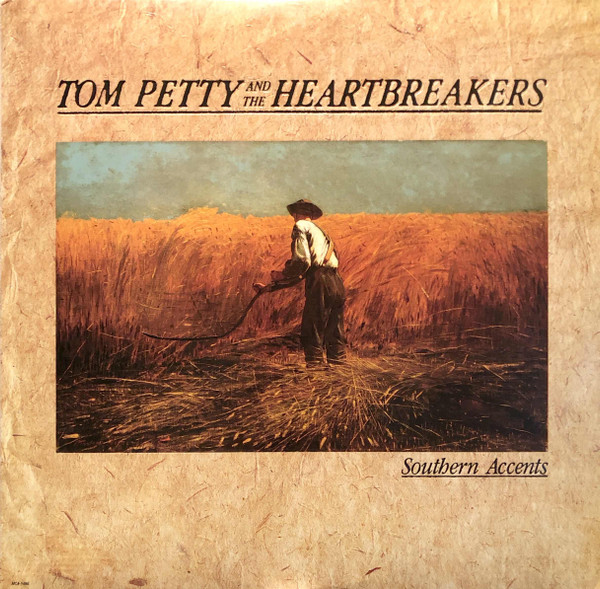
Southern Accents
1985
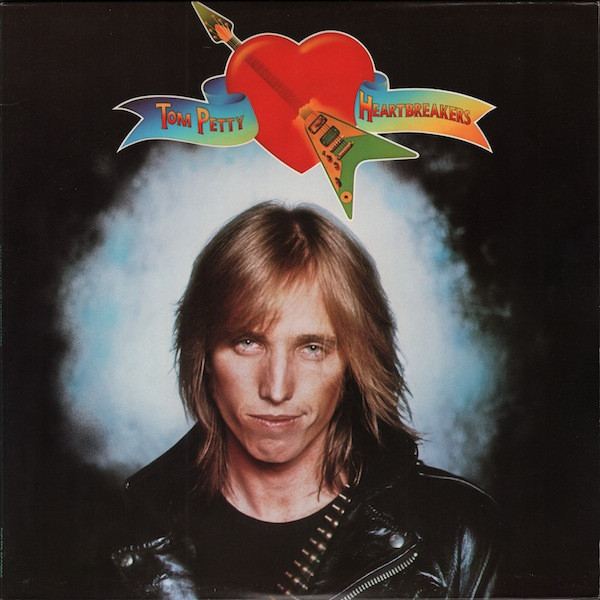
Tom Petty And The Heartbreakers
1976
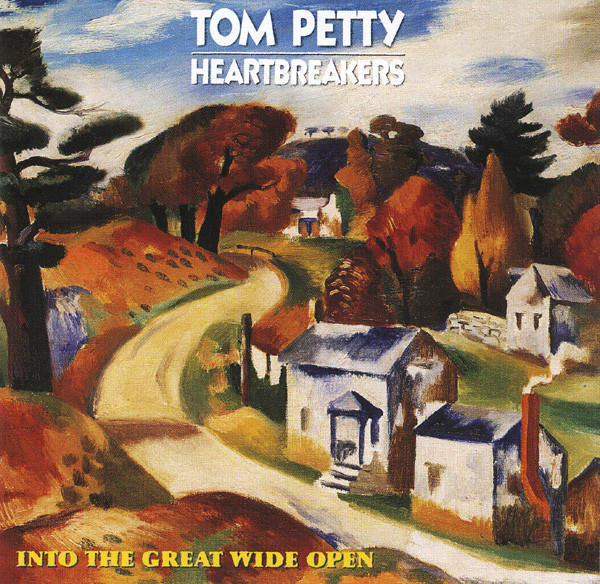
Into The Great Wide Open
1991

You're Gonna Get It!
1978
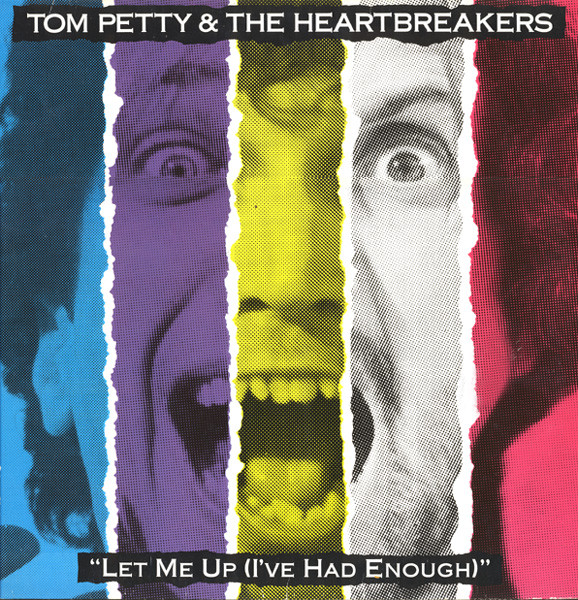
Let Me Up (I've Had Enough)
1987
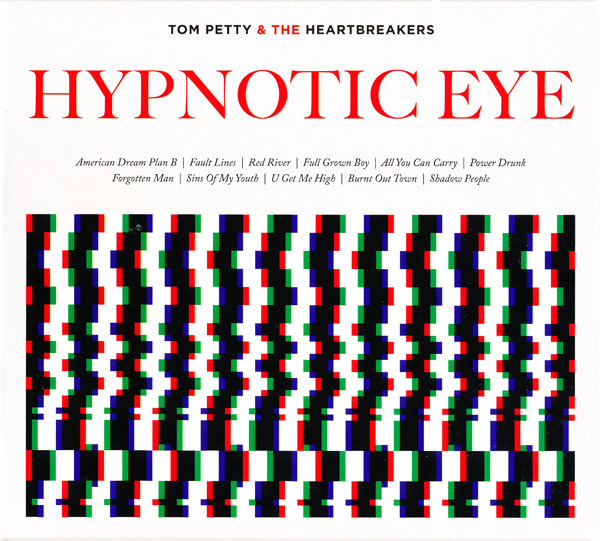
Hypnotic Eye
2014
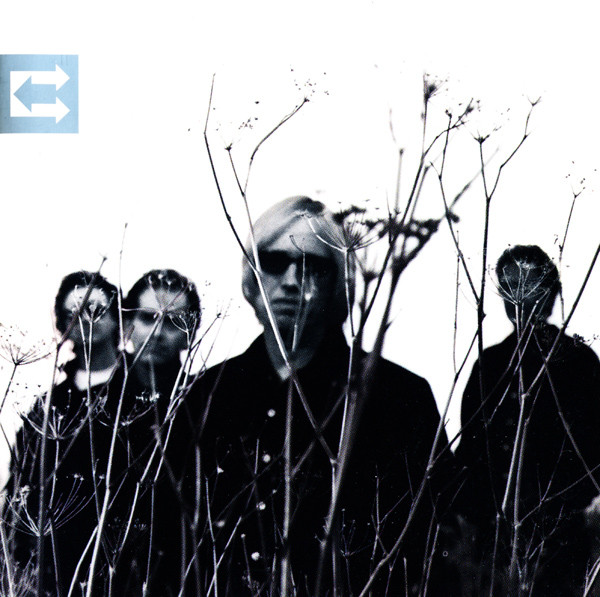
Echo
1999
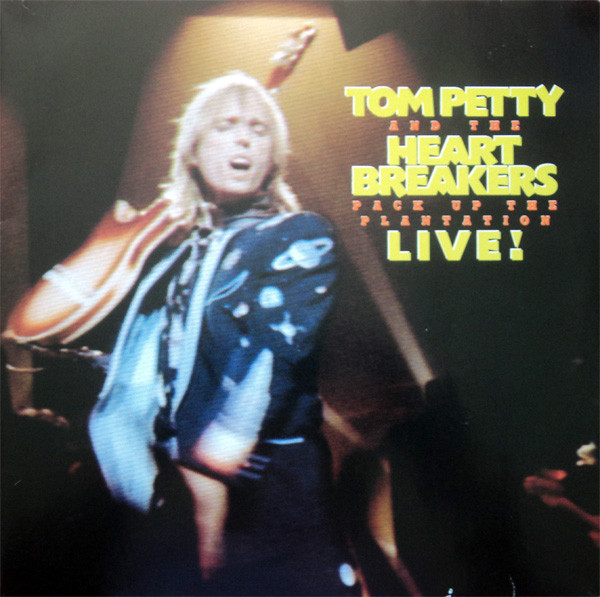
Pack Up The Plantation - Live!
1985

Mojo
2010
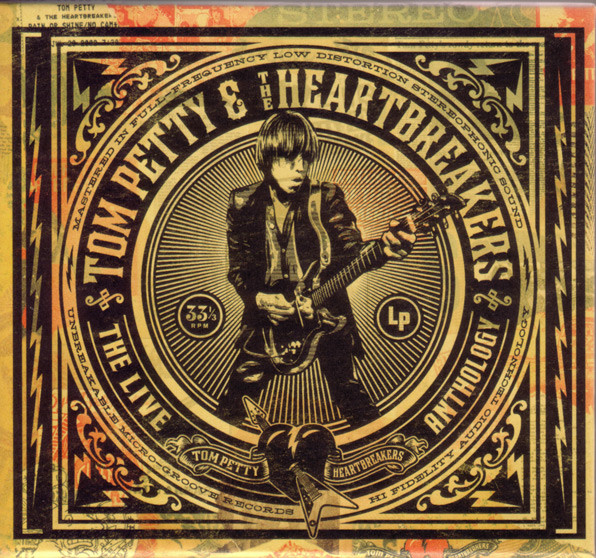
The Live Anthology
2009

The Live Anthology: From The Vaults Vol. 1
2025

The Best Of Everything (The Definitive Career Spanning Hits Collection 1976-2016)
2019
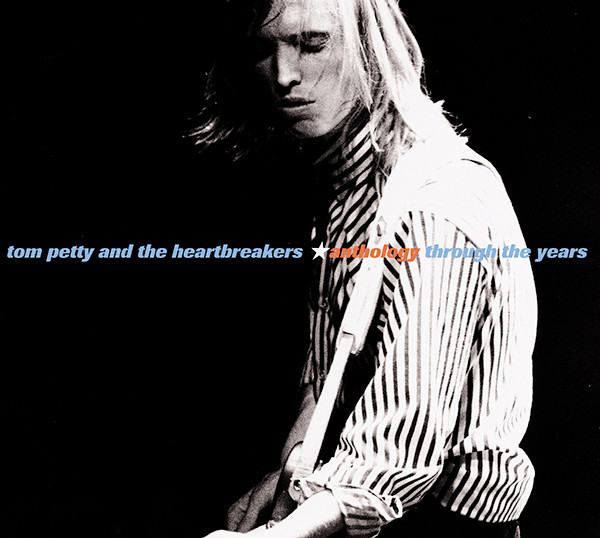
Anthology - Through The Years
2000
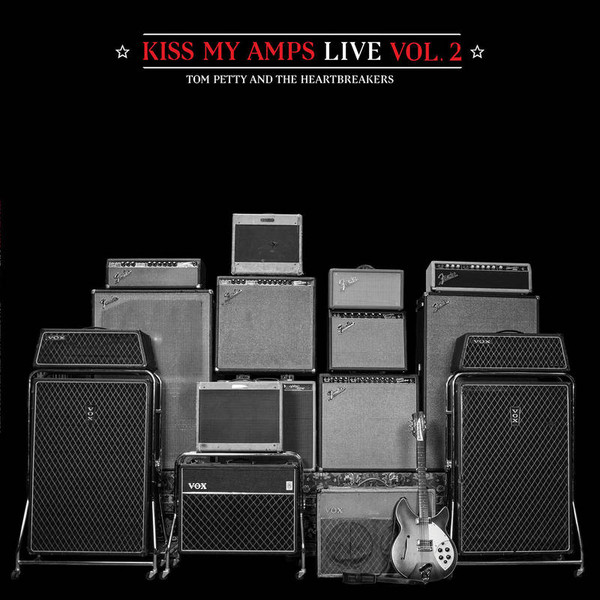
Kiss My Amps Live, Vol.2
2016
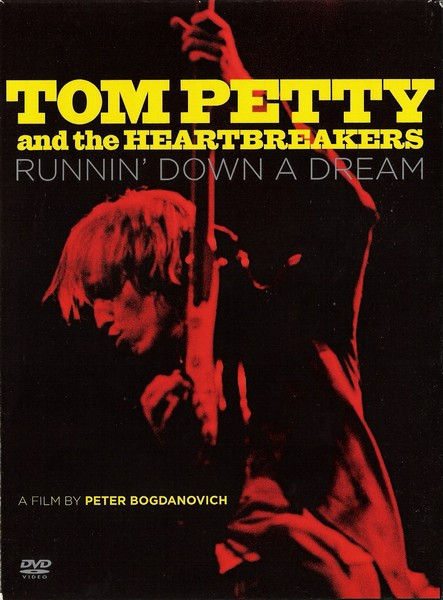
Runnin' Down A Dream
2007
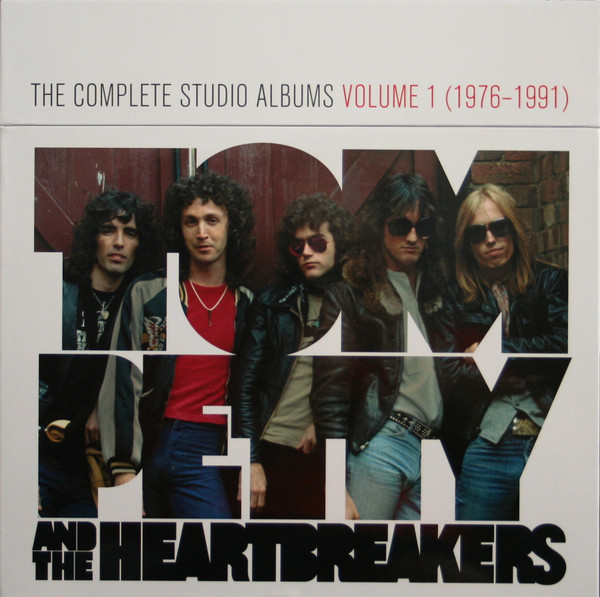
The Complete Studio Albums Volume 1 (1976-1991)
2016

A Wheel In The Ditch
2017
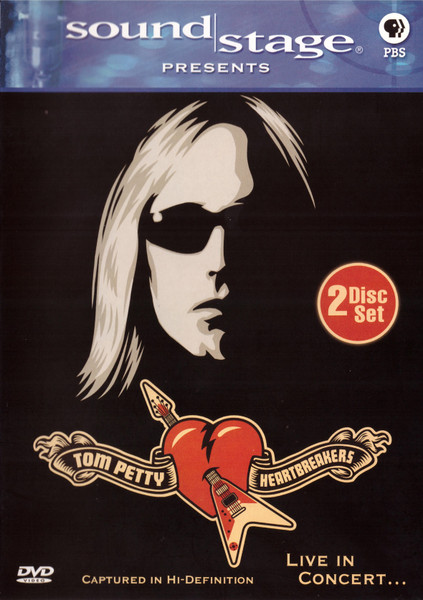
Sound Stage
2004
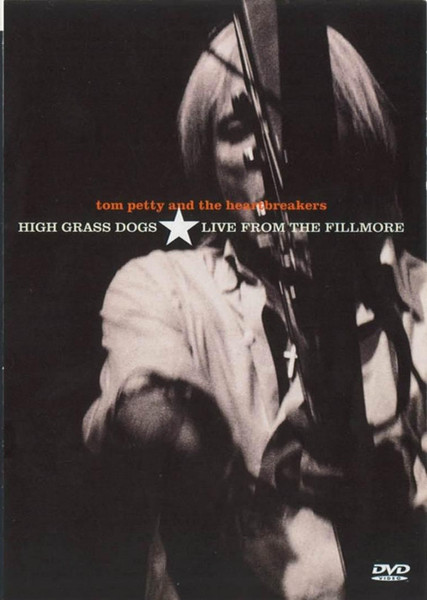
High Grass Dogs, Live From The Fillmore
1999

Playback
1995
Traveling Wilburys
A project Tom Petty was part of. Former member.
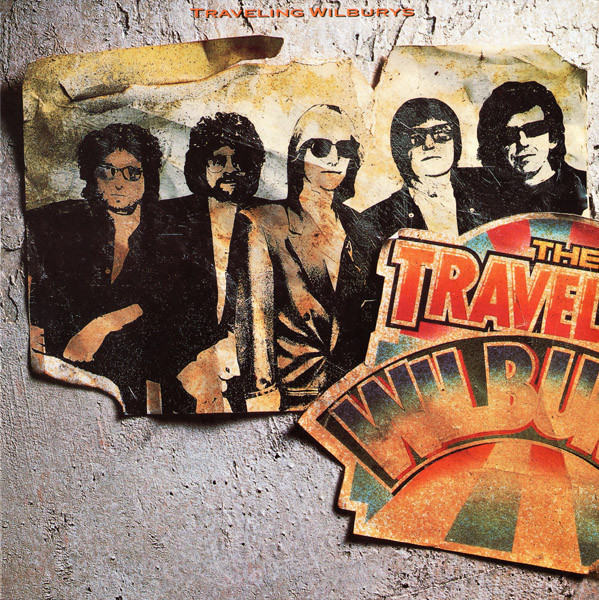

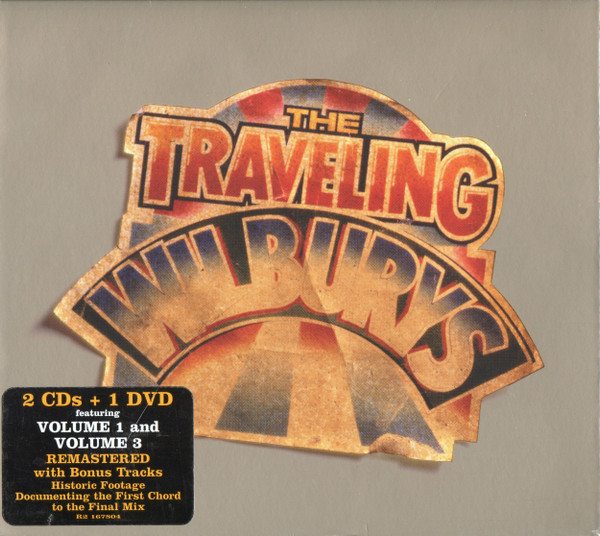

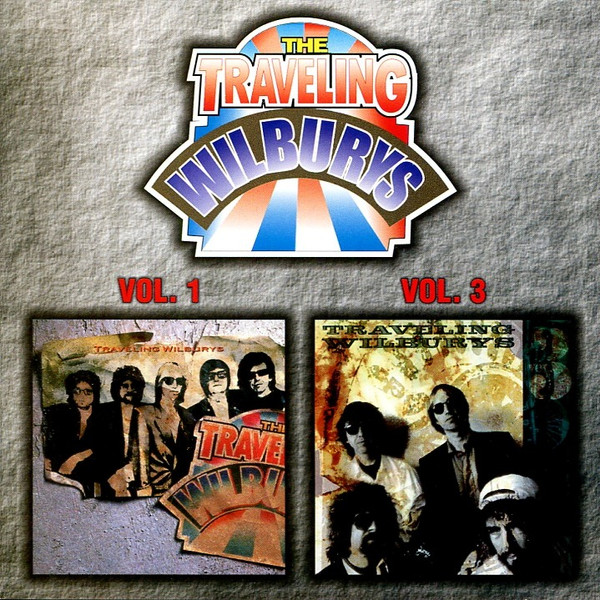
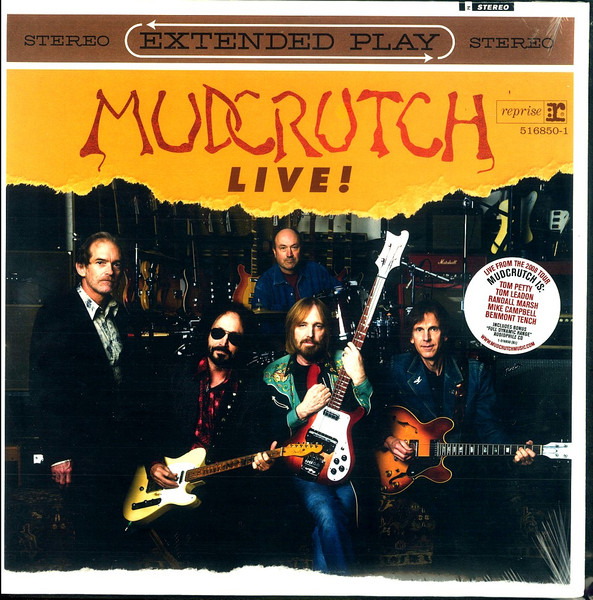
Mudcrutch
A project Tom Petty was part of.


Peace Choir
A project Tom Petty was part of.

Related artists
Around the web
Follow every record they touch.
Start your shelf and Gatefold tracks Tom Petty's new pressings, tour dates, and the whole discography — automatically.
Start your shelf →Free forever. Works with 10 records or 10,000.