
Artist
Bob Dylan
Duluth, United States · b. 1941
Bob Dylan is a musician from Duluth, United States, active since 1941. Their discography on Gatefold includes 24 records. They also recorded with Traveling Wilburys.

91
Albums tracked
3,279
In collections
1941
Since
Biography
John Hammond signed him to Columbia for a $400 advance and cut his debut in a single afternoon in 1961. He was just a kid in a corduroy cap blowing out harmonica reeds and trying to sound like a dusty 60-year-old from the Delta. He didn't just borrow a persona; he stole a whole history from the Greenwich Village folk scene, specifically lifting Dave Van Ronk’s arrangements and Woody Guthrie’s phrasing until he became something the label could market as a 'prophet.' He spent the next sixty years dodging that exact label by burning his own house down every time the neighbors got comfortable. One minute he’s the darling of the Newport Folk Festival, the next he’s high as a kite in Manchester being called 'Judas' for plugging in a Stratocaster. He survived a motorcycle crash, a messy divorce that fueled his best writing, and a weirdly committed three-year stint as a born-again Christian just to emerge as a gravel-voiced bluesman on the Never Ending Tour. The catalog is a minefield—for every masterpiece like Blood on the Tracks, there’s a self-indulgent mess like Self Portrait or the slick, gated-reverb nightmare of Empire Burlesque. But that’s the deal: you take the genius with the bullshit because the man has never once cared if you were keeping up.
Bio from The Clerk
The Arc of Bob Dylan
The pivots — what forced Bob Dylan to reinvent.
The Thin Wild Mercury Sound
By 1965, Dylan was bored of being a finger-pointing folk singer and brought in Mike Bloomfield and Al Kooper to create a chaotic, electrified ruckus. They tracked Highway 61 Revisited with a loose, amp-cranked energy that culminated in the sprawling 'Like a Rolling Stone,' a track that shouldn't have worked with its lurching organ and stinging telecaster. This was the birth of the 'thin wild mercury sound'—a high-voltage, speed-fueled blend of street poetry and garage rock that peaked with the double-album sprawl of Blonde on Blonde in Nashville. It forced the entire folk world to decide if they were coming along for the ride or getting left in the dust.
The Basement Retreat
After a 1966 motorcycle crash in Woodstock, Dylan vanished from the public eye and hoistered himself up in a pink house with the guys who would become The Band. Instead of chasing the psychedelic trends of the 'Summer of Love,' they recorded hundreds of low-fi, informal tracks on a portable reel-to-reel in a basement. These sessions turned away from mercury-sound electricity toward a skeletal, weirdly rural version of American music that birthed John Wesley Harding. You hear the shift in the lack of drums and the stripped-back, biblical lyrics that made the rest of the rock world look like they were trying too hard.
The Heartbreak and the Divorce
Following the disastrous reception of Self Portrait and a fading marriage, Dylan entered A&M Studios in 1974 to cut Blood on the Tracks. He experimented with open tunings learned from Kevin Crossley, creating a shimmering, percussive acoustic bed for some of the most brutal confessionals ever put to tape. The original New York sessions were sparse and haunting, but he re-recorded half the album in Minneapolis with local musicians to give it a more rhythmic, biting edge. This pivot reclaimed his status as a master songwriter by trading abstract poetry for the raw, bloody reality of a failing relationship.
The Gospel Years
In 1979, Dylan shocked his fanbase again by converting to Christianity and refusing to play his old hits during live sets. He teamed up with producer Jerry Wexler and brought in Mark Knopfler to provide the clean, bluesy guitar licks that define Slow Train Coming. The music became tight, professional, and preachy, a massive departure from the loose-shambles energy of the Rolling Thunder Revue years. While many fans bailed, the era showed a man obsessed with conviction, delivering some of the most technically precise vocal performances of his career over slick Muscle Shoals grooves.
Influences
- Woody Guthrie — Dylan famously visited a dying Guthrie in the hospital and wrote 'Song to Woody' as a direct tribute on his debut. You hear it in the dusty, nasal vocal delivery and the wandering, rambling song structures of his early protest phase. He didn't just like Guthrie; he essentially wore his skin for the first three years of his career.
- Robert Johnson — John Hammond gave Dylan an early acetate of King of the Delta Blues Singers before it was even released to the public. The eerie, haunting imagery and the rhythmic 'walking' guitar style of the Delta became the bedrock for Dylan's more surrealist blues excursions. Without Johnson's hellhounds, you don't get the dark, apocalyptic visions on Highway 61 Revisited.
- Little Richard — In his high school yearbook, Dylan wrote that his ambition was to join Little Richard's band. You can hear that pounding, percussive piano energy and the raw, shouting vocal style whenever he decides to stop being a folkie and start being a rock and roller. It’s the hidden foundation of his 1965 electric transition.
- Odetta — Dylan stated in a 1978 interview that hearing Odetta's first record was the literal reason he traded his electric guitar for an acoustic Gibson in the late fifties. Her deep, resonant vibrato and powerful folk arrangements taught him how to command a room with just a voice and a six-string. She provided the blueprint for the 'voice of a generation' gravitas he eventually adopted.
- Hank Williams — Dylan has repeatedly cited Williams as the 'prime mover' and 'the first songwriter' who mattered to him. The simple, direct emotional honesty and the lonesome-whistle delivery show up on Nashville Skyline and every other time Dylan leans into country music. He took the high-lonesome sound and gave it a college education.
Bob Dylan — solo
Their records — most-collected first.
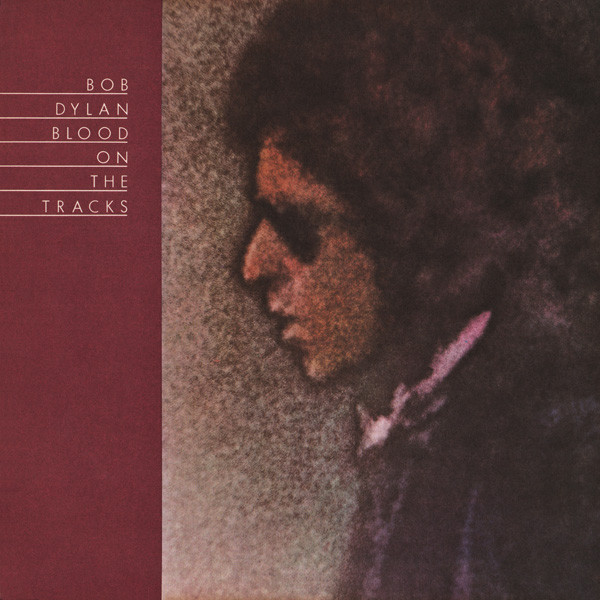
Blood On The Tracks
1975
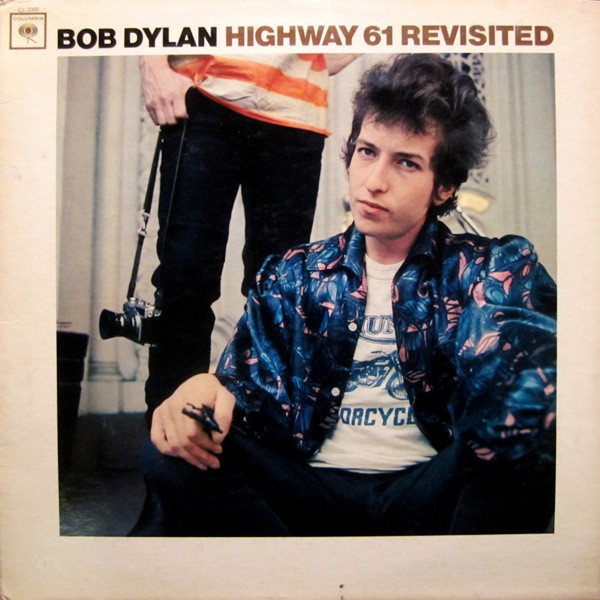
Highway 61 Revisited
1965
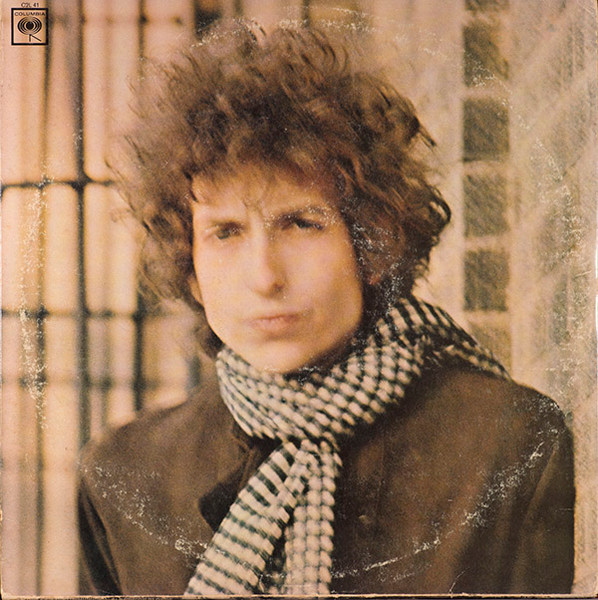
Blonde On Blonde
1966
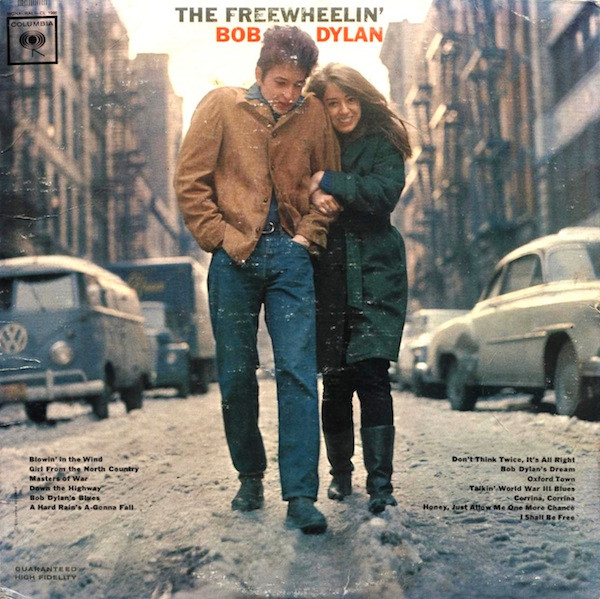
The Freewheelin' Bob Dylan
1963
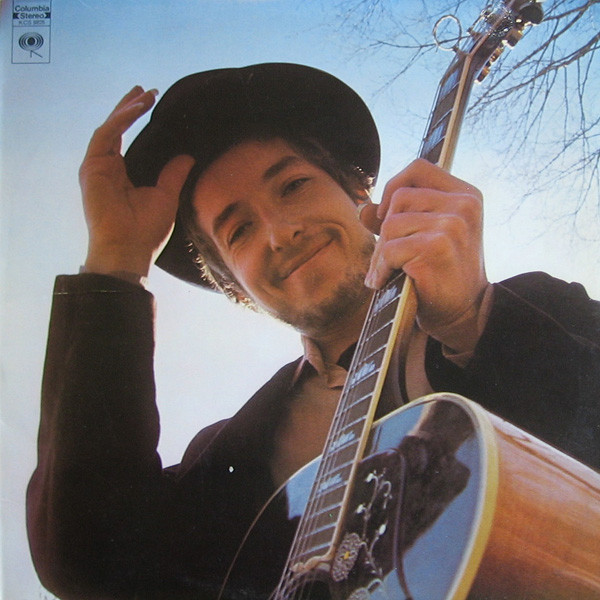
Nashville Skyline
1969
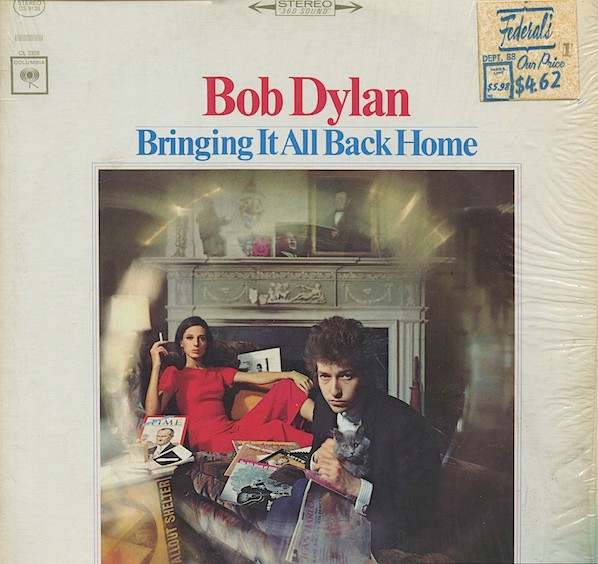
Bringing It All Back Home
1965

Desire
1976
Bob Dylan's Greatest Hits
1967
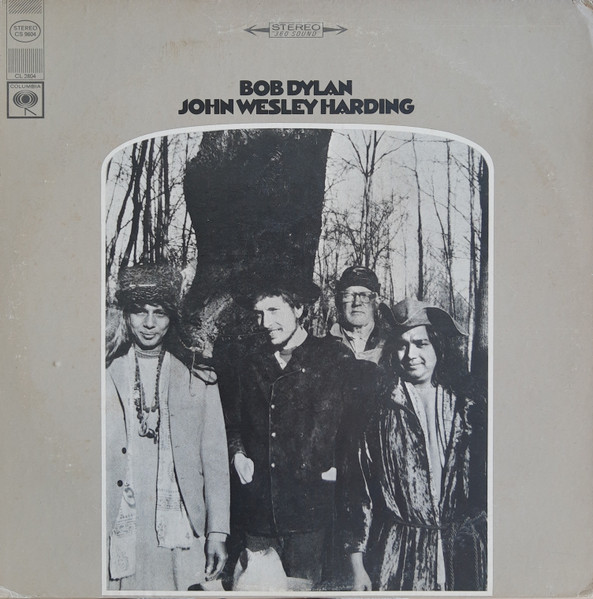
John Wesley Harding
1968
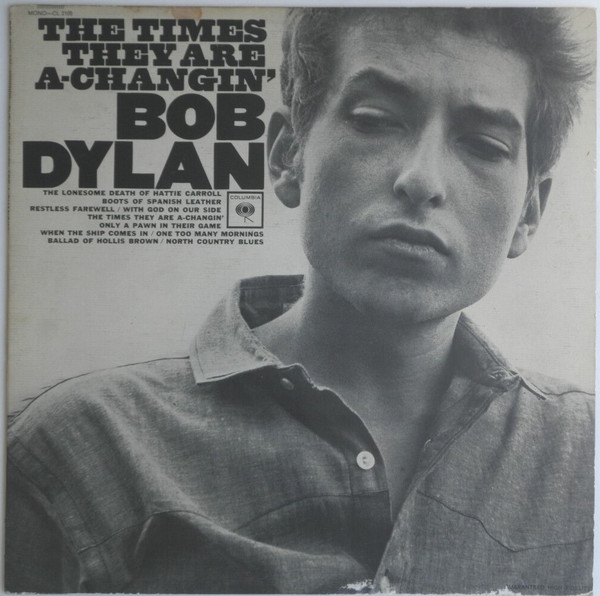
The Times They Are A-Changin'
1964
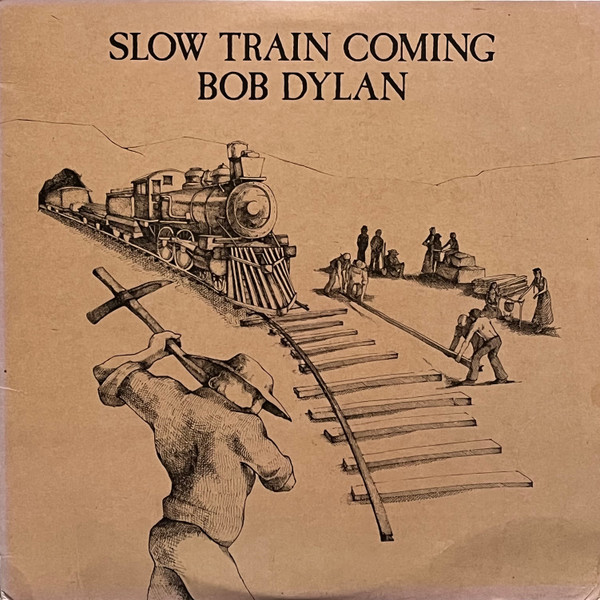
Slow Train Coming
1979
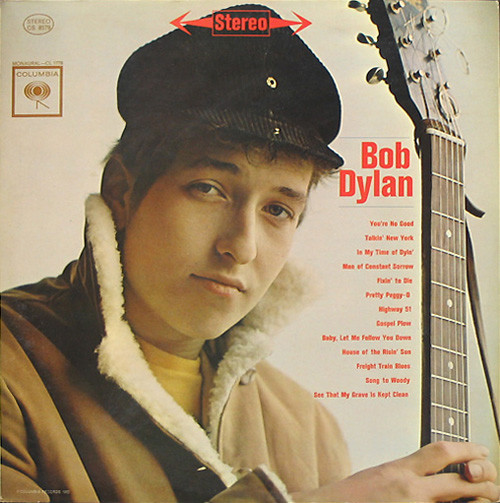
Bob Dylan
1962
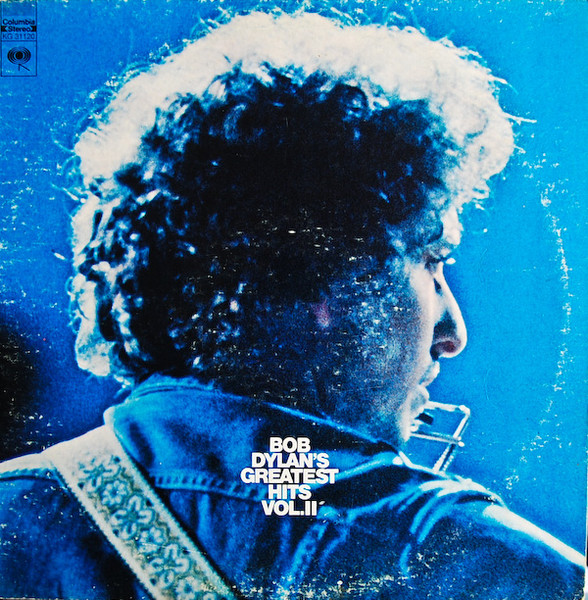
Bob Dylan's Greatest Hits Volume II
1971
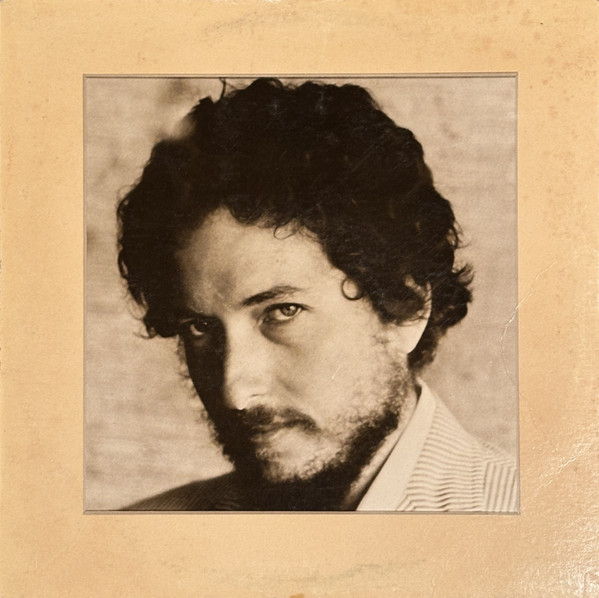
New Morning
1970
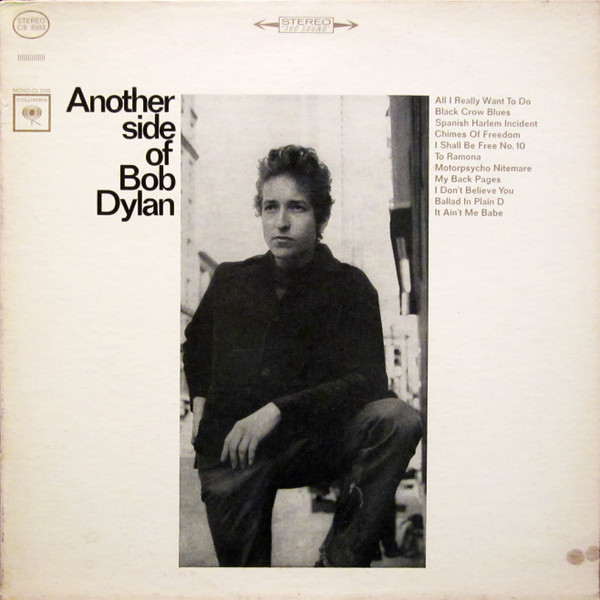
Another Side Of Bob Dylan
1964

Street-Legal
1978

The Basement Tapes
1975
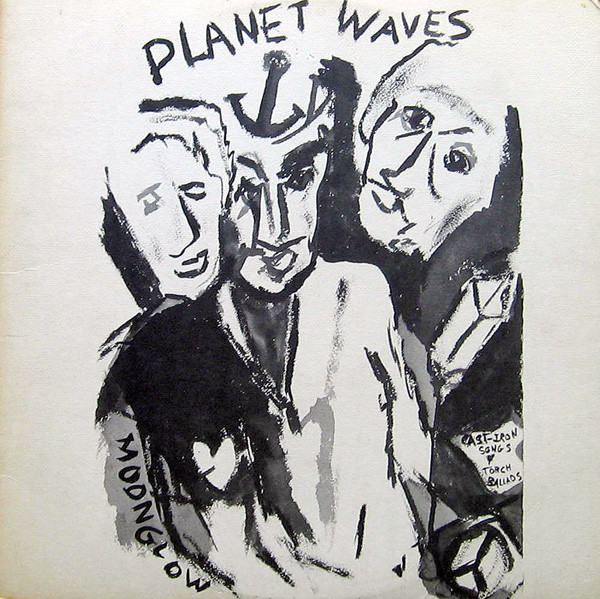
Planet Waves
1974
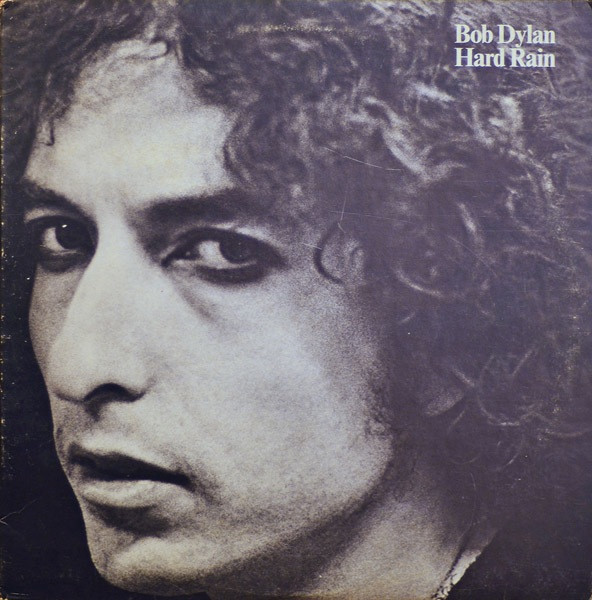
Hard Rain
1976
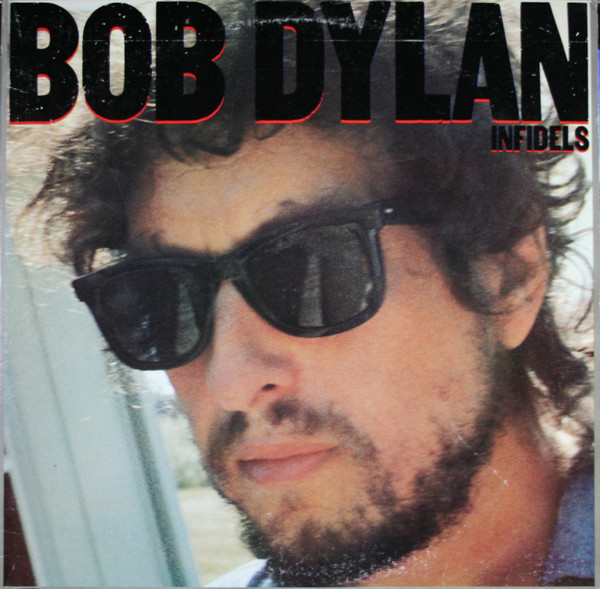
Infidels
1983
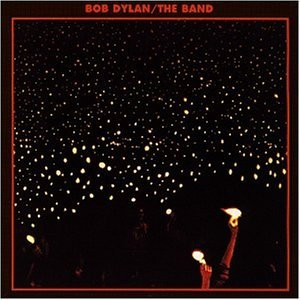
Before The Flood
1974
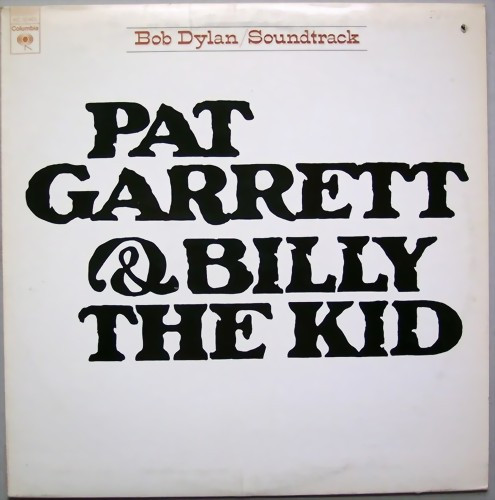
Pat Garrett & Billy The Kid (Original Soundtrack Recording)
1973
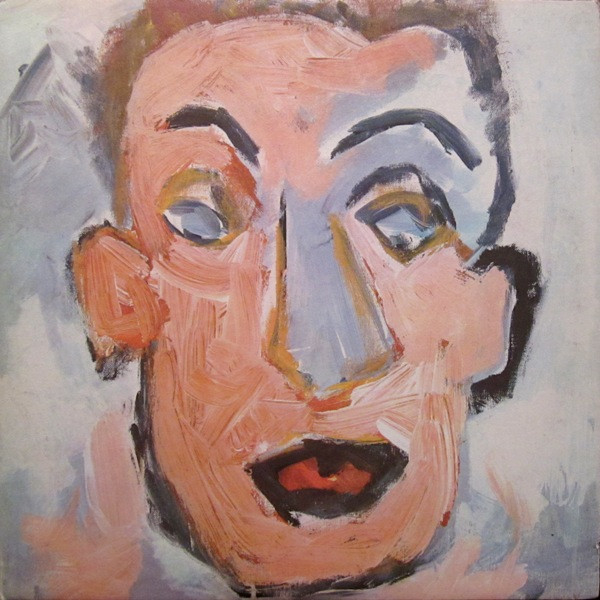
Self Portrait
1970
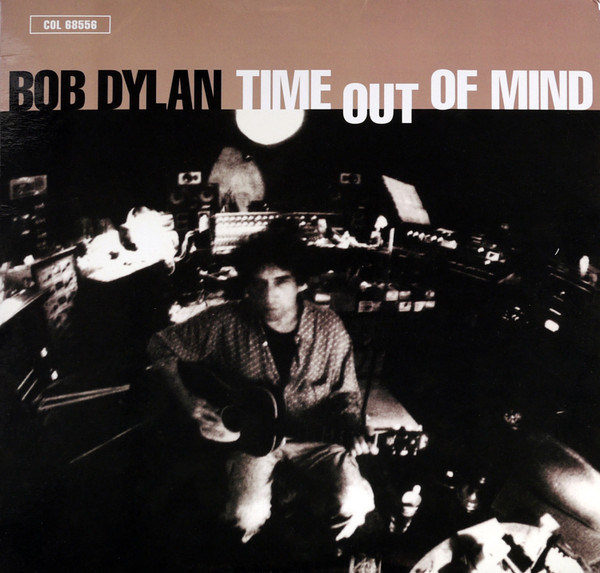
Time Out Of Mind
1997
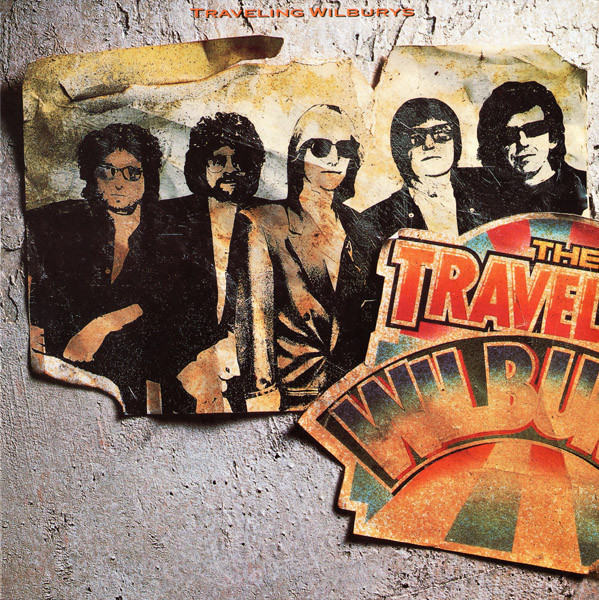
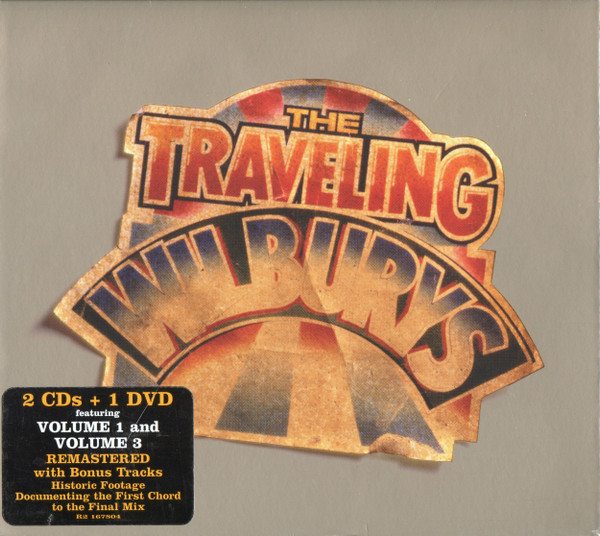
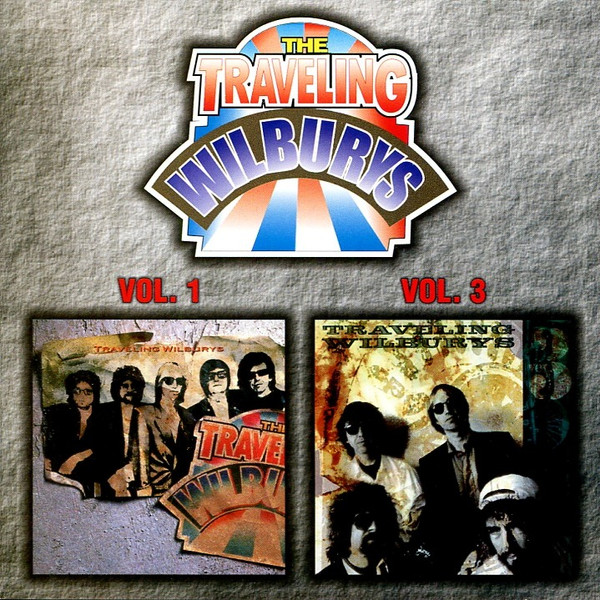
Traveling Wilburys
A project Bob Dylan was part of. Former member.


Related artists
Around the web
Follow every record they touch.
Start your shelf and Gatefold tracks Bob Dylan's new pressings, tour dates, and the whole discography — automatically.
Start your shelf →Free forever. Works with 10 records or 10,000.