
Artist
Guns N’ Roses
American hard rock band from Los Angeles
Los Angeles, United States · Formed 1985
Guns N’ Roses is a music group from Los Angeles, United States, active since 1985. Their discography on Gatefold includes 24 records.

51
Albums tracked
791
In collections
1985
Since
Biography
Mike Clink spent weeks in Rumbo Recorders just trying to capture a clean take of Steven Adler’s drumming because the band was too wired to sit still. They weren't a metal band and they weren't hair spray posers; they were a bunch of junkies who worshiped the Rolling Stones and Aerosmith but played with the desperation of a street fight. Appetite for Destruction didn't happen because of a big budget. It happened because they were living in a literal hole on Sunset Boulevard and hated everything about the polished 1987 radio dial. By the time they hit the Use Your Illusion sessions, the scrappy club vibe was dead. They brought in thirty-six different tracks for 'Coma' and let Axl spend years micromanaging every orchestral swell and sound effect. It turned into a massive, bloated, ego-driven circus that somehow still produced some of the most ambitious hard rock ever cut to tape. It’s the sound of a band burning through their own myth in real time, jumping from punk-rock filth to Elton John-style piano ballads because they finally had the money to hire a full horn section.
Bio from The Clerk
The Arc of Guns N’ Roses
The pivots — what forced Guns N’ Roses to reinvent.
The Rumbo Recorders Grind
After the fake-live grit of the Live ?!*@ Like a Suicide EP, the band moved into Rumbo Recorders with Mike Clink to strip away the 80s gloss. Clink was the only guy who could handle their erratic sessions, focusing on a dry, mid-heavy guitar tone that let Slash and Izzy’s interplay breathe without the era's typical plate reverb. This pivot turned them from local L.A. curiosities into a dangerous street-rock entity. You hear it in the dry crack of the snare and the lack of synthesizers, a total rejection of the digital sheen dominating the Billboard charts in '87.
The Grandiose Expansion
The firing of Steven Adler and the arrival of Matt Sorum and Dizzy Reed signaled the end of the swing and the beginning of the stomp. With the Use Your Illusion sessions, the band moved into a cinematic space, recording thirty songs across multiple studios with a literal wall of outboard gear. Axl’s obsession with the piano shifted the center of gravity away from the Keith Richards-style riffs of the early days toward something closer to Wagnerian opera. It was the moment they transitioned from a band into a massive, fragile corporate empire.
The Geffen Vault Purgatory
Following the covers-heavy The Spaghetti Incident?, the original lineup disintegrated, leaving Axl Rose to treat the band name like a solo laboratory for over a decade. He burned through millions of Geffen’s dollars and a rotating door of avant-garde players like Buckethead and Robin Finck at Village Recorder. The result, Chinese Democracy, replaced the blues-rock foundation with industrial loops, Pro Tools layering, and digital processing. It’s a dense, fascinating document of isolation that sounds nothing like the Sunset Strip but everything like a man lost in a computer.
Influences
- The Rolling Stones — The band’s entire guitar architecture is built on the Keith Richards and Mick Taylor blueprint of 'weaving' rhythm and lead. You hear it most clearly in Izzy Stradlin’s loose, open-G tuning influence and the band’s 1989 cover of 'Salt of the Earth' with Axl and Ian Stewart. They were the only L.A. band of their era who actually understood the blues-drag of Exile on Main St.
- Aerosmith — Slash has cited seeing Aerosmith at the Greek Theatre as his catalyst for picking up a guitar, and the band later opened for them on the 1988 Permanent Vacation tour. The DNA of Rocks is all over Appetite, specifically the sleazy, bottom-heavy groove and Steven Tyler's rhythmic vocal delivery. It’s the foundation for their entire 'dangerous but catchy' aesthetic.
- Rose Tattoo — The band covered 'Nice Boys' on their debut EP and frequently cited this Australian outfit as their template for slide-heavy street punk. You hear Angry Anderson's high-register grit in Axl’s rasp and the slide guitar work on the early demos. It gave them a harder, more pub-rock edge than their Hollywood peers.
- Elton John — Axl Rose performed 'November Rain' at the Freddie Mercury Tribute Concert as a direct nod to the piano-driven grandiosity of Elton’s early 70s work. The transition from 'Sweet Child O' Mine' to the epic sweeps of the Illusion albums is basically a pivot from Aerosmith to Goodbye Yellow Brick Road. It’s where the balladry and the ego-driven arrangements come from.
- The Stooges — Duff McKagan came out of the Seattle punk scene and brought a raw, nihilistic energy that the band formalized by covering 'Down on the Street' on The Spaghetti Incident?. You hear Iggy’s confrontational sneer in their early live sets and the messy, unhinged low-end of 'It's So Easy.' They took the Stooges' chaos and sold it to the suburbs.
Discography
Their records — most-collected first.
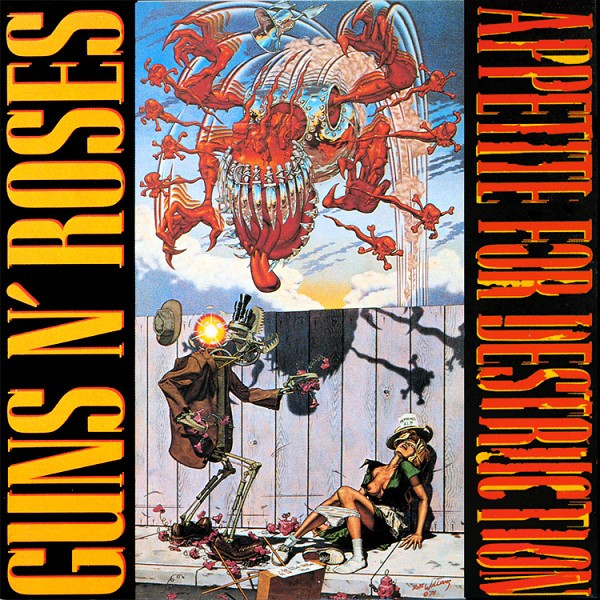
Appetite For Destruction
1987
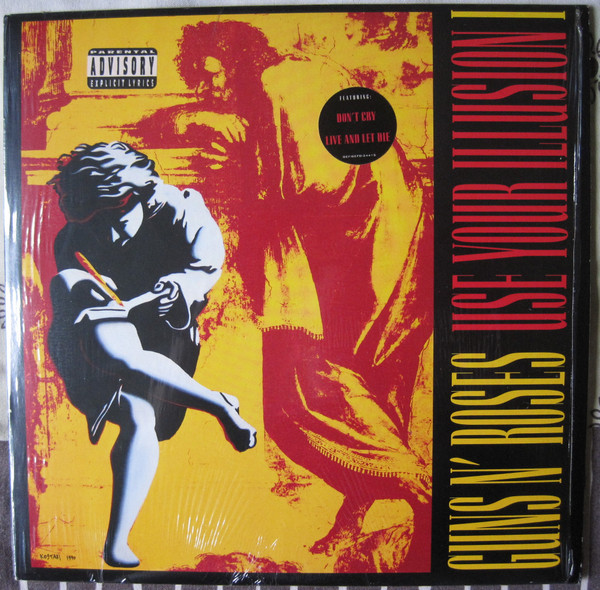
Use Your Illusion I
1991
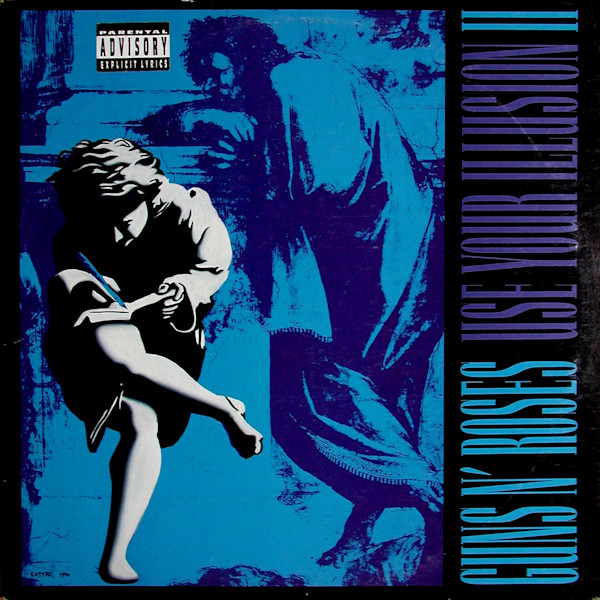
Use Your Illusion II
1991

G N' R Lies
1988
Greatest Hits
2004
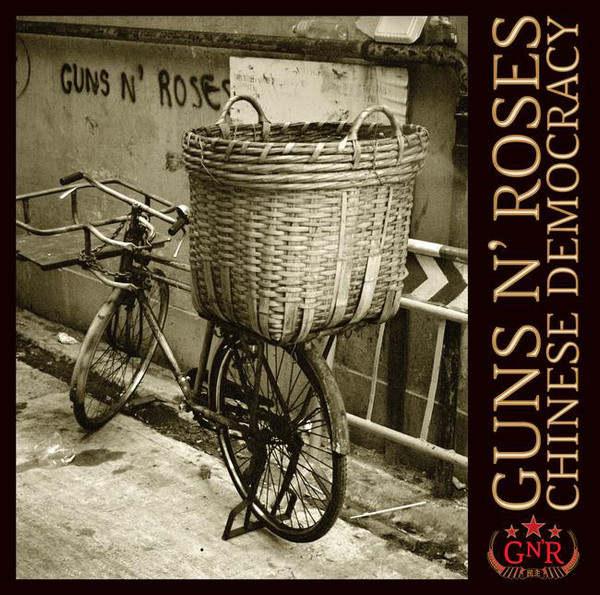
Chinese Democracy
2008
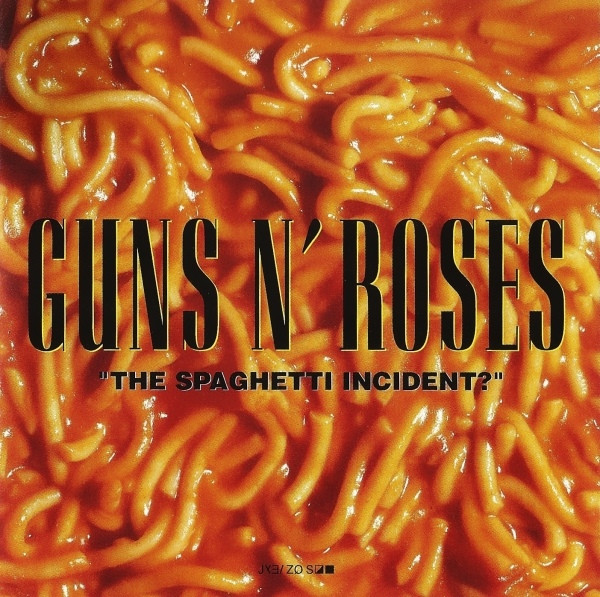
"The Spaghetti Incident?"
1993
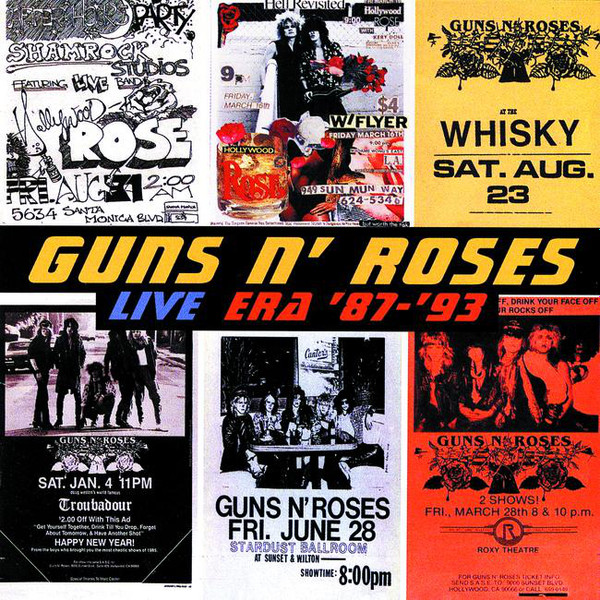
Live Era '87-'93
1999
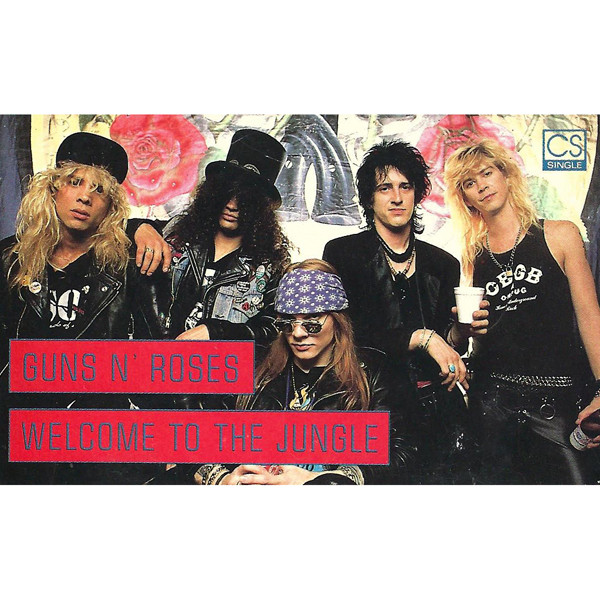
Welcome To The Jungle
1987
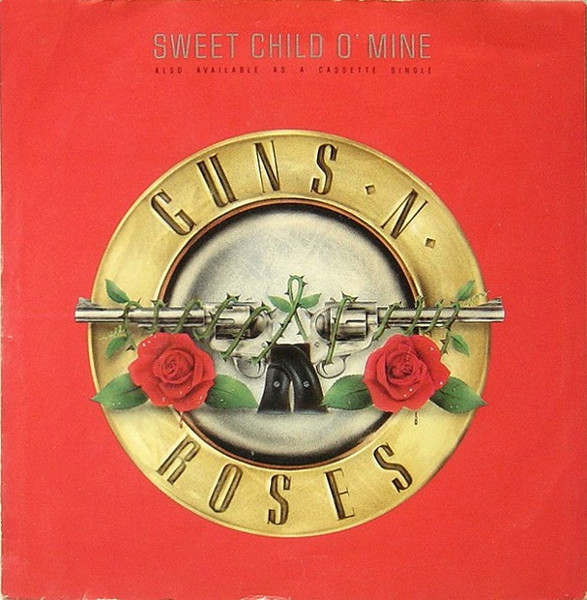
Sweet Child O' Mine
1988

Use Your Illusion I & II
1991
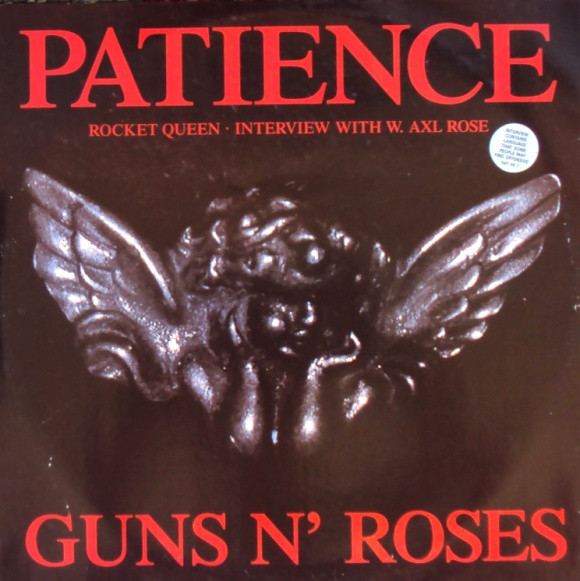
Patience
1989
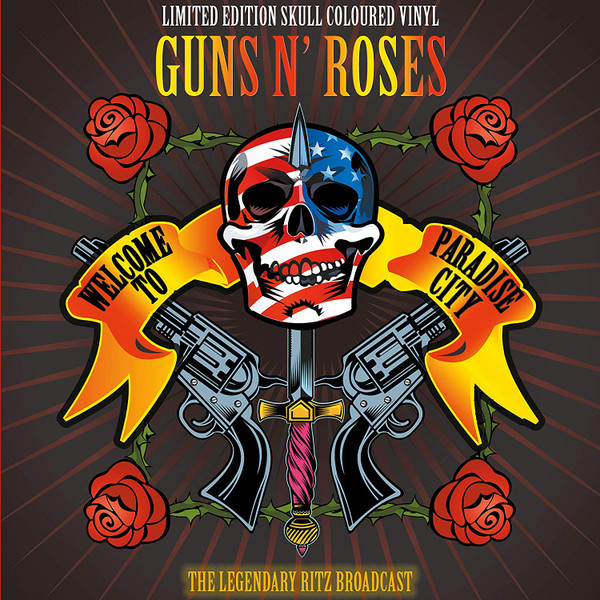
Superstar Concert Series
1989
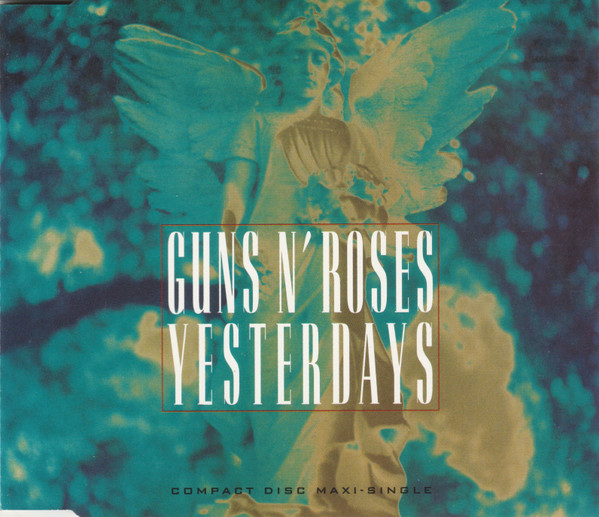
Yesterdays
1992
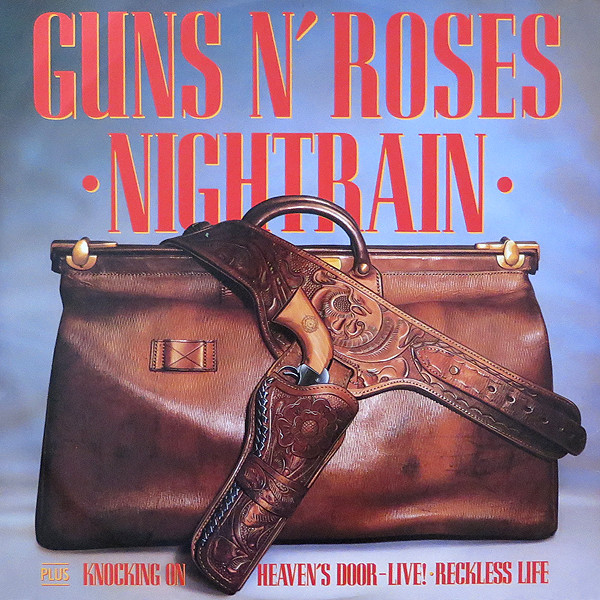
Nightrain
1989
November Rain
1992
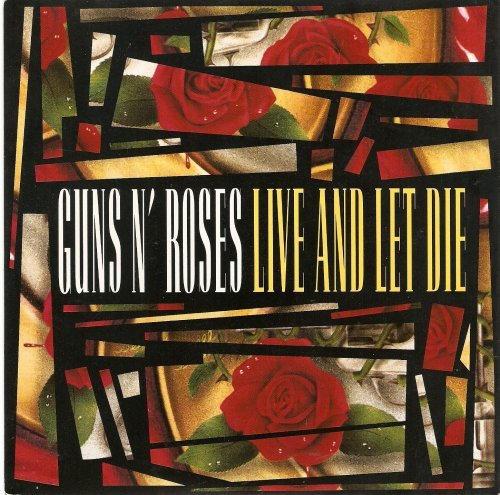
Live And Let Die
1991
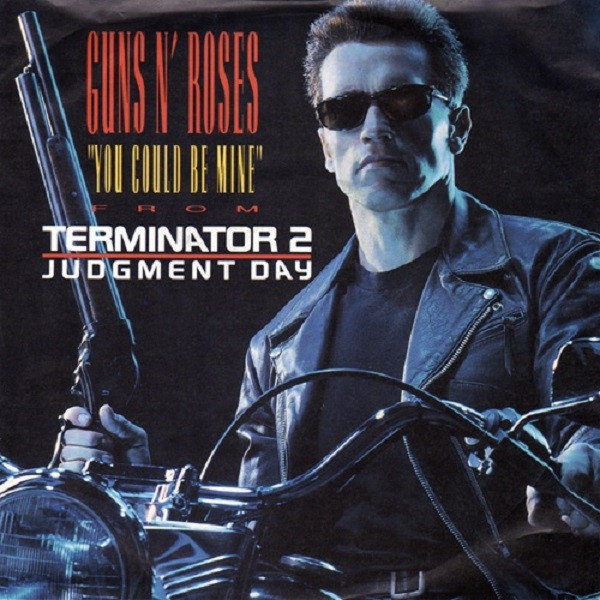
You Could Be Mine
1991
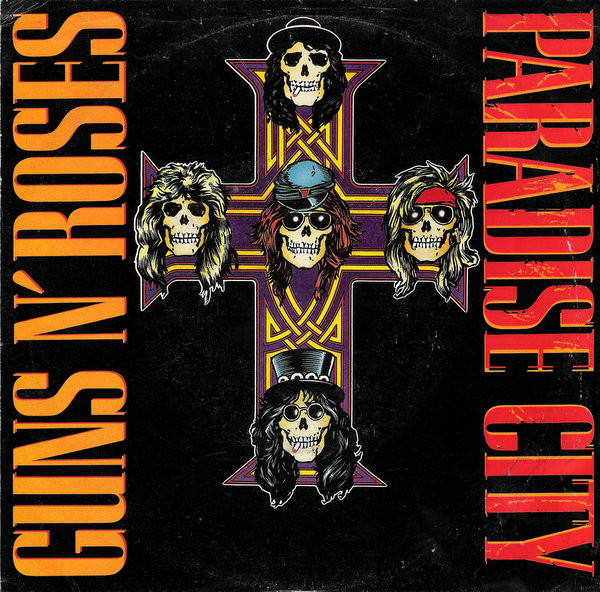
Paradise City
1989
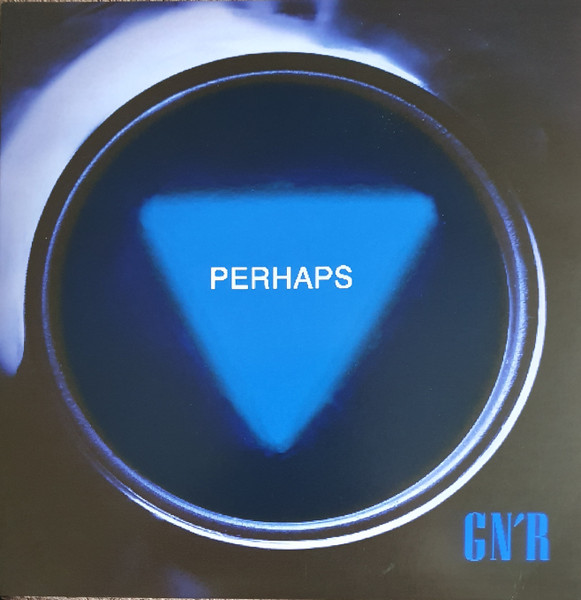
Perhaps
2023
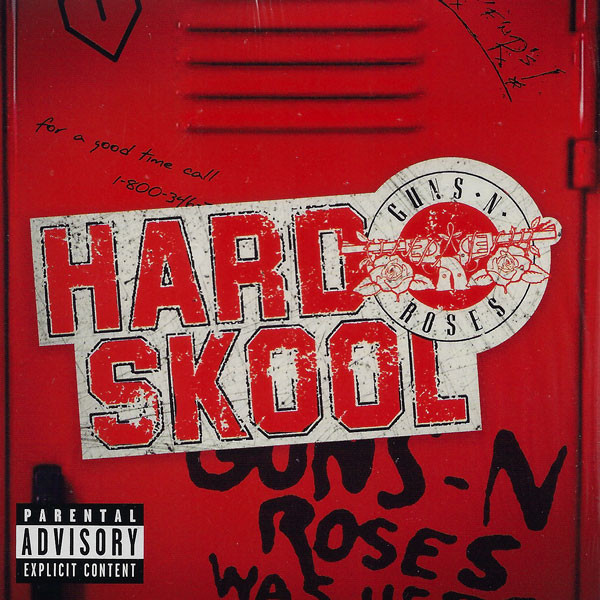
Hard Skool
2022

Since I Don't Have You
1993
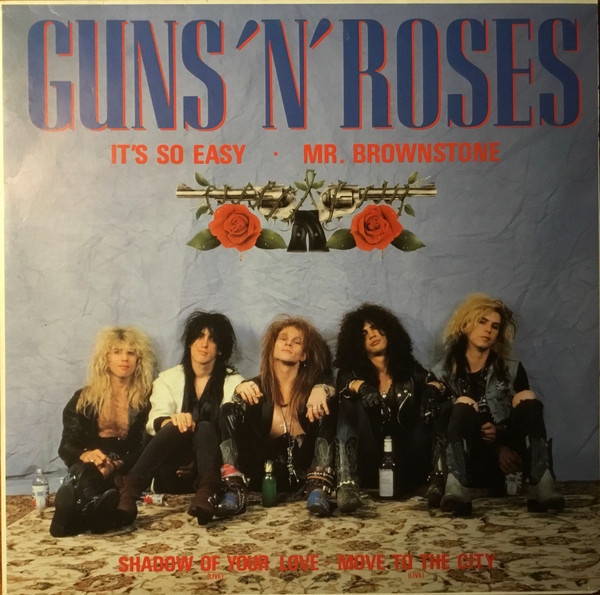
It's So Easy · Mr. Brownstone
1987

Nothin'
2025
Related artists
Around the web
Follow every record they touch.
Start your shelf and Gatefold tracks Guns N’ Roses's new pressings, tour dates, and the whole discography — automatically.
Start your shelf →Free forever. Works with 10 records or 10,000.