
Artist
Tom Petty and the Heartbreakers
Gainesville, United States · 1976 – 2017
Tom Petty and the Heartbreakers is a music group from Gainesville, United States, active 1976–2017. Their discography on Gatefold includes 24 records.

42
Albums tracked
945
In collections
1976
Since
Biography
Shelter Records didn't know what the hell to do with a bunch of Florida guys who looked like hippies but played like the Rolling Stones. They tried to market the debut as punk in the UK because Tom was wearing a leather jacket and the songs were under three minutes, but that was bullshit. It was just lean, mean American rock and roll played by guys who had been in the trenches together since the Mudcrutch days. Mike Campbell and Benmont Tench are the secret weapons—one provides the stinging Rickenbacker leads and the other provides the Hammond B3 grease that kept the whole thing from ever sounding thin. The late eighties got a little slick with Jeff Lynne behind the board, and yeah, those records sold millions, but the Heartbreakers almost lost their identity in the processed drum sounds and the acoustic guitar stacking. They eventually had to go to Rick Rubin to strip the paint off and find the grit again. Petty was a stubborn prick when it came to the music—fighting the label over record prices, suing for his own publishing, and refusing to let the industry turn him into a soft-rock jukebox. He kept that band together for forty years because he knew he couldn't get that specific swing from anyone else.
Bio from The Clerk
The Arc of Tom Petty and the Heartbreakers
The pivots — what forced Tom Petty and the Heartbreakers to reinvent.
The Jimmy Iovine Standoff
After two records of being mislabeled as New Wave, the band hooked up with Jimmy Iovine and hit a wall during the Damn the Torpedoes sessions. Iovine was a perfectionist who made them do a hundred takes of 'Refugee' just to get the snare hit right. It was a brutal, clinical way of working that almost broke them, but it resulted in a massive, airtight sound that defined FM radio. This was the moment they moved from a club band to a stadium machine, trading their loose Florida swamp vibes for a high-tension, professional sheen.
The Southern Accents Identity Crisis
By 1985, Petty was trying to make a high-concept record about the South but got lost in the weeds of mid-eighties production and synth experiments. The tension in the studio was so high that Petty punched a studio wall and broke his hand, nearly ending his guitar-playing career. He brought in Dave Stewart from Eurythmics to co-produce, which added a weird, psychedelic textures to tracks like 'Don't Come Around Here No More.' It’s an uneven mess of a record, but it showed they were bored with being a straight-ahead rock band and were willing to blow up their own formula.
The Rubin Strip-Down
After the polished success of the solo Jeff Lynne years, Petty brought the Heartbreakers back to the center for the Wildflowers and She's the One era with Rick Rubin. Rubin basically told them to stop trying to make hits and just play like they did in the garage. They ditched the heavy overdubs for a dry, woody sound that put Mike Campbell’s vibrato and Petty’s weary vocals right in your face. It salvaged their legacy, proving they could still sound vital and dangerous without the studio trickery of the MTV era.
Influences
- The Byrds — Roger McGuinn’s twelve-string Rickenbacker is the entire DNA of the Heartbreakers' sound. Petty was so vocal about the debt that he later hired McGuinn to open for them and helped produce his comeback record. You hear it most clearly on 'Waiting for Tonight' and the jangle-heavy 'The Waiting.'
- The Rolling Stones — Petty saw them at the Gator Bowl in '65 and it ruined his life in the best way possible. The Heartbreakers' rhythm section, specifically the interplay between Stan Lynch and Ron Blair, was modeled after the loose, behind-the-beat swing of Charlie Watts and Bill Wyman. It's that specific 'dirty' groove that keeps 'Breakdown' from being a standard pop song.
- Bob Dylan — Petty famously said that seeing Dylan was the first time he realized he didn't have to have a perfect voice to be a singer. They eventually became his backing band on the 1986 True Confessions tour, which forced the Heartbreakers to learn how to improvise on the fly. You can hear Dylan's phrasing all over Petty's mid-period lyrics, especially on the more cynical tracks from Hard Promises.
- Del Shannon — Petty was obsessed with Shannon's minor-key songwriting and eventually produced his final album, Rock On! The eerie, driving quality of 'Runaway' is the spiritual ancestor to 'American Girl.' It gave Petty the blueprint for combining dark, anxious lyrics with upbeat, major-key melodies.
- The Beatles — Petty met Elvis as a kid, but seeing the Beatles on Ed Sullivan was the 'bolt of lightning' that made him want a band, not a solo career. He spent his whole life chasing their economy of songwriting—no wasted notes, no bloated solos. Every bridge on the first three Heartbreakers records is a masterclass in Lennon-McCartney structure.
Discography
Their records — most-collected first.
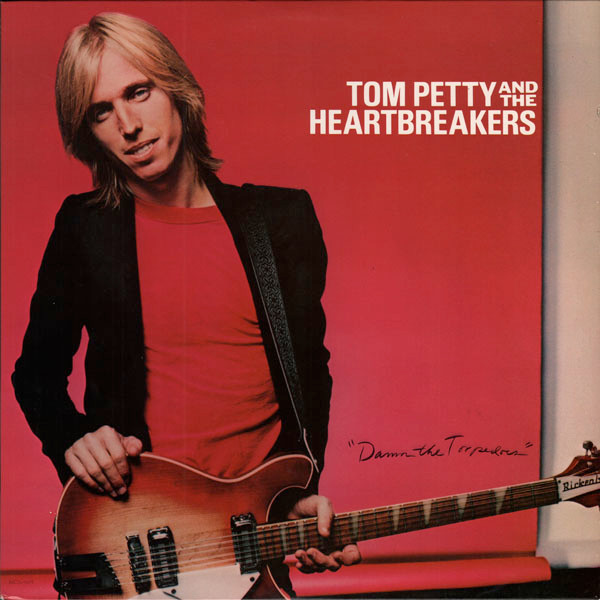
Damn The Torpedoes
1979
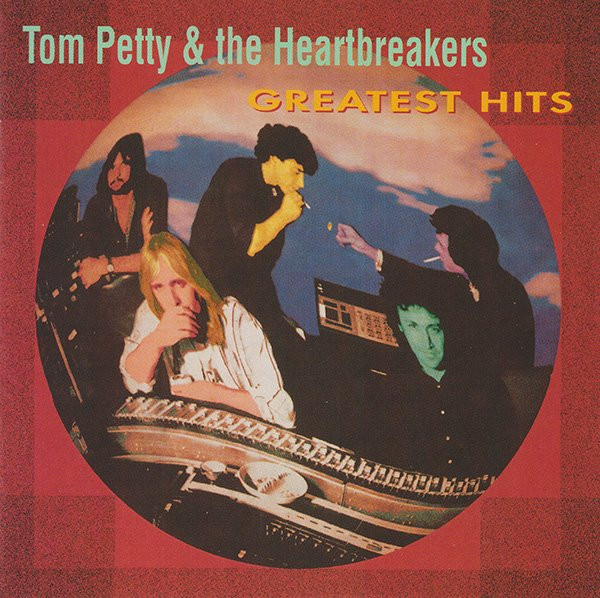
Greatest Hits
1993
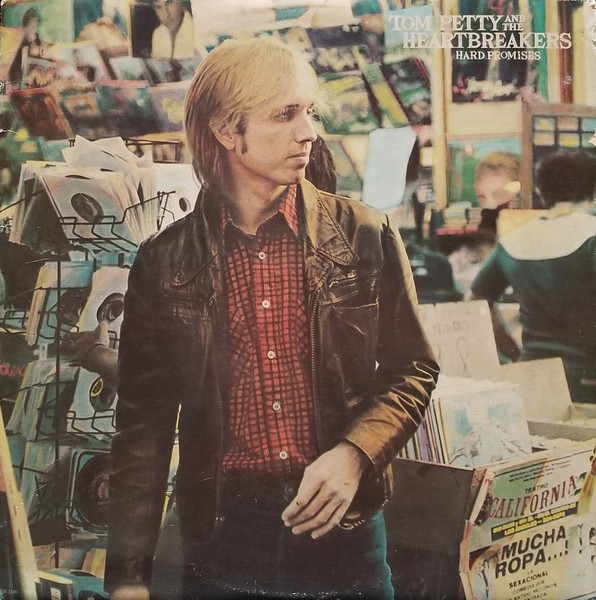
Hard Promises
1981
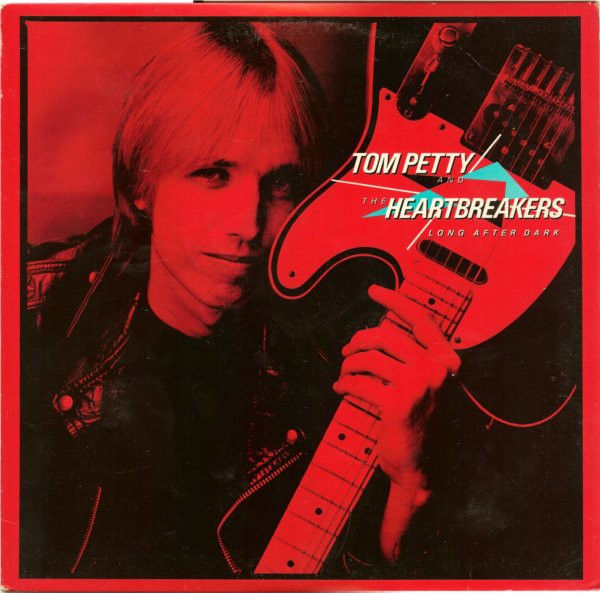
Long After Dark
1982
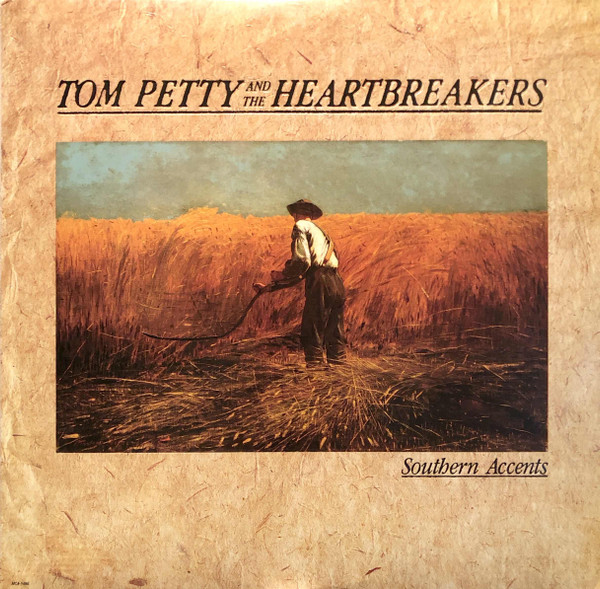
Southern Accents
1985
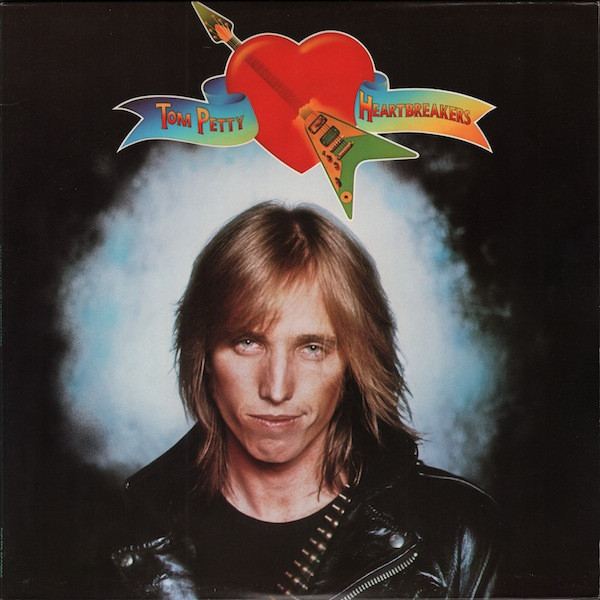
Tom Petty And The Heartbreakers
1976
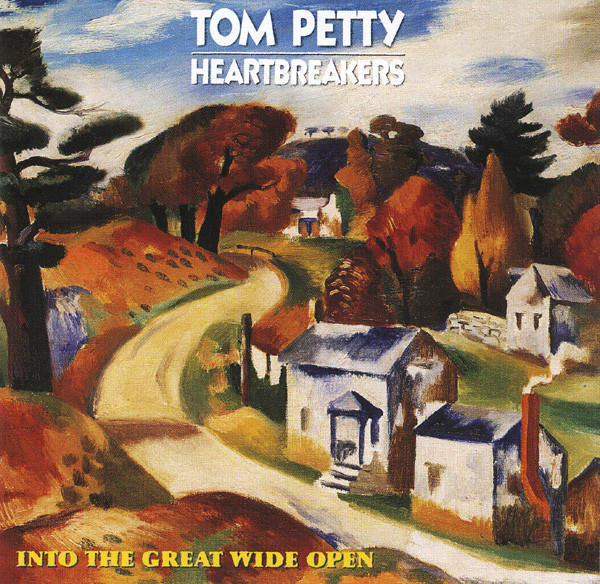
Into The Great Wide Open
1991
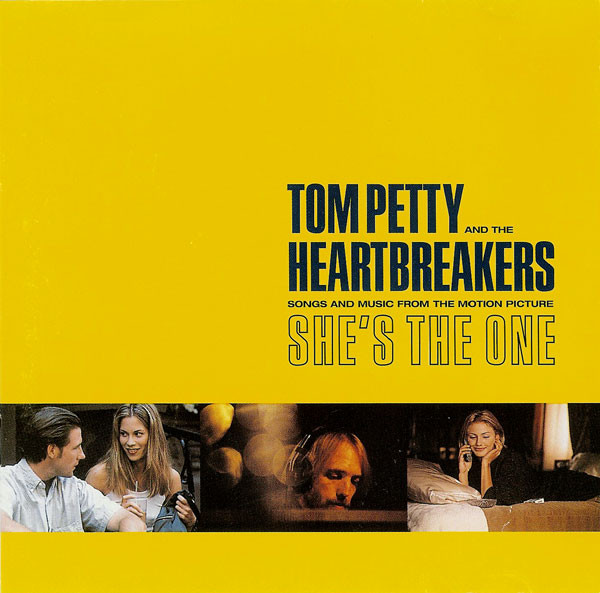
She's The One - Songs And Music From The Motion Picture
1996

You're Gonna Get It!
1978
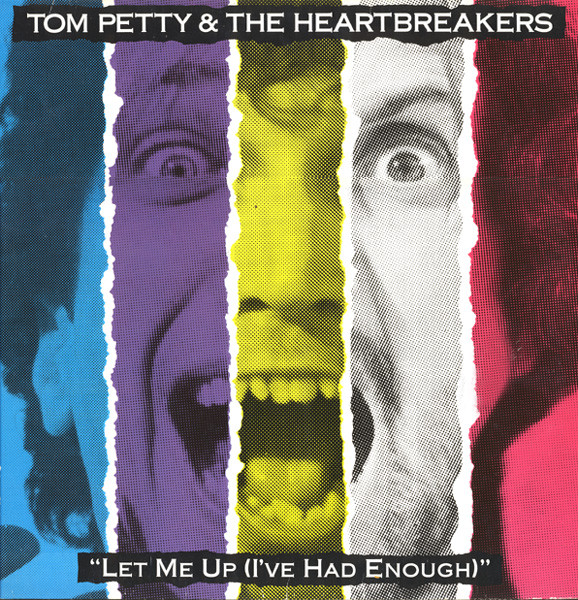
Let Me Up (I've Had Enough)
1987
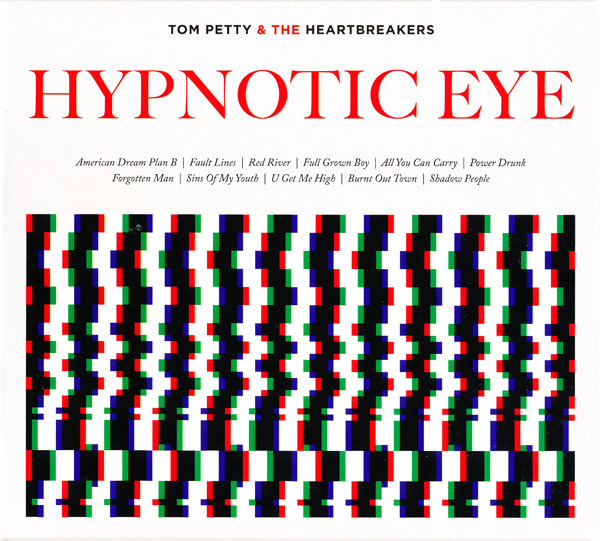
Hypnotic Eye
2014
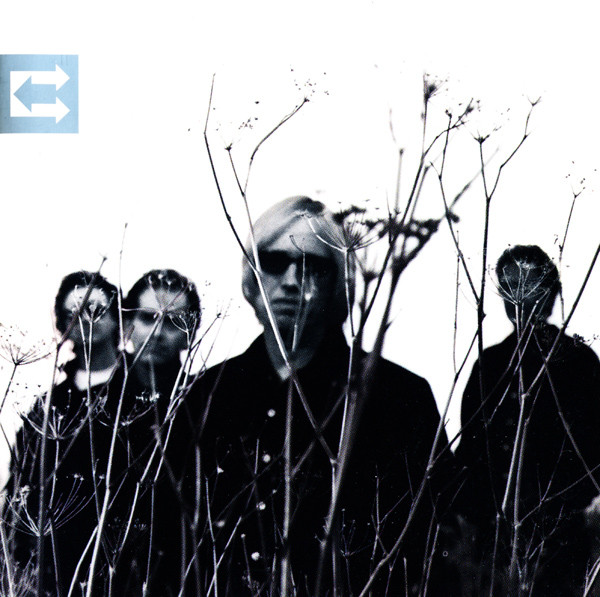
Echo
1999
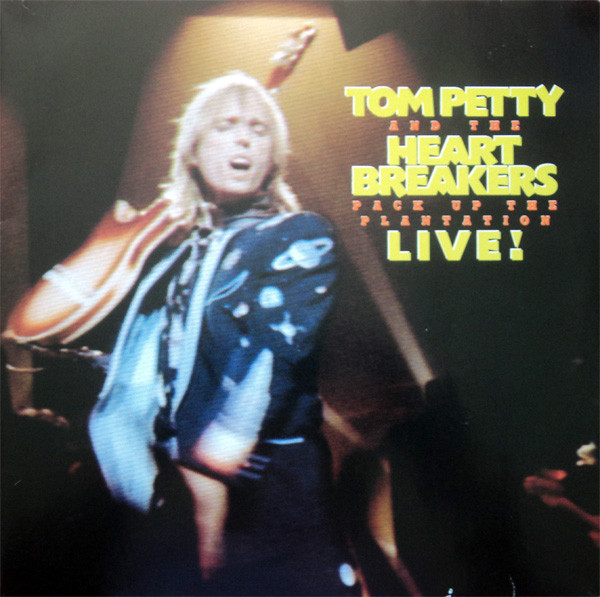
Pack Up The Plantation - Live!
1985
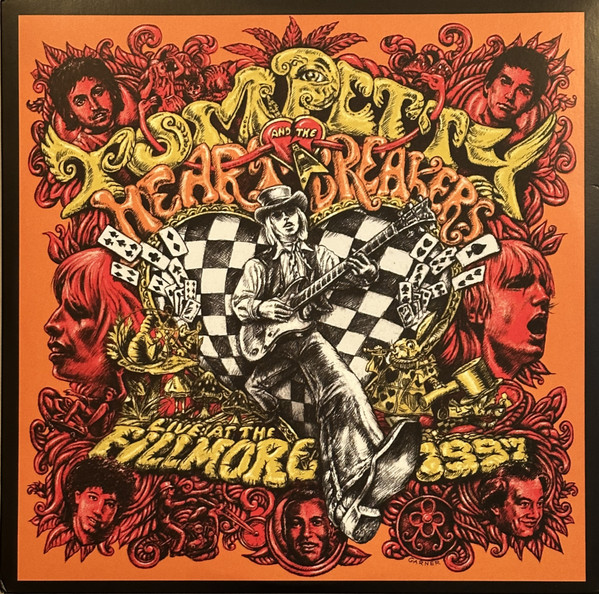
Live At The Fillmore - 1997
2022

Mojo
2010
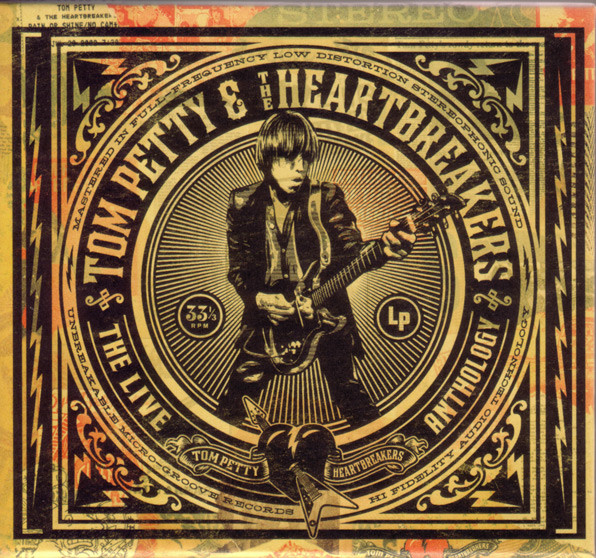
The Live Anthology
2009

The Live Anthology: From The Vaults Vol. 1
2025

The Best Of Everything (The Definitive Career Spanning Hits Collection 1976-2016)
2019

Live At The Paradise Rock Club 1978
2026
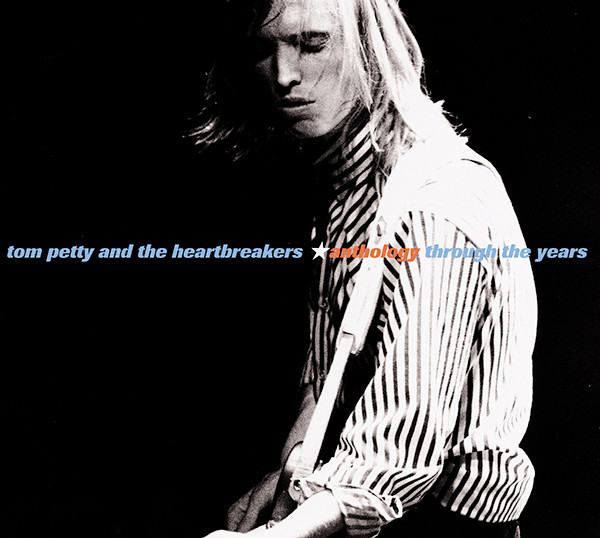
Anthology - Through The Years
2000
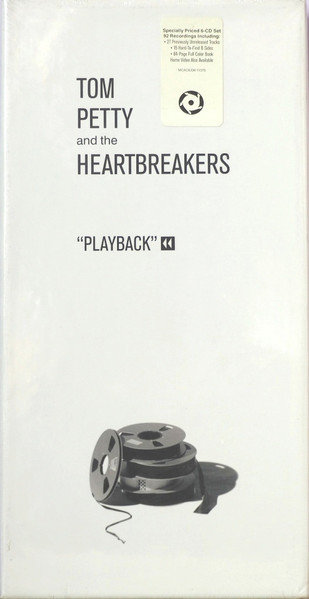
Playback
1995

The Gennaro Tapes (Live In Edinburgh 1982)
2024
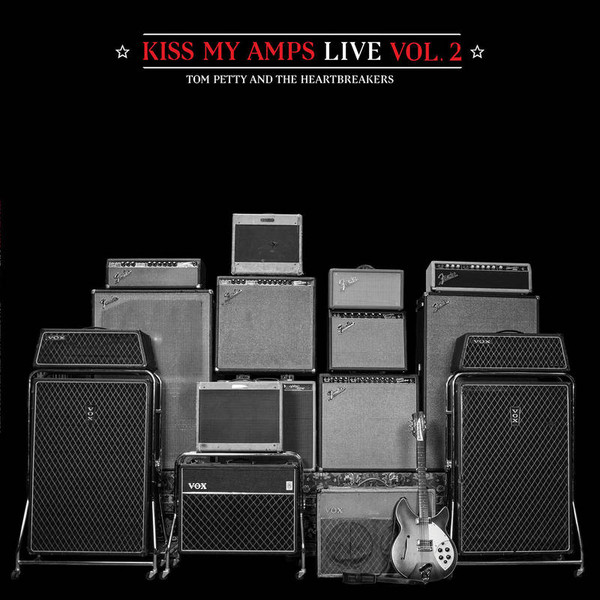
Kiss My Amps Live, Vol.2
2016
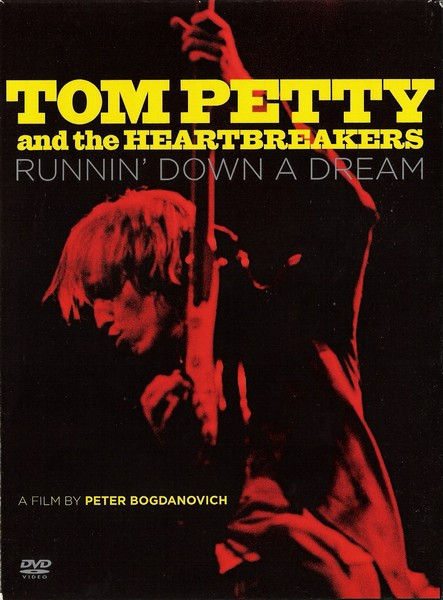
Runnin' Down A Dream
2007
Related artists
Members
Frequent collaborators
Around the web
Follow every record they touch.
Start your shelf and Gatefold tracks Tom Petty and the Heartbreakers's new pressings, tour dates, and the whole discography — automatically.
Start your shelf →Free forever. Works with 10 records or 10,000.