
Artist
Tim Armstrong
Berkeley, United States · b. 1965
Tim Armstrong is a musician from Berkeley, United States, active since 1965. Their discography on Gatefold includes 1 record. They also recorded with Rancid, Operation Ivy, Transplants, Dance Hall Crashers, Crimpshrine and Devils Brigade.

42
Albums tracked
365
In collections
1965
Since
Biography
Tim didn’t start with a Gretsch Country Club and a Grammy nomination; he started with a Rickenbacker bass and a serious drinking problem in the East Bay. Operation Ivy blew up at 924 Gilman Street and then vanished in 1989 after exactly one LP, leaving Tim and Matt Freeman to figure out if they were going to be street punks or footnotes. Most guys would’ve faded out after a band that perfect, but Tim’s voice—that half-mumbled, sand-and-gravel delivery—became the literal sound of the 90s punk revival when Rancid finally got the mix right. He’s the rare guy who turned a DIY obsession into a legitimate empire without losing his grit. Whether he’s producing Jimmy Cliff at his studio or playing chess in Echo Park, the guy lives for the lore of the scene. He’s had his moments of weirdness, like trying to go full pop-punk with those Pink collaborations, but he always retreats back to the skanking rhythms and the gutter. He’s the bridge between the 1977 London sound and the Berkeley gutter, and he did it all while barely being able to decipher his own lyrics.
Bio from The Clerk
The Arc of Tim Armstrong
The pivots — what forced Tim Armstrong to reinvent.
The Gilman Street Explosion
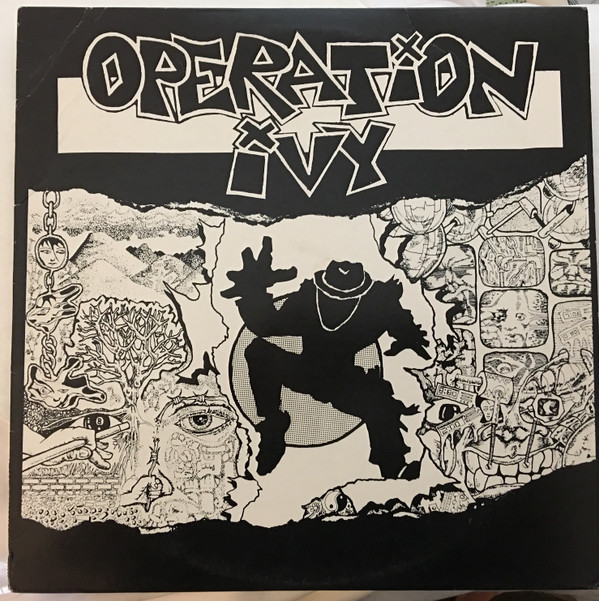
Operation Ivy was the lightning strike that lasted less than two years and defined every Berkeley kid's record shelf for the next three decades. Recorded at Dangerous Rhythm on an absolute shoestring, 'Energy' captured a frantic, ska-punk hybrid that shouldn't have worked but became the blueprint for the entire Lookout! Records roster. You hear the desperation in the basslines and the jagged guitar work that Tim brought from his time in Basic Radio, creating a sound so influential it effectively killed the band under the weight of its own local hype.
The Epitaph Golden Era
After the 'Let's Go' tour, every major label on the planet was throwing checks at Rancid, but Tim chose to stay with Brett Gurewitz at Epitaph to keep total creative control. This led to '...And Out Come the Wolves' in 1995, an album tracked at Fantasy Studios and Electric Lady that polished the rough edges of '924 Gilman' just enough for the radio without losing the street-level filth. Jerry Finn helped engineer that record, and you can hear it in the massive drum sounds and the way Tim’s vocals sit right in your face next to Lars Frederiksen’s Gibson SG crunch.
The Los Angeles Pivot
By the early 2000s, Tim moved south and started The Transplants with Travis Barker, ditching the leather jacket for a more hip-hop and drum-and-bass influenced aesthetic. This era was defined by The Hellcat compound and the 'Transplants' debut in 2002, where Tim traded his Gretsch for samplers and MPCs to create a weird, gritty brand of urban noir. It was a massive departure from the Rancid formula, heavily influenced by his time hanging out in Melrose and the collaboration with Rob Aston, proving the guy wasn't just a one-trick ska-punk pony.
The Poet and the Legend
Tim went to Echo Park and hooked up with The Aggrolites to record his solo debut, 'A Poet’s Life,' in 2007, a record that pivoted away from punk aggression toward a pure 1960s rocksteady vibe. This creative reset eventually led to him producing Jimmy Cliff’s 'Rebirth' in 2012, which actually won a Grammy and proved Tim understood the roots better than most purists. The production is dry, warm, and sounds like it was recorded in a wood-paneled room in Kingston, showing a level of restraint he never had during the Epitaph years.
Influences
- The Clash — Tim explicitly modeled Rancid’s visual and sonic identity after the 'London Calling' era, specifically covering 'The Prisoner' and 'Cheapskates.' You hear it in the way he blends dub-reggae basslines with high-speed street punk. Joe Strummer was his North Star for the idea of the punk rock polymath.
- Stiff Little Fingers — The raw, raspy vocal delivery and the hyper-melodic guitar leads are a direct lift from Jake Burns’ playbook. Rancid covered 'Roots, Radicals, Rockers and Reggae' which showed exactly where Tim got the idea to mix Irish punk energy with West Indian rhythms. It's the skeleton of his entire songwriting style.
- The Specials — The 2-Tone influence on Operation Ivy and later Rancid tracks like 'Time Bomb' comes straight from Jerry Dammers' arrangements. Tim has cited them as the reason he started playing ska in the first place. You hear it in the syncopated upstrokes and the stark, black-and-white aesthetic of his early labels.
- Ramones — Tim’s commitment to the three-chord downstroke and the leather jacket uniform is a direct inheritance from the Forest Hills four. Rancid famously covered 'The KKK Took My Baby Away' and shared the stage with them during the Ramones' final years. The simplicity of his song structures is pure Joey and Johnny.
- Minor Threat — The DIY ethics and the breakneck speed of Operation Ivy were forged in the shadow of Ian MacKaye’s Dischord Records output. Tim has frequently mentioned how the D.C. hardcore scene’s independence informed the way he ran Hellcat Records. The sheer velocity of the early Berkeley scene was a direct response to that D.C. blueprint.
Tim Armstrong — solo
Their records — most-collected first.

Rancid
A project Tim Armstrong was part of.
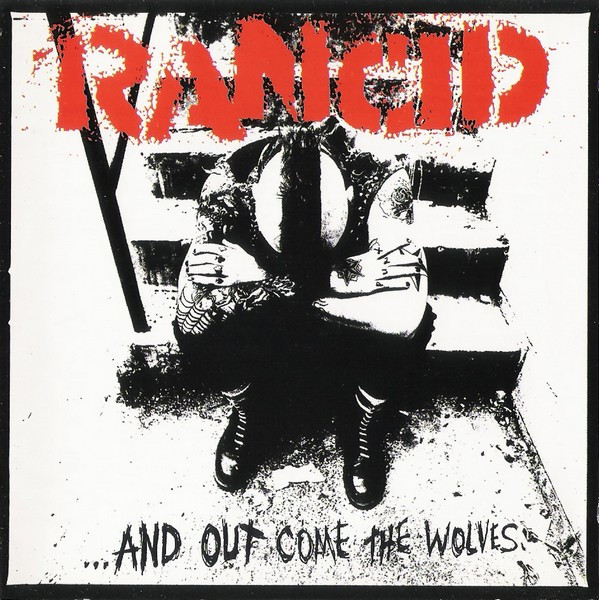
...And Out Come The Wolves
1995
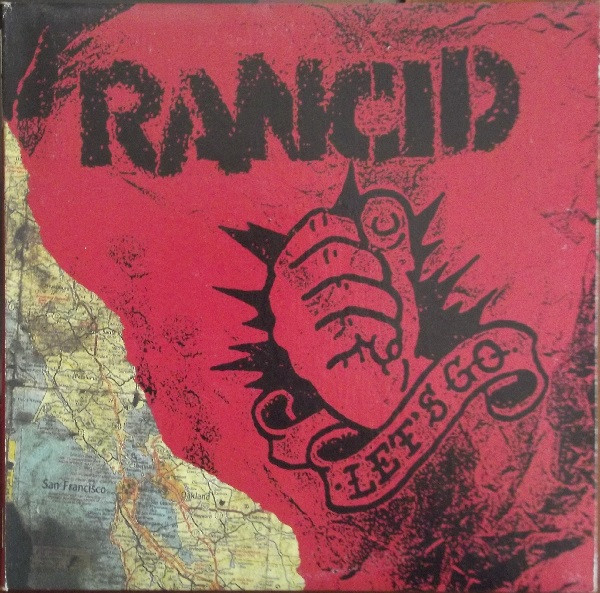
Let's Go
1994

Indestructible
2003
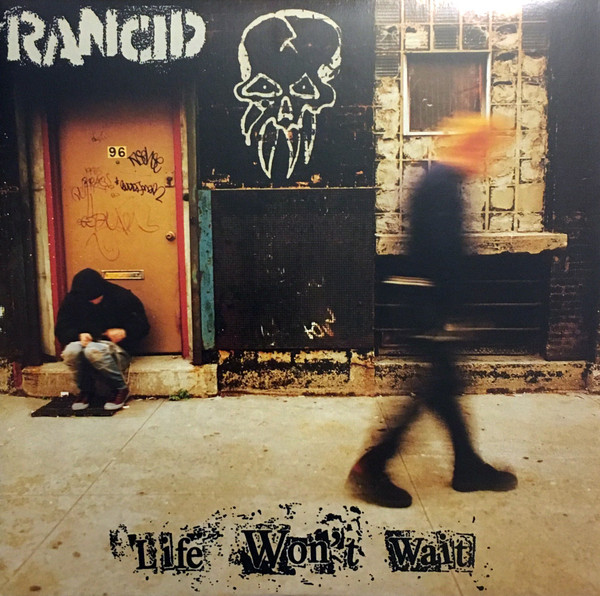
Life Won't Wait
1998

Tomorrow Never Comes
2023
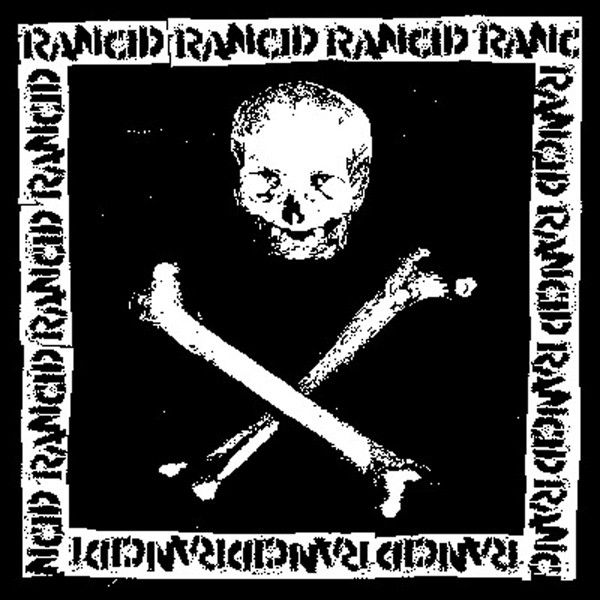
Rancid
2000

...Honor Is All We Know
2014

Trouble Maker
2017
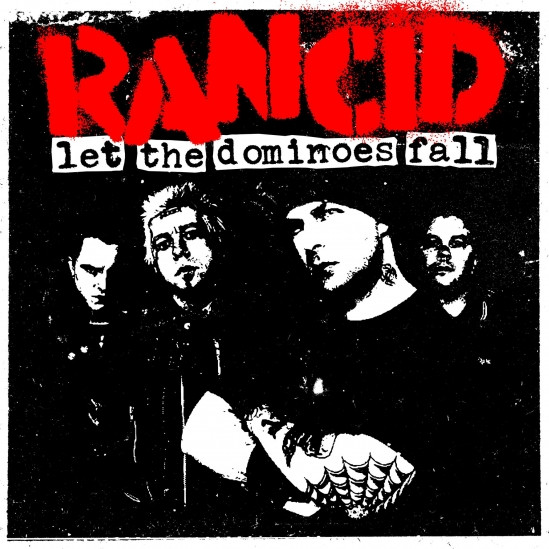
Let The Dominoes Fall
2009
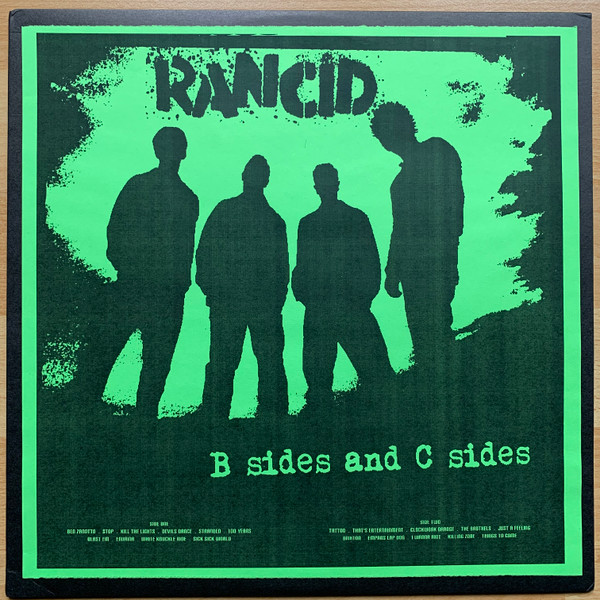
B Sides And C Sides
2007
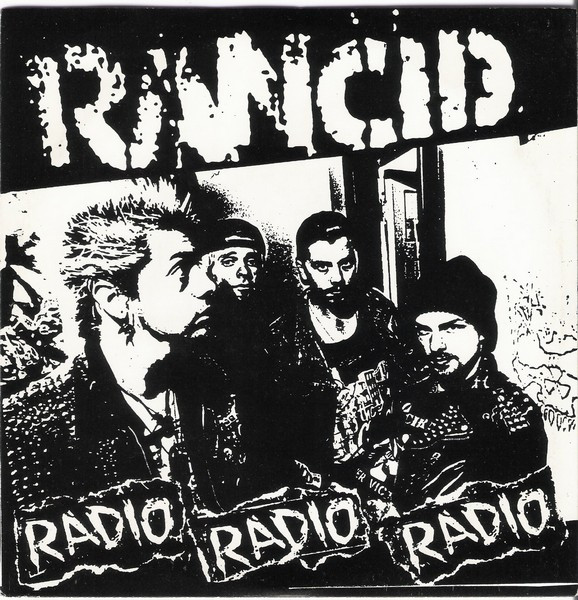
Radio Radio Radio
1993
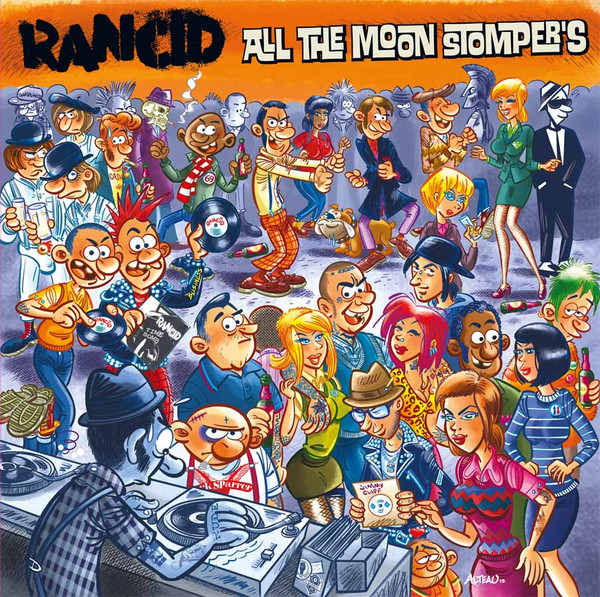
All The Moon Stomper's
2015
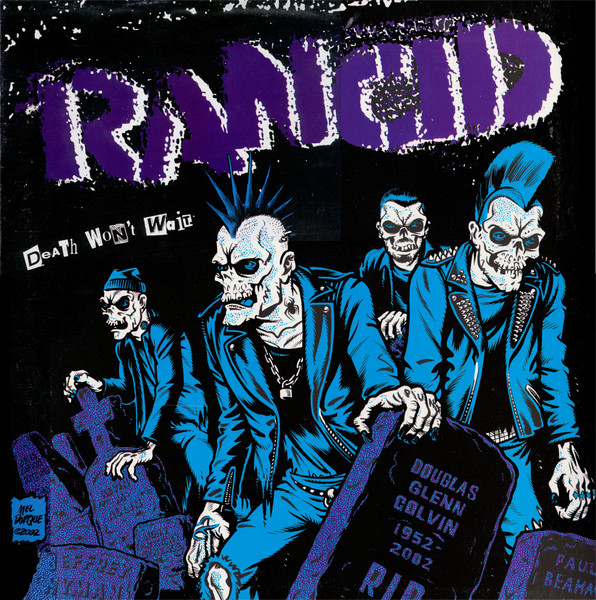
Death Won't Wait
2002
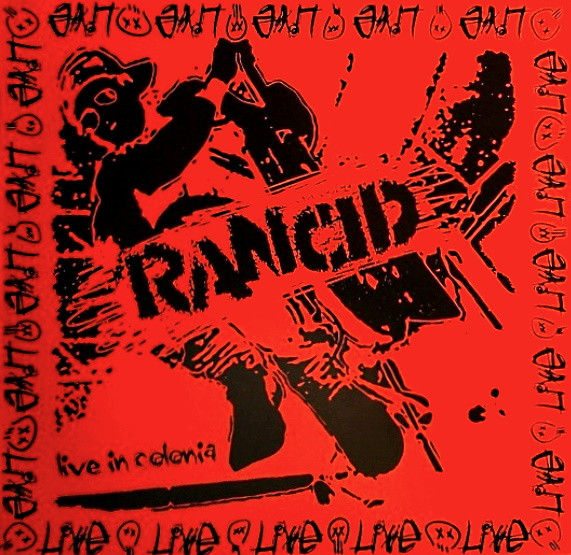
Live In Colonia
2000

Demolition Sessions
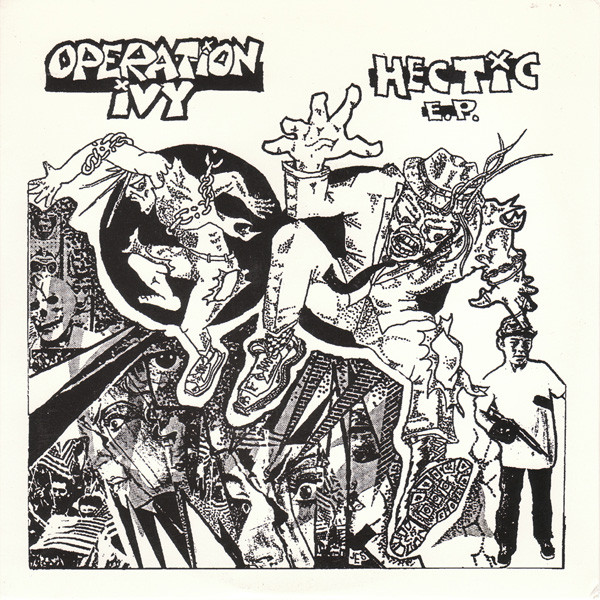
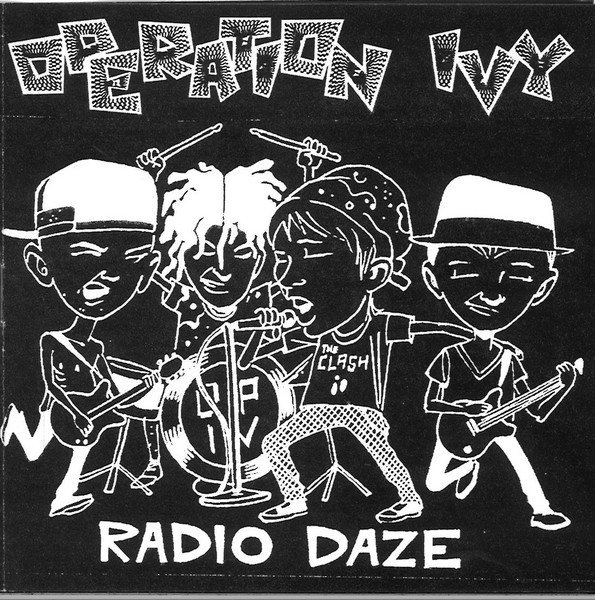
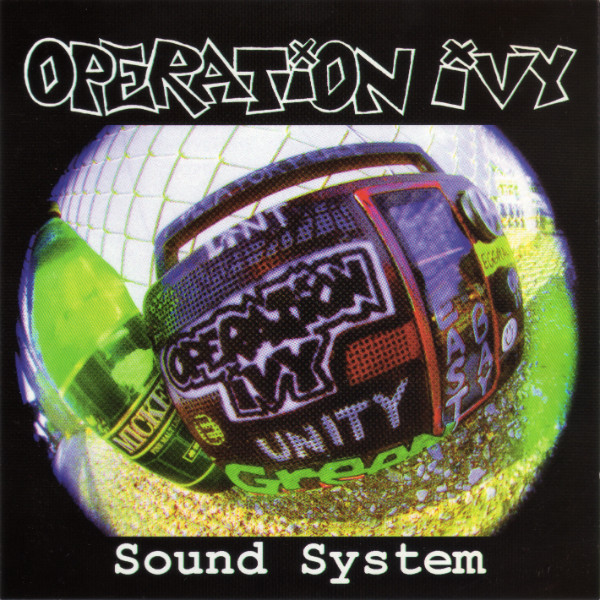
Operation Ivy
A project Tim Armstrong was part of. Former member.




Transplants
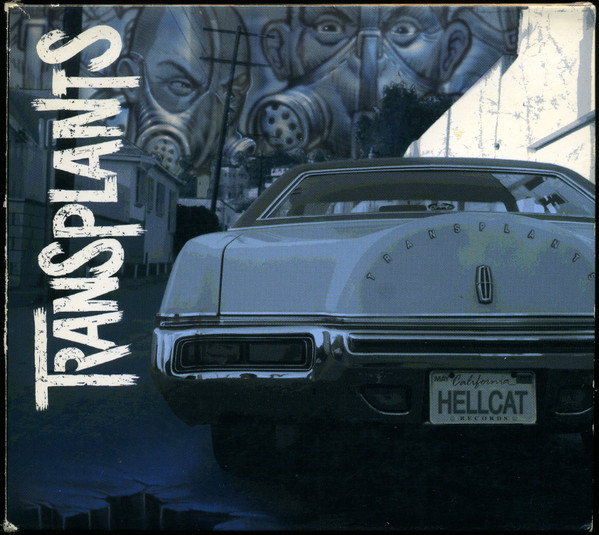
A project Tim Armstrong was part of.


Dance Hall Crashers
A project Tim Armstrong was part of. Former member.
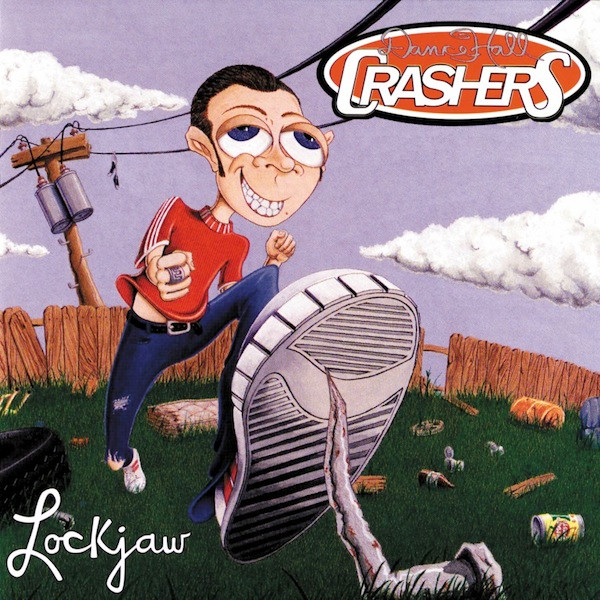
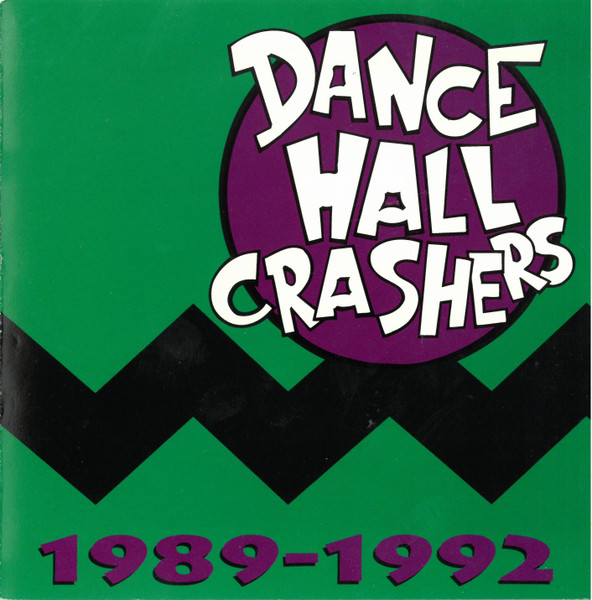
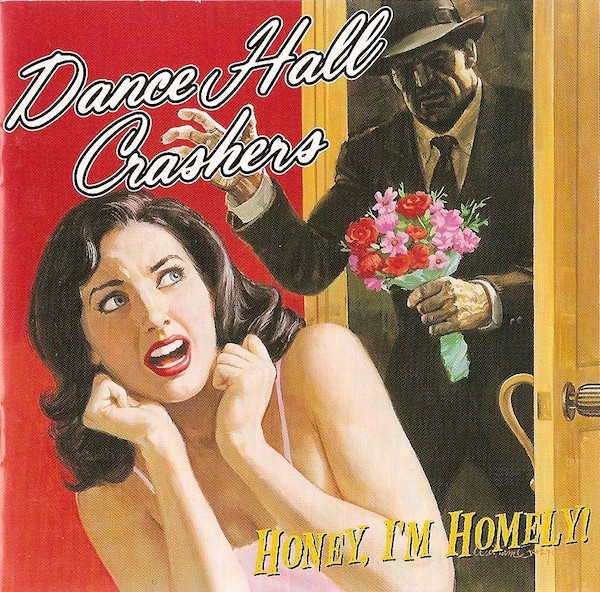


Crimpshrine
A project Tim Armstrong was part of.


Devils Brigade
A project Tim Armstrong was part of.


Related artists
Frequent collaborators
Around the web
Follow every record they touch.
Start your shelf and Gatefold tracks Tim Armstrong's new pressings, tour dates, and the whole discography — automatically.
Start your shelf →Free forever. Works with 10 records or 10,000.