
Artist
Operation Ivy
Berkeley, United States · 1987 – 1989
Operation Ivy is a music group from Berkeley, United States, active 1987–1989. Their discography on Gatefold includes 11 records.

11
Albums tracked
93
In collections
1987
Since
Biography
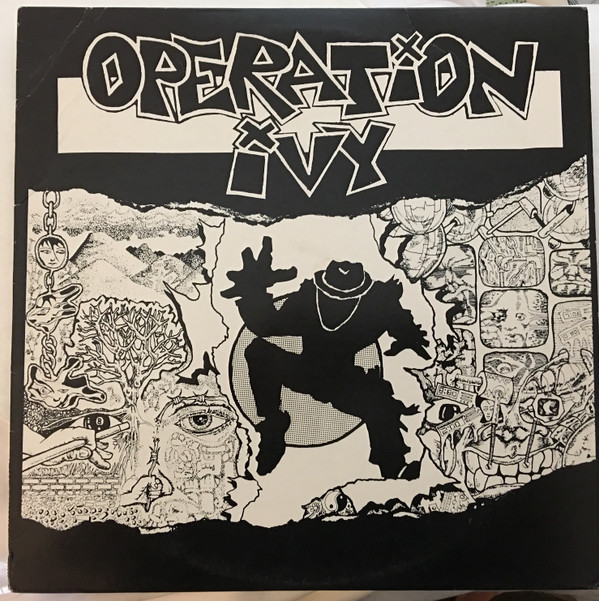
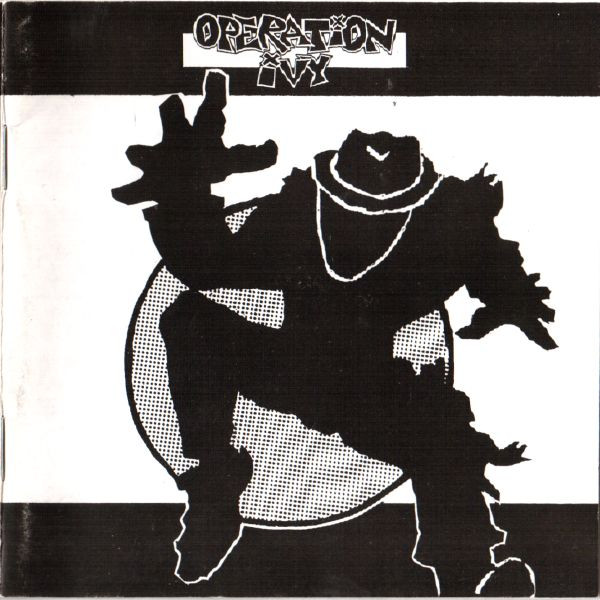
They spent about five hundred bucks and a couple of days at Dangerous Rhythm in Oakland to track Energy. The studio was basically a basement with a 1/2-inch eight-track machine, and Kevin Army had to figure out how to capture Jesse Michaels’ frantic yelp without redlining the whole desk. It’s a mess of distorted bass and cheap solid-state guitar tones that shouldn't work together, but the lack of polish is exactly why that record still hits like a brick through a window. Most bands take a decade to figure out their identity, but these guys burned through their entire lifespan in twenty-four months and one full-length LP. They were the house band for 924 Gilman Street when it was still a radical experiment, played 185 shows, and then quit the night their album release party was supposed to happen. It wasn't about a career path or a major label buyout; it was a hyper-specific explosion of Berkeley street-punk energy that everyone has been trying to bottle ever since. Rancid got the fame and the platinum plaques later, but they never quite recaptured the desperate, unhinged friction of this lineup.
Bio from The Clerk
The Arc of Operation Ivy
The pivots — what forced Operation Ivy to reinvent.
The Gilman Street Incubation
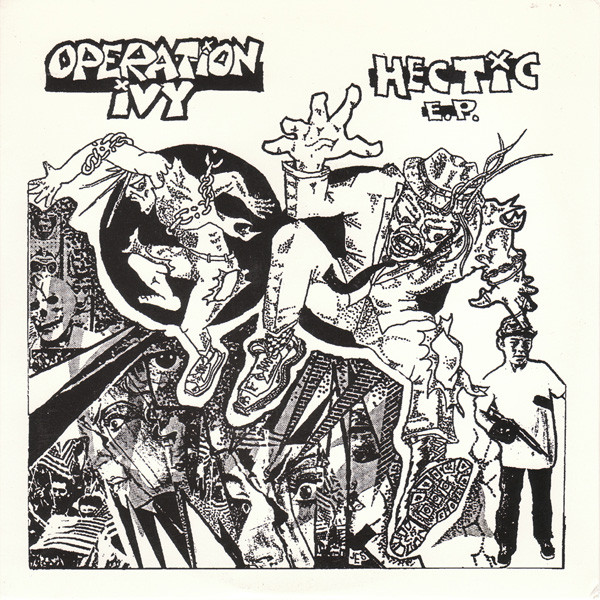
From '87 to '88, the band functioned as the structural backbone of the burgeoning East Bay DIY scene, playing almost every weekend at the non-profit 924 Gilman collective. This era was defined by a rejection of the violent, bonehead hardcore that had poisoned the Bay Area scene earlier in the decade. They played through beat-up gear held together by duct tape, creating a chaotic mix of high-speed thrash and skanking backbeats that forced a diverse crowd of misfits to actually dance together. You can hear the urgency of this period on the Hectic EP, where the songs sound like they’re trying to outrun the tape machine.
The Energy Sessions and Implosion
By early 1989, the band entered Dangerous Rhythm with producer Kevin Army to record their only full-length, Energy, just as the pressure of their own popularity became unbearable. The recording captured a more disciplined version of their sound, with Matt Freeman’s complex, wandering bass lines moving from simple punk roots into something closer to jazz-inflected ska. They broke up right as the record hit the shelves, refusing to become the commercial figureheads of the very scene they helped build. The resulting album became a posthumous blueprint for the entire third-wave ska movement, even though the band itself was already dead and buried.
Influences
- Bad Brains — Jesse Michaels has cited their 1982 ROIR cassette as the primary reason he started a band. You hear it in the way Op Ivy pivots from breakneck hardcore tempos to dubbed-out reggae sections without losing the aggression. It’s the source code for the 'PMA' philosophy they preached at Gilman.
- The Specials — They covered 'A Message to You, Rudy' during their live sets and lifted the 2-Tone aesthetic wholesale. The influence is all over Tim Armstrong’s clean, staccato upstrokes and the band's focus on social commentary through danceable rhythms. They traded the pork pie hats for hoodies but kept the rudeboy swing.
- The Clash — The band frequently pointed to Joe Strummer's lyricism as the standard for political punk. You hear it in the gang-vocal choruses and the attempt to fuse global sounds with a localized, urban rebellion. It's 'White Riot' updated for the East Bay gutters.
- Social Distortion — In the early days, they were chasing the heavy, melodic crunch of the Mommy's Little Monster era. Matt Freeman’s aggressive, picked bass style owes a massive debt to the foundational OC punk sound. It provided the grit that kept them from sounding like a generic pop-ska act.
- Toots and the Maytals — The band’s cover of '54-46 That's My Number' is a staple of their early live tapes and demos. It grounded their sound in actual rocksteady and ska history rather than just playing punk songs with a slight swing. You can hear Toots' soulful vocal phrasing buried under Jesse's gravelly delivery.
Discography
Their records — most-collected first.




Related artists
Frequent collaborators
Around the web
Follow every record they touch.
Start your shelf and Gatefold tracks Operation Ivy's new pressings, tour dates, and the whole discography — automatically.
Start your shelf →Free forever. Works with 10 records or 10,000.