
Artist
Cypress Hill
Los Angeles, United States · Formed 1988
Cypress Hill is a music group from Los Angeles, United States, active since 1988. Their discography on Gatefold includes 24 records.

41
Albums tracked
238
In collections
1988
Since
Biography
DJ Muggs built those early tracks on an E-mu SP-1200, choking the limited sampling time down to raw, skeletal loops that felt like a mugging in a foggy alley. B-Real found that pinched, high-pitched nasal delivery strictly out of survival because his natural baritone got completely swallowed up behind Sen Dog's booming bark. It wasn't an act. They were gang-affiliated kids from South Gate who laced their boom-bap with dust, weed smoke, and an ungodly amount of slow-rolling low end. When Ruffhouse put out that debut in '91, nobody on the East Coast knew what to do with it because it didn't sound like sunny California funk or crisp New York breaks. It sounded dangerous, murky, and weirdly hypnotic. Then came the rock crossover money. By the time they blew up off 'Insane in the Brain,' they were headlining festivals with alternative bands, and that changed the engine room. They added Eric Bobo on percussion, which gave the live dynamic some teeth, but it also shoved them down the rap-rock rabbit hole right when the market was getting suffocated by it. When Muggs was locked in the lab pulling weird psychedelic sitars and haunting soul chops, nobody could touch them. When they started chasing distorted guitar chugs, they ended up sounding like every other act trying to cash in on the late-nineties Nu-Metal circuit. It got messy for a minute. They survived it by doing what lifers do: they outlasted the trends and went back to the grime. Muggs took off on his own crate-digging trips to Egypt to cook up hallucinatory beats, and they brought in Black Milk when they needed to strip away the arena clutter and get right back to the concrete. Four decades in, they are still one of the few hip-hop crews that figured out how to stay functional on stage without losing the dirt that got them there.
Bio from The Clerk
The Arc of Cypress Hill
The pivots — what forced Cypress Hill to reinvent.
Dust and Sitar Boom-Bap
Between the self-titled debut Cypress Hill and 1993's Black Sunday, Muggs created an entirely new sonic blueprint for West Coast hip-hop that relied on chopped funk breaks, heavy sub-bass, and eerie, cartoonish brass stabs. B-Real and Sen Dog played the classic foil routine, turning street realities and weed culture into chart-topping records without sanitizing the grit. Black Sunday debuted at the top of the pop charts on the back of frantic singles, proving a raw street record could dominate without polished radio hooks. The groove was tight, suffocating, and immediately recognizable.
The Paranoia Tapes
By 1995, the runaway mainstream success and endless touring had curdled into deep, weed-fueled paranoia, leading directly into Cypress Hill III: Temples of Boom. Muggs pulled the tempo down to a crawl, burying the drums in murky tape hiss, dark organs, and slow-burning minor chords. Percussionist Eric Bobo formally stepped into the mix, giving the rhythms a denser, ritualistic feel while B-Real traded party-starter bars for grim, insular street tales. It was an uncompromisingly dark record that pushed casual radio fans away while cementing their status with the die-hards.
The Rap-Metal Double Down
Faced with the shifting landscape of hip-hop at the turn of the century, the group leaned hard into aggressive crossover territory on the double album Skull & Bones in 2000. Splitting the release into pure rap on one disc and live rap-rock on the other, they attempted to institutionalize the crossover audience they had courted on alternative rock tours. Heavy tour roadwork with distorted guitars carried over into Stoned Raiders, prioritizing stadium aggression over Muggs' signature crate-digging gloom. The guitars gave them a permanent festival ticket, but it pushed their recorded sound into an uneasy sonic compromise.
The Guest-Star Wilderness
Following 'Till Death Do Us Part in 2004, the group entered a fragmented holding pattern marked by long stretches of studio inactivity and solo side-ventures. When they resurfaced in 2010 on Priority Records with Rise Up, Muggs largely vacated the producer's chair to let outside names dictate the sound. The tracks were stuffed with guest rock shredders like Tom Morello and Slash, along with modern production sheen that diluted their core South Gate menace. It kept their name on the road, but the music sounded built by a committee rather than a crew in a smoke-filled basement.
Psych-Rap Renaissance
Muggs reclaimed absolute creative control for 2018's Elephants on Acid, traveling abroad to harvest field recordings and exotic instrumentation to build a genuinely mind-melting psych-rap record. Four years later, they handed the boards over to Detroit powerhouse Black Milk for 2022's Back in Black, ditching the rock flourishes entirely to strip back to neck-snapping boom-bap drums. They carried that creative resurgence straight into 2026's Dios Bendiga, leaning unapologetically into their roots with a complete Spanish-language record. It closed the loop, re-establishing them as veterans who sound best when they are completely untethered from pop ambition.
Influences
- Public Enemy — DJ Muggs openly cited the Bomb Squad's dense, noisy collage production style on records like It Takes a Nation of Millions to Hold Us Back as the inspiration for his early layered sample techniques. You hear that chaotic, siren-heavy assault built right into the rhythmic chaos of the group's early singles. They took Public Enemy's sonic warfare and dragged it into a smoky, subterranean cellar.
- Slick Rick — B-Real's high-register, animated delivery traces back to the eccentric, story-first cadence popularized by Slick Rick on The Great Adventures of Slick Rick. You hear that theatrical vocal bending across B-Real's verses, using a pinched delivery to give everyday street narratives the feel of a twisted cartoon. It gave them a visual, character-driven identity that sliced through dense, bass-heavy mixes.
- Black Sabbath — Muggs built a substantial piece of the foundation on 'I Ain't Goin' Out Like That' by directly lifting the swinging drum groove from Black Sabbath's 'The Wizard.' That sludge-heavy, slow-tempo dread hangs over their entire prime era, particularly on the Temples of Boom tracks. Long before they hired guitar players, they understood the hypnotic weight of heavy Birmingham doom.
- Beastie Boys — The rowdy, multi-vocal tag-team assault of Licensed to Ill showed Cypress Hill how to balance aggressive punk energy with hardcore rap cadences. You can hear that frantic back-and-forth shouting dynamic between B-Real and Sen Dog across their earliest cuts. It taught them how to kick down the door with pure crowd-moving aggression.
- Gene Chandler — The spine of 'How I Could Just Kill a Man' relies on the heavily processed horn loop Muggs pulled straight off Gene Chandler's 1970 soul cut 'Duke of Earl.' You hear it in the way Cypress Hill could take sweet, breezy Chicago soul and contort it into a menacing, claustrophobic loop. Muggs lived on those old soul 45s, finding the one nasty four-bar passage that could power a raw street anthem.
Discography
Their records — most-collected first.
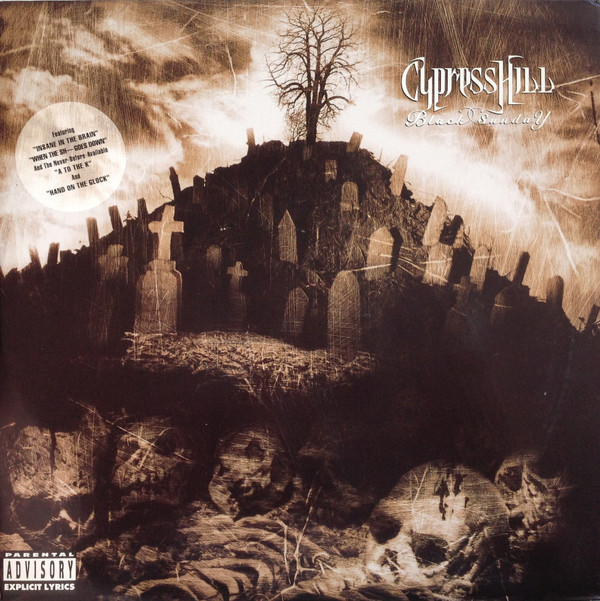
Black Sunday
1993

Cypress Hill
1991
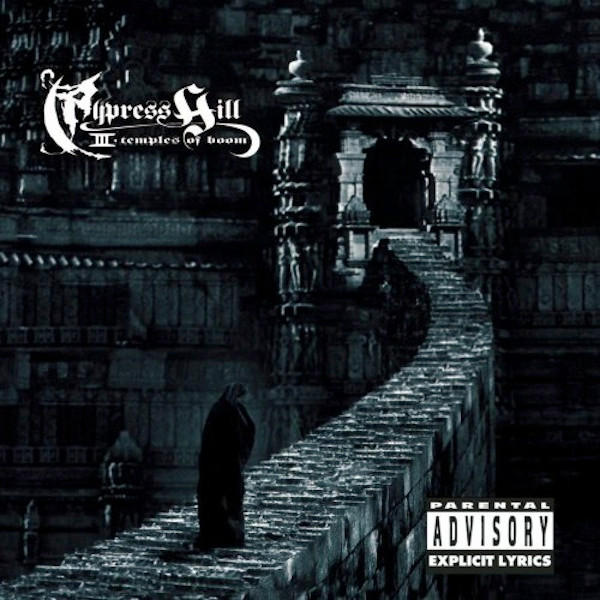
III - Temples Of Boom
1995
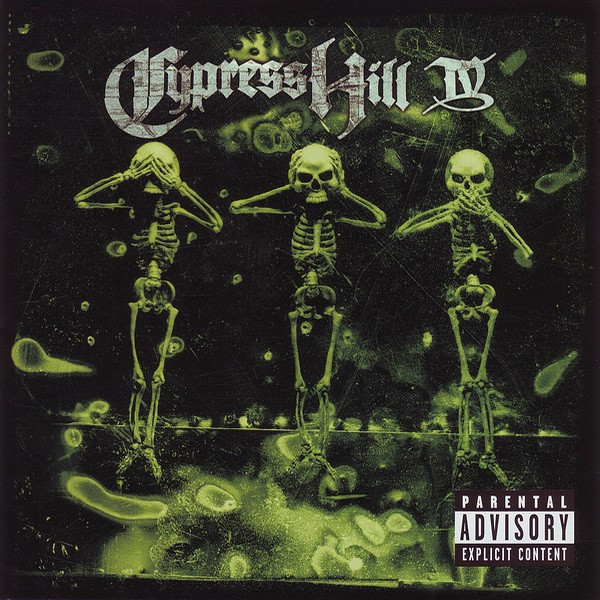
IV
1998
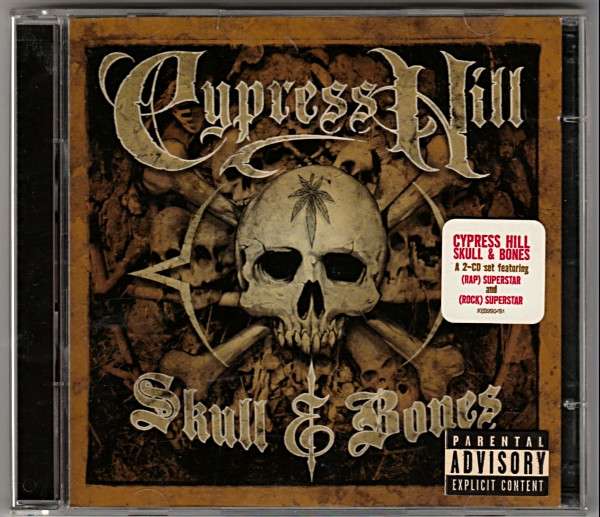
Skull & Bones
2000

Till Death Do Us Part
2004

Insane In The Brain
1993
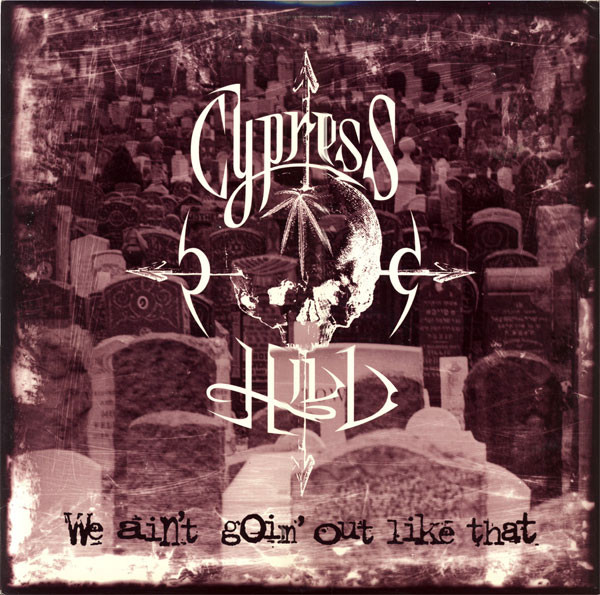
We Ain't Goin' Out Like That
1993
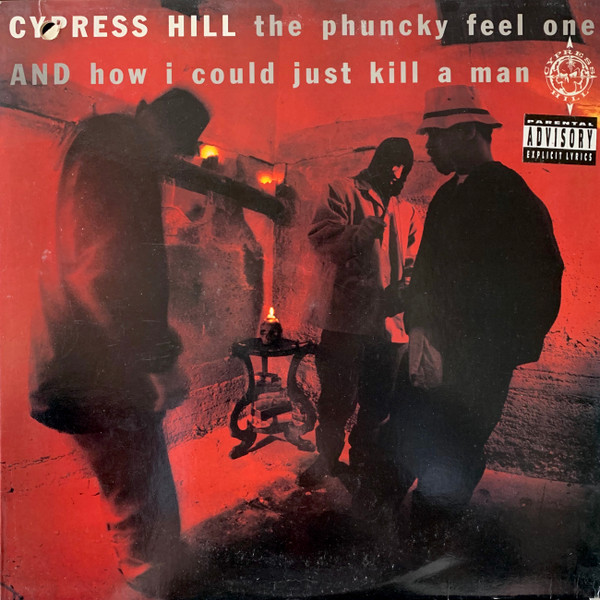
The Phuncky Feel One / How I Could Just Kill A Man
1991

Unreleased & Revamped (EP)
1996

Illusions
1996

Black Sunday Live At The Royal Albert Hall
2025
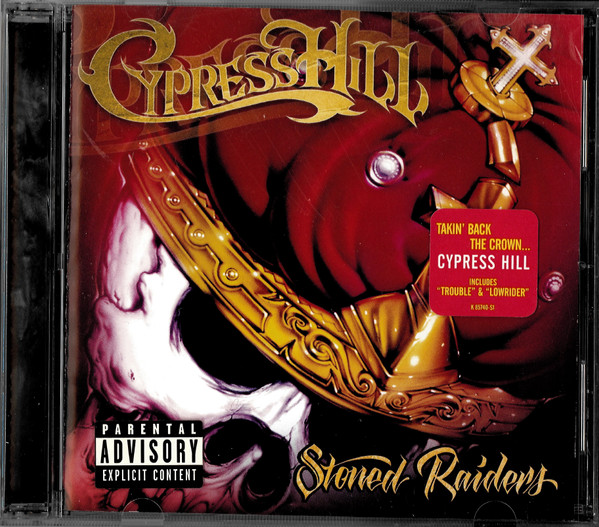
Stoned Raiders
2001

Live At The Fillmore
2000

Latin Lingo
1992
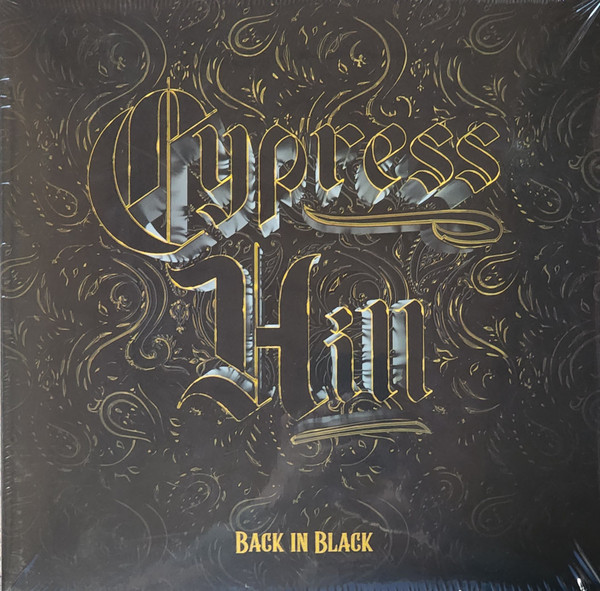
Back In Black
2022
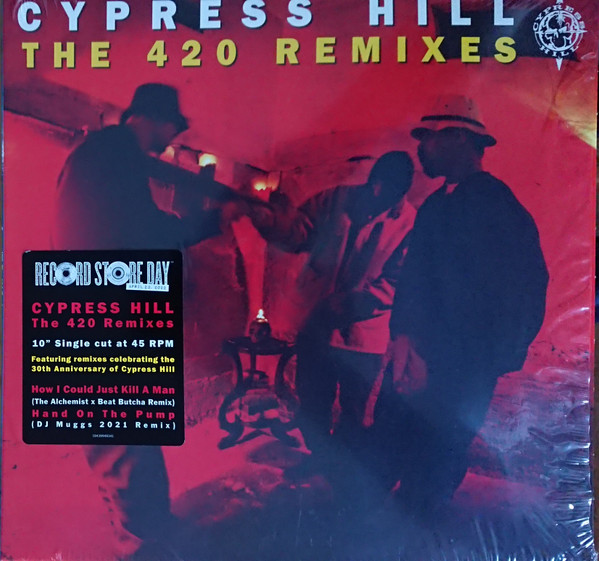
The 420 Remixes
2022
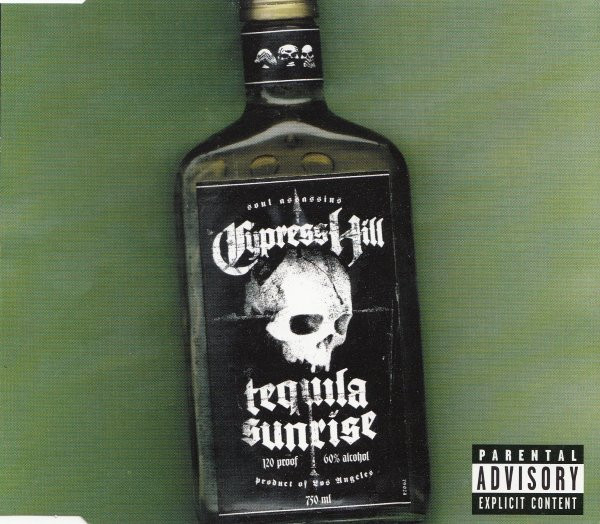
Tequila Sunrise
1998

Boom Biddy Bye Bye
1995
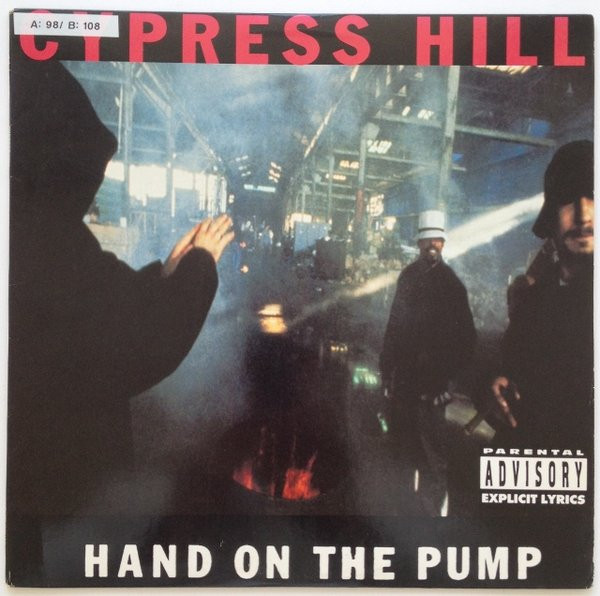
Hand On The Pump
1992

Hand On The Pump
1992
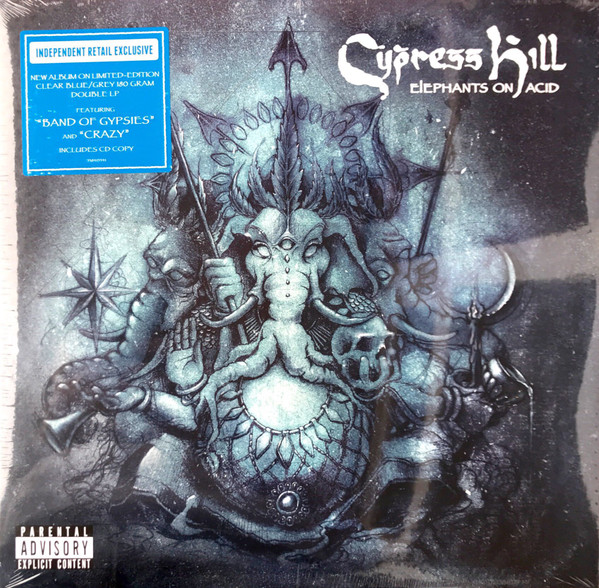
Elephants On Acid
2018

Rise Up
2010
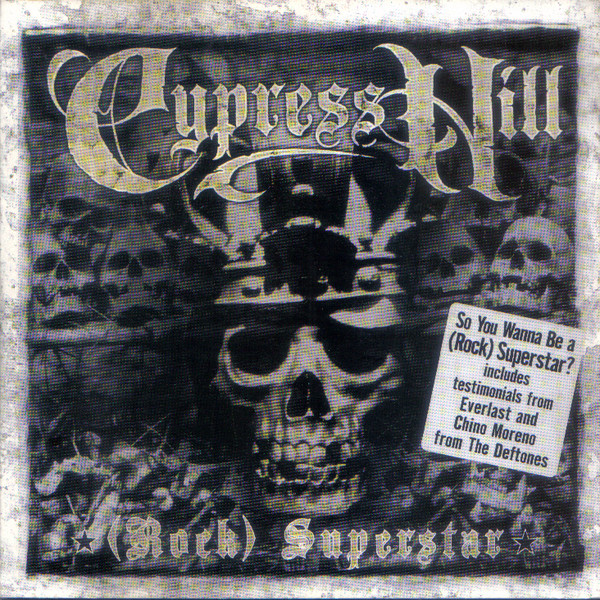
(Rock) Superstar
2000
Related artists
Frequent collaborators
Around the web
Follow every record they touch.
Start your shelf and Gatefold tracks Cypress Hill's new pressings, tour dates, and the whole discography — automatically.
Start your shelf →Free forever. Works with 10 records or 10,000.