
Artist
Rancid
Berkeley, California punk band
Berkeley, United States · Formed 1991
Rancid is a music group from Berkeley, United States, active since 1991. Their discography on Gatefold includes 24 records.

24
Albums tracked
261
In collections
1991
Since
Biography
Tim Armstrong and Matt Freeman crawled out of the wreckage of Operation Ivy and immediately started playing with a speed and technicality that most of the Gilman Street scene couldn't touch. Freeman’s Rickenbacker bass lines weren’t just rhythm—they were lead parts that anchored the chaos. When they added Lars Frederiksen in '93, the band stopped being a local Berkeley curiosity and became a two-headed monster with a distinct street-punk snarl. By '95, every major label on the planet was trying to buy them a lunch they didn't want. They stayed on Epitaph because Brett Gurewitz actually understood the subculture they were selling. They survived the mid-90s boom by refusing to polish the edges, keeping the production gritty even when the choruses got massive. It’s blue-collar music played by guys who never forgot the smell of stale beer and damp practice pads.
Bio from The Clerk
The Arc of Rancid
The pivots — what forced Rancid to reinvent.
The Gilman Blueprint
After the 1989 breakup of Operation Ivy, Armstrong and Freeman spent a few years drifting before recruiting Brett Reed and stripping the ska elements back for their 1993 self-titled debut. The record is raw, messy, and lacks the dual-vocal dynamic that eventually defined them. You can hear the hunger on tracks like 'Hyena,' where the production is thin but the speed is relentless. It’s the sound of a band trying to outrun their own history while sticking to the basics of the East Bay scene.
The Platinum Street-Punk Pivot
Adding Lars Frederiksen for the Radio, Radio, Radio EP changed the chemistry entirely, leading directly into the massive success of ...And Out Come the Wolves. Working with Jerry Finn at Fantasy Studios, they found a way to make punk rock sound huge without losing the dirt under their fingernails. The interplay between Armstrong’s slurred delivery and Lars’s drill-sergeant barks became their signature. This era is defined by Freeman’s insane bass solo on 'Maxwell Murder,' proving they had more chops than any of their radio peers.
The Kingston Diversion
In 1998, the band decamped to Jamaica and various world cities to record Life Won’t Wait, a massive, sprawling mess of a record that ditched the pop-punk charts for rocksteady and dub. They brought in legends like Buju Banton and members of The Specials, moving the focus away from distorted guitars and toward organ swells and off-beat rhythms. It’s their most ambitious moment, though it alienated the kids who just wanted another three-chord anthem. You hear it in the echo-heavy production and the loose, collaborative feel of the sessions.
The Hardcore Reset
Following the experimental leanings of the late 90s, the band returned in 2000 with a second self-titled record that was a total 18-minute blast of hardcore vitriol. They traded the organs and acoustic guitars for 30-second songs and zero melody, produced by Gurewitz with a focus on sheer velocity. It was a violent rejection of the 'ska-punk' label that had followed them for a decade. The record sounds like a pressure valve finally snapping after years of commercial pressure and genre-blending.
Influences
- The Clash — The band has explicitly cited Sandinista! as the primary inspiration for the genre-hopping sprawl of Life Won’t Wait. You hear it in the way they pivot from straight punk to dub and rocksteady without blinking. They even covered 'The Prisoner' early on to make the lineage clear.
- Cock Sparrer — Rancid took the British Oi! sound and gave it a California tan, eventually touring and collaborating heavily with the Sparrer guys. The gang-vocal choruses on Let's Go are a direct lift from the Sparrer playbook. It's that specific 'pub-rock with teeth' energy.
- Stiff Little Fingers — Lars Frederiksen frequently wears their shirts on stage and has cited Jake Burns as a major influence on his vocal grit. The urgent, melodic aggression on songs like 'Roots Radicals' mirrors the Irish punk pioneers' style. It’s the blueprint for their 'pop-sensibility-meets-riot-gear' sound.
- Minor Threat — The 2000 self-titled album is a 17-minute homage to the D.C. hardcore scene's brevity and speed. The lack of guitar solos and the focus on sub-two-minute runtimes is a direct nod to Ian MacKaye’s early work. They stripped away the ska polish to prove they still had that fundamental hardcore backbone.
- The Specials — The band grew up on 2-Tone and eventually had Lynval Golding guest on the Life Won't Wait sessions. You hear the influence in the skanking guitar upstrokes and the social commentary baked into their lyrics. They didn't just play ska; they studied the British revival of it.
Discography
Their records — most-collected first.
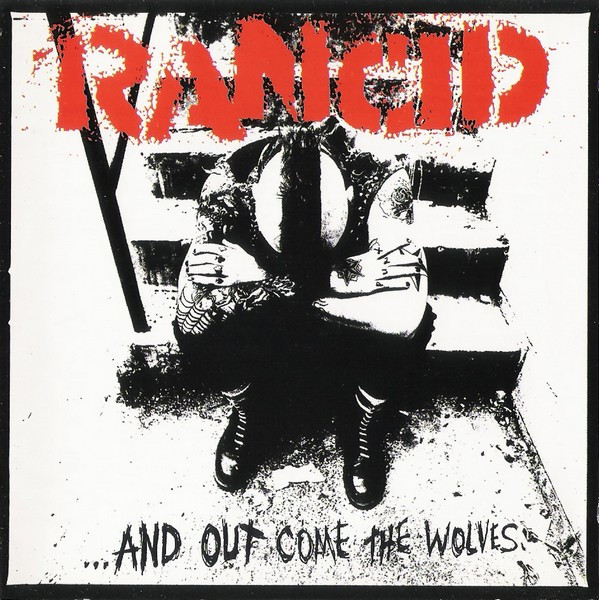
...And Out Come The Wolves
1995
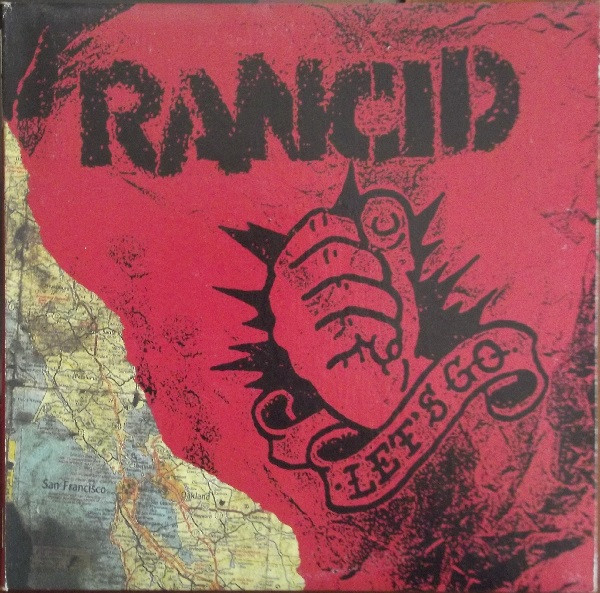
Let's Go
1994

Indestructible
2003
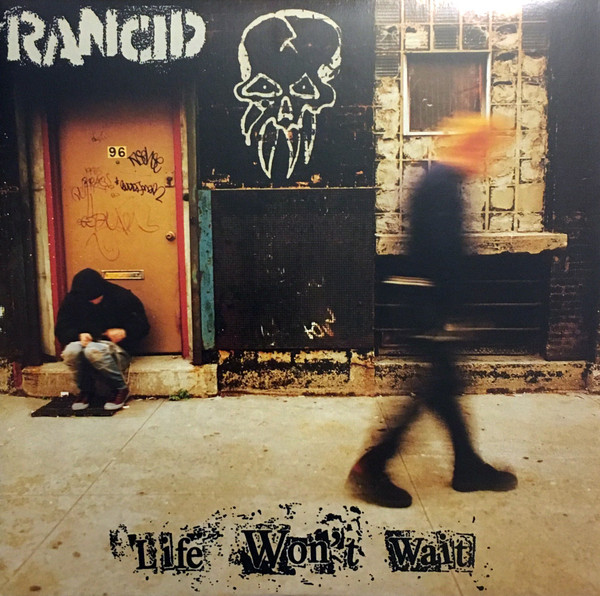
Life Won't Wait
1998
Rancid
1993

Tomorrow Never Comes
2023
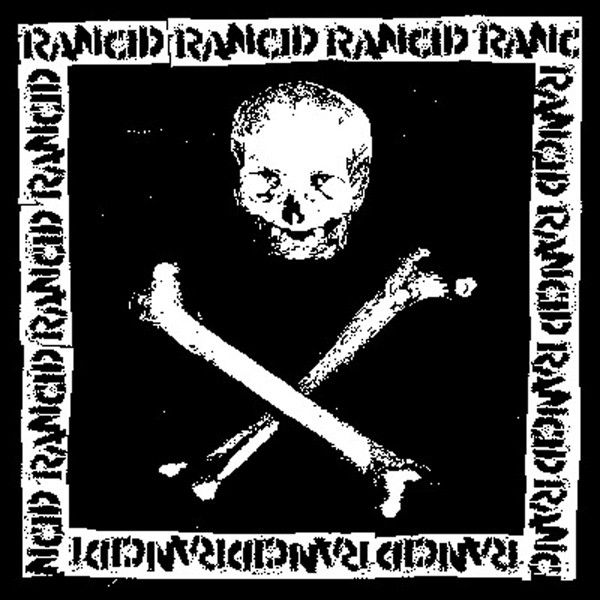
Rancid
2000

...Honor Is All We Know
2014
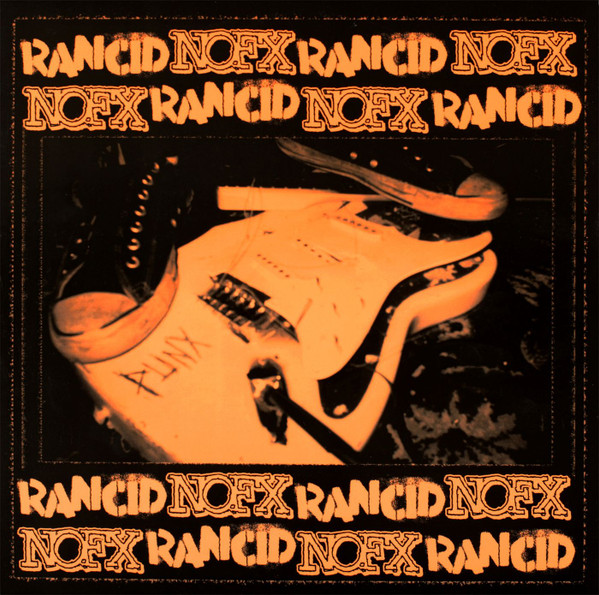
BYO Split Series / Volume III
2002
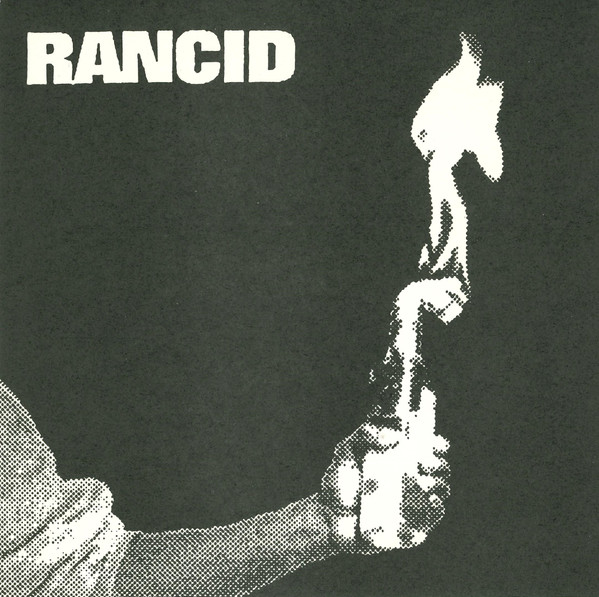
Rancid
1992

Trouble Maker
2017
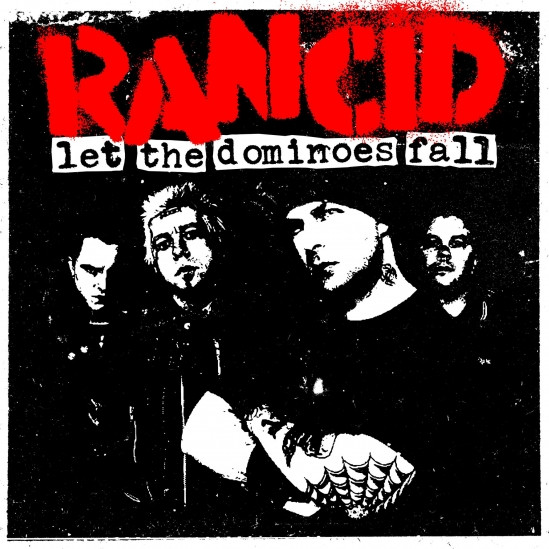
Let The Dominoes Fall
2009
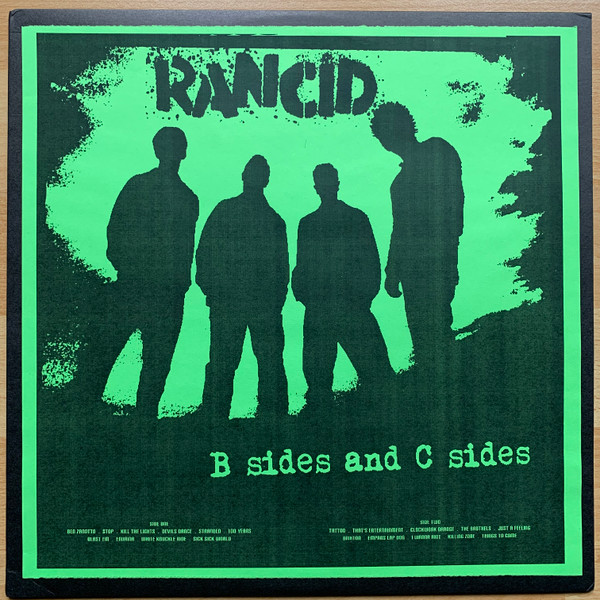
B Sides And C Sides
2007
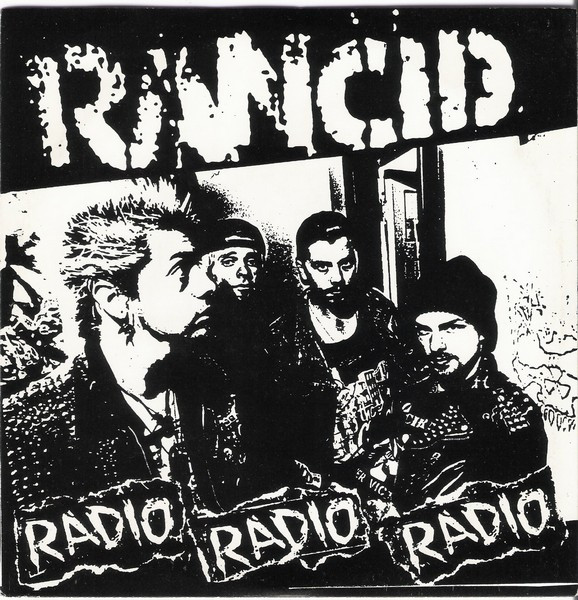
Radio Radio Radio
1993
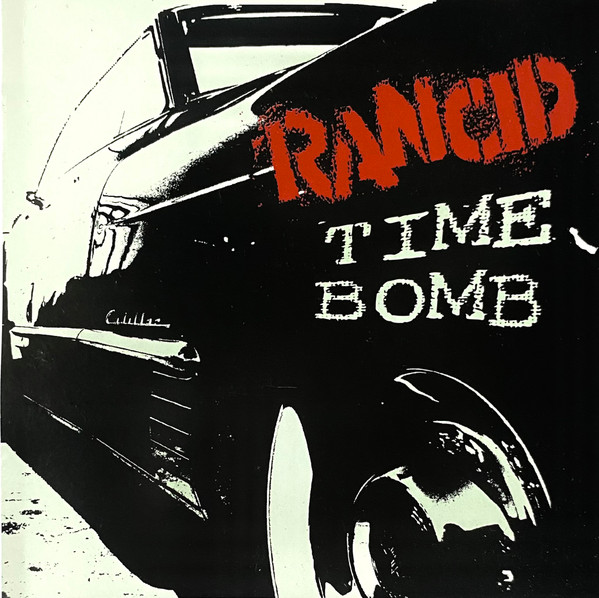
Time Bomb
1995
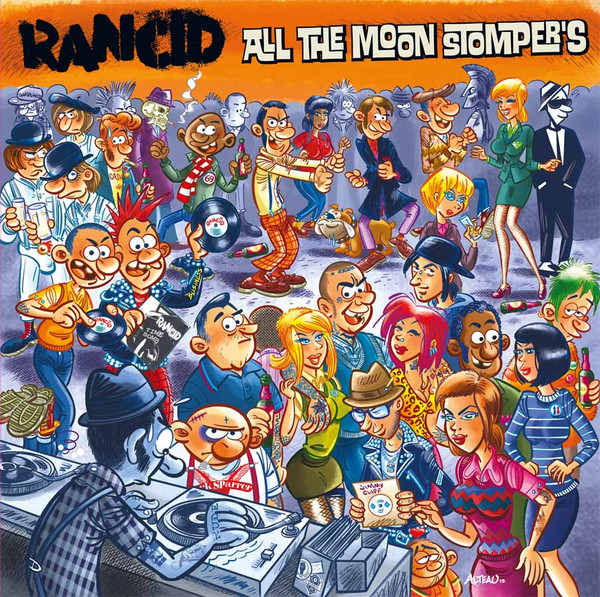
All The Moon Stomper's
2015

Fall Back Down
2003

Sick Sick World
2003

Bloodclot
1998

Mohawk Revenge
2003
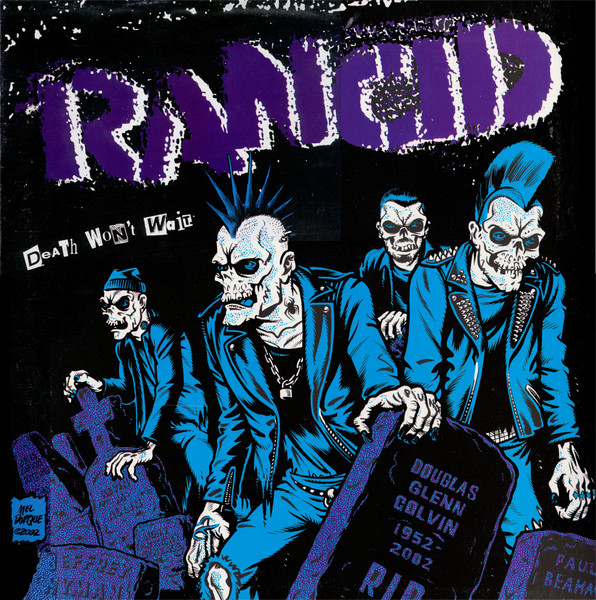
Death Won't Wait
2002
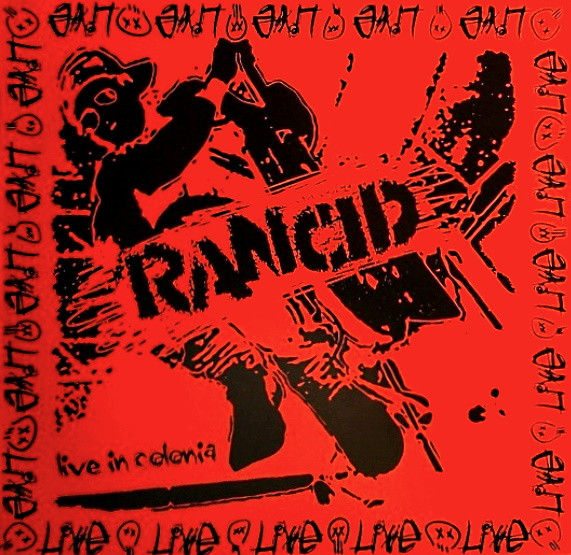
Live In Colonia
2000

Demolition Sessions
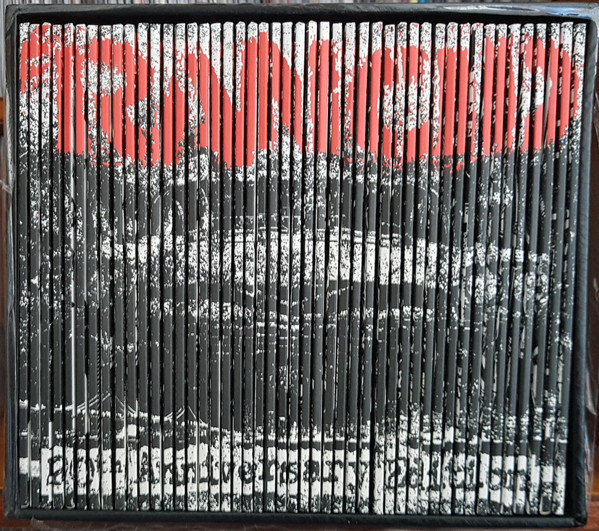
Rancid Essentials
2012
Related artists
Around the web
Follow every record they touch.
Start your shelf and Gatefold tracks Rancid's new pressings, tour dates, and the whole discography — automatically.
Start your shelf →Free forever. Works with 10 records or 10,000.