
Artist
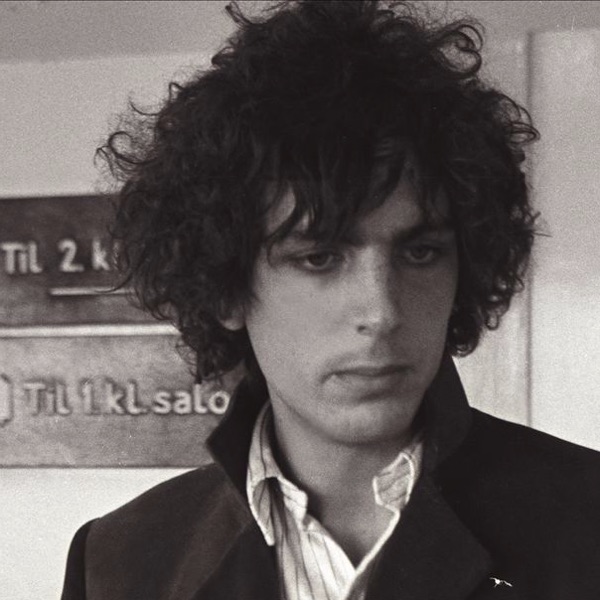
Syd Barrett
Cambridge, United Kingdom · 1946 – 2006
Syd Barrett is a musician from Cambridge, United Kingdom, active 1946–2006. Their discography on Gatefold includes 18 records. They also recorded with Pink Floyd.
68
Albums tracked
3,872
In collections
1946
Since
Biography
Norman Smith was at the console in Abbey Road Studio 3 in 1967, trying to make sense of a Selmer Buzztone distortion pedal and a Binson Echorec unit spinning tape loops into red-line oblivion. The label wanted clean-cut pop, but they got a guy sliding a Zippo lighter down the neck of a Fender Esquire. He was running three different delay units simultaneously while the rest of the band tried to hold a steady rhythm. It was chaotic, loud, and completely untamed by the EMI brass who had no idea how to market a track like 'Interstellar Overdrive.' By 1968, the wheels had completely fallen off. The management team had to hire David Gilmour just to cover the guitar parts on stage while the guy stood there detuning his strings or staring at the lights. The solo sessions that followed were absolute torture for everyone involved. Malcolm Jones, David Gilmour, and Roger Waters took turns in the producer's chair, trying to capture something coherent from a guy who would change tempos mid-take without warning. What wound up on those two 1970 solo albums wasn't polished art. It was the sound of a brilliant mind coming apart at the seams, preserved in cold, beautiful amber.
Bio from The Clerk
The Arc of Syd Barrett
The pivots — what forced Syd Barrett to reinvent.
The UFO Club Peak
Between late 1966 and mid-1967, the band became the house act for London's underground, powered by a homemade light show and heavy feedback. Joe Boyd produced 'Arnold Layne' at Sound Techniques, capturing a tight, eccentric pop structure that still carried a sinister undercurrent. The live sets were long, improvisational jams built around the Binson Echorec's rhythmic delays. You can hear this brief, functional window on the debut album before the mental strain and heavy chemicals tore the songwriting process apart.
The Abbey Road Breakdown
During the 'A Saucerful of Secrets' sessions in late 1967, the band realized they couldn't function with their frontman anymore. The breaking point came when he brought in a new song called 'Have You Got It Yet?' and changed the chord progression on every single run-through to confuse his bandmates. He was quietly left out of the car on the way to a gig in January 1968, and David Gilmour took over his spot permanently. The transition left the band without their main songwriter and forced Waters to take over the lyrical duties.
The Madcap Solo Sessions
EMI's Harvest imprint gave him one last shot in 1969, leading to erratic sessions where the backing players had to literally watch his hands to guess when the chords would change. Members of Soft Machine were brought in to lay down bass and drums over solo acoustic demos because he couldn't play along to a pre-recorded track. Gilmour and Waters ended up mixing the material, leaving in the false starts, vocal cracks, and audible rustling of lyric sheets. It was a brutal, voyeuristic document that marked his final real contribution to the vinyl format.
Influences
- Bo Diddley — He explicitly named his first band the Led Zeppelin-precursor-style blues outfits after learning Diddley's rhythmic choking technique. You hear this heavy, percussive scratching on the rhythm tracks of 'Interstellar Overdrive' and 'No Good Trying.' It was the raw foundation before the psychedelic effects took over.
- AMM — Keith Rowe's tabletop guitar work with this avant-garde jazz collective directly inspired the use of metal slides, ball bearings, and household objects on guitar strings. He attended their London performances in 1966 and immediately adopted their free-form noise theories. This noise-as-art approach defines the middle section of 'Astronomy Domine.'
- The Shadows — Hank Marvin's heavy use of the echo chamber on early British instrumental hits was the blueprint for using the Binson Echorec. He obsessed over Marvin's clean, watery delay sounds before pushing them into self-oscillation. That surf-rock echo is all over the main riff of 'Lucifer Sam.'
- Hilaire Belloc — His lyrical style borrowed heavily from Belloc's 'Cautionary Tales for Children,' which he read constantly during his youth in Cambridge. This literary influence shows up in the whimsical, dark portraits of characters like 'Arnold Layne' and 'Scarecrow.' It gave his songs a distinct English nursery-rhyme quality instead of copying American blues lyrics.
- The Beatles — The band sat in on the mixing sessions for 'Lovely Rita' at Abbey Road while tracking their own debut in the adjacent studio. The tape-speed manipulation and whimsical sound effects used by Paul McCartney directly shaped the production of 'The Gnome.' He wanted that same playful, studio-as-an-instrument toy box feel.
Syd Barrett — solo
Their records — most-collected first.
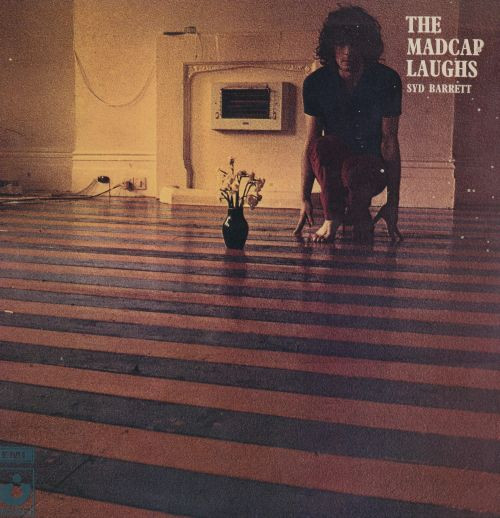
The Madcap Laughs
1970
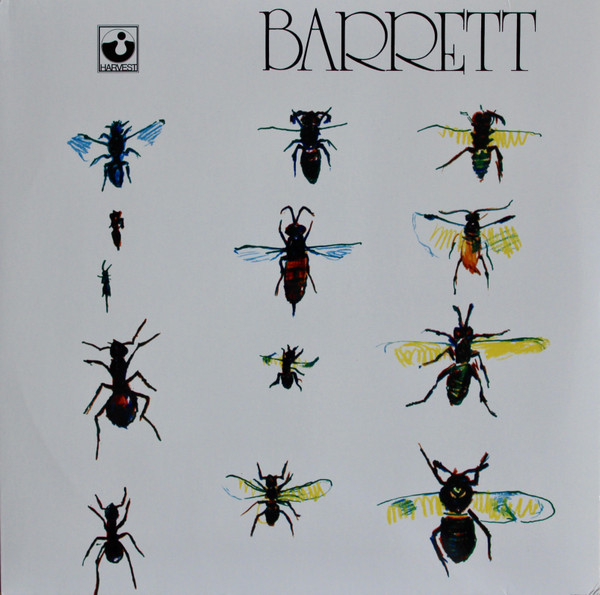
Barrett
1970

The Solo Works Of Syd Barrett
2023
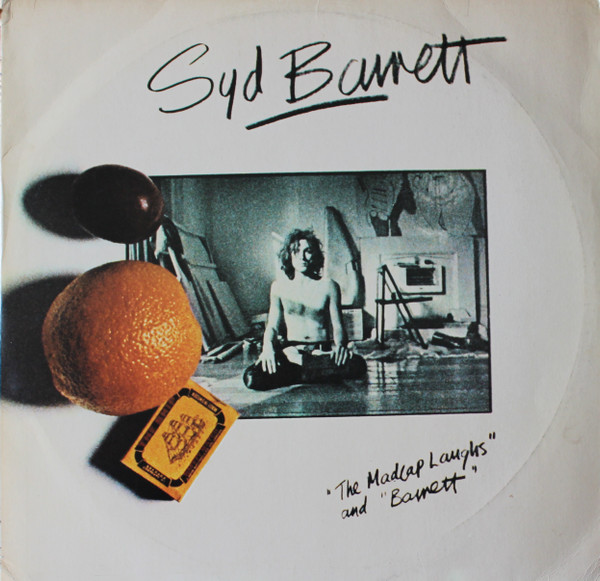
The Madcap Laughs / Barrett
1974

An Introduction To Syd Barrett
2010

Opel
1988

The Best Of Syd Barrett - Wouldn't You Miss Me?
2001

The Peel Sessions
1988
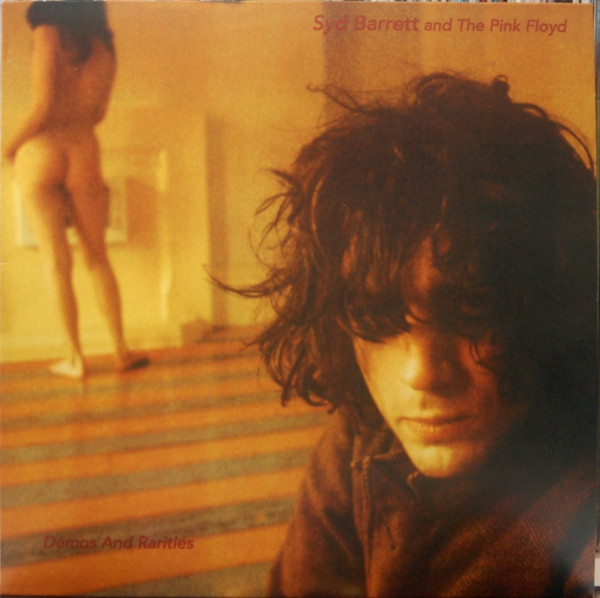
Scarecrow
2012

The Return Of The Crazy Diamond
1998

Unforgotten Hero
1977

Joyful Lunacy: The Syd Barrett Anthology
2016

Psychedelic Freak Out
2010

You Got It Now!
2008
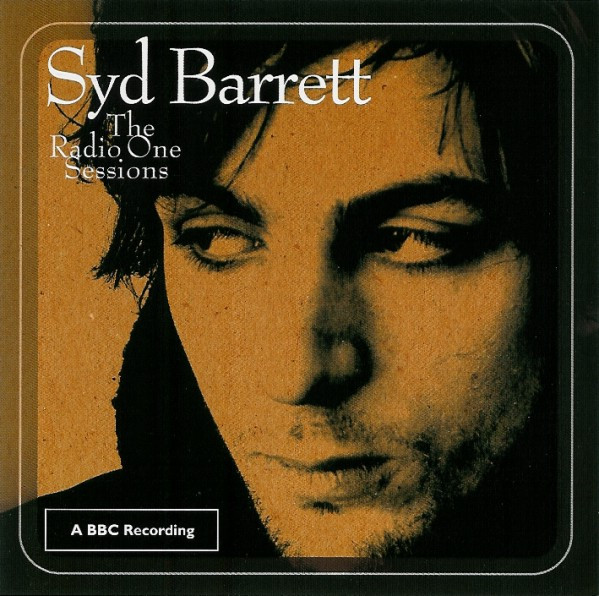
The Radio One Sessions
2004
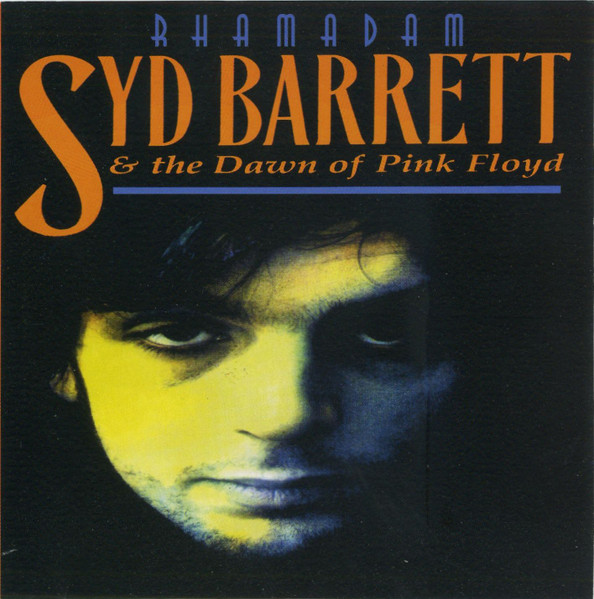
Rhamadam - Syd Barrett & The Dawn Of Pink Floyd
1995

Crazy Diamond
1993

Melk Weg
1986
Pink Floyd
A project Syd Barrett was part of. Former member.

The Dark Side Of The Moon
1973
Wish You Were Here
1975
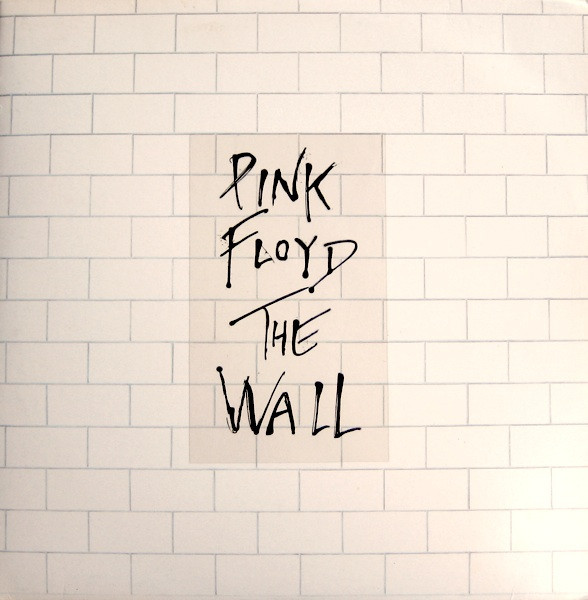
The Wall
1979
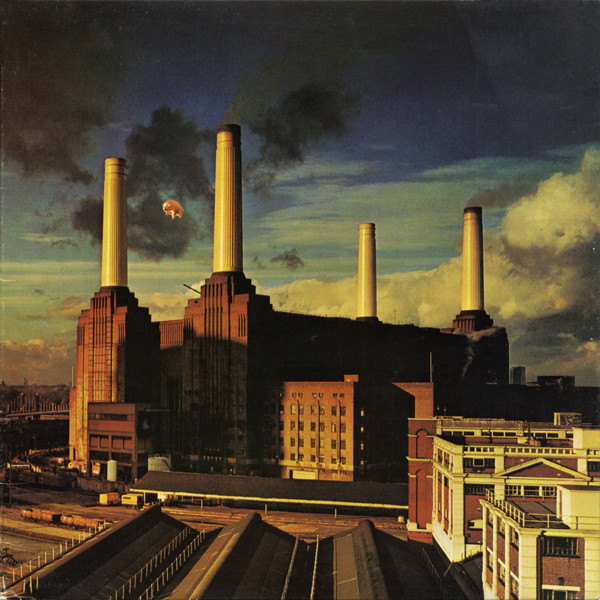
Animals
1977
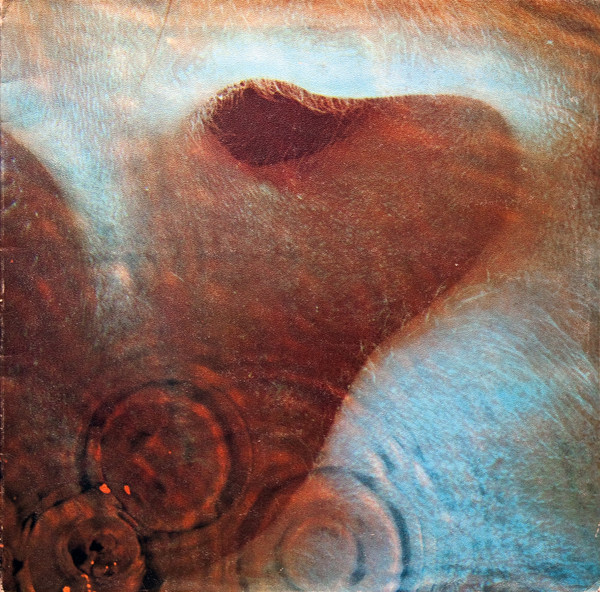
Meddle
1971
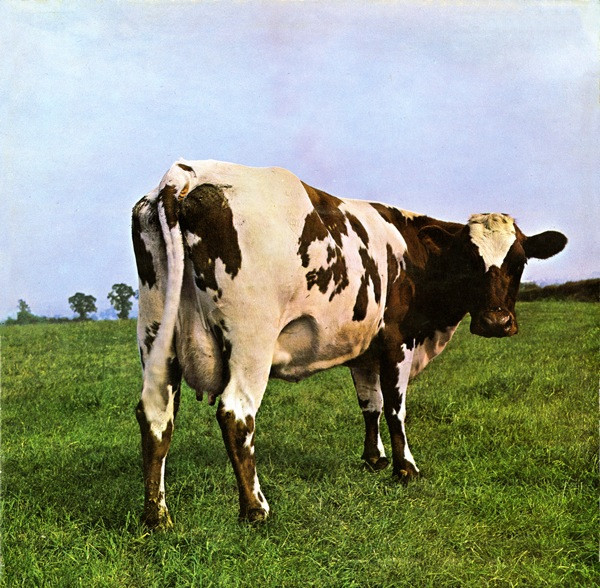
Atom Heart Mother
1970
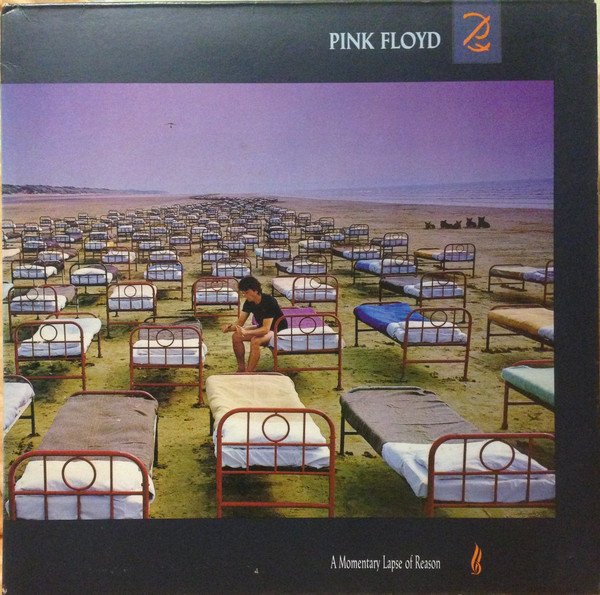
A Momentary Lapse Of Reason
1987
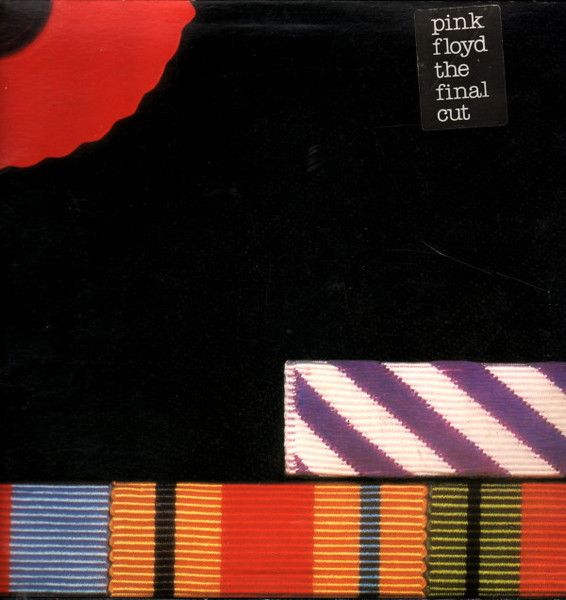
The Final Cut
1983
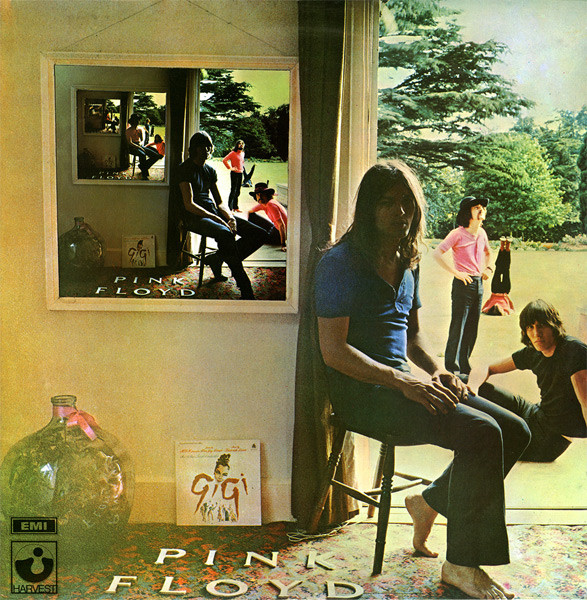
Ummagumma
1969
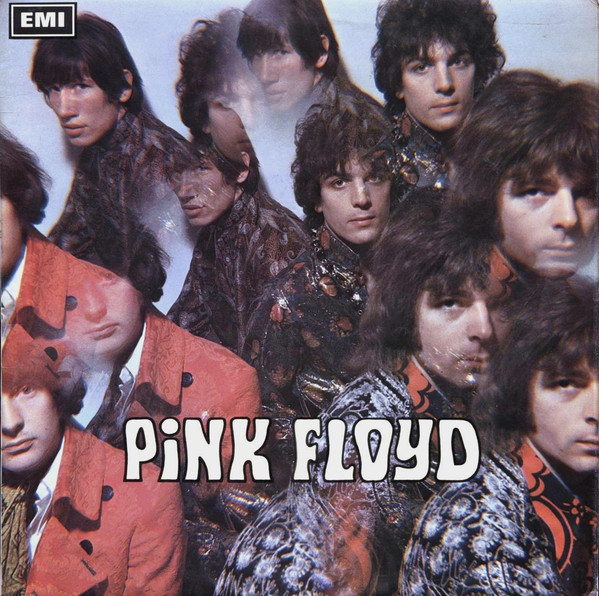
The Piper At The Gates Of Dawn
1967
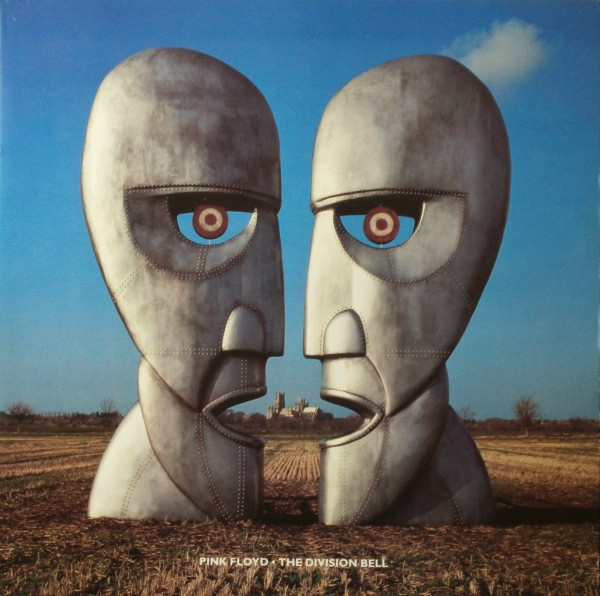
The Division Bell
1994
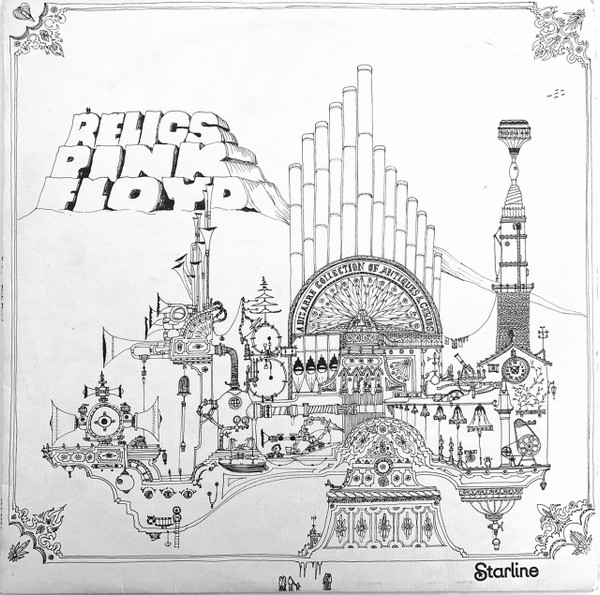
Relics
1971
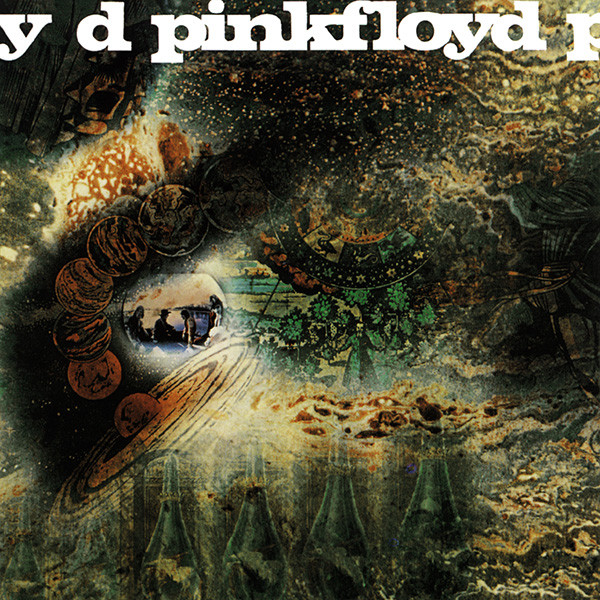
A Saucerful Of Secrets
1968
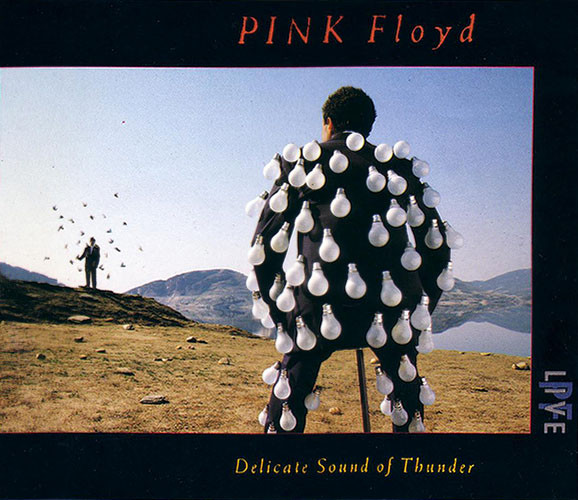
Delicate Sound Of Thunder
1988
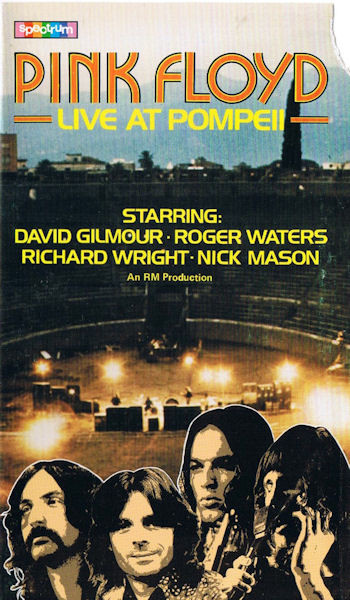
Live At Pompeii
1981
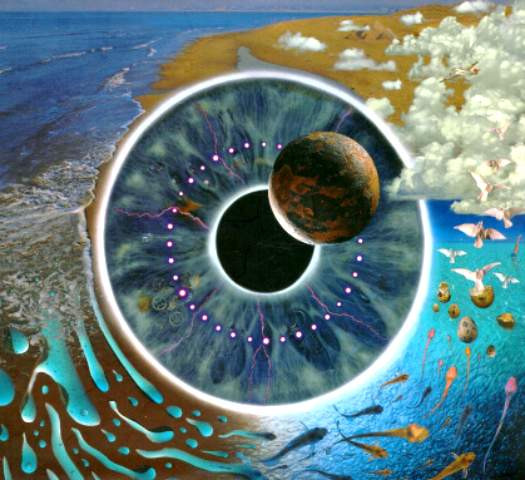
Pulse
1995
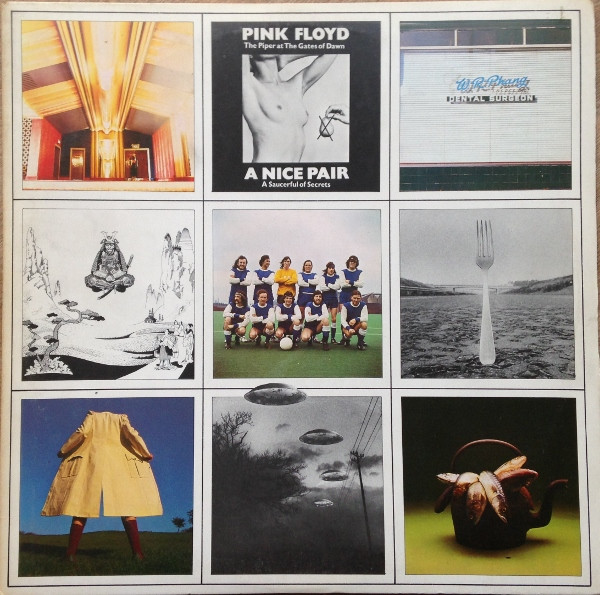
A Nice Pair
1974
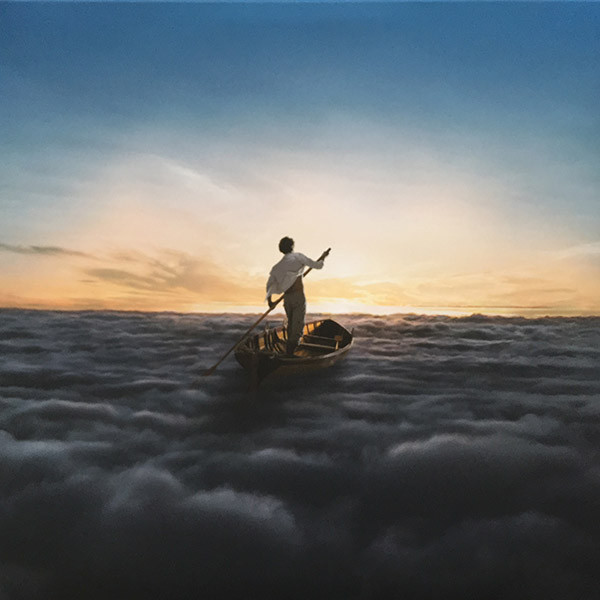
The Endless River
2014
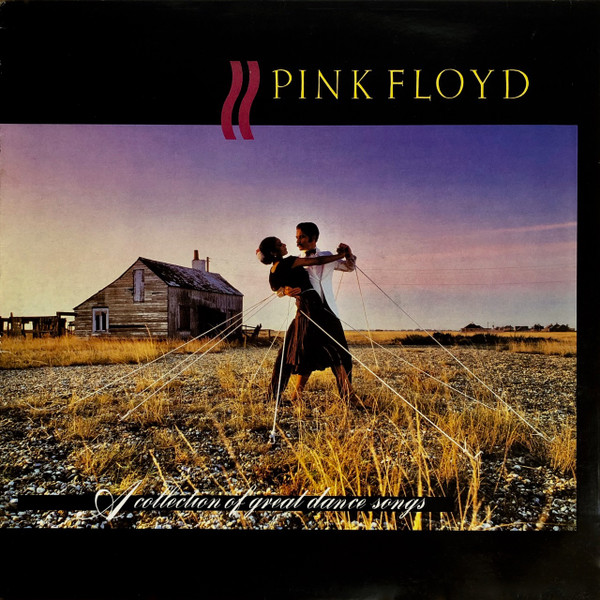
A Collection Of Great Dance Songs
1981
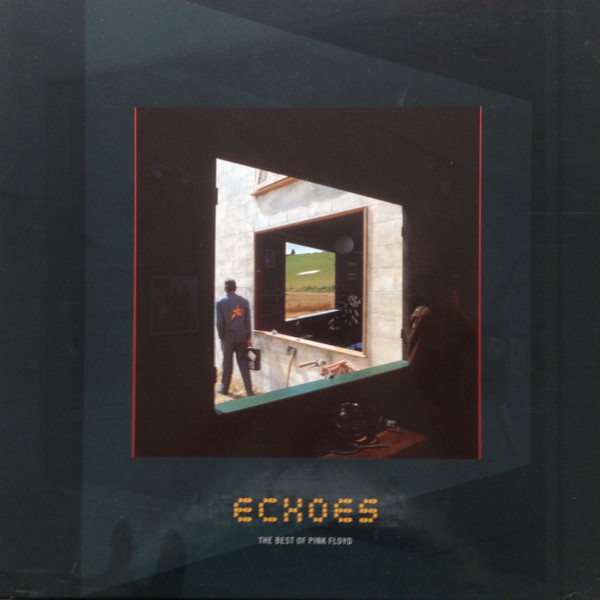
Echoes (The Best Of Pink Floyd)
2001
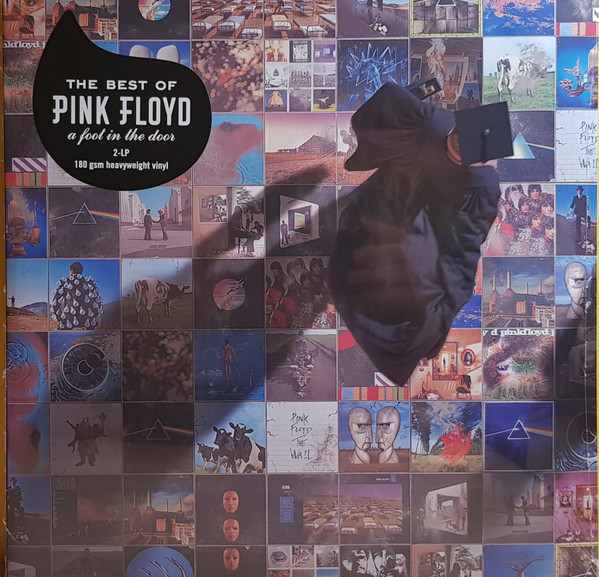
A Foot In The Door (The Best Of Pink Floyd)
2011
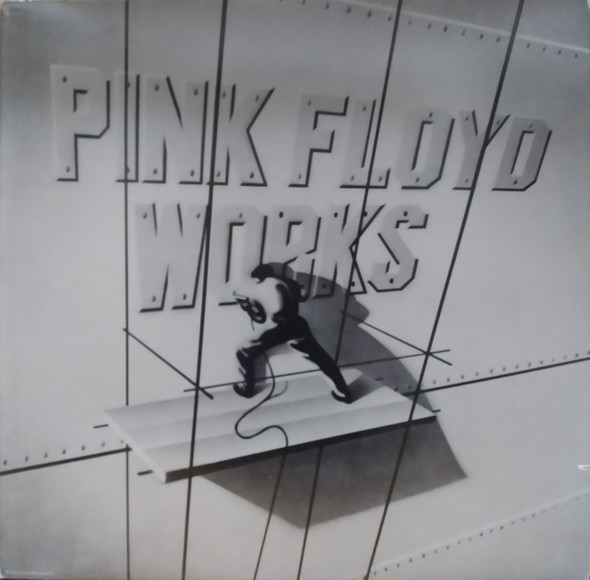
Works
1983
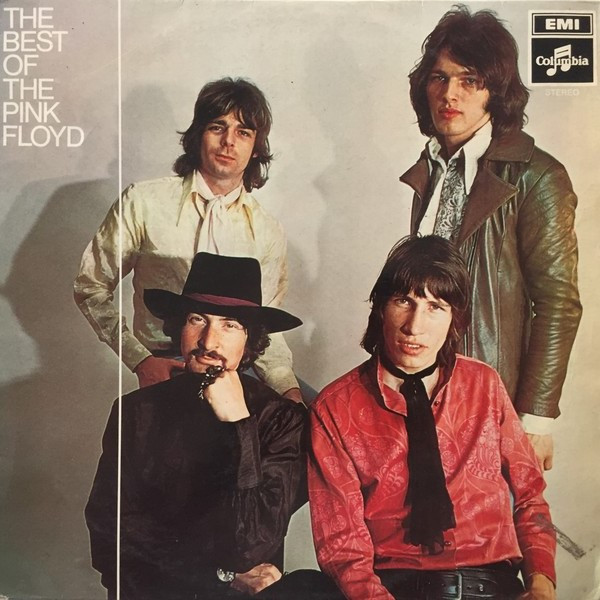
The Best Of The Pink Floyd
1970

8-Tracks
2026
Related artists
Around the web
Follow every record they touch.
Start your shelf and Gatefold tracks Syd Barrett's new pressings, tour dates, and the whole discography — automatically.
Start your shelf →Free forever. Works with 10 records or 10,000.