
Artist
Pink Floyd
London, United Kingdom · 1965 – 2014
Pink Floyd is a music group from London, United Kingdom, active 1965–2014. Their discography on Gatefold includes 24 records.

69
Albums tracked
4,120
In collections
1965
Since
Biography
Syd Barrett’s Selmer Truvoice amp and Binson Echorec unit were the ghosts in the machine that made London’s psychedelic underground actually happen. He wasn't some calculated genius; he was a guy with a Zippo lighter sliding across the frets and a head full of nursery rhymes and LSD. The early stuff at the UFO Club wasn't about the hits—it was about twenty-minute feedback loops and liquid light shows that made the suits at EMI lose their goddamn minds. When Syd’s brain finally fried and the band had to leave him at home because he wouldn't stop playing one chord for an entire set, they could have easily folded and become a footnote. Instead, they turned into a multi-million dollar architecture firm run by Roger Waters. The middle era is where the gear obsession took over—using the VCS3 synth to mimic heartbeats and footsteps because they were bored with being a blues-rock band. By the time they hit 'The Wall', the internal politics were so toxic that Richard Wright was technically a salaried session player on his own band's tour. They transitioned from messy, brilliant acid-folk to the most expensive, cynical stadium rock on the planet, and somehow the world loved them more the colder they got.
Bio from The Clerk
The Arc of Pink Floyd
The pivots — what forced Pink Floyd to reinvent.
The Piper’s Exit
When Syd Barrett stopped showing up mentally, the band had to bring in David Gilmour to cover the guitar parts while Syd stood on stage like a statue. They tried to be a five-piece for exactly five minutes before realizing they were dragging a dead weight, leading to the erratic transitional period of 'A Saucerful of Secrets'. This shift forced Waters and Wright to start writing lyrics because their main source of ideas was gone. You hear the panic in those early post-Syd sessions, a mix of space-rock noodling and desperate attempts to find a new center.
The Alan Parsons Upgrade
Everything changed when they stopped trying to be a singles band and locked into Abbey Road with engineer Alan Parsons and the new 16-track tape machines. 'The Dark Side of the Moon' was the result of a year spent touring the material and refining the loops, using VCS3 synthesizers to create the pulse of 'On the Run'. This was the pivot from 'weird art school kids' to 'precision-tooled studio masters'. The sound became massive, clinical, and so perfectly produced that it became the default test record for every high-end stereo for the next fifty years.
The Waters Dictatorship
By the time 'Animals' was tracked at their own Britannia Row Studios, the collaborative spirit was dead and Roger Waters was calling every shot. He turned the band into a vehicle for his own sprawling conceptual narratives about the collapse of British society and his hatred for the music industry. The music stripped away the lush textures of the mid-70s for a sharper, more aggressive tone that mirrored the punk explosion happening outside the studio doors. It culminated in 'The Wall', an album so bloated and singular that it effectively pushed the other members out of the creative process entirely.
Influences
- Bo Diddley — Syd Barrett was obsessed with Diddley’s heavy, rhythmic tremolo and used the 'Bo Diddley beat' as the foundation for the frantic percussion on 'Interstellar Overdrive'. You hear it in the way the band treats the guitar like a percussive instrument rather than a melodic one. It’s the blues run through a broken radiator.
- The AMM — Keith Rowe of the avant-garde group AMM used to play guitar with a transistor radio and metal plates, a technique Syd watched closely at the Spontaneous Music Ensemble shows. This directly informed the chaotic, non-musical noise sections in 'Astronomy Domine'. They took high-concept noise and sold it to the kids in the front row.
- The Beatles — They were recording 'The Piper at the Gates of Dawn' in Abbey Road Studio 3 while the Beatles were next door in Studio 2 finishing 'Sgt. Pepper'. The Floyd guys watched the Fab Four use the studio as an instrument, which gave them the green light to use tape loops and panning effects. Without those sessions, 'Dark Side' doesn't exist.
- Stockhausen — Richard Wright was vocal about the influence of Stockhausen’s electronic experiments on his own approach to texture and spatial sound. You can track this straight to the musique concrète elements on 'Ummagumma' and the synthesized wind on 'Wish You Were Here'. It was about making the silence between notes as loud as the music.
- Lead Belly — Roger Waters cited the folk-blues legend as his primary lyrical influence for his direct, unvarnished delivery and storytelling. While the music got complex, the vocal melodies often stayed as simple and repetitive as a Lead Belly field holler. It’s the grit underneath the shiny production.
Discography
Their records — most-collected first.

The Dark Side Of The Moon
1973
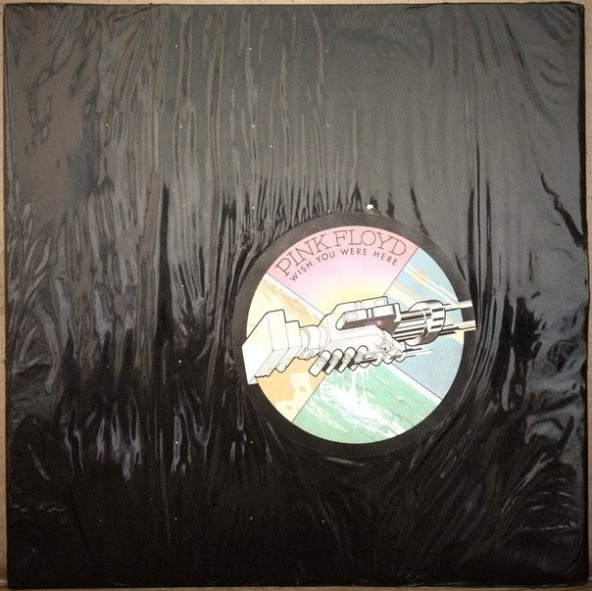
Wish You Were Here
1975
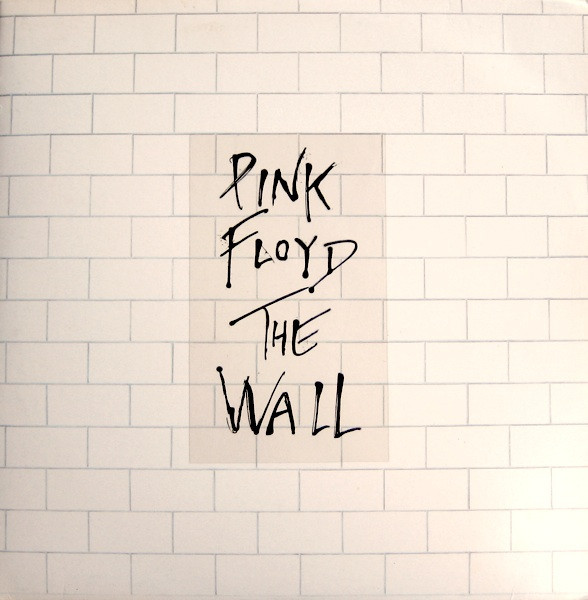
The Wall
1979
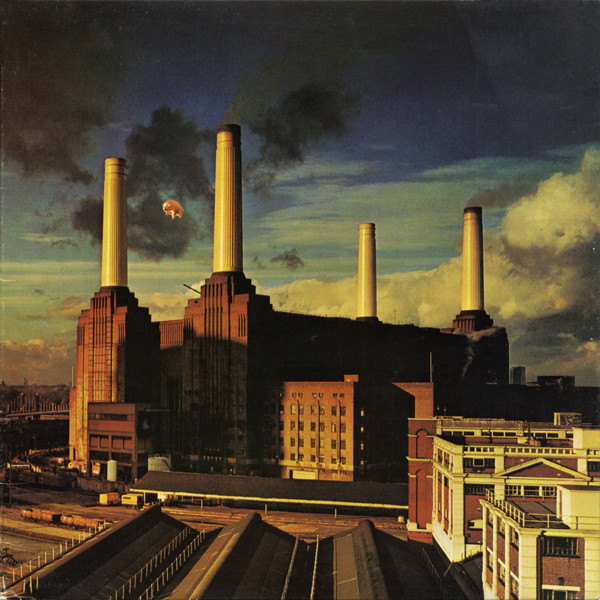
Animals
1977
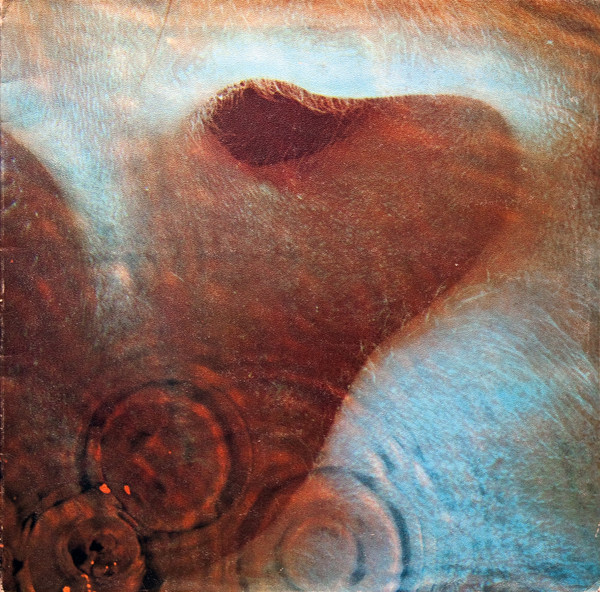
Meddle
1971
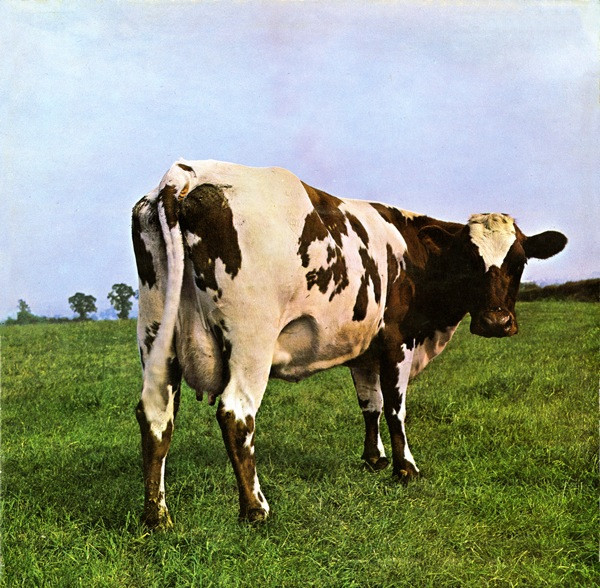
Atom Heart Mother
1970
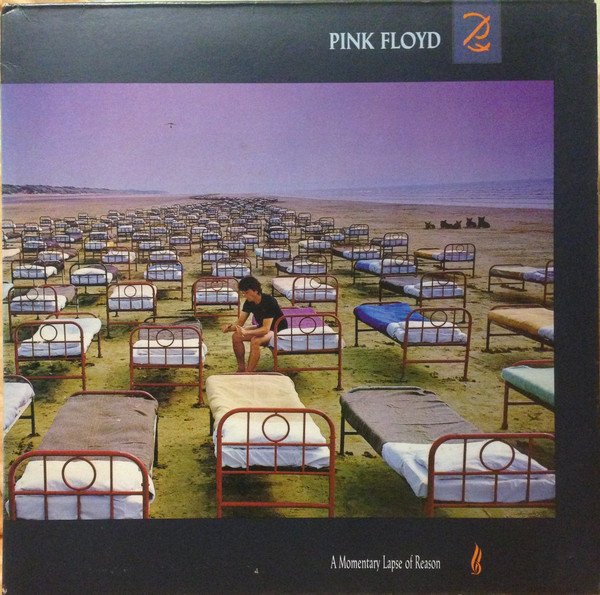
A Momentary Lapse Of Reason
1987
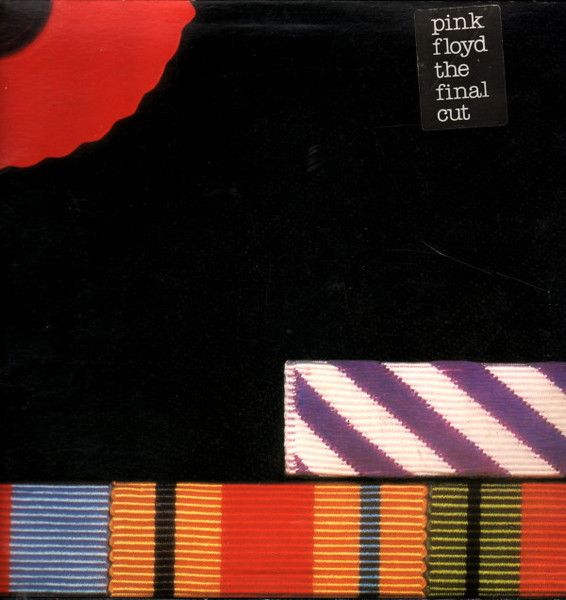
The Final Cut
1983
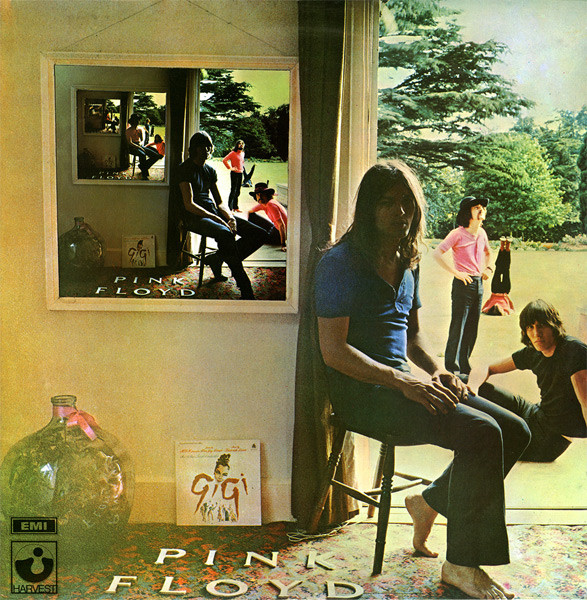
Ummagumma
1969
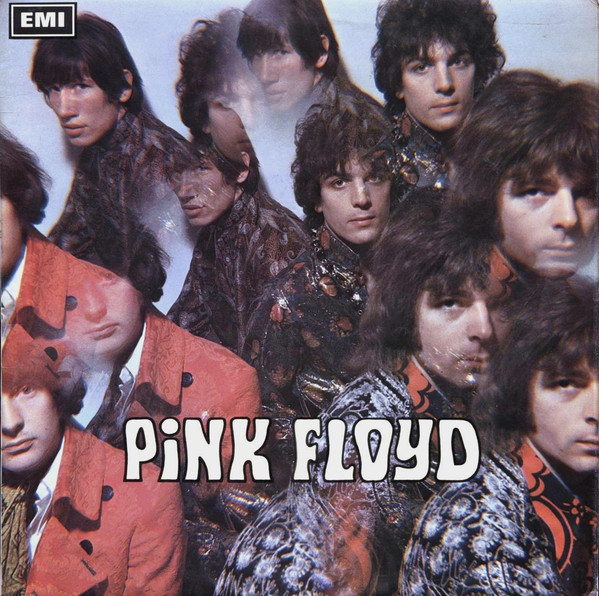
The Piper At The Gates Of Dawn
1967
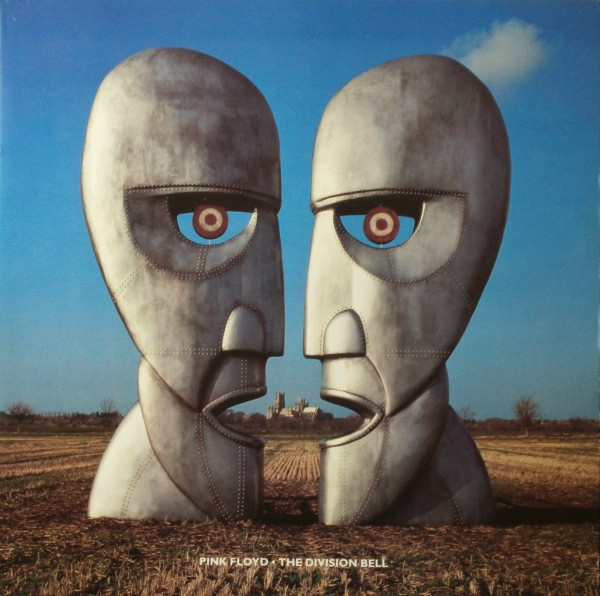
The Division Bell
1994

Obscured By Clouds
1972
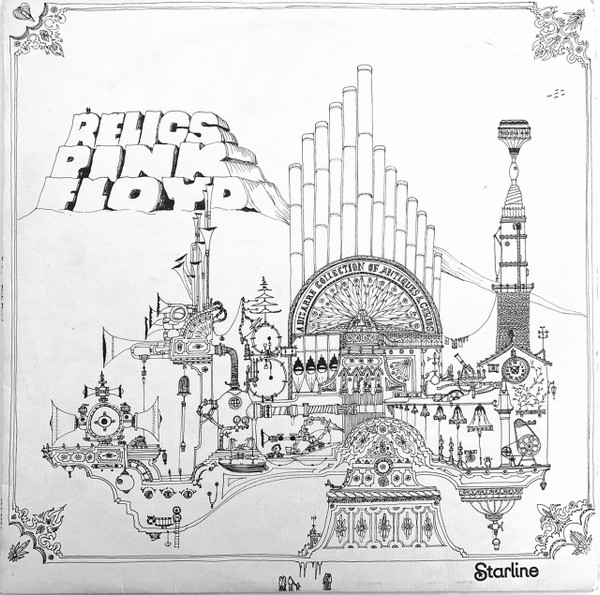
Relics
1971
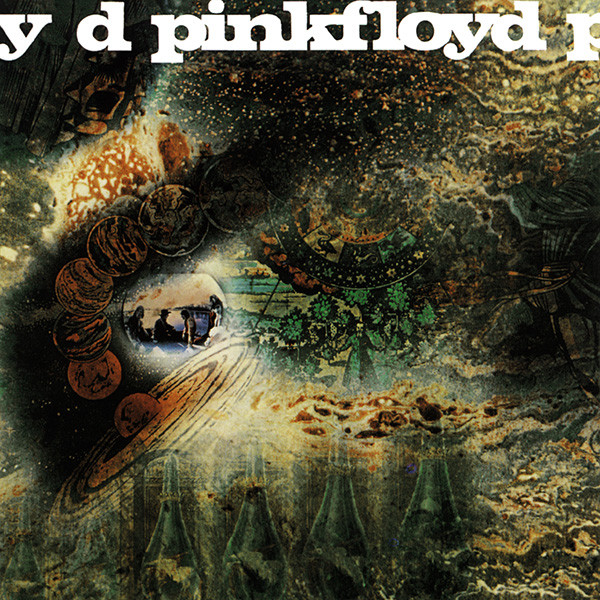
A Saucerful Of Secrets
1968
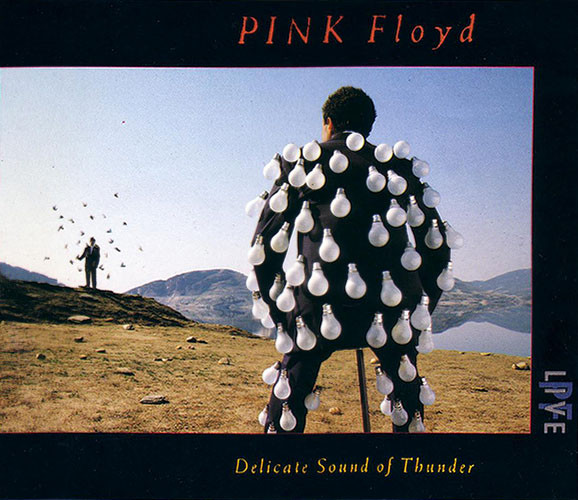
Delicate Sound Of Thunder
1988
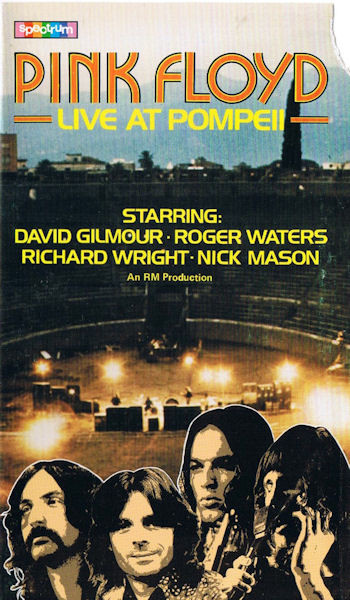
Live At Pompeii
1981
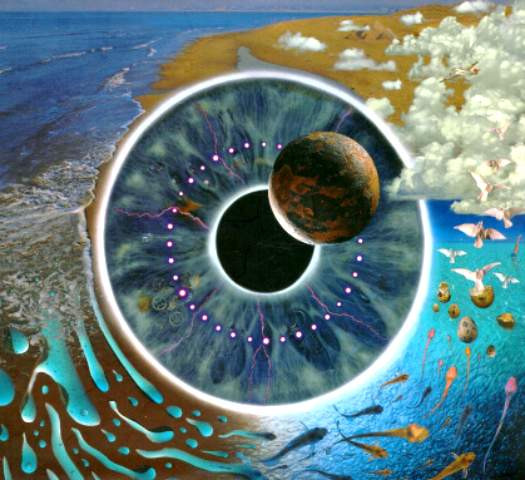
Pulse
1995
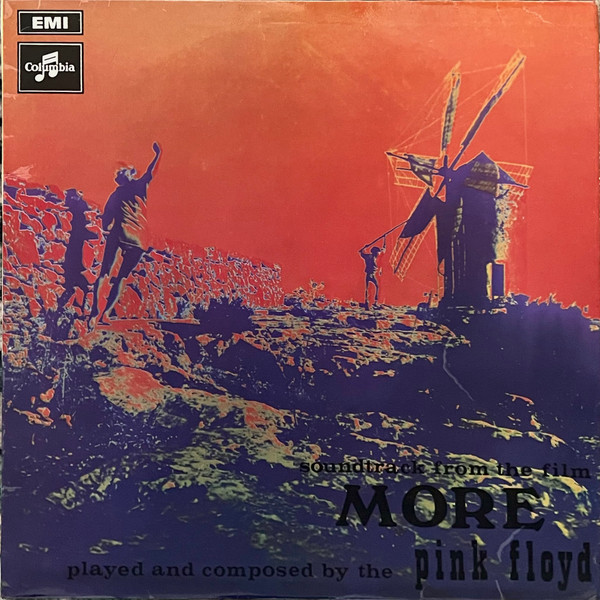
Soundtrack From The Film "More"
1969
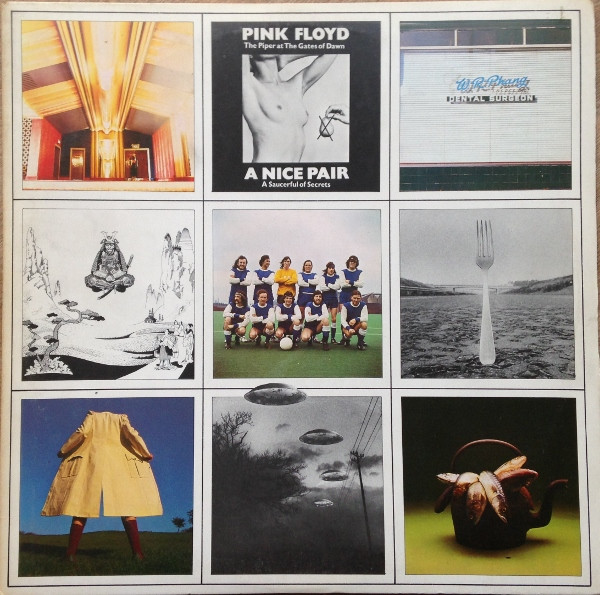
A Nice Pair
1974
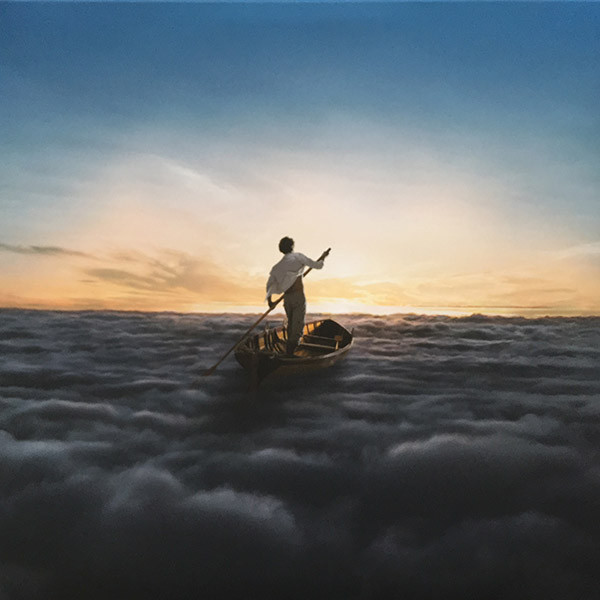
The Endless River
2014

The Dark Side Of The Moon (Live At Wembley 1974)
2023
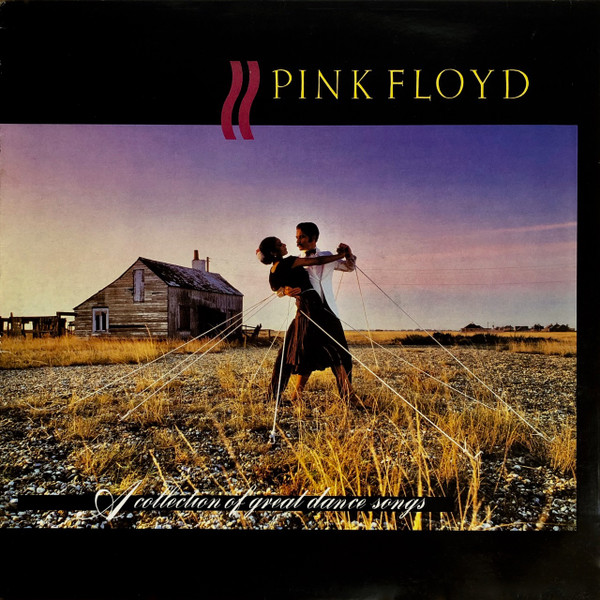
A Collection Of Great Dance Songs
1981
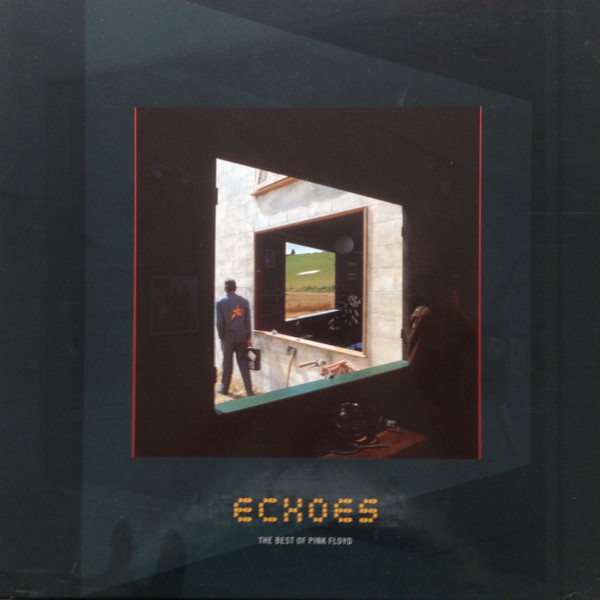
Echoes (The Best Of Pink Floyd)
2001

Live From The Los Angeles Sports Arena, April 26th , 1975
2026
Related artists
Frequent collaborators
Around the web
Follow every record they touch.
Start your shelf and Gatefold tracks Pink Floyd's new pressings, tour dates, and the whole discography — automatically.
Start your shelf →Free forever. Works with 10 records or 10,000.