Artist
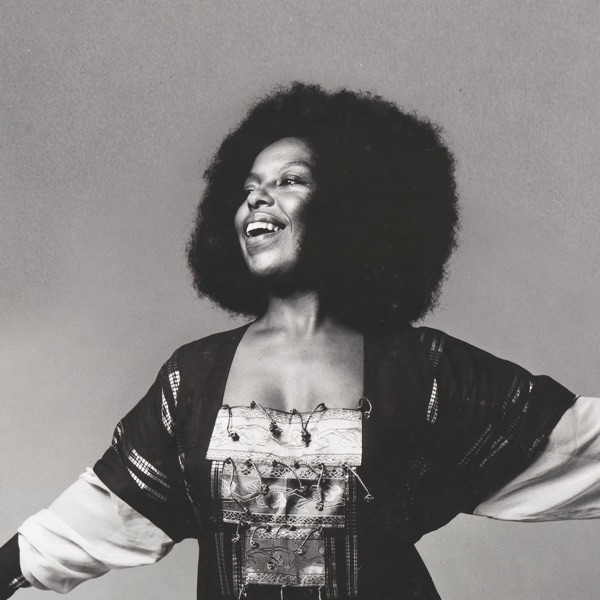
Roberta Flack
Black Mountain, United States · 1937 – 2025
Roberta Flack is a musician from Black Mountain, United States, active 1937–2025. Their discography on Gatefold includes 24 records.
31
Albums tracked
232
In collections
1937
Since
Biography
Joel Dorn booked Atlantic Studios for ten hours in February 1969 to capture what Flack had been doing upstairs at Mr. Henry's on Capitol Hill. She tracked First Take with Ron Carter on bass and Ray Lucas on drums, knocking out the songs practically live without an overdub in sight. It was dead silence, church discipline, and precision piano chord voicings instead of the sweaty, horn-drenched Stax and Muscle Shoals soul everyone else was selling. When Clint Eastwood stuck "The First Time Ever I Saw Your Face" into Play Misty for Me three years later, Atlantic suddenly had to scramble to repress a three-year-old LP that critics initially treated like a quiet jazz curio. She wasn't just a singer sitting on a piano bench; she was a classically trained technician who could arrange circles around the studio pros. By the time she hit Feel Like Makin' Love, she took the producer credit herself under the alias Rubina Flake, hiring players like Bob James and Ralph MacDonald to build an airtight, mid-tempo groove that basically invented the quiet storm radio format. The middle part of the discography took some heavy blows from slick pop ballads and adult-contemporary polish that smothered her instincts, but when she leaned into space and dynamic control, nobody could touch her.
Bio from The Clerk
The Arc of Roberta Flack
The pivots — what forced Roberta Flack to reinvent.
The Joel Dorn Sessions
After jazzman Les McCann walked her into Atlantic Records, producer Joel Dorn parked her at a grand piano with bassist Ron Carter. The output ran from 1969's First Take through Chapter Two and 1971's Quiet Fire, relying on sparse acoustics and agonizingly slow tempos. Dorn didn't clutter her arrangements with fashionable psychedelic fuzz, opting to let her sustain notes until the tape hiss showed. It culminated commercially on 1973's Killing Me Softly, turning an understated, melancholic reading of a folk song into a monster pop hit.
The Donny Hathaway Partnership
Her musical chemistry with Howard University classmate Donny Hathaway pushed her beyond contemplative solo ballads into rich, harmonized soul. Their 1972 self-titled LP Roberta Flack & Donny Hathaway created the definitive modern blueprint for R&B vocal pairings on tracks like "Where Is the Love". Hathaway's struggle with severe mental health issues made studio sessions harrowing and inconsistent, but their creative bond was untouchable. After his tragic death during production, Atlantic assembled the fragmented results into 1979's Roberta Flack featuring Donny Hathaway, capturing the haunting final moments of their harmonic magic.
The Self-Produced Quiet Storm Blueprint
Stepping out from behind Dorn's shadow, Flack took control of the mixing board using the pseudonym Rubina Flake. On 1975's Feel Like Makin' Love, she hired Bob James, Hugh McCracken, and percussionist Ralph MacDonald to construct a silkier, rhythm-focused sound. It ditched the raw folk edges for lush Fender Rhodes lines and intricate, jazz-adjacent backbeats. That formula carried directly into 1977's Blue Lights in the Basement, effectively blueprinting the late-night quiet storm aesthetic that dominated urban radio for the next decade.
The 1980s Duets and Pop Pivot
Facing an industry obsessed with synth-pop and slick radio ballads, she leaned heavily on collaborative projects to navigate the decade. She teamed up with Peabo Bryson on 1983's Born to Love, landing a massive mainstream crossover smash with "Tonight, I Celebrate My Love". The acoustic weight of her seventies work was swapped for glossy digital reverb, gated snares, and contemporary pop arrangements overseen by commercial hitmakers. While 1988's Oasis embraced polished late-eighties dance-pop production, her vocal phrasing stayed stubbornly sophisticated amidst the programmed drum machines.
The Final Atlantic Years and The Songbook Sets
Flack kicked off the nineties by leaning into glossy adult-contemporary duets, hitting the charts alongside Maxi Priest on 1991's Set the Night to Music before parting ways with Atlantic. After decades of major label machinery, she shifted focus entirely to interpretive songbook records cut with deep respect for the source material. Her studio output slowed significantly, eventually culminating in 2012's Let It Be Roberta: Roberta Flack Sings the Beatles. Even buried under modern digital sheen, her classical piano touch and distinct dynamic control remained unmistakable right up to the end.
Influences
- Nina Simone — Simone was the obvious precursor for a classically trained Black female pianist stepping into secular jazz clubs and asserting total musical authority. You hear it in Flack's assertive, counterpoint-heavy left-hand piano voicings on First Take and Chapter Two. Flack took Simone's fiery blend of Bach and the blues and smoothed it into deliberate, velvet restraint.
- Mahalia Jackson — Flack grew up playing piano and organ in the church, heavily studying the sacred timing and breath control championed by Jackson. That influence surfaces directly on spiritual cuts like "Go Up Moses" on Quiet Fire, where Flack stretches phrases across bars with gospel authority. It gave her the patience to hold a vowel until the entire room stopped breathing.
- Les McCann — McCann was the jazz pianist and Atlantic recording artist who literally discovered Flack singing at Mr. Henry's and badgered Joel Dorn into signing her immediately. His blend of churchy soul-jazz and breezy acoustic swing is all over the skeleton arrangements on her first three albums. Without McCann's direct intervention and mentorship, Atlantic never would have gambled on her acoustic-first approach.
- Etta Jones — Flack repeatedly cited Jones as a major vocal hero, admiring how she could lay back on a rhythm track and bend jazz standards to her own unhurried meter. Listen to Flack's slow-burn ballad work on "I Told Jesus" or "Compared to What," where the vocal lands a split-second behind the snare just like Jones used to do on Prestige. That stubborn refusal to rush the beat was Flack's whole identity.
- Ewan MacColl — The British folk singer and songwriter wrote "The First Time Ever I Saw Your Face" in 1957 as a spare, austere acoustic ballad. Flack stripped the track down to half-speed on First Take, reinventing a traditional UK folk piece into a definitive Black American soul standard. She turned MacColl's folk storytelling into an exercise in pure dynamic tension.
Discography
Their records — most-collected first.
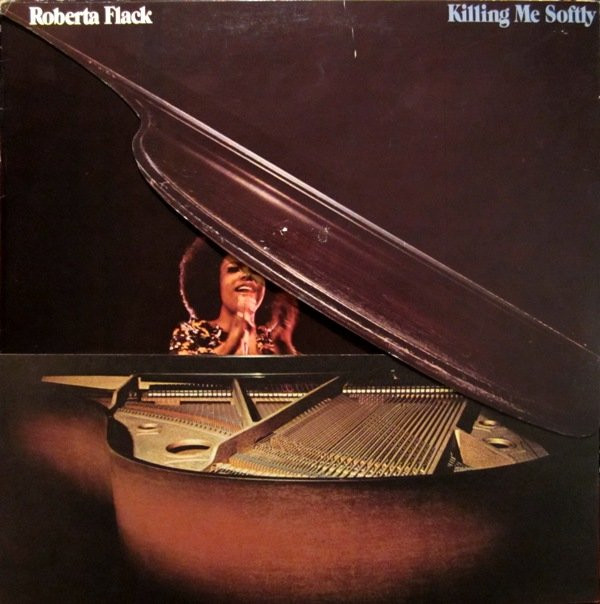
Killing Me Softly
1973
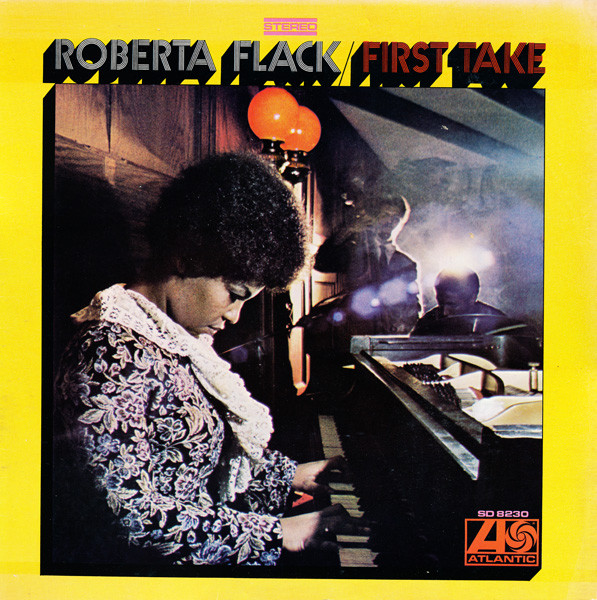
First Take
1969
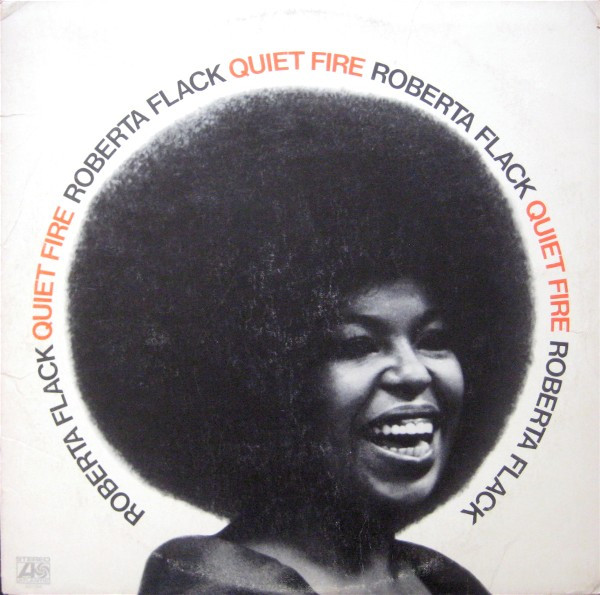
Quiet Fire
1971

Roberta Flack & Donny Hathaway
1972

Chapter Two
1970
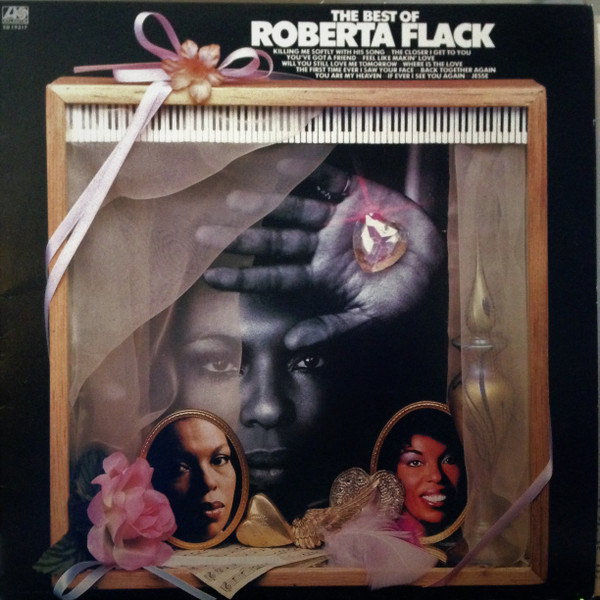
The Best Of Roberta Flack
1981
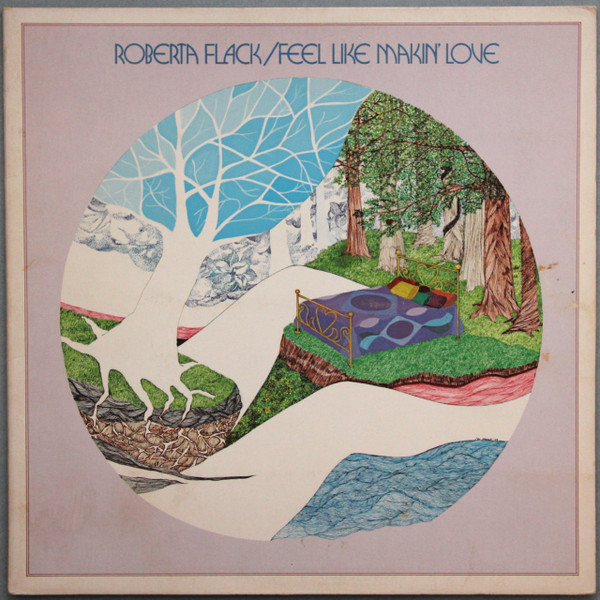
Feel Like Makin' Love
1975
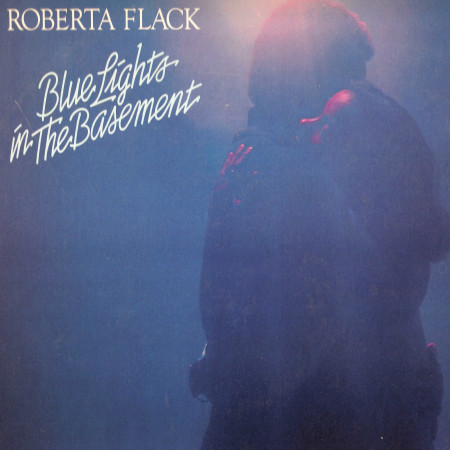
Blue Lights In The Basement
1977

Killing Me Softly With His Song
1973

Roberta Flack Featuring Donny Hathaway
1980

Softly With These Songs The Best Of Roberta Flack
1993

Oasis
1988

I'm The One
1982

Now Playing
2024

Bustin' Loose (Music From The Original Motion Picture Soundtrack)
1981

Roberta Flack
1978
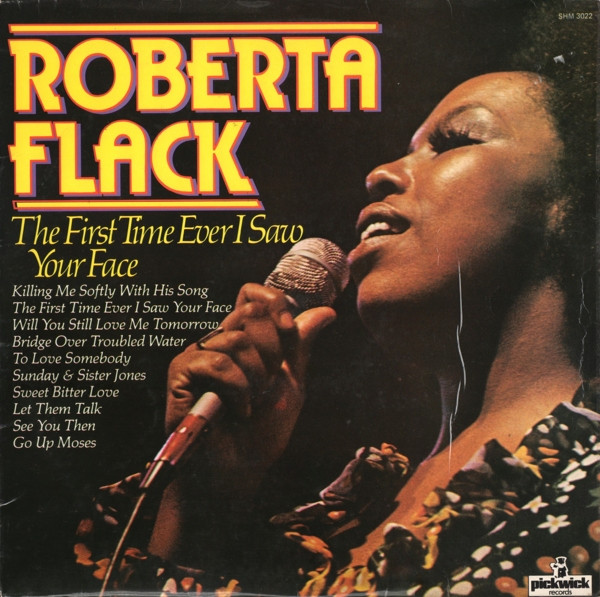
The First Time Ever I Saw Your Face

The Very Best Of Roberta Flack
2006

2 Originals Of Roberta Flack
1975

Jesse / No Tears (In The End)
1973
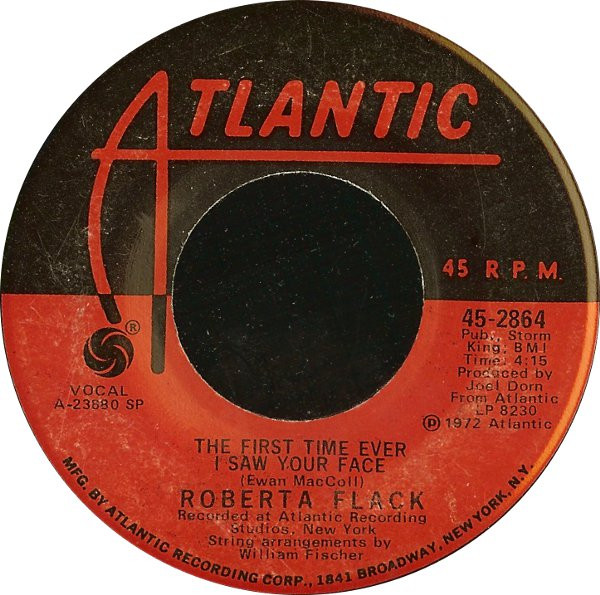
The First Time Ever I Saw Your Face / Trade Winds
1972

Where Is The Love
1972

The First Time Ever I Saw Your Face / Will You Still Love Me Tomorrow
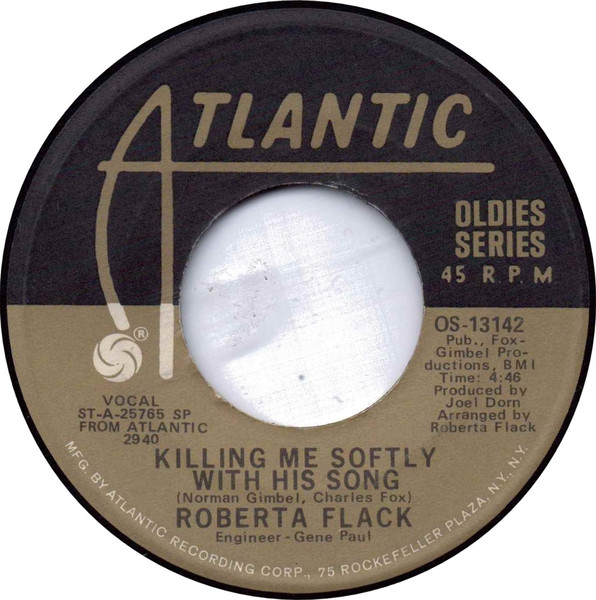
Killing Me Softly With His Song / Trade Winds
Related artists
Frequent collaborators
Around the web
Follow every record they touch.
Start your shelf and Gatefold tracks Roberta Flack's new pressings, tour dates, and the whole discography — automatically.
Start your shelf →Free forever. Works with 10 records or 10,000.