
Artist
Donny Hathaway
St. Louis, United States · 1945 – 1979
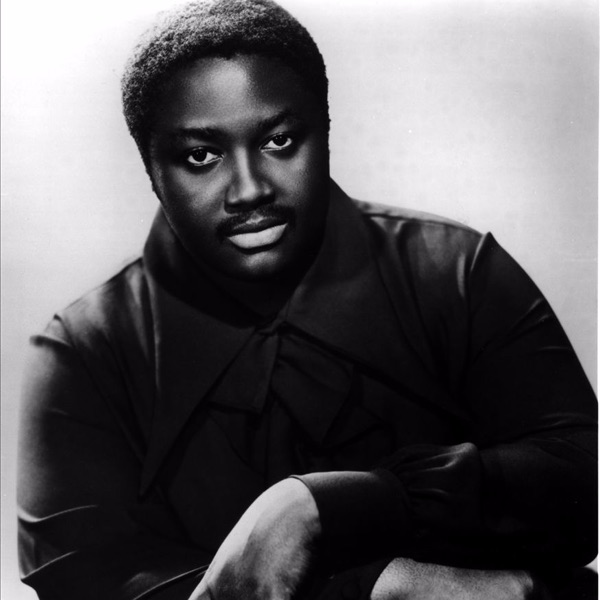
Donny Hathaway is a musician from St. Louis, United States, active 1945–1979. Their discography on Gatefold includes 14 records.
14
Albums tracked
81
In collections
1945
Since
Biography
Donny was a scholarship kid at Howard University who dropped out because he was already too good for the room. He wasn't just a singer—he was a staff producer and arranger for Chess Records in Chicago, pulling the strings for guys like Curtis Mayfield and Woody Herman before he ever stepped into the spotlight. That's why his arrangements feel like a masterclass in geometry; he knew exactly how much space a Rhodes piano needed to occupy to make a string section sound like it was weeping. He struggled with severe paranoid schizophrenia, which makes the warmth of his records feel like a miracle. By the time he was recording those live sets at the Troubadour and the Bitter End, he was hearing voices that weren't on the tape. Most people hear 'The Ghetto' and think about a groove, but if you're listening to the session players—guys like Cornell Dupree and Willie Weeks—you hear a band trying to hold a man together while he reaches for something most of us can't touch. He fell from a 15th-story window at the Essex House in '79, and the industry lost the only guy who could make a simple pop cover sound like a goddamn religious conversion.
Bio from The Clerk
The Arc of Donny Hathaway
The pivots — what forced Donny Hathaway to reinvent.
The Chess and Curtom Apprenticeship
Before the solo deal, Donny was the secret weapon in the Chicago soul scene, working as an arranger and producer for Jerry Butler and Curtis Mayfield. You can hear that meticulousness on his debut, Everything Is Everything, where he’s applying a high-classical sensibility to street-level gospel. He wasn't just singing 'The Ghetto'; he was conducting a symphony of urban noise using a minimal studio setup. This era is defined by his ability to bridge the gap between the conservatory and the church house.
The Roberta Flack Partnership
Atlantic Records paired him with Roberta Flack in '71 because they knew their voices occupied the same frequency of heartbreak. These sessions were hit-making machines, but they also shielded Donny as his mental health started to fracture under the pressure of solo fame. Their chemistry on 'Where Is the Love' turned soul music into high-art conversation, moving away from the gritty R&B of the late '60s into a polished, sophisticated sound that dominated the FM dial. It was a commercial peak that bought him time, but it also pigeonholed a guy who wanted to be seen as a serious composer.
The Live and Raw Truth
The 1972 Live album is the one every musician keeps in their bag because it’s a document of pure, unadulterated connection. Recording at the Troubadour in LA and the Bitter End in NYC, Donny stripped away the studio sheen and let Willie Weeks play that monster bass solo on 'Voices Inside (Everything Is Everything).' You hear the crowd singing 'You've Got a Friend' back to him, and for a second, the paranoia recedes. It’s the definitive version of Donny—vulnerable, technically flawless, and completely dialed into the room.
Influences
- Ray Charles — Donny explicitly cited Ray as his primary vocal model, specifically the way Ray injected gospel phrasing into secular blues. You hear it in Donny's piano runs, which mirror the same sanctified-but-dirty bounce Ray perfected in the late '50s. He took Ray’s blueprint and added a layer of formal classical theory.
- Nat King Cole — The precise diction and the velvet-smooth baritone delivery were a direct nod to Cole's crossover appeal. Donny wanted that same technical perfection and mainstream respectability without sacrificing his roots. It shows up in his ballads, where every syllable is weighted and placed with surgical intent.
- James Cleveland — Hathaway grew up singing gospel and revered Cleveland as the 'King of Gospel' for his choral arrangements. The way Donny stacks harmonies on his solo records is a direct lift from the gospel choir structures Cleveland used to fill pews. It’s the sound of the church exported to a Fender Rhodes.
- Curtis Mayfield — Mayfield hired Donny as a producer and songwriter at Curtom, providing the literal foundation for his professional career. You hear Curtis’s social consciousness in Donny’s lyrics and his lean, syncopated rhythm style in Donny’s arrangements. They were the two pillars of the Chicago soul sound.
- Mahalia Jackson — He spent his childhood watching her and even performed on the same bills as a child prodigy known as 'Donny Pittman.' The sheer emotional weight and the 'worrying' of notes in his upper register come straight from the Mahalia school of spiritual intensity. He didn't just sing a song; he testified through it.
Discography
Their records — most-collected first.
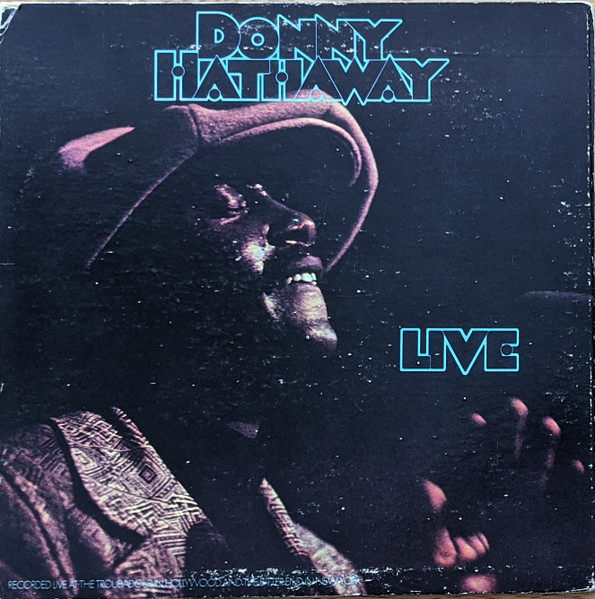
Live
1972
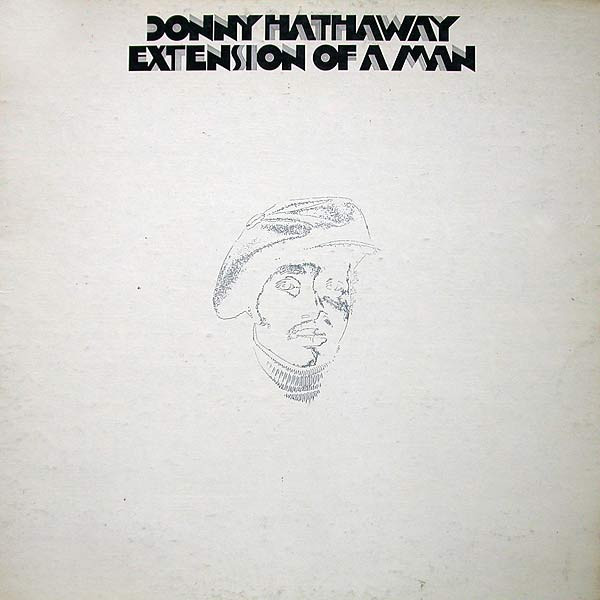
Extension Of A Man
1973

Everything Is Everything
1970
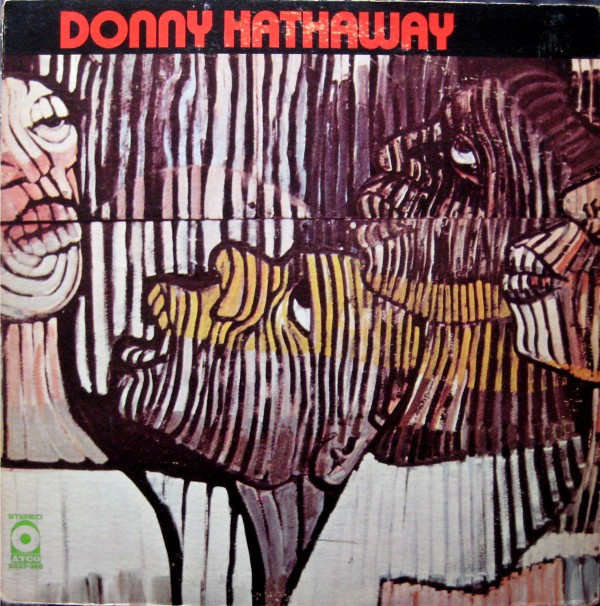
Donny Hathaway
1971

A Donny Hathaway Collection
1990
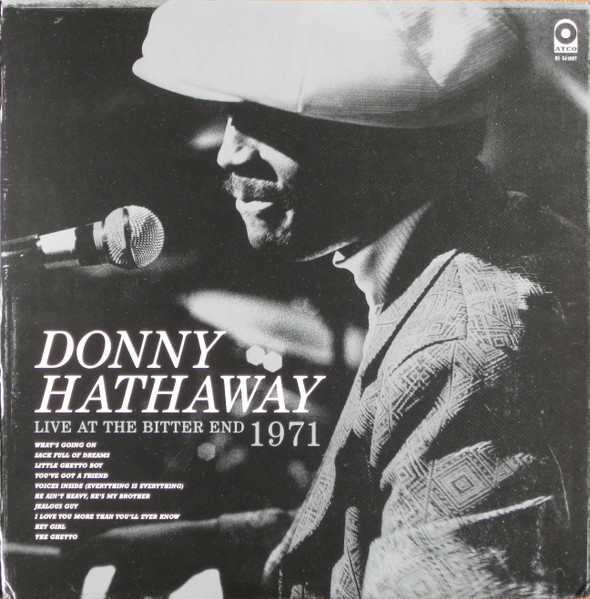
Live At The Bitter End 1971
2014
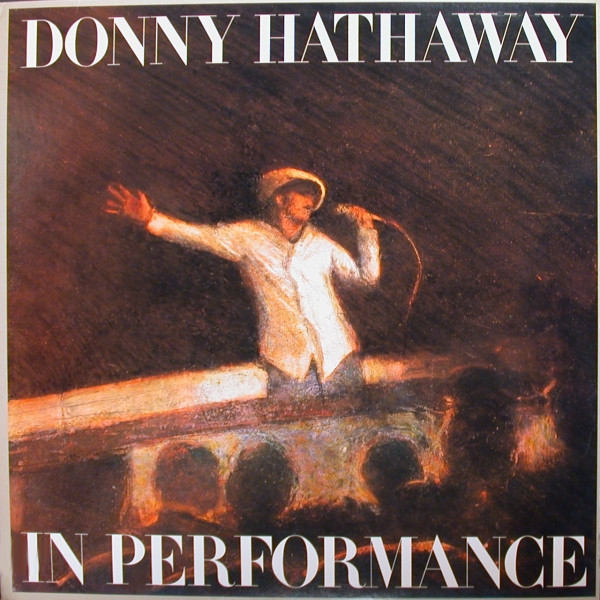
In Performance
1980
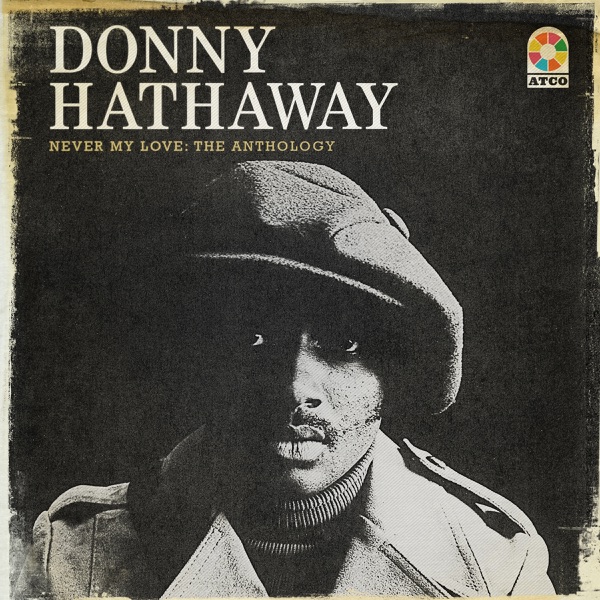
Never My Love: The Anthology
2013

Original Album Series
2010
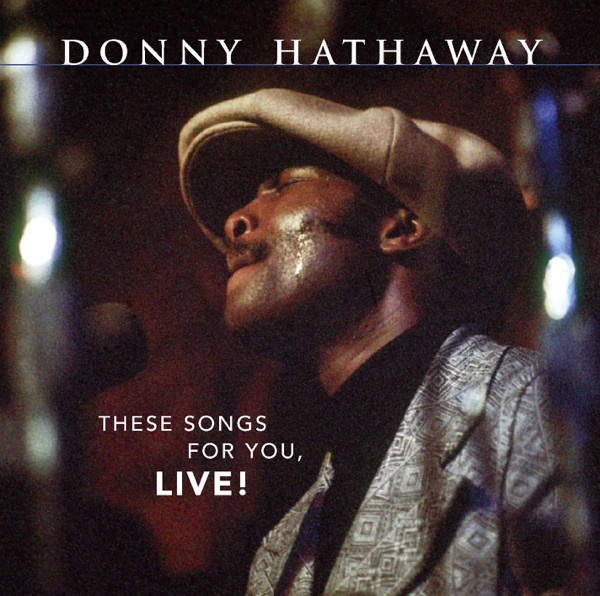
These Songs For You, Live!
2004
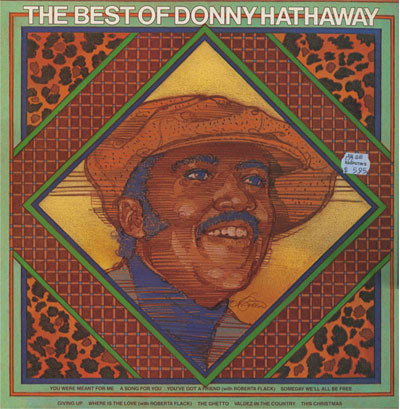
The Best Of Donny Hathaway
1978

Come Back Charleston Blue (Original Motion Picture Soundtrack)
1972

Now Playing
2024

Free Soul. The Classic Of Donny Hathaway
2000
Related artists
Around the web
Follow every record they touch.
Start your shelf and Gatefold tracks Donny Hathaway's new pressings, tour dates, and the whole discography — automatically.
Start your shelf →Free forever. Works with 10 records or 10,000.