
Artist
The Sisters of Mercy
Leeds, United Kingdom · Formed 1980
The Sisters of Mercy is a music group from Leeds, United Kingdom, active since 1980. Their discography on Gatefold includes 24 records.

28
Albums tracked
252
In collections
1980
Since
Biography
Andrew Eldritch bought a drum machine because he could not find a drummer in Leeds who could keep time, named the box Doktor Avalanche, and accidentally invented a whole subculture while spending the rest of his life denying he was ever part of it. The early singles ran on relentless, mechanical 4/4 beats, cheap fuzz pedals, and Gary Marx grinding out cold post-punk riffs under Eldritch's cigarette-tar baritone. It was cheap, hostile, and deeply British. They took the swagger of late-sixties rock and ran it through a gray industrial shredder until it sounded like driving a hearse into a brick wall at seventy miles an hour. Then the egos blew the doors off the hinges. By the time First and Last and Always dropped, Marx was leaving, Wayne Hussey and Craig Adams were right behind him to go start The Mission, and Eldritch turned the entire operation into a private megalomania project. Floodland went completely nuclear with gothic operatics, choral walls, and basslines heavy enough to crack concrete, before Vision Thing turned around and stripped the drama down into greasy, stadium-ready hard rock with Tony James on bass. Three proper studio albums, thirty-five years of playing unreleased songs live while refusing to cut a single new record out of spite for the industry. That is the whole bit: pure defiance wrapped in dark shades and smoke machines.
Bio from The Clerk
The Arc of The Sisters of Mercy
The pivots — what forced The Sisters of Mercy to reinvent.
The Doktor Takes Over
Between the early independent singles and The Reptile House E.P., the band abandoned standard post-punk club racket to let the drum machine dictate their entire sonic spine. Eldritch, Marx, and Adams locked into a suffocating, repetitive groove that stripped away human hesitation in favor of relentless tempo. You hear it immediately in the deadpan delivery and razor-wire guitar lines that refuse to swing. It turned Leeds dampness into a rigid, mechanized assault that defined their underground reputation.
First and Last and Fractured
Bringing in Wayne Hussey added jangling twelve-string guitars and lush melodic counterpoints to Eldritch's monotone growl on First and Last and Always. The studio sessions were an absolute civil war, with Hussey and Adams pushing for big, shimmering rock arrangements while Eldritch tried to keep the gloom austere. Marx walked out before the tour even finished, and the resulting record captures a group falling apart in real time. The tension produced pure gold, balancing pop hooks against brutal claustrophobia.
The Widescreen Monolith
Left completely alone with Doktor Avalanche, Eldritch brought in Patricia Morrison and blew the doors off the budget for Floodland. The guitars took a backseat to monolithic synthesizer arrangements, cavernous studio reverb, and massive multi-tracked choral bombast. It was essentially an Eldritch solo record masquerading as a band, completely ditching indie grit for theatrical stadium scale. Tracks like 'Lucretia My Reflection' proved the drum machine could command arena-sized goth-pop without a single human rhythm section in sight.
Riffing on the System
Instead of doubling down on choral grandeur, Eldritch recruited former Generation X bassist Tony James and guitarists Tim Bricheno and Andreas Bruhn to rip hard-rock riffs across Vision Thing. The songs traded mystical poetry for blunt, cynical political venom aimed squarely at American imperialism and corporate greed. The production went lean, dirty, and guitar-heavy, borrowing more from Detroit proto-punk and classic biker rock than European cold wave. It was their final studio statement, delivered like a raised middle finger before Eldritch swore off the album format forever.
Influences
- The Stooges — Eldritch routinely covered '1969' in early live sets and cited Iggy Pop's raw delivery as the blueprint for his stage presence. You hear that debt in the primal, three-chord stomp driving the tempo on their fastest early singles. It is gutter rock filtered through an industrial northern English town.
- Suicide — Alan Vega and Martin Rev showed Eldritch that a drum machine and a terrifying vocal presence could be far more menacing than a traditional four-piece band. That stark, relentless pulse became the literal foundation of Doktor Avalanche's programming across every era. Without Suicide's cheap organ loops, The Sisters do not happen.
- The Velvet Underground — The band cut a studio cover of 'Sister Ray' and played it relentlessly as a chaotic, drone-heavy live centerpiece. You hear the lineage in their devotion to single-chord hypnosis and relentless lyrical seediness. Lou Reed taught Eldritch that monotony could be weaponized.
- Hawkwind — The band cut covers of 'Silver Machine' and routinely drew on space-rock's driving motorik thud for their extended jams. The driving, unrelenting basslines laid down by Craig Adams borrow heavily from Hawkwind's hypnotic, propulsive weight. It gave the early tracks an endurance-test momentum that separated them from artsy post-punk.
- Motörhead — Lemmy's no-bullshit speed and overdriven bass presence were direct touchstones for both Eldritch and early guitarist Gary Marx. That influence surfaces loud and clear on Vision Thing, where the polite goth atmosphere gets completely obliterated by greasy, road-dog power chords. They were rockers at heart, pretending to be vampires.
Discography
Their records — most-collected first.
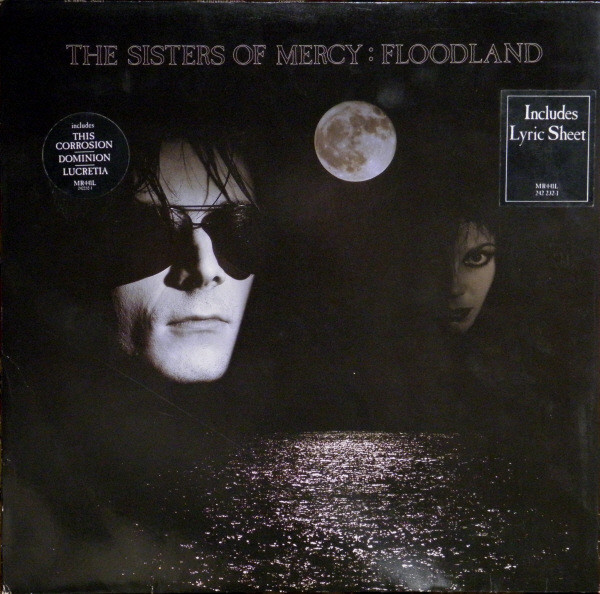
Floodland
1987
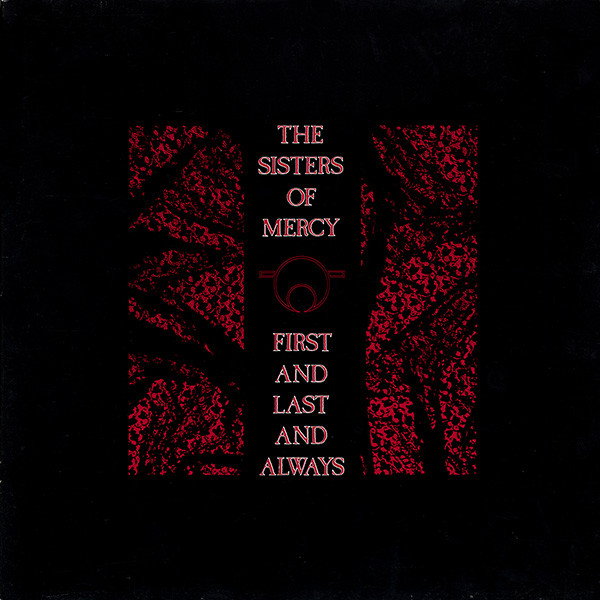
First And Last And Always
1985
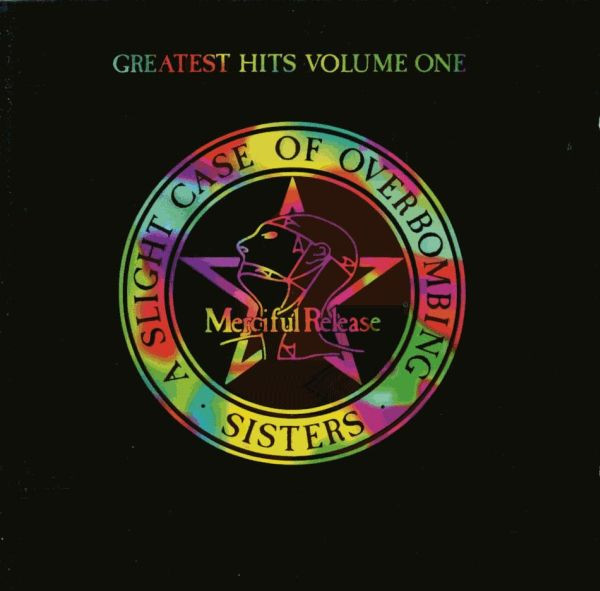
Greatest Hits Volume One (A Slight Case Of Overbombing)
1993

This Corrosion
1987
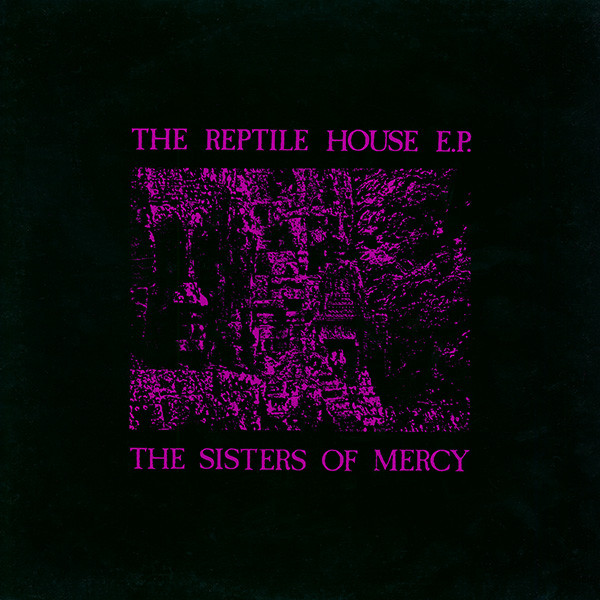
The Reptile House E.P.
1983
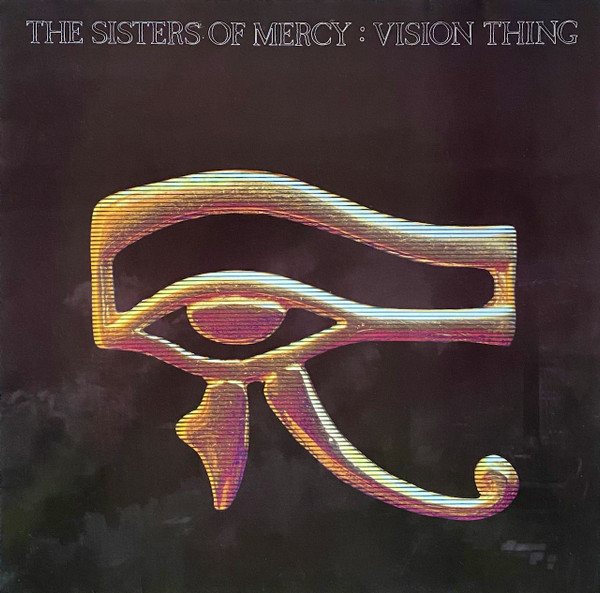
Vision Thing
1990

More
1990

Dominion
1988
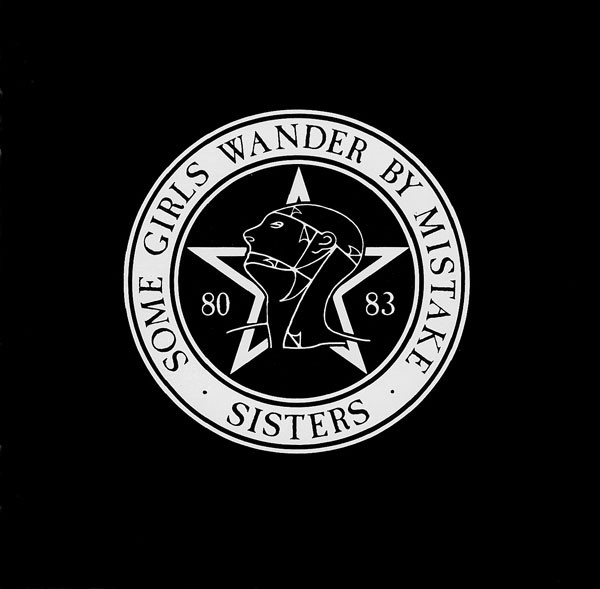
Some Girls Wander By Mistake
1992
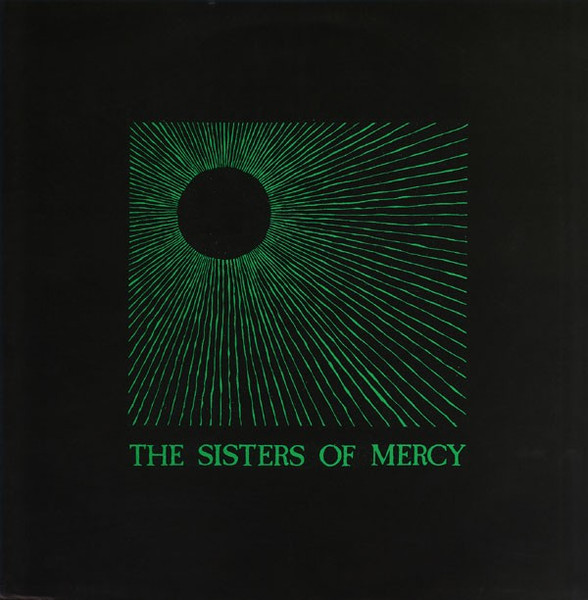
Temple Of Love
1983
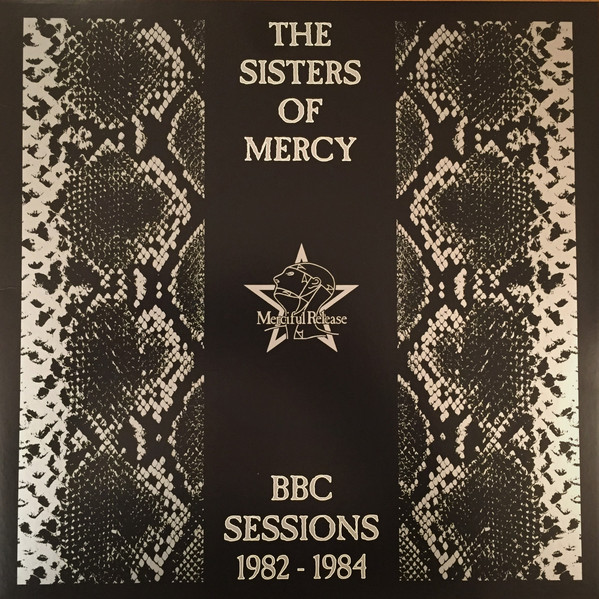
BBC Sessions 1982-1984
2021

Lucretia My Reflection
1988

Body And Soul
1984

Under The Gun
1993

Alice
1982

Temple Of Love (1992)
1992

Doctor Jeep
1990

No Time To Cry
1985
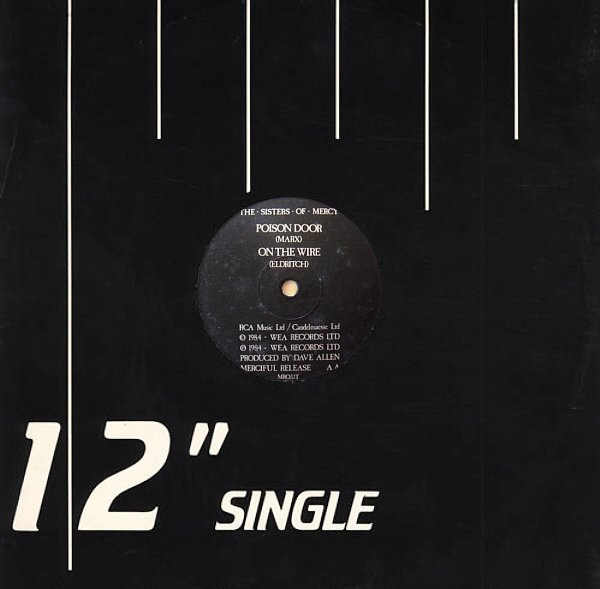
Walk Away / Poison Door
1984

Original Album Series
2009

Enter The Sisters
1987

She Got Red Eyes
2025
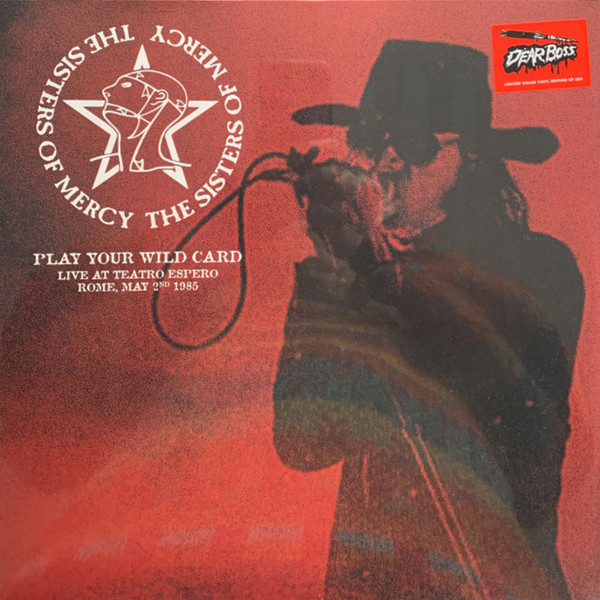
Play Your Wild Card
2023

Light And Shadow
2017
Related artists
Members
Frequent collaborators
Around the web
Follow every record they touch.
Start your shelf and Gatefold tracks The Sisters of Mercy's new pressings, tour dates, and the whole discography — automatically.
Start your shelf →Free forever. Works with 10 records or 10,000.