
Artist
Heart
Seattle, United States · Formed 1973
Heart is a music group from Seattle, United States, active since 1973. Their discography on Gatefold includes 24 records.

34
Albums tracked
441
In collections
1973
Since
Biography
Mushroom Records was a tiny Vancouver label that didn't know what it had until the Wilson sisters started outselling the rest of the roster combined. Dreamboat Annie was tracked on a tight budget at Can-Base Studios with Mike Flicker behind the board, utilizing a heavy-handed compression on Ann’s vocals and Nancy’s Ovation acoustic that defined the early Pacific Northwest hard rock sound. They weren't just a folk act with a loud drummer; they were gearheads who understood that a mandolin could sound as menacing as a Gibson SG if you pushed the preamp hard enough. Then the eighties happened and the label pressure to pivot into a hit machine almost gutted the band's identity. Capitol brought in Ron Nevison to polish the grit off the guitars and hand the songwriting over to outside pros like Holly Knight and Diane Warren. It worked for the charts, but it traded the Led Zeppelin mysticism for hairspray and gated reverb. They spent a decade fighting to get back to the blues-rock basics they started with, eventually reclaiming their legacy by ditching the power ballad factory and leaning back into the heavy sister-act harmonies that made them dangerous in the first place.
Bio from The Clerk
The Arc of Heart
The pivots — what forced Heart to reinvent.
The Mushroom Defection
A legal war broke out after Mushroom Records ran a suggestive full-page ad in Rolling Stone implying the sisters were lovers, leading the band to jump ship to Portrait Records mid-contract. They had to finish Magazine while fighting lawsuits, but the result was a lean, aggressive edge found on Little Queen. Roger Fisher’s lead guitar and the Wilson’s folk-horror sensibilities merged here, creating a bridge between Laurel Canyon singer-songwriters and the burgeoning arena rock circuit.
The Nevison Makeover
By 1985, the band was essentially broke and label-less until Capitol signed them under the condition they use outside songwriters and producer Ron Nevison. The self-titled 1985 album stripped away the flutes and the acoustic mandolins in favor of Fairlight CMI synthesizers and massive, processed snare sounds. It pushed Ann Wilson into a stratosphere of radio dominance but sidelined the band's instrumental interplay, turning them into a high-gloss vocal vehicle for MTV.
The Lovemongers Reset
After the corporate fatigue of the Brigade era, the sisters retreated to Seattle and formed the acoustic-heavy Lovemongers, playing local clubs and stripping the production back to the bone. This period allowed them to re-engage with the emerging grunge scene—Nancy was married to Cameron Crowe and the band was tight with the Alice in Chains and Pearl Jam camps. You can hear this grit on the 1993 album Desire Walks On, which traded the synthesizers for a darker, more organic guitar crunch that felt like a homecoming.
Influences
- Led Zeppelin — The band famously covered 'The Battle of Evermore' and 'Rock and Roll' early in their club days in Vancouver. You hear it in the acoustic-to-electric dynamics of 'Crazy on You' and the literal Page-and-Plant worship in the vocal phrasing. Ann is one of the few singers alive who can actually match Robert Plant's upper-register grit without thinness.
- The Beatles — Ann and Nancy have cited the Beatles' Shea Stadium performance as the specific moment they decided to form a band. The vocal harmonies on tracks like 'Dreamboat Annie' pull directly from the McCartney and Lennon school of stacked thirds. It’s the pop foundation beneath all that heavy riffing.
- Joni Mitchell — Nancy Wilson has frequently cited Joni Mitchell as the reason she picked up an acoustic guitar and explored open tunings. You hear this influence most clearly in the fingerstyle complexity of the intro to 'Silver Wheels' or the folk-prog leanings of 'Sylvan Song.' It gave the band a songwriter's depth that their hair-metal peers lacked.
- Yes — Roger Fisher and the early lineup were deep into the UK prog scene, particularly the intricate arrangements of Yes. This shows up in the odd time signatures and multi-part structures of songs like 'Mistral Wind.' They weren't just playing 4/4 bar rock; they were trying to build suites.
- Aretha Franklin — Ann Wilson has repeatedly identified Franklin as her primary vocal blueprint for power and control. You hear it in the soulful runs on 'Magic Man' and the way she uses her diaphragm to punch through a wall of Marshall stacks. It’s soul music translated for a hard rock context.
Discography
Their records — most-collected first.

Dreamboat Annie
1975
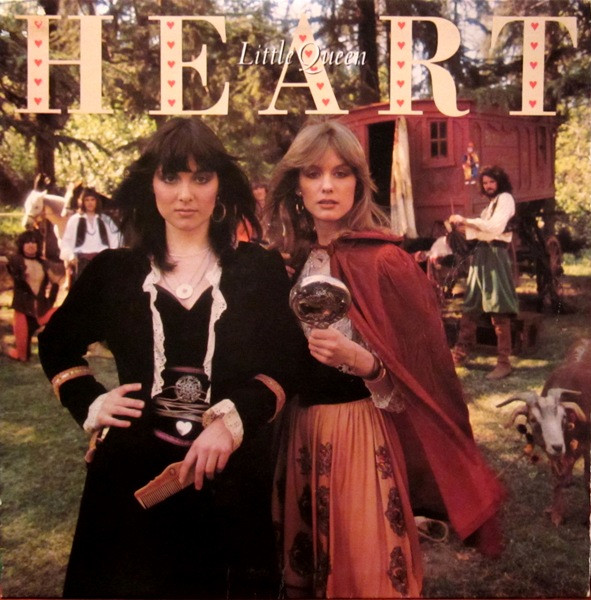
Little Queen
1977
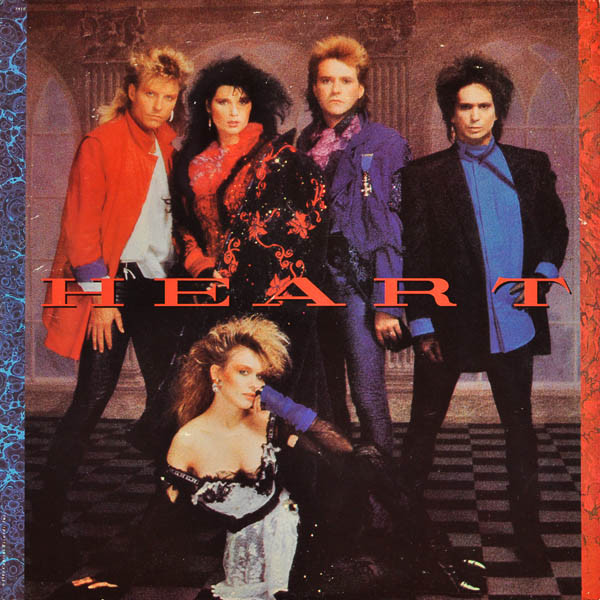
Heart
1985
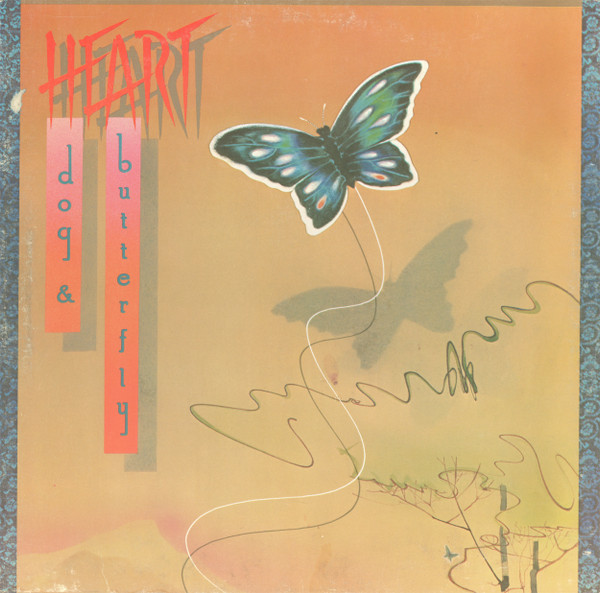
Dog & Butterfly
1978
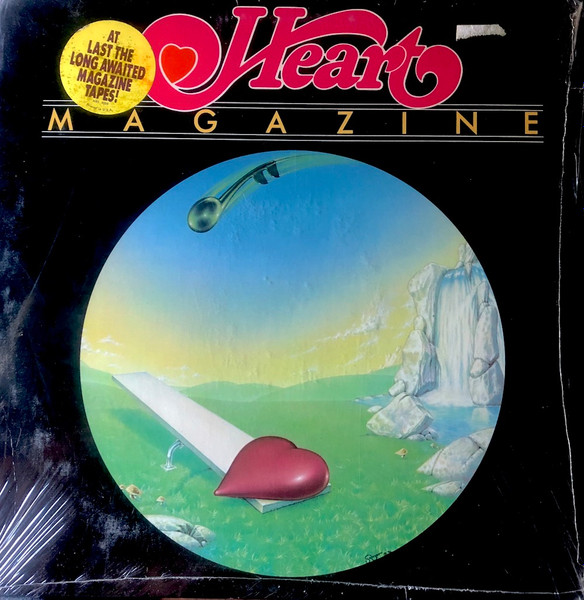
Magazine
1977
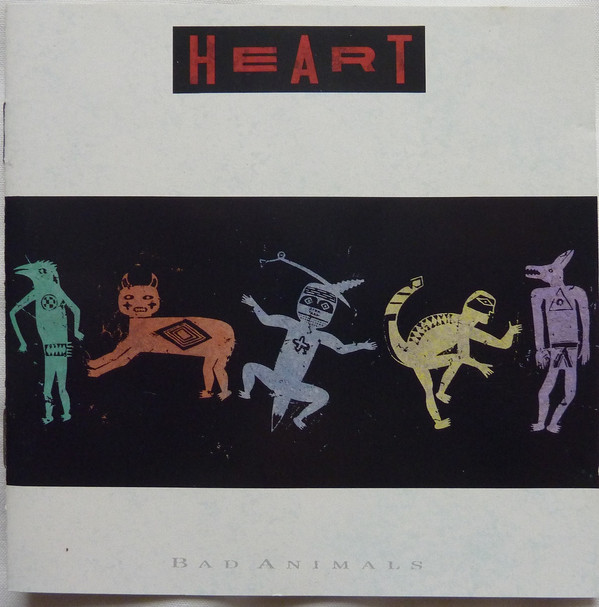
Bad Animals
1987
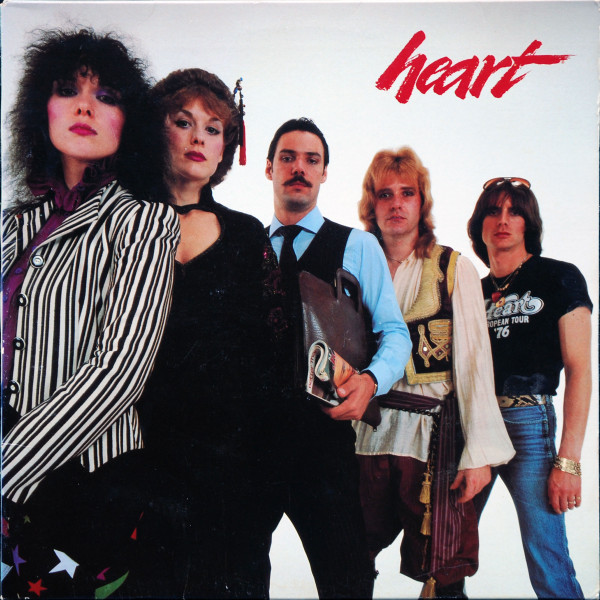
Greatest Hits / Live
1980

Bebe Le Strange
1980

Brigade
1990
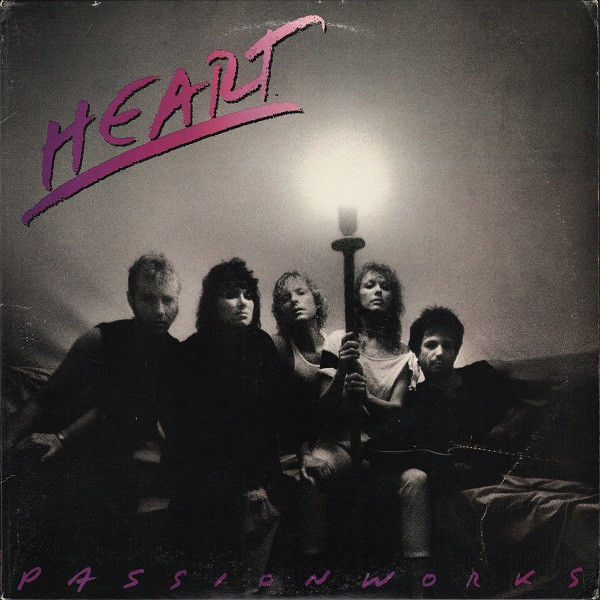
Passionworks
1983

Greatest Hits
1998
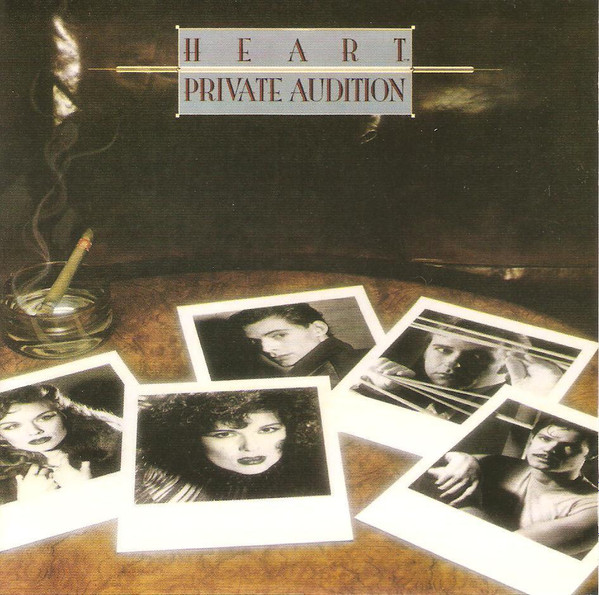
Private Audition
1982

The Essential Heart
2002
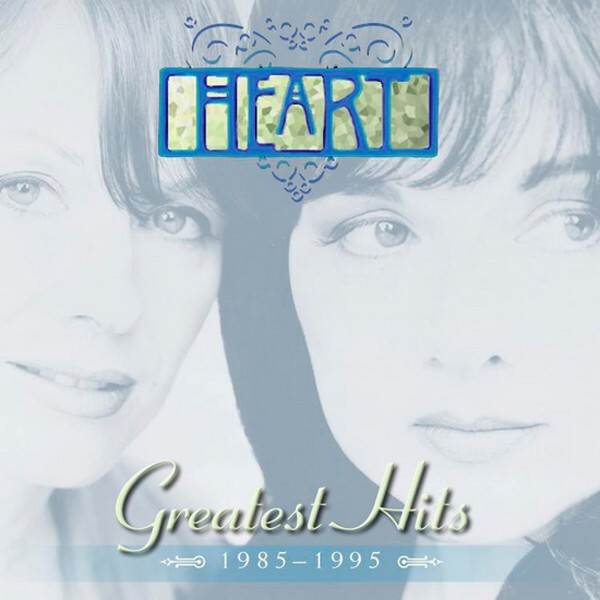
Greatest Hits 1985 - 1995
2000

Desire Walks On
1993
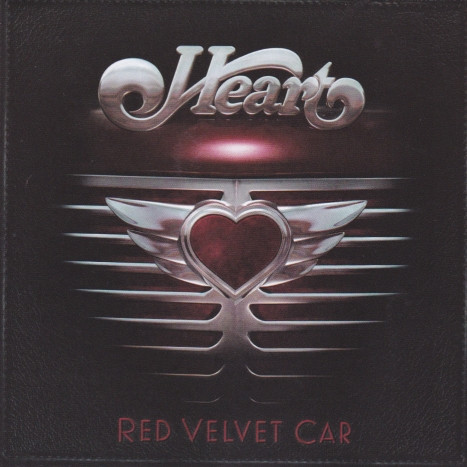
Red Velvet Car
2010
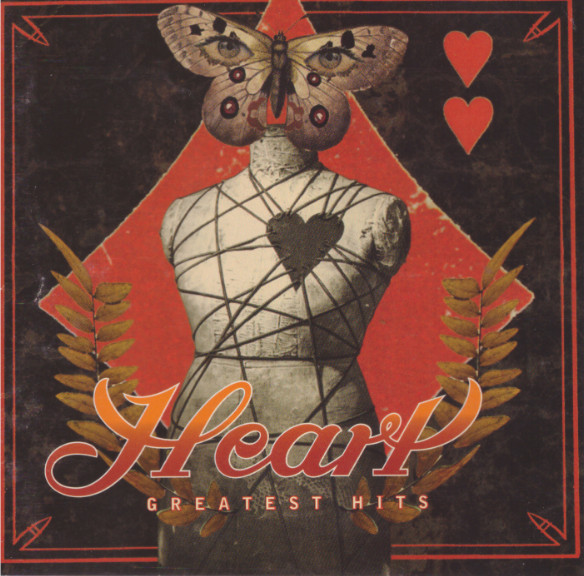
These Dreams - Heart's Greatest Hits
1997
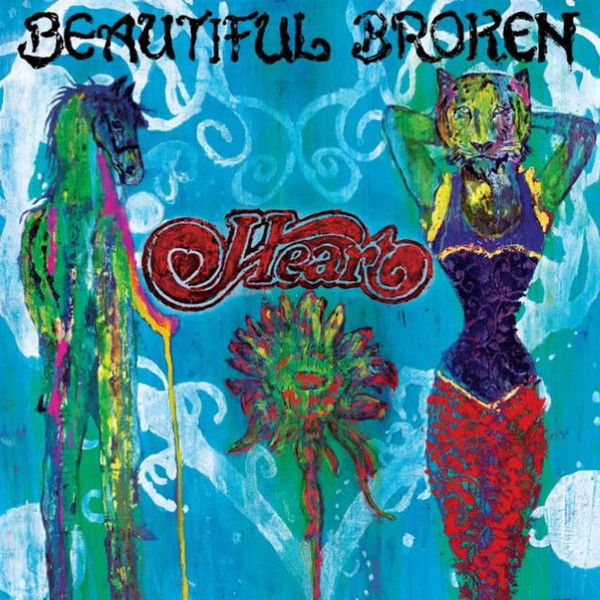
Beautiful Broken
2016

Icon
2013
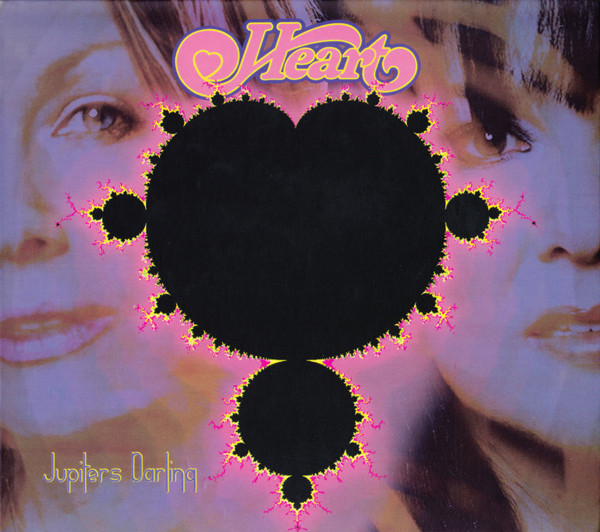
Jupiters Darling
2004

Alive In Seattle
2003

Fanatic Live From Caesars Colosseum
2014

Original Album Classics
2013
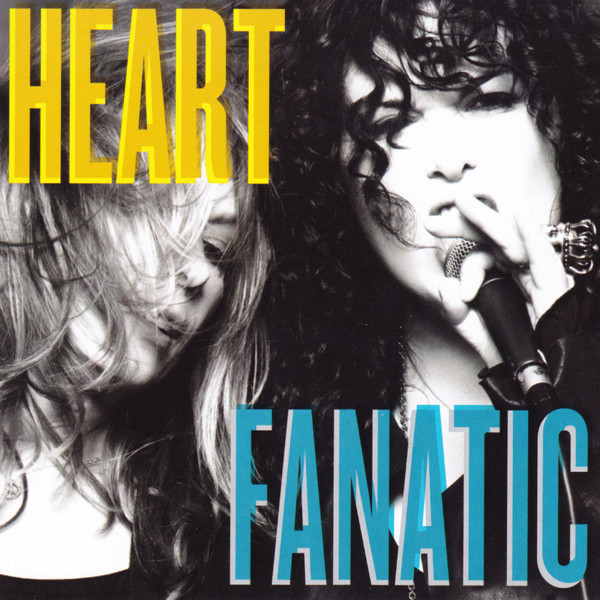
Fanatic
2012
Related artists
Members
Frequent collaborators
Around the web
Follow every record they touch.
Start your shelf and Gatefold tracks Heart's new pressings, tour dates, and the whole discography — automatically.
Start your shelf →Free forever. Works with 10 records or 10,000.