Artist
Led Zeppelin
London, United Kingdom · 1968 – 1980
Led Zeppelin is a music group from London, United Kingdom, active 1968–1980. Their discography on Gatefold includes 24 records.

62
Albums tracked
3,162
In collections
1968
Since
Biography
Jimmy Page took a 1959 Telecaster he got from Jeff Beck and a tiny Supro amplifier into Olympic Studios to cut the first record in about 30 hours. He paid for the sessions himself because he didn't want Atlantic Records sticking their corporate fingers in the mix before he had a finished product. That's the blueprint. It wasn't about a 'band' yet—it was a session ace with a vision, a session bassist who could play anything, a kid from the Midlands who sounded like a banshee, and a drummer who hit the skins like they owed him money. They spent the seventies turning blues standards into heavy artillery while Peter Grant bullied every promoter in the business for a 90% cut of the gate. It wasn't always pretty. By the time they hit Presence, the wheels were coming off, tracked while Plant was in a wheelchair after a car wreck and the heroin was starting to blur the edges of Page’s precision. They were the biggest thing on the planet, but they were also a cautionary tale about what happens when you have too much money and not enough floor under your feet.
Bio from The Clerk
The Arc of Led Zeppelin
The pivots — what forced Led Zeppelin to reinvent.
The New Yardbirds Pivot
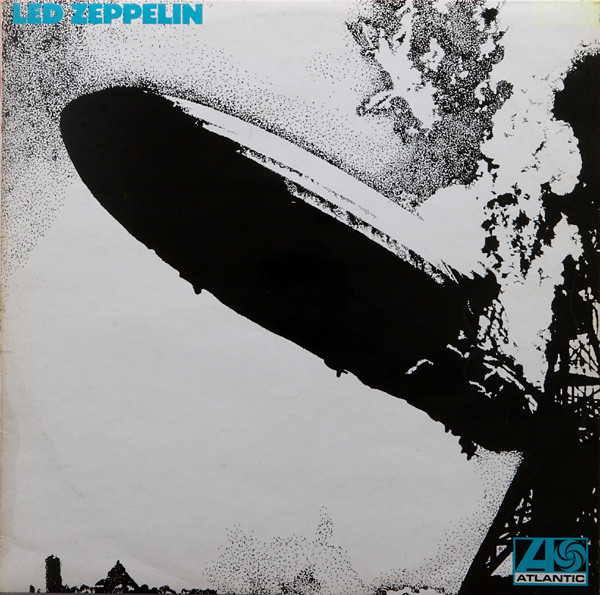
When the Yardbirds folded in '68, Page was left with a string of Scandinavian tour dates and a legal obligation to fill them. He recruited John Paul Jones, who he knew from the London session circuit, and found Plant and Bonham through a tip from Terry Reid. This wasn't a slow build; they went into the studio immediately and tracked the first album with a raw, live energy that moved beyond the psychedelic pop of the era. You hear it in the way 'Good Times Bad Times' hits—it’s the sound of four guys realizing they were the most dangerous room in England within forty-eight hours of meeting.
The Headley Grange Shift
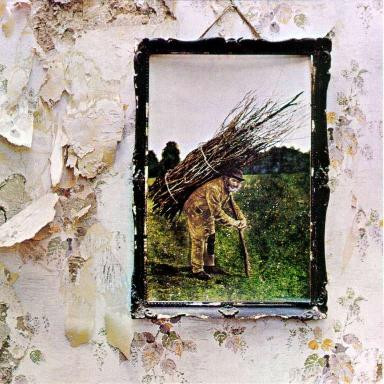
By the fourth album, they ditched the traditional studio polish for a damp, cold country house called Headley Grange, using the Rolling Stones' mobile unit to capture the ambient air. Andy Johns famously mic’d Bonham’s kit at the bottom of a three-story stairwell to get that massive, cavernous boom on 'When the Levee Breaks.' This move away from the city saved them from being just another heavy blues act and turned them into something atmospheric and occult. The result was a record that felt like it was pulled out of the dirt, moving between folk mandolins and the heaviest drum sounds ever recorded.
The Synth and Shoreline Retreat
In Through the Out Door was recorded at ABBA's Polar Studios in Sweden while Page and Bonham were deeper into their addictions and mostly absent from the writing process. John Paul Jones took the wheel with a Yamaha GX-1 synthesizer, shifting the band's fundamental DNA away from guitar riffs toward prog-heavy textures and samba rhythms. It was a polarizing move that signaled the end of their heavy blues era, feeling more like a Jones solo project featuring a very tired Robert Plant. You can hear the exhaustion in the tracks—the muscle was still there, but the focus had drifted into the clouds.
Influences
- Willie Dixon — Dixon wrote 'You Shook Me' and 'I Can't Quit You Baby,' both of which Page lifted for the debut. The band eventually had to settle out of court for 'Whole Lotta Love' because it took so much from Dixon's 'You Need Love.' You hear his structural DNA in every heavy shuffle they ever recorded.
- Joan Baez — Page was obsessed with her arrangement of 'Babe I'm Gonna Leave You' and basically rebuilt it for the first album. It’s the source of the band's 'light and shade' philosophy, jumping from delicate fingerpicking to crushing crescendos. Without her folk austerity, they would have just been a loud bar band.
- Bert Jansch — Page famously 'borrowed' the arrangement for 'Black Mountain Side' from Jansch’s version of the traditional folk song 'Blackwaterside.' Jansch’s intricate, claw-hammer acoustic style is the entire basis for Page’s unplugged persona. It gave the band a pagan, British folk credibility that separated them from American hard rock.
- Howlin' Wolf — Robert Plant modeled his entire vocal attack on the primal, gravelly delivery of Chester Burnett. They covered 'How Many More Years' as 'How Many More Times,' keeping the hypnotic, one-chord vamp alive. It’s the origin of the 'lemon squeezing' bravado that defined seventies rock singing.
- The Jeff Beck Group — The Truth album, featuring Rod Stewart and Ron Wood, beat Zeppelin to the 'heavy blues' punch by five months. Page was watching Beck's move toward a heavier, more distorted sound closely while they were still friends. It provided the proof of concept that a loud guitar and a soulful shouter could fill stadiums.
Discography
Their records — most-collected first.
Untitled
1971
Led Zeppelin II
1969
Led Zeppelin
1969
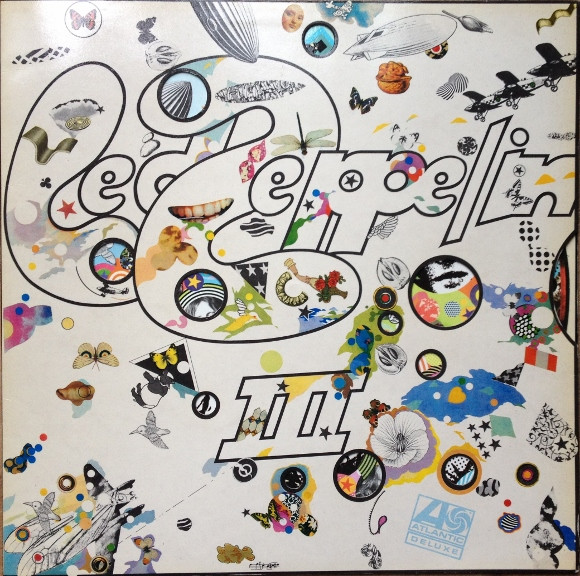
Led Zeppelin III
1970
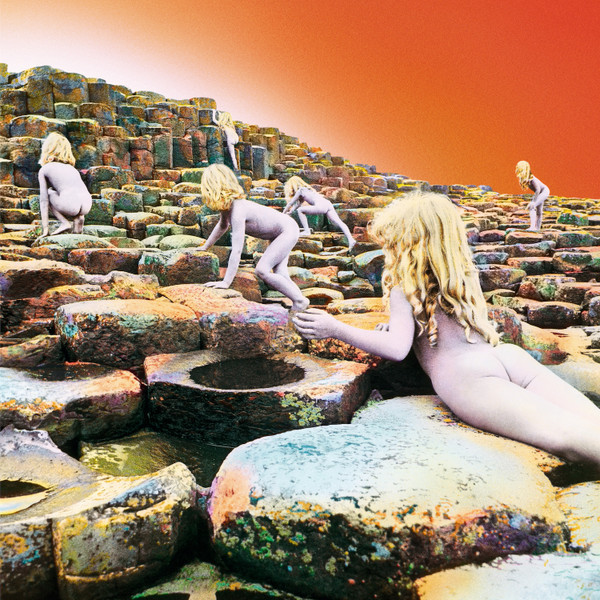
Houses Of The Holy
1973
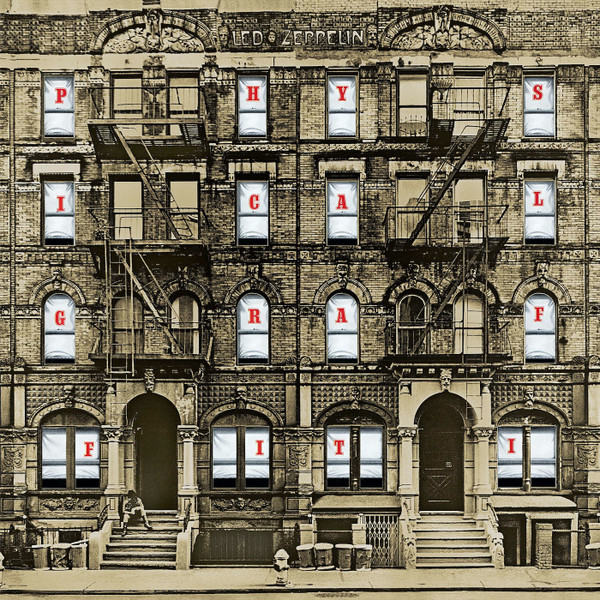
Physical Graffiti
1975
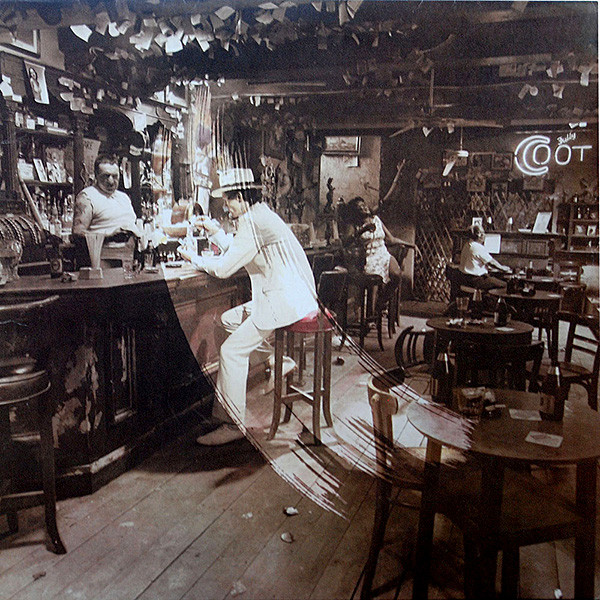
In Through The Out Door
1979
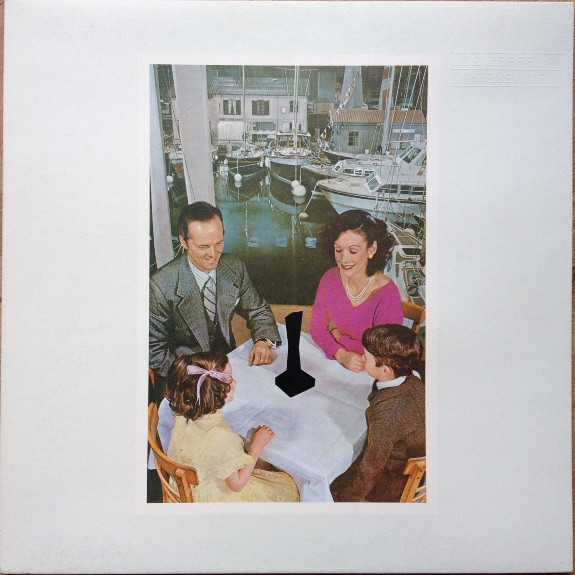
Presence
1976
The Soundtrack From The Film The Song Remains The Same
1976
Coda
1982
Mothership
2007

Celebration Day
2012
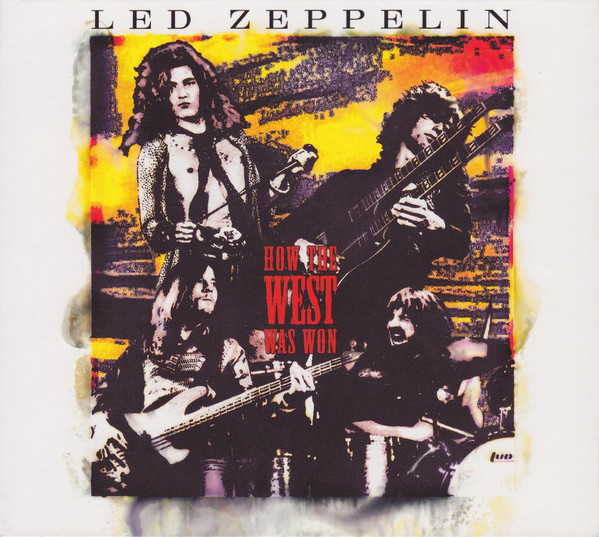
How The West Was Won
2003
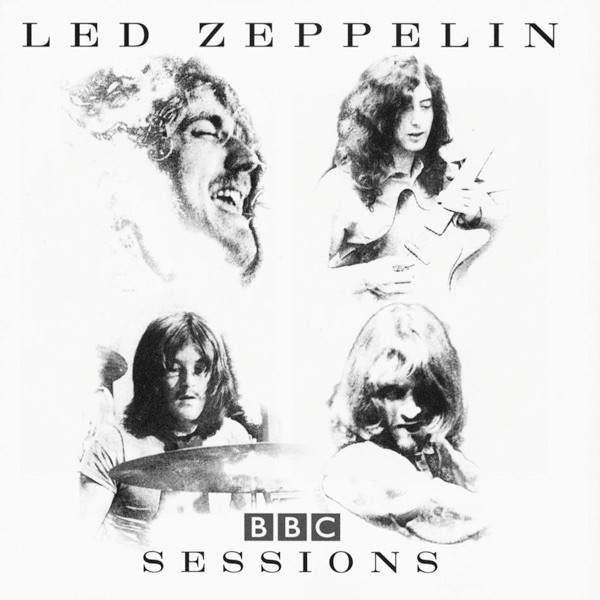
BBC Sessions
1997
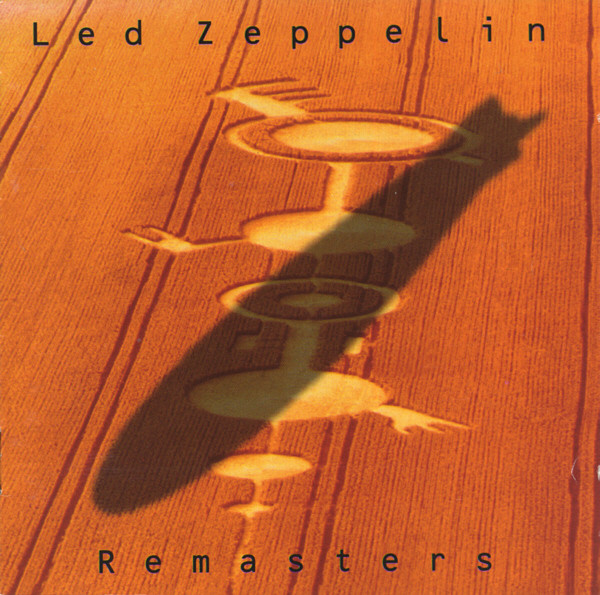
Remasters
1990
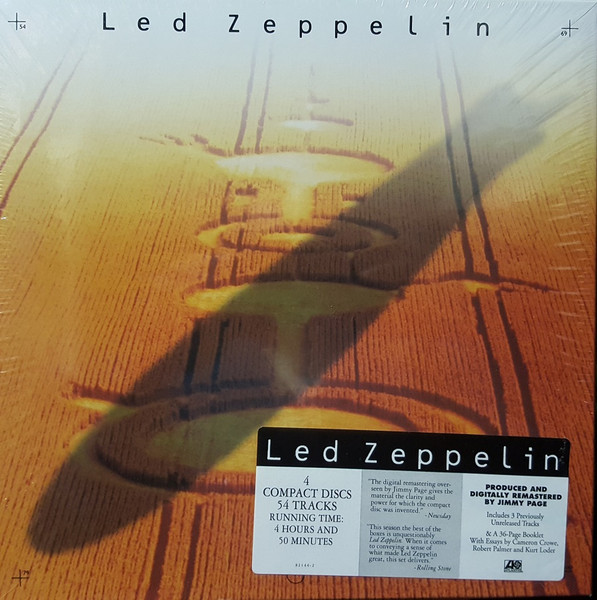
Led Zeppelin
1990

Live EP
2025
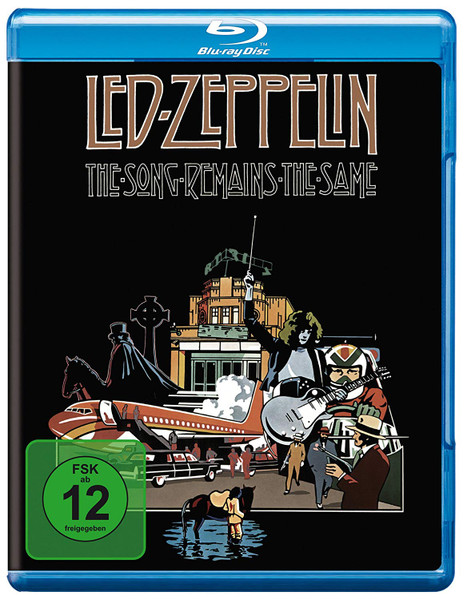
The Song Remains The Same
1984
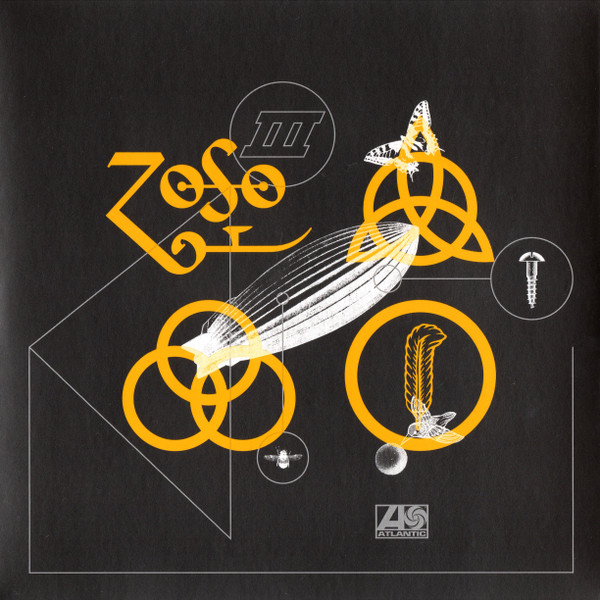
Rock And Roll (Sunset Sound Mix) / Friends (Olympic Studios Mix)
2018

Trampled Under Foot
1975
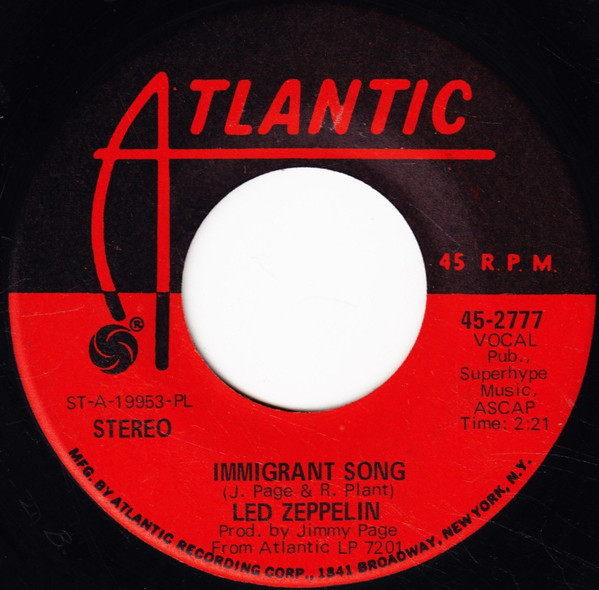
Immigrant Song / Hey, Hey, What Can I Do
1970
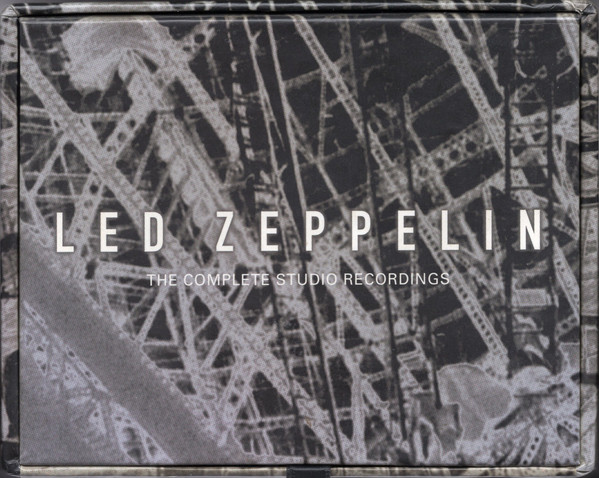
The Complete Studio Recordings
1993

DVD
2003

Early Days & Latter Days: The Best Of Led Zeppelin Volumes One And Two
2002
Related artists
Frequent collaborators
Around the web
Follow every record they touch.
Start your shelf and Gatefold tracks Led Zeppelin's new pressings, tour dates, and the whole discography — automatically.
Start your shelf →Free forever. Works with 10 records or 10,000.