
Artist
Korn
US nu metal band
Bakersfield, United States · Formed 1993
Korn is a music group from Bakersfield, United States, active since 1993. Their discography on Gatefold includes 24 records.

43
Albums tracked
387
In collections
1993
Since
Biography
Ross Robinson didn't just produce the 1994 debut; he mentally dismantled the band in a small studio in Malibu to get those vocal takes. He reportedly used physical intimidation and dug into Jonathan Davis’s childhood trauma to pull out that frantic, glass-shattering hysteria on 'Daddy.' The band was tuned down to A on seven-string Ibanez guitars, a gear choice that basically broke the physics of what a metal record was supposed to sound like in the mid-90s. They weren't trying to be virtuosos. They were trying to sound like a panic attack. By the time they hit the late 90s, the dirt was replaced by a massive, high-gloss budget and a serious hip-hop obsession. They traded the claustrophobic Robinson sessions for the big-box production of Steve Thompson and Toby Wright. Fieldy’s bass turned into a percussive, clicky mess that sounded more like a drum kit than a stringed instrument. It worked for a while, making them the biggest band on TRL, but it eventually led to a bloated period where they were trying too hard to compete with the very pop stars they used to despise.
Bio from The Clerk
The Arc of Korn
The pivots — what forced Korn to reinvent.
The Malibu Blueprint
Working with Ross Robinson on the first two records was a scorched-earth policy that valued raw nerves over polished takes. Robinson pushed the band to embrace their vulnerability, resulting in a terrifyingly intimate sound that felt like it was recorded in a basement rather than a pro studio. You hear it in the dissonant guitar scratching and the way the low end threatens to blow out the speakers. This was the era of the 'blind' ad-lib and the bagpipes—pure, unvarnished aggression that changed the tuning of every garage band in America.
The TRL Takeover
Follow the Leader saw the band lean into their love for hip-hop, bringing in guests like Ice Cube and Fred Durst while polishing the production to a mirror shine. They moved away from the Robinson-induced chaos and toward a structured, groove-heavy sound designed for arenas and MTV rotation. The drums got tighter, the riffs became hooks, and the aesthetic shifted toward a street-wear-inspired juggernaut. It was the moment they became a brand, trading the 'loser' outsider vibe for the crown of the nu-metal empire.
The Industrial Experiment
After Head left the band in 2005, the group hit a wall and brought in The Matrix—the production team behind Avril Lavigne—to help write See You on the Other Side. This was a hard pivot into industrial-pop territory, swapping the raw funk-metal grooves for programmed beats and synth-heavy textures. It was a polarizing move that stripped away much of their signature grit in favor of a clean, processed sound. You can hear the struggle to find a new identity without their original dual-guitar attack, leading to a period of heavy experimentation with outside writers.
Influences
- Faith No More — Jonathan Davis has cited Mike Patton as his primary vocal inspiration, specifically for the way Patton shifts from crooning to primal screaming. You hear it in the schizophrenic vocal delivery on 'Twist' and the overall willingness to be 'weird' in a heavy context. Patton’s work on Angel Dust provided the map for Korn's avant-garde approach to metal.
- Red Hot Chili Peppers — Fieldy’s slap-bass style is a direct, albeit distorted, descendant of Flea’s funk-metal fusion from the late 80s. While Fieldy ditched the melodicism for a percussive 'click,' the rhythmic foundation of the band is rooted in the Chili Peppers' early funk-punk records. It’s the reason Korn has a groove that most thrash bands could never replicate.
- Cypress Hill — Korn toured with Cypress Hill early on and covered 'Lick a Shot,' showing their deep connection to DJ Muggs' dark, hazy production style. The eerie, high-pitched guitar squeals from Munky and Head are the sonic equivalent of the nasal, psychedelic samples found on Black Sunday. They took the atmosphere of West Coast weed-rap and translated it into a heavy metal nightmare.
- Mr. Bungle — The band’s usage of dissonant, circus-like melodies and unexpected instrument shifts—like the bagpipes—is a page taken directly from the Mr. Bungle playbook. Davis has frequently credited their self-titled debut for teaching him that metal didn't have to be linear. You hear that chaotic, non-traditional structure all over the bridge of 'Ball Tongue.'
- Sepultura — The heavy, downtuned groove of the Roots album was a two-way street, but Sepultura’s earlier pivot into tribal, low-end thrash set the stage for Korn’s sonic weight. Ross Robinson produced both bands, using the same techniques to capture that thick, muddy guitar tone. Without Sepultura proving that down-tuned grooves could be more punishing than speed, Korn wouldn't have had a lane.
Discography
Their records — most-collected first.
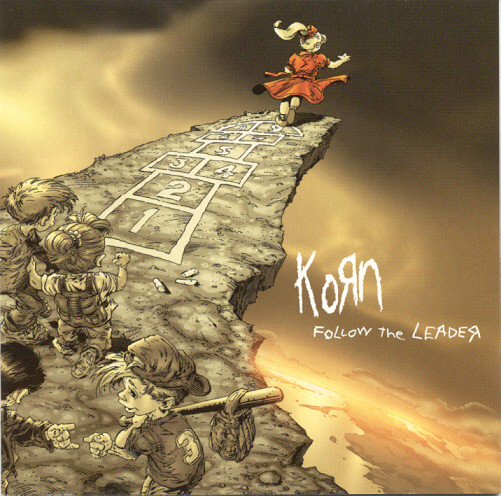
Follow The Leader
1998
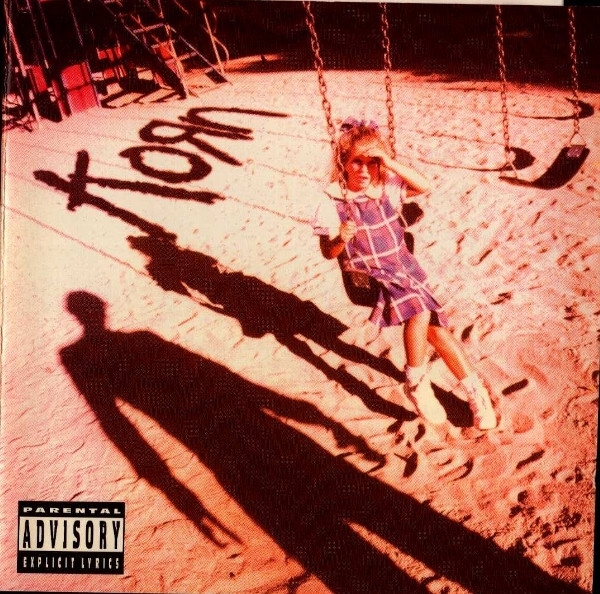
Korn
1994

Issues
1999
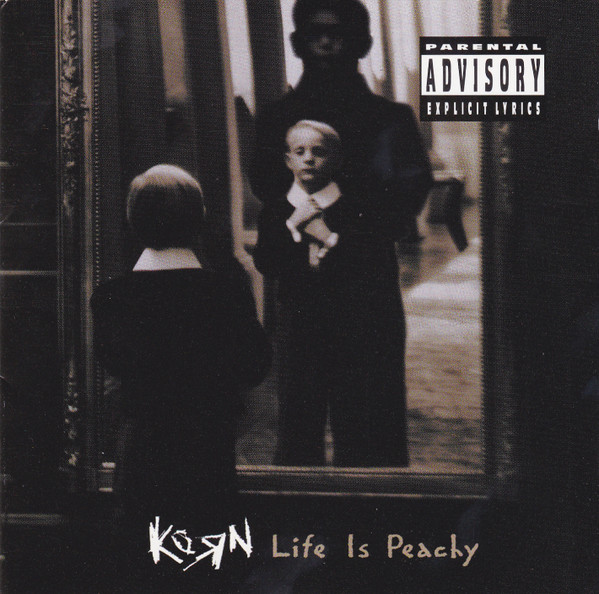
Life Is Peachy
1996
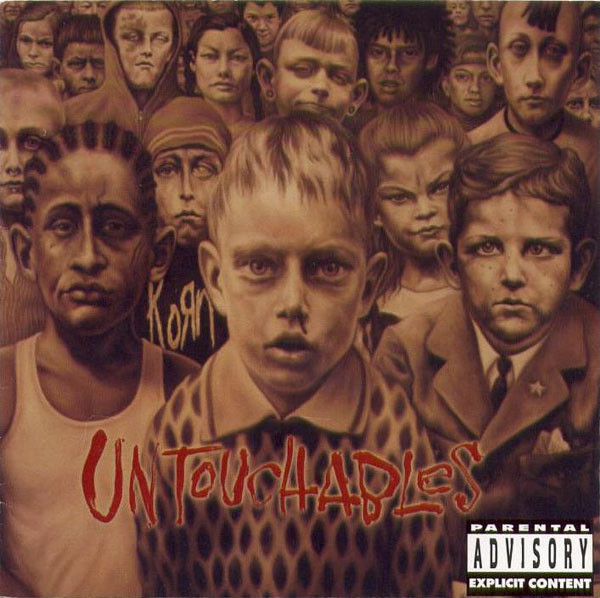
Untouchables
2002

See You On The Other Side
2005

Greatest Hits Vol. 1
2004
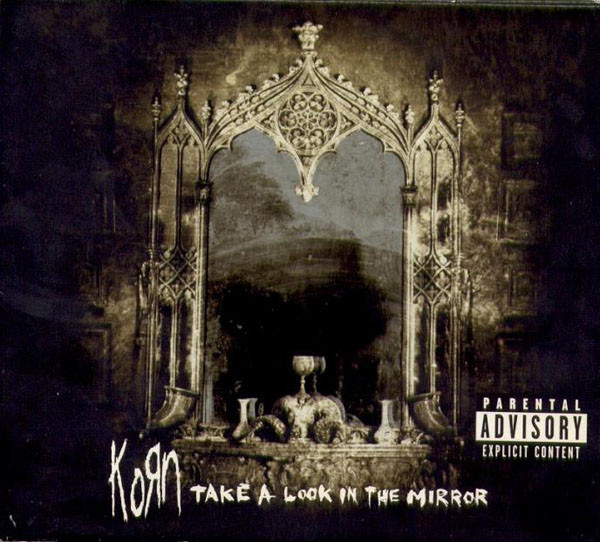
Take A Look In The Mirror
2003
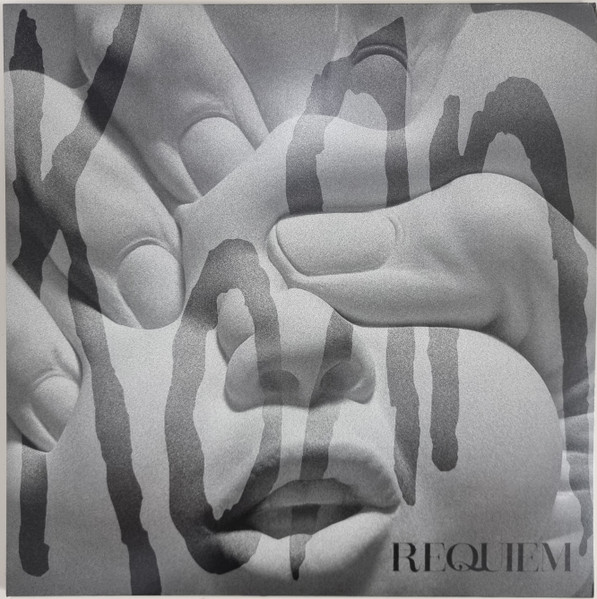
Requiem
2022
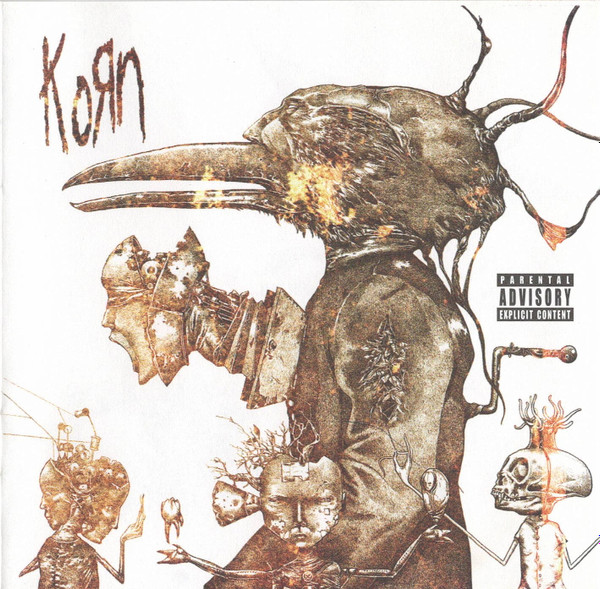
Untitled
2007

Make Me Bad
2000

Good God
1997
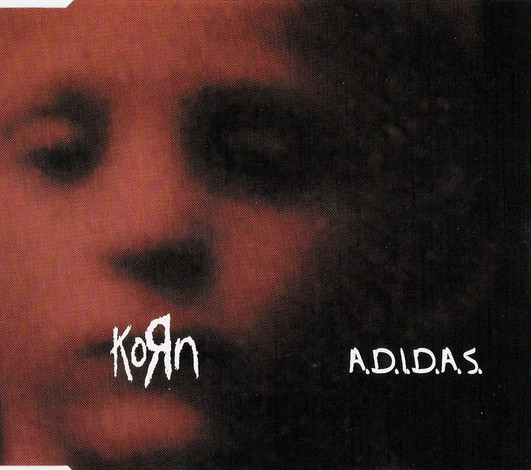
A.D.I.D.A.S.
1997

Got The Life
1998

The Path Of Totality
2011

Falling Away From Me
1999
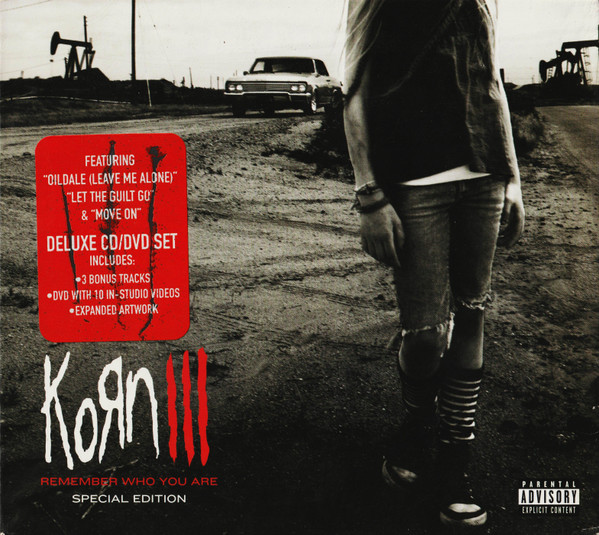
Korn III: Remember Who You Are
2010
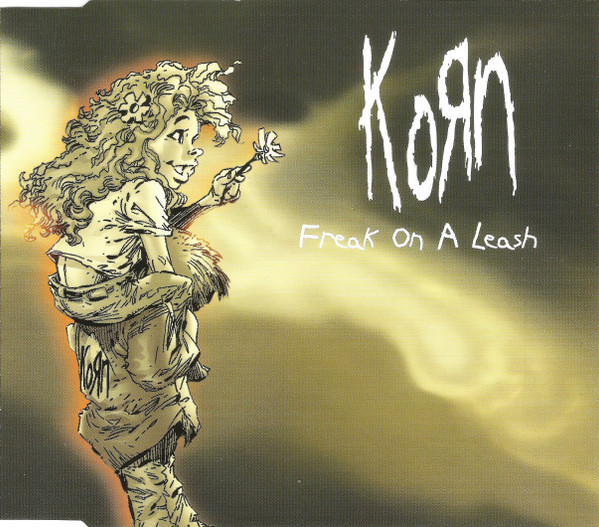
Freak On A Leash
1999

Did My Time
2003

No Place To Hide
1996
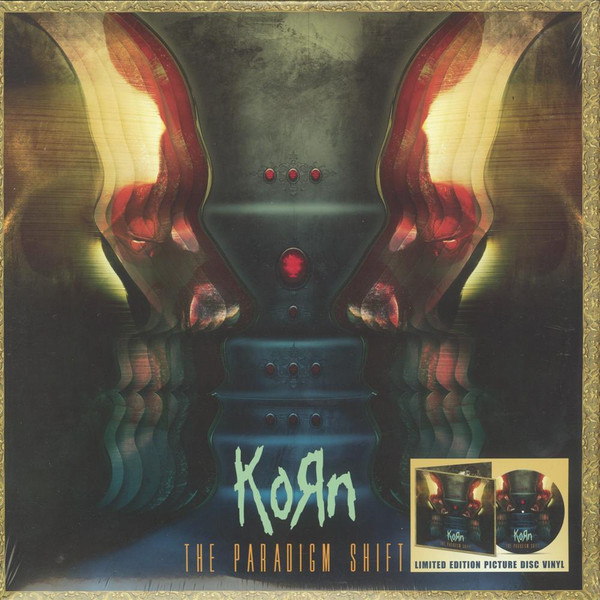
The Paradigm Shift
2013
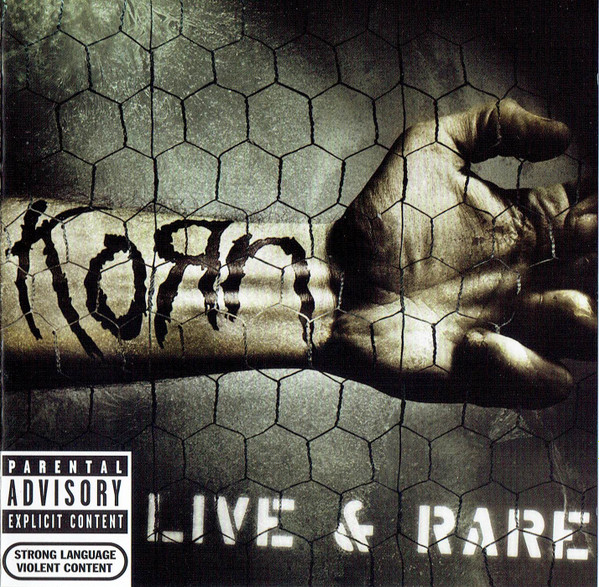
Live & Rare
2006
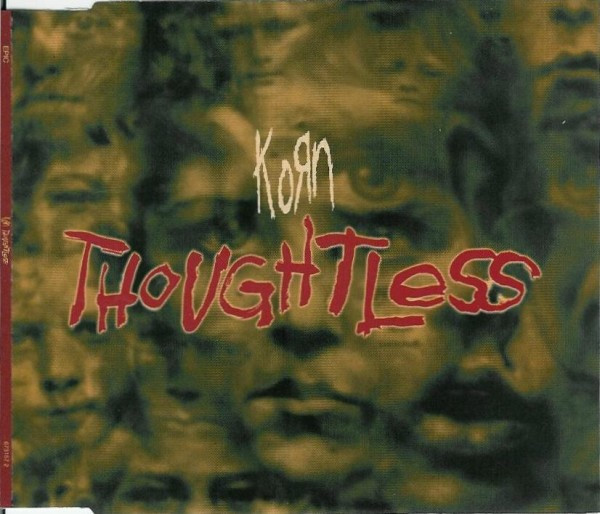
Thoughtless
2002

Deuce
2002
Related artists
Members
Frequent collaborators
Around the web
Follow every record they touch.
Start your shelf and Gatefold tracks Korn's new pressings, tour dates, and the whole discography — automatically.
Start your shelf →Free forever. Works with 10 records or 10,000.