
Artist
Peter Hammill
English singer‐songwriter
Ealing, United Kingdom · b. 1948
Peter Hammill is a musician from Ealing, United Kingdom, active since 1948. Their discography on Gatefold includes 24 records. They also recorded with Van der Graaf Generator.

84
Albums tracked
176
In collections
1948
Since
Biography
Peter Hammill tracked 'In Camera' in 1974 on a four-track tape machine in his Sussex cottage, manually riding faders and overdubbing his own screams until the tape hissed like a radiator. That setup told you everything you ever needed to know about him: too fiercely stubborn for standard studio protocol and entirely unbothered by commercial suicide. While running Van der Graaf Generator into financial ruin, his solo catalog became the real spillway for his manic, feral vocal range. The man sang like an actor having a nervous breakdown in an empty theatre, snapping from a brittle whisper to an unhinged, throat-shredding roar within the span of a single bar. He got written off by purists as an art-rock relic, but John Lydon literally used to hold up Hammill records on Capital Radio as proof that rock hadn't completely lost its teeth. When the seventies collapsed, he didn't run to stadium sheen; he strapped on an electric guitar, slapped the tape with slapback delay, and beat punk rock to its own punch on 'Nadir's Big Chance'. The eighties tested him—digital synths and gated snares were brutal to guys who built their lives around unvarnished dynamics—yet he still managed to wrench genuine, terrifying grief out of cold keyboards. Even when the mixes got sterile, the vocal chord abuse was relentlessly authentic. Fifty years later, he is still working without a safety net, cutting acoustic records and avant-garde collabs that sound like they were recorded in the dead of winter. It isn't always easy listening—half the time his solo records sound like a man dragging a broken upright piano up a hill just to throw it down the stairs. But you never catch him coasting on nostalgia or faking a mood. The bastard leaves blood on the mic every single time.
Bio from The Clerk
The Arc of Peter Hammill
The pivots — what forced Peter Hammill to reinvent.
The Proto-Punk Precursor
By late 1974, Van der Graaf Generator was on ice and the bloated prog scene was running out of steam. Hammill responded by cutting 'Nadir's Big Chance', introducing a bratty, grease-monkey alter ego named Rikki Nadir. Backed by his VDGG bandmates playing raw, three-chord garage noise, tracks like 'Birthday Special' threw two fingers up at virtuosity and prefigured the entire UK punk explosion two years early. You hear it in the clipped, snarling delivery that Johnny Rotten openly lifted for the Sex Pistols.
The Brutal Confessional
A messy personal split in the mid-seventies stripped out every shred of fantasy or sci-fi allegory from his songwriting. The resulting 1977 record 'Over' documented the wreckage of a relationship with terrifying, uncomfortable intimacy, putting his dry voice dead-center against acoustic guitar, stark piano, and string arrangements. He wasn't singing about apocalyptic void anymore; he was singing about the quiet horror of coming home to an empty kitchen. It remains one of the most painfully direct breakup records ever put to tape.
The K Group Lean Years
Entering the 1980s, Hammill wanted out of the solitary cottage studio trap and formed The K Group with Guy Evans, Nic Potter, and John Ellis. They traded sprawling epics for hard-edged, muscular post-punk arrangements on albums like 'Enter K' and 'Patience'. The music became tight, paranoid, and rhythmically jagged, locking in with the cold new wave era without compromising Hammill's theatrical intensity. His voice learned to ride lean, clipped bass grooves instead of floating over freeform organ swells.
Chamber Solitude
After surviving a major heart attack in the early 2000s, Hammill completely abandoned the digital drums and eighties studio residue to pivot inward. Records like 'Clutch' and 'Singularity' stripped the room down to acoustic guitars, dark piano chords, and solo multi-tracked vocal arrangements built entirely by his own hand. There were no studio compromises and zero interest in the modern record industry machine. You can hear every intake of breath, every crack in the falsetto, and the deliberate weight of an aging voice that knows its own limits.
Influences
- Bob Dylan — Hammill repeatedly cited Dylan's mid-sixties output as the moment he realized lyrics could function as caustic, stream-of-consciousness modern poetry rather than standard pop rhymes. You hear it directly in the sprawling, cynical word-density of early tracks on 'Fool's Mate' and 'Chameleon in the Shadow of the Night'. It gave him permission to turn phrasing into an interrogation.
- Jacques Brel — Hammill frequently pointed to the Belgian chansonnier's dramatic, theatrical delivery as the gold standard for putting narrative conviction above vocal prettiness. The way Hammill rolls his vowels and deliberately pushes his voice into theatrical, sobbing melodrama on 'Over' is pure Brel. It taught him that dynamic overacting in a song could feel more honest than polite restraint.
- The Jimi Hendrix Experience — Seeing Hendrix live in London completely shattered Hammill's idea of what electric guitar and noise could do to alter a song's emotional landscape. You hear that searing, uncontrolled feedback dynamic translated into Hammill's brutal, distorted guitar stabs on tracks like 'In the Black Room'. He stole the volume and the threat of catastrophic noise.
- Van Morrison — Hammill has openly lauded 'Astral Weeks' for its stream-of-consciousness jazz pacing and willingness to repeat vocal mantras until they turn into religious ecstasy. That hypnotic, trance-like vocal repetition shows up all over 'In Camera' and 'A Black Box'. Morrison showed him that you can abandon verse-chorus boundaries entirely if the vocal intensity carries the track.
- David Bowie — Watching Bowie navigate the London folk and theatrical scenes in the late sixties gave Hammill a front-row seat to vocal theatrics and persona shifts. You hear that theatrical mime-troupe diction and dramatic cabaret vibrato all through Hammill's earliest seventies acoustic demos. It gave him the blueprint to treat a pop song like a one-act tragedy.
Peter Hammill — solo
Their records — most-collected first.
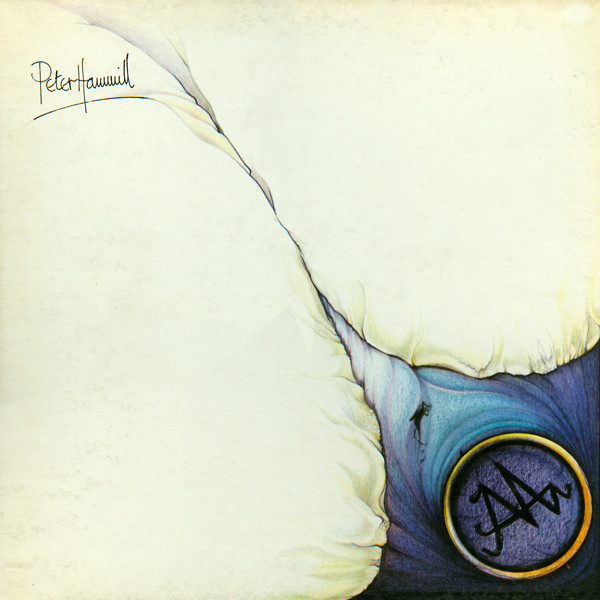
The Silent Corner And The Empty Stage
1974
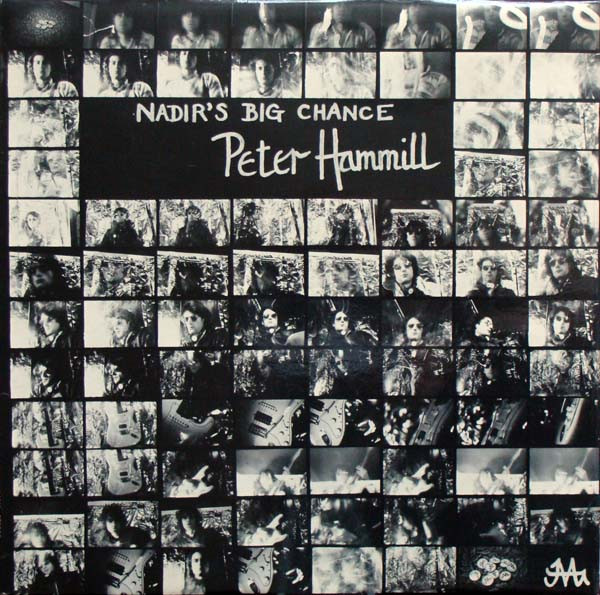
Nadir's Big Chance
1975

Patience
1983

Over
1977
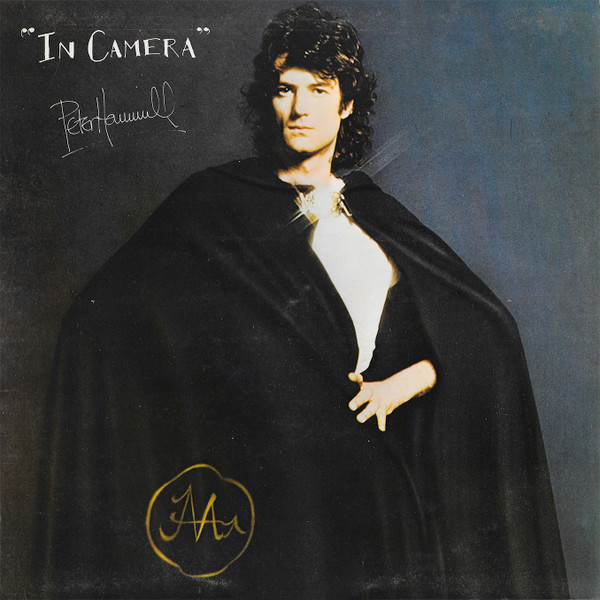
In Camera
1974

Fool's Mate
1971

Enter K
1982
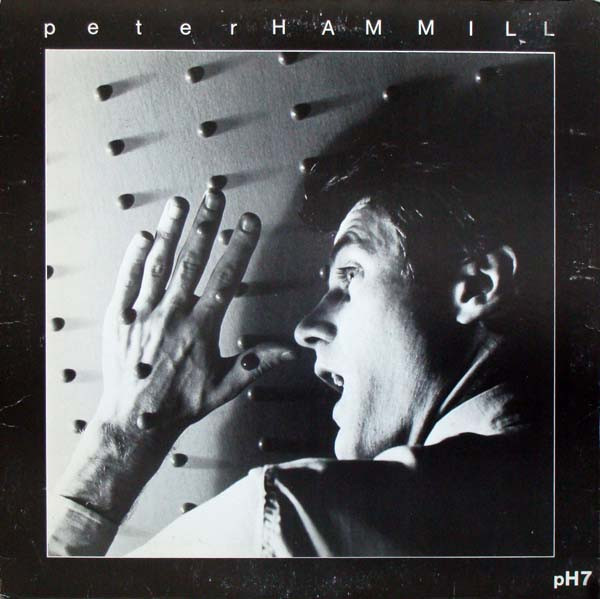
pH7
1979
A Black Box
1980

Chameleon In The Shadow Of The Night
1973

The Charisma & Virgin Recordings 1971 - 1986
2025

Incoherence
2004
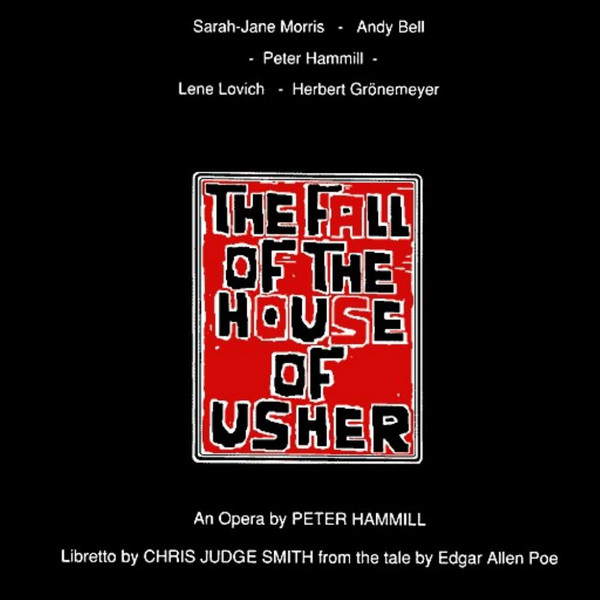
The Fall Of The House Of Usher
1991
In A Foreign Town
1988

And Close As This
1986

Skin
1986

Sitting Targets
1981

The Future Now
1978

A Headlong Stretch: The Fie! Albums 1992-1996
2026

In A Foreign Town / Out Of Water 2023
2023

In Translation
2021

From The Trees
2017

Live At Rockpalast - Hamburg 1981
2016

...All That Might Have Been...
2014
Van der Graaf Generator
A project Peter Hammill was part of.

Pawn Hearts
1971

H To He Who Am The Only One
1970

Godbluff
1975
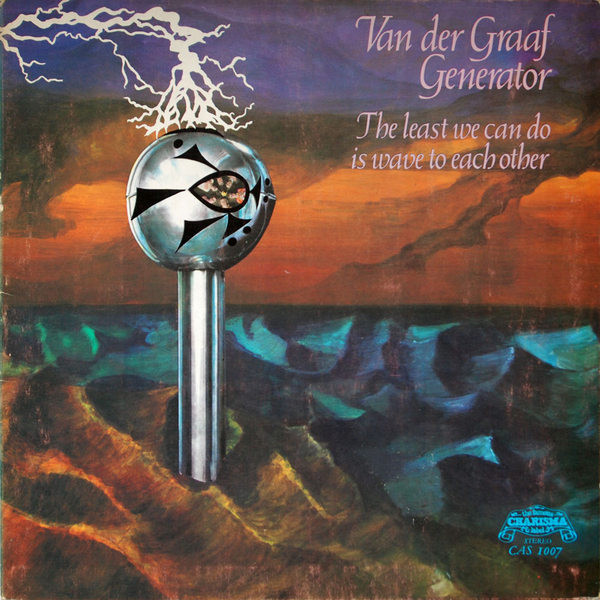
The Least We Can Do Is Wave To Each Other
1970
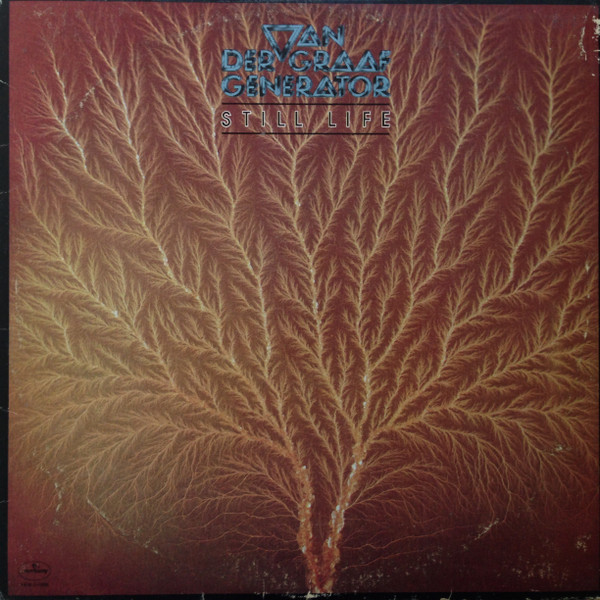
Still Life
1976
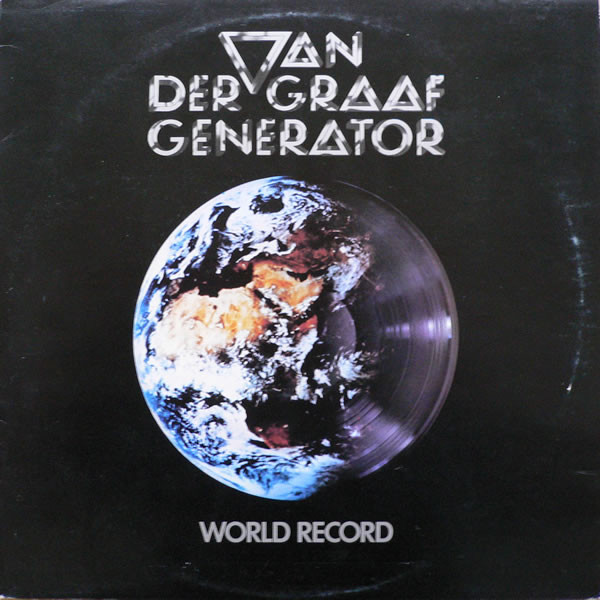
World Record
1976
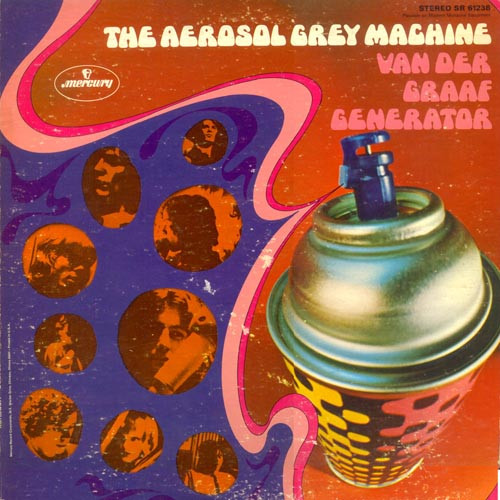
The Aerosol Grey Machine
1969
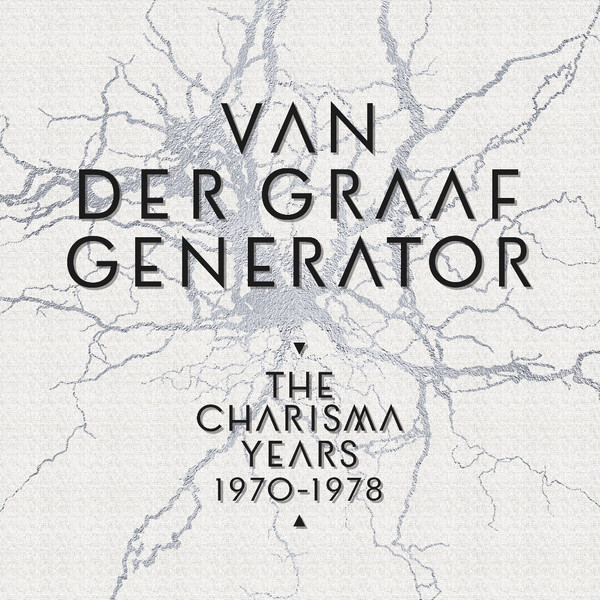
The Charisma Years 1970-1978
2021

Vital
1978
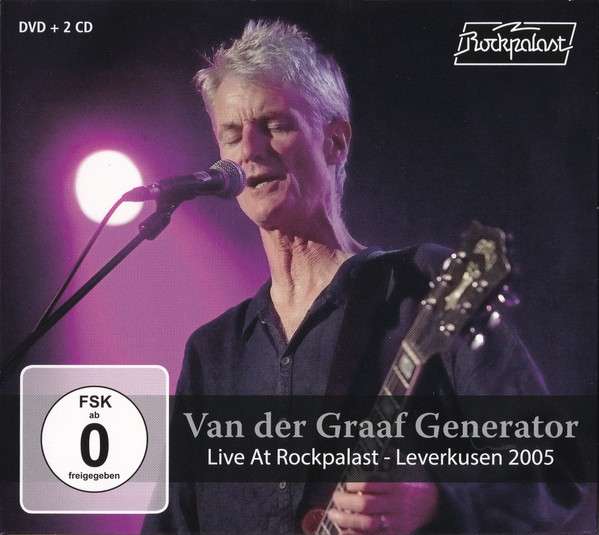
Live At Rockpalast - Leverkusen 2005
2018
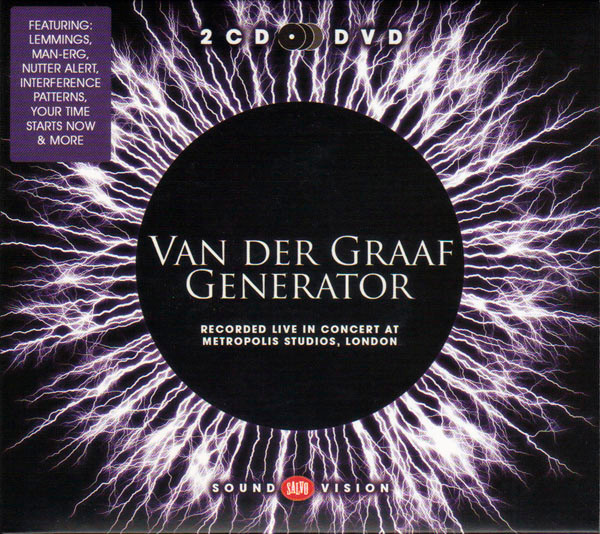
Recorded Live In Concert At Metropolis Studios, London
2012
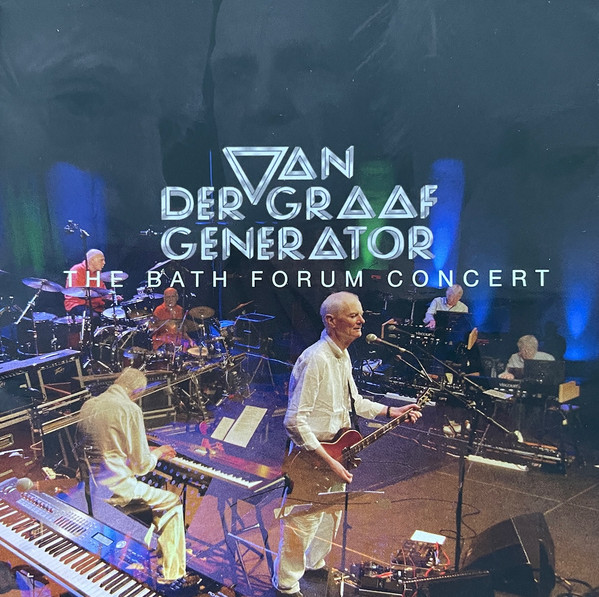
The Bath Forum Concert
2023
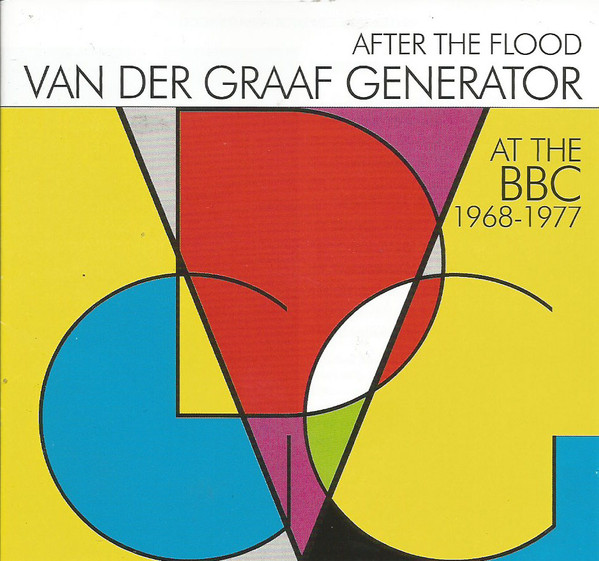
After The Flood (At The BBC 1968-1977)
2015

Trisector
2008

Now And Then
1987

First Generation (Scenes From 1969-1971)
1986
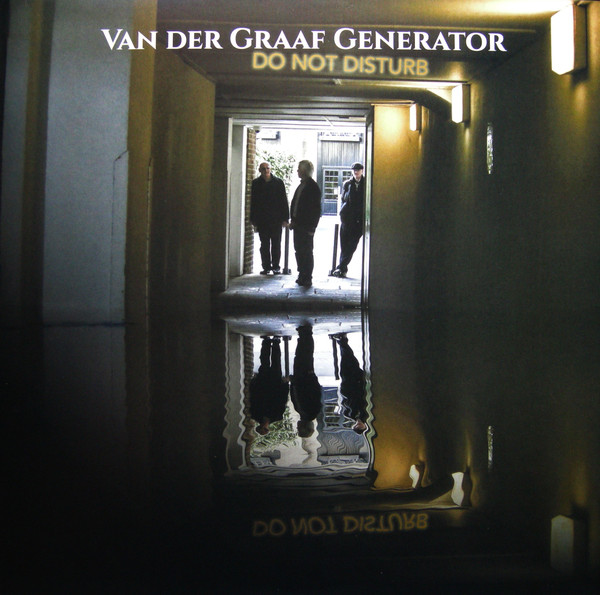
Do Not Disturb
2016

Merlin Atmos
2015
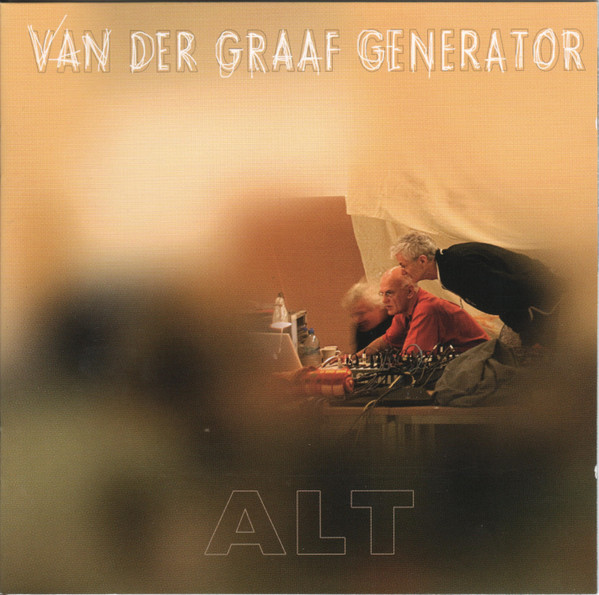
Alt
2012

A Grounding In Numbers
2011
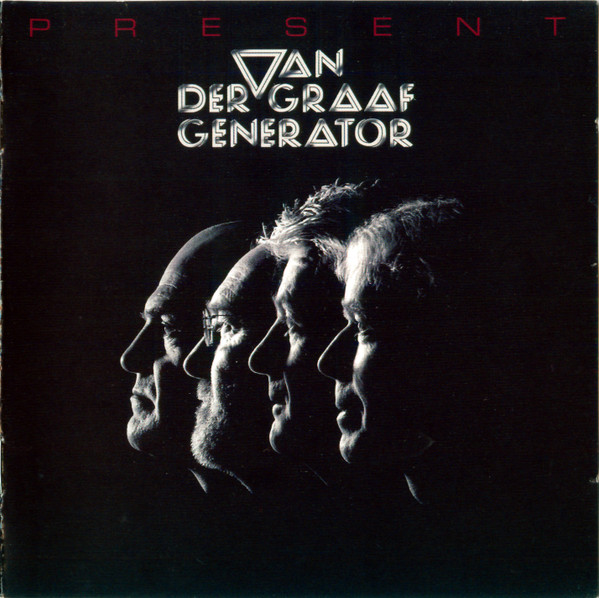
Present
2005
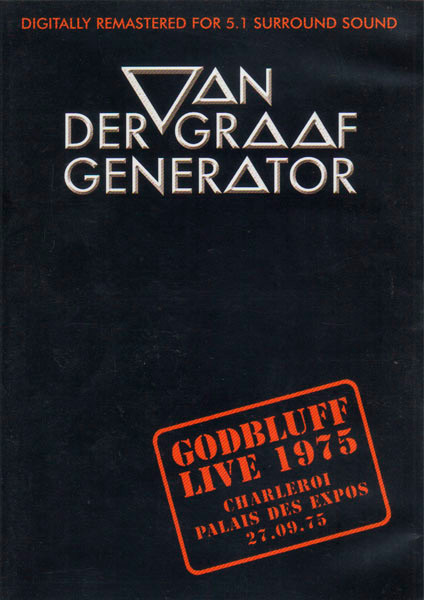
Godbluff Live 1975
2003
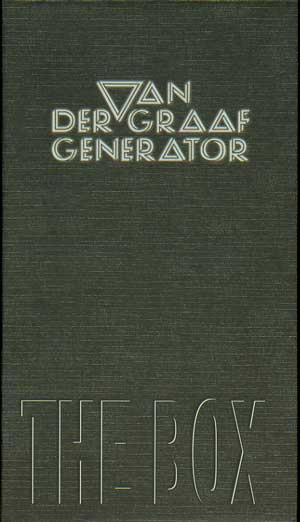
The Box
2000

The Masters
1998
Related artists
Frequent collaborators
Around the web
Follow every record they touch.
Start your shelf and Gatefold tracks Peter Hammill's new pressings, tour dates, and the whole discography — automatically.
Start your shelf →Free forever. Works with 10 records or 10,000.