
Artist
Black Sabbath
English heavy metal band
Birmingham, United Kingdom · 1968 – 2025
Black Sabbath is a music group from Birmingham, United Kingdom, active 1968–2025. Their discography on Gatefold includes 24 records.

66
Albums tracked
2,105
In collections
1968
Since
Biography
Tony Iommi lost the tips of his fingers in a sheet metal factory accident on his last day of work and had to melt down plastic bottles to make prosthetic thimbles so he could keep playing. He tuned his strings down to a loose, floppy tension to make the bends easier on his hands, inadvertently creating the sludge-heavy tuning that defined the entire genre. When they tracked the debut in a single twelve-hour session for about six hundred pounds, the goal wasn't to invent metal—it was to make music that sounded like the horror movies playing across the street from their rehearsal space. They spent the early seventies on a run of six albums that are basically the Old Testament of heavy music, but the drugs eventually turned the sessions into a bloated, expensive nightmare. By the time they were trying to record Technical Ecstasy and Never Say Die!, the internal chemistry was shot and the punk scene was making their arena-rock fatigue look like a relic. Ozzy was out, then back, then out for good, leaving a massive hole that most bands would have just collapsed into.
Bio from The Clerk
The Arc of Black Sabbath
The pivots — what forced Black Sabbath to reinvent.
The Vertigo Years
Producer Rodger Bain steered the first three records with a hands-off approach that captured the raw, live-in-the-room thud of the original quartet. This era is defined by Iommi’s Laney Supergroup amps and Geezer Butler’s occult-obsessed lyrics, creating a blues-on-bad-acid vibe that peaked with Master of Reality. You can hear the lack of studio trickery in the way Bill Ward’s jazz-influenced drumming swings against those massive, downtuned riffs.
The Heaven and Hell Pivot
Replacing Ozzy with Ronnie James Dio in 1979 changed the band's DNA from murky doom to high-octane power metal. Producer Martin Birch brought a polished, professional sheen to the sessions that gave the band a second life, replacing the drug-fueled sludge with soaring vocals and tighter arrangements. This wasn't just a lineup change; it was a total mechanical overhaul that proved the Sabbath brand could survive without its original mascot.
The Carousel of Frontmen
The eighties and nineties became a chaotic revolving door where Iommi was the only constant member keeping the name alive. Bringing in Deep Purple’s Ian Gillan for Born Again resulted in a weirdly heavy, poorly mixed curiosity, followed by stints with Glenn Hughes and Tony Martin that leaned hard into radio-ready hair metal. It was a desperate period of identity crisis where the band often sounded like they were chasing the very groups they originally inspired.
Influences
- Cream — Geezer Butler explicitly cited seeing Jack Bruce play a wah-wah pedal as the reason he picked up the bass. You hear that heavy, improvisational power-trio skeleton underneath the doom of 'N.I.B.' and 'Warning.' It’s the blues-rock blueprint stripped of its sunshine.
- Blue Cheer — They were the only band in the late sixties pushing the volume and distortion limits as hard as the Sabs. Vince Busby’s guitar tone on Vincebus Eruptum is the direct sonic ancestor to the grit on the first Sabbath LP. Holy fuck, the sheer wall of noise was the only thing that matched Iommi’s intensity.
- Django Reinhardt — After his accident, Iommi only kept playing because his boss played him a Reinhardt record to show him a guy could shred with two fingers. The jazz phrasing and minor-key runs across 'Wicked World' are a direct nod to Reinhardt's gypsy jazz style. It’s the mechanical work-around that birthed the riff.
- The Beatles — Ozzy has spent forty years calling them his favorite band and the reason he wanted to be a singer. While the riffs were dark, the vocal melodies on tracks like 'Changes' or 'Solitude' show a clear obsession with the McCartney-esque pop sensibility. It’s the melodic sugar that made the heavy medicine go down.
- The Jimi Hendrix Experience — Sabbath was originally a blues-rock outfit called Earth that spent their early days trying to replicate Hendrix's heavy blues excursions. You can hear it in the extended jam sections of the first album, particularly the wah-heavy solos that borrow Hendrix's frantic energy. They just slowed the tempo down until it felt like a funeral march.
Discography
Their records — most-collected first.

Paranoid
1970
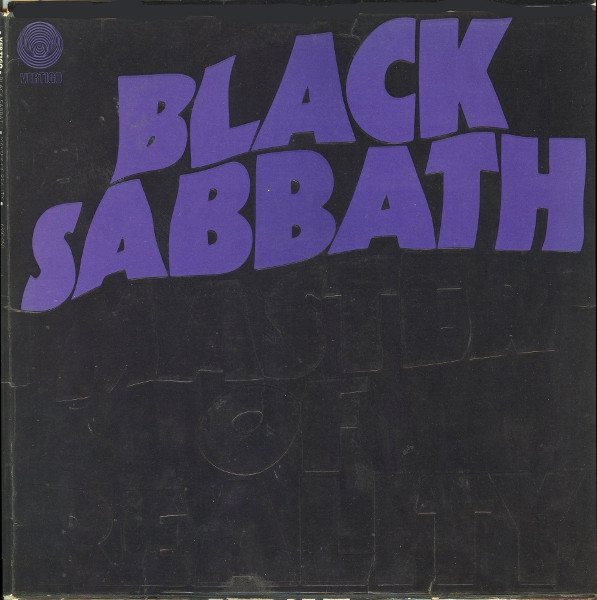
Master Of Reality
1971

Black Sabbath
1970
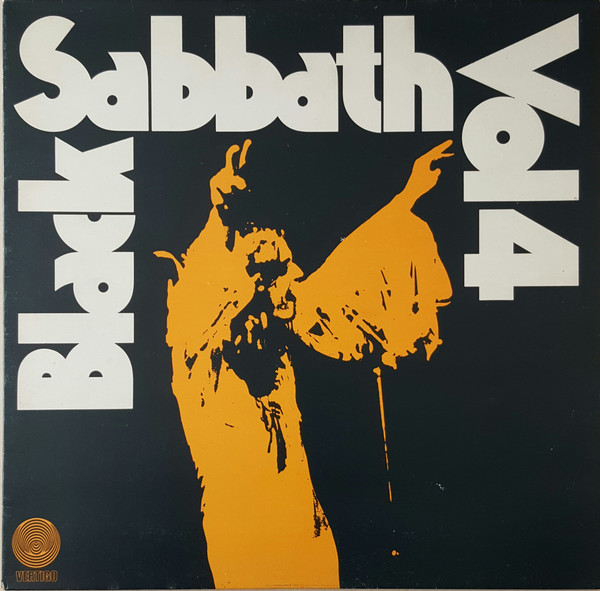
Black Sabbath Vol 4
1972
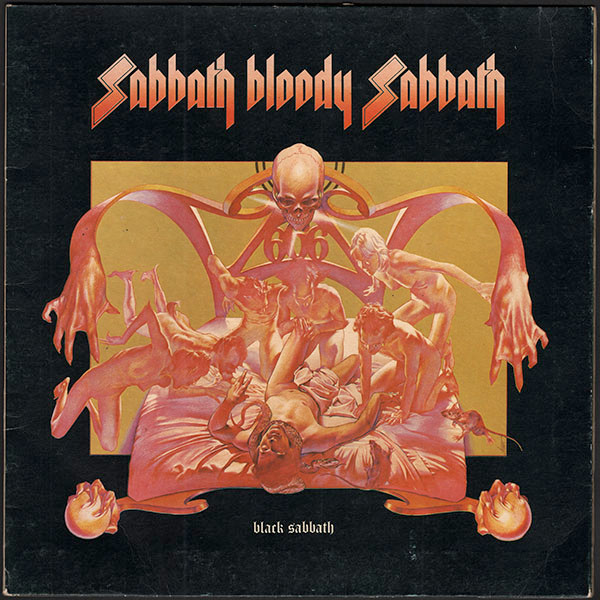
Sabbath Bloody Sabbath
1973
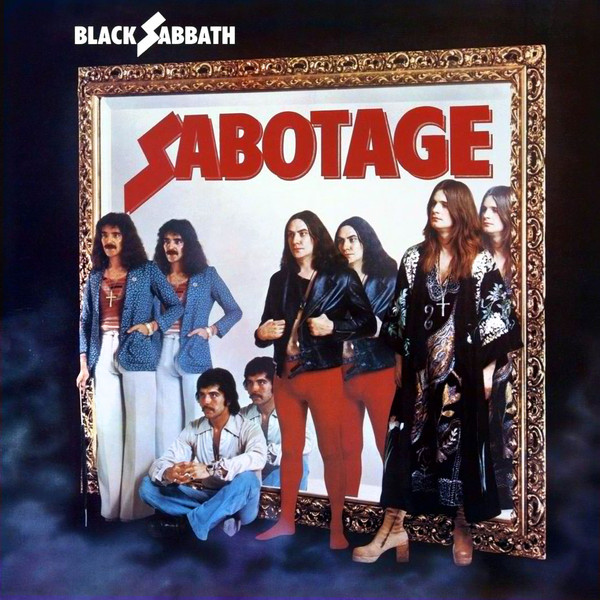
Sabotage
1975
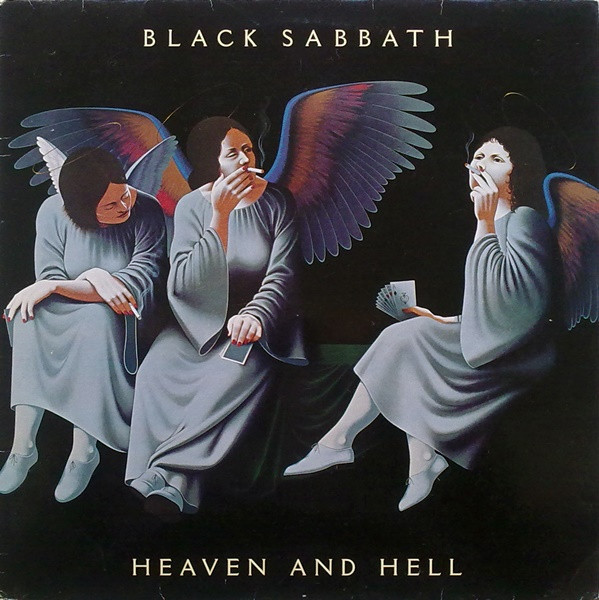
Heaven And Hell
1980
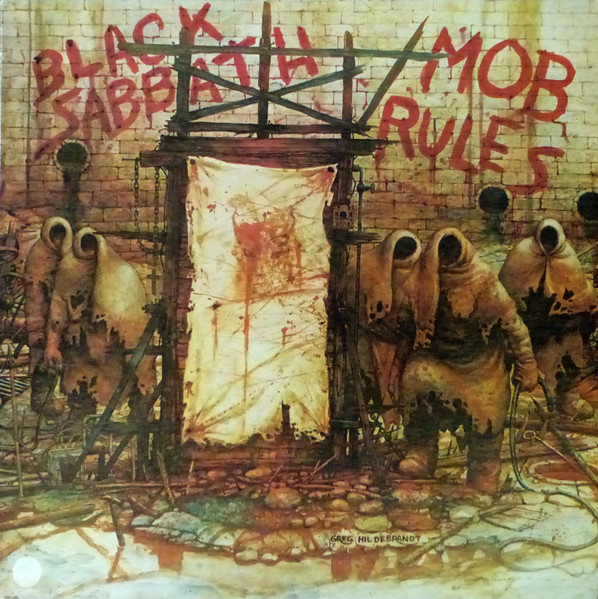
Mob Rules
1981
We Sold Our Soul For Rock 'N' Roll
1976
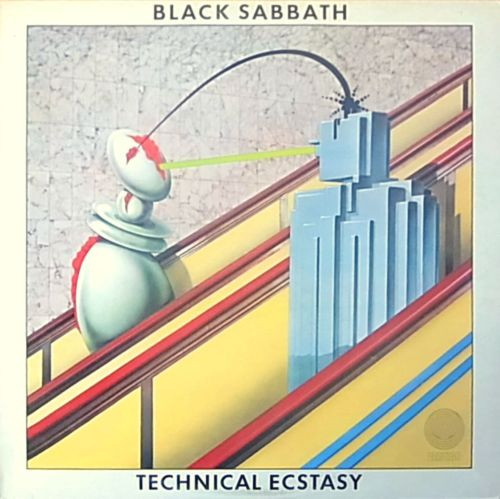
Technical Ecstasy
1976

Never Say Die!
1978
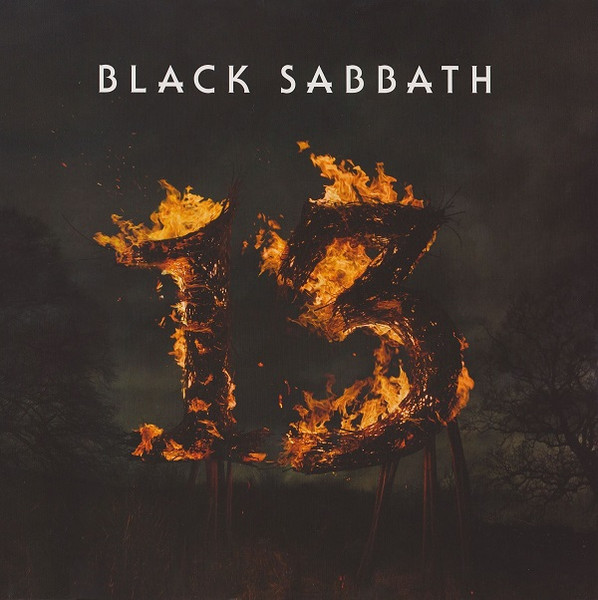
13
2013
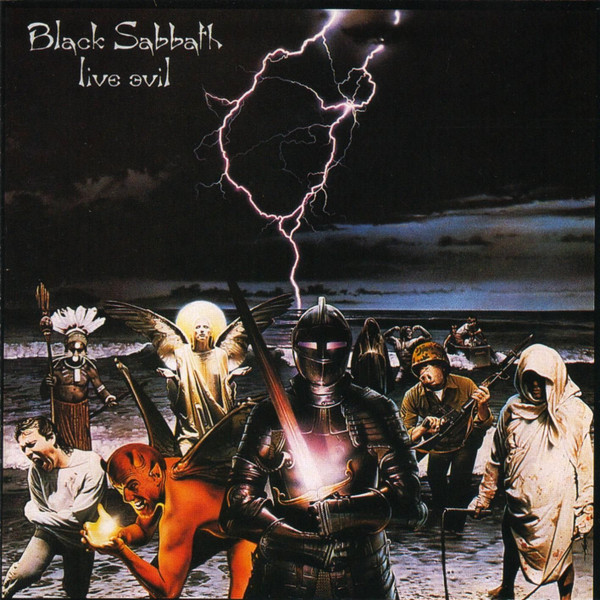
Live Evil
1983
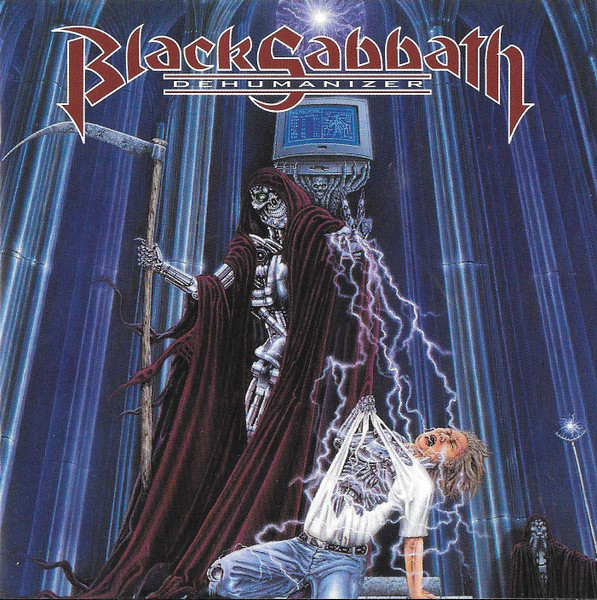
Dehumanizer
1992

Live At Last...
1980
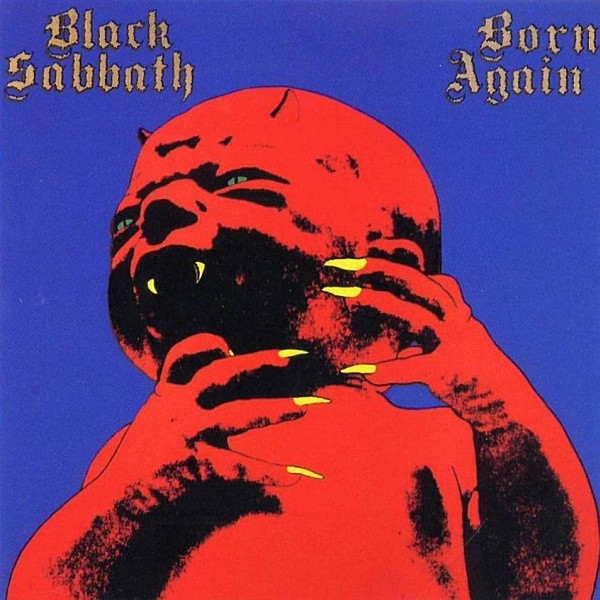
Born Again
1983
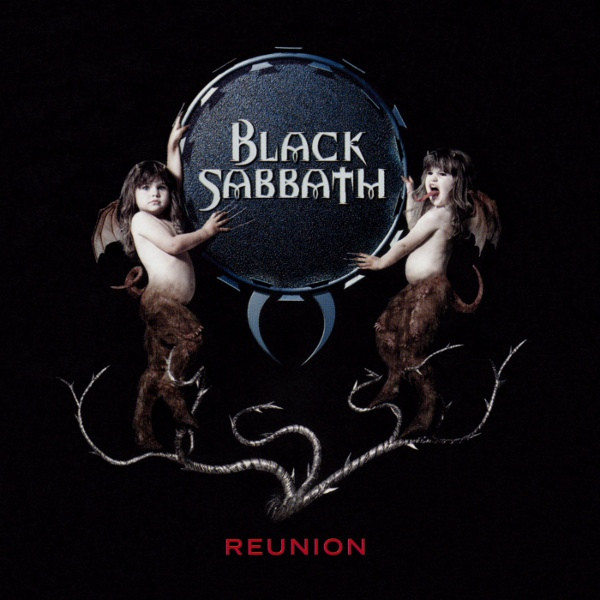
Reunion
1998

The Eternal Idol
1987
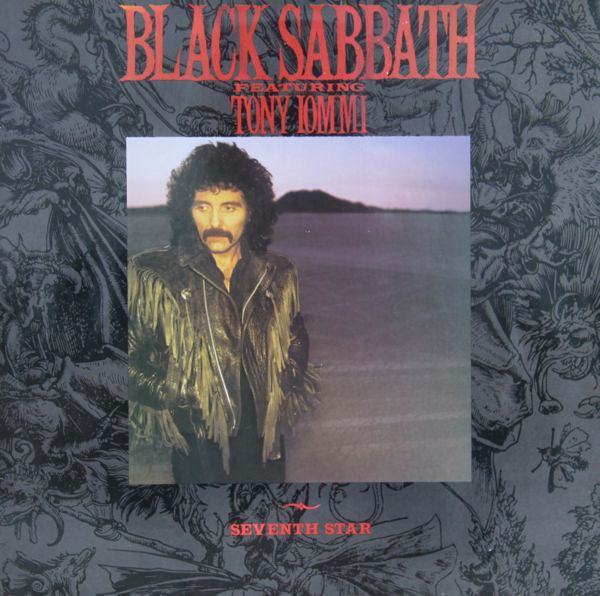
Seventh Star
1986
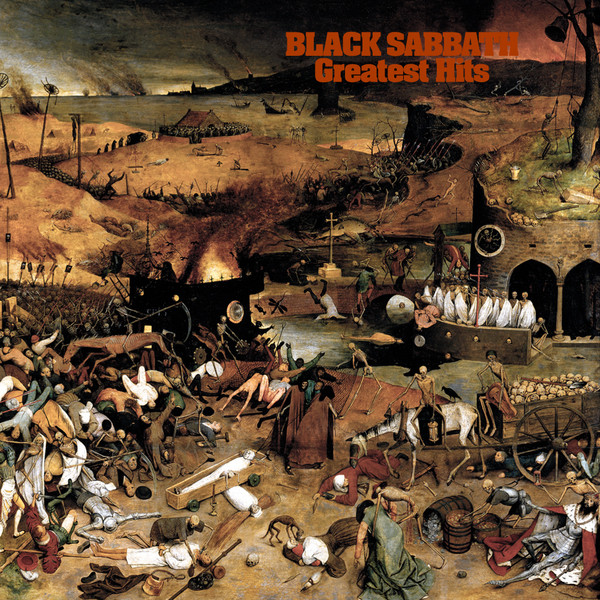
Greatest Hits
1977

Headless Cross
1989
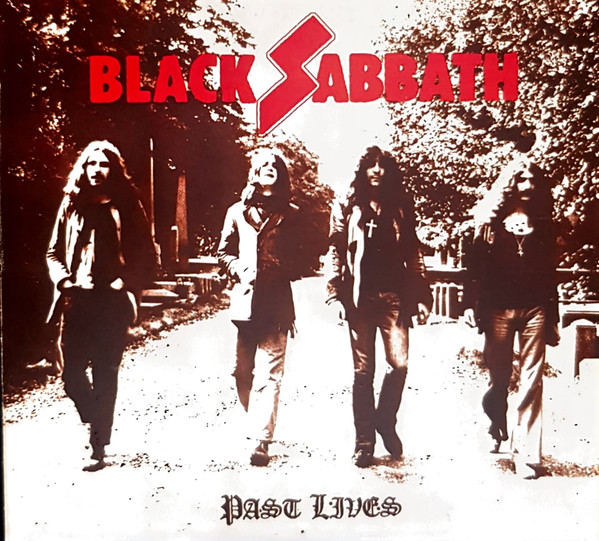
Past Lives
2002
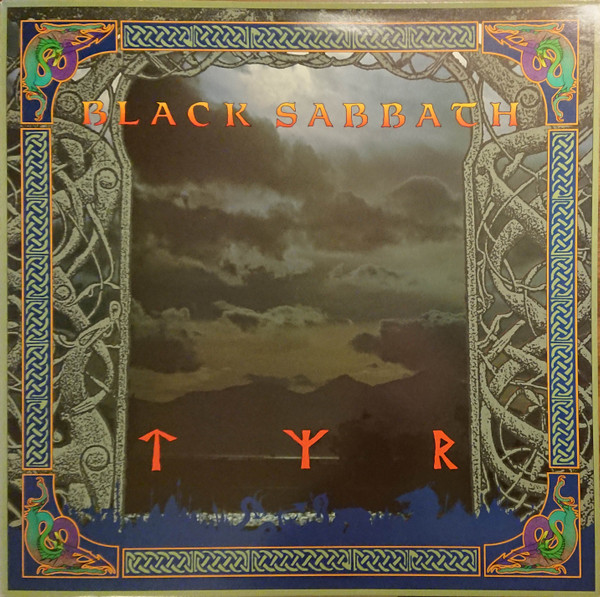
Tyr
1990
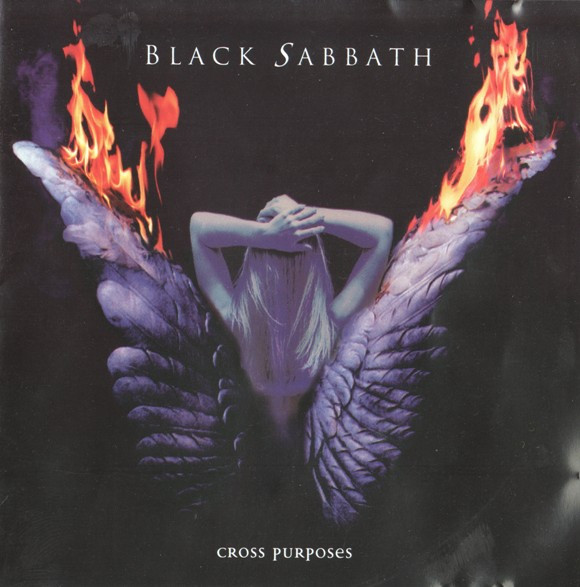
Cross Purposes
1994
Related artists
Members
Frequent collaborators
Around the web
Follow every record they touch.
Start your shelf and Gatefold tracks Black Sabbath's new pressings, tour dates, and the whole discography — automatically.
Start your shelf →Free forever. Works with 10 records or 10,000.