
Artist
Faith No More
San Francisco, United States · 1983 – 2021
Faith No More is a music group from San Francisco, United States, active 1983–2021. Their discography on Gatefold includes 24 records.

45
Albums tracked
458
In collections
1983
Since
Biography
Bill Gould and Mike Bordin were trying to find a singer who could actually stay in the room for more than a week, cycling through everyone from Courtney Love to Paula Frazer before Chuck Mosley finally stuck. They were playing this weird, skeletal post-punk funk that sounded like it belonged on a 4AD roster rather than opening for Billy Idol. It was abrasive, jerky, and Chuck’s flat, monotone delivery made the whole thing feel like a nervous breakdown in a basement club. Then the label pushed them into a room with Matt Wallace and everything got louder, weirder, and way more expensive. Chuck got the boot for being a disaster on the road, they brought in a kid from Mr. Bungle who could scream like a banshee and sing like Sinatra, and suddenly they were the biggest thing on MTV. They spent the rest of their career trying to light that commercial success on fire just to see what the smoke smelled like. They weren't a metal band or a funk band—they were a group of guys who realized that if you played a Burt Bacharach cover right after a death metal riff, you could piss off every single person in the audience at once.
Bio from The Clerk
The Arc of Faith No More
The pivots — what forced Faith No More to reinvent.
The Mosley Years
Before the suits cared, the band was anchored by Gould’s snapping bass and Bordin’s tribal drumming on We Care a Lot. Chuck Mosley brought a snotty, off-key punk energy that fit the jagged guitar work of Jim Martin perfectly. It was raw, low-budget, and felt like the actual streets of San Francisco in the mid-80s. You hear a band figuring out how to be heavy without being hair metal, even if the production on those early records is thin as a rail.
The Patton Takeover
The Real Thing changed the physics of the band when Mike Patton wrote the lyrics to the entire record in two weeks. Matt Wallace’s production tightened the screws, pushing the keyboards to the front and letting Jim Martin’s heavy riffs provide the floor. Patton’s range gave them a weapon they didn't have before, turning a quirky funk-metal outfit into a global juggernaut. It’s the sound of a band realizing they can do anything they want as long as the hook is big enough.
The Angel Dust Sabotage
Instead of making Epic Part 2, they went to Coast Recorders and made a record that sounded like a fever dream. Patton started using a megaphone and screaming about RVs while the band incorporated samples of birds and cheering crowds. It was a violent shift away from the pop charts, fueled by a desire to prove they weren't just the guys from the 'Epic' video. The tension in the room eventually pushed Jim Martin out, but it resulted in the most dense and rewarding record of their lives.
The Nashville Soul Period
By the time they got to Album of the Year, the band was exhausted and brought in Jon Hudson on guitar to provide a more clinical, streamlined sound. They moved away from the chaotic noise of the mid-90s toward something sleek, dark, and almost cinematic. Ronee Blakley showed up for a guest spot, and the band leaned into their love for soul and lounge music. It was a sophisticated way to bow out before they finally imploded from the inside.
Influences
- Public Image Ltd — Bill Gould has cited John Lydon’s post-Sex Pistols outfit as the primary blueprint for the band's early bass-driven tension. You hear it in the cold, mechanical rhythm section of 'Introduce Yourself.' It’s that jagged, unfriendly post-punk foundation that kept them from ever being a standard rock band.
- Killing Joke — Mike Bordin’s drumming style is a direct descendant of Big Paul Ferguson’s heavy, tribal floor-tom work. The massive, atmospheric weight of records like 'Revelations' informed the way FNM used space and power. It’s the reason their heavy parts feel like a ritual rather than a mosh pit.
- Sparks — The band eventually collaborated with the Mael brothers, but the influence of their theatrical, genre-hopping art-pop was there from the start. Roddy Bottum’s synth lines often mirror the quirky, insistent melodies found on 'Kimono My House.' They learned how to be clever and catchy without losing their edge from these guys.
- The Commodore’s — The band famously covered 'Easy' because they genuinely loved 70s soul and funk, not just as a joke. You can track Billy Gould's slap-bass technique back to the groove-heavy R&B that dominated the late 70s. It provided the 'funk' half of the funk-metal equation that everyone else got wrong.
- Slayer — Jim Martin was a massive metalhead who grew up with Cliff Burton, and he brought that thrash aggression to the band's DNA. Patton also frequently cited 'Reign in Blood' as a perfect record for its pure, unadulterated energy. That's where the genuine menace in tracks like 'Surprise! You're Dead!' comes from.
Discography
Their records — most-collected first.
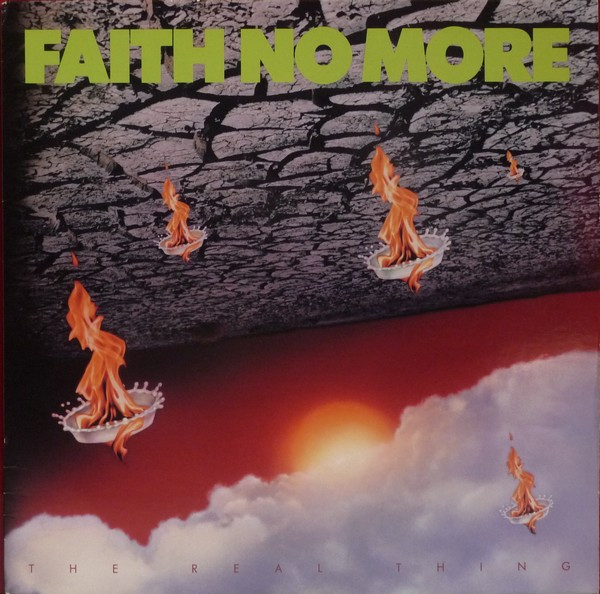
The Real Thing
1989
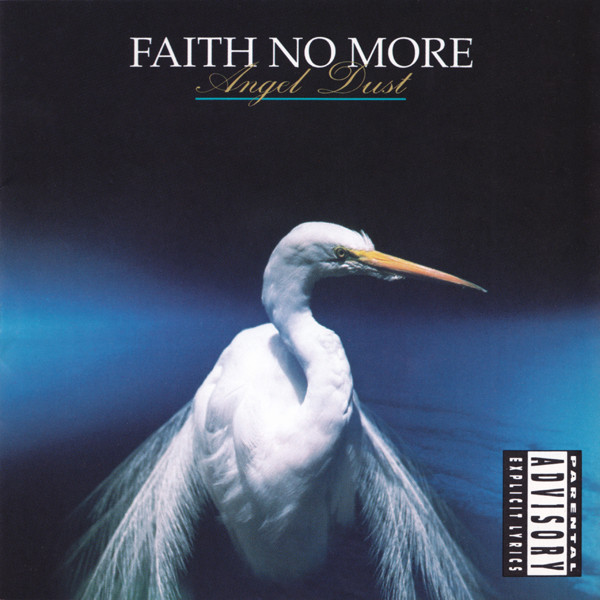
Angel Dust
1992
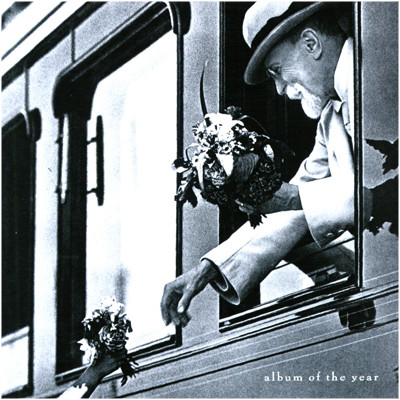
Album Of The Year
1997
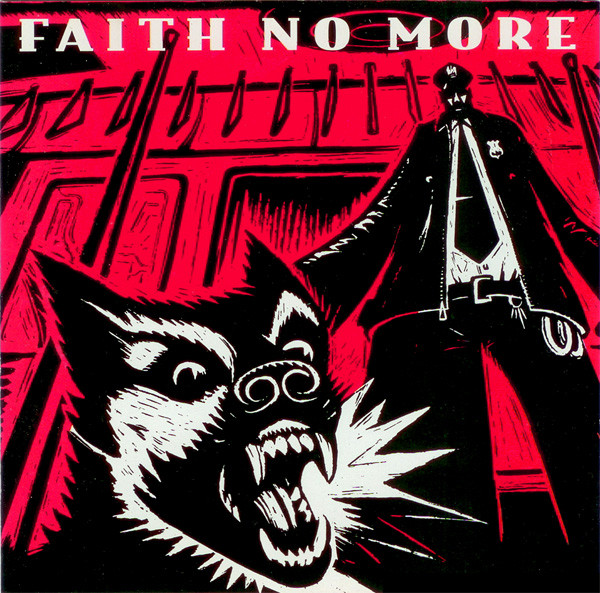
King For A Day Fool For A Lifetime
1995
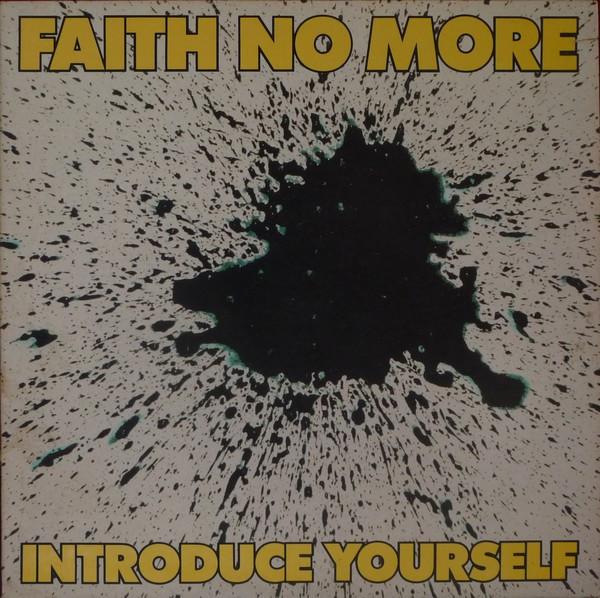
Introduce Yourself
1987
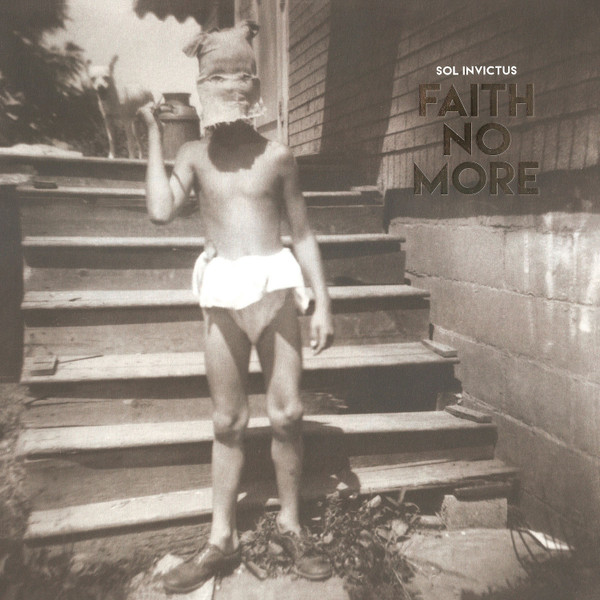
Sol Invictus
2015
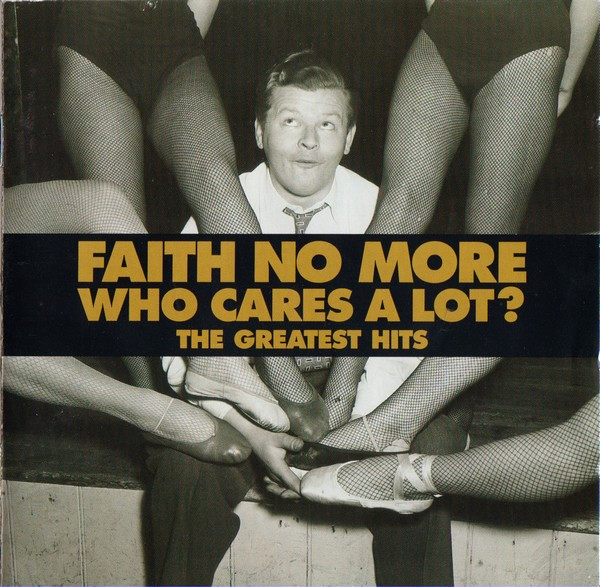
Who Cares A Lot? The Greatest Hits
1998
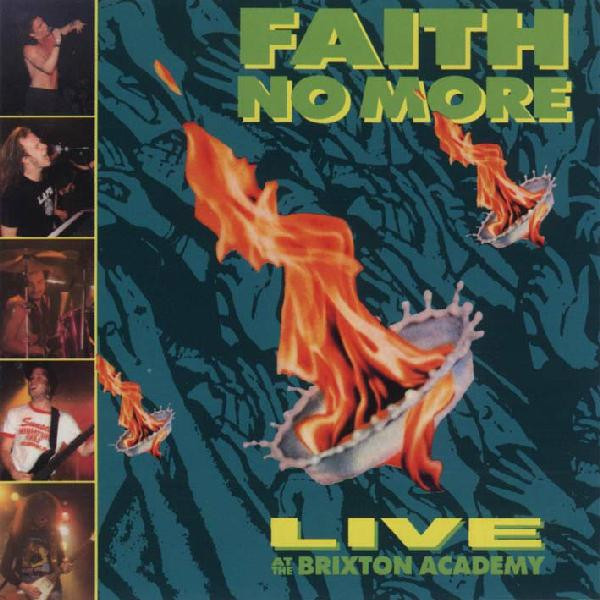
Live At The Brixton Academy
1991

We Care A Lot
1985

Digging The Grave
1995
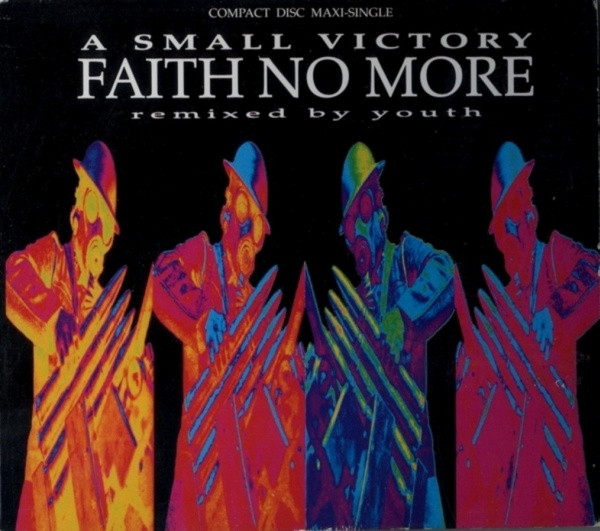
A Small Victory
1992
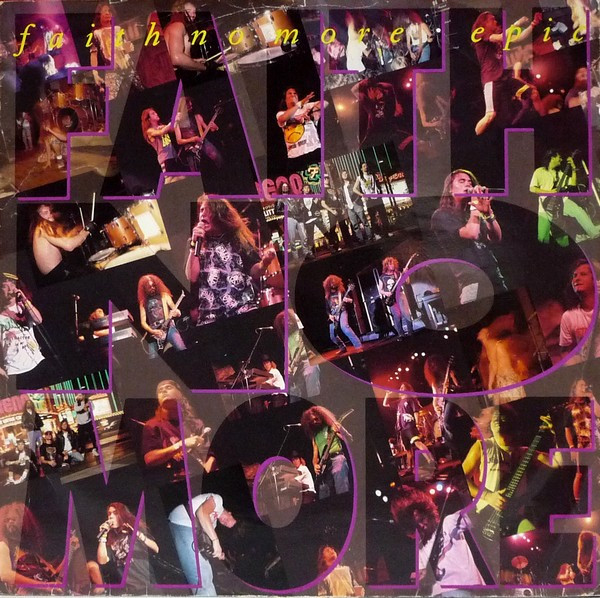
Epic
1990
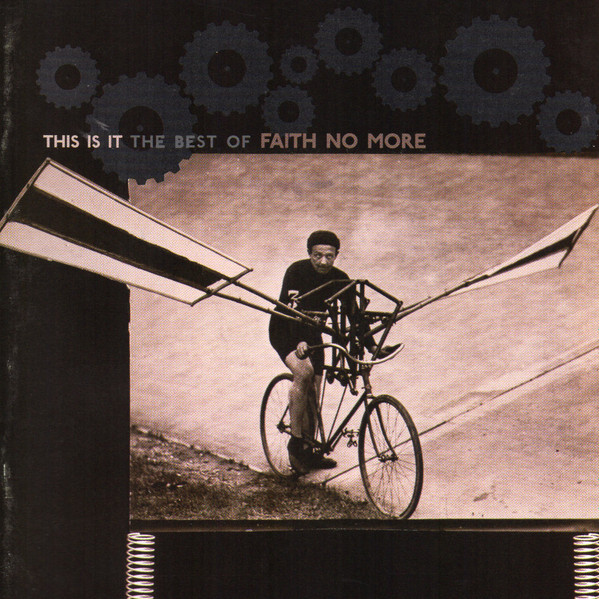
This Is It (The Best Of)
2003
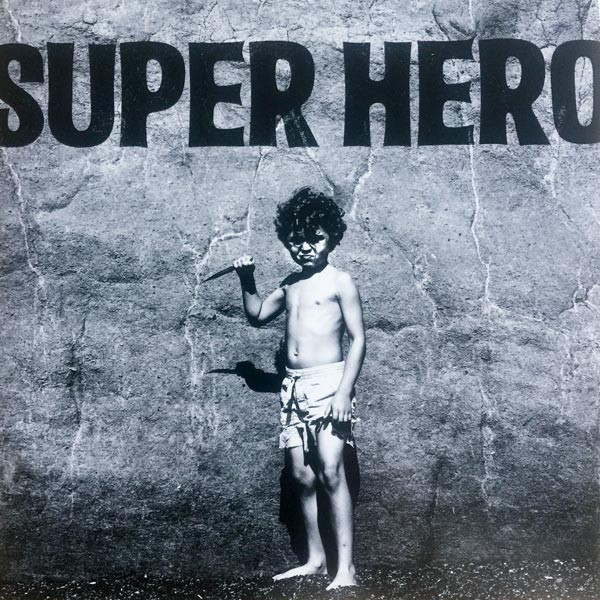
Superhero
2015
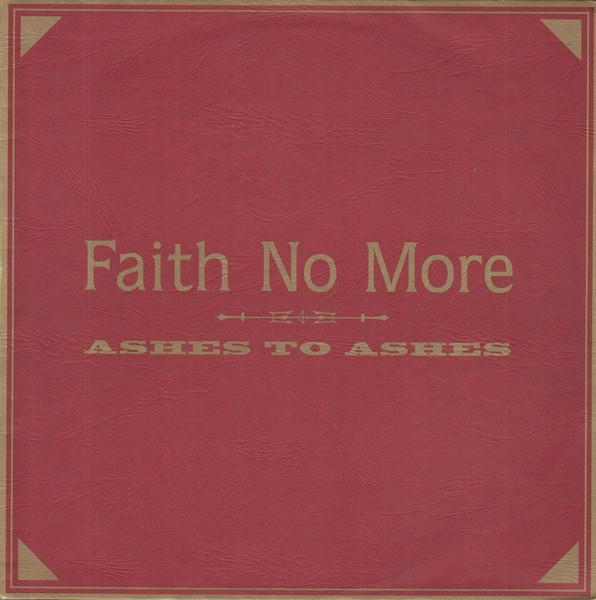
Ashes To Ashes
1997
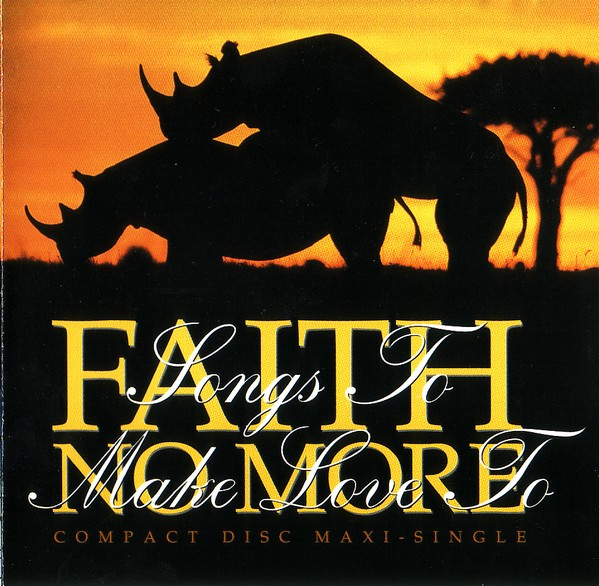
I'm Easy (Cooler Version) / Das Schützenfest
1993
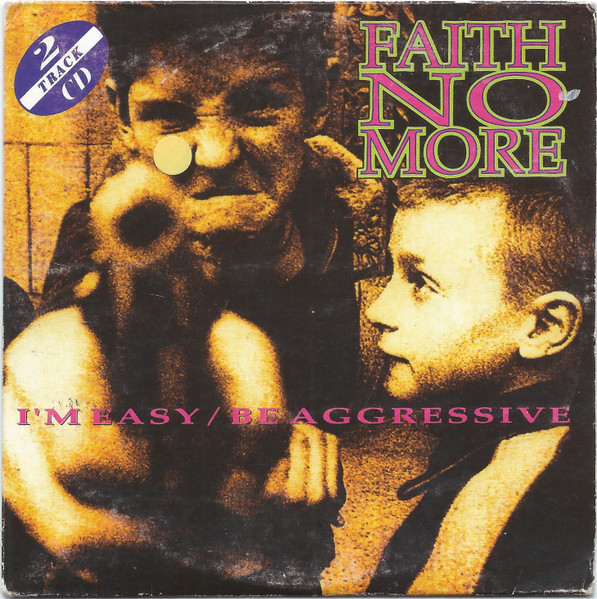
I'm Easy / Be Aggressive
1992

Motherfucker
2014
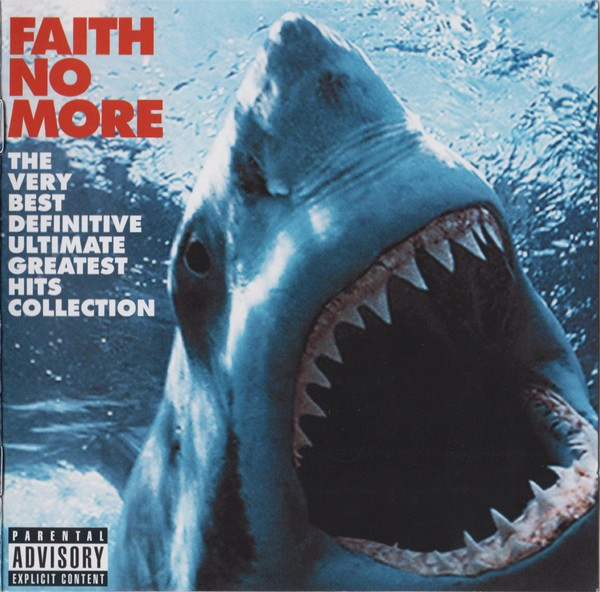
The Very Best Definitive Ultimate Greatest Hits Collection
2009
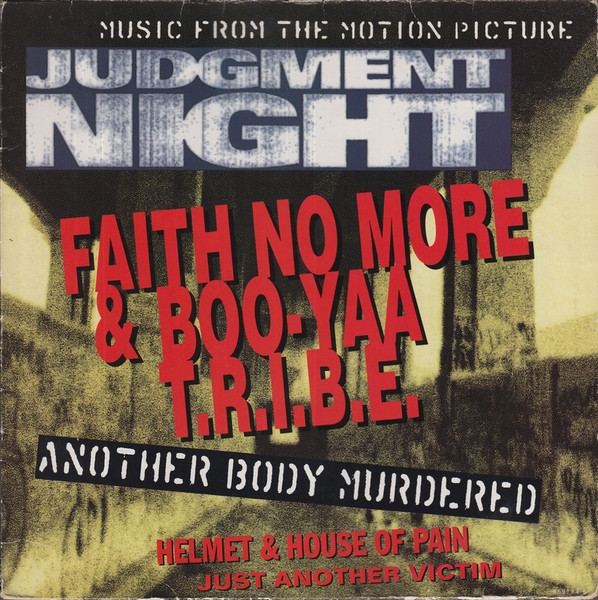
Another Body Murdered
1993

Cone Of Shame!!
2016
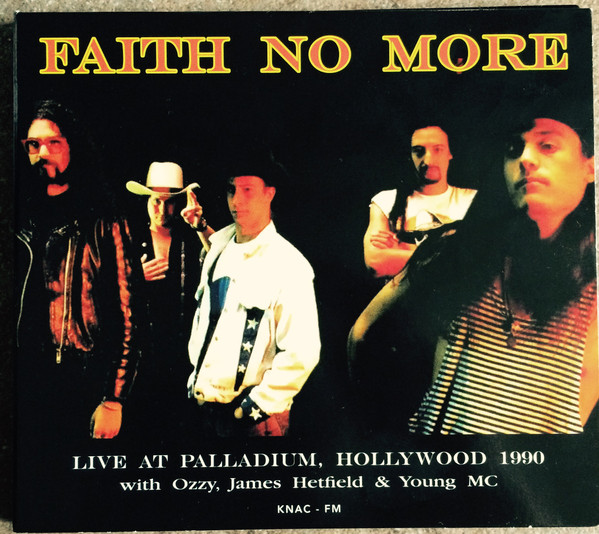
Live At Palladium, Hollywood 1990 With Ozzy, James Hetfield & Young MC
2015

The Platinum Collection
2005
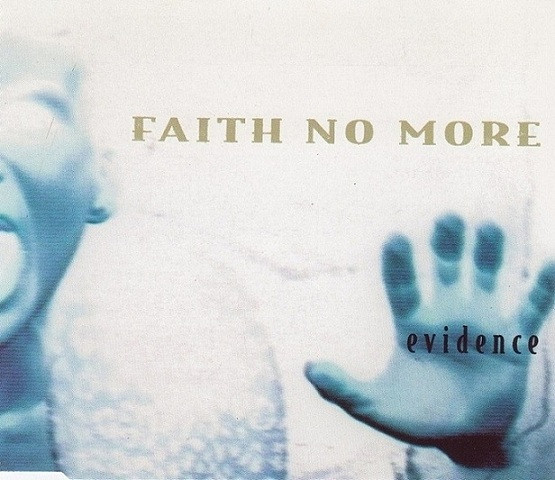
Evidence
1995
Related artists
Members
Frequent collaborators
Around the web
Follow every record they touch.
Start your shelf and Gatefold tracks Faith No More's new pressings, tour dates, and the whole discography — automatically.
Start your shelf →Free forever. Works with 10 records or 10,000.