
Artist
Nile Rodgers
New York City, United States · b. 1952
Nile Rodgers is a musician from New York City, United States, active since 1952. Their discography on Gatefold includes 5 records. They also recorded with Chic, The Honeydrippers and Material.

34
Albums tracked
171
In collections
1952
Since
Biography
Nile Rodgers bought a used Gibson Barney Kessel hollowbody guitar in the late sixties, realized it was feedback-prone garbage for the high-volume funk he wanted to play, and traded it at a 48th Street music shop for a 1959 Fender Stratocaster. That beat-up white Strat became the "Hitmaker." He plugged it straight into a Neve mixing desk at Power Station studios, bypassing amps entirely to get that ultra-dry, percussive click that defined the late seventies. That wasn't luck. It was a calculated studio science designed to survive the muddy acoustics of crowded discotheques. Everybody talks about the Chic gold records, but people forget how brutal the disco backlash hit him in 1980. Disco Demolition Night at Comiskey Park basically murdered his main band's commercial viability overnight. Rodgers didn't fold. He took that signature, razor-sharp rhythm technique and weaponized it as a producer-for-hire, completely reshaping the careers of post-punk acts, art-rockers, and synth-pop groups who desperately needed some groove. He turned David Bowie from a cult weirdo into a stadium-filling pop star with Let's Dance, and he did it by stripping away the art-school pretension and bringing in Texas bluesman Stevie Ray Vaughan to play lead over his own funk rhythm tracks. He had a rough, cocaine-fueled slump in the late eighties and nineties where the production work started smelling like corporate formula. Albums like his solo effort B-Movie Matinee felt buried under digital DX7 synthesizers and sterile drum programming that choked out his natural swing. But his sheer survival instinct brought him back. By the time Daft Punk put him in a room with a mic and a Strat in 2013, he was the elder statesman of the pocket, reminding a whole new generation of bedroom laptop producers that nothing grooves quite like human sweat and a perfectly placed sixteenth note.
Bio from The Clerk
The Arc of Nile Rodgers
The pivots — what forced Nile Rodgers to reinvent.
The Subversive Disco Blueprint
After touring in the Sesame Street backing band, Rodgers teamed with bassist Bernard Edwards in 1976 to build Chic on a foundation of jazz-derived chord voicings disguised as dancefloor anthems. They rented time at Atlantic Studios and developed a ruthless, interlocking rhythm style they called "the chucking technique" where Edwards's heavy bassline filled the gaps left by Rodgers's rapid-fire chord chops. This era yielded massive hits like "Good Times," but the secret weapon was their lyrical irony. They wrote about champagne and dancing to distract radio programmers from the fact that they were black musicians singing about the crushing economic recession of the late seventies.
The 1980s Pop Re-Engineering
When the disco market collapsed, Rodgers pivoted to the producer's chair to survive, starting with Diana Ross's 1980 masterpiece Diana, which he and Edwards practically hijacked by mixing her vocals lower than the bassline. His solo transition solidified when he took over production for David Bowie's Let's Dance in 1983 and Duran Duran's "The Reflex" remix, stripping away their dark, brooding new wave textures in favor of clean, punchy brass arrangements and heavy-bottomed drums. He replaced artsy self-indulgence with hit-making mathematics, turning quirky art-rock acts into global MTV juggernauts.
The Digital Over-Production Slump
By the mid-eighties, the organic groove of the Hitmaker Strat was increasingly buried under the decade's obsession with digital synthesizers and aggressive drum machines. His 1985 solo album B-Movie Matinee and his work on soundtrack sessions like Coming to America suffered from cold, over-processed production that prioritized Fairlight samplers over human feel. The physical chemistry of live musicians playing in a room at Power Station was replaced by grid-aligned MIDI programming. It took a severe health crisis, sobriety, and a return to live tracking in the late nineties to pull his signature guitar style out of the digital mud.
Influences
- Wes Montgomery — Rodgers repeatedly cited Montgomery as his primary guitar hero, specifically studying how the jazz giant used thumb-picking and octaves to create warm, melodic solo lines. You can hear this influence directly in the clean octave runs Rodgers uses to transition between chord progressions on Chic's "Le Freak."
- Roxy Music — Before forming Chic, Rodgers attended a Roxy Music gig in London and was blown away by their high-fashion aesthetic and conceptual art-rock presentation. He and Bernard Edwards directly lifted this sleek, black-tie visual identity for Chic to elevate dance music above the sweaty polyester cliché of mid-seventies discotheques.
- John Coltrane — As a teenage jazz student, Rodgers obsessively analyzed Coltrane's complex harmonic structures and sheet music. He took those advanced modal jazz chord progressions and simplified them into the danceable, major-seventh chord structures that give Chic tracks like "I Want Your Love" their sophisticated, bittersweet edge.
- The Apollo Theater House Band — Rodgers got a gig playing in the Apollo house band in the early seventies, backing up legendary soul and R&B acts under extreme pressure. This grueling, fast-paced environment forced him to develop flawless timing and learn how to lock in instantly with any rhythm section, a discipline that defined his studio production style.
- Jimi Hendrix — Rodgers saw Hendrix perform live in New York and was transfixed by his fluid mixing of rhythm and lead guitar styles. While Rodgers abandoned Hendrix's heavy distortion, he adopted the thumb-over-neck fretting technique and the quick, percussive double-stops that would later define his own "chucking" rhythm work.
Nile Rodgers — solo
Their records — most-collected first.


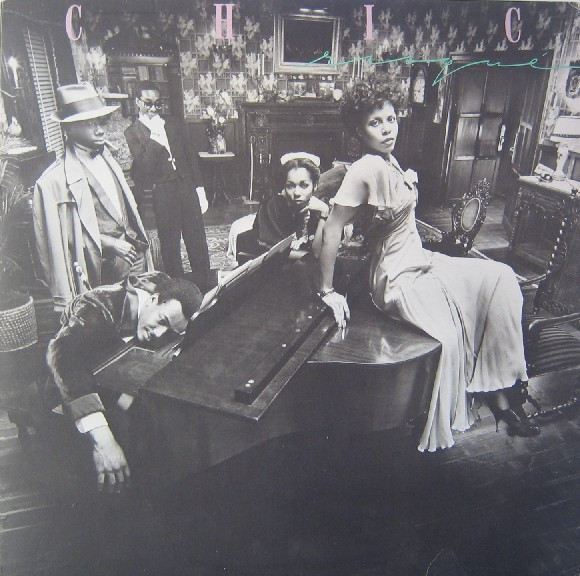
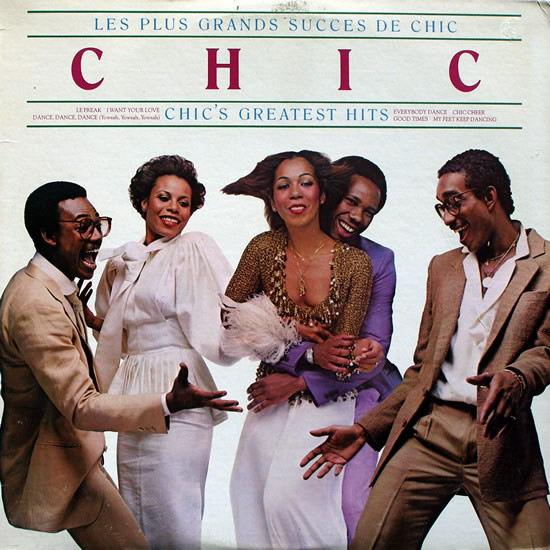
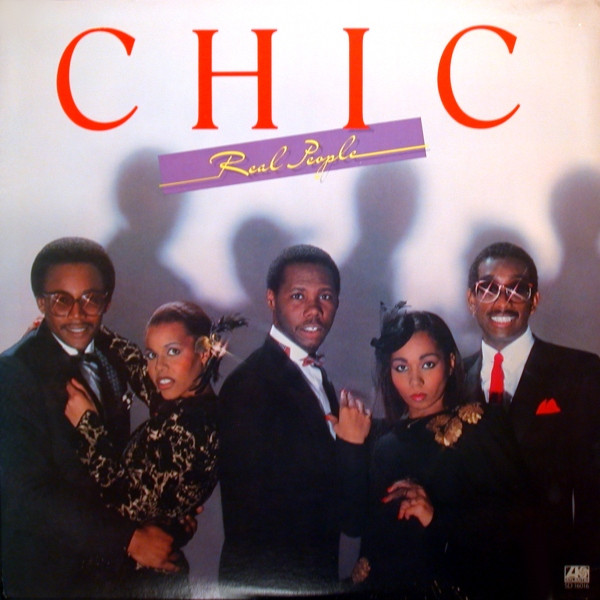
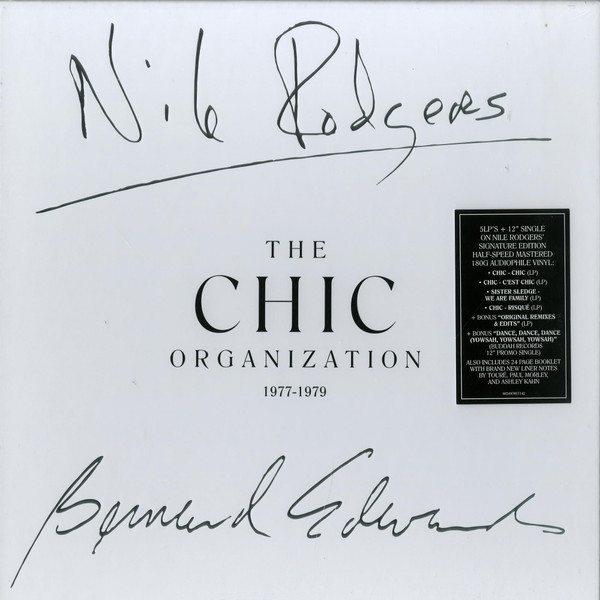
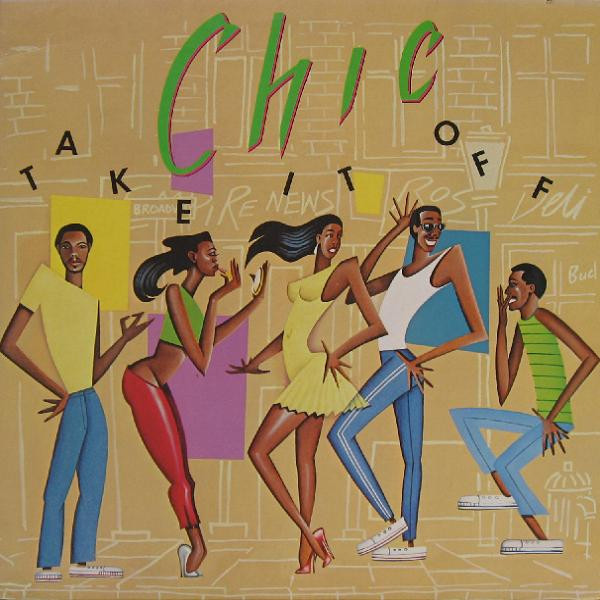
Chic
A project Nile Rodgers was part of.




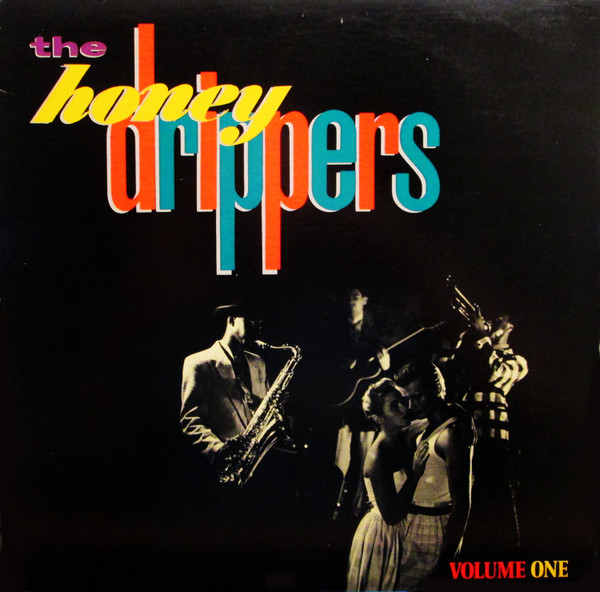
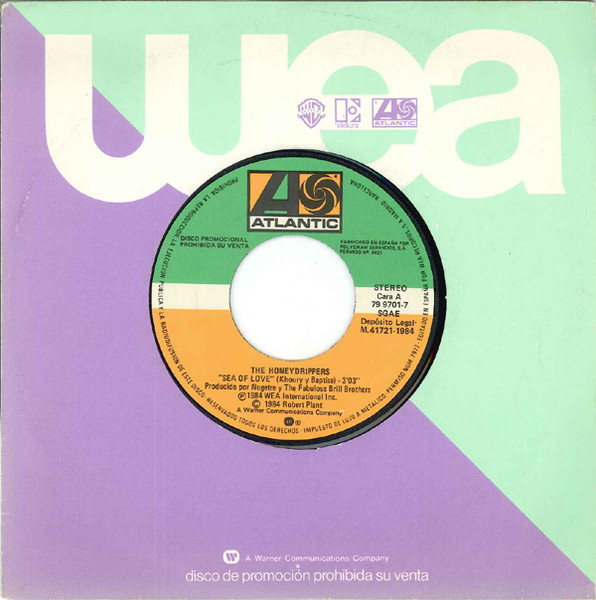
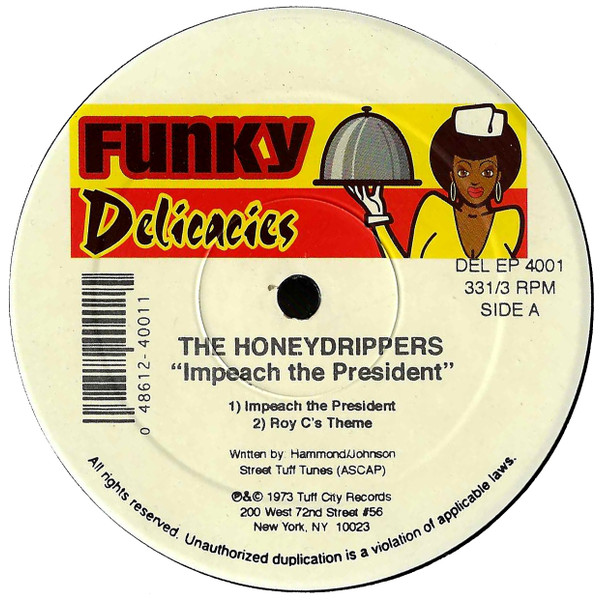
The Honeydrippers
A project Nile Rodgers was part of. Former member.

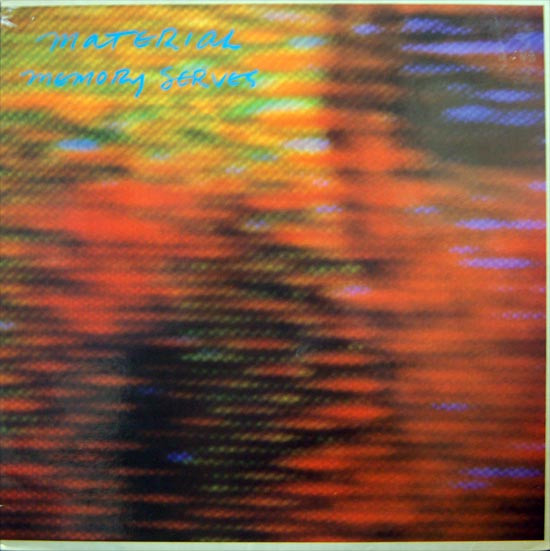
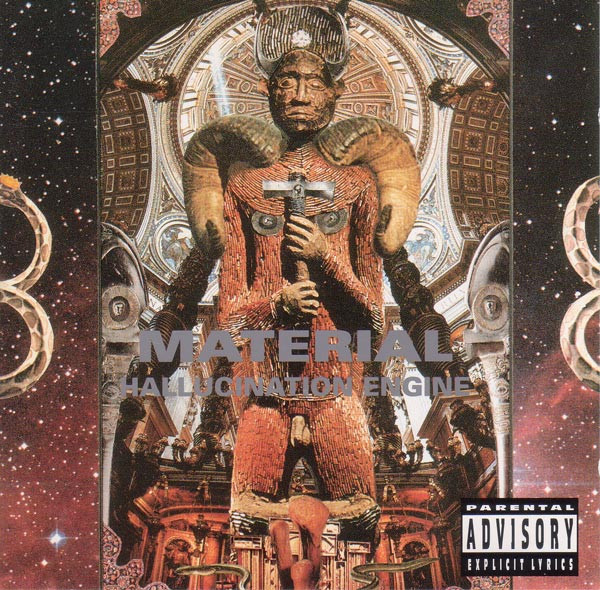
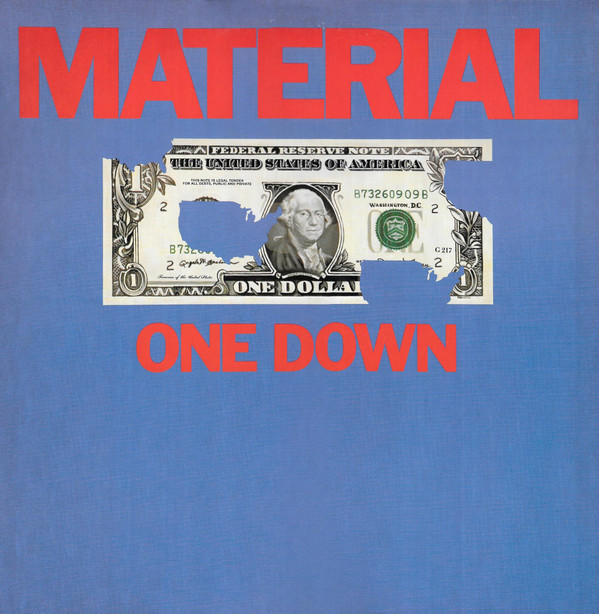
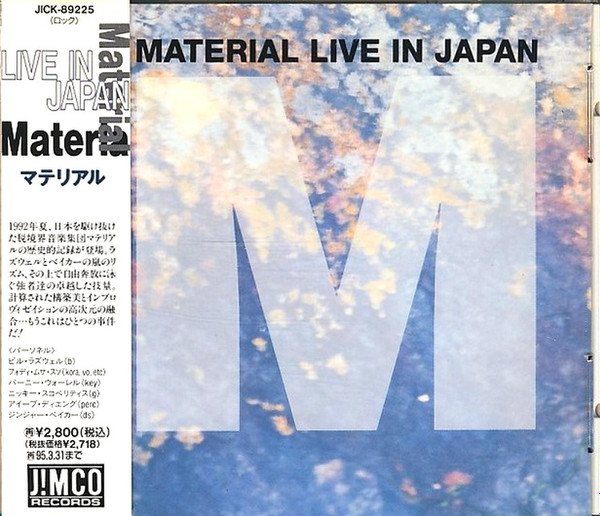
Material
A project Nile Rodgers was part of.




Related artists
More projects
Around the web
Follow every record they touch.
Start your shelf and Gatefold tracks Nile Rodgers's new pressings, tour dates, and the whole discography — automatically.
Start your shelf →Free forever. Works with 10 records or 10,000.