
Artist
Al Jarreau
Milwaukee, United States · 1940 – 2017
Al Jarreau is a musician from Milwaukee, United States, active 1940–2017. Their discography on Gatefold includes 24 records.

26
Albums tracked
81
In collections
1940
Since
Biography
Al Jarreau didn't even get a major label deal until he was 35. By then, his voice wasn't just a tool; it was a rhythmic percussion instrument that could mimic a conga or a flute as easily as it could carry a melody. He walked into Reprise in '75 with We Got By, produced by Al Schmitt, and basically ignored everything people thought jazz vocals were supposed to be. It wasn't about the American Songbook standards. It was about using vocal gymnastics to bridge the gap between a cabaret act and a soul revue. He eventually leaned into the high-gloss production of the early '80s, which is where some of the grit got polished away for the sake of FM radio. Working with Jay Graydon on Breakin' Away turned him into a pop star, which meant the scat-singing was getting squeezed into four-minute radio edits. Some purists jumped ship when he did the Moonlighting theme, but the reality is the guy never lost that freakish technical ability. He just started using it to sell million-dollar studio sheen instead of dark club vibes.
Bio from The Clerk
The Arc of Al Jarreau
The pivots — what forced Al Jarreau to reinvent.
The Reprise Breakthrough
Al Schmitt got him into the studio in 1975 to record We Got By, keeping the arrangements lean so the voice could breathe. This wasn't the over-orchestrated jazz of the decade prior. It was stripped-back, focusing on Jarreau's ability to create entire rhythmic worlds with just his throat and a microphone. You hear a guy who spent years in small clubs finally getting the chance to put his idiosyncratic timing onto tape without a label head telling him to tone it down.
The West Coast Pop Pivot
When Jay Graydon took over production duties for 1980’s This Time and the follow-up Breakin' Away, the sound shifted toward the pristine, session-player perfection of the Los Angeles scene. They brought in the heavy hitters like Jeff Porcaro and Steve Gadd to lock down the pocket, forcing Jarreau to sharpen his delivery to match the click-track precision. The result was a massive commercial peak that traded the loose improvisation of his early years for a sophisticated, chart-topping R&B sheen that defined the era's adult contemporary sound.
The GRP Fusion Return
Moving to GRP Records in the early '90s put him back in a room with jazz-centric producers like George Duke and Marcus Miller who actually understood his improvisational roots. After years of chasing pop hits, Tenderness saw him recording in front of a live studio audience, stripping away the synthesized layers of the late '80s. This era functioned as a victory lap where he could finally integrate his pop phrasing with the heavy-duty jazz chops that the purists thought he’d abandoned.
Influences
- Jon Hendricks — The undisputed king of vocalese whom Jarreau cited as his primary reason for treating the voice like a horn. You hear this in Jarreau's rapid-fire syllable delivery and his ability to improvise complex solos over bebop changes. He took Hendricks' rhythmic vocabulary and slowed it down for the soul era.
- Nat King Cole — Jarreau frequently noted Cole's diction and phrasing as his blueprint for how to command a room with a ballad. While Jarreau was much more explosive, he retained Cole's specific, clean enunciation even when he was scatting at high speeds. It’s the foundational DNA of his pop crossover appeal.
- Johnny Mathis — The influence shows up in Jarreau's upper-register control and the vibrato he used on his softer, middle-of-the-road hits. Jarreau admitted to studying the way Mathis moved through a melody without breaking his breath support. It gave him the technical floor to pull off those long, sustained notes during his live shows.
- Ella Fitzgerald — The shared lineage here is the sheer fearlessness of their scat singing and the use of the voice as a lead instrument. Jarreau used Fitzgerald’s improvisational blueprints to build his own 'vocal percussion' style. He took her playfulness and applied it to a post-funk rhythmic structure.
- Dave Brubeck — Jarreau famously covered 'Take Five,' which became a staple of his live sets and a showcase for his rhythmic complexity. Brubeck’s use of odd time signatures gave Jarreau the playground he needed to prove his voice could keep up with any instrumentalist. It bridged the gap between his pop sensibilities and his deep-seated jazz timing.
Discography
Their records — most-collected first.
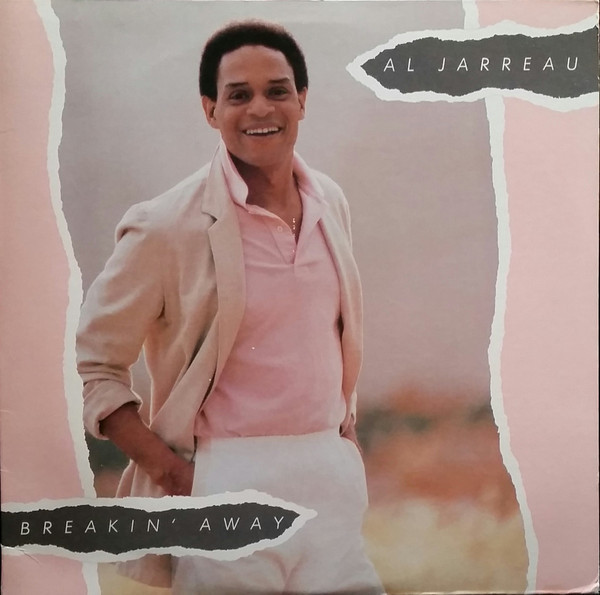
Breakin' Away
1981
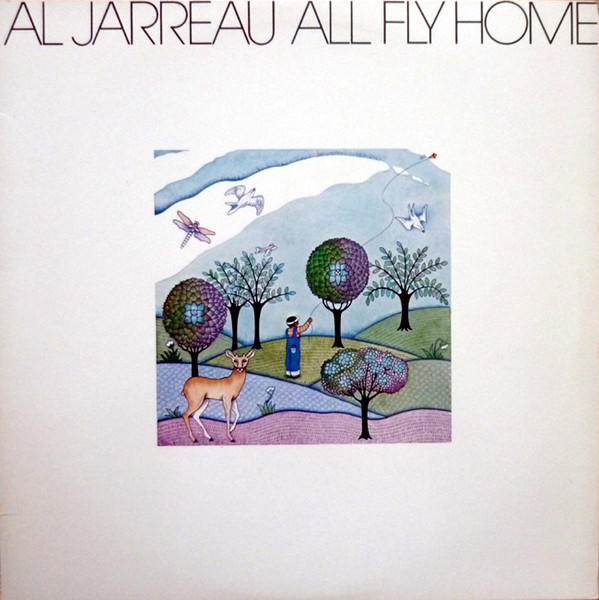
All Fly Home
1978
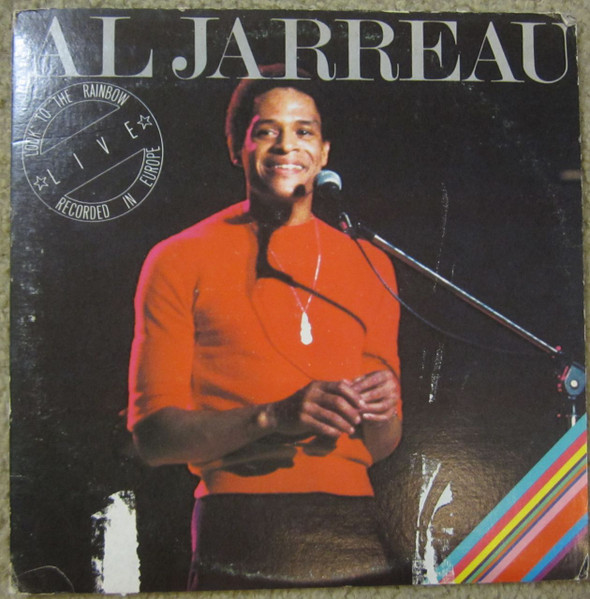
Look To The Rainbow
1977
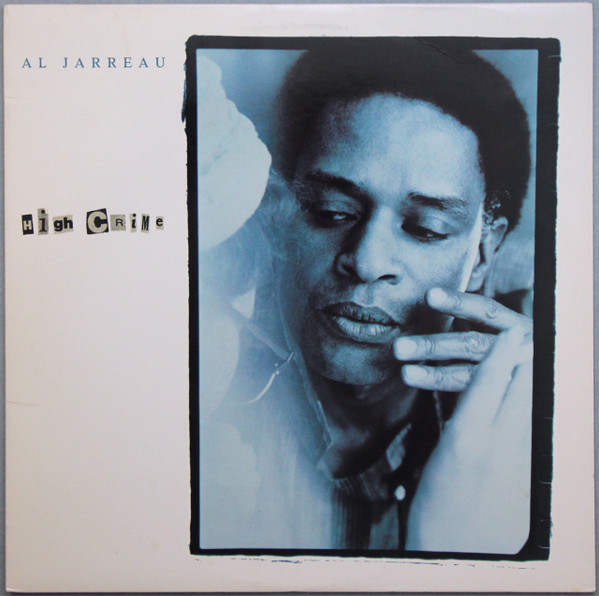
High Crime
1984
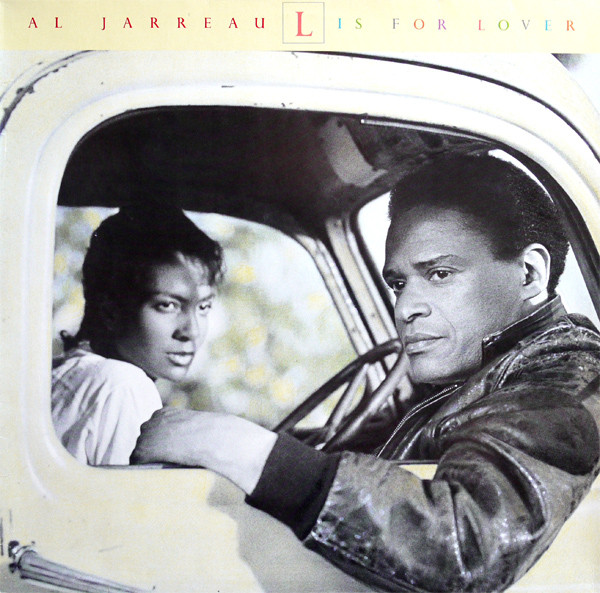
L Is For Lover
1986
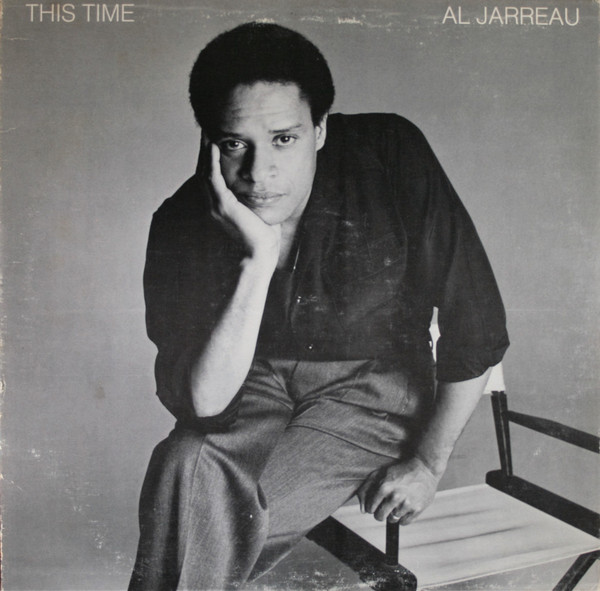
This Time
1980
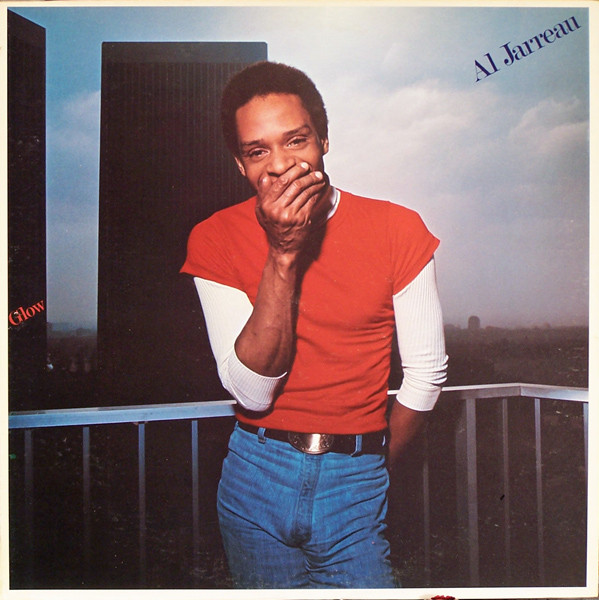
Glow
1976

1965
1983
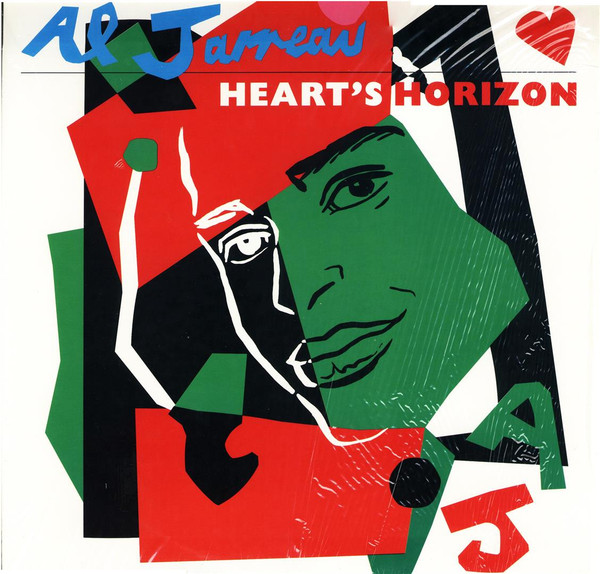
Heart's Horizon
1988
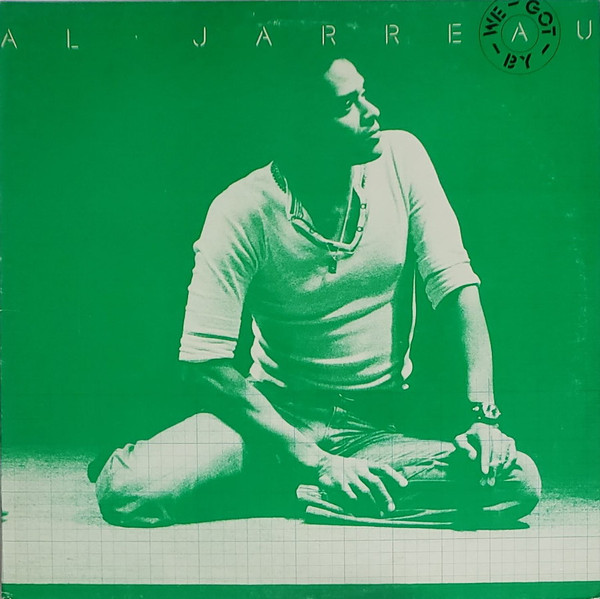
We Got By
1975

Our Love / Roof Garden
1982

Original Album Series
2011

Love Songs
2008

Christmas
2008

Accentuate The Positive
2004

All I Got
2002
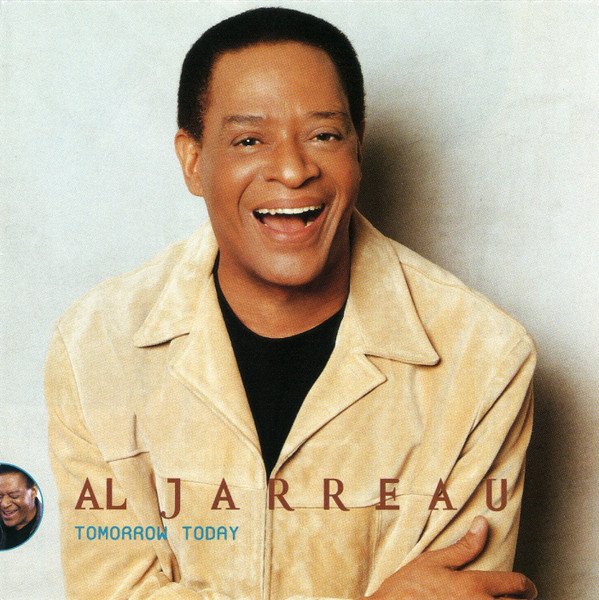
Tomorrow Today
1999

Best Of Al Jarreau
1996
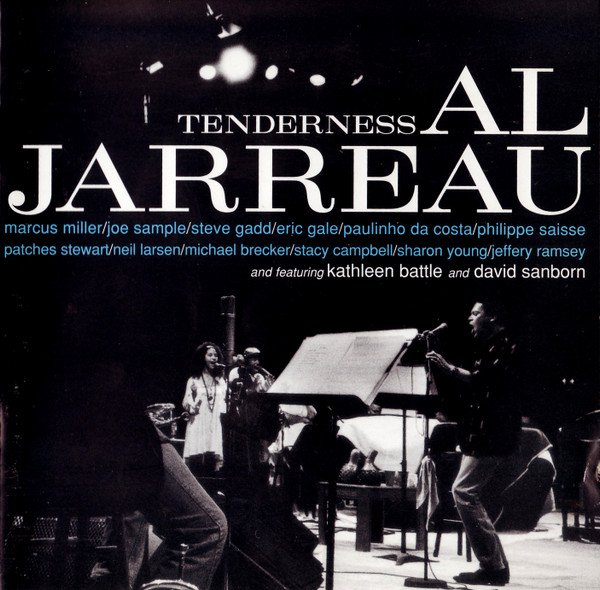
Tenderness
1994

Heaven And Earth
1992
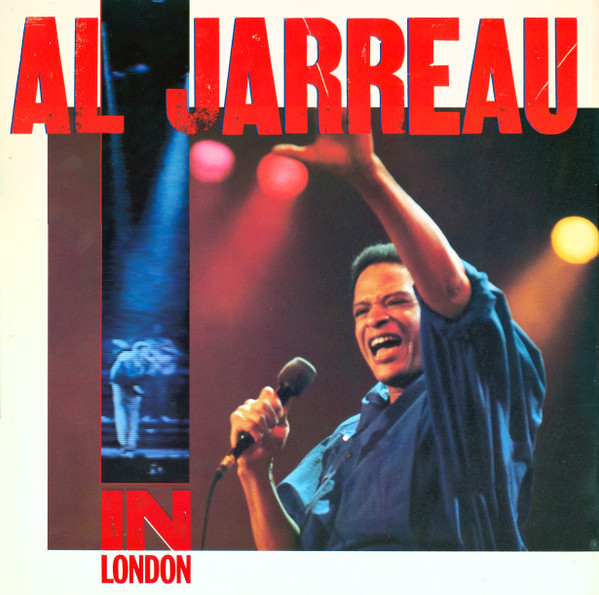
In London
1985

Lonely Town, Lonely Street
1979

Ellington
2024

Wow! (Live At The Childe Harold)
2024
Related artists
Around the web
Follow every record they touch.
Start your shelf and Gatefold tracks Al Jarreau's new pressings, tour dates, and the whole discography — automatically.
Start your shelf →Free forever. Works with 10 records or 10,000.