
Artist
INXS
Sydney, Australia · 1977 – 2012
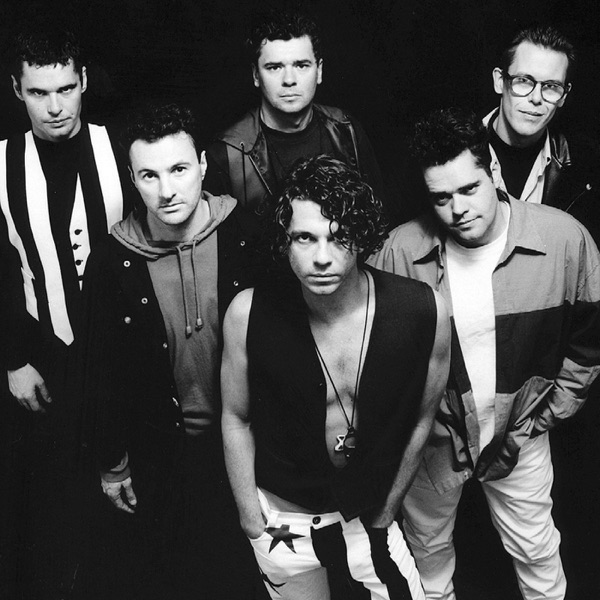
INXS is a music group from Sydney, Australia, active 1977–2012. Their discography on Gatefold includes 24 records.
46
Albums tracked
433
In collections
1977
Since
Biography
Nile Rodgers pulled them into the Power Station in New York in late 1983 to track 'Original Sin' with Daryl Hall on backing vocals, and that was the exact moment the Australian pub-circuit hustle turned into a global weapon. Before that, they were six guys from Sydney sweating out three sets a night in sticky-carpet beer barns, grinding tight new-wave funk through cheap PAs. Michael Hutchence had the strut of Jagger and the rasp of a soul singer, but Andrew Farriss and Kirk Pengilly supplied the engine: rigid, four-on-the-floor rhythm guitars locked to Jon Farriss's snare. When Chris Thomas got his hands on them for 'Listen Like Thieves' and 'Kick', he stripped out the synth-pop clutter and turned the guitars into percussive funk hooks. Atlantic Records boss Doug Morris famously hated 'Kick' when he first heard it, offering the band a million dollars to go back and record a completely different album. They told him to go pound sand, put it out anyway, and sold nine million copies in the States alone. It was the apex of swaggering, rock-adjacent dance pop before grunge showed up to blow the roof off the party. Hutchence's death in '97 was the end of the band's artistic spine, even if the surviving members kept the machine running through reality TV replacements and guest-singer tours for another fifteen years. You can ignore the post-2000 nostalgia circuit entirely. The run from 'The Swing' through 'Welcome to Wherever You Are' is pure, relentless rhythm-section gold.
Bio from The Clerk
The Arc of INXS
The pivots — what forced INXS to reinvent.
The Pub Rock Grind
They started out as The Farriss Brothers, playing coastal Australian pubs where loud, aggressive sets were the only way to keep drunks from throwing glasses at the stage. Early records like their self-titled debut and 'Underneath the Colours' captured a hyperactive, frantic post-punk band still trying to figure out how to bottle their live speed. Producer Mark Opitz finally gave them low-end punch on 'Shabooh Shoobah' in 1982. Tracks like 'The One Thing' put them on American MTV and proved their jerky new-wave funk could translate beyond the Pacific.
The Chris Thomas & Nile Rodgers Funk Polish
Working with Nile Rodgers on 'Original Sin' showed the band how massive they could sound on dance floors without sacrificing guitars. Bringing in producer Chris Thomas for 'Listen Like Thieves' sealed the transition into stadium funk-rock, culminating in 1987's 'Kick'. Thomas pushed Andrew Farriss and Hutchence to write relentless hooks, resulting in a record where every single track sounded engineered for car stereos and arenas. The guitars were dry and rhythmic, the horns hit like stabs on a sampler, and Hutchence dominated global radio.
Post-Peak Experimentation
By the time 1992 rolled around, alternative rock had dismantled pristine 80s production, forcing the band to pivot away from clean pop hooks. Recorded at Rhinoceros Studios in Sydney, 'Welcome to Wherever You Are' threw sitars, 60-piece orchestras, and distorted vocal filters into the mix. It was their boldest studio record, even if American audiences were already moving on to Nirvana and Pearl Jam. Follow-ups like 'Full Moon, Dirty Hearts' leaned hard into raw grit, but they never reclaimed the chart dominance of their late-80s peak.
Influences
- The Rolling Stones — Hutchence studied Mick Jagger's stage movements and vocal cadences relentlessly during the band's formative years in the late 70s. You hear that dirty, blues-rooted swagger all over tracks like 'Suicide Blonde' and 'New Sensation'. It gave their dance beats a genuine rock frontman bite.
- Chic — Nile Rodgers and Bernard Edwards wrote the rulebook for rhythm guitar and bass interplay that Andrew Farriss and Garry Gary Beers obsessed over. Rodgers even produced 'Original Sin' in late 1983, bringing his signature muted, percussive guitar style directly into the studio. That skeletal, rhythmic funk became the entire backbone of 'Kick'.
- David Bowie — Bowie's 'Station to Station' era and his transition into plastic soul directly mapped out how a white rock group could integrate hard funk without losing their edge. Hutchence regularly cited Bowie as his blueprint for theatrical charisma and vocal detachment. You can trace that low, baritone-to-falsetto vocal dynamic straight through songs like 'Devil Inside'.
- The Clash — Before they broke out as pop stars, INXS cut their teeth on UK punk's political energy and reggae-infused rhythm section. The band openly cited 'London Calling' as a massive wake-up call for expanding rock arrangements beyond basic garage chords. That early urgency drives the pacing on fast, jagged tracks like 'Just Keep Walking'.
- Roxy Music — Bryan Ferry's lounge-lizard cool and Andy Mackay's aggressive saxophone work were foundational to INXS's early arrangements. Kirk Pengilly's sax lines across 'Shabooh Shoobah' and 'The Swing' directly mirror Mackay's sharp, tonal stabs. It gave their early new-wave sound an art-school polish that set them apart from standard Australian hard rock acts.
Discography
Their records — most-collected first.
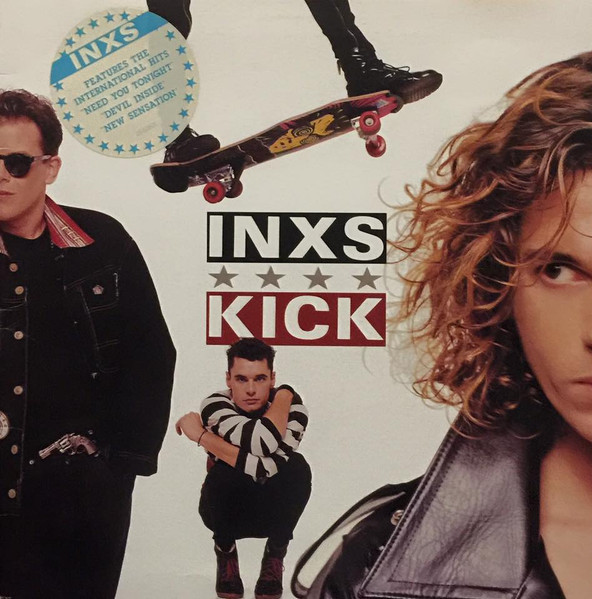
Kick
1987
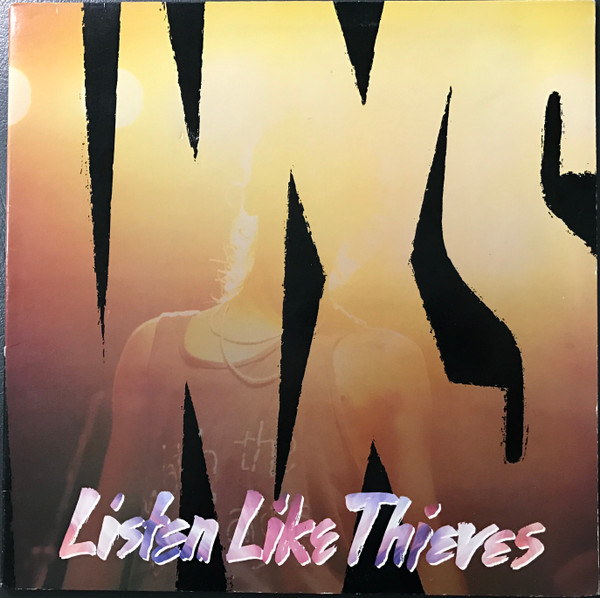
Listen Like Thieves
1985

X
1990

Shabooh Shoobah
1982
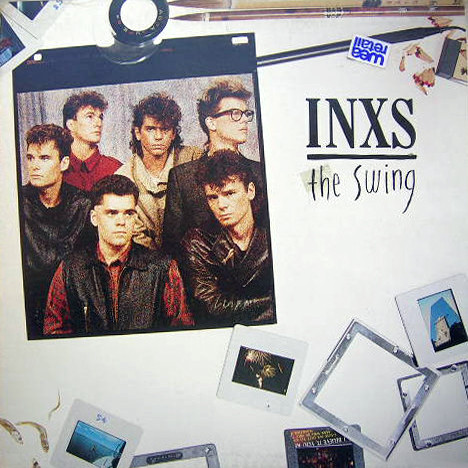
The Swing
1984
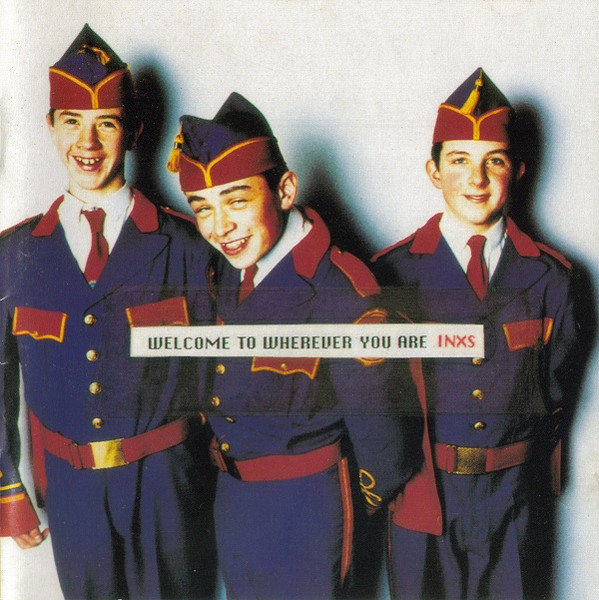
Welcome To Wherever You Are
1992

The Greatest Hits
1994

Switch
2005
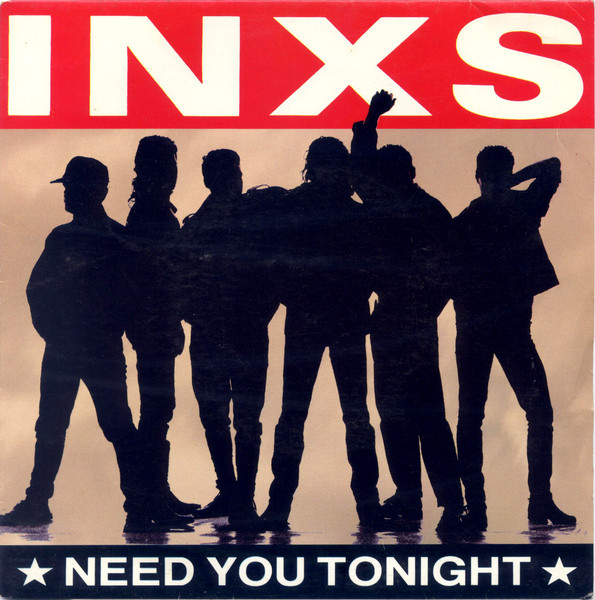
Need You Tonight
1987

Live Baby Live
1991

Full Moon, Dirty Hearts
1993
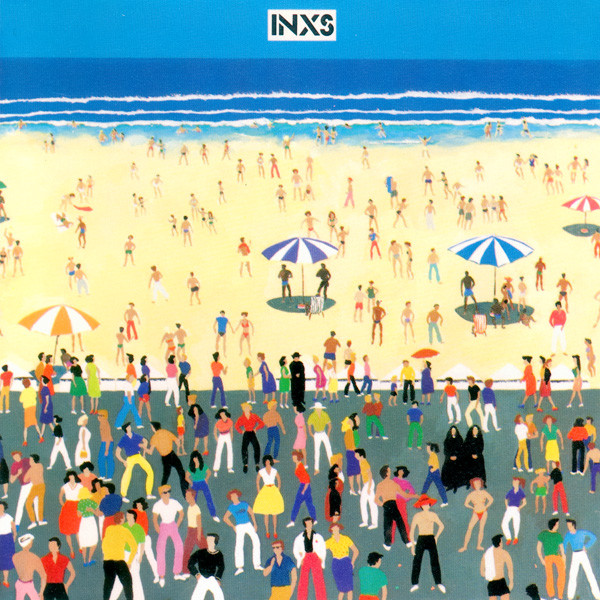
INXS
1980

The Best Of INXS
2002

Underneath The Colours
1981

Elegantly Wasted
1997
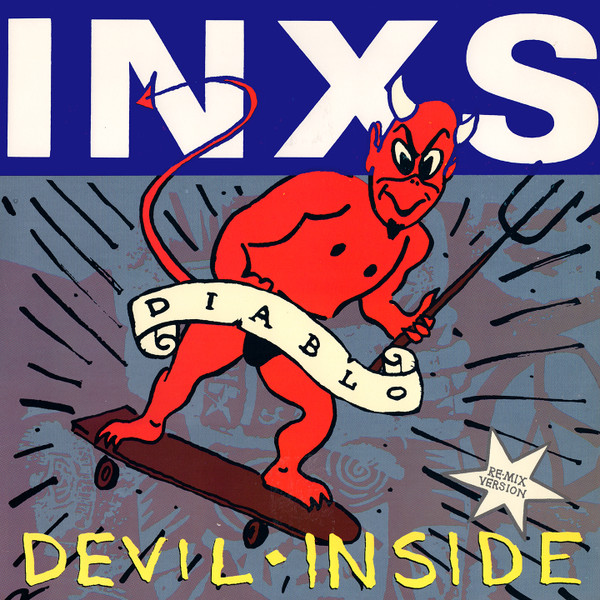
Devil Inside
1988

What You Need
1985

Dekadance
1983

The Very Best
2011

The Years 1979-1997
2002

Listen Like Thieves
1986
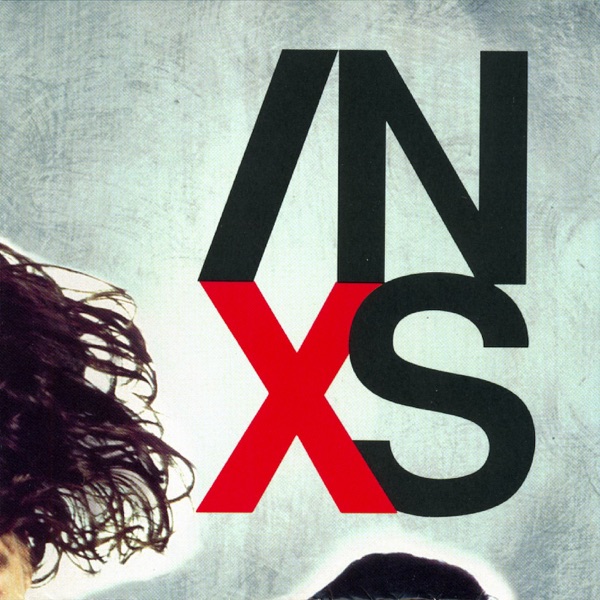
Live Baby Live Wembley Stadium
2019

Please (You Got That...)
1993
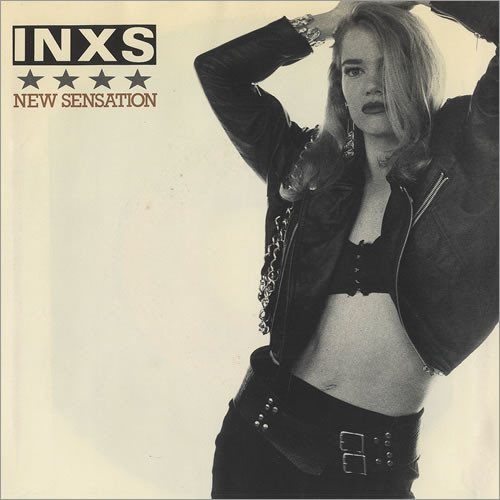
New Sensation
1988
Related artists
Members
Frequent collaborators
Around the web
Follow every record they touch.
Start your shelf and Gatefold tracks INXS's new pressings, tour dates, and the whole discography — automatically.
Start your shelf →Free forever. Works with 10 records or 10,000.