
Artist
Neil Young
Canadian singer, songwriter & musician
Toronto, Canada · b. 1945
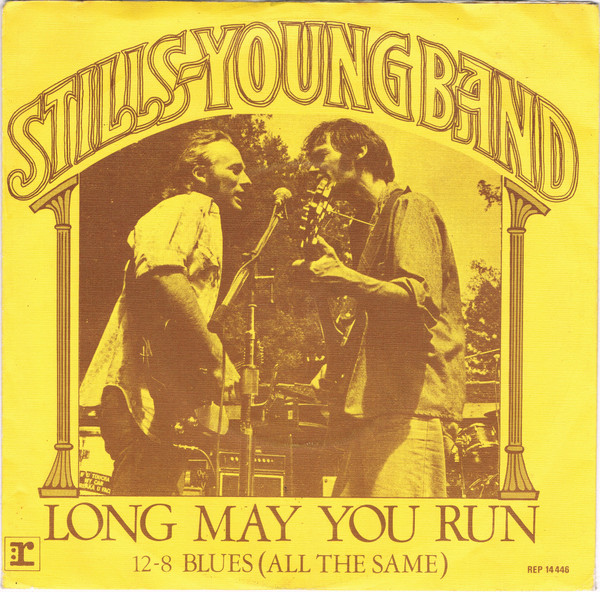
Neil Young is a musician from Toronto, Canada, active since 1945. Their discography on Gatefold includes 24 records. They also recorded with Crosby, Stills, Nash & Young, The Stills–Young Band, Buffalo Springfield, Crazy Horse and The Ducks.

74
Albums tracked
2,822
In collections
1945
Since
Biography
Neil showed up at Sunset Sound in '68 with a solo debut so over-produced and 'processed' that he spent the next fifty years trying to scrub the polish off his skin. He realized early on that a pristine take is usually a lie, so he started chasing the dirt instead. That meant plugging a 1953 Gibson Les Paul into a Tweed Deluxe amp that sounds like it’s screaming for its life and surrounding himself with guys like Crazy Horse who weren't session pros, but knew exactly how to stumble through a groove until it felt dangerous. He’s the only guy who would follow up his biggest commercial hit, Harvest, with a trilogy of records so bleak and jagged they practically dared the audience to walk out. He’ll give you a country-folk masterpiece one year and a wall of feedback the next, mostly because he gets bored faster than the suits at Reprise can keep up with. He’s frustrating, stubborn, and completely allergic to his own success, which is exactly why he’s still the most vital guy from that whole California scene. If the needle isn't in the red, he isn't interested.
Bio from The Clerk
The Arc of Neil Young
The pivots — what forced Neil Young to reinvent.
The Ditch Trilogy
After the massive success of Harvest, Neil took a hard left into the mud because he hated the 'middle of the road' fans he was attracting. He dragged a mobile recording truck to his ranch and tracked Tonight's the Night while everyone was drunk, mourning dead friends, and hitting wrong notes on purpose. This era gave us On the Beach and Time Fades Away, records that feel like they’re falling apart at the seams. You hear the grief and the tequila in every crack of his voice, proving that sometimes the best way to save your soul is to tank your career.
The Geffen Sabotage
The 80s were a beautiful disaster where Neil fought his new label by making records that sounded nothing like 'Neil Young.' He bought a Sennheiser Vycorder and made Trans, a synth-heavy weirdo project that confused the hell out of everyone who wanted another Heart of Gold. When the label sued him for making music that wasn't 'characteristic' of himself, he doubled down with a rockabilly record called Everybody’s Rockin’. It was a pure spite-driven era that proved he’d rather be a failure on his own terms than a legacy act on someone else's.
The Godfather of Grunge
By 1990, the hair metal scene was dying and the kids in Seattle were looking for a blueprint, which they found in the feedback of Ragged Glory. He linked back up with Crazy Horse, cranked the amps in a barn, and let the songs run ten minutes deep with jagged, unpolished solos. This culminated in the Mirror Ball sessions with Pearl Jam, where he basically handed the keys of the castle to a bunch of guys half his age. It wasn't a comeback—it was a reminder that he’d been playing louder and sloppier than the punks since before they were born.
Influences
- Link Wray — Neil has cited the 1958 instrumental 'Rumble' as the first time he realized a guitar could sound threatening. You hear that raw, distorted power in the heavy chug of 'Cinnamon Girl' and his refusal to use clean tones. He didn't want to be a virtuoso; he wanted to be loud and dangerous like Wray.
- Bob Dylan — Neil once called himself a 'B-student' of Dylan, particularly obsessed with the lyrical sprawl of 'Like a Rolling Stone.' The DNA of Dylan’s mid-60s electric shift is all over the narrative structure of 'Last Trip to Tulsa.' It gave him the permission to be wordy and cryptic whenever the song demanded it.
- The Shadows — Before he was a folkie, Neil was in a surf-rock band called The Squires playing Gretsch guitars to mimic Hank Marvin’s vibrato. That clean, haunting tremolo sound never really left him, showing up in the lonely, echoing space of 'Down by the River.' Even at his loudest, he’s still chasing that early 60s instrumental atmosphere.
- Jimmy Reed — The loose, almost lazy shuffle of Reed’s blues influenced the way Neil approaches a groove with Crazy Horse. You hear it in the 'behind the beat' feel of 'On the Beach,' where the rhythm section feels like it's barely hanging on. It’s about the feel of the pocket rather than the precision of the timing.
- Roy Orbison — Neil frequently points to Orbison’s vocal vulnerability and those high, lonely notes as a major touchstone for his own falsetto. On tracks like 'Birds' or 'I Believe in You,' he’s aiming for that same operatic heartbreak. He took Orbison's drama and stripped away the velvet to make it hurt more.
Neil Young — solo
Their records — most-collected first.
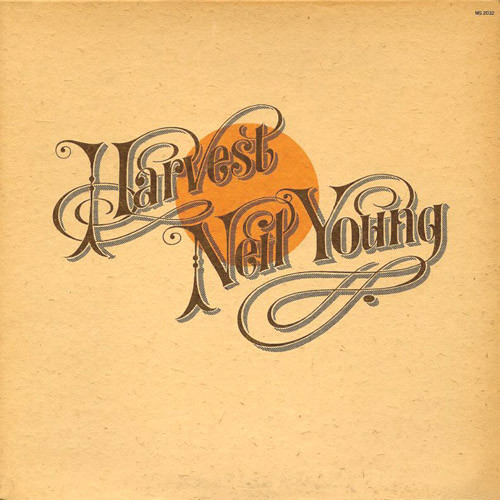
Harvest
1972
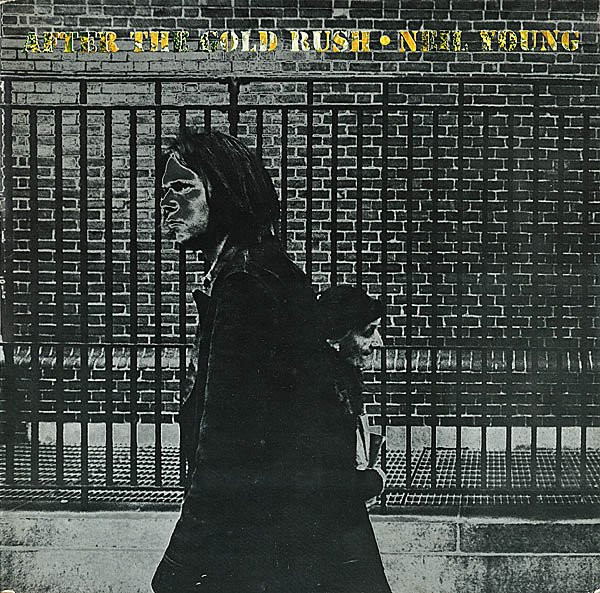
After The Gold Rush
1970
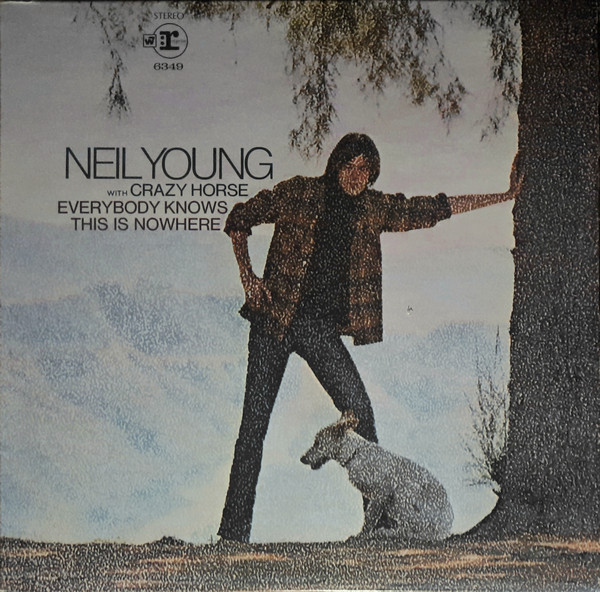
Everybody Knows This Is Nowhere
1969
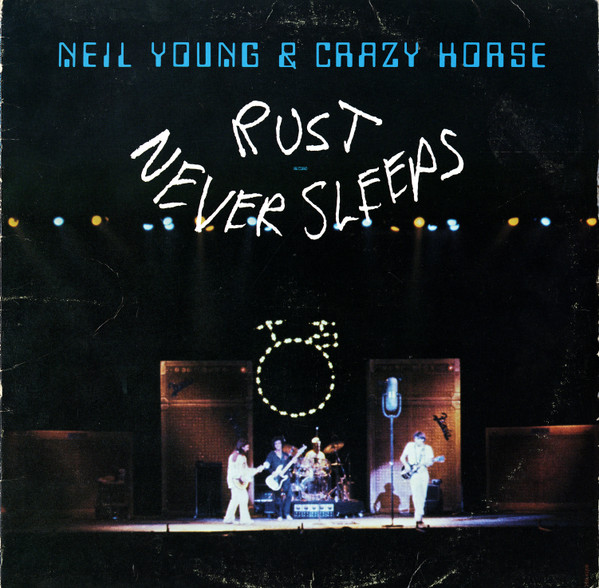
Rust Never Sleeps
1979
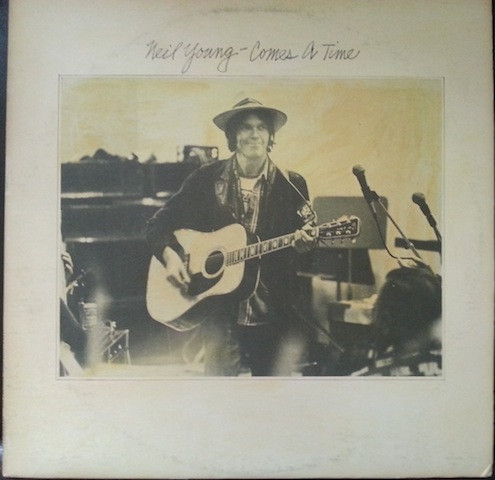
Comes A Time
1978
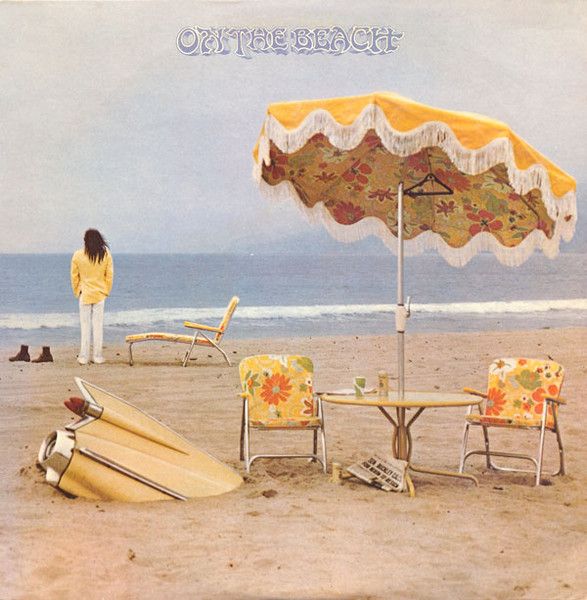
On The Beach
1974
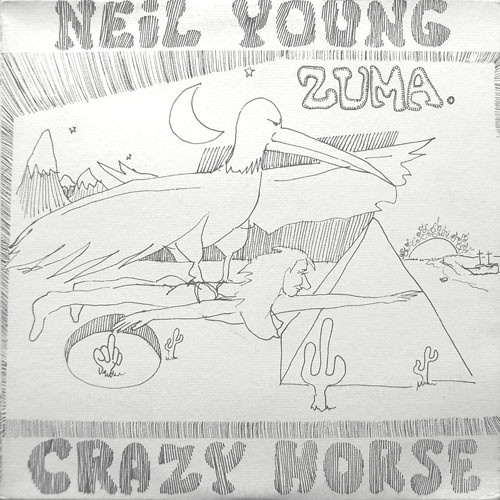
Zuma
1975
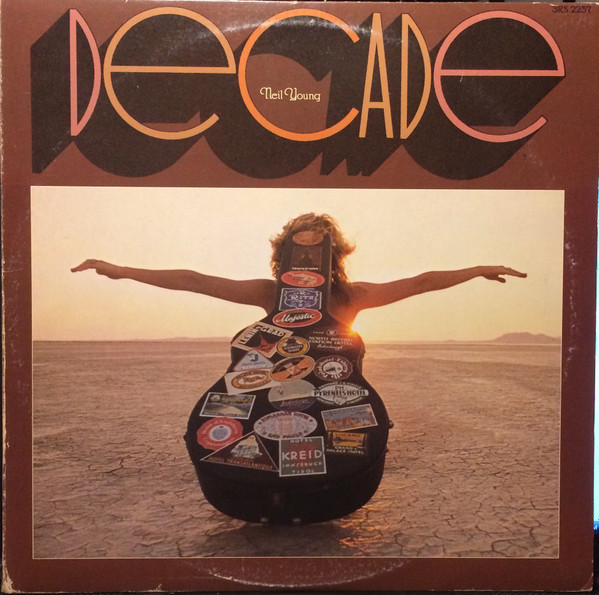
Decade
1977
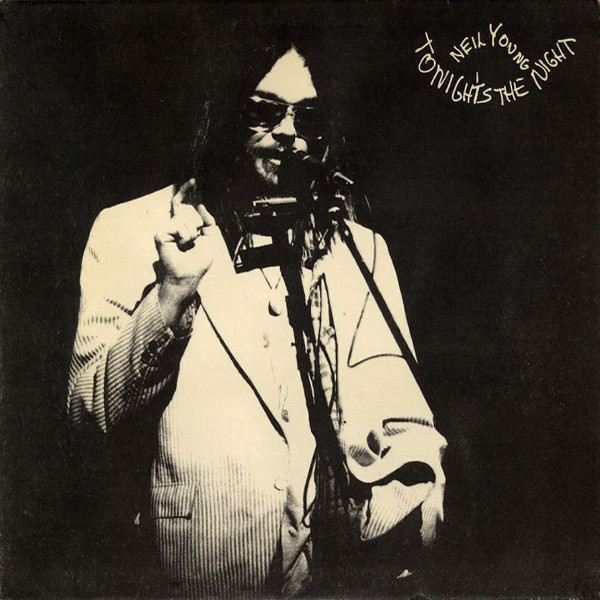
Tonight's The Night
1975
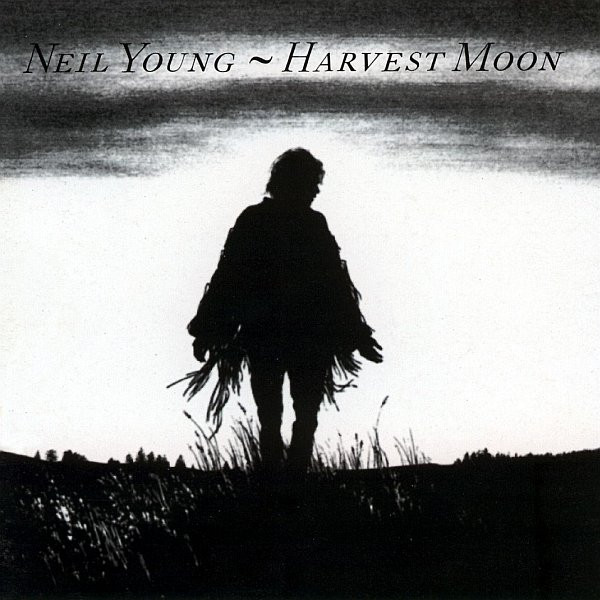
Harvest Moon
1992
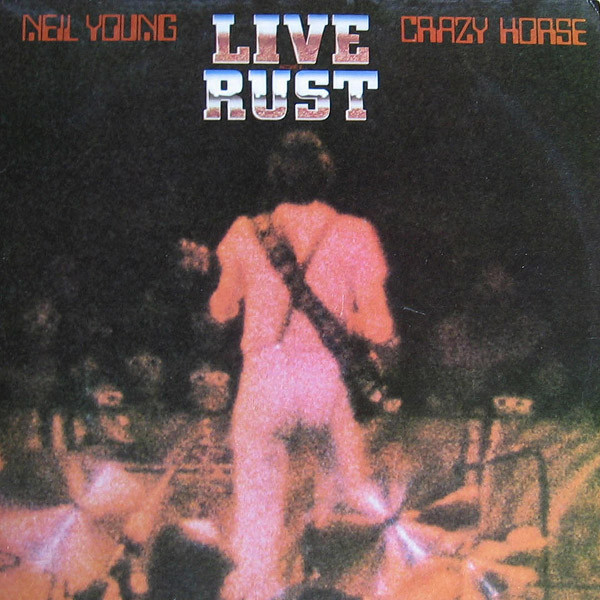
Live Rust
1979
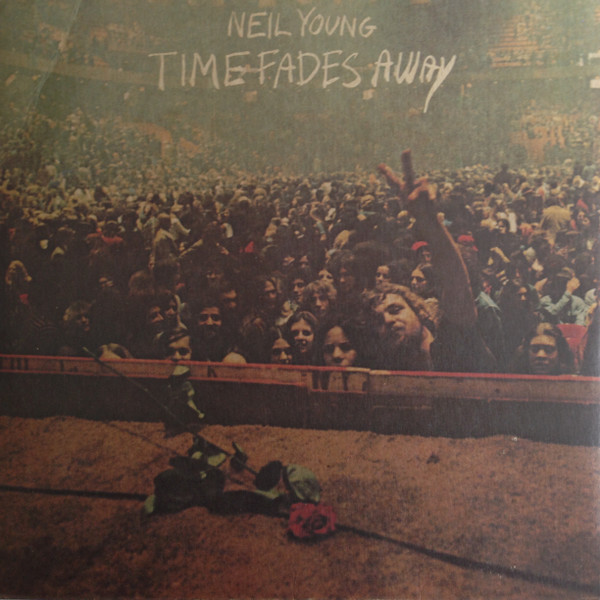
Time Fades Away
1973
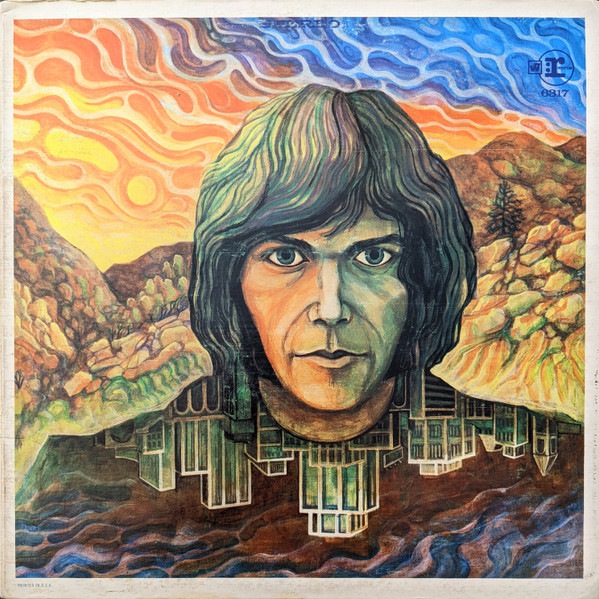
Neil Young
1969
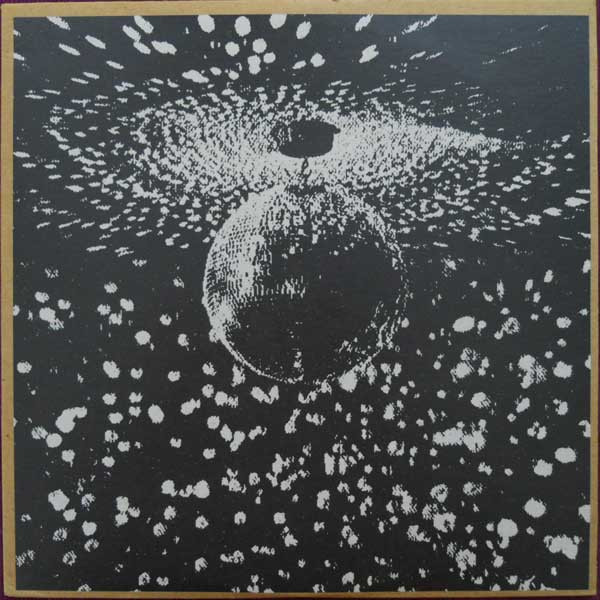
Mirror Ball
1995
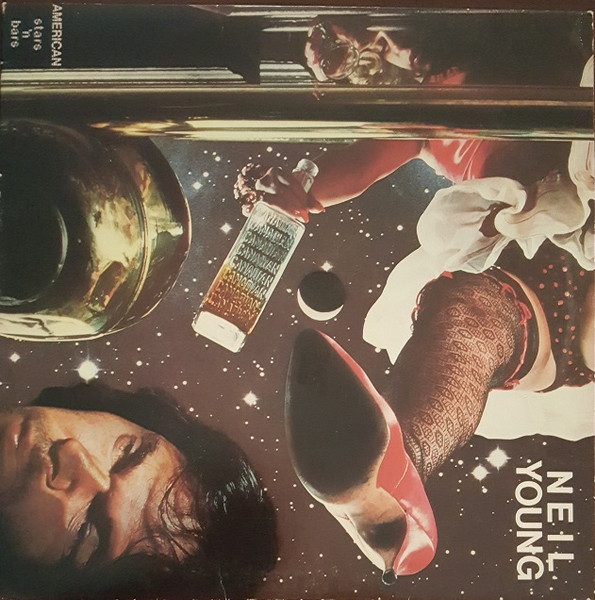
American Stars 'N Bars
1977

Live At Massey Hall 1971
2007
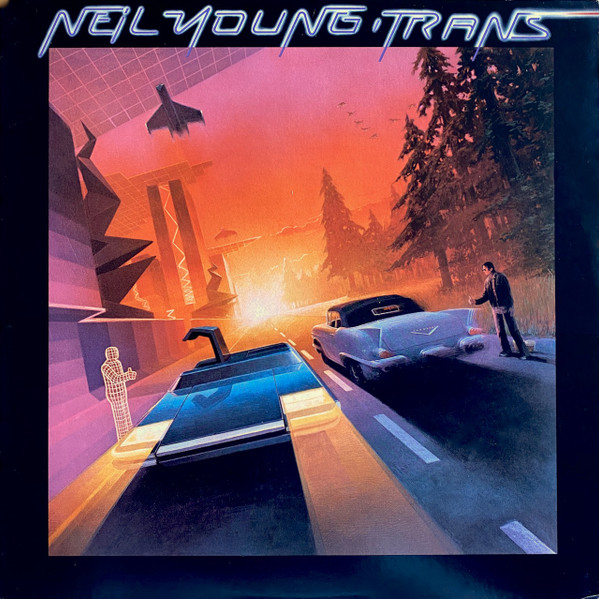
Trans
1982
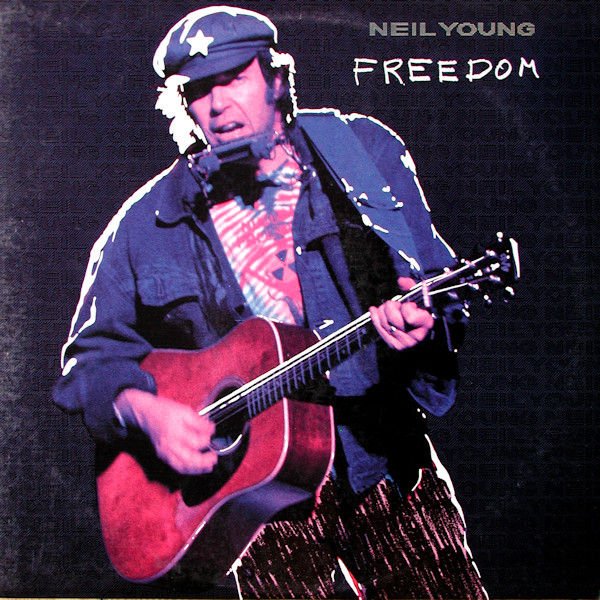
Freedom
1989
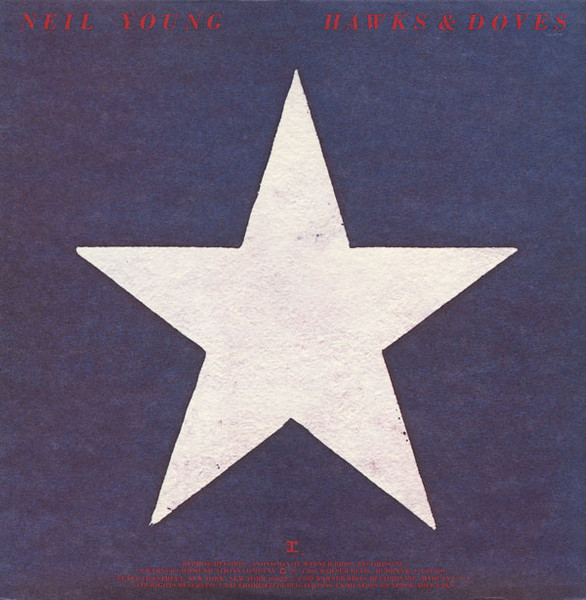
Hawks & Doves
1980
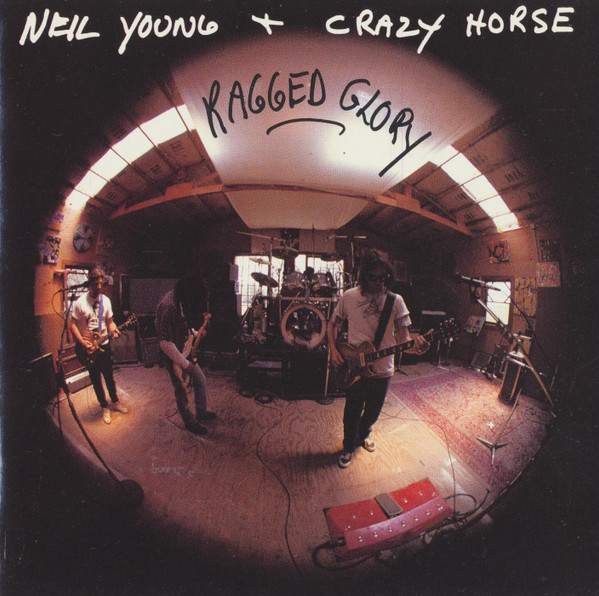
Ragged Glory
1990
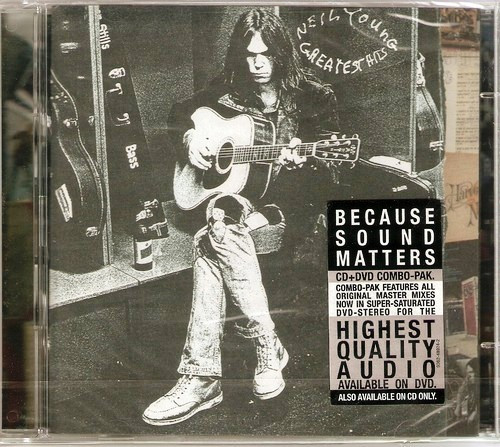
Greatest Hits
2004
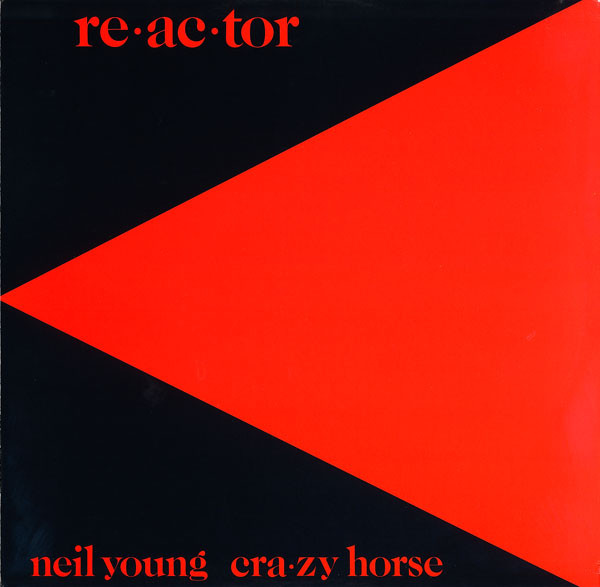
Re·ac·tor
1981
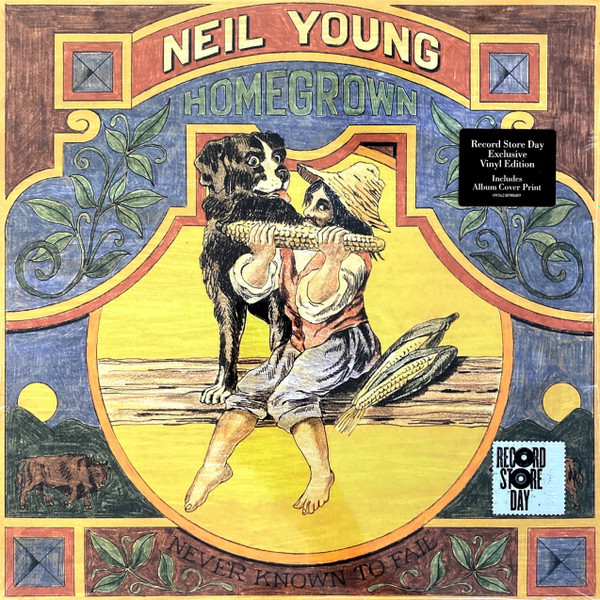
Homegrown
2020

Hitchhiker
2017
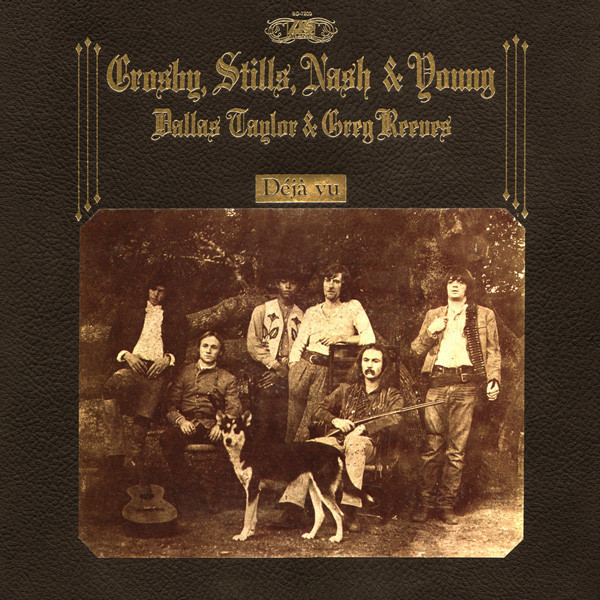
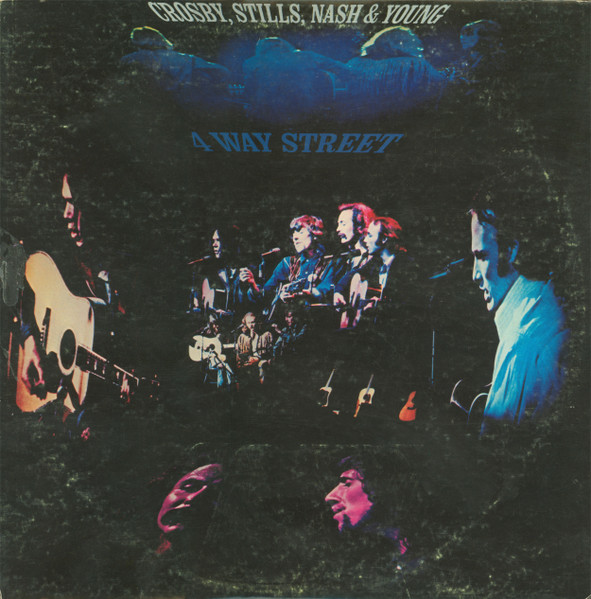
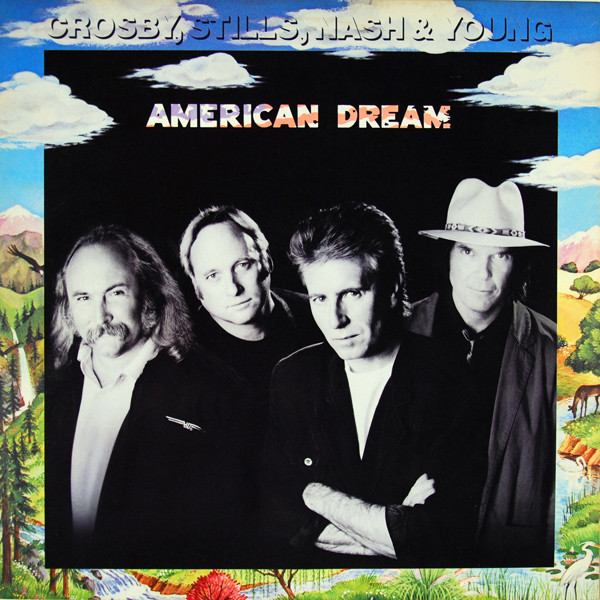
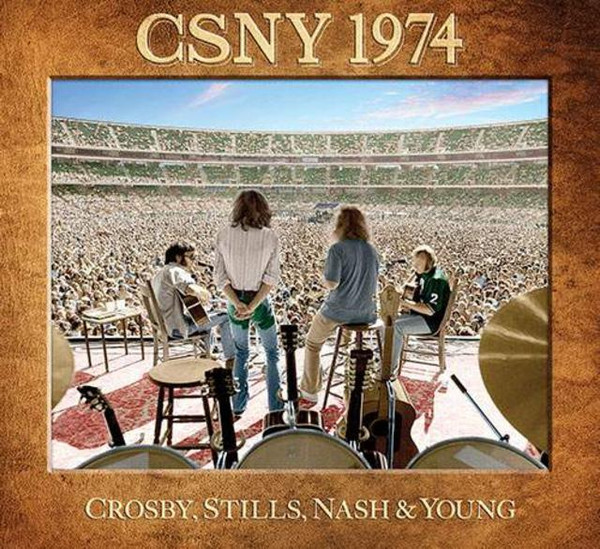
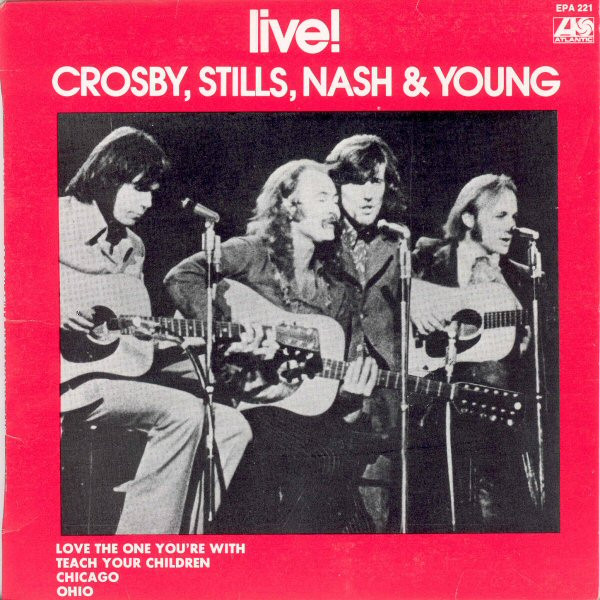
Crosby, Stills, Nash & Young
Neil Young under another name — MusicBrainz marks this project eponymous.




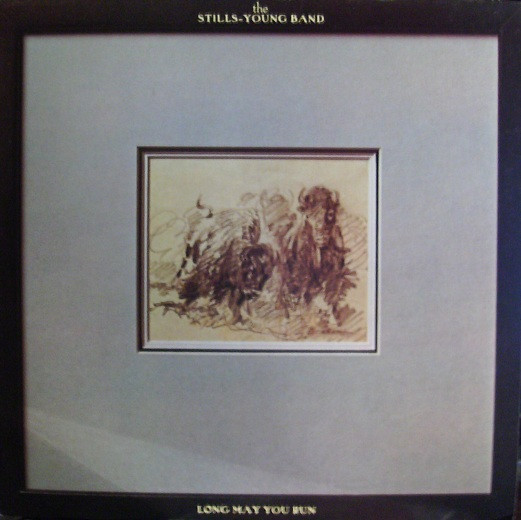
The Stills–Young Band
Neil Young under another name — MusicBrainz marks this project eponymous.
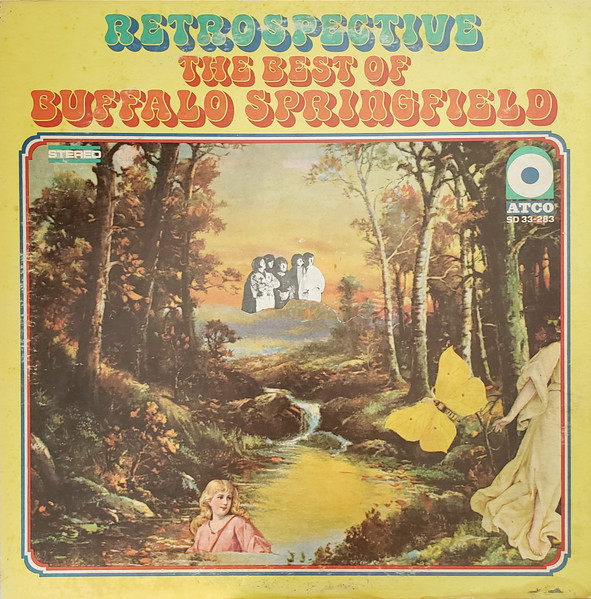
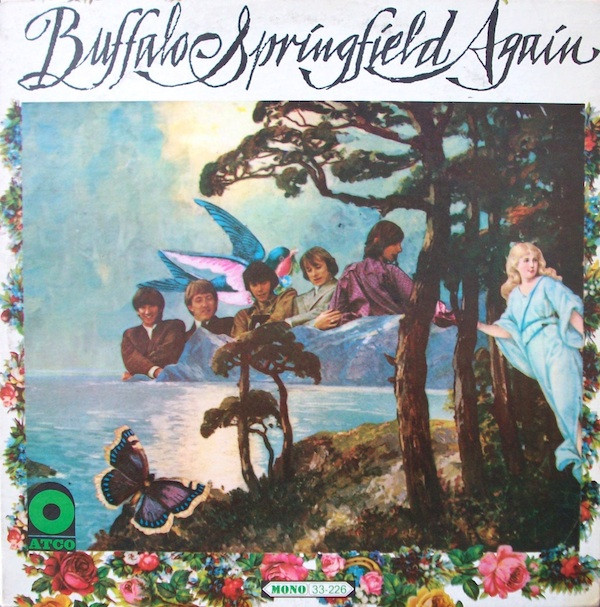
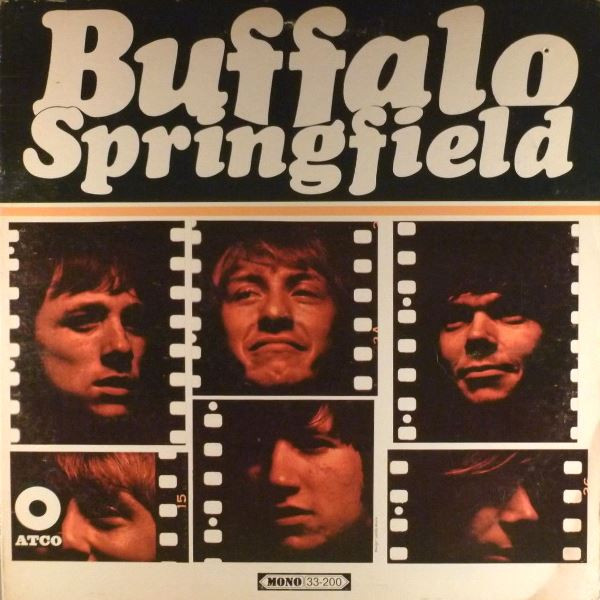
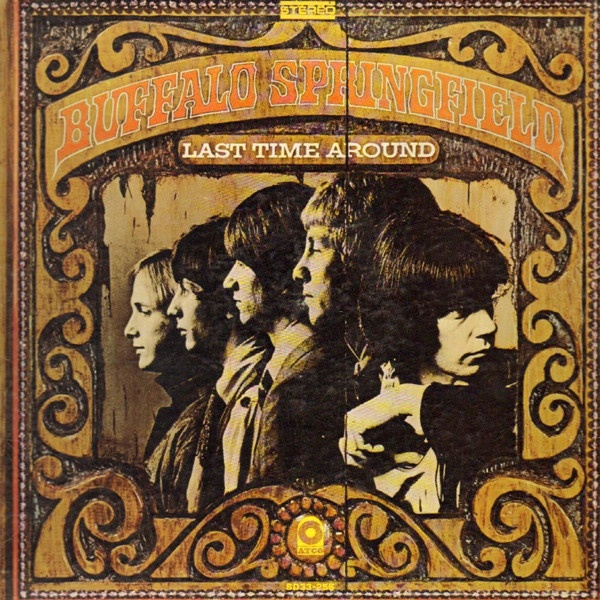
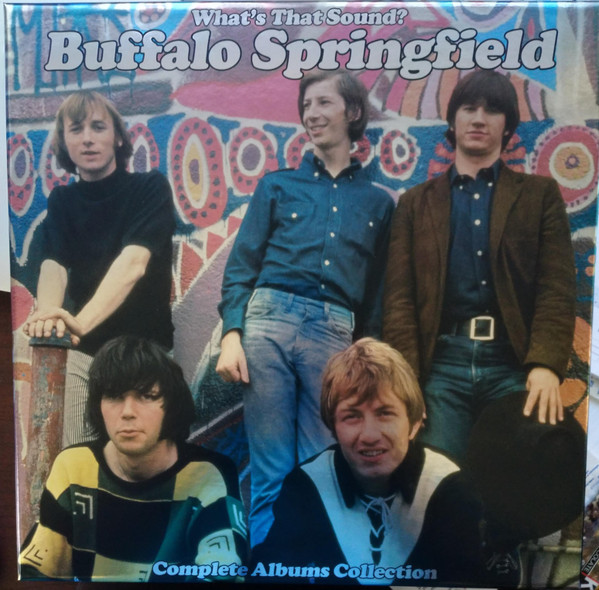
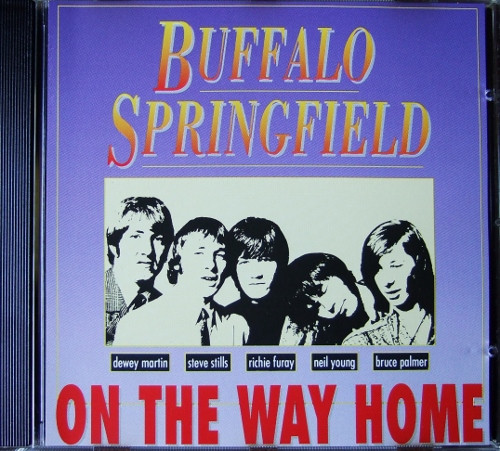
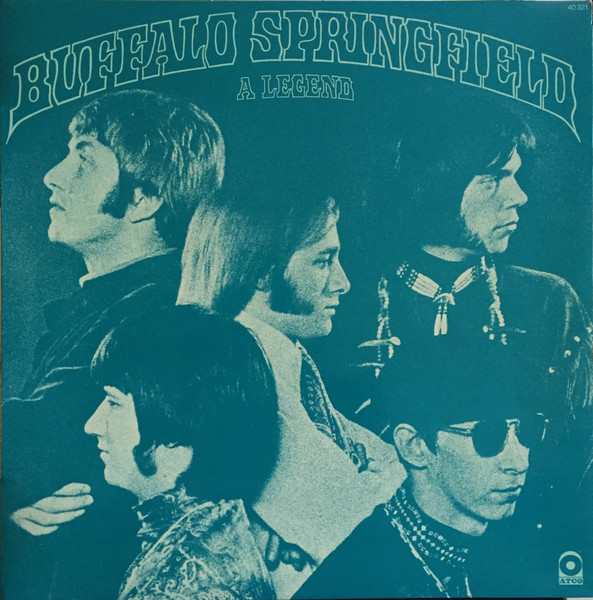
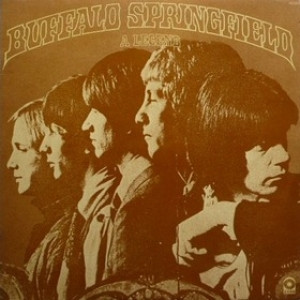
Buffalo Springfield
A project Neil Young was part of. Former member.
Crazy Horse
A project Neil Young was part of.


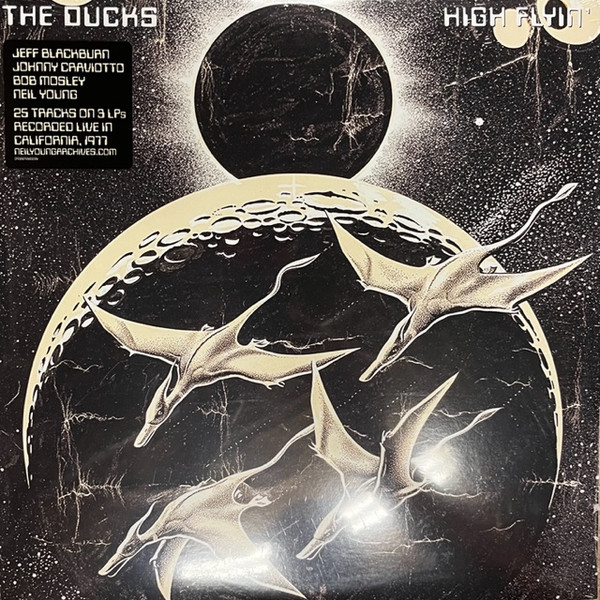
The Ducks
A project Neil Young was part of.

Related artists
More projects
Around the web
Follow every record they touch.
Start your shelf and Gatefold tracks Neil Young's new pressings, tour dates, and the whole discography — automatically.
Start your shelf →Free forever. Works with 10 records or 10,000.