
Artist
Pearl Jam
Seattle, United States · Formed 1990
Pearl Jam is a music group from Seattle, United States, active since 1990. Their discography on Gatefold includes 24 records.

62
Albums tracked
1,805
In collections
1990
Since
Biography
Rick Parashar's cheap digital delay on Mike McCready's yellow Stratocaster in London Bridge Studios practically defined the early nineties Seattle guitar sound, but the guys playing it were already survivors. Stone Gossard and Jeff Ament had their previous band, Mother Love Bone, fall apart when singer Andrew Wood overdosed days before their debut hit shelves. They got Eddie Vedder via a demo tape passed through San Diego surfer circles, plugged him into a room with McCready and Dave Krusen, and cut Ten in a rush of grief and raw muscle. It was a massive commercial juggernaut they never actually wanted to carry. By 1993, they were actively trying to self-destruct to save their own lives. They fired their manager, refused to make music videos, sued Ticketmaster, and started releasing abrasive, self-consciously difficult records designed to weed out the casual stadium tourists. That stubbornness preserved their career while their peers burned out or died. They survived the nineties by morphing from a volatile arena-rock machine into a tightly run, fiercely independent touring cooperative that operated like a heavier, grittier Grateful Dead.
Bio from The Clerk
The Arc of Pearl Jam
The pivots — what forced Pearl Jam to reinvent.
The Ten Juggernaut
They tracked the debut with Dave Krusen on drums, but the instant fame of singles like Jeremy almost tore them apart. McCready was channeling Stevie Ray Vaughan on his solos while Vedder was dealing with the sudden, suffocating reality of becoming a generational spokesperson. The sound was huge, polished, and radio-friendly, which deeply embarrassed a band that grew up on minor-threat ethics. It set up an immediate, violent internal reaction against their own success.
The Anti-Commercial Rebellion
They hired producer Brendan O'Brien for Vs. and Vitalogy, bringing in Dave Abbruzzese to play a tighter, sharper pocket. Vedder took control of the songwriting, actively stripping away the polished arena-rock sheen in favor of jagged punk tempos and bizarre art-rock experiments like Pry, To. They stopped making music videos entirely, pulled back from interviews, and went to war with Ticketmaster over service fees. This was the era where they chose longevity over market share, proving they would rather break their own momentum than let the industry run them.
The Jack Irons Shift
The firing of Abbruzzese and the arrival of former Red Hot Chili Peppers drummer Jack Irons completely altered their rhythmic DNA for No Code and Yield. Irons brought a tribal, polyrhythmic sensibility that unlocked a looser, more atmospheric side of the band. You can hear it on tracks like Who You Are, which swapped the straight-ahead rock crunch for weird time signatures and open guitar tunings. It was the moment they transitioned from angry young men into a mature, experimental art-rock collective.
The Matt Cameron Era
When Irons left due to the exhaustion of touring, they drafted Soundgarden drummer Matt Cameron to fill the seat, cementing their permanent modern lineup. Cameron brought an absolute clinic of power and precision that stabilized the band during a dark period that included the Roskilde festival tragedy. Records like Binaural and Riot Act showed a band leaning into somber, politically charged folk-rock and dark psychedelia. They emerged as a bulletproof live institution, trading radio hits for three-hour setlists.
Influences
- Neil Young — The band backed him on his 1995 album Mirror Ball and toured as his backing group. You hear his ragged, distorted guitar tone directly in McCready's lead work on Corduroy. It is the blueprint for their entire career longevity model.
- The Who — Eddie Vedder frequently cites Pete Townshend as his primary songwriting hero and the band has covered Baba O'Riley live hundreds of times. The windmill strums and theatrical, high-stakes drama of Rearviewmirror are pure Townshend worship. It is where Vedder learned to treat rock music as a holy sermon.
- The Ramones — They befriended Johnny Ramone, played their final tour dates with them, and inducted them into the Rock and Roll Hall of Fame. The lightning-fast down-stroked guitar chords on Spin the Black Circle are a direct homage to Johnny's style. They used punk speed to break out of their classic rock tendencies.
- Fugazi — Jeff Ament and Stone Gossard specifically watched Ian MacKaye's DIY ticket pricing model when planning their 1994 boycott of Ticketmaster. You hear the jagged, rhythmic post-hardcore tension in the basslines of Lukin. They wanted Fugazi's ethics even when they had stadium-sized bank accounts.
- Jimi Hendrix — Mike McCready has explicitly stated that his solo on Yellow Ledbetter was a direct tribute to Little Wing. You hear the fluid, double-stop chord embellishments and heavy use of the whammy bar throughout Ten. It grounded their Seattle grunge sound in classic Pacific Northwest guitar wizardry.
Discography
Their records — most-collected first.
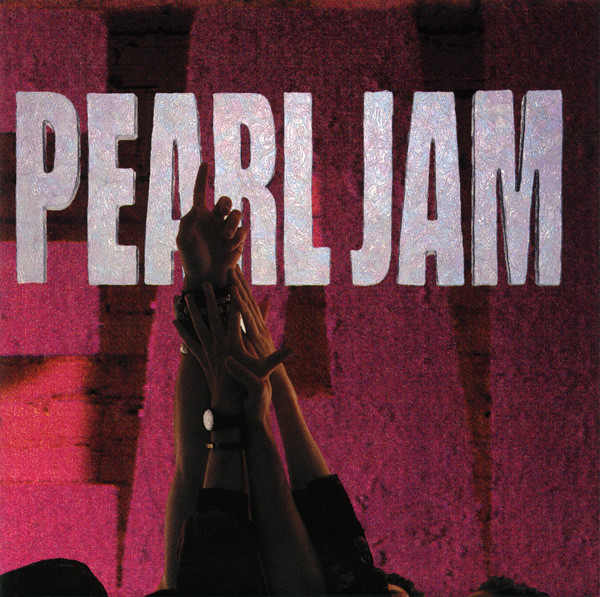
Ten
1991
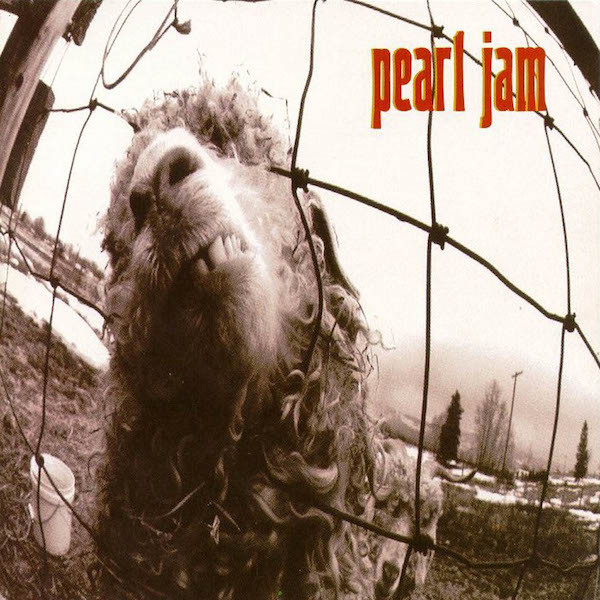
Vs.
1993

Vitalogy
1994
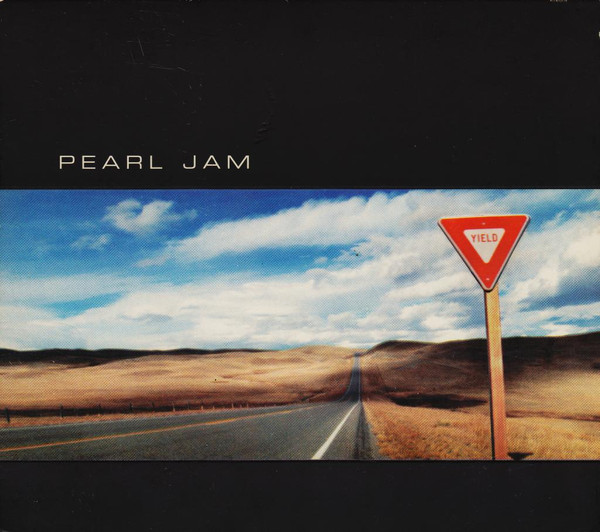
Yield
1998
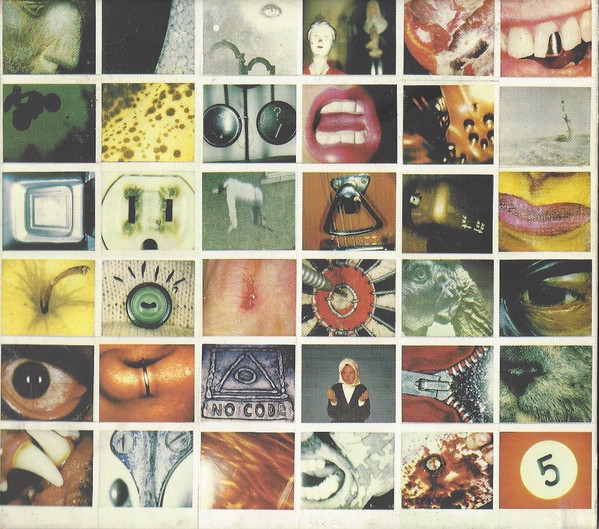
No Code
1996
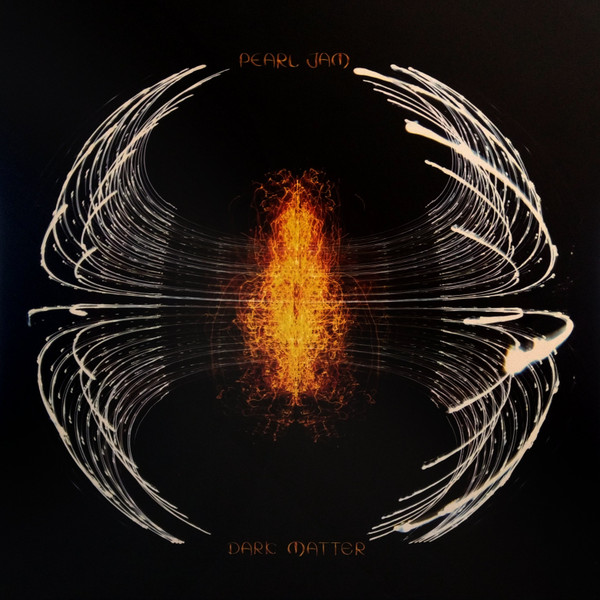
Dark Matter
2024
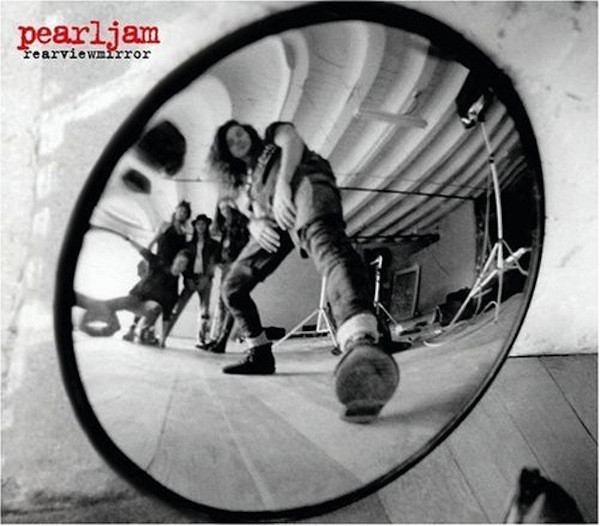
Rearviewmirror (Greatest Hits 1991-2003)
2004
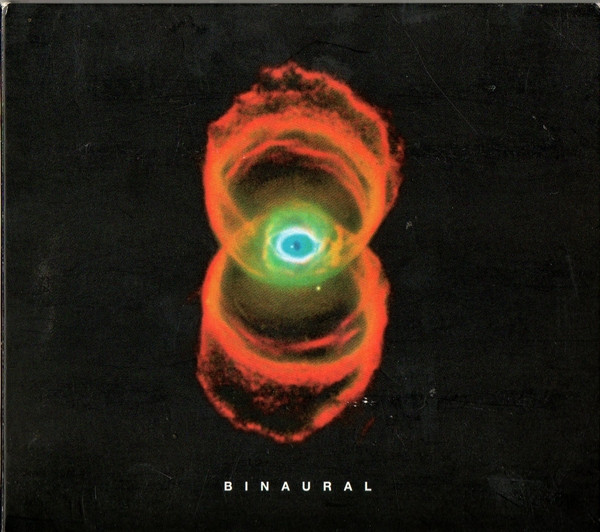
Binaural
2000
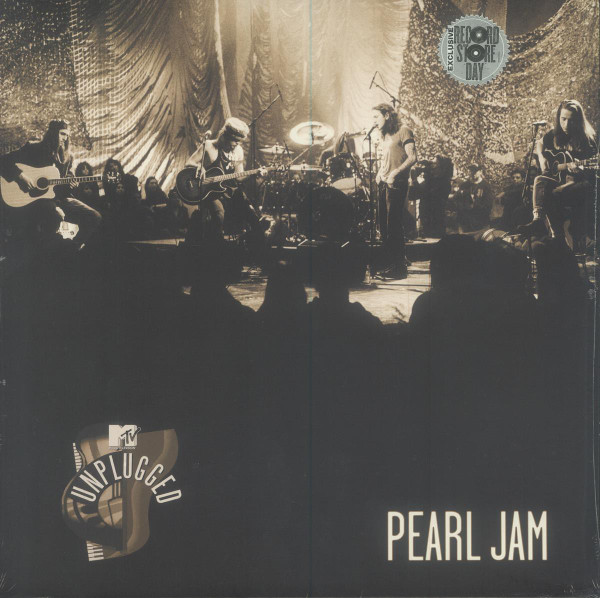
MTV Unplugged
2019
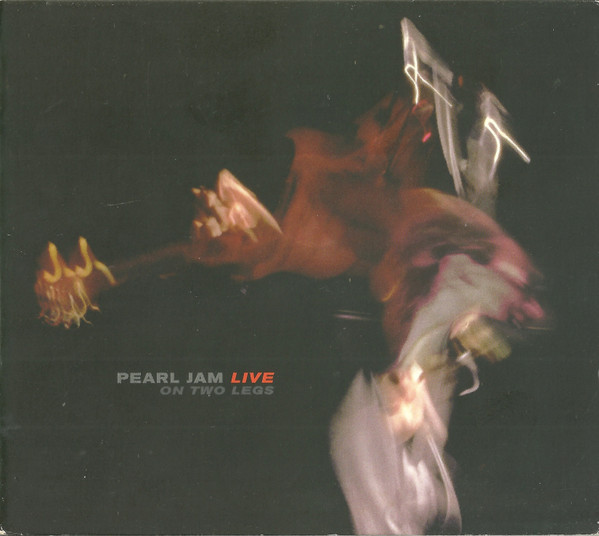
Live On Two Legs
1998

Pearl Jam
2006
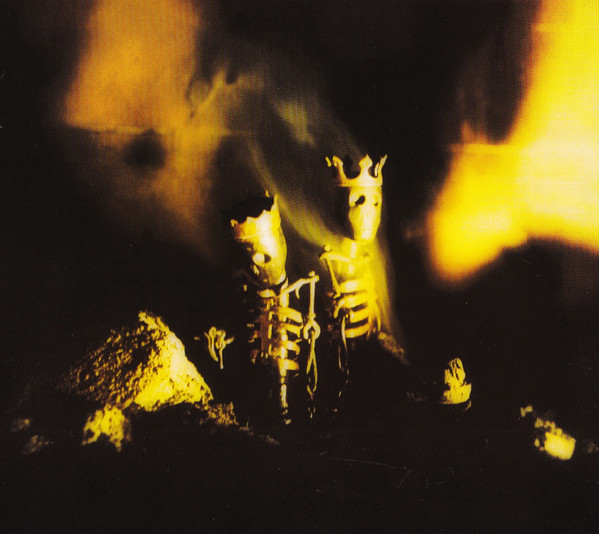
Riot Act
2002

Lightning Bolt
2013

Backspacer
2009
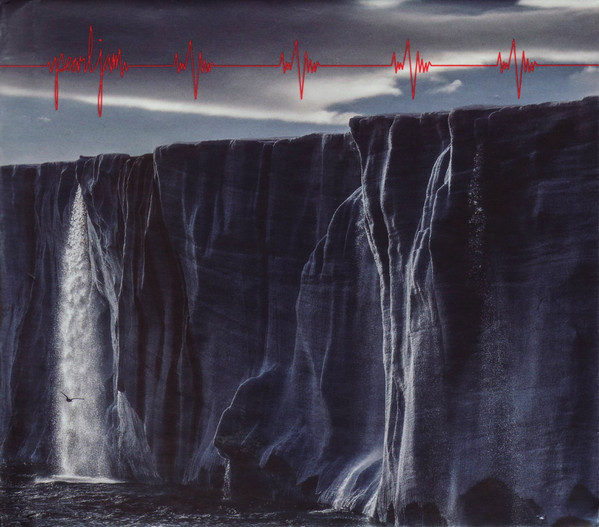
Gigaton
2020
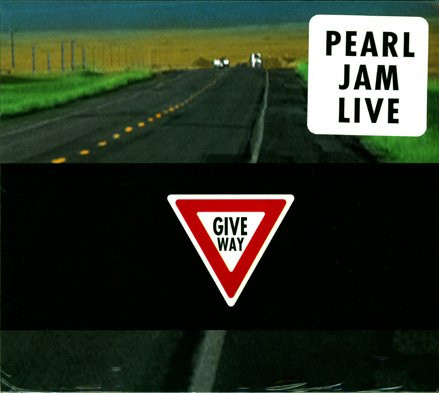
Give Way
1998
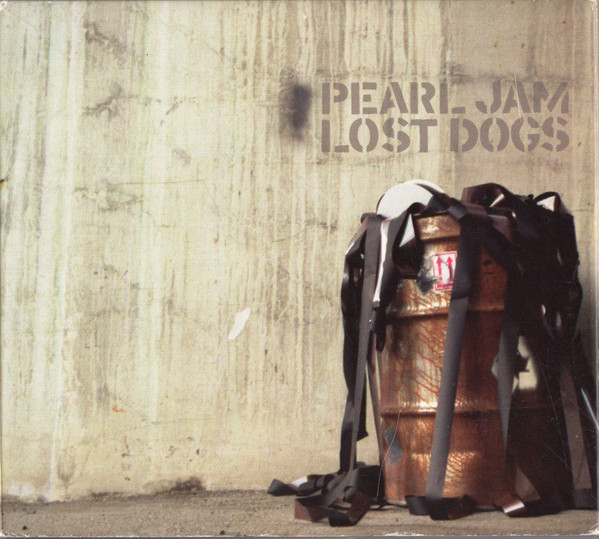
Lost Dogs
2003

Alive
1991
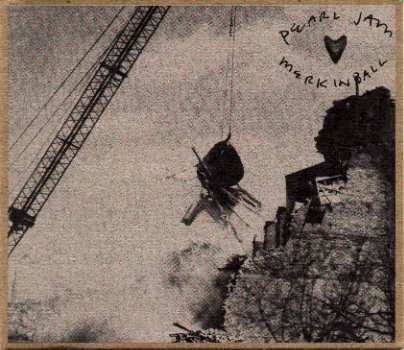
Merkinball
1995
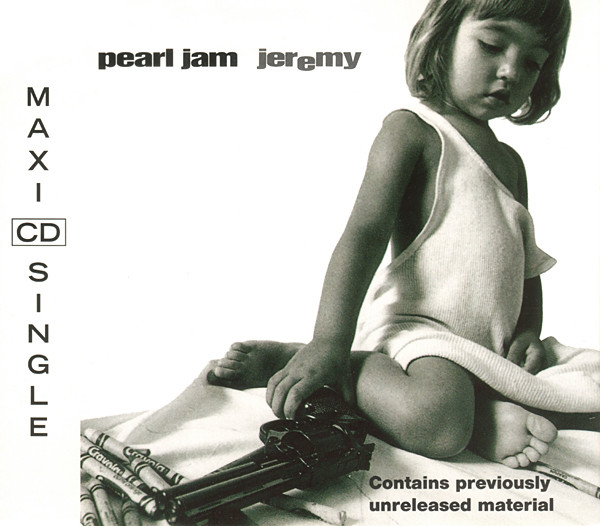
Jeremy
1992
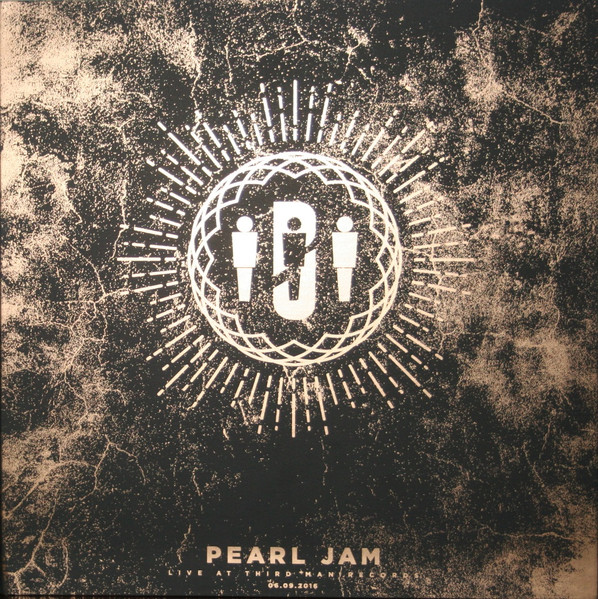
Live At Third Man Records
2016
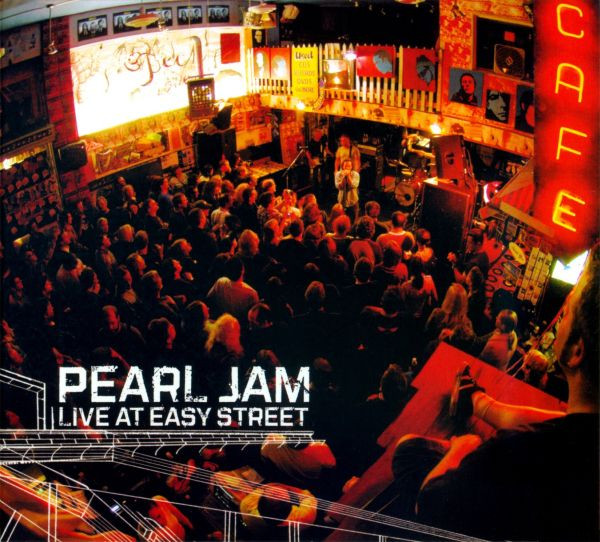
Live At Easy Street
2006

Oct. 22, 2003 - Benaroya Hall
2004
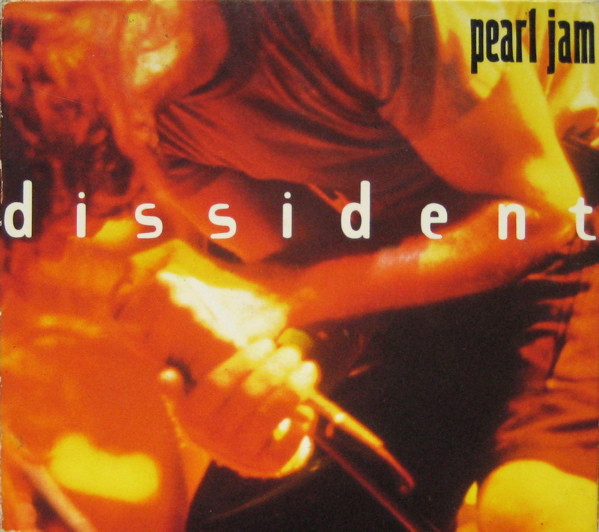
Dissident - Live In Atlanta
1994
Related artists
Members
Frequent collaborators
Around the web
Follow every record they touch.
Start your shelf and Gatefold tracks Pearl Jam's new pressings, tour dates, and the whole discography — automatically.
Start your shelf →Free forever. Works with 10 records or 10,000.