
Artist
Mission of Burma
Boston, United States · 1979 – 2016
Mission of Burma is a music group from Boston, United States, active 1979–2016. Their discography on Gatefold includes 9 records.
9
Albums tracked
38
In collections
1979
Since
Biography
Martin Swope sat at the back of the room with a Revox tape deck and a couple of foot pedals, grabbing live loops of the band and feeding them back into the PA with a slight delay. That wasn't a studio trick or some high-concept art project; it was how they played every dive bar in Boston. Most of those 1980s post-punk bands were trying to sound like the future, but Burma sounded like a building collapsing in slow motion. Roger Miller was already losing his hearing from the sheer volume of his Fender Stratocaster, which is why they had to call it quits by '83. They weren't interested in being rock stars, which is why the 2002 reunion actually worked. Usually, when a band comes back after twenty years, it’s a pathetic cash grab, but they replaced Swope with Bob Weston from Shellac and somehow got louder and more angular. They didn't try to rewrite 'That’s When I Reach for My Revolver' a dozen times. They just kept pushing that abrasive, rhythmic tension until it didn't make sense to do it anymore in 2016.
Bio from The Clerk
The Arc of Mission of Burma
The pivots — what forced Mission of Burma to reinvent.
The Tape Loop Terror
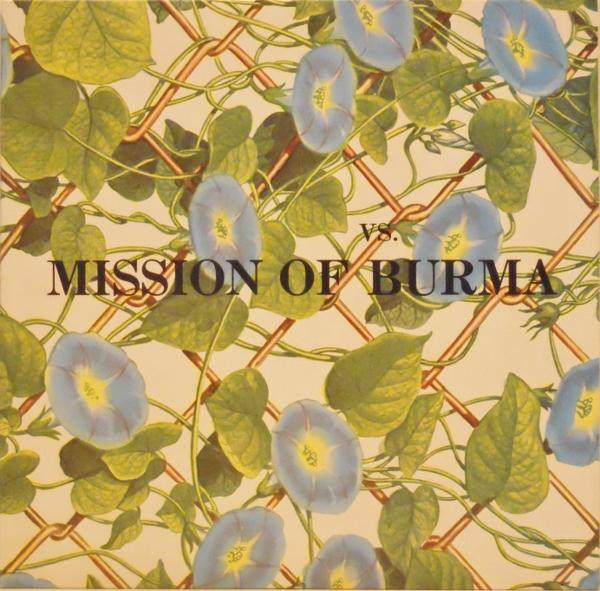
From 1979 to 1983, the band operated as a four-piece where the fourth member didn't even touch an instrument. Martin Swope’s manipulation of reel-to-reel tape transformed standard punk structures into disorienting, psychedelic noise on the fly. You hear it most clearly on the Vs. album, where the transitions feel like a radio dial being spun by a maniac. The tension between Clint Conley’s pop sensibilities and Miller’s avant-garde leanings created a friction that the gear simply couldn't contain.
The Shellac Shift
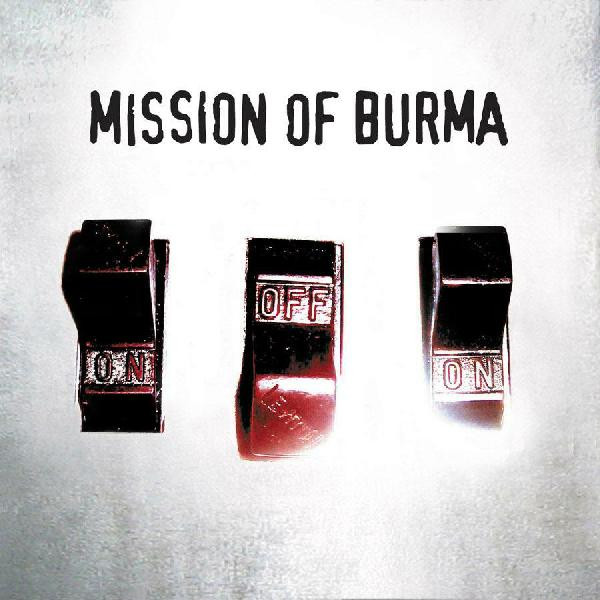
When they regrouped in 2002, they didn't chase their own tail or try to recruit Swope back from his life in Hawaii. Bringing in Bob Weston changed the dynamic from ethereal tape manipulation to a more surgical, percussive attack. Weston’s background with Steve Albini meant the 21st-century records like ONoffON were captured with a dry, punishing clarity that the early 80s sessions lacked. The result was a leaner, meaner version of the band that prioritized rhythmic complexity over the old wash of feedback.
Influences
- Wire — Roger Miller has cited Pink Flag as the record that gave them permission to be brief and brutal. The jagged, non-linear guitar work on Signals, Calls, and Marches is a direct descendant of the minimalist textures found on Chairs Missing.
- Pere Ubu — The band frequently covered '30 Seconds Over Tokyo' in their early sets, anchoring their sound in the same industrial dread found in the Cleveland scene. You can hear David Thomas's influence in the way Peter Prescott and Miller trade frantic, desperate vocal lines.
- The Stooges — Before the art-school leanings took over, Miller and Conley were obsessed with the raw power of Ron Asheton’s riffs. That proto-punk sludge provides the foundation for the more aggressive tracks like 'Trem Two' before the tape loops start tearing the song apart.
- Roxy Music — The decision to include a non-musician at the mixing desk was modeled directly after Brian Eno’s early role in Roxy Music. Martin Swope was essentially their Eno, treating the band's live sound as raw data to be processed and spit back out.
- The Velvet Underground — The band’s penchant for sustained drones and white noise stems from Miller’s fascination with White Light/White Heat. The feedback-heavy climax of 'All World Cowboy Romance' is a straight line back to 'Sister Ray'.
Discography
Their records — most-collected first.





Related artists
Around the web
Follow every record they touch.
Start your shelf and Gatefold tracks Mission of Burma's new pressings, tour dates, and the whole discography — automatically.
Start your shelf →Free forever. Works with 10 records or 10,000.