
Artist
Meat Loaf
Dallas, United States • 1947 – 2022
Meat Loaf is a musician from Dallas, United States, active 1947–2022. Their discography on Gatefold includes 24 records.

24
Albums tracked
249
In collections
1947
Since
Biography
Michael Lee Aday (born Marvin Lee Aday; 27 September 1947 – 20 January 2022), better known by his stage name Meat Loaf, was an American singer and actor. He was recognised for his powerful, wide-ranging voice and theatrical live performances. His "Bat Out of Hell" album trilogy—"Bat Out of Hell" (1977), "Bat Out of Hell II: Back into Hell" (1993), and "Bat Out of Hell III: The Monster Is Loose" (2006)—has sold more than 100 million copies worldwide, making him one of the best-selling music artists of all time.
The Arc of Meat Loaf
The pivots — what forced Meat Loaf to reinvent.
The Steinman-Rundgren Collision
Meat Loaf and Jim Steinman spent years shopping a theatrical rock opera that every major label rejected for being too long and too weird. They finally landed at Bearsville Studios with Todd Rundgren, who used his own money to fund the sessions and recruited members of the E Street Band to provide a muscular, blue-collar foundation for Steinman's teenage-angst poetry. The resulting sound on Bat Out of Hell is a freakish hybrid of Phil Spector’s Wall of Sound and Queen’s vocal layering, driven by Meat’s desperate, high-stakes delivery. It turned a failed stage play into one of the most profitable records in history despite the industry's collective shrug.
The Great Silence and the European Grind
After the massive success of the debut, Meat Loaf lost his voice under the pressure of touring and a grueling vocal range that was never meant for 300 nights a year. Steinman got frustrated and took the songs intended for a sequel to record Bad for Good himself, leaving Meat to scramble through the eighties with subpar material on labels like Arista and MCA. He leaned into a more generic 80s rock sound on albums like Bad Attitude, which featured a duet with Roger Daltrey but lacked the cinematic soul of his early work. This was his survivalist era, where he rebuilt his reputation by playing every sweaty club in Europe while his American career sat in the gutter.
The 1993 Resurrection
Against every logical odds in the year of In Utero and Doggystyle, Meat Loaf reunited with Steinman for a sequel that doubled down on every excess the industry had spent a decade trying to kill. They hired back the old session heavyweights and recorded 'I'd Do Anything for Love (But I Won't Do That),' a twelve-minute lead single that forced radio to play edited versions just to fit the slots. The production on Bat Out of Hell II: Back Into Hell is massive and expensive, trading the raw 70s grit of the original for a polished, digital sheen that somehow made the melodrama feel even bigger. It proved that his audience hadn't disappeared; they were just waiting for the theatrics to return.
Influences
- Richard Wagner — Steinman and Meat Loaf explicitly referenced Wagnerian 'Gesamtkunstwerk' as the blueprint for their 'Total Video' and audio approach. You hear it in the exhausting length of the tracks and the way the arrangements prioritize emotional crescendos over standard verse-chorus structures. It's high-art pretension applied to greasy rock and roll.
- The Who — Meat Loaf cut his teeth in a psych-rock band called Popcorn Blizzard that frequently covered 'Under My Wheels' and cited Pete Townshend’s rock operas as the standard. The explosive, physical drumming and the concept of the 'guitar as a weapon' on the early records is a direct lift from the Tommy era. It gave their theatricality a much-needed aggressive edge.
- Elvis Presley — Meat Loaf frequently cited Elvis's 1968 Comeback Special as the moment he understood the power of a performer's physical presence. You hear the King's DNA in the melodramatic vibrato and the way Meat attacks the lower-register verses before jumping to a scream. It’s the Vegas-era Elvis theatricality dialed up to eleven.
- Phil Spector — The production on Bat Out of Hell was a deliberate attempt to modernize the 'Wall of Sound' for the 1970s. The dense layering of pianos, saxophones, and multiple backing vocalists—often featuring Ellen Foley or Rory Dodd—replicates the mono-era saturation Spector used for the Ronettes. It’s what makes the record feel like it’s bursting out of the speakers.
- Mick Jagger — Before the fame, Meat Loaf was a regular in the cast of Hair and The Rocky Horror Show, where he channeled Jagger’s hyper-sexualized, rubber-limbed stage persona. The way he prowls the stage on the 1978 OGWT performances is pure Stones bravado filtered through a much larger frame. It grounded his theater-kid energy in actual rock and roll frontman tropes.
Discography
Their records — most-collected first.
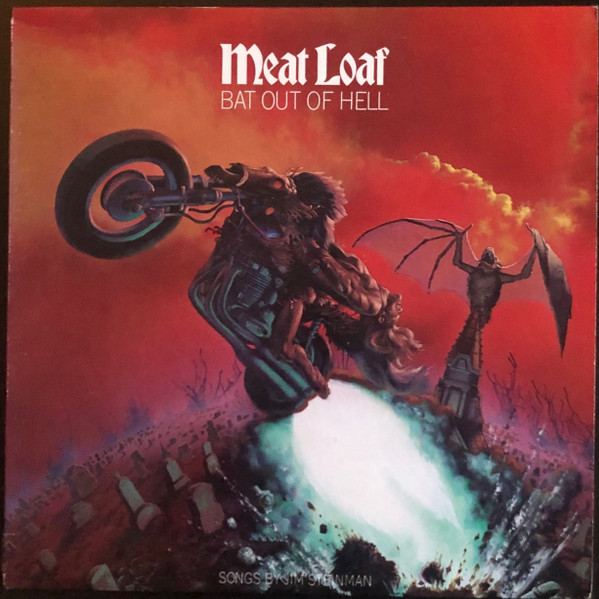
Bat Out Of Hell
1977
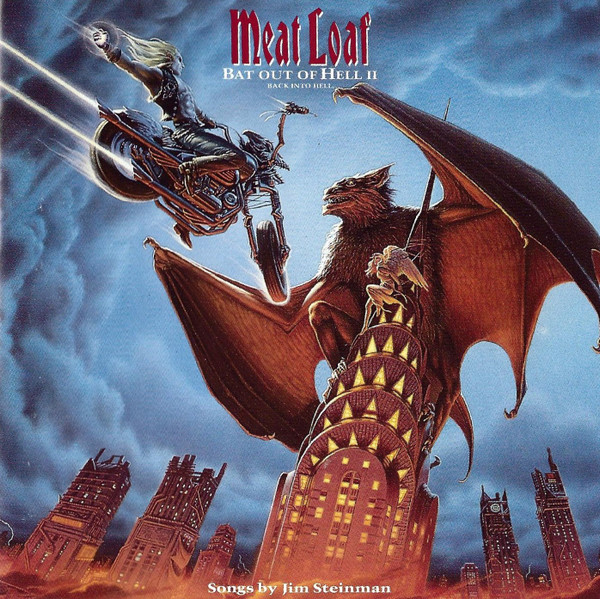
Bat Out Of Hell II: Back Into Hell
1993
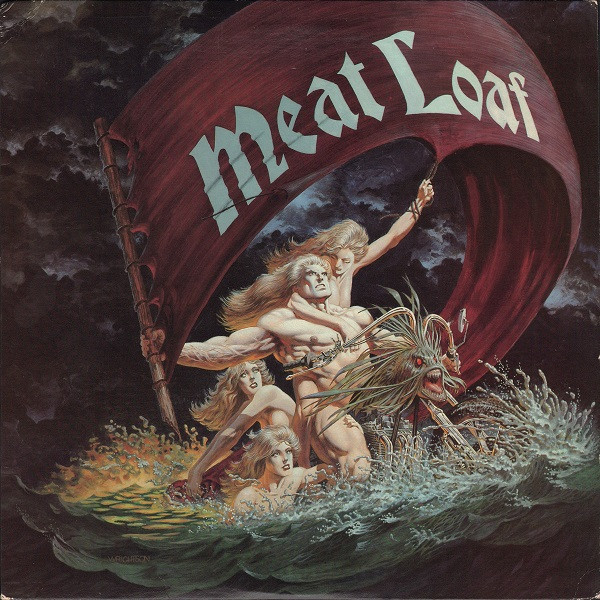
Dead Ringer
1981

Bat Out Of Hell III - The Monster Is Loose
2006

Hits Out Of Hell
1984
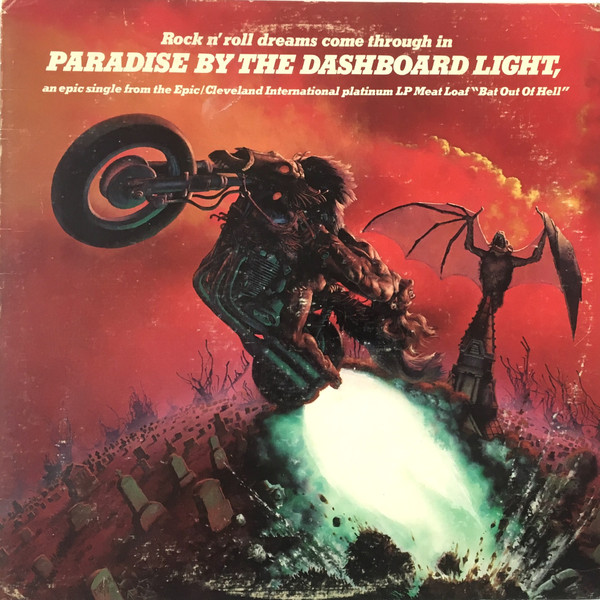
Paradise By The Dashboard Light
1977
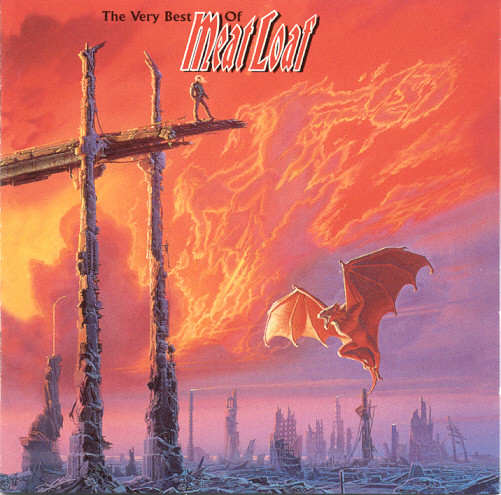
The Very Best Of Meat Loaf
1998
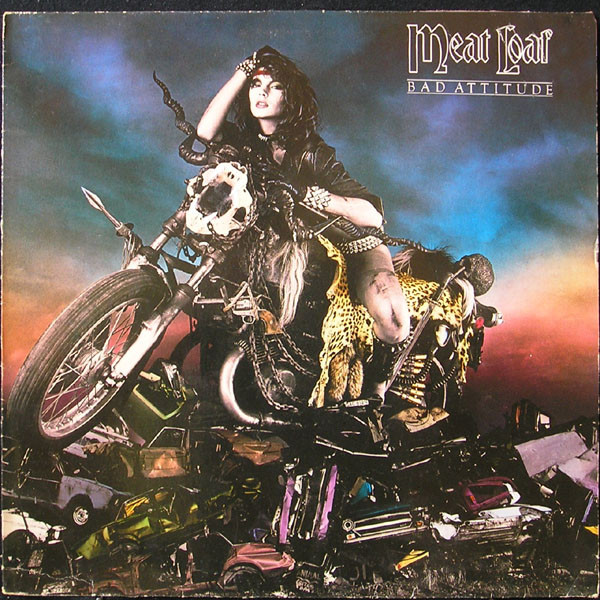
Bad Attitude
1984

Welcome To The Neighborhood
1996

Midnight At The Lost And Found
1983

VH1 Storytellers
1999
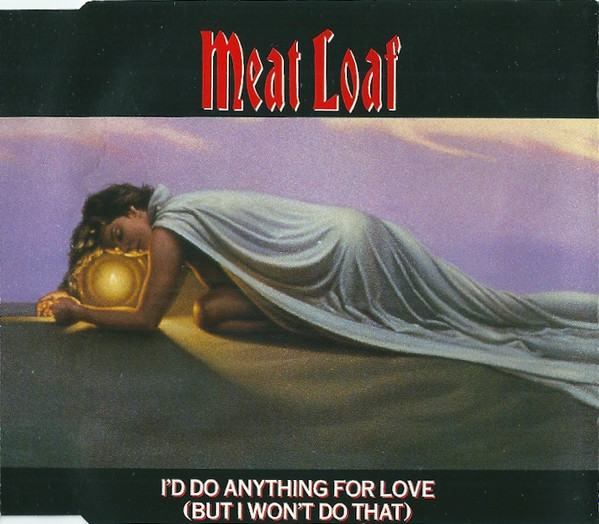
I'd Do Anything For Love (But I Won't Do That)
1993
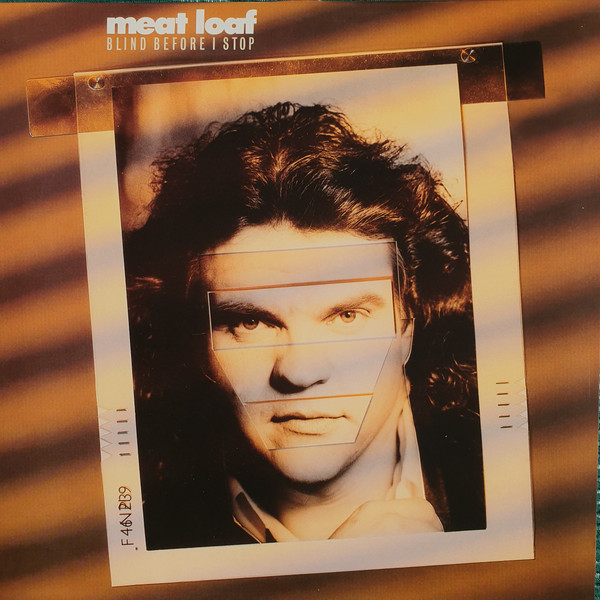
Blind Before I Stop
1986
Braver Than We Are
2016

Piece Of The Action: The Best Of
2009

Alive In Hell
1994
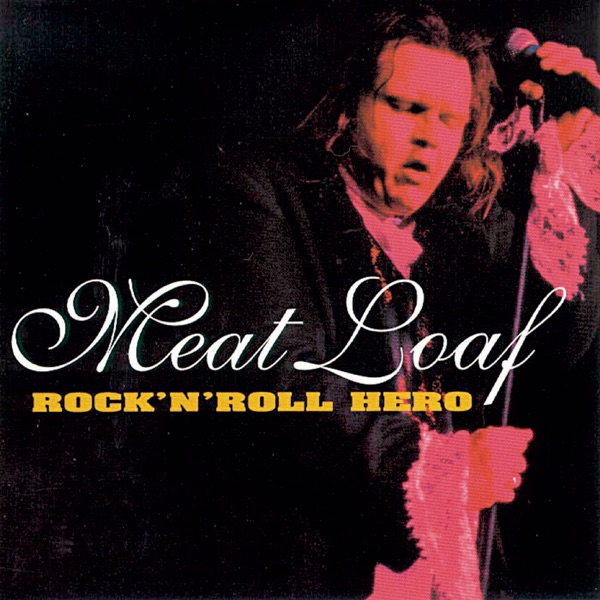
Rock 'N' Roll Hero
1992

Two Out Of Three Ain't Bad
1978

You Took The Words Right Out Of My Mouth (Hot Summer Night)
1978

Two Out Of Three Ain't Bad / Paradise By The Dashboard Light

Milestones
2013

Playlist: The Very Best Of Meatloaf
2012

Hell In A Handbasket
2011
Hang Cool Teddy Bear
2010
Related artists
Frequent collaborators
Around the web
Follow every record they touch.
Start your shelf and Gatefold tracks Meat Loaf's new pressings, tour dates, and the whole discography — automatically.
Start your shelf →Free forever. Works with 10 records or 10,000.