
Artist
Ted Nugent
Detroit, United States · b. 1948
Ted Nugent is a musician from Detroit, United States, active since 1948. Their discography on Gatefold includes 23 records. They also recorded with Damn Yankees and The Amboy Dukes.

29
Albums tracked
198
In collections
1948
Since
Biography
The Gibson Byrdland was never meant to be a rock machine. It’s a hollow-body jazz guitar with a short scale, built for light touch and clean tones. Ted Nugent took that fragile piece of wood, cranked it through a wall of Fender Super Leads, and turned feedback into a controlled weapon. It was a mechanical nightmare that should have screamed out of control, but he mastered the physics of the stage to make it howl on cue. Before the solo run, he was grinding out psychedelic R&B with The Amboy Dukes in Detroit. They were basically a garage band with high-end aspirations and a rotating door of musicians who couldn't keep up with the pace. By the time Tom Werman got ahold of him at Epic in '75, the fluff was gone. The records became lean, muscular, and obnoxious in a way that defined the mid-70s arena circuit. The peak didn't last forever. Once the 80s hit, the grit got swapped for hair-metal polish and radio-ready hooks that felt beneath a guy who used to live for 'The Great White Buffalo.' He spent years chasing the charts with supergroups and slick production that flattened out the raw Detroit stank of his early output. It took a long time to get back to the basics, but those first few Epic records still hit like a sledgehammer because of that Byrdland tension.
Bio from The Clerk
The Arc of Ted Nugent
The pivots — what forced Ted Nugent to reinvent.
The Amboy Dukes Grind
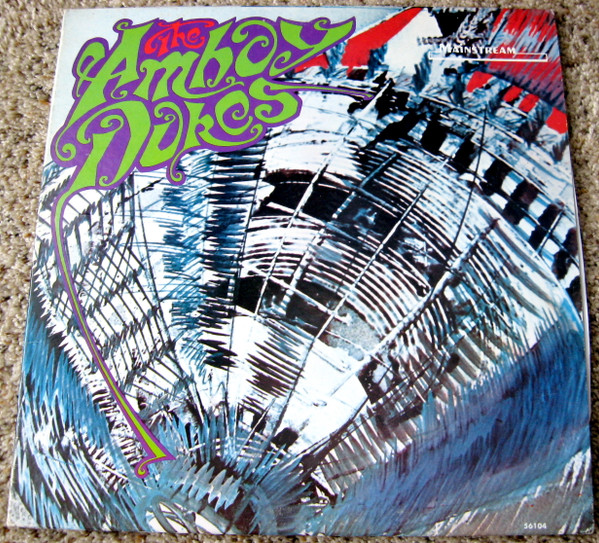
Detroit in the late 60s was a shark tank of high-energy rock and The Amboy Dukes were the most frantic of the bunch. They scored a hit with 'Journey to the Center of the Mind,' but the band was essentially a vehicle for a guy who didn't do drugs in a scene defined by them. This friction eventually led to Nugent dissolving the group and taking his name to the top of the marquee. You hear the transition in the raw, unpolished aggression of the final Dukes recordings right before the solo debut dropped.
The Epic Solo Streak
Signing with Epic and pairing with producer Tom Werman changed the math entirely. Bringing in Derek St. Holmes provided the melodic counterweight to the shredding, creating a dynamic that made 'Stranglehold' an immediate staple. These sessions were about capturing the volume of the live show without losing the clarity of the riffs. The result was a three-album run that turned a regional guitar hero into a national arena draw.
The Damn Yankees Pivot
By 1989, the solo career was stalling out in a sea of synthesizers and bad 80s production choices. Joining forces with Jack Blades and Tommy Shaw was a calculated move to survive the MTV era with big choruses and power ballads. It worked commercially, moving millions of units and putting him back on the charts, but it stripped away the grease and the hollow-body feedback that made him unique. The records from this era sound like the polished corporate rock of the time, heavy on the sheen and light on the grit.
Influences
- Chuck Berry — The entire foundation of the Motor City Madman is built on the double-stop riffs and showmanship Berry perfected. Nugent has covered 'Carol' and 'Johnny B. Goode' countless times, citing Berry's rhythmic stabs as his primary blueprint. You hear it in the frantic pacing of 'Motor City Madhouse.'
- The Yardbirds — Nugent has frequently pointed to the Jeff Beck era of the Yardbirds as the moment he realized the guitar could be an experimental noise machine. The heavy sustain and British Invasion distortion influenced the psychedelic leanings of The Amboy Dukes. It’s the source of his obsession with feedback as a tonal tool.
- Lonnie Mack — Lonnie Mack was the guy who taught every 60s kid how to play fast with a soulful vibrato. Nugent credits Mack’s 'Wham!' as a life-changing record that showed him how to marry blues feel with aggressive speed. The bridge between blues and hard rock starts right here.
- The Ventures — Before the volume went up, Nugent was obsessed with the precision and surf-rock clarity of The Ventures. He often mentions 'Walk, Don't Run' as a mandatory lesson in guitar technique and melody. That surf-inspired alternate picking stayed in his playing even when the amps got louder.
- Bo Diddley — The primal, driving beat of Bo Diddley is the engine behind Nugent's most rhythmic compositions. He toured with Diddley early on and absorbed the 'jungle beat' philosophy of keeping the groove hypnotic. It’s all over the percussive attack of 'Wang Dang Sweet Poontang.'
Ted Nugent — solo
Their records — most-collected first.
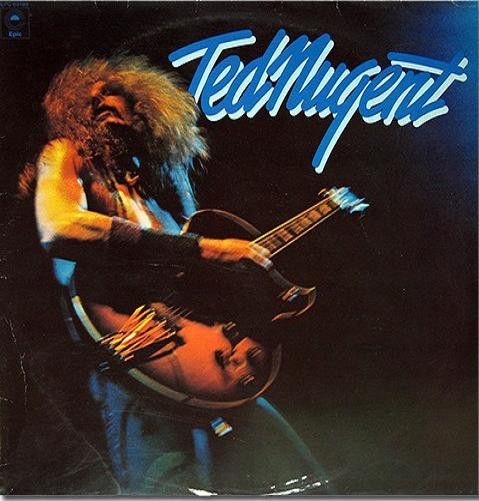
Ted Nugent
1975
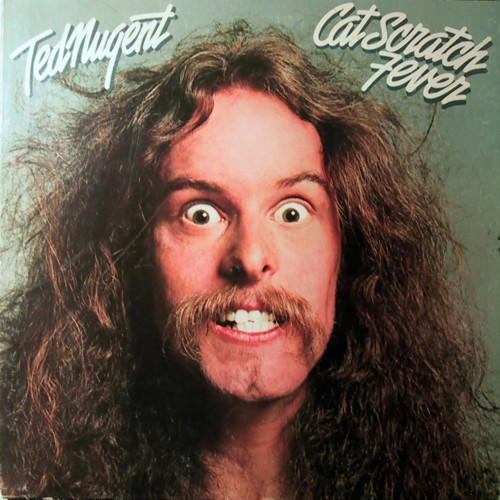
Cat Scratch Fever
1977

Free-For-All
1976
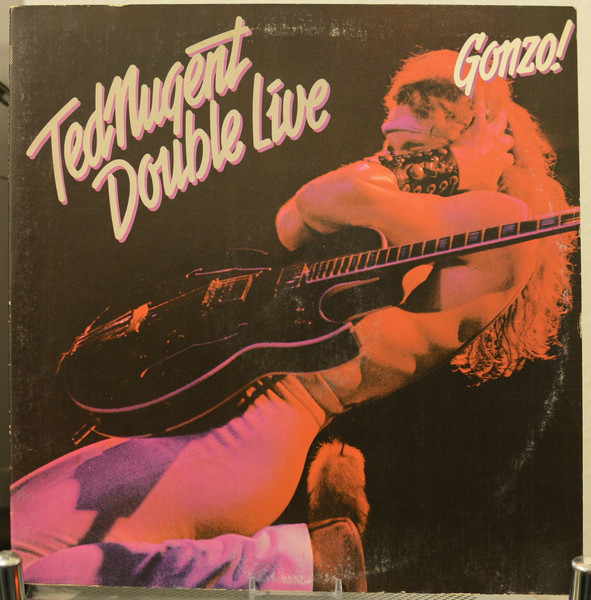
Double Live Gonzo!
1978
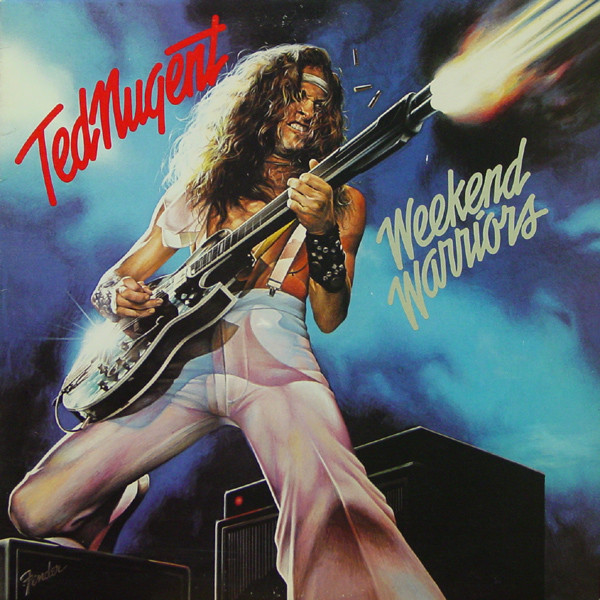
Weekend Warriors
1978

Great Gonzos! - The Best Of Ted Nugent
1981
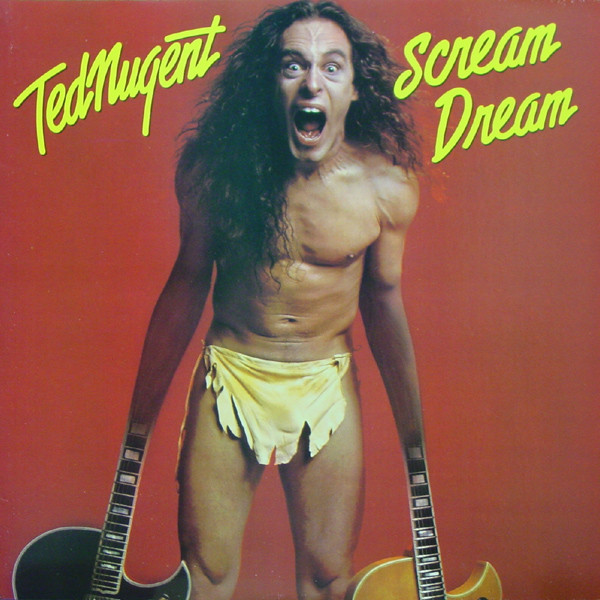
Scream Dream
1980
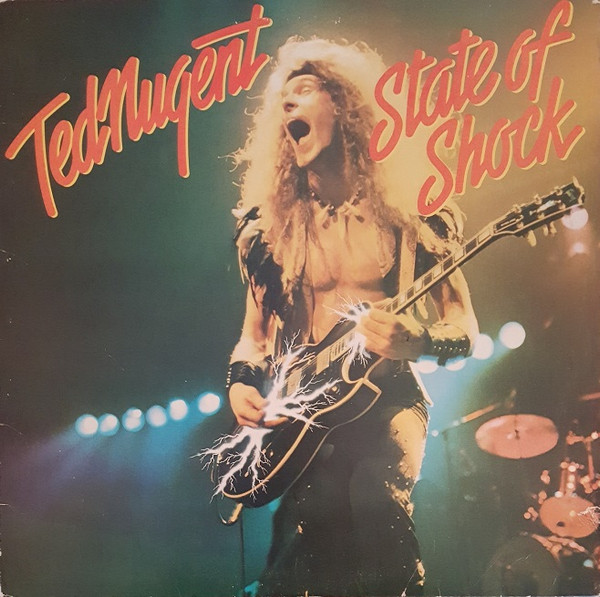
State Of Shock
1979

Intensities In 10 Cities
1981
Little Miss Dangerous
1986

Penetrator
1984

Live At Hammersmith '79
1997

If You Can't Lick 'Em... Lick 'Em
1988

Original Album Classics
2008

Motor City Madman
1993

On The Edge
1991
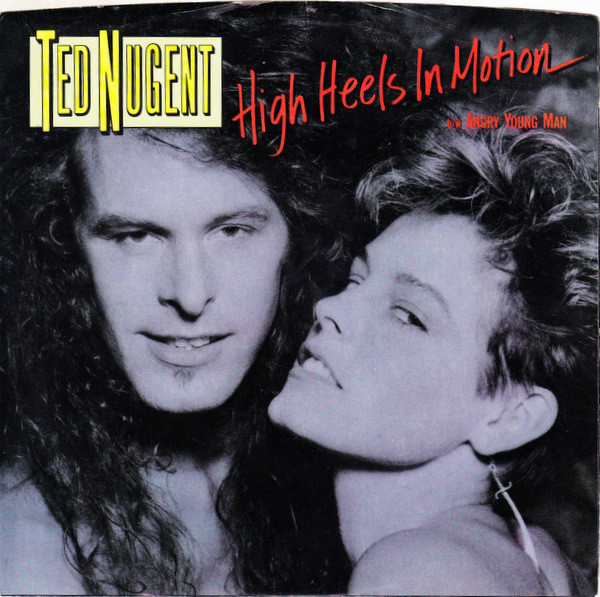
High Heels In Motion
1986

Ted Nugent And The Amboy Dukes
1976

Detroit Muscle
2022

Craveman
2002

Full Bluntal Nugity
2001

Spirit Of The Wild
1995

Out Of Control
1993
Damn Yankees
A project Ted Nugent was part of.
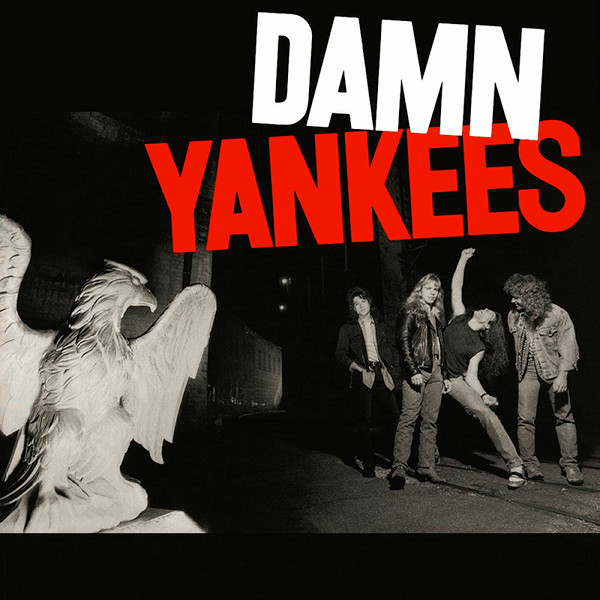
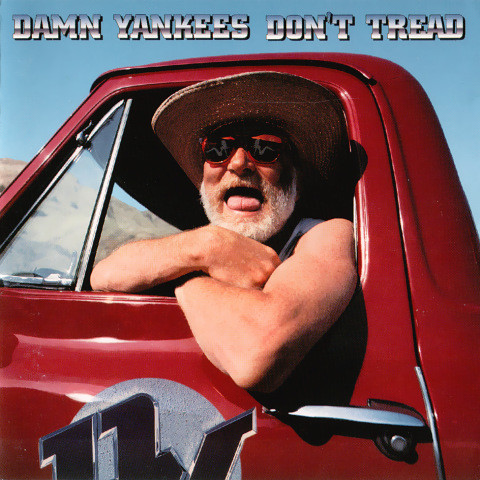
The Amboy Dukes
A project Ted Nugent was part of.

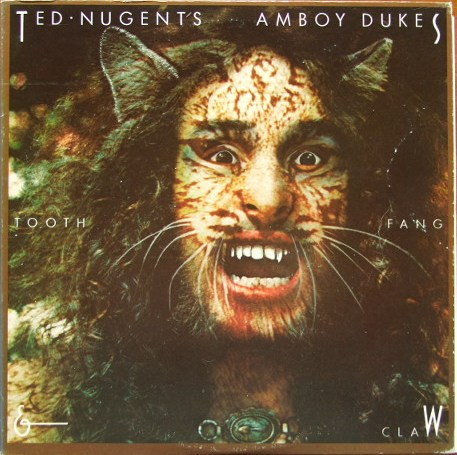
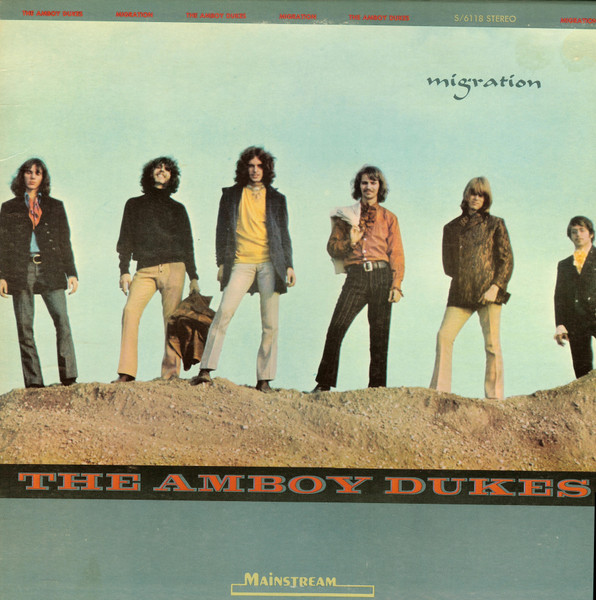
Related artists
Frequent collaborators
Around the web
Follow every record they touch.
Start your shelf and Gatefold tracks Ted Nugent's new pressings, tour dates, and the whole discography — automatically.
Start your shelf →Free forever. Works with 10 records or 10,000.