
Artist
Dream Theater
United States · Formed 1985
Dream Theater is a music group from United States, active since 1985. Their discography on Gatefold includes 24 records.

43
Albums tracked
269
In collections
1985
Since
Biography
David Prater slapped drum triggers onto Mike Portnoy's snare and kick for Images and Words, and Portnoy spent the rest of his natural life bitching about it in the press. The producer wanted clean radio pop-metal punch; the band wanted to be Rush on a double espresso. That friction turned an impossible prog-metal band into MTV regulars while grunge was actively murdering every hair band on the planet. James LaBrie stepped up to the mic, hit a high F-sharp that defied human biology, and suddenly five Berklee dropouts were shifting actual units. They spent the next thirty years swinging between meticulous brilliance and self-indulgent excess. When Kevin Moore walked away after Awake, they traded introspective melancholy for hyper-technical wizardry. By the time Jordan Rudess dragged a Continuum into the room, Dream Theater had stopped pretending they cared about the three-minute single entirely. You put up with the cheesy lyrical melodrama because John Petrucci's right hand does things with an Ibanez and an Ernie Ball that make other guitar players want to pawn their gear and take up accounting.
Bio from The Clerk
The Arc of Dream Theater
The pivots — what forced Dream Theater to reinvent.
The Prater Breakthrough and Moore's Exit
Bringing in Canadian powerhouse James LaBrie gave the rhythm section the soaring voice they desperately needed. Producer David Prater fought tooth and nail with the band over triggered drum tones and concise songwriting on Images and Words, accidentally engineering a massive hit with Pull Me Under right at the peak of grunge. They followed it with the menacing, metallic Awake, but keyboardist Kevin Moore checked out emotionally and left before the tour. That breakup closed the book on their moodiest, most human period.
Label Compromise and the Concept Gambler
EastWest pressured the group to deliver commercial rock hits, bringing in producer Kevin Shirley and pop-songwriter Desmond Child for Falling Into Infinity. The sessions were an exhausting fight that almost killed the band outright. Pissed off and ready to go down swinging, Petrucci and Portnoy took the production reins themselves, drafted keyboard phenom Jordan Rudess, and went all-in on Metropolis Pt. 2: Scenes from a Memory. That record saved their career by doubling down on pure narrative concept lunacy.
Influences
- Rush — The entire rhythm section bonded at Berklee over their obsessive study of Neil Peart and Geddy Lee, naming their early band Majesty after Peart's drumming style. You hear it across every tempo shift, odd-time sprint, and synth flourish on Images and Words. Portnoy never played a simple 4/4 backbeat when he could cram an unnecessary, Peart-approved rototom roll into the measure.
- Iron Maiden — Dream Theater famously covered the entirety of The Number of the Beast live on stage and built their guitar harmonies around the Murray-Smith playbook. Petrucci's galloping rhythm work on tracks like Pull Me Under comes straight out of Steve Harris's basslines. James LaBrie's soaring operatic delivery in his prime is pure Bruce Dickinson worship.
- Yes — Jon Anderson's multi-part suite structures and Steve Howe's acoustic-to-electric technical runs are the foundation for Dream Theater's longest tracks. You hear the Howe acoustic phrasing directly on the opening of A Change of Seasons. Jordan Rudess later carried on the Rick Wakeman tradition of surrounding himself with walls of rotating keyboards onstage.
- Metallica — Portnoy and Petrucci were openly obsessed with Master of Puppets, covering the entire record front-to-back at special tour stops in the 2000s. The aggressive, down-picked chugging throughout Train of Thought is Petrucci channeling James Hetfield through a Mesa/Boogie amplifier. They proved you could play thrash riffs while retaining advanced music theory.
- Kansas — Petrucci and Moore heavily studied Kerry Livgren's complex prog-rock arrangements paired with accessible, arena-sized hooks. The driving counterpoint between guitar and organ on Metropolis - Part I owes everything to the structural blueprints laid down on Leftoverture. It gave them permission to combine violin-like synth leads with heavy guitar riffs.
Discography
Their records — most-collected first.
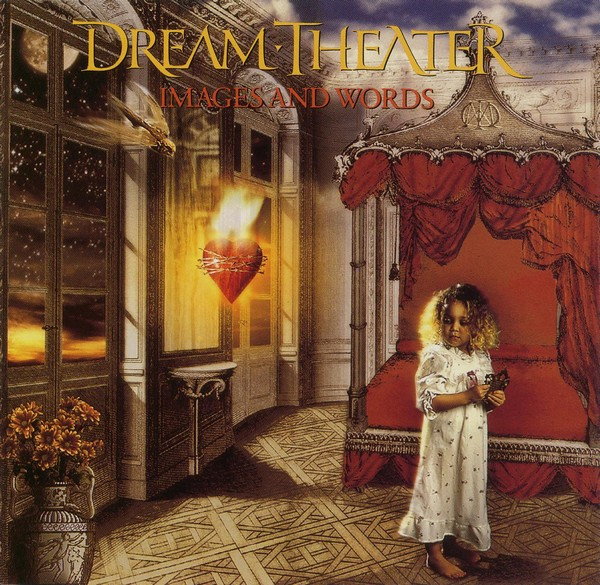
Images And Words
1992
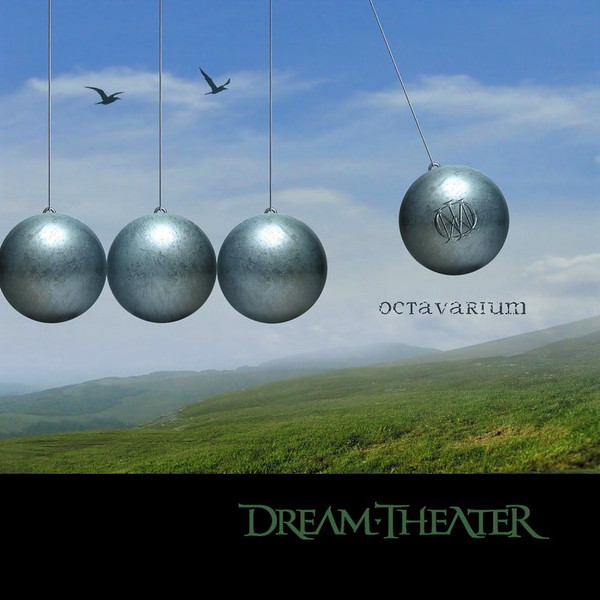
Octavarium
2005
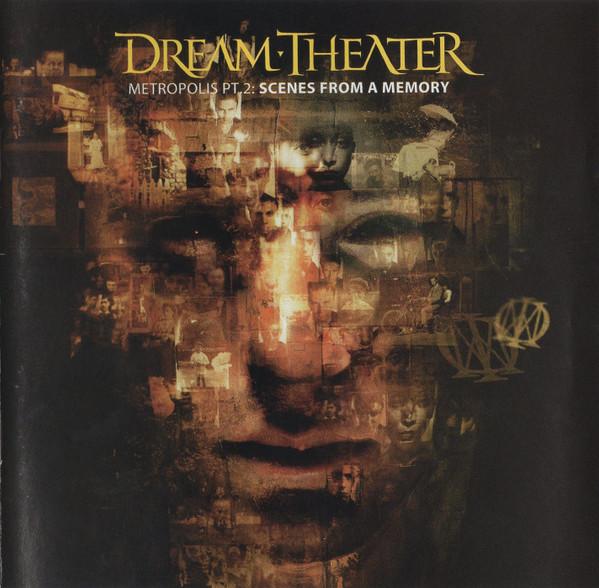
Metropolis Pt. 2: Scenes From A Memory
1999
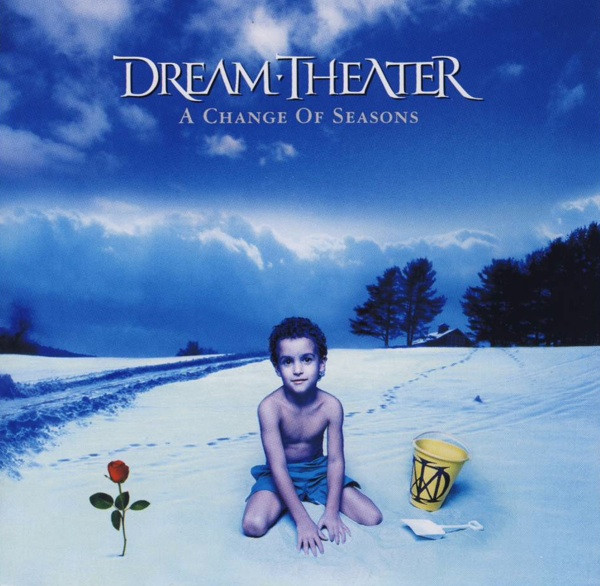
A Change Of Seasons
1995

Train Of Thought
2003
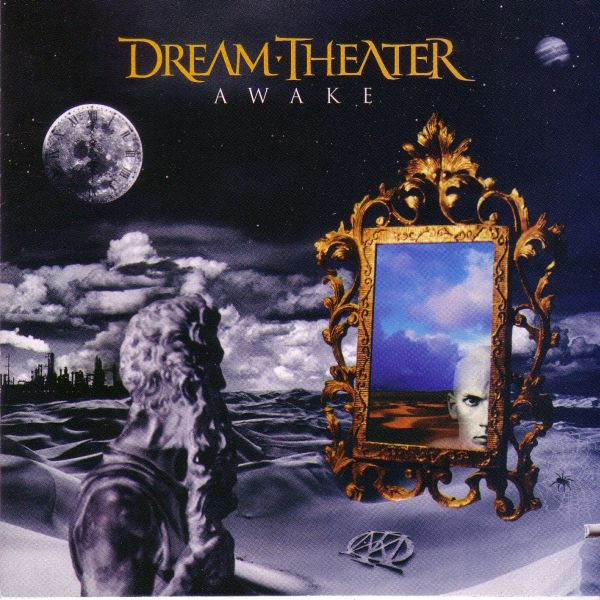
Awake
1994

When Dream And Day Unite
1989

A Dramatic Turn Of Events
2011
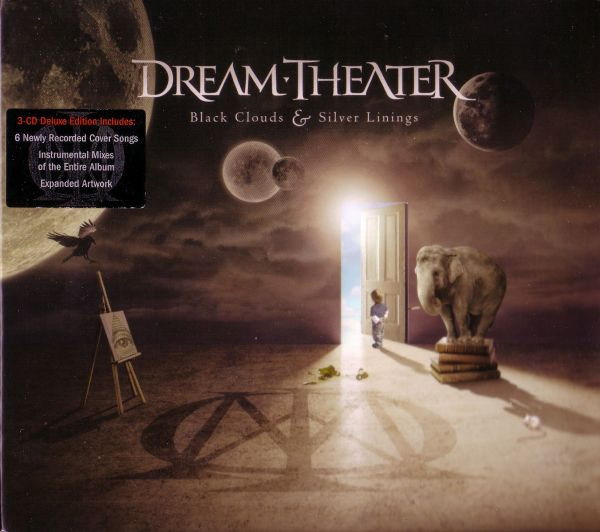
Black Clouds & Silver Linings
2009
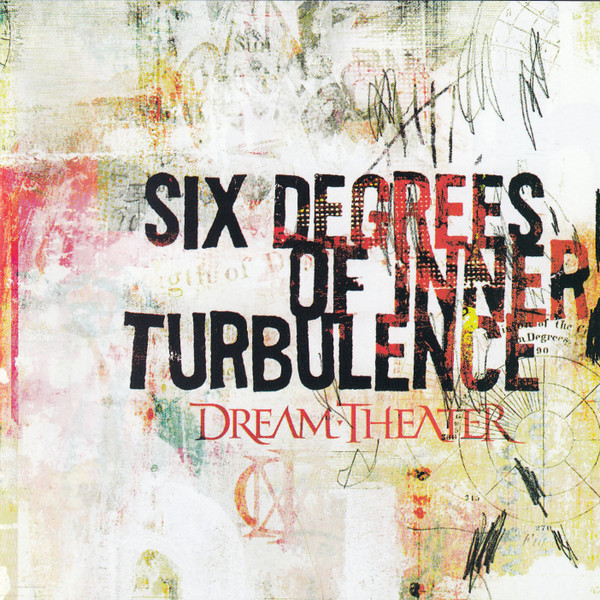
Six Degrees Of Inner Turbulence
2002

Once In A Livetime
1998
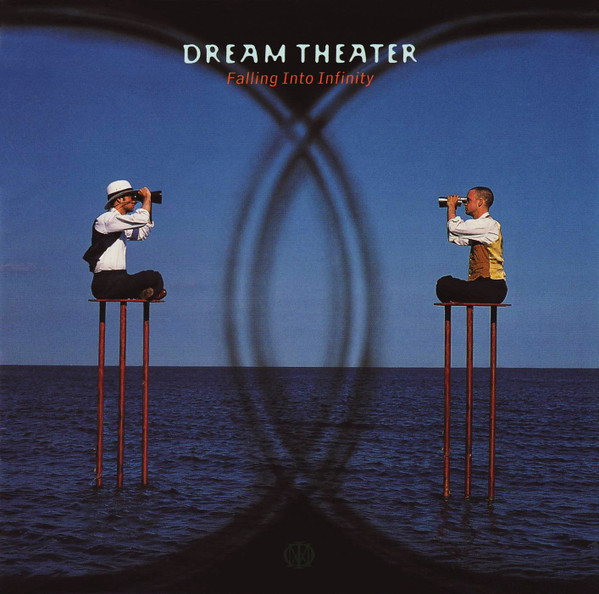
Falling Into Infinity
1997

Parasomnia
2025

Systematic Chaos
2007

Distance Over Time
2019

Dream Theater
2013
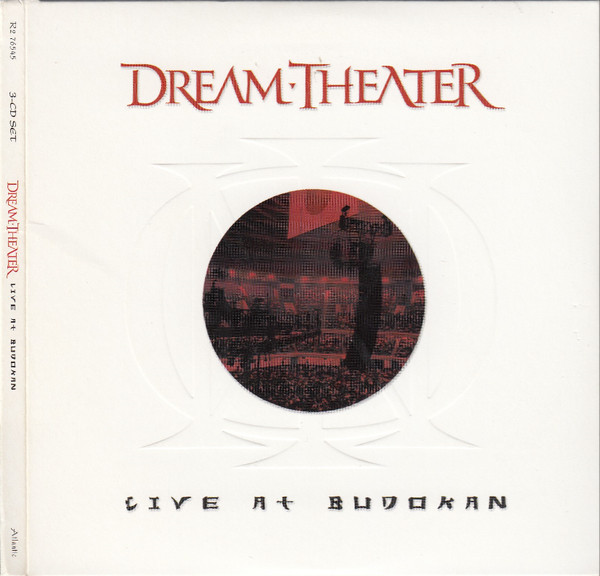
Live At Budokan
2004
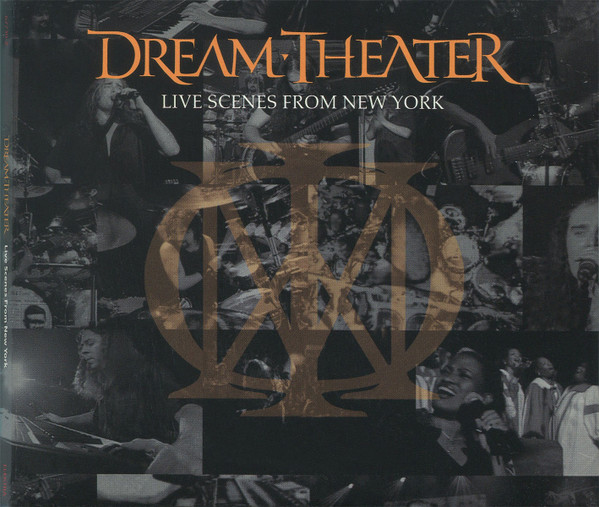
Live Scenes From New York
2001
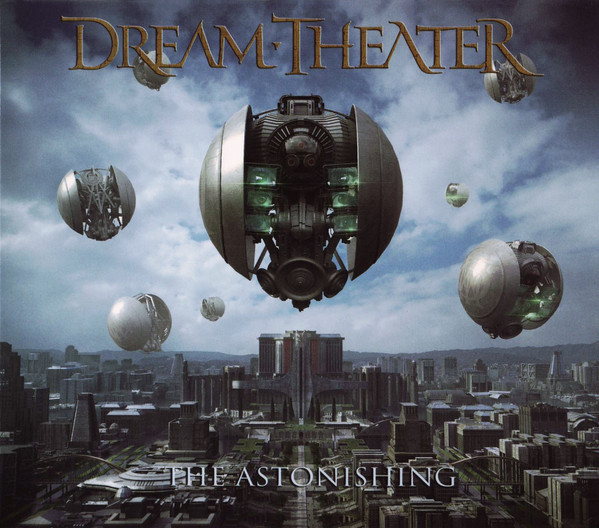
The Astonishing
2016

Greatest Hit (...And 21 Other Pretty Cool Songs)
2008

Score (20th Anniversary World Tour)
2006
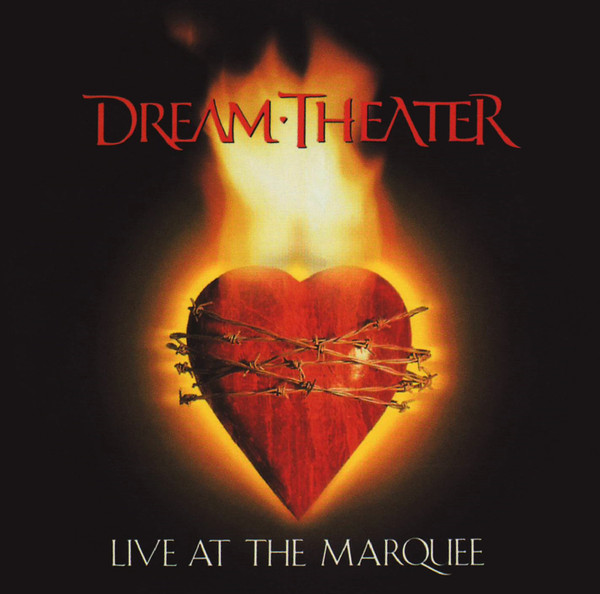
Live At The Marquee
1993
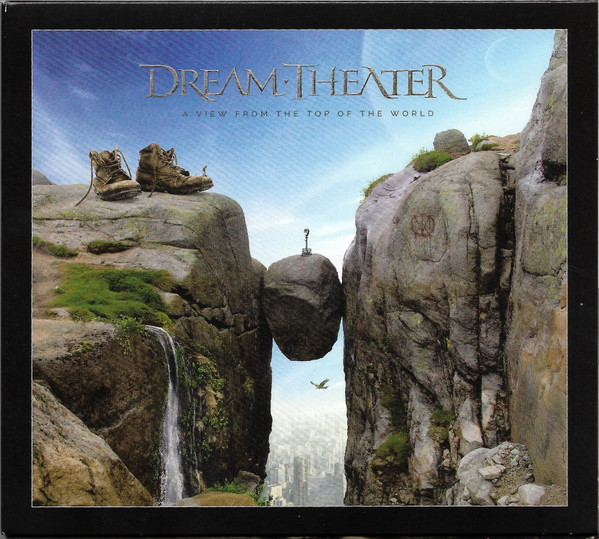
A View From The Top Of The World
2021
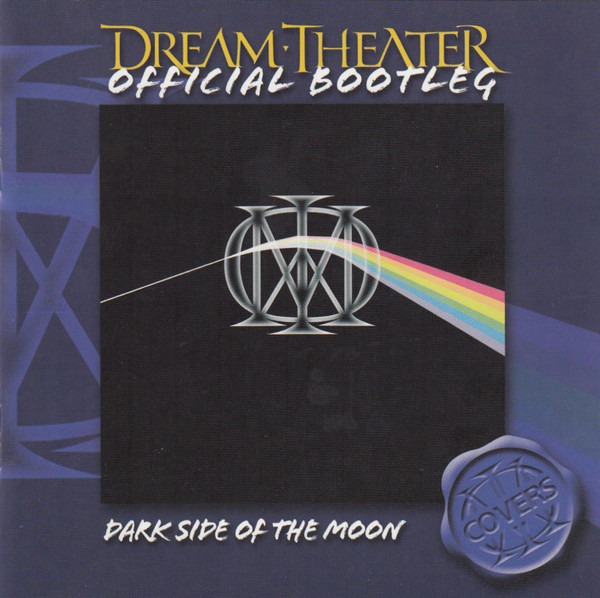
Official Bootleg: Dark Side Of The Moon
2006
Related artists
Around the web
Follow every record they touch.
Start your shelf and Gatefold tracks Dream Theater's new pressings, tour dates, and the whole discography — automatically.
Start your shelf →Free forever. Works with 10 records or 10,000.