
Artist
Levon Helm
Elaine, United States · 1940 – 2012
Levon Helm is a musician from Elaine, United States, active 1940–2012. Their discography on Gatefold includes 6 records. They also recorded with The Band.
33
Albums tracked
463
In collections
1940
Since
Biography
Levon was the only one in The Band who didn't have to learn how to fake a Southern accent. He was the anchor, the Arkansas dirt under the fingernails of Robbie Robertson’s cinematic songwriting. When they tracked the brown album at Sammy Davis Jr.’s house in Hollywood, Levon was playing a wooden rimmed kit with loose heads to get that thuddy, dry-as-bone thump that defined the whole Americana movement before it had a name. He wasn't just a drummer; he was a singer who phrased like a horn player because he grew up watching the Rabbit Foot Minstrels. The 80s were a goddamn graveyard for guys like Levon, and his solo output on ABC and MCA shows the struggle of a master trying to fit into a slick, gated-reverb world that didn't want him. He lost his voice to throat cancer later on, and for a minute, the industry wrote him off as a relic of the Last Waltz era. He didn't go away. He started the Midnight Rambles in his barn in Woodstock to pay his medical bills, bringing it back to the medicine show roots where the music was a physical necessity rather than a corporate product.
Bio from The Clerk
The Arc of Levon Helm
The pivots — what forced Levon Helm to reinvent.
The Ronnie Hawkins Apprenticeship
Before the Dylan electric tours or the big Stage Fright sessions, Levon was the only American in the Hawks, cutting his teeth on the brutal chitlin circuit under Ronnie Hawkins. Hawkins was a drill sergeant who fined the band for missed notes and made them practice in the back of a moving van. This era turned Levon into a human metronome who could handle high-octane rockabilly and R&B without breaking a sweat. You hear the discipline of those years in the way he locks in with Rick Danko's wandering bass lines later on.
The Big Pink Decompression
After the disastrous 1966 world tour with Dylan, Levon bailed to work on an oil rig in the Gulf before the guys hauled him back up to West Saugerties. They moved into a hideous pink house and stopped trying to be the loudest rock band in the world, focusing instead on three-part harmonies and Garth Hudson’s Lowrey organ textures. This shift from stadium feedback to basement communalism changed everything about his kit setup, favoring that muted, woody snare sound. It was a rejection of the psychedelic circus in favor of something that sounded a hundred years old the day it was pressed.
The Dirt Farmer Resurrection
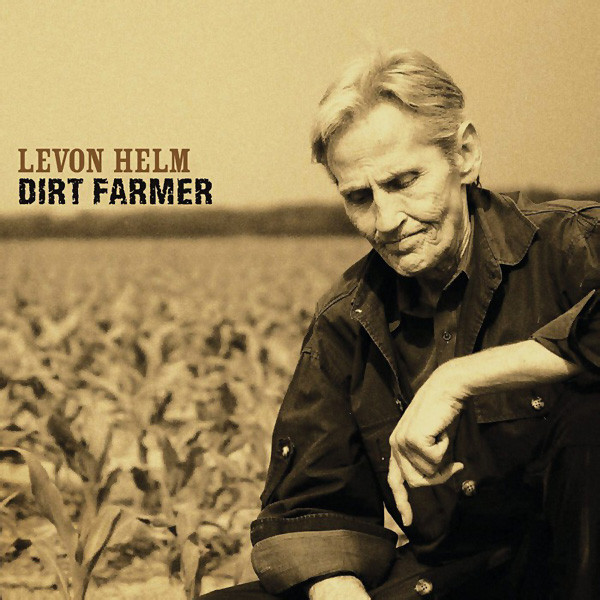
After years of label limbo and losing his voice to radiation treatments, Levon hooked up with Larry Campbell at his home studio to cut a record of the traditional songs his parents sang in Arkansas. There was no big budget or polished production, just a man who had rediscovered his falsetto and was playing mandolin and drums with a renewed, desperate energy. Dirt Farmer didn't just win a Grammy; it proved the organic, porch-style recording ethos was a viable middle finger to the Pro Tools era. It was the most honest he’d sounded since 1970, stripped of any attempt to sound contemporary.
Influences
- Sonny Boy Williamson II — Levon famously skipped school to watch Sonny Boy’s King Biscuit Time broadcasts and later played drums for him during the King Biscuit sessions. You hear that Delta blues stomp in his kick drum patterns, especially on 'The W.S. Walcott Medicine Show.' He learned how to keep a groove heavy without ever overplaying.
- Muddy Waters — Levon backed Muddy on The Woodstock Album in '75, a session that served as a masterclass in staying behind the beat. Muddy's phrasing taught Levon how to lead a song from the drum throne while leaving enough space for the lyrics to breathe. It’s that deep, Chicago-style pocket that keeps The Band's loosest jams from falling apart.
- Little Richard — The Hawks started out covering Little Richard burners like 'Slippin' and Slidin',' and Levon cited him as the reason he started singing while drumming. That grit in Levon's upper register is a direct descendant of Richard's Georgia howl. He took that frantic R&B energy and slowed it down into a steady, soulful burn.
- The Rabbit Foot Minstrels — This traveling tent show passed through Arkansas when Levon was a kid and gave him his first look at the intersection of country, blues, and comedy. He modeled his stage presence and the 'Medicine Show' concept on their variety-act structure. It’s why his best songs feel like vignettes from a lost era of Southern entertainment.
- Ronnie Hawkins — Hawkins was his boss and mentor who took him out of Arkansas and showed him how to run a professional outfit. The 'Hawkins School' of musicianship required 100% precision or you were out on your ass. That terrifying work ethic is what made the 1960s Hawks the most formidable live band on the planet.
Levon Helm — solo
Their records — most-collected first.


The Band
A project Levon Helm was part of.
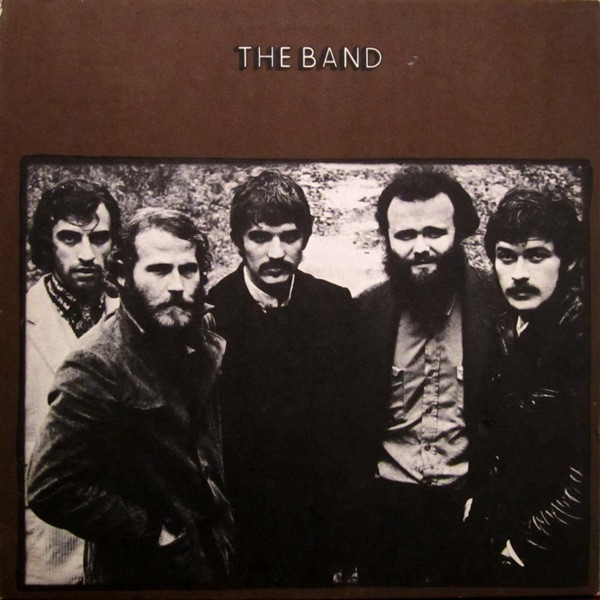
The Band
1969
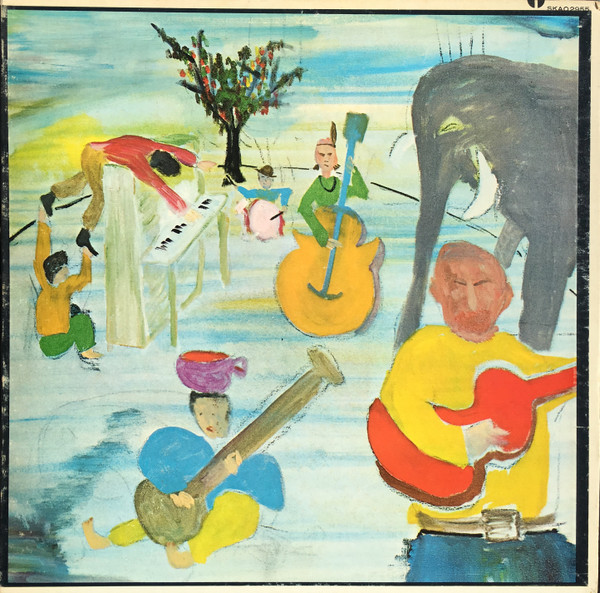
Music From Big Pink
1968
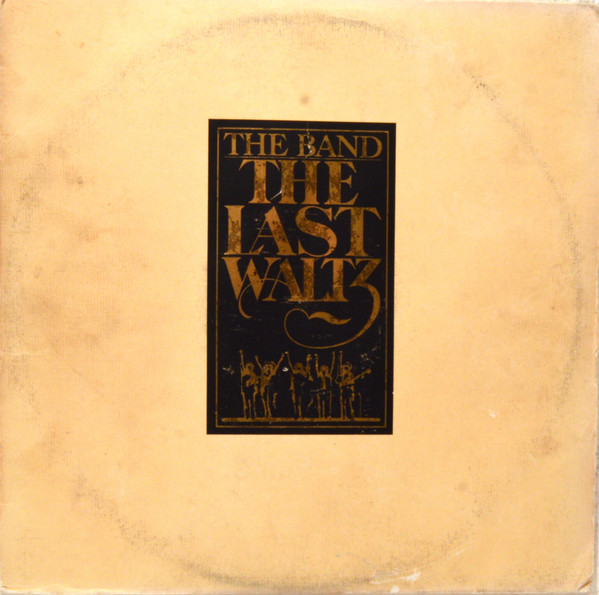
The Last Waltz
1978
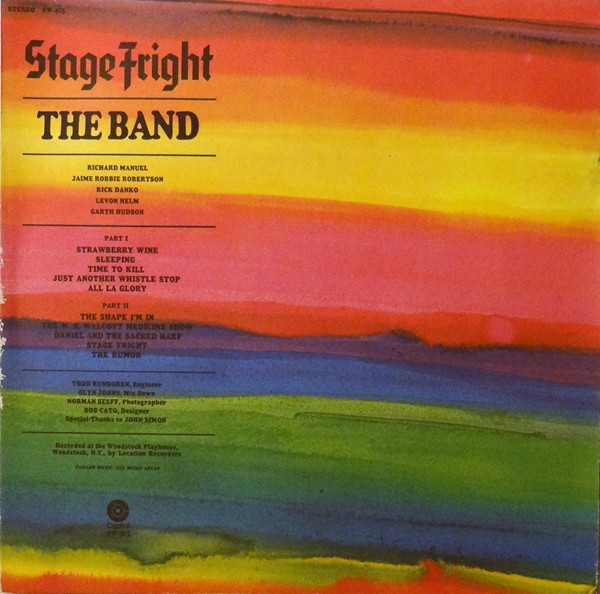
Stage Fright
1970
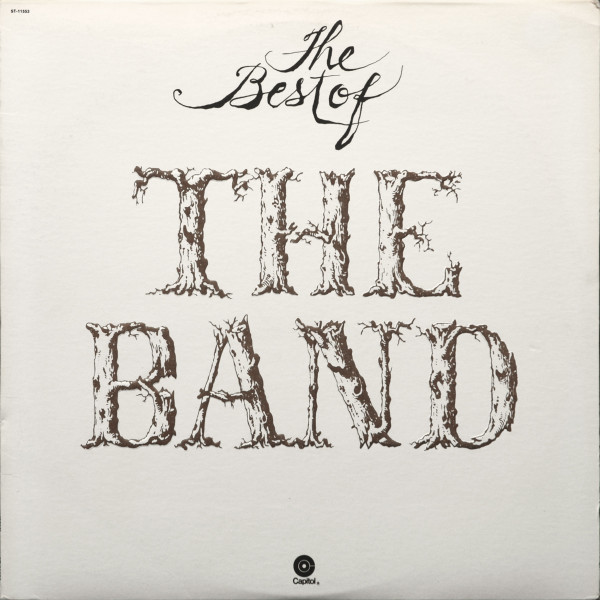
The Best Of The Band
1976
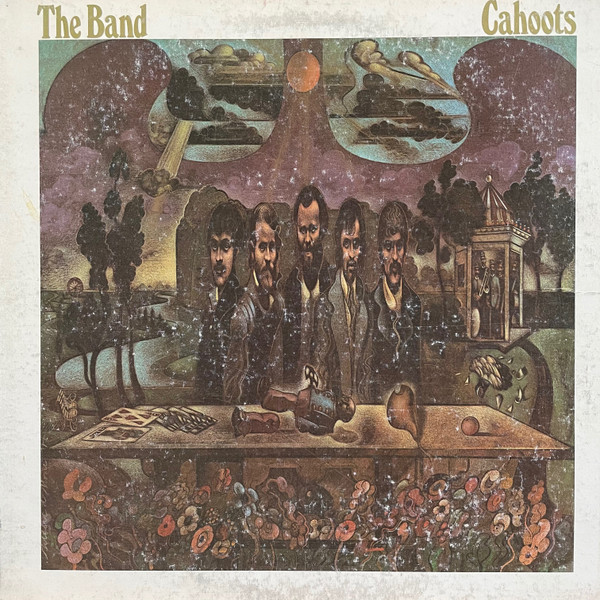
Cahoots
1971

Northern Lights-Southern Cross
1975

Moondog Matinee
1973
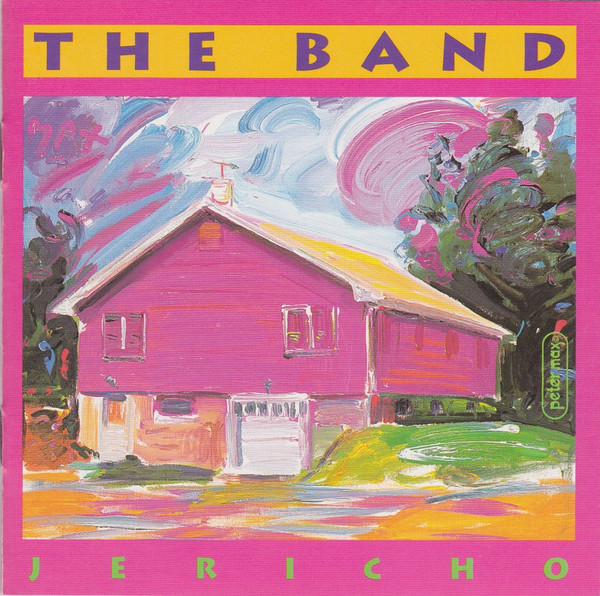
Jericho
1993

Islands
1977

The Capitol Albums 1968-1977
2015
A Musical History
2005

Jubilation
1998

Anthology
1978

Greatest Hits
2000

Palladium Circles
2015
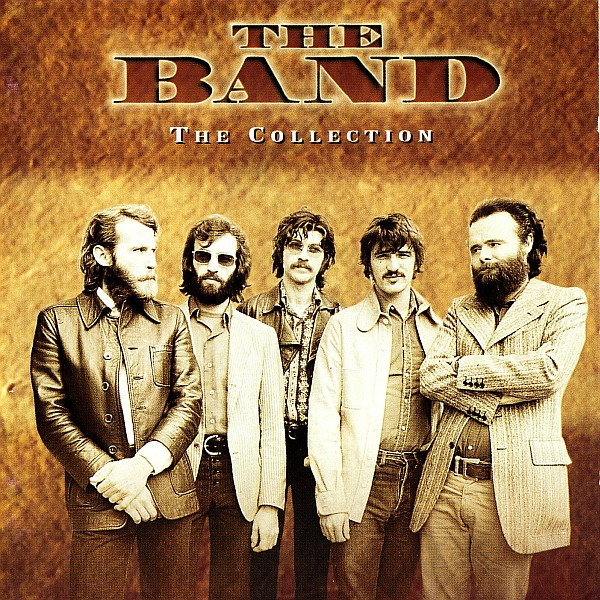
The Collection
1997
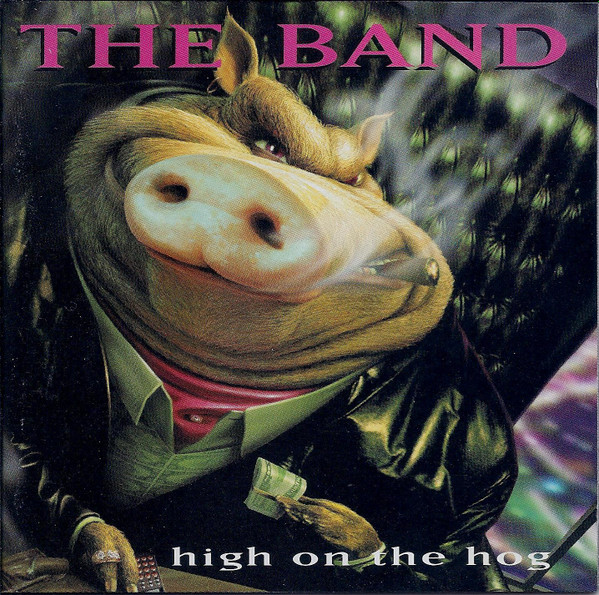
High On The Hog
1996

Music From Big Pink + The Band
1974

The Best Of A Musical History
2007

The Weight
1996
Across The Great Divide
1994

10 Great Songs
2009

Platinum
2008
Related artists
Around the web
Follow every record they touch.
Start your shelf and Gatefold tracks Levon Helm's new pressings, tour dates, and the whole discography — automatically.
Start your shelf →Free forever. Works with 10 records or 10,000.