
Artist
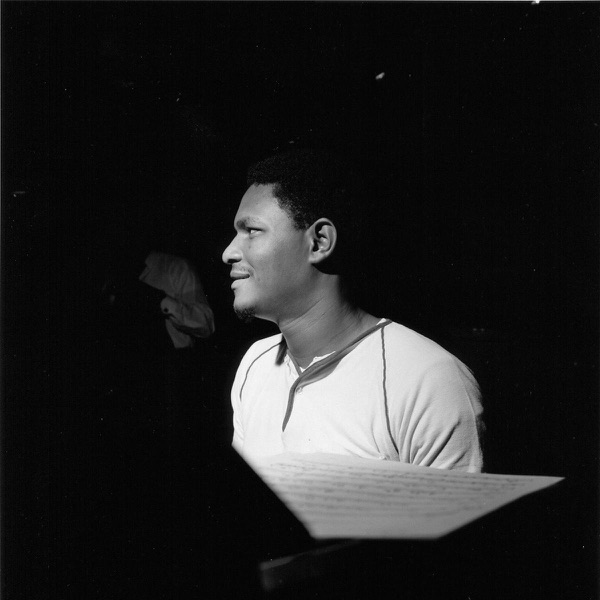
McCoy Tyner
jazz pianist
Philadelphia, United States · 1938 – 2020
McCoy Tyner is a musician from Philadelphia, United States, active 1938–2020. Their discography on Gatefold includes 24 records. They also recorded with McCoy Tyner Trio, John Coltrane Quartet and McCoy Tyner Quartet.
74
Albums tracked
342
In collections
1938
Since
Biography
The hammer-of-the-gods left hand wasn't just a style choice; it was a survival tactic. Playing next to Elvin Jones meant competing with a human thunderstorm, so Tyner developed those thundering fourths to cut through the mix without leaning on the sustain pedal like a crutch. He was the youngest guy in the Classic Quartet, but he was the one holding the structural blueprints while Coltrane was trying to touch the face of God. He eventually walked away from Coltrane in '65 because the music got too formless—too much screaming, not enough architecture. He spent the late sixties struggling, even considering driving a cab, before Blue Note let him loose on 'The Real McCoy.' People act like he was always a titan, but there was a minute there where the industry almost let one of the greatest percussive voices in jazz history slip through the cracks because he wouldn't play fusion.
Bio from The Clerk
The Arc of McCoy Tyner
The pivots — what forced McCoy Tyner to reinvent.
The Coltrane Anchor
Between 1960 and 1965, Tyner functioned as the harmonic grounding for the most intense quartet in jazz history. While John Coltrane and Elvin Jones pushed toward total rhythmic and melodic abstraction, Tyner’s use of quartal voicings provided a stable but modern frame that kept the songs from collapsing. You hear this most clearly on 'A Love Supreme,' where his piano chords act like pillars holding up a burning building. He eventually left the group when the addition of Rashied Ali made the stage volume and lack of structure impossible for a pianist to navigate.
The Blue Note Independence
After a stint as a sideman for hire, Tyner signed to Blue Note and recorded 'The Real McCoy' in 1967 with Joe Henderson and Elvin Jones. This was the moment he proved his compositional weight outside of Coltrane's shadow, leaning into a muscular, modal post-bop sound that felt heavy and cerebral. The production by Alfred Lion captured a dry, immediate piano tone that emphasized Tyner's physical attack. It served as a definitive rejection of the electric fusion movement that was starting to swallow his peers whole.
The Milestone Big Band Shift
Signing with Milestone in the 70s saw Tyner expanding his scale, leading massive ensembles and incorporating African percussion and koto. Records like 'Sahara' and 'Enlightenment' showed him moving away from the tight quartet format into something sprawling and orchestral. He was chasing a bigger, more resonant sound, often recorded live to capture the sheer kinetic energy of his playing. It was a dense, loud era that regained the spiritual intensity of his early years but under his own strict direction.
Influences
- Bud Powell — Tyner lived just down the street from Powell in Philly and would regularly sit at his piano. You hear it in his early right-hand runs—that frantic, bebop fluidity—before he traded it for his own heavy-block chord style.
- Thelonious Monk — Tyner cited Monk as a primary influence for his use of space and the physical way he approached the keys. The percussive, clunky dissonance in Tyner’s lower register is a direct evolution of Monk’s 'ugly' beauty.
- Art Tatum — The sheer technical velocity Tyner possessed came from studying Tatum’s runs. While Tyner avoided Tatum’s flowery ornamentation, the iron-clad independence of his left and right hands is pure Tatum school.
- Richie Powell — Bud’s younger brother was a close friend and a massive early influence on Tyner’s harmonic thinking. Richie's tragic death in the same car accident as Clifford Brown left a void that Tyner filled by carrying on that specific Philadelphia piano lineage.
- Red Garland — Before the quartal chords took over, Tyner was heavily into Garland’s light, swinging block-chord style. On early dates like 'Nights of Ballads & Blues,' the DNA of Garland’s elegant phrasing is all over the tracks.
McCoy Tyner — solo
Their records — most-collected first.
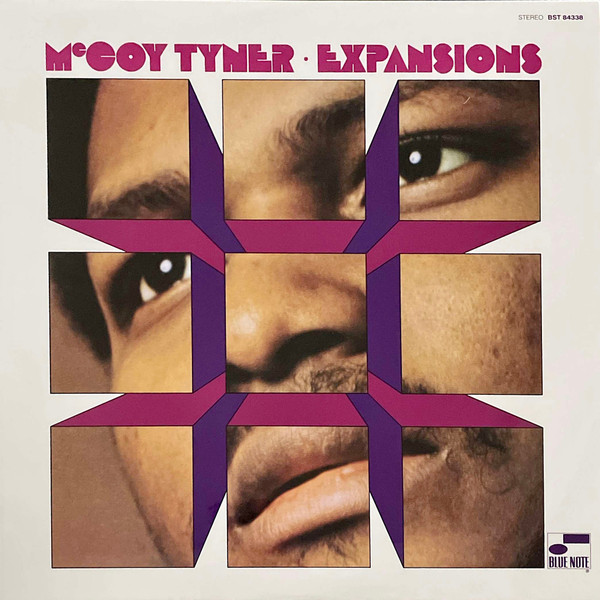
Expansions
1969
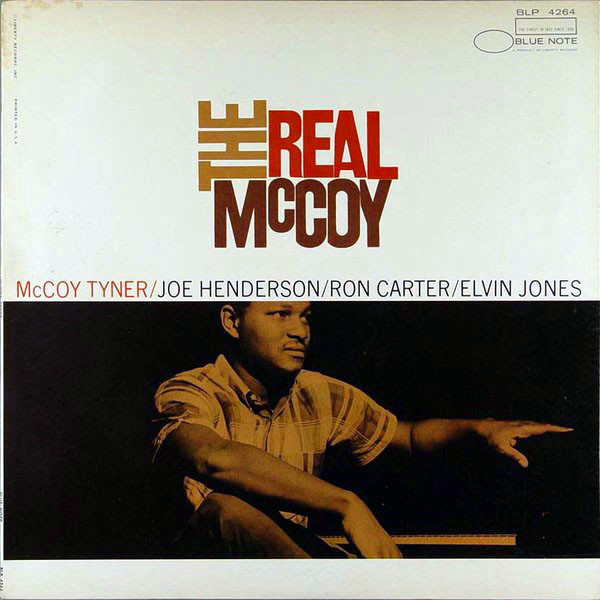
The Real McCoy
1967
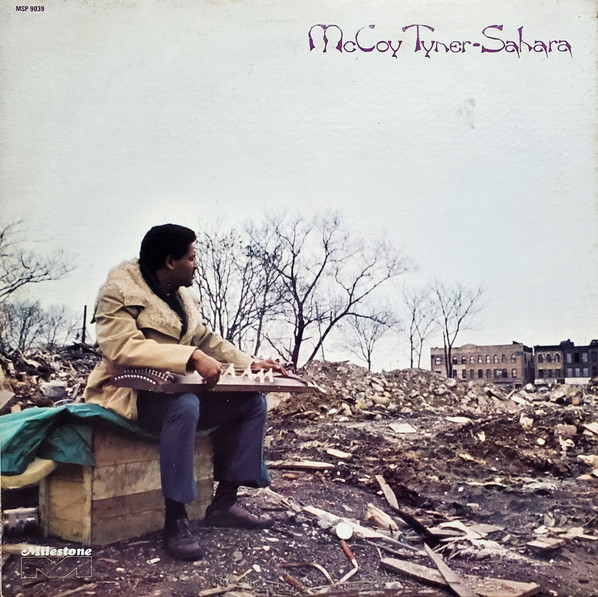
Sahara
1972
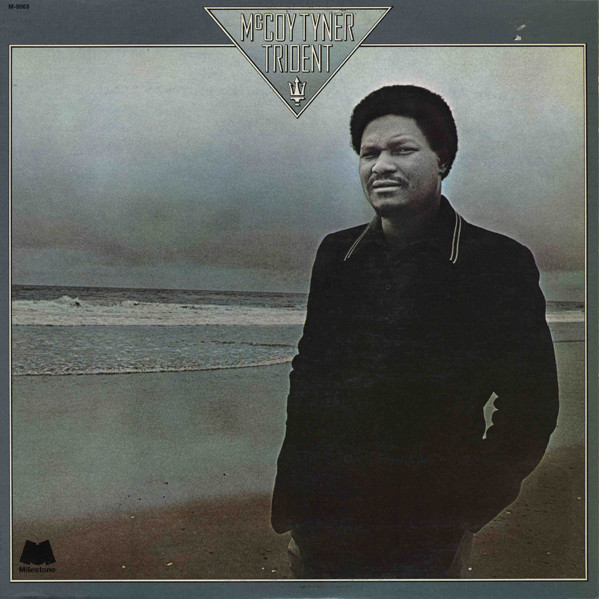
Trident
1975

Extensions
1972

Time For Tyner
1969
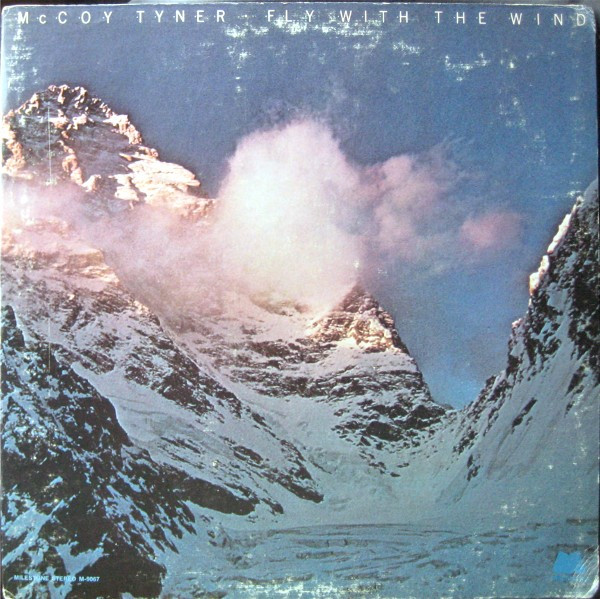
Fly With The Wind
1976
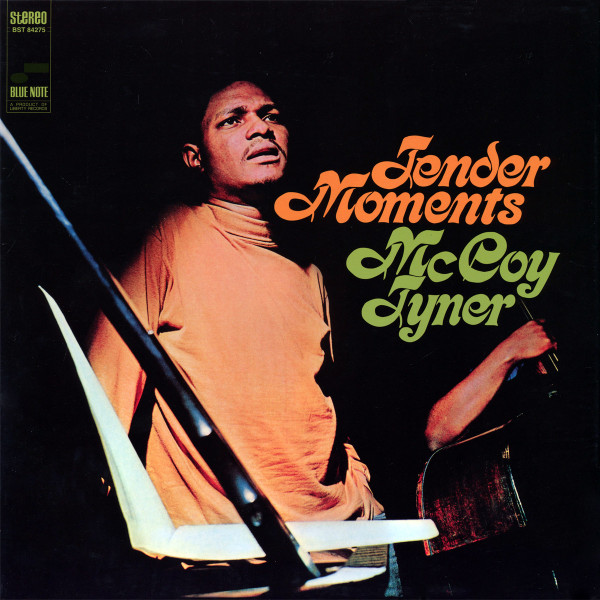
Tender Moments
1968

Focal Point
1976
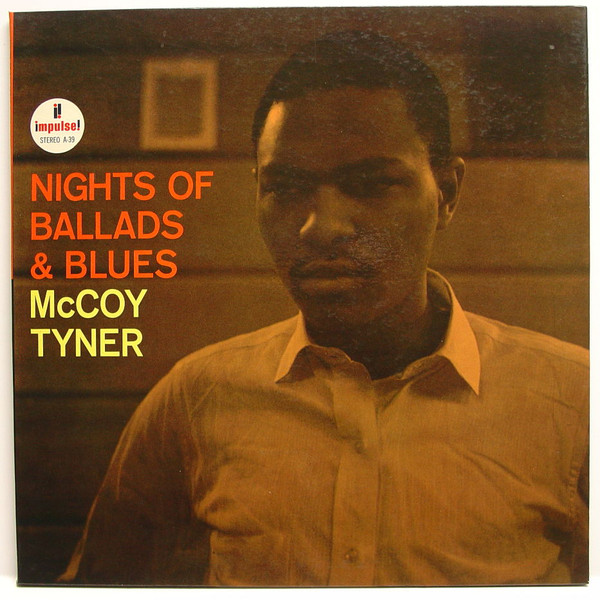
Nights Of Ballads & Blues
1963

Forces Of Nature: Live At Slugs'
2024
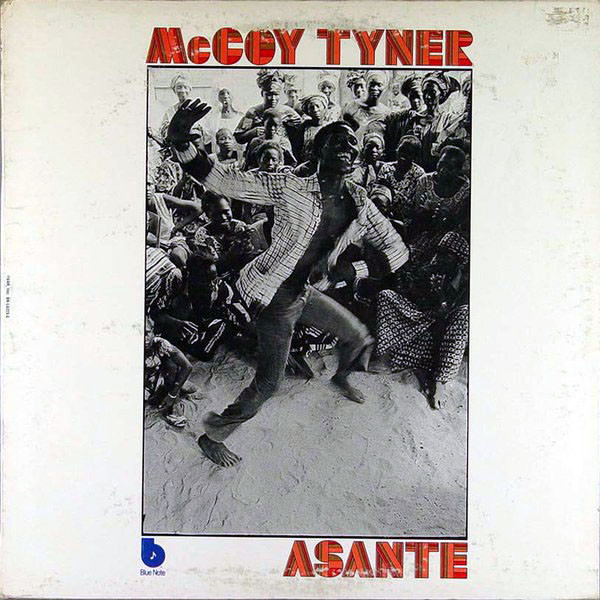
Asante
1974
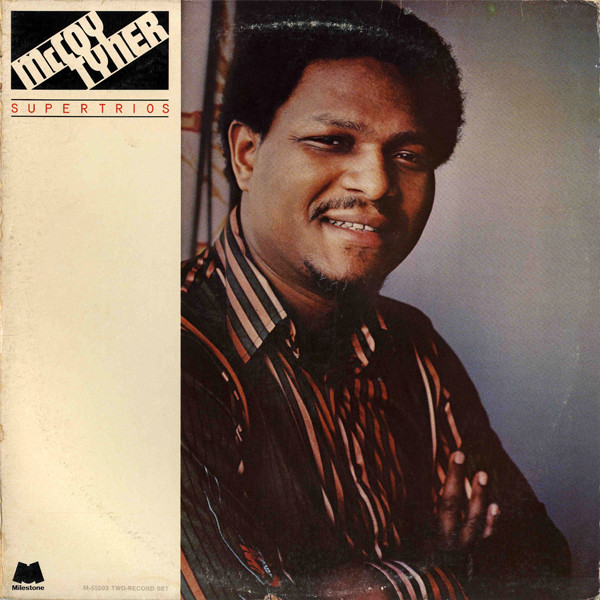
Supertrios
1977
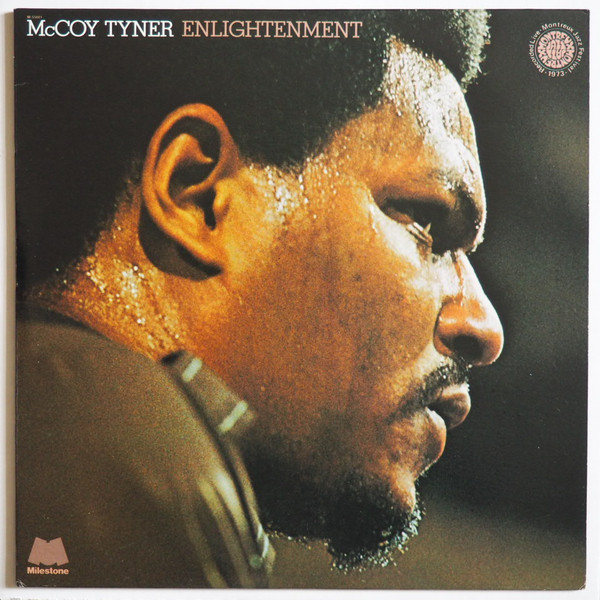
Enlightenment
1973

Song Of The New World
1973
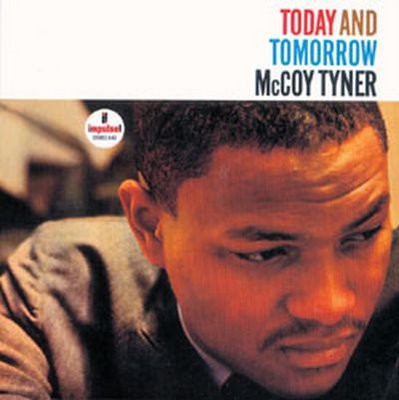
Today And Tomorrow
1964

Looking Out
1982
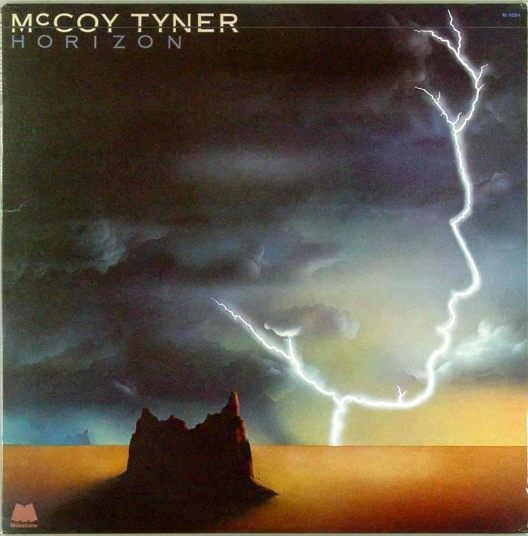
Horizon
1980
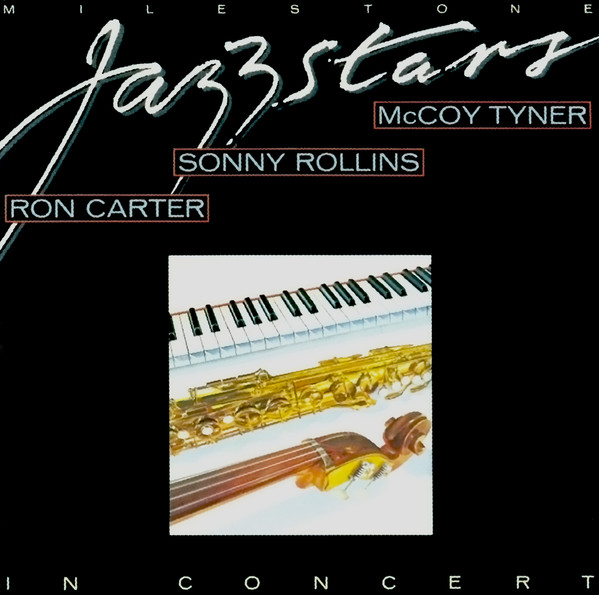
Milestone Jazzstars In Concert
1978

Inner Voices
1977

Sama Layuca
1974
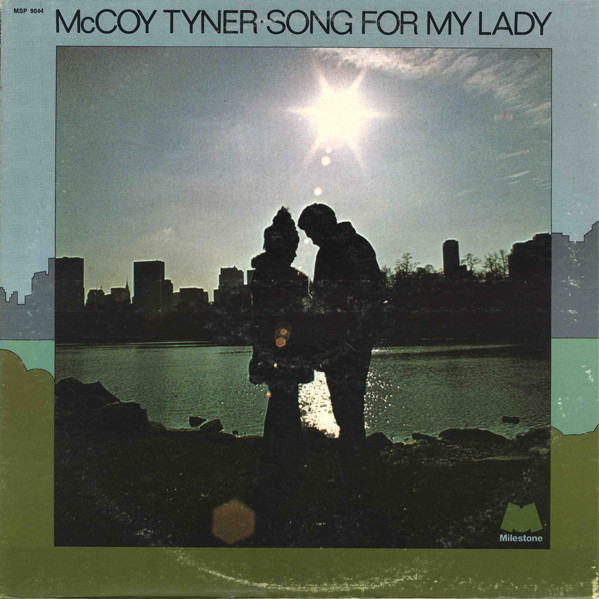
Song For My Lady
1973
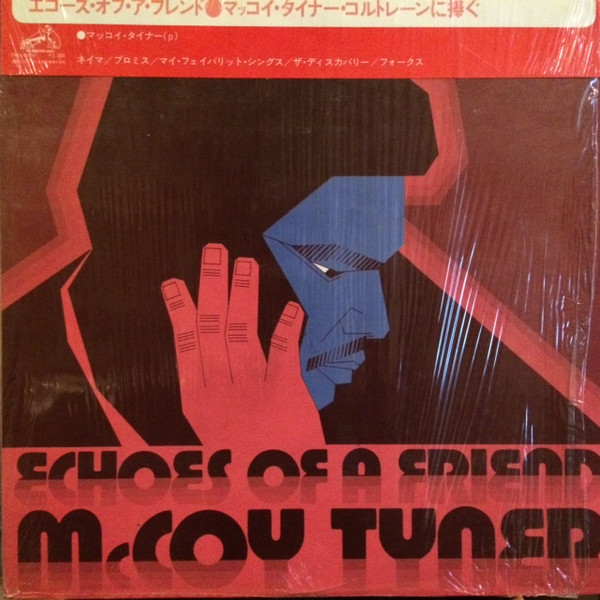
Echoes Of A Friend = エコーズ・オブ・ア・フレンド
1972
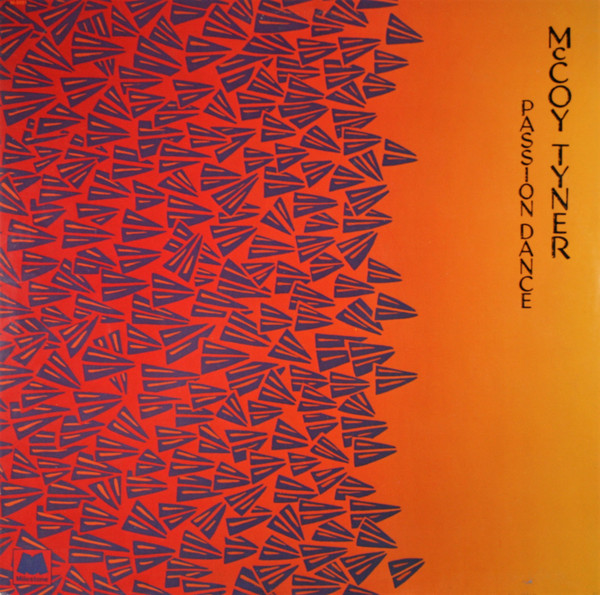
Passion Dance
1979
McCoy Tyner Trio
McCoy Tyner under another name — MusicBrainz marks this project eponymous.

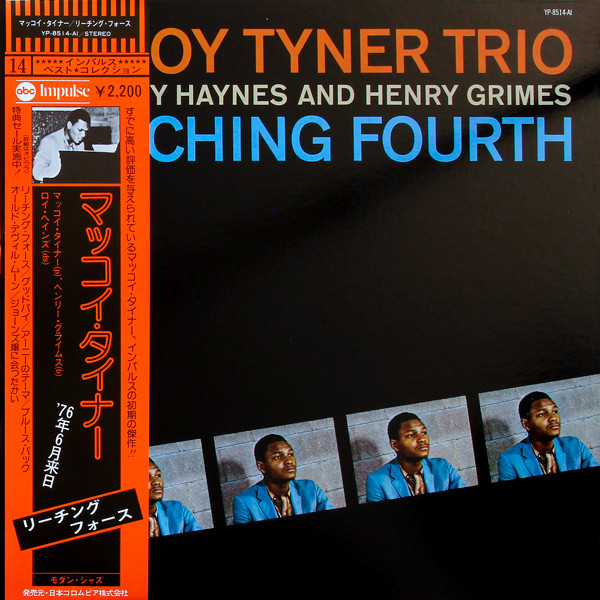
John Coltrane Quartet
A project McCoy Tyner was part of. Former member.
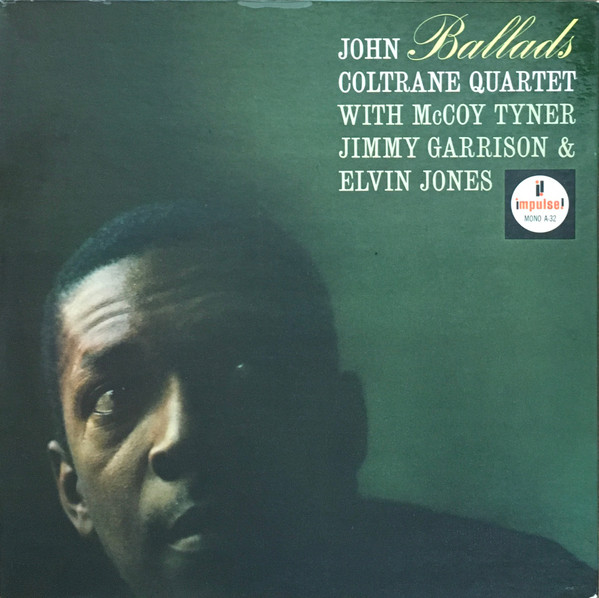
Ballads
1963
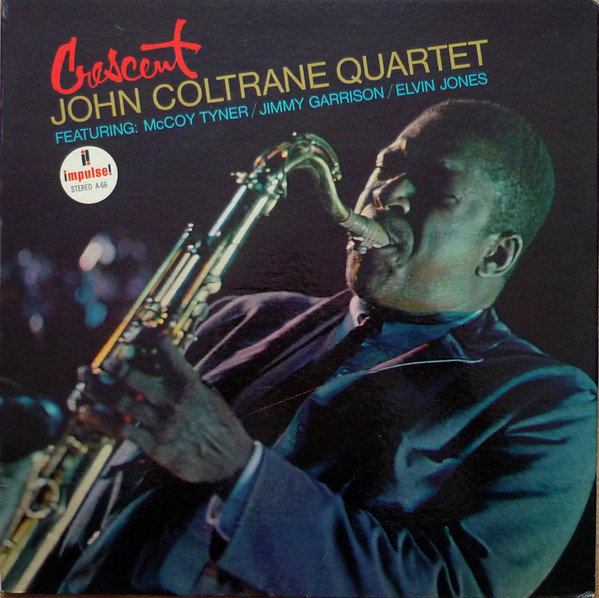
Crescent
1964
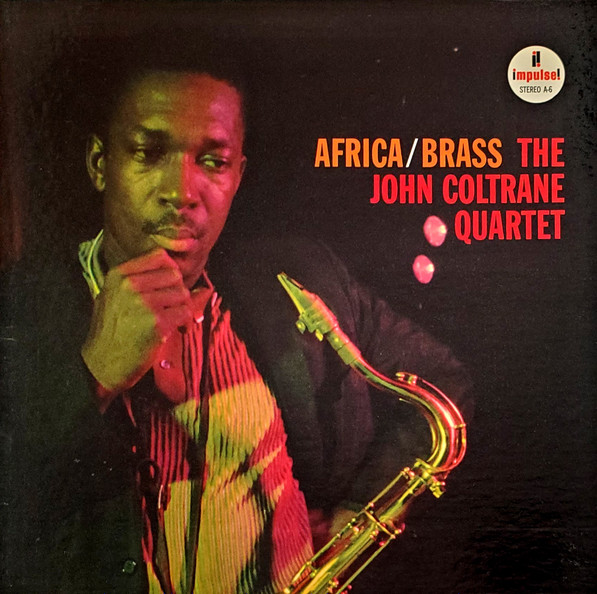
Africa/Brass
1961

The John Coltrane Quartet Plays
1965

"A Love Supreme" Live In Concert

Live At The Half Note
1984
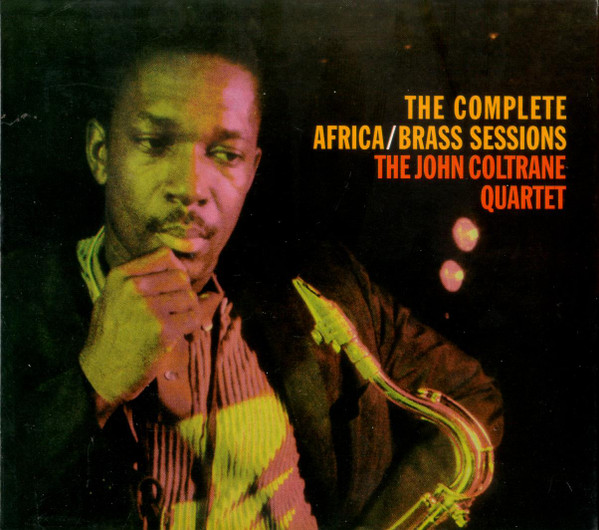
Complete Africa / Brass
1991
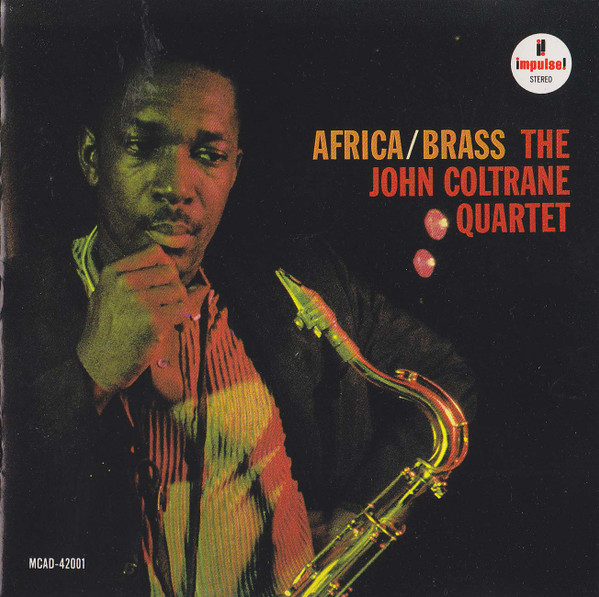
Africa Brass Volumes 1 & 2
1988
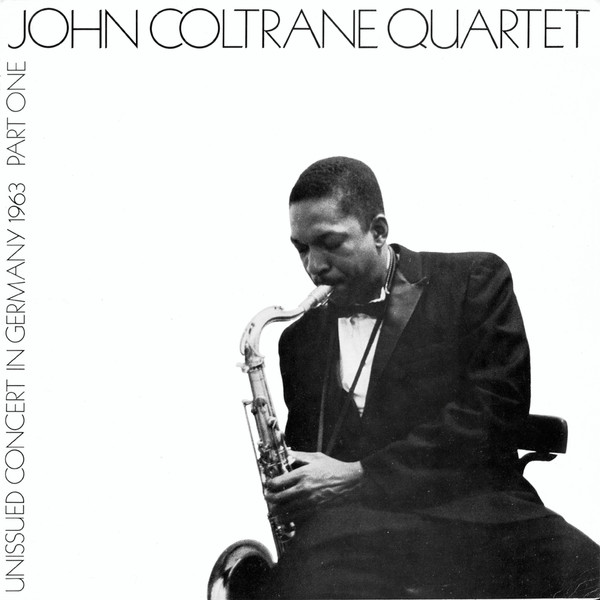
Unissued Concert In Germany 1963 Part One
1973

The Birdland Story
1962

You Say You Care / Russian Lullaby
1961

Coltrane Conceptions
McCoy Tyner Quartet
A project McCoy Tyner was part of.

Related artists
Around the web
Follow every record they touch.
Start your shelf and Gatefold tracks McCoy Tyner's new pressings, tour dates, and the whole discography — automatically.
Start your shelf →Free forever. Works with 10 records or 10,000.