
Artist
Stevie Ray Vaughan and Double Trouble
Austin, United States · 1978 – 1990
Stevie Ray Vaughan and Double Trouble is a music group from Austin, United States, active 1978–1990. Their discography on Gatefold includes 23 records.

23
Albums tracked
371
In collections
1978
Since
Biography
Stevie cut Texas Flood in two days at Jackson Browne’s personal studio, Down Home, using a gear setup that would make a purist weep with joy. No fancy outboard gear. No digital safety net. Just a man and a beat-up Stratocaster named Number One running through a Dumble Steel String Singer that cost more than most houses. The label didn't even know what to do with him because he was a bluesman in a decade defined by hairspray and LinnDrums. He wasn't some refined studio cat. He was a guy who played strings so thick they looked like bridge cables and tuned down to E-flat just so he wouldn't snap the neck of the guitar. By the time he hit Soul to Soul, the cocaine and booze started muddying the waters, turning the sharpest player in the world into a guy struggling to find the pocket. He had to burn his entire life down to get the clarity back for the final run.
Bio from The Clerk
The Arc of Stevie Ray Vaughan and Double Trouble
The pivots — what forced Stevie Ray Vaughan and Double Trouble to reinvent.
The Down Home Sessions
The band went into Jackson Browne's studio on a whim after a set at Montreux and tracked the debut live to tape without a record deal in place. Produced by the band and engineer Richard Mullen, the record sounds exactly like a sweaty Texas roadhouse at 2:00 AM. There are no overdubs or double-tracked guitars to hide behind. You hear the raw headroom of those high-wattage amps and the telepathic chemistry between Chris Layton and Tommy Shannon that established the modern Texas blues standard.
The Fifth Member
In 1985, Stevie brought in Reese Wynans on keyboards and expanded the trio into a quartet for the Soul to Soul sessions. This shift was a calculated move to move away from the strict three-piece blues format and lean into R&B and jazz-fusion textures. The production got denser, and the songs started incorporating more sophisticated arrangements. While the sessions were plagued by the band's escalating substance abuse, the addition of the B3 organ gave Stevie a harmonic cushion that allowed him to experiment with his phrasing.
The Sobriety Pivot
After a near-fatal collapse in Germany, Stevie cleaned up and went into the studio with Jim Gaines to record In Step. The result was a dry, punchy sound that lacked the hazy reverb of his mid-80s records. The songwriting became personal and stark, specifically on tracks like 'Tightrope' and 'Wall of Denial' which addressed his recovery head-on. It was a technical masterclass that proved his speed and precision hadn't been a byproduct of the drugs.
Influences
- Albert King — Stevie famously covered 'Blues at Sunrise' and 'Sky Is Crying' as a direct homage to the man he called his biggest influence. You hear it in the massive, wide string bends and the way Stevie aggressively snapped the strings against the fretboard. It's that physical, top-end bite that King owned first.
- Lonnie Mack — Stevie co-produced Mack’s 1985 comeback album Strike Like Lightning and cited 'Wham!' as the reason he started playing fast. The rapid-fire vibrato bar usage and the heavy tremolo picking on tracks like 'Rude Mood' are straight-up Lonnie Mack worship. He took Mack's rockabilly-blues hybrid and turned the volume up to ten.
- Jimi Hendrix — The receipt is his note-for-note studio cover of 'Little Wing' and the live staple 'Voodoo Child (Slight Return).' Beyond the gear—Wah pedals and Leslie speakers—he copped Jimi's fluid thumb-over-the-neck chordal embellishments. He played Hendrix with a Texas grit that swapped psychedelic haze for pure muscle.
- Buddy Guy — Stevie frequently shared the stage with Buddy and credited him as the spark for his flamboyant stage presence and feedback control. The staccato, stinging attack found on 'Mary Had a Little Lamb' is a direct lift from Guy’s early Chess Records style. It’s that erratic, explosive energy that makes the guitar sound like it’s about to blow up.
- Otis Rush — The band took their name from the Otis Rush song 'Double Trouble.' Stevie’s minor-key blues phrasing on 'Texas Flood' owes everything to Rush’s Cobra Records era. He mirrored that specific, mournful sustain that Rush used to make a guitar sound like it was crying.
Discography
Their records — most-collected first.

Texas Flood
1983
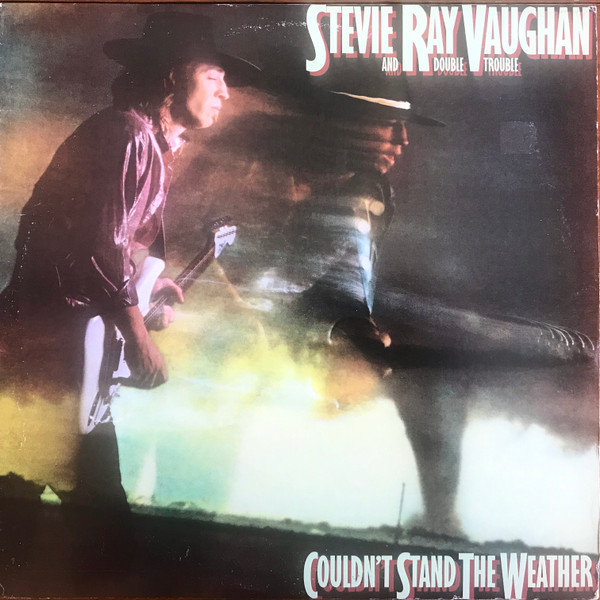
Couldn't Stand The Weather
1984

Soul To Soul
1985
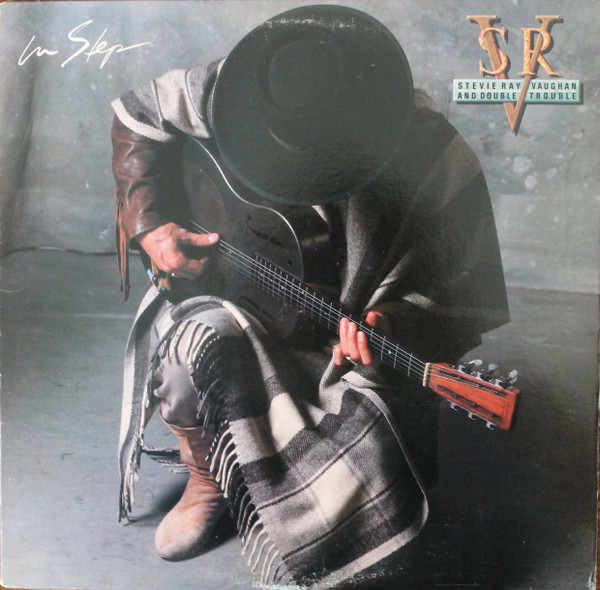
In Step
1989
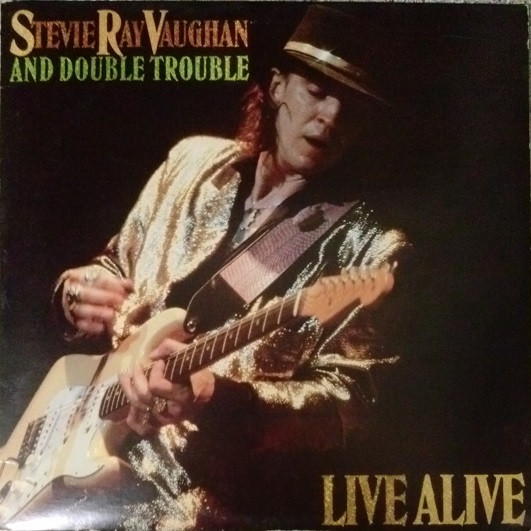
Live Alive
1986
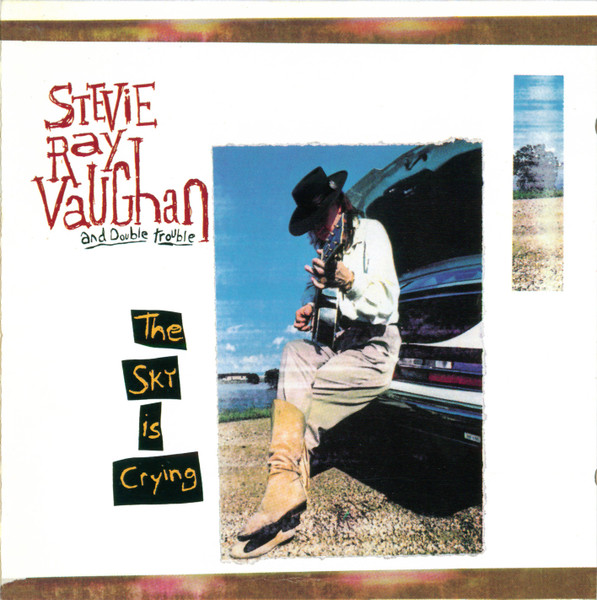
The Sky Is Crying
1991
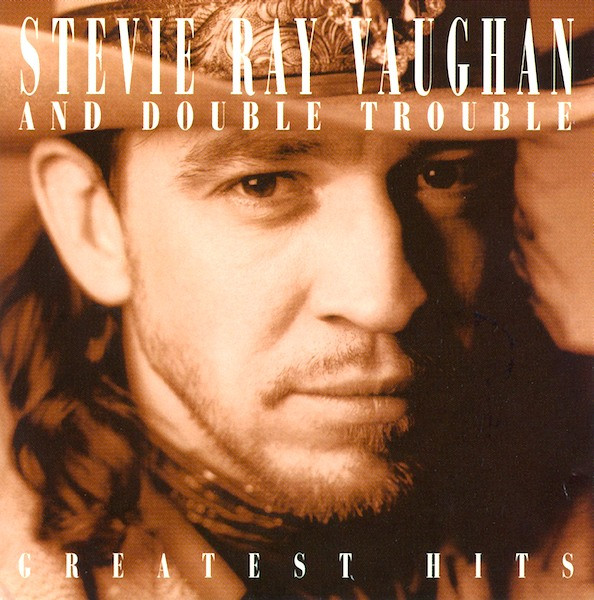
Greatest Hits
1995
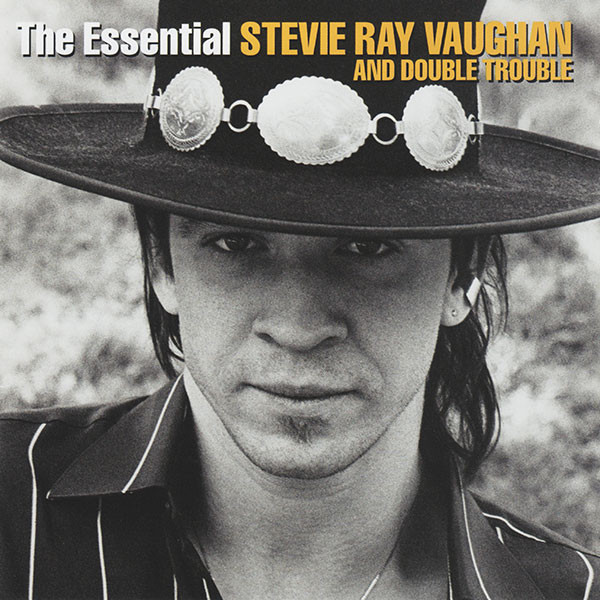
The Essential Stevie Ray Vaughan And Double Trouble
2002
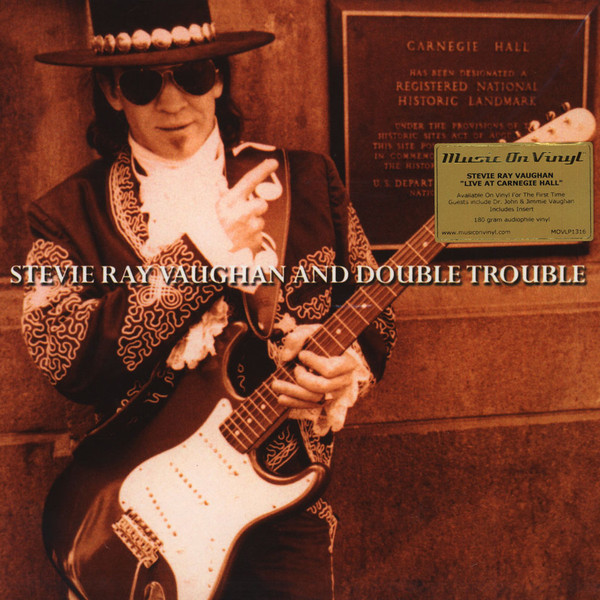
Live At Carnegie Hall
1997

In The Beginning
1992
Live At Montreux 1982 & 1985
2001

The Real Deal: Greatest Hits Volume 2
1999
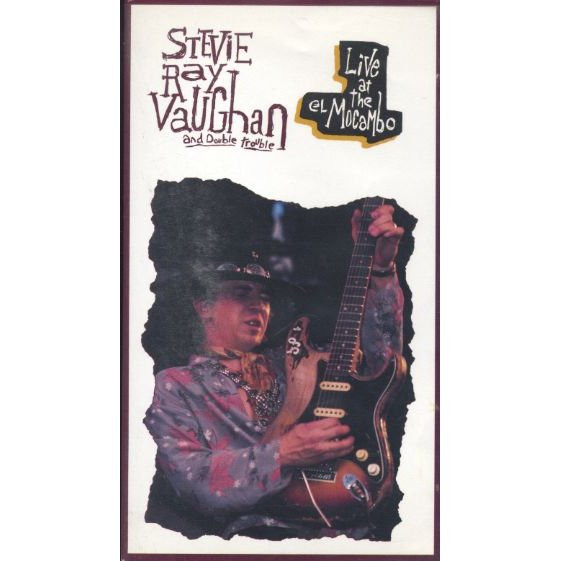
Live At The El Mocambo
1991

The Real Deal: Greatest Hits Volume 1
2006
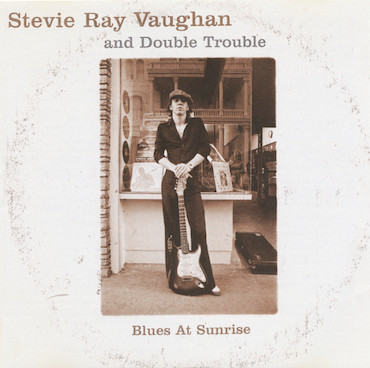
Blues At Sunrise
2000
Live From Austin, Texas
1995
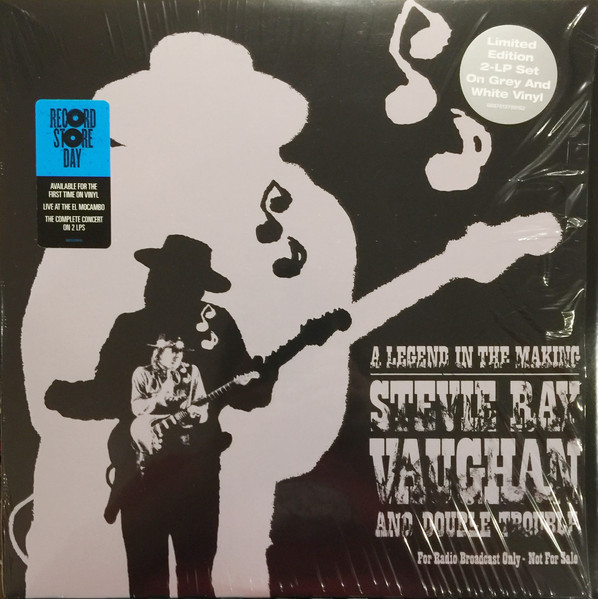
A Legend In The Making
1983

Austin Opera House 1984
2013
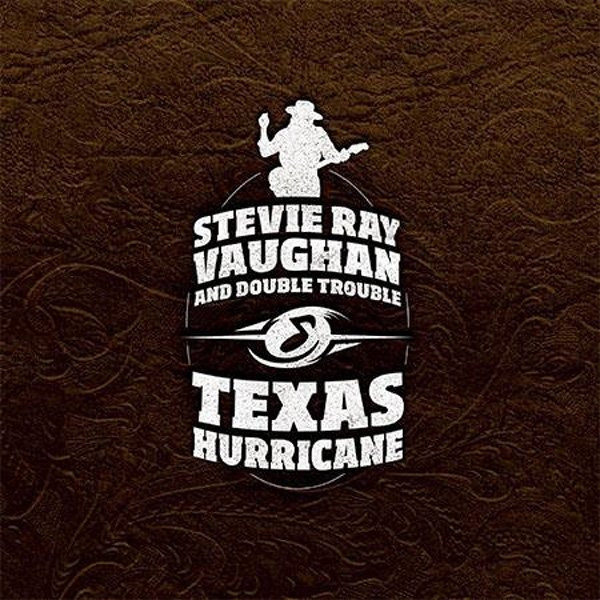
Texas Hurricane
2014
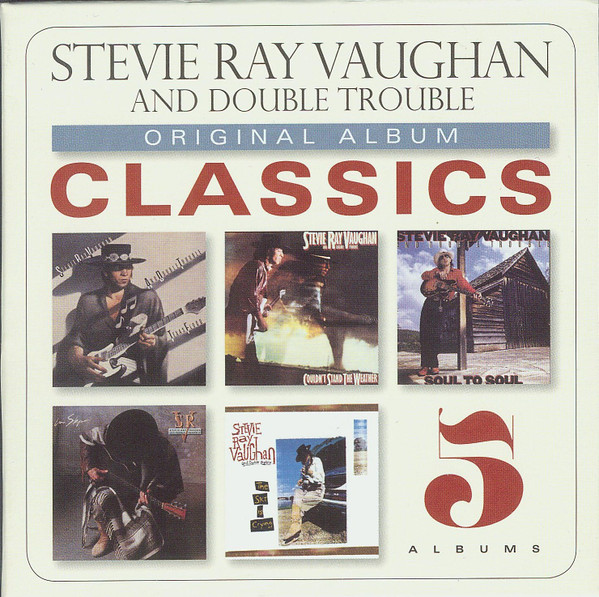
Original Album Classics
2013
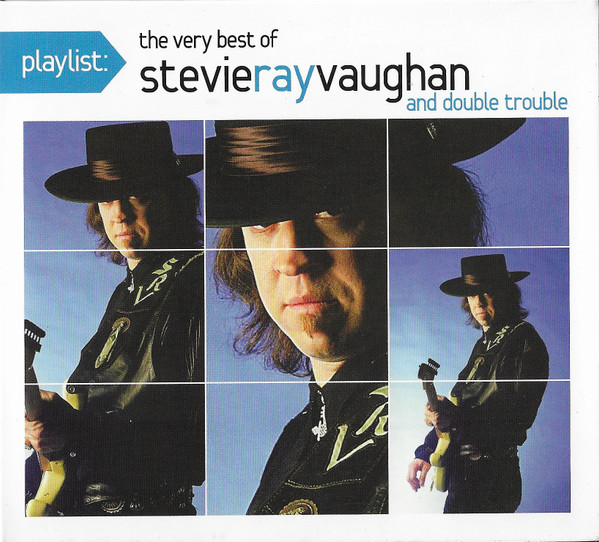
Playlist: The Very Best Of Stevie Ray Vaughan And Double Trouble
2010
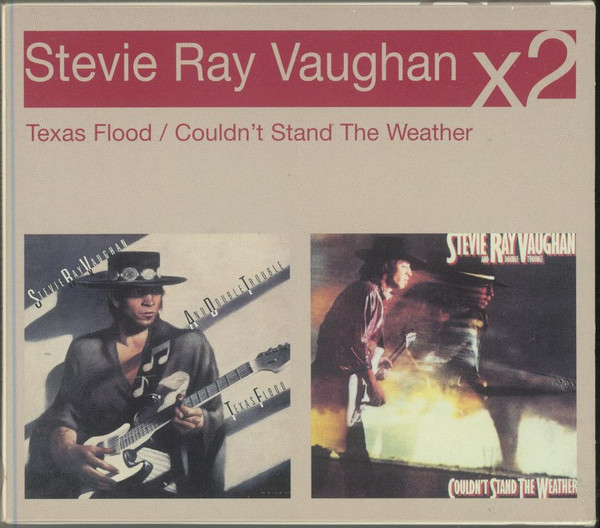
Texas Flood / Couldn't Stand The Weather
2000
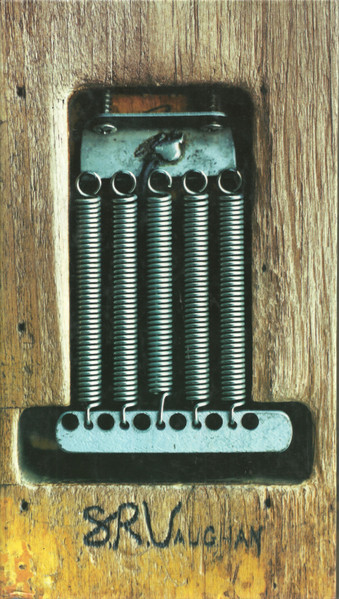
S.R.V.
2000
Related artists
Around the web
Follow every record they touch.
Start your shelf and Gatefold tracks Stevie Ray Vaughan and Double Trouble's new pressings, tour dates, and the whole discography — automatically.
Start your shelf →Free forever. Works with 10 records or 10,000.