
Artist
Sting
singer, songwriter & member of The Police
Wallsend, United Kingdom · b. 1951
Sting is a musician from Wallsend, United Kingdom, active since 1951. Their discography on Gatefold includes 24 records. They also recorded with The Police and Strontium 90.

69
Albums tracked
1,349
In collections
1951
Since
Biography
Sting spent the late seventies screaming over Stewart Copeland’s hyperactive snare hits and Andy Summers' flanged-out reggae chords because that’s what the market demanded, but he was always a jazz bassist in a trench coat. He blew up the Police at their absolute peak because he didn't want to be a rock star—he wanted to be a bandleader. He ditched the power trio format to hire Branford Marsalis and Kenny Kirkland, guys who could actually play around his compositions instead of just fighting him for space on the frequency spectrum. He spent the nineties leaning into high-fidelity adult contemporary, which earned him a lot of 'Lute' jokes later on, but the guy's musicianship is fuckin' airtight. Whether he’s working with Dominic Miller or doing a full-blown collaborative record with Shaggy, he’s obsessed with the technical architecture of a song. He’s the guy who brought a fretless precision bass to a stadium tour and made it work because he understands space better than almost anyone else from that era.
Bio from The Clerk
The Arc of Sting
The pivots — what forced Sting to reinvent.
The Blue Turtles Pivot
After the Synchronicity tour wrapped, Sting didn't just go solo; he burned the house down and moved to Barbados to record at Eddy Grant's Blue Wave Studios with a group of young jazz virtuosos. Bringing in Branford Marsalis and Kenny Kirkland wasn't just a flex, it was a fundamental rejection of the punk-adjacent energy that made him famous. You hear it in the opening track of 'Dream of the Blue Turtles,' where the swing feel replaces the jagged white-reggae pulse of the Police. This was the moment he proved he could carry a band that wasn't reliant on Stewart Copeland's massive ego.
The Soul Cages Grief
The death of his father triggered a massive case of writer's block that nearly killed his career before Hugh Padgham stepped in to produce 'The Soul Cages.' The sessions were heavy, dark, and fixated on his childhood in the Newcastle shipyards, stripping away the playful jazz-pop of his first two solo records. This record introduced Dominic Miller on guitar, starting a partnership that lasted decades and defined the 'Sting sound'—clean, intricate, and deeply melancholic. It’s a dense, difficult record that traded radio hits for genuine, haunting atmosphere.
The Brand New Day Polishing
By the late nineties, Sting leaned entirely into the slick, digital production of Kipper Eldridge and started messing with world-beat textures and programmed loops. The massive success of 'Desert Rose' showed he could still hijack the charts by blending Cheb Mami’s Algerian raï vocals with Western pop structures. This era is where the technical precision becomes almost too clean, prioritizing flawless engineering over the grit of his earlier work. It’s the sound of a guy who won the game and spent his budget making everything sound like a million bucks.
Influences
- The Beatles — Sting has repeatedly cited 'Revolver' as the record that taught him how to write a middle-eight and move beyond simple blues structures. You hear it in the melodic complexity of 'Every Little Thing She Does Is Magic' and his tendency to drop odd-time signatures into pop songs. He even covered 'Day Tripper' and 'Penny Lane' during live sessions to show off the lineage.
- Miles Davis — The 'Bitches Brew' era of jazz-fusion was the catalyst for Sting hiring jazz players like Kenny Kirkland to back him. He’s gone on record saying he wanted the improvisational danger of a Miles ensemble rather than a static rock band. That philosophy is the reason he never plays a song the same way twice on tour.
- Jimi Hendrix — Sting was in the audience when Hendrix played the Newcastle Club a'Gogo in '67 and claims it changed his life. The influence shows up in the way he approaches the bass as a lead instrument, filling the holes in the arrangement with movement instead of just thumping roots. He paid the debt directly by covering 'Little Wing' on his second solo album.
- Thelonious Monk — He’s referenced Monk’s sense of space and 'the notes you don't play' as a primary influence on his bass style. You can hear that minimalist, punchy approach on early Police tracks where he lets the silence do the heavy lifting. He even named a track on the first solo record after a Monk-inspired dream.
- Bob Marley & The Wailers — The Police were essentially a reggae-rock band, and Sting studied Aston 'Family Man' Barrett’s bass lines to learn how to play behind the beat. You hear that drop-beat influence on 'Roxanne' and 'Walking on the Moon,' which wouldn't exist without 'Catch a Fire.' He’s spent his whole career trying to replicate that specific rhythmic tension.
Sting — solo
Their records — most-collected first.
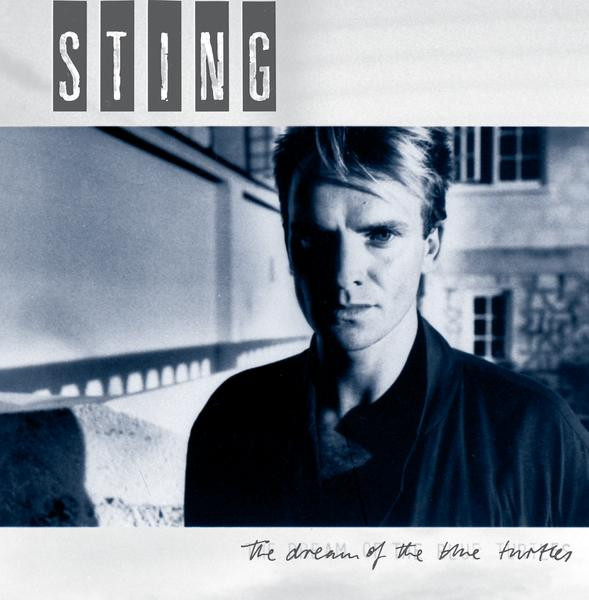
The Dream Of The Blue Turtles
1985
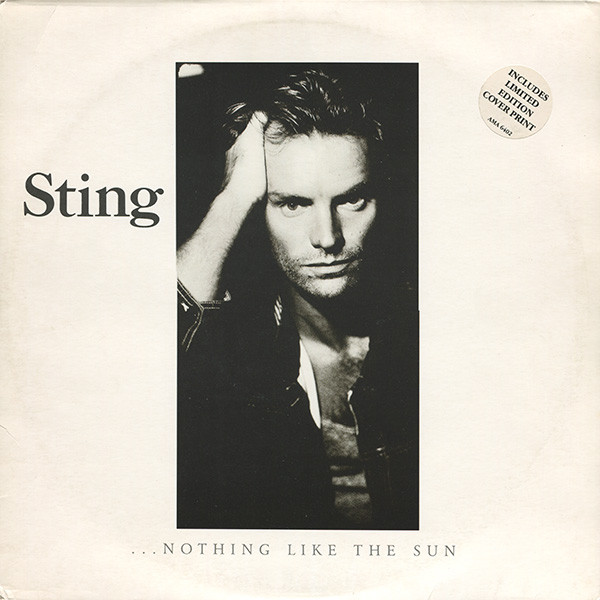
...Nothing Like The Sun
1987
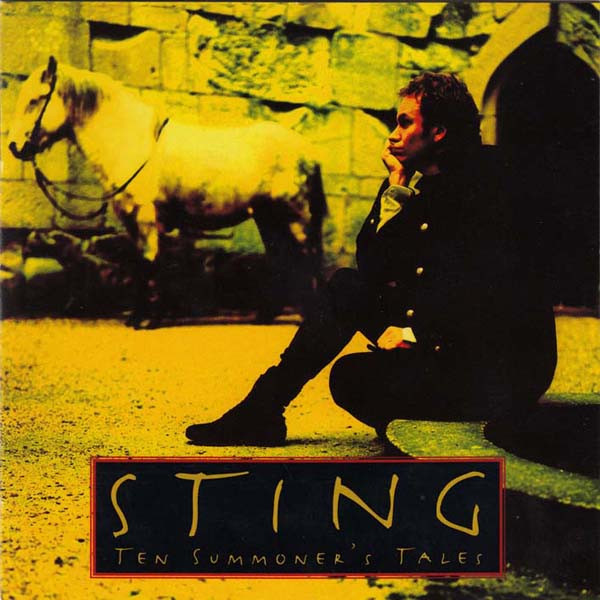
Ten Summoner's Tales
1993

The Soul Cages
1991
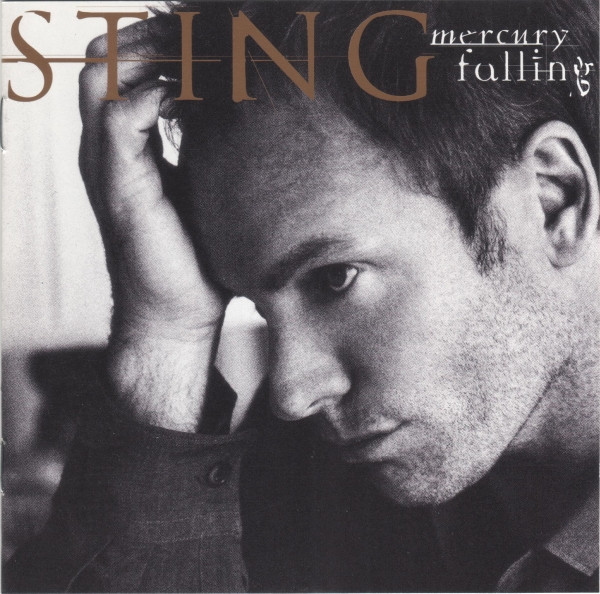
Mercury Falling
1996
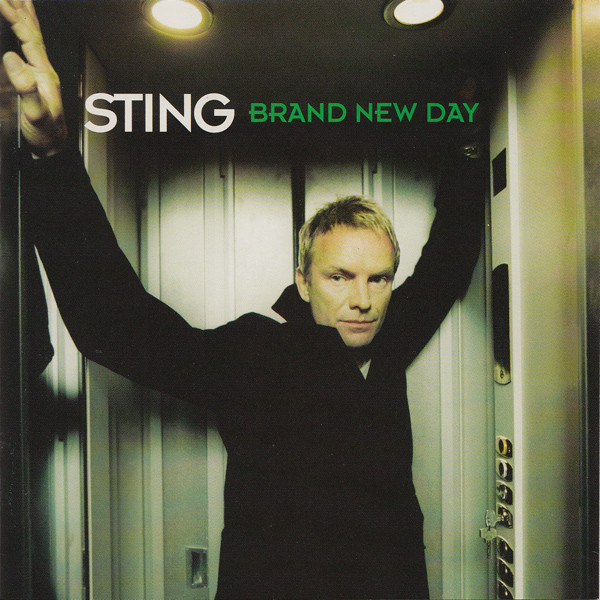
Brand New Day
1999

Bring On The Night
1986

Fields Of Gold: The Best Of Sting 1984 - 1994
1994
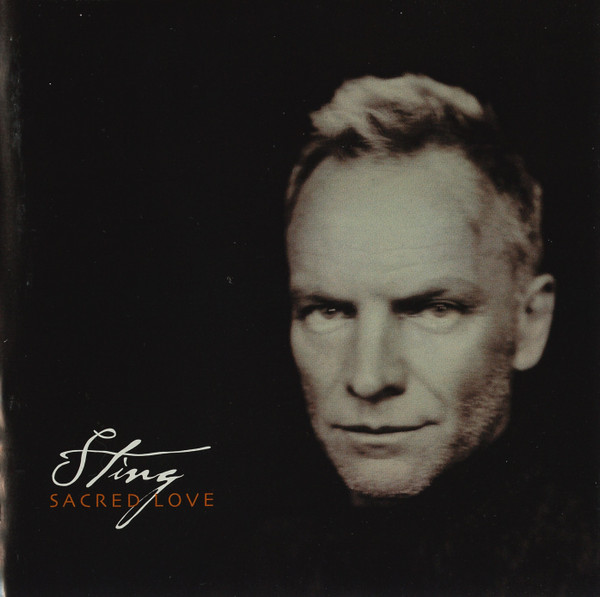
Sacred Love
2003

If On A Winter's Night...
2009
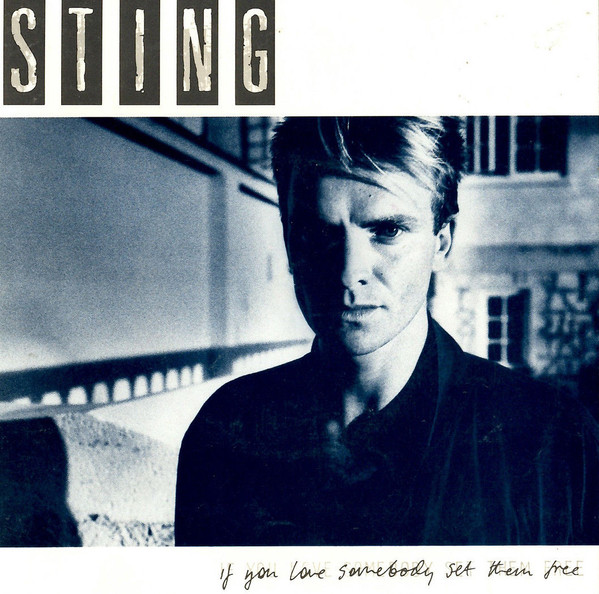
If You Love Somebody Set Them Free
1985

The Very Best Of... Sting & The Police
1997

57th & 9th
2016
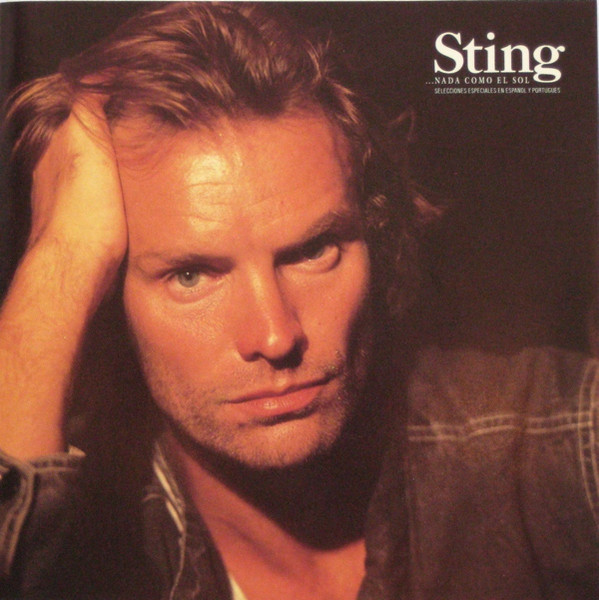
...Nada Como El Sol (Selecciones Especiales En Espanol Y Portugues)
1988
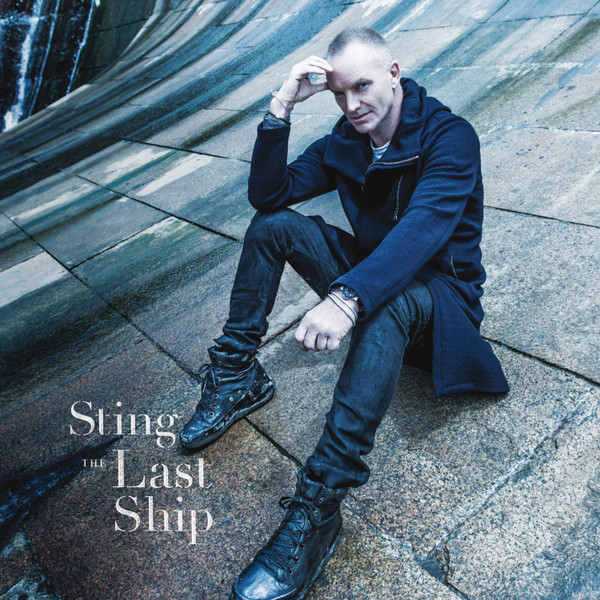
The Last Ship
2013
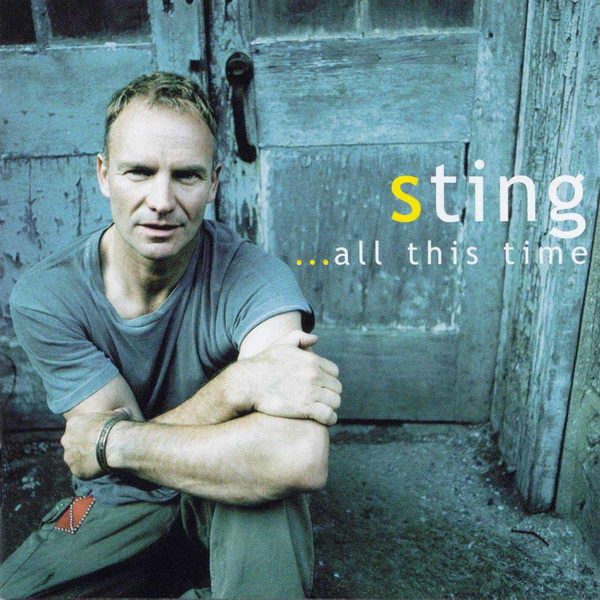
...All This Time
2001

Songs From The Labyrinth
2006

Inside The Songs Of Sacred Love
2003

The Living Sea (Soundtrack From The IMAX Film)
1995
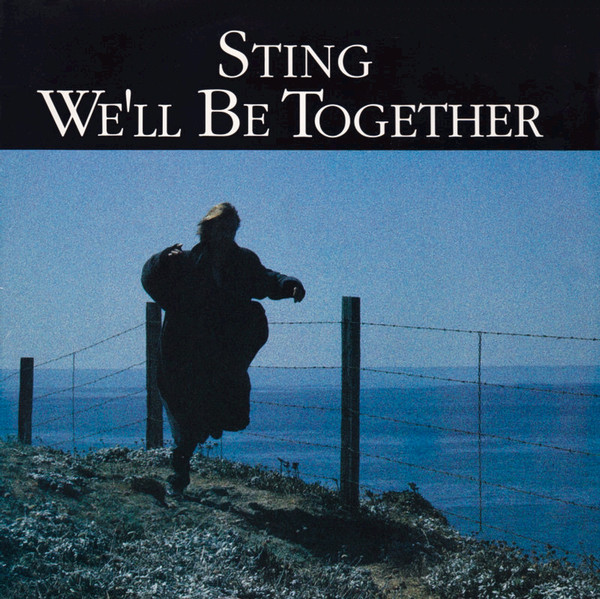
We'll Be Together
1987

Russians
1985

Love Is The Seventh Wave (New Mix)
1985

The Bridge
2021
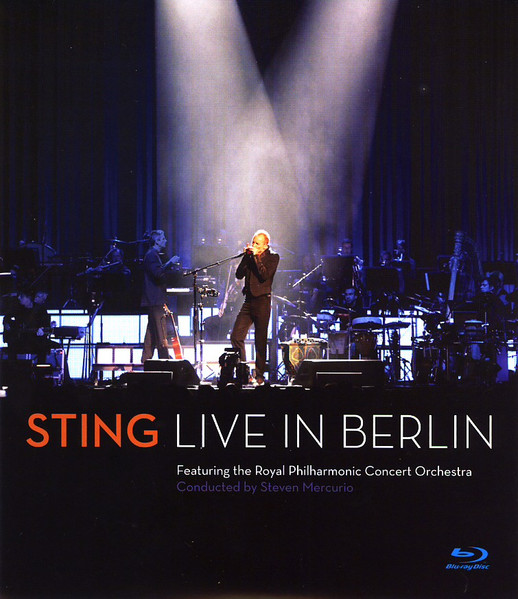
Live In Berlin
2010
The Police
A project Sting was part of. Former member.
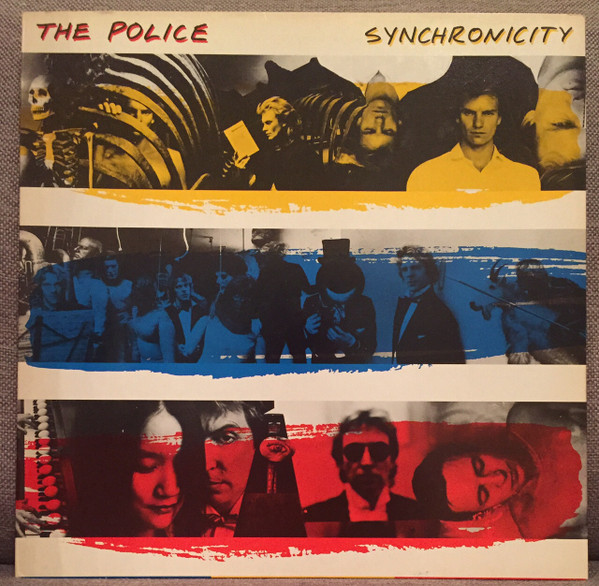
Synchronicity
1983
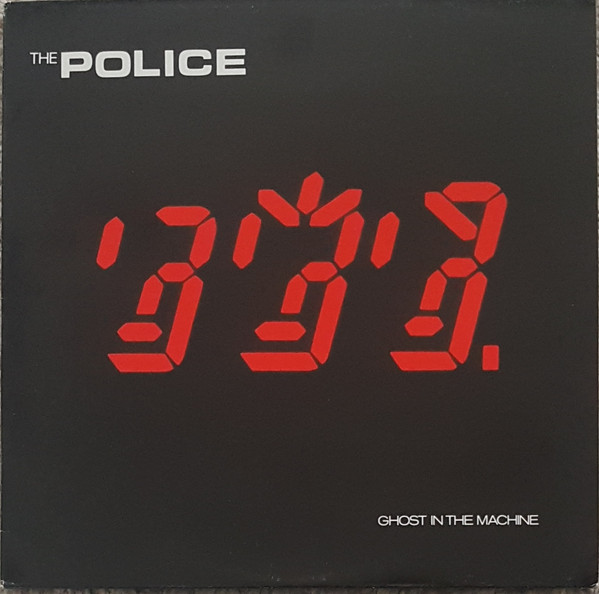
Ghost In The Machine
1981
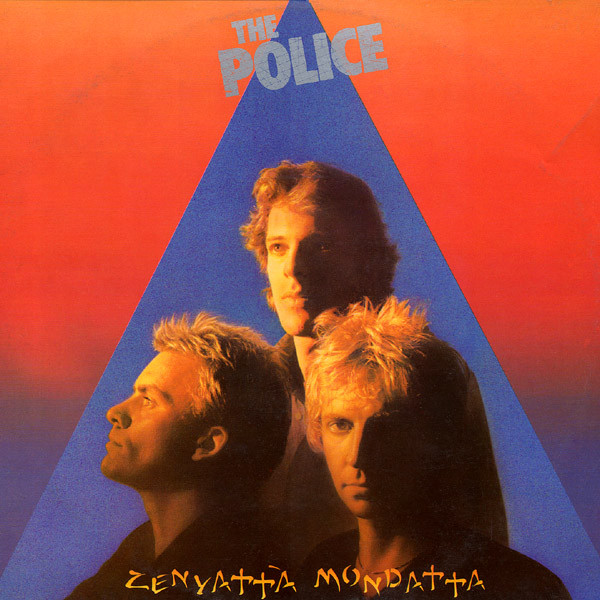
Zenyatta Mondatta
1980
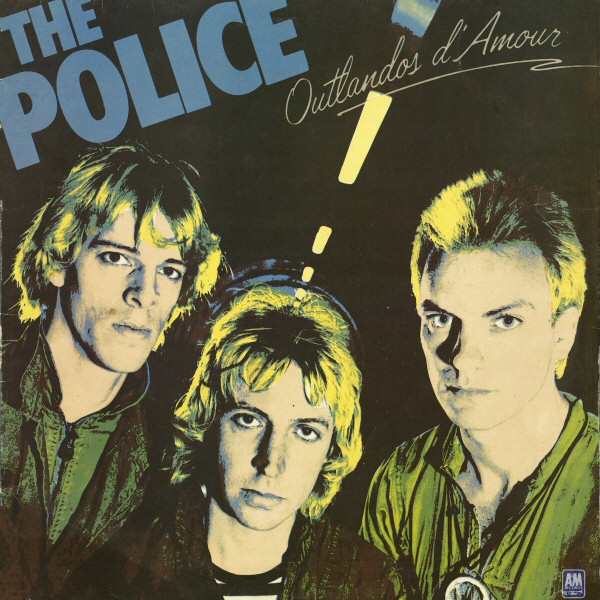
Outlandos D'Amour
1978
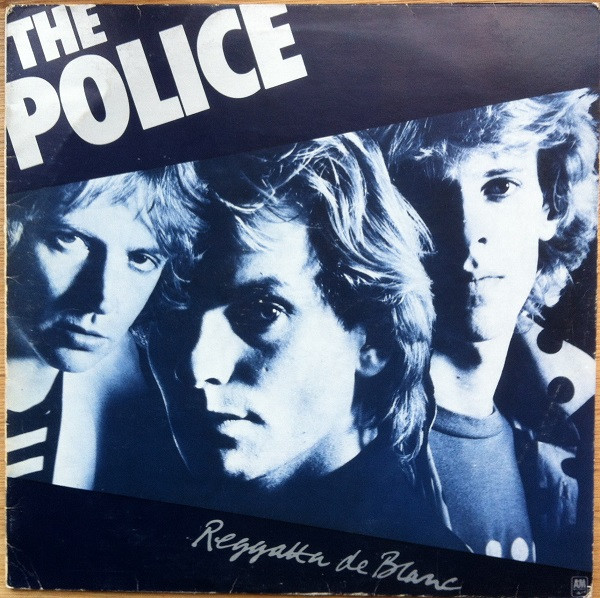
Reggatta De Blanc
1979
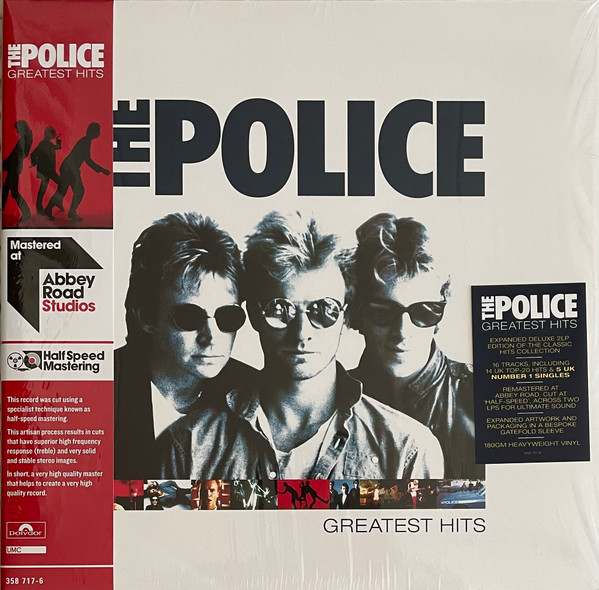
Greatest Hits
1992
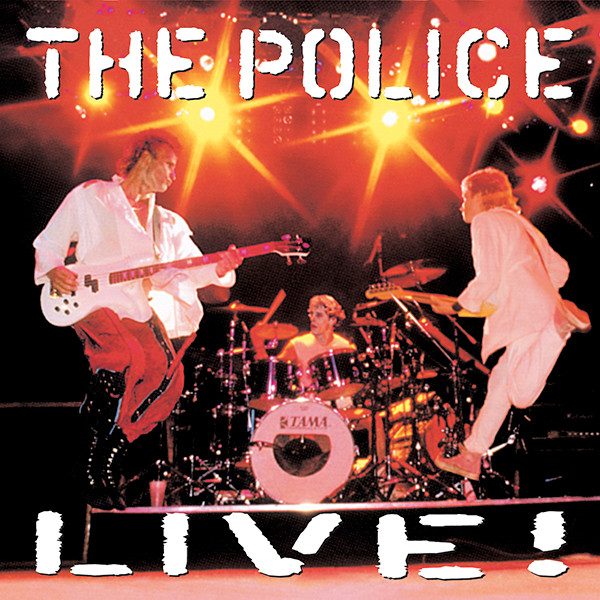
Live!
1995
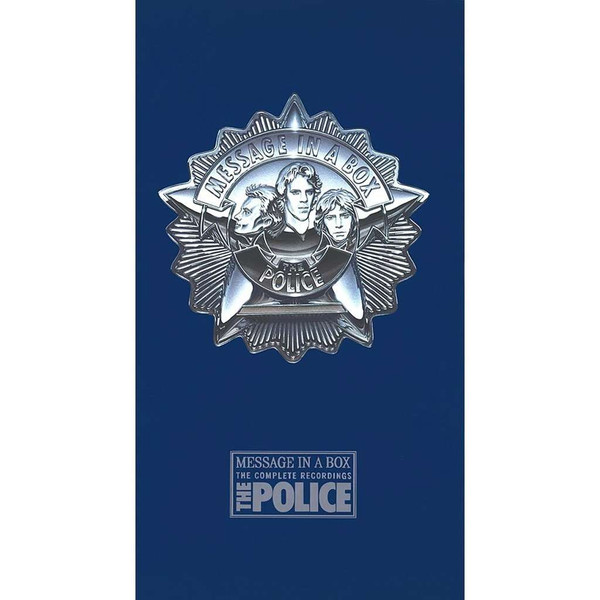
Message In A Box: The Complete Recordings
1993
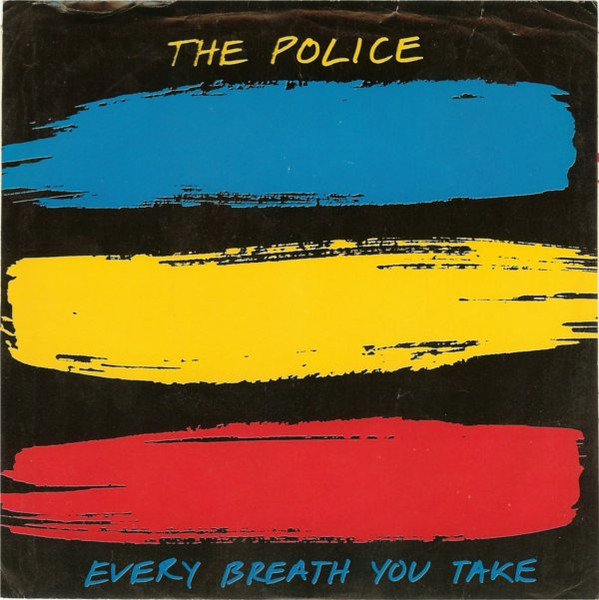
Every Breath You Take
1983
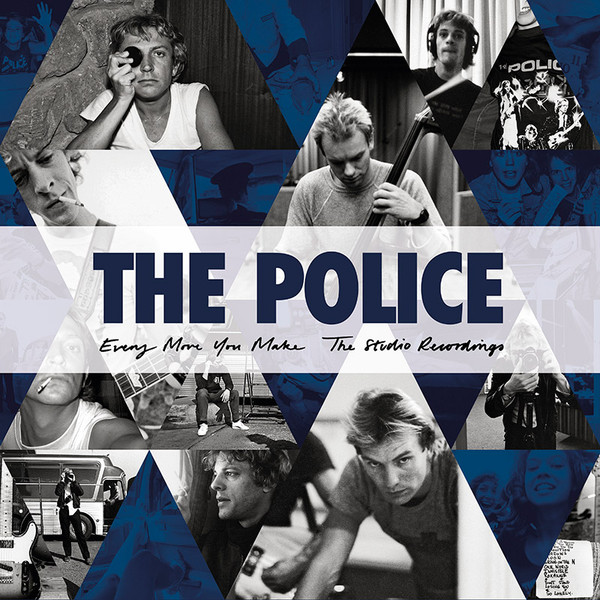
Every Move You Make (The Studio Recordings)
2018

Certifiable (Live In Buenos Aires)
2008

The Police
2007
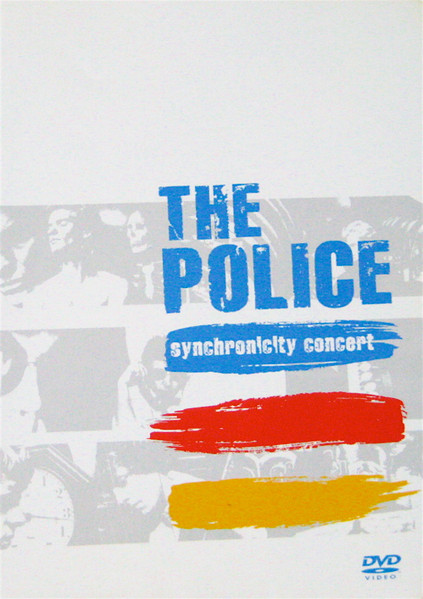
Synchronicity Concert
1984
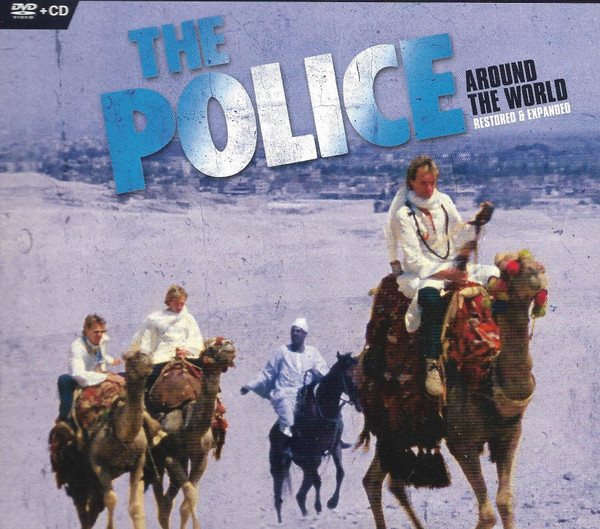
Around The World
1982
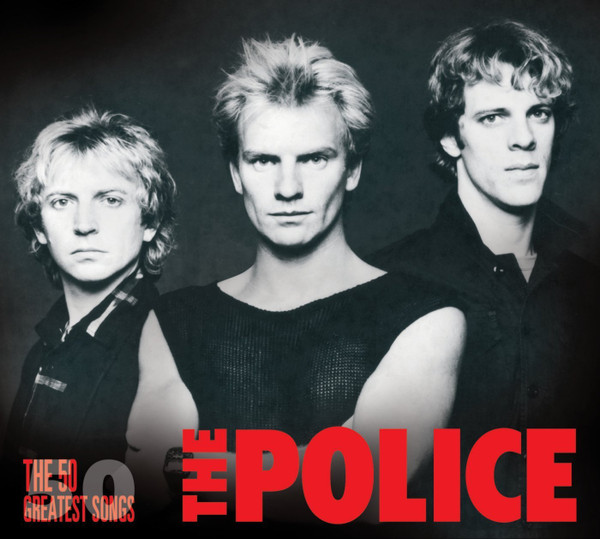
The 50 Greatest Songs
2008
Live Ghost In The Machine
1996

Outlandos D'Amour/Reggatta De Blanc
1983
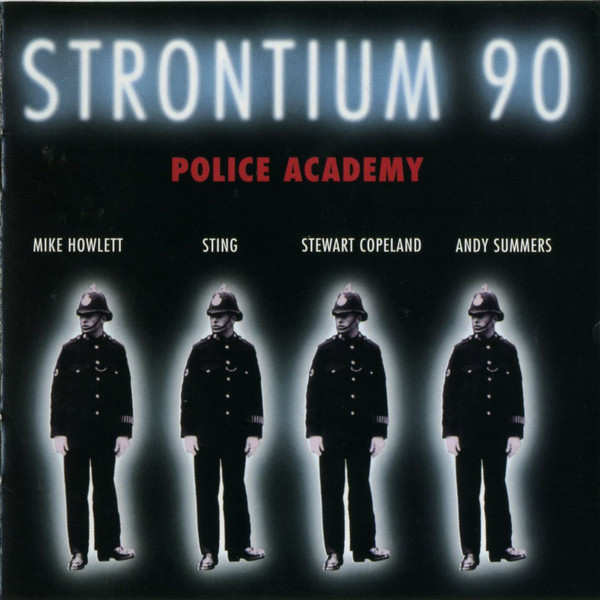
Strontium 90
A project Sting was part of. Former member.
Related artists
More projects
Around the web
Follow every record they touch.
Start your shelf and Gatefold tracks Sting's new pressings, tour dates, and the whole discography — automatically.
Start your shelf →Free forever. Works with 10 records or 10,000.