
Artist
Emmylou Harris
Birmingham, United States · b. 1947
Emmylou Harris is a musician from Birmingham, United States, active since 1947. Their discography on Gatefold includes 24 records. They also recorded with Gram Parsons and the Fallen Angels.

49
Albums tracked
277
In collections
1947
Since
Biography
Gram Parsons died in room eight of the Joshua Tree Inn in the fall of 1973, leaving Emmylou stranded without an anchor and holding a grief that could have easily wrecked her career before it started. Instead, producer Brian Ahern parked the Enactron Truck in her driveway and cut Pieces of the Sky. She didn't just sing Parsons' tunes; she built a sanctuary for traditional country out of rock and roll horsepower. She hijacked Elvis's rhythm section, snagged James Burton's Telecaster, and gave a young songwriter named Rodney Crowell a steady job. Country radio didn't know what to do with her, but the rock kids bought it in droves. She spent the next fifteen years operating as the best curator in Nashville, defying the gloss machine by cutting traditional bluegrass records like Roses in the Snow right when pop-country was getting unbearable. But when country radio completely locked out women over forty in the early nineties, she didn't chase the line-dance craze or fade into the Branson casino circuit. She called Daniel Lanois, walked into a studio full of fuzz pedals and dub delays, and reinvented what roots music could sound like. That kind of survival instinct isn't luck. It's taste backed by pure spine.
Bio from The Clerk
The Arc of Emmylou Harris
The pivots — what forced Emmylou Harris to reinvent.
The Hot Band and the Enactron Truck
After Parsons died, Brian Ahern took the producer chair and recorded Harris in a mobile studio on wheels, creating the benchmark for seventies country-rock. Ahern assembled the Hot Band, stacking the room with James Burton, Glen D. Hardin, and later Ricky Skaggs and Albert Lee. Albums like Pieces of the Sky, Elite Hotel, and Luxury Liner proved you could honor the Louvin Brothers while kicking like a rock outfit. Burton's stinging Telecaster lines and Harris's lonesome, pure soprano cut clean through every mix.
Traditionalist Defiance and Supergroups
By the turn of the eighties, Nashville was chasing synthetic gloss, so Harris doubled down on raw mountain music by cutting Roses in the Snow with Skaggs and Tony Rice on acoustic flat-tops. She followed that stubborn streak into The Ballad of Sally Rose, a fully realized concept album that confused label execs but solidified her as a writer. To cap the decade, she teamed up with Dolly Parton and Linda Ronstadt for Trio, showing the industry that three powerhouse women could outsell every hat act in town. The harmony stacks on those records were tight enough to split wood.
The Ambient Reinvention
When mainstream country radio dumped legacy artists in the nineties, Harris linked up with producer Daniel Lanois in New Orleans to cut Wrecking Ball. Lanois buried her acoustic guitar under dark, distorted loops, swampy hand percussion, and Larry Mullen Jr.'s heavy kick drum. The record stripped away every clean country trope and practically fathered modern Americana. It repositioned her not as an oldies act, but as an avant-garde roots godmother.
The Late-Career Songwriter
Freed from the burden of chasing hits and emboldened by the Lanois sessions, Harris finally started writing her own material from scratch on 2000's Red Dirt Girl and 2003's Stumble Into Grace. Working with Malcolm Burn, she traded the cover-song songbook for ghost-story narratives and personal grief. The arrangements stayed atmospheric, but the lyrical focus turned completely inward. It was the sound of an artist who spent thirty years singing everyone else's best lines finally delivering her own.
Influences
- Gram Parsons — Parsons pulled her out of Washington D.C. folk clubs to sing harmonies on GP and Grievous Angel. You can hear his blueprint of 'Cosmic American Music' across the entirety of her early solo records, especially on her cuts of 'Boulder to Birmingham' and '$1000 Wedding.' He gave her the musical vocabulary she used for the rest of her life.
- The Louvin Brothers — Harris learned hard-core country close harmony directly from Ira and Charlie Louvin's catalog. She cut definitive versions of 'If I Could Only Win Your Love' and 'When I Stop Dreaming' on her breakthrough seventies albums. That high, sharp vocal blend became her signature backing style.
- The Carter Family — Maybelle Carter's scratch guitar style and A.P. Carter's mountain songbook formed the raw bedrock of Harris's acoustic work. She covered 'Hello Stranger' and 'Gold Watch and Chain' across her traditional bluegrass runs. You can hear that direct Appalachian heritage in how she drives an acoustic rhythm section.
- The Stanley Brothers — Ralph and Carter Stanley gave Harris her education in the stark, unvarnished mournfulness of traditional bluegrass. She pulled 'The Darkest Hour Is Just Before Dawn' directly from their gospel catalog for Roses in the Snow. The high lonesome ache in her voice traces straight back to Clinch Mountain.
- Hank Williams — Hank was the holy ghost of honky-tonk songwriting that Harris measured every new lyric against. She covered 'Jambalaya' on Elite Hotel and tackled 'They'll Never Take Her Love from Me' with a straight, unpretentious delivery. His spare emotional economy is all over her early Reprise records.
Emmylou Harris — solo
Their records — most-collected first.
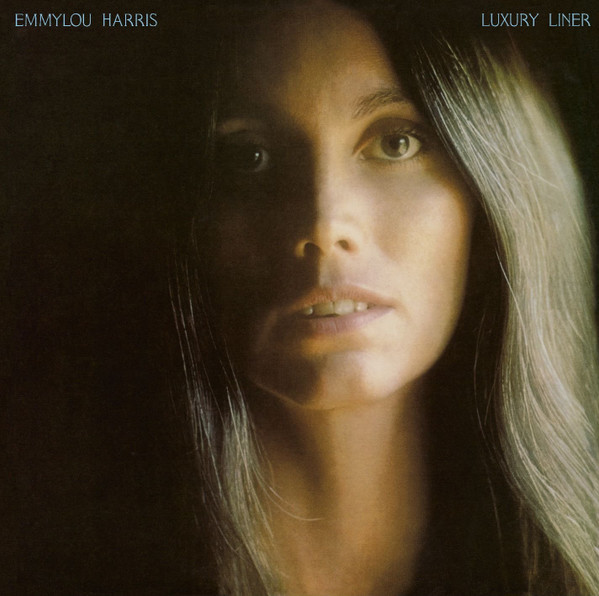
Luxury Liner
1977
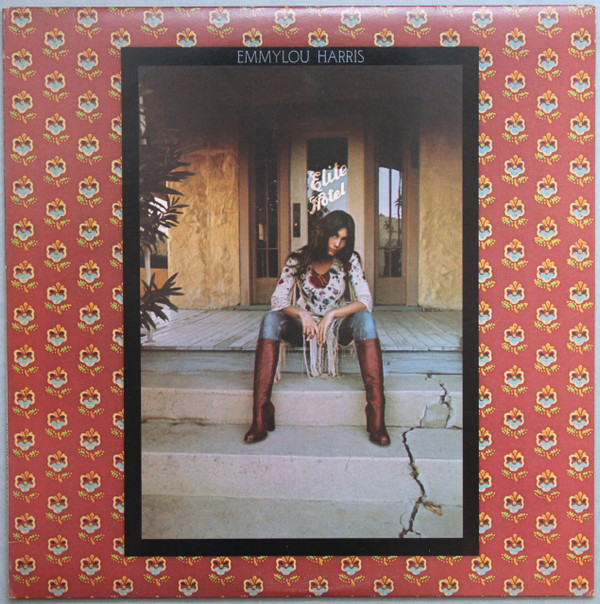
Elite Hotel
1975
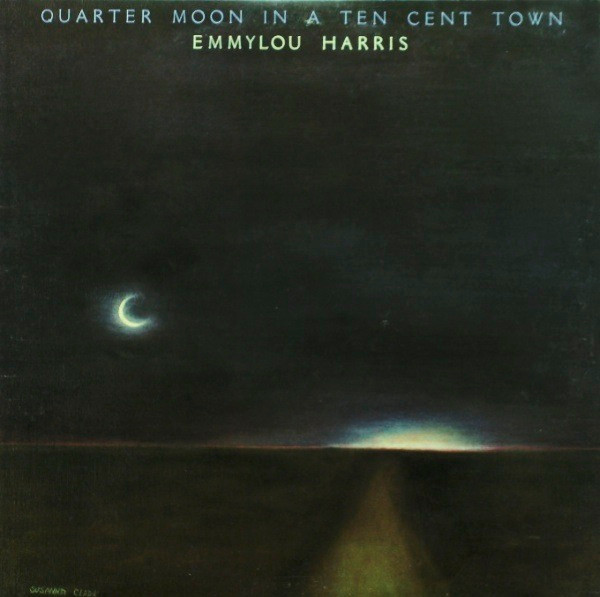
Quarter Moon In A Ten Cent Town
1978
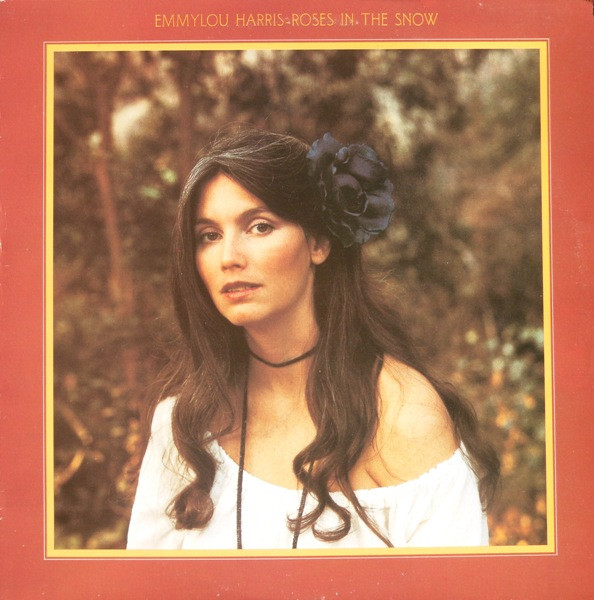
Roses In The Snow
1980
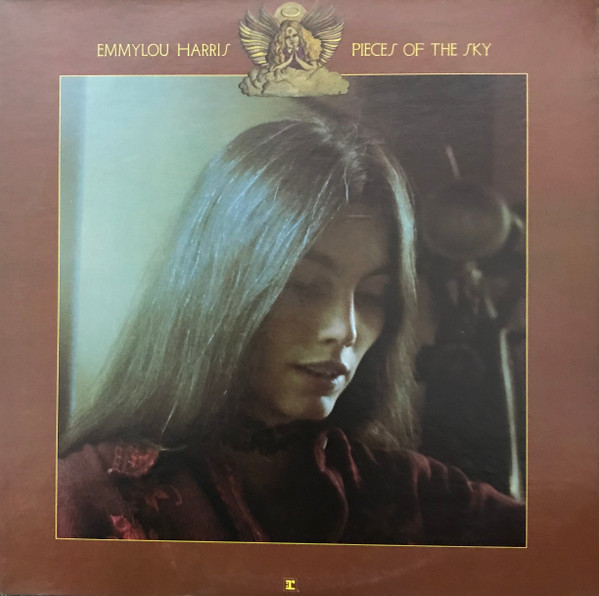
Pieces Of The Sky
1975
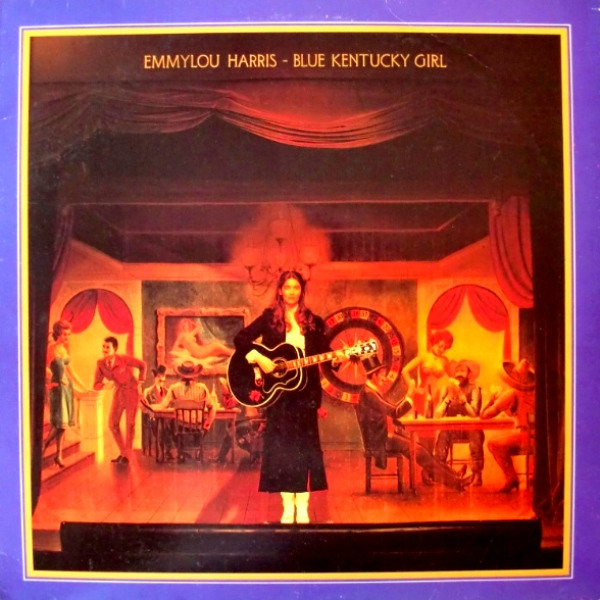
Blue Kentucky Girl
1979
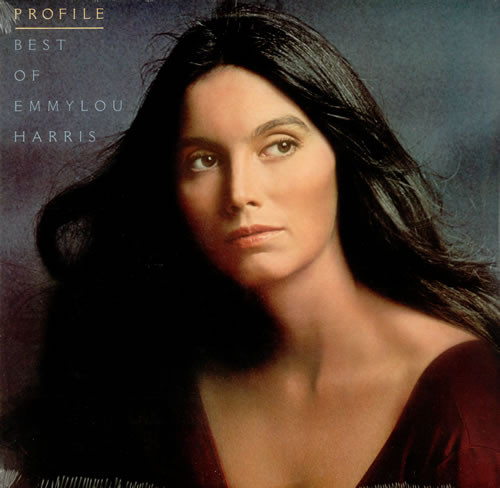
Profile / Best Of Emmylou Harris
1978
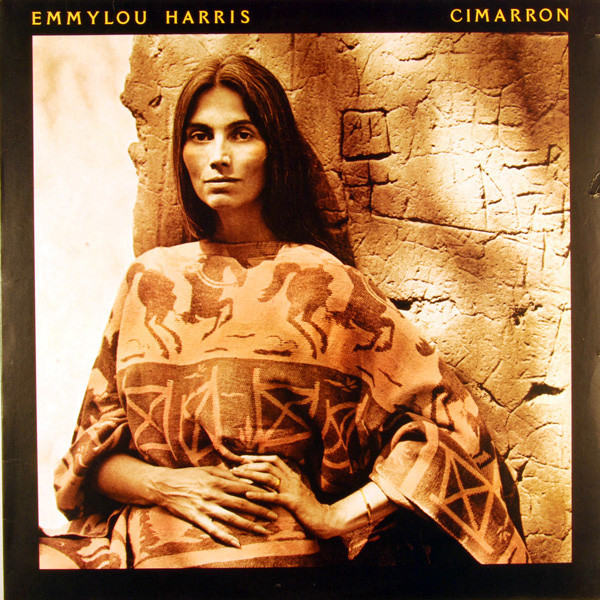
Cimarron
1981

The Ballad Of Sally Rose
1985
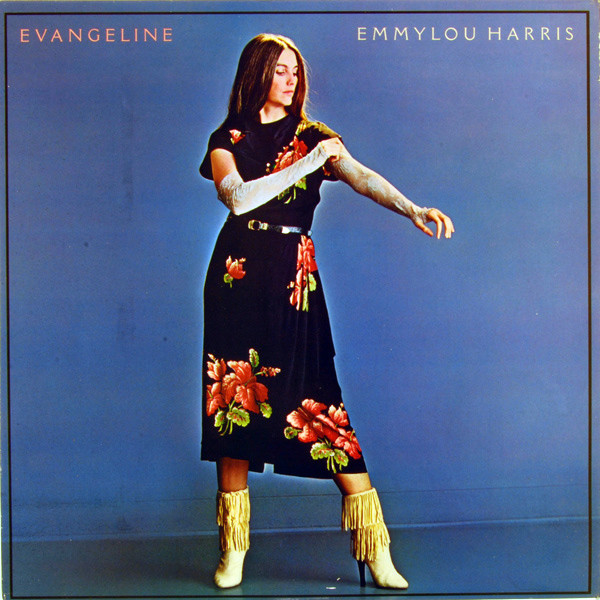
Evangeline
1981

Light Of The Stable-The Christmas Album
1979
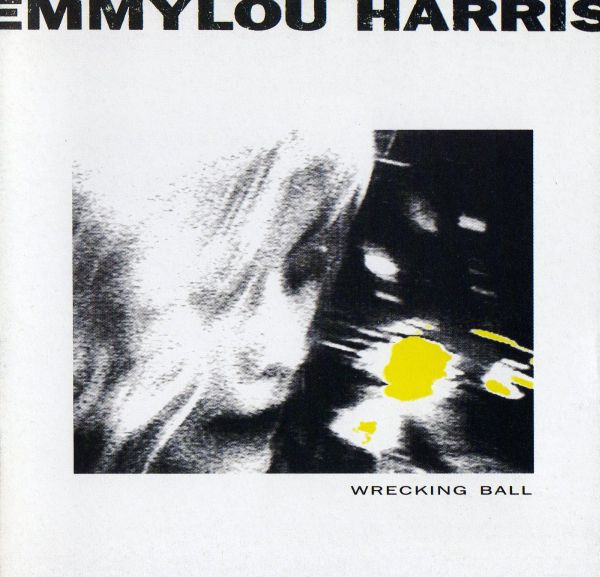
Wrecking Ball
1995
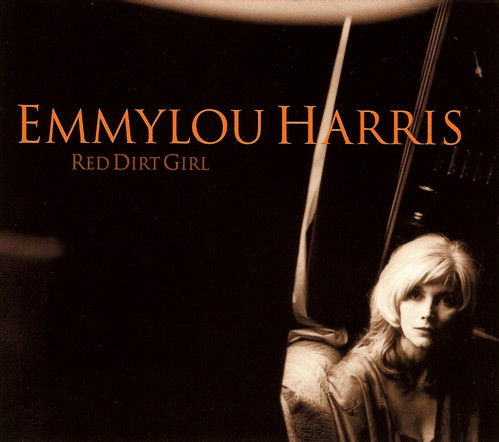
Red Dirt Girl
2000
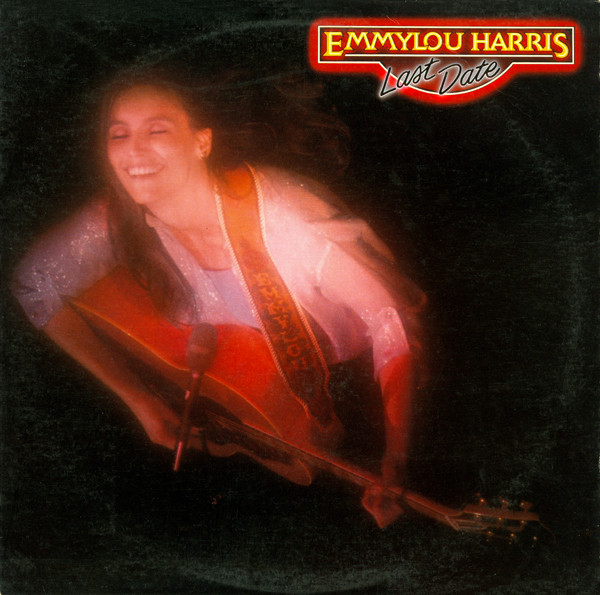
Last Date
1982
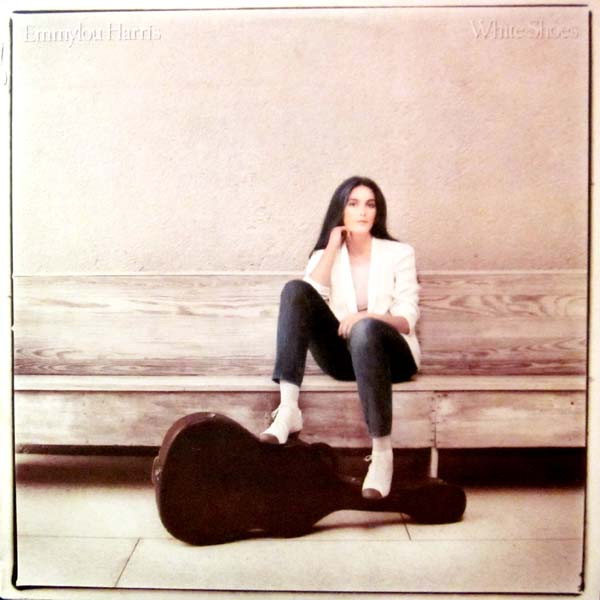
White Shoes
1983

Spyboy
1998

Thirteen
1986
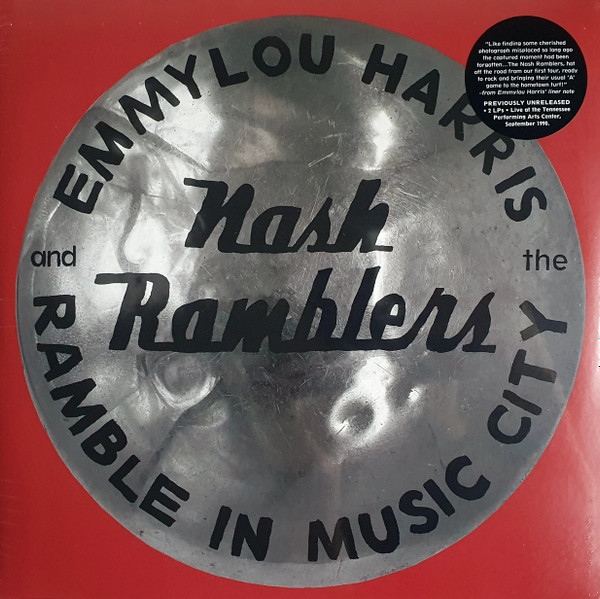
Ramble In Music City: The Lost Concert
2021

The Traveling Kind
2015
Stumble Into Grace
2003

Original Album Series
2010

At The Ryman
1992

Angel Band
1987
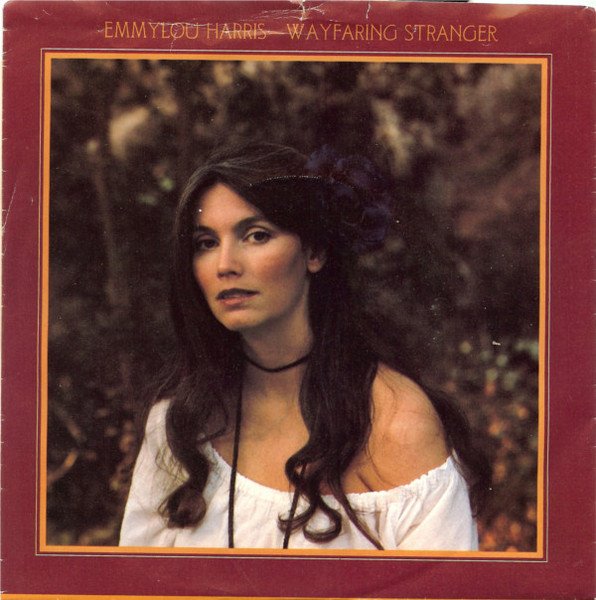
Wayfaring Stranger
1980
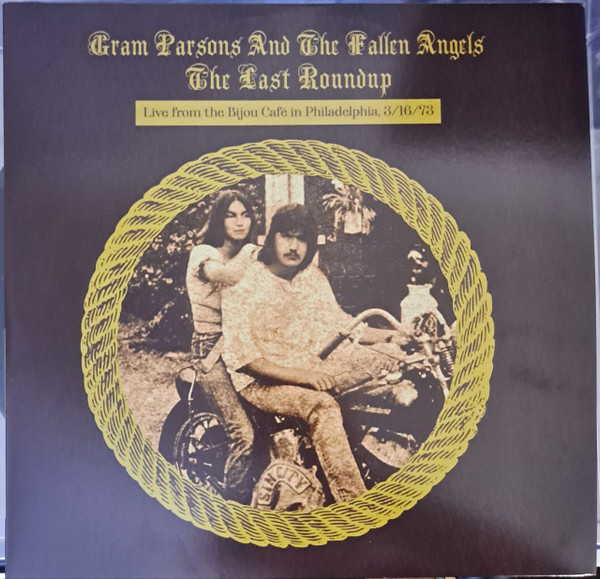
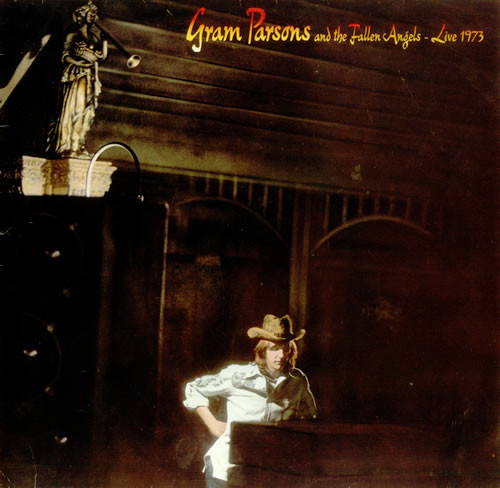
Gram Parsons and the Fallen Angels
A project Emmylou Harris was part of. Former member.
Related artists
Around the web
Follow every record they touch.
Start your shelf and Gatefold tracks Emmylou Harris's new pressings, tour dates, and the whole discography — automatically.
Start your shelf →Free forever. Works with 10 records or 10,000.