
Artist
Dolly Parton
Pittman Center, United States · b. 1946
Dolly Parton is a musician from Pittman Center, United States, active since 1946. Their discography on Gatefold includes 24 records.

88
Albums tracked
325
In collections
1946
Since
Biography
Fred Foster at Monument Records didn't want a country singer; he wanted a bubblegum pop star. He had her cutting rockabilly-lite tracks like 'Happy, Happy Birthday Baby' while she was itching to write about the dirt and the holy rollers back in the Smokies. The label suits thought her voice was too thin for the charts, but they were wrong as hell. Once she moved to RCA and hooked up with Porter Wagoner, the leash came off and she started writing 'Coat of Many Colors' and 'Jolene' on the back of dry cleaning receipts. She’s the smartest person in any room she walks into, which is why she spent the late '70s and '80s intentionally chasing the glitter of Hollywood and the pop charts. Some of those records are over-produced fluff, buried under layers of LA session gloss and synthesizers that didn't age well. For fuck’s sake, there’s a covers album where she does 'Great Balls of Fire' and it's a total mess. But she’s earned the right to miss. She’s a songwriter first, an enterprise second, and she’s never let the industry sharks own her publishing. Not even Elvis got a piece of her when he wanted to cover her tunes.
Bio from The Clerk
The Arc of Dolly Parton
The pivots — what forced Dolly Parton to reinvent.
The Wagoner Years
Porter Wagoner gave her the platform on his syndicated TV show, but he also tried to keep her in his shadow as a 'girl singer' sidekick. They cut dozens of duets where their harmonies locked in perfectly, but the tension in the room was thick enough to choke on. You can hear her fighting for air on those RCA tapes until she finally wrote 'I Will Always Love You' as her resignation letter. It wasn't a breakup song for a lover; it was a professional kill-shot to the man who thought he owned her career.
The Pop Crossover
By 1977, she was done with the Nashville machine and hired Gary Klein to produce 'Here You Come Again' to aim straight for the Top 40. The steel guitars were swapped for slick keyboards and a more polished, suburban sound that pissed off the country purists. This era was about leverage, moving from the Opry stage to the set of '9 to 5' and proving she could sell records to people who had never seen a cow. It’s the sound of a woman building an empire with zero apologies.
The Bluegrass Pivot
After the high-gloss experiments of the late '80s and early '90s started to fail commercially, she stripped it all back and signed with the indie label Sugar Hill. She returned to her roots with 'The Grass Is Blue,' ditching the massive arrangements for acoustic picking and mountain soul. It was a hell of a move that reminded everyone she didn't need the bells and whistles to command a room. The trilogy of bluegrass records she cut during this stretch is some of the most honest work she’s ever put to tape.
Influences
- Rose Maddox — Dolly has cited the Maddox Brothers and Rose as the blueprint for high-energy performance. You hear it in the aggressive, sharp delivery of her early up-tempo numbers and that hillbilly-boogie rhythmic sense. Rose was the original 'Atomic Bombshell' who didn't take shit from male bandmates.
- Patsy Cline — Dolly covered 'Walking After Midnight' early on and took the lesson of the 'crying' vocal break directly from Patsy. The way Dolly handles a ballad—leaning into the emotional cracks of a note—is a straight line back to the Decca sessions. It's about precision meeting raw heartbreak.
- The Louvin Brothers — The blood-harmony style of Charlie and Ira Louvin is the DNA of Dolly’s early duets with Porter Wagoner. She grew up on their gospel records and those tight, terrifyingly accurate vocal stacks are all over her mountain-music tracks. They taught her how to make a harmony part sound like a lead.
- Kitty Wells — Wells broke the ceiling for female country stars, and Dolly’s early solo work follows that 'Honky Tonk Angels' template. Before Dolly was a brand, she was cutting records that spoke to the domestic grind of women, a theme Wells pioneered. It’s the foundation for the storytelling in 'The Bargain Store'.
- Bill Monroe — The father of bluegrass provided the rhythmic spine for Dolly’s Appalachian songs. She’s performed 'Mule Skinner Blues' throughout her life, using Monroe’s high-lonesome yodels as a technical benchmark. It’s where she gets that frantic, driving energy on her acoustic cuts.
Discography
Their records — most-collected first.
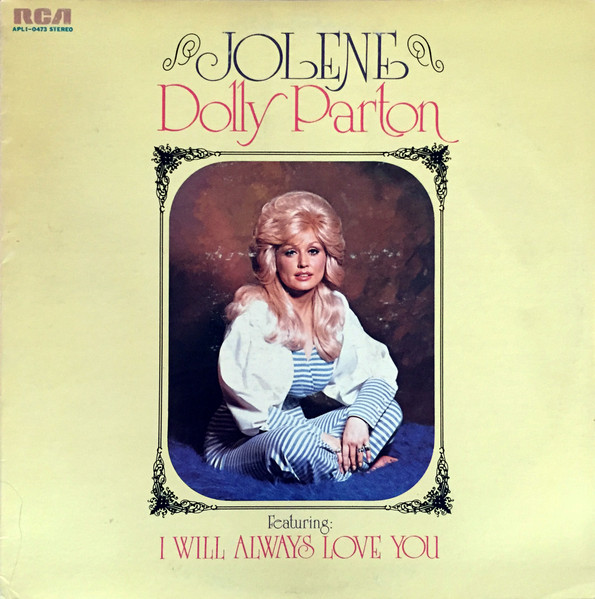
Jolene
1974
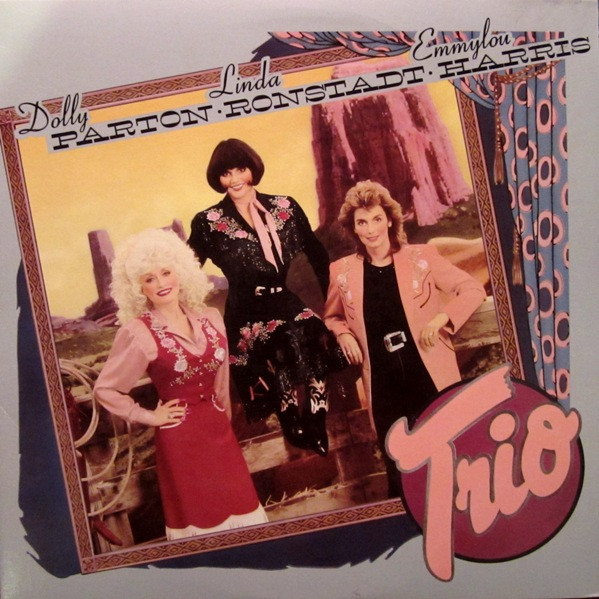
Trio
2016
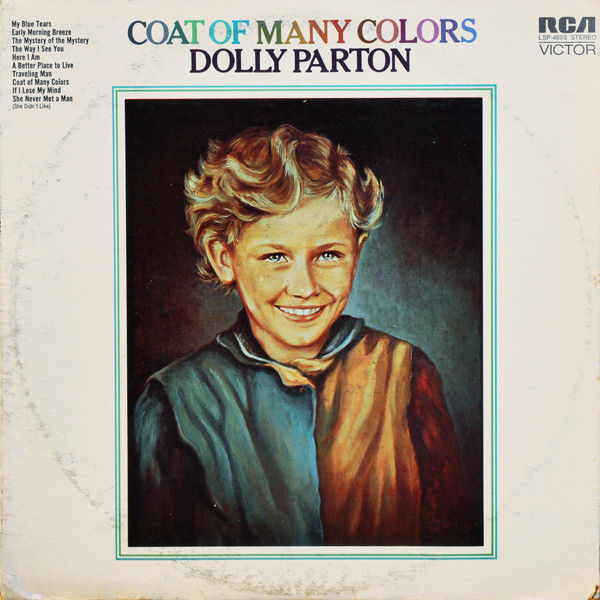
Coat Of Many Colors
1971
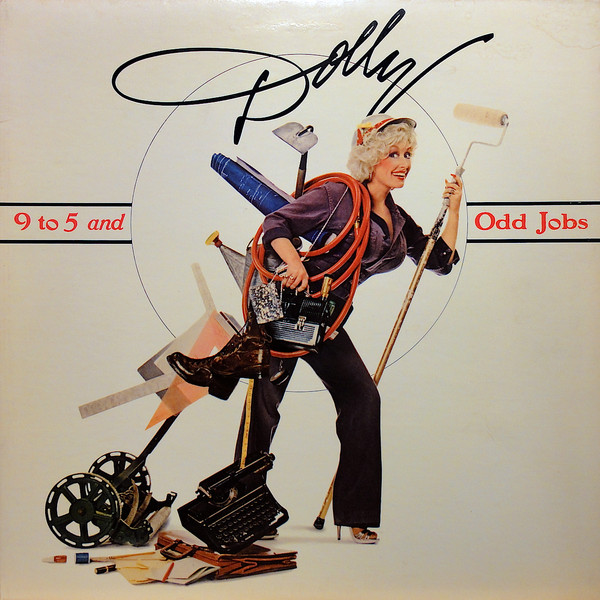
9 To 5 And Odd Jobs
1980
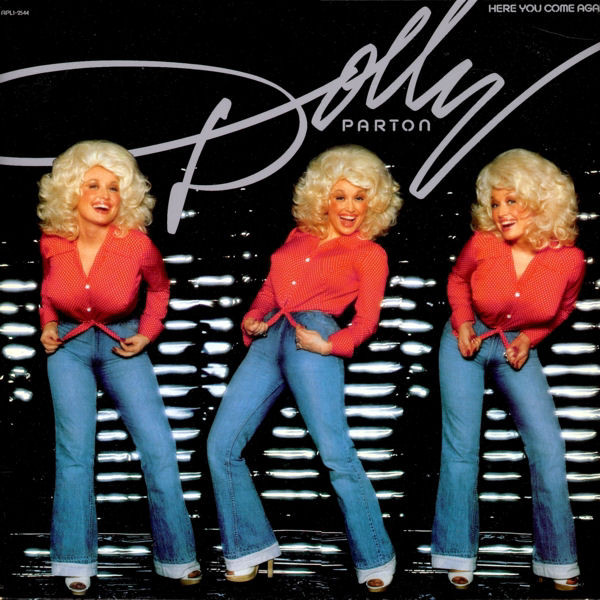
Here You Come Again
1977
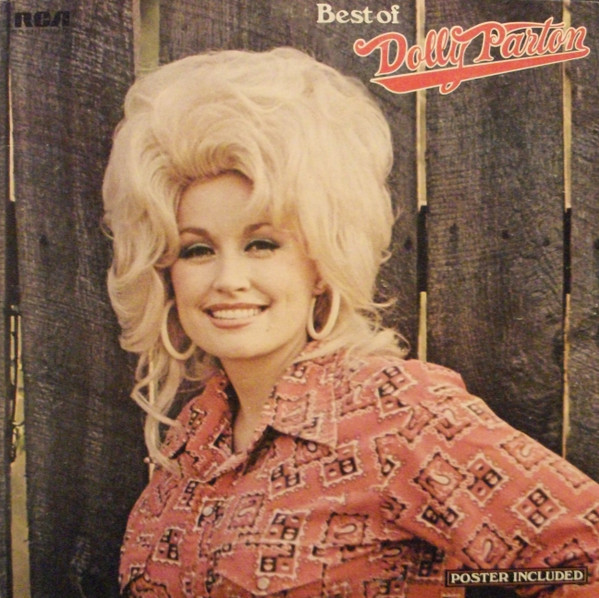
Best Of Dolly Parton
1975

Hello, I'm Dolly
1967
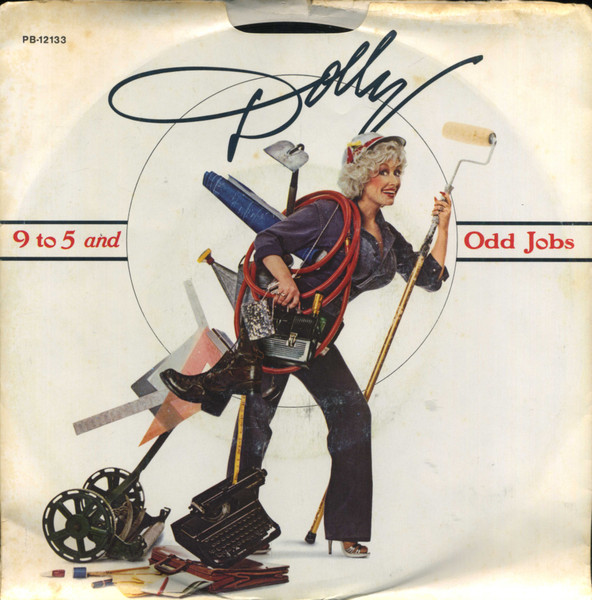
9 To 5
1980

Greatest Hits
1982
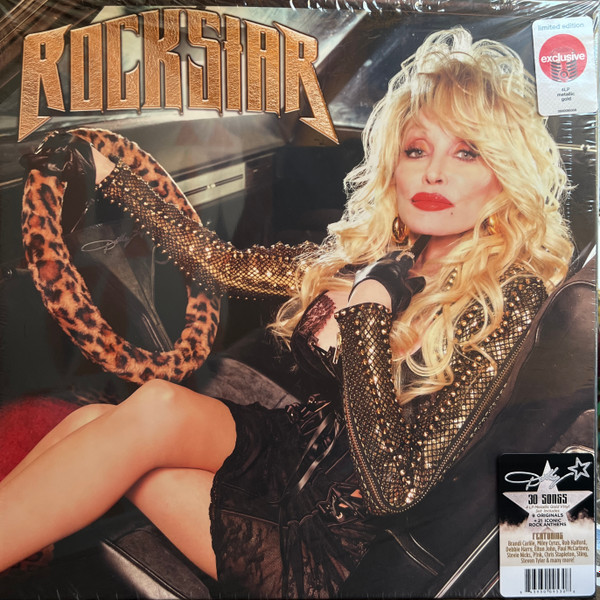
Rockstar
2023

Great Balls Of Fire
1979

New Harvest ... First Gathering
1977

Just Because I'm A Woman
1968
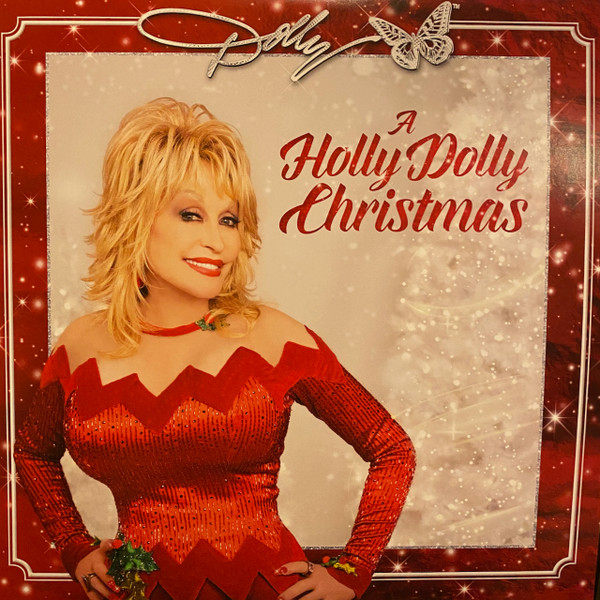
A Holly Dolly Christmas
2020
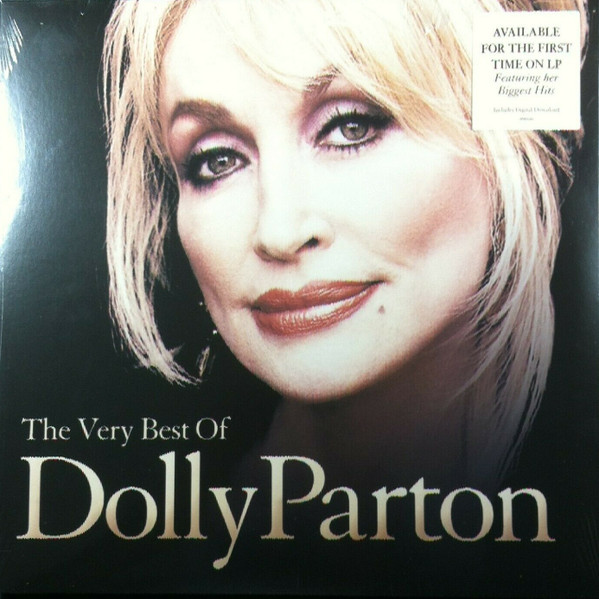
The Very Best Of Dolly Parton
2007

Heartbreaker
1978
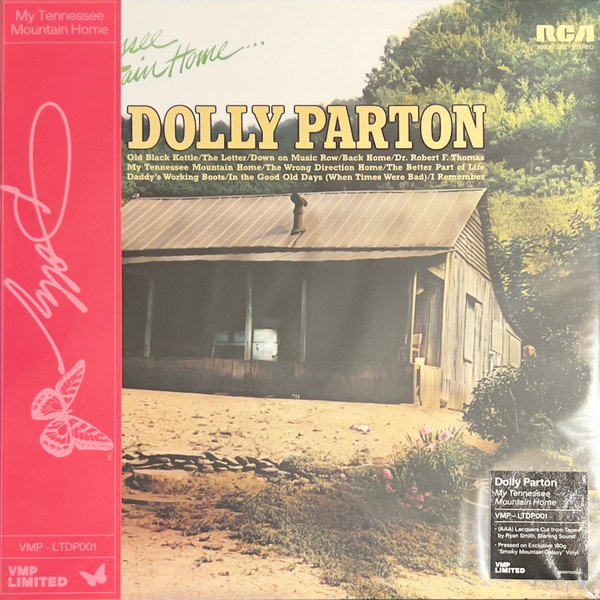
My Tennessee Mountain Home
1973

Just The Way I Am
1972
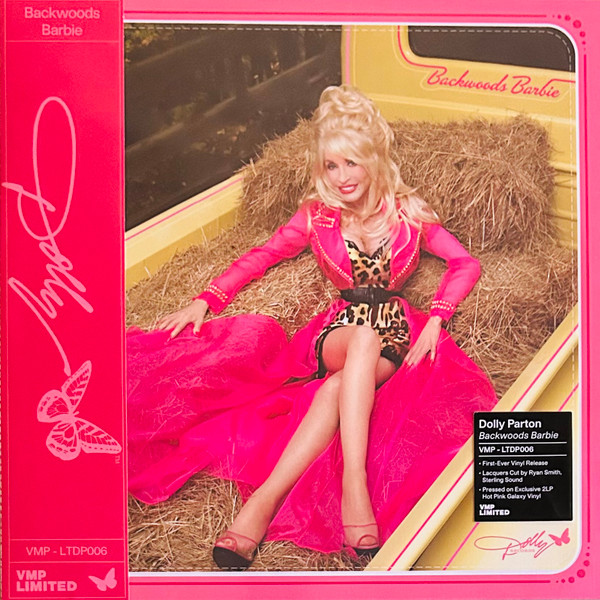
Backwoods Barbie
2008
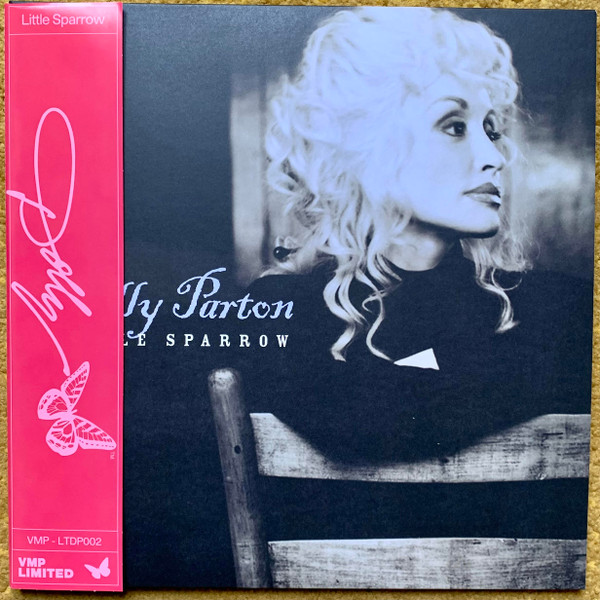
Little Sparrow
2001

Dolly (The Seeker / We Used To)
1975

Jolene
1973

Better Day
2011

Ultimate Dolly Parton
2003
Related artists
Around the web
Follow every record they touch.
Start your shelf and Gatefold tracks Dolly Parton's new pressings, tour dates, and the whole discography — automatically.
Start your shelf →Free forever. Works with 10 records or 10,000.