
Artist
Steve Earle
Fort Monroe, United States · b. 1955
Steve Earle is a musician from Fort Monroe, United States, active since 1955. Their discography on Gatefold includes 24 records. They also recorded with Steve Earle & the Dukes.

42
Albums tracked
160
In collections
1955
Since
Biography
Tony Brown walked into Nashville's Emerald Studio in 1985 to produce a guy who had already been run out of half the publishing houses on Music Row for being completely unmanageable. They laid down Guitar Town with a rented Fender Bassman and a bunch of session guys who didn't know whether they were cutting a country record or a heartland rock album. The result was a massive shot in the arm for a town that had gone soft on slick, over-produced urban cowboy pop. Earle had the songwriting chops of a folkie and the volume of a garage band. Then the wheels came off in a massive, drug-fueled spiral that landed him in prison in the early nineties. Most guys don't crawl out of that hole. He did. He came back clean with an acoustic guitar, a cheap four-track mindset, and a streak of records that proved his pen hadn't lost a single drop of venom or empathy. He has spent the last thirty years writing about blue-collar death, political anger, and the ghosts of his mentors without caring a lick about country radio playlists.
Bio from The Clerk
The Arc of Steve Earle
The pivots — what forced Steve Earle to reinvent.
The Hillbilly Shakespeare Launch
MCA Records tried to market Steve as a clean-cut neo-traditionalist, but he had other ideas for his 1986 debut. Guitar Town combined twangy Telecaster riffs with the driving snare hits of eighties arena rock. He took the country storytelling of his Texas mentors and cranked it through a Marshall stack, instantly alienating the Grand Ole Opry crowd while pulling in the college rock kids. It was loud, stubborn, and completely disrupted the Nashville establishment.
The Copperhead Crossroads
By 1988, Earle had abandoned Nashville conventions entirely to record Copperhead Road in Memphis with co-producer Tony Brown. He brought in the Pogues to play on the record, fusing traditional Appalachian themes with Celtic punk energy and heavy metal guitar solos. The title track became a rock radio staple, completely detached from the country charts. This was the moment he went from a country rebel to a genuine rock-and-roll outlaw, though the heavy touring and spiraling addiction almost killed him in the process.
The Bluegrass Exorcism
After getting clean and rebuilding his reputation with acoustic folk, Earle pivotally teamed up with the Del McCoury Band in 1999 to cut The Mountain. Recorded live around a single microphone in a bluegrass style, the album stripped away all the rock production to focus purely on high-lonesome flatpicking and vocal grit. It was a massive statement that proved his songwriting could hold its own in the most traditional acoustic circles. You can hear the raw, unedited tension of the band keeping up with Earle's blistering tempo on tracks like Carrie Brown.
Influences
- Townes Van Zandt — Townes was Earle's roommate, mentor, and taskmaster in the seventies. You hear his bleak, poetic storytelling on early tracks like Billy Austin. Earle even named his son Justin Townes Earle after him and cut a full tribute album of his songs in 2009.
- Guy Clark — Guy hired a teenage Earle as a bassist in his touring band and taught him the mechanical discipline of songwriting. The precise, novelistic character sketches on Guitar Town are a direct result of Clark's influence. Earle paid tribute by cutting the Guy album in 2019 to honor that exact songwriting blueprint.
- Waylon Jennings — Waylon took Earle under his wing in Nashville during the seventies and gave him a glimpse of how to fight the label bosses. You hear that thumping, four-on-the-floor outlaw country rhythm all over the Dukes' early rhythm tracks. Earle frequently cited Jennings as the guy who showed him that country music could have a rock-and-roll attitude.
- Bruce Springsteen — Earle spent the early eighties listening to Nebraska and Born in the U.S.A., aiming to bring that same working-class narrative style to country music. The blue-collar desperation on tracks like Someday mirrors Springsteen's cinematic portrayal of small-town dead ends. It is the direct link between heartland rock and modern Americana.
- The Rolling Stones — Earle has repeatedly stated that Exile on Main St. is the greatest rock-and-roll record ever made. You hear that loose, greasy, dual-guitar attack throughout his work with the Dukes, especially on the gritty 1996 comeback record I Feel Alright. He took their swagger and translated it into a southern twang.
Steve Earle — solo
Their records — most-collected first.
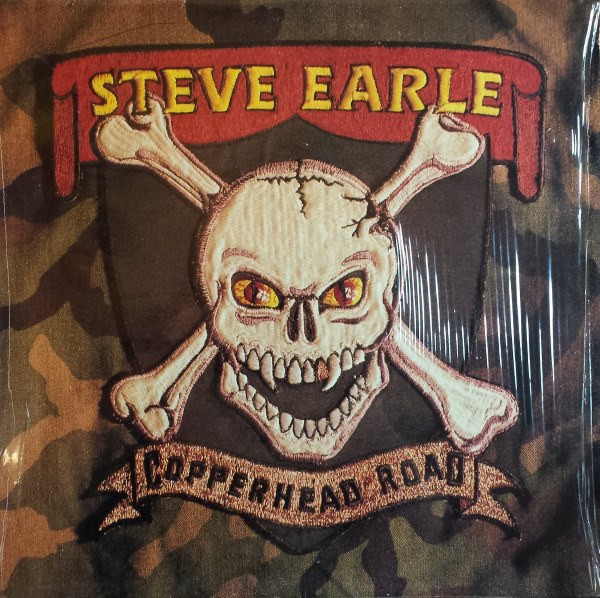
Copperhead Road
1988
Guitar Town
1986

Townes
2009

Transcendental Blues
2000
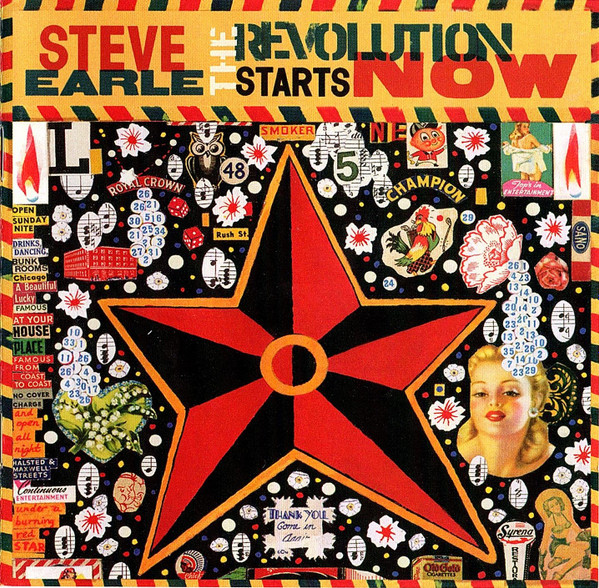
The Revolution Starts Now
2004

I Feel Alright
1996
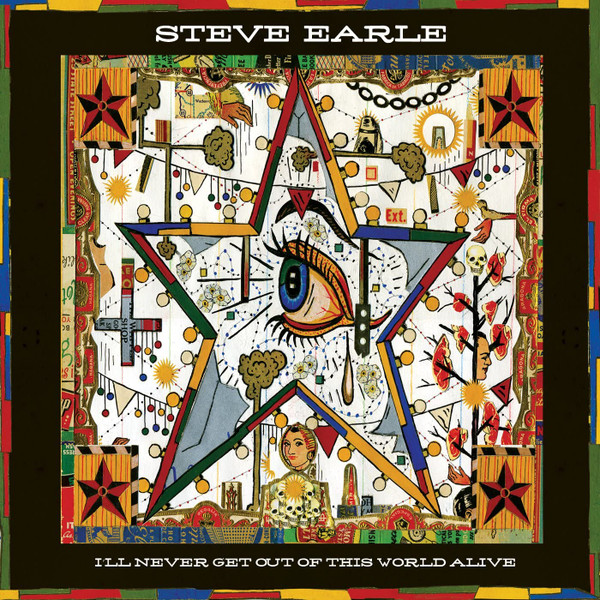
I'll Never Get Out Of This World Alive
2011

Train A Comin'
1995
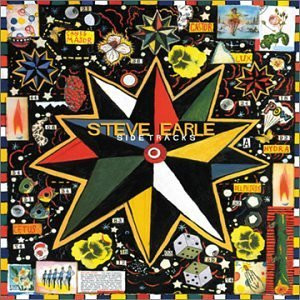
Sidetracks
2002

Jerusalem
2002
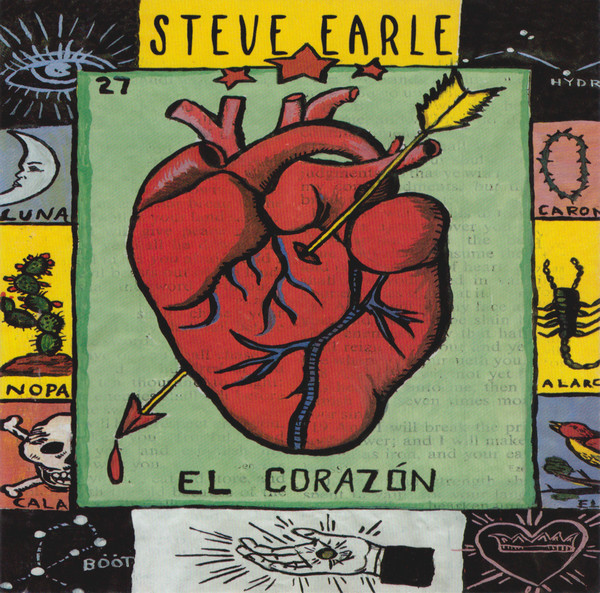
El Corazón
1997
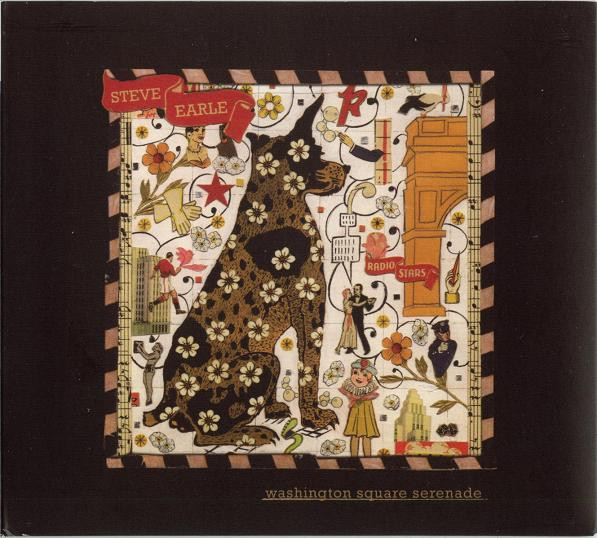
Washington Square Serenade
2007

I'll Never Get Out Of This World Alive
2011

Live From Austin TX
2004

Early Tracks
1987

Essential Steve Earle

Alone Again (Live)
2024
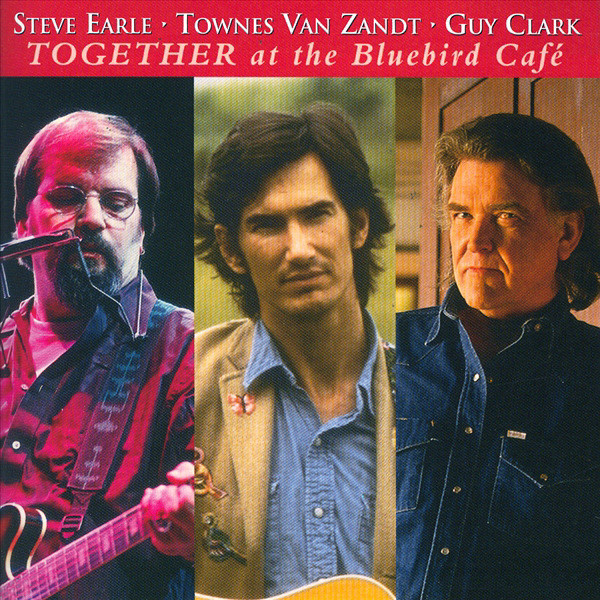
Together At The Bluebird Café
2001

The Mountain
1999

Copperhead Road
1988

Guitar Town
1986
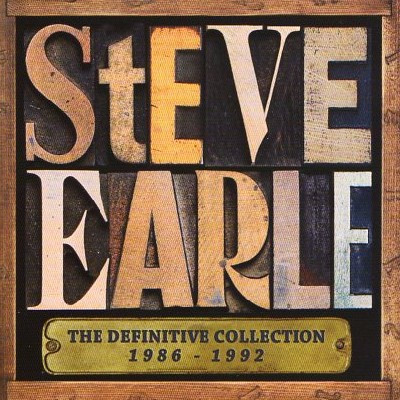
The Definitive Collection 1986-1992
2013
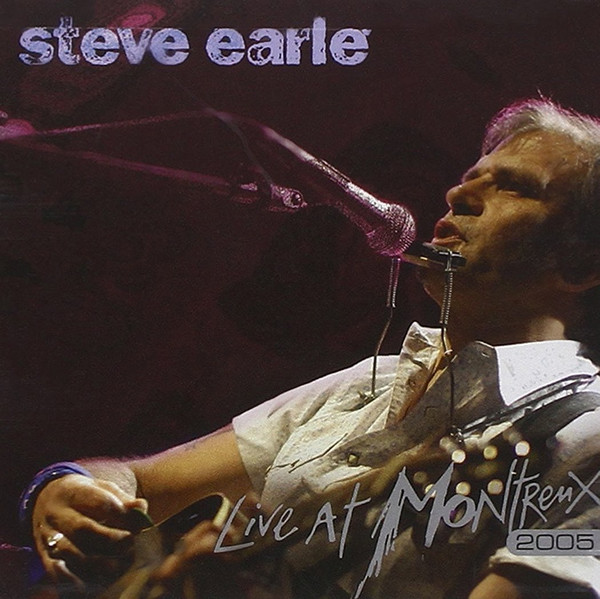
Live At Montreux 2005
2006
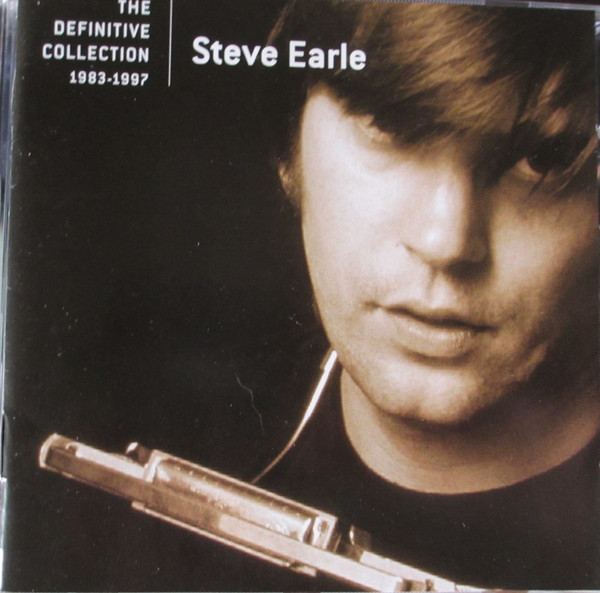
The Definitive Collection 1983-1997
2006
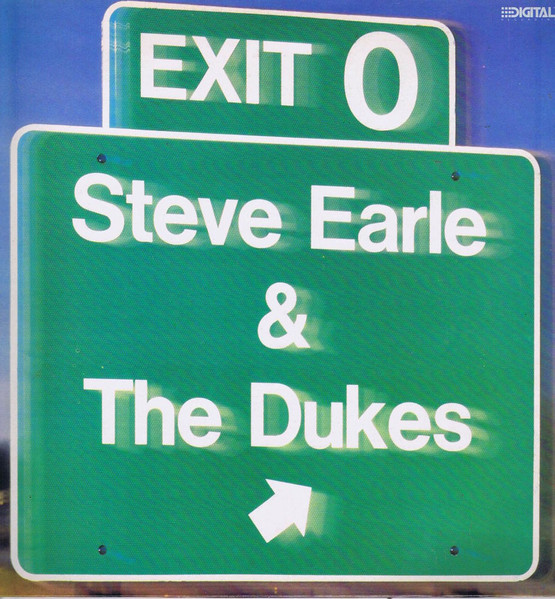
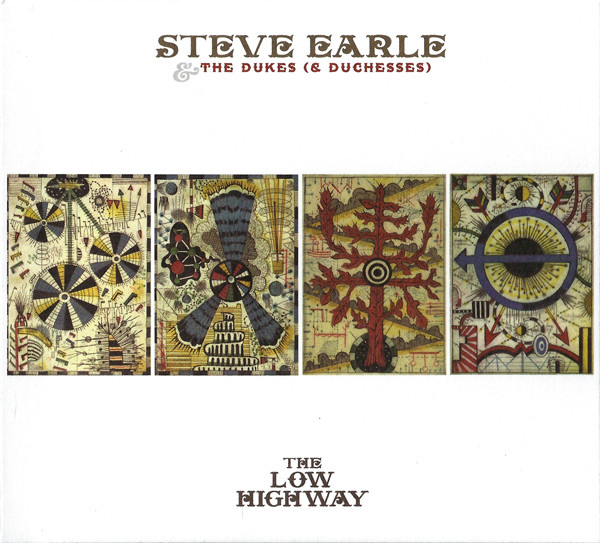
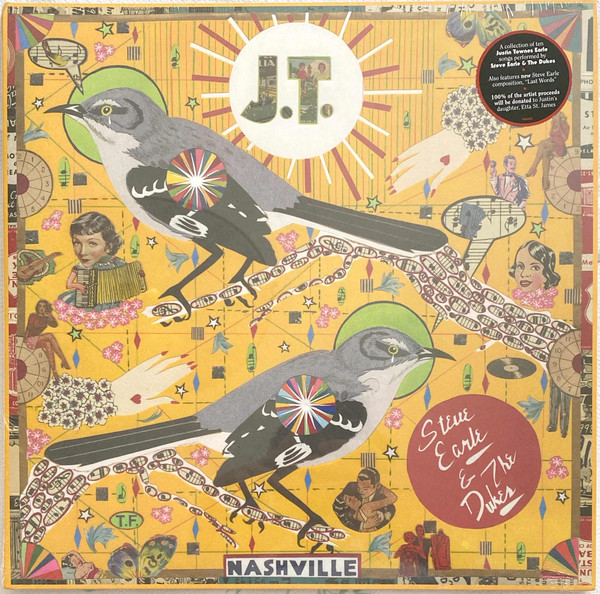
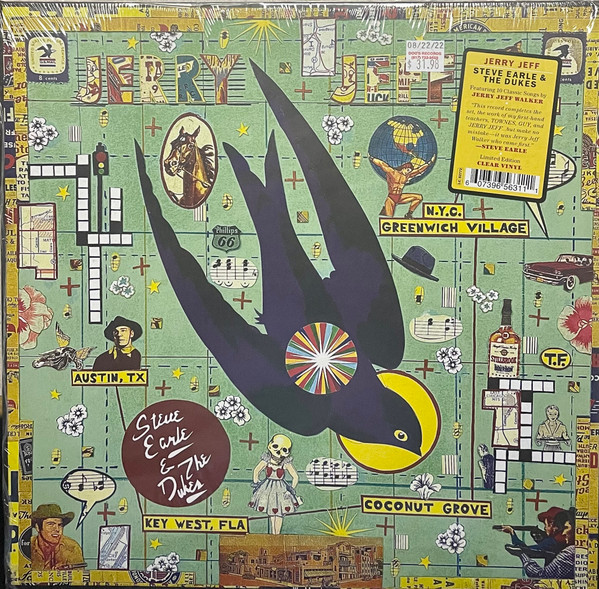
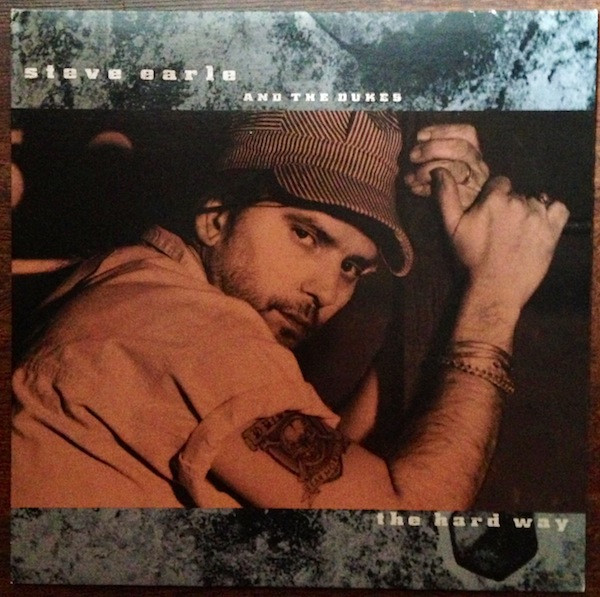
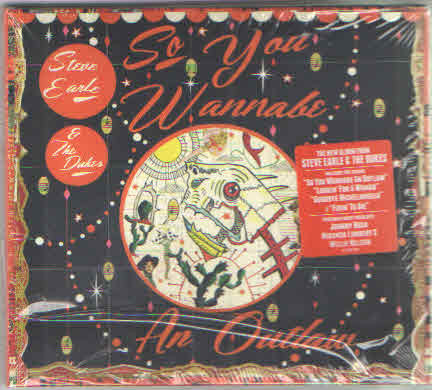
Steve Earle & the Dukes
Steve Earle under another name — MusicBrainz marks this project eponymous.



Related artists
Around the web
Follow every record they touch.
Start your shelf and Gatefold tracks Steve Earle's new pressings, tour dates, and the whole discography — automatically.
Start your shelf →Free forever. Works with 10 records or 10,000.