Artist
Curtis Mayfield
Chicago, United States · 1942 – 1999
Curtis Mayfield is a musician from Chicago, United States, active 1942–1999. Their discography on Gatefold includes 24 records. They also recorded with The Impressions.

66
Albums tracked
405
In collections
1942
Since
Biography
Curtis tuned his guitar to the black keys of a piano — open F-sharp major. Nobody taught him that. He figured it out as a kid in the Chicago projects because standard tuning didn't make sense to his hands yet. That weird chord voicing became the entire engine of Chicago soul: tight, ringing fourths and delicate hammer-ons floating right under a falsetto so quiet it forced everyone else in the room to shut up. He didn't just write hits for The Impressions; he ran the whole operation. When Chess and Vee-Jay were running exploitative accounting scams on Black artists, Curtis went and founded Curtom Records so he owned his masters and his publishing. He hired Johnny Pate to score razor-sharp horn charts, gave Master Henry Gibson a set of congas, and built a cinematic funk empire. Then he took a soundtrack gig for a low-budget blaxploitation film called Super Fly and wrote a counter-narrative so brutally honest about the drug trade that it completely embarrassed the movie's own plot. His late-seventies disco side trips got slick and thin, and the eighties were a slog of synth-heavy production that buried his touch. But in 1990, an outdoor lighting rig fell on him at a gig in Brooklyn and paralyzed him from the neck down. Six years later, he recorded New World Order by tracking his vocals one or two lines at a time, suspended on his back so gravity would let air hit his lungs. Holy shit, the sheer will in that vocal booth. The man lived and died on his own terms.
Bio from The Clerk
The Arc of Curtis Mayfield
The pivots — what forced Curtis Mayfield to reinvent.
The Impressions & The Civil Rights Blueprints
After Jerry Butler walked away in 1958, Curtis took over the lead mic and the pen for The Impressions. He fused gospel harmonies with direct civil rights commentary, cutting tracks like 'Keep On Pushing' and 'People Get Ready' that Martin Luther King Jr. made literal movement anthems. Johnny Pate's brass arrangements gave the vocal trio a punch that separated them from Motown's polished pop machine. You hear it in the open-tuned rhythm guitar driving right through the gospel changes.
Curtom Independence & The Cinematic Funk Run
Breaking solo in 1970 meant complete autonomy, so he set up Curtom Records to keep suits out of the room. He plugged a wah-pedal into his amp, brought Master Henry Gibson's relentless congas to the front of the mix, and dropped Curtis and Super Fly back-to-back. The sound turned sprawling, dark, and politically uncompromising, with string sections sparring against hard street grooves. This was his undisputed peak as a producer, writer, and cultural reporter.
The Studio Disco Lull
By the late seventies, the market shifted hard toward four-on-the-floor disco and Curtis tried to play along on records like Do It All Night and Heartbeat. He traded in his cutting social realism for lighter club grooves and polished synth arrangements. The writing lost its teeth, and the production started chasing trends rather than dictating them. It paid some bills, but the vital grit of the early Curtom years was buried under generic gloss.
The Final Breath on Tape
The 1990 stage accident left him paralyzed from the neck down, but he refused to retire quietly. Producer Lou Courtney and engineer Glen Christensen set up microphones over his bed so he could cut New World Order in 1996. He had to lay flat on his back so his diaphragm could catch enough air to push out a few syllables at a time. The result is a fragile, devastating return that proved his mind was sharper than the body failing him.
Influences
- The Soul Stirrers — Curtis grew up singing in the Northern Jubilee Gospel Singers and modeled his early group phrasing directly on the Soul Stirrers' mid-century gospel blueprints. You can hear their call-and-response dynamic and tight three-part backing all over early Impressions cuts like 'Amen'. The sacred church cadence never left his secular secular writing.
- Sam Cooke — Cooke showed Curtis that a gospel lead could cross over into pop without abandoning nuance, and more importantly, that an artist needed to own their own label and publishing via SAR Records. Mayfield followed that exact business and vocal playbook when starting Curtom. The sweet, effortless falsetto delivery on 'People Get Ready' is pure Cooke discipline.
- Guitar Slim — Mayfield cited Slim's distorted, wild electric guitar work on 1953's 'The Things That I Used to Do' as a direct inspiration for picking up the instrument. Slim's raw Southern blues phrasing influenced how Curtis attacked the strings before developing his own open-tuning style. You hear that blues-lead sting bleeding through the fuzz on 'Future Shock'.
- Sister Rosetta Tharpe — Mayfield caught Tharpe's electrified gospel performances as a kid in Chicago and watched her bridge holy music with aggressive, distorted electric guitar. That boundary-blurring attitude directly shaped how he turned gospel progressions into politically charged street anthems. You hear her rhythmic, percussive strumming style locked inside his unique open-F-sharp comping.
- Muddy Waters — Living on Chicago's South Side put Curtis right in the blast radius of Chess Records and Waters' electrified Delta sound. Mayfield took the relentless, swampy low-end pulse of Chicago blues and translated it to soul rhythm sections. That heavy, repetitive groove logic is what anchors the basslines on tracks like 'Freddie's Dead'.
Curtis Mayfield — solo
Their records — most-collected first.
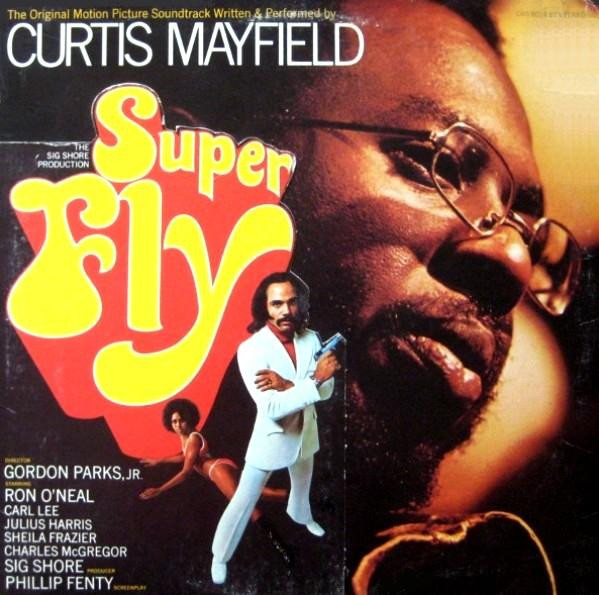
Super Fly (The Original Motion Picture Soundtrack)
1972
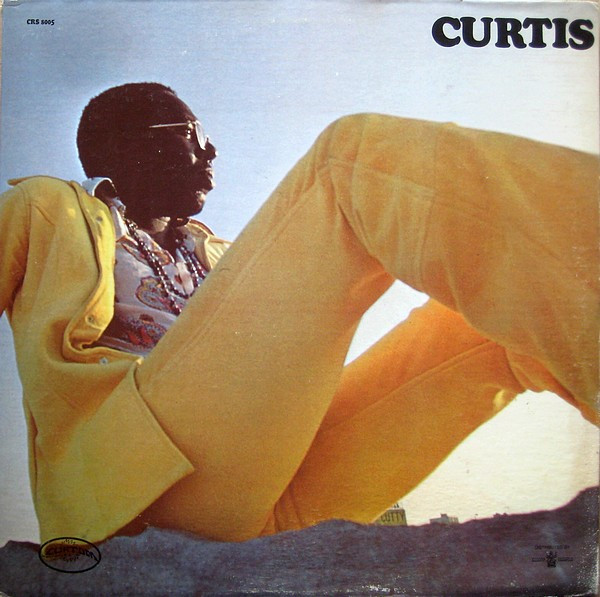
Curtis
1970
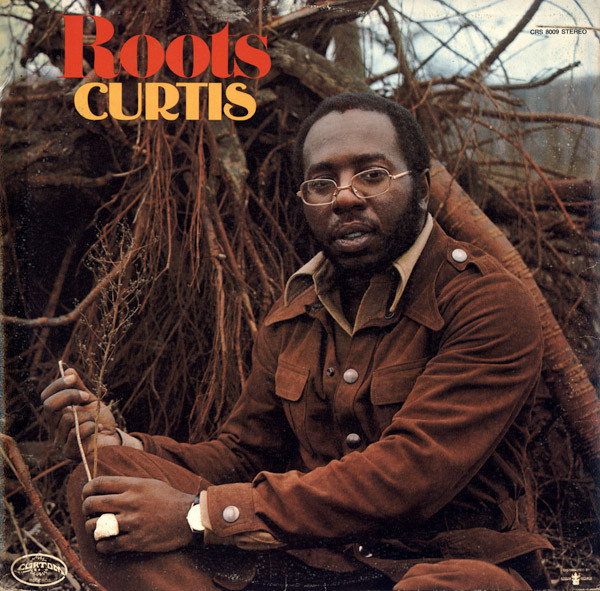
Roots
1971
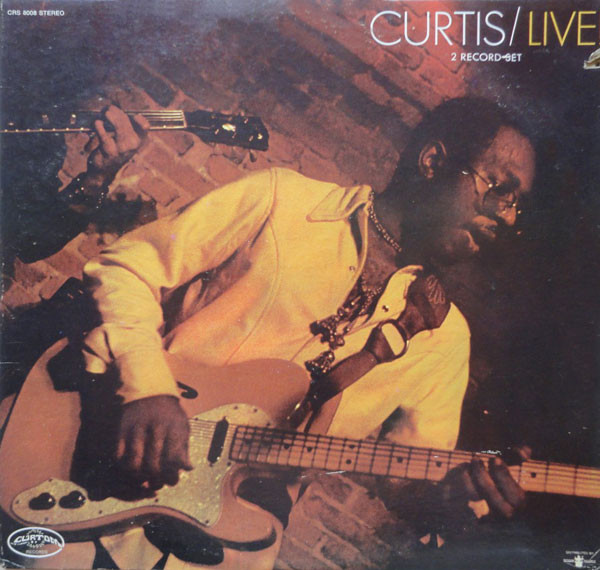
Curtis / Live!
1971
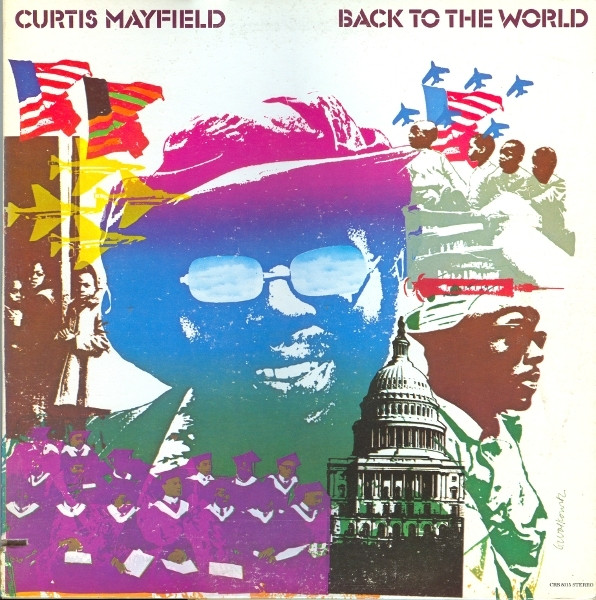
Back To The World
1973
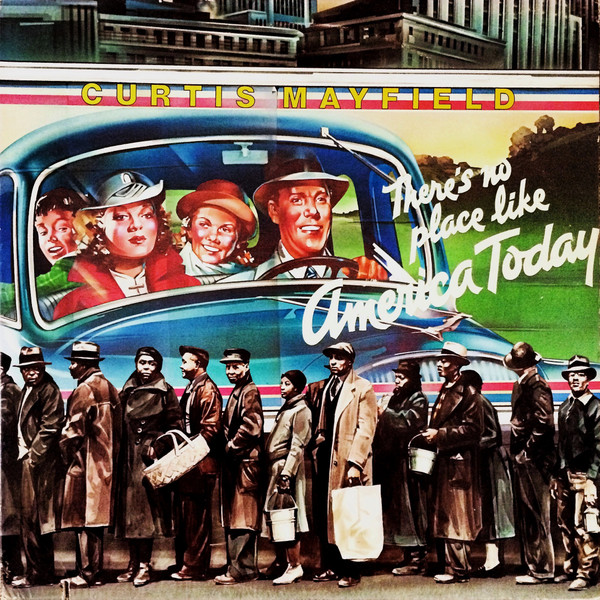
There's No Place Like America Today
1975
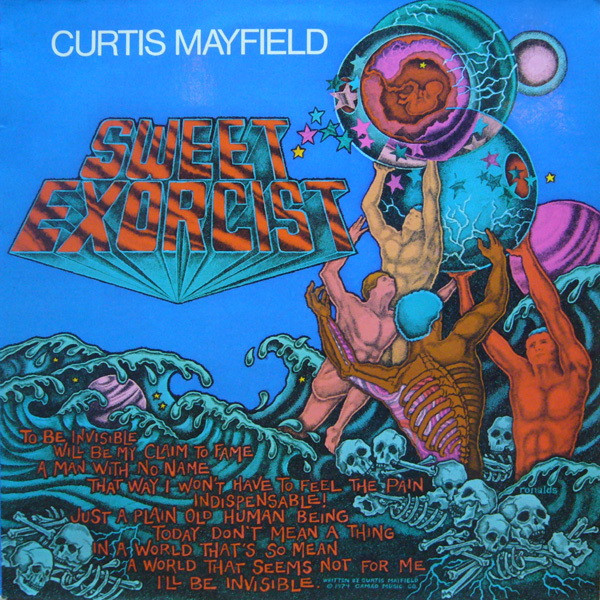
Sweet Exorcist
1974
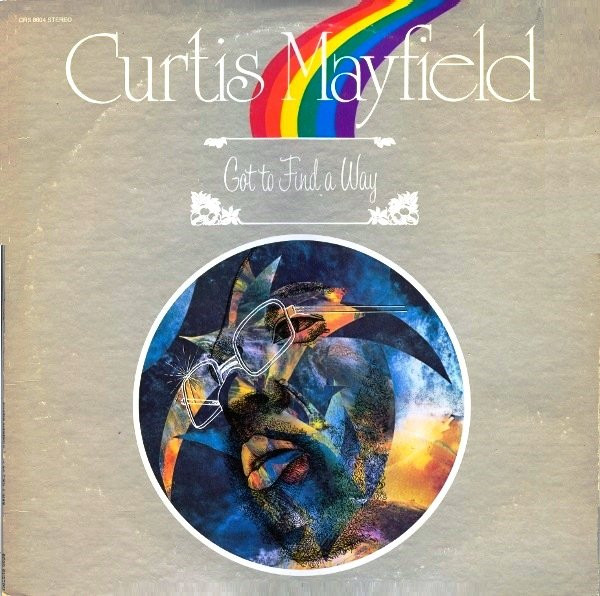
Got To Find A Way
1974

Never Say You Can't Survive
1977

Curtis In Chicago - Recorded Live
1973
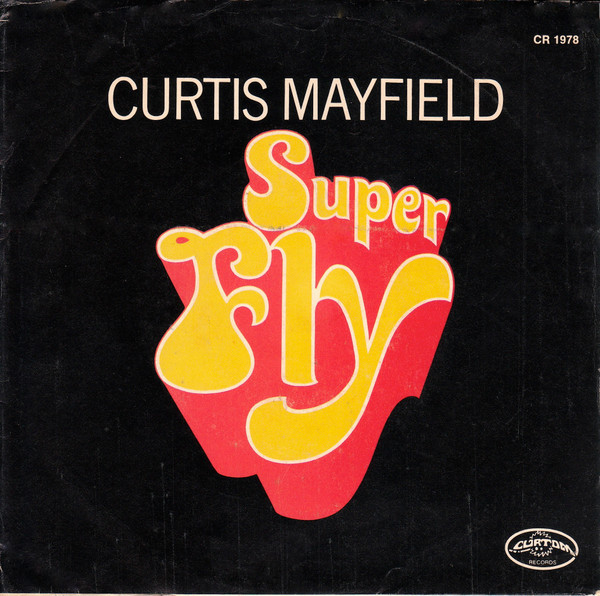
Superfly
1972

Freddie's Dead (Theme From Superfly)
1972

Superfly 1990
1990
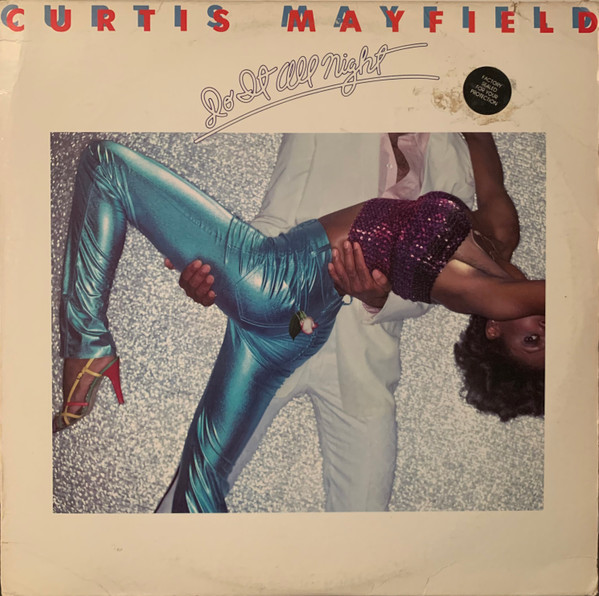
Do It All Night
1978
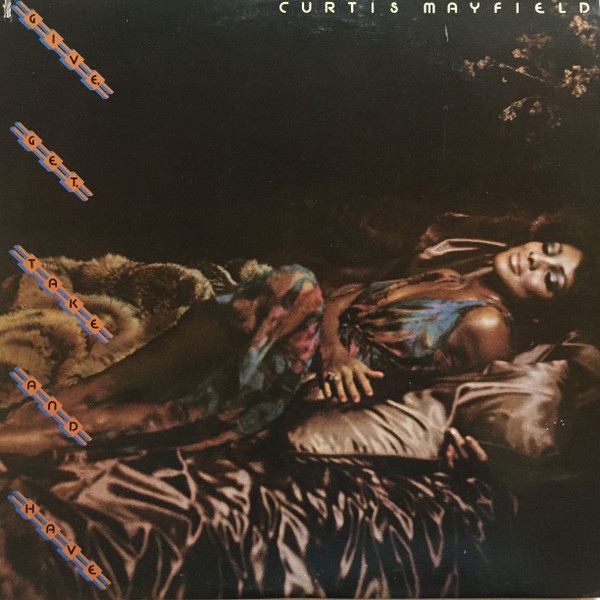
Give, Get, Take And Have
1976
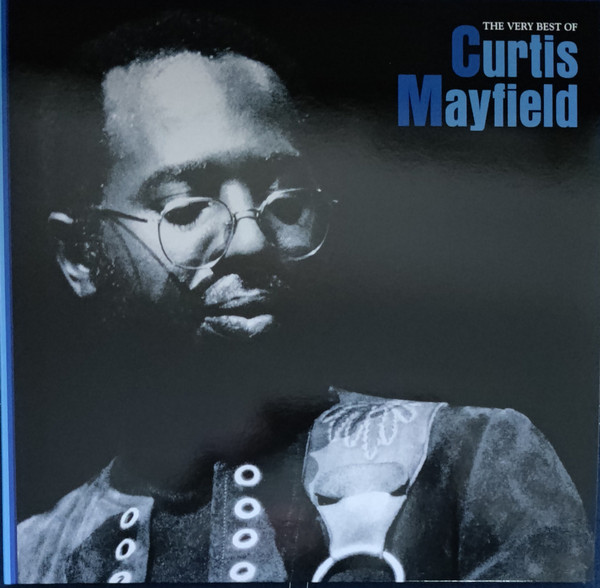
The Very Best Of Curtis Mayfield
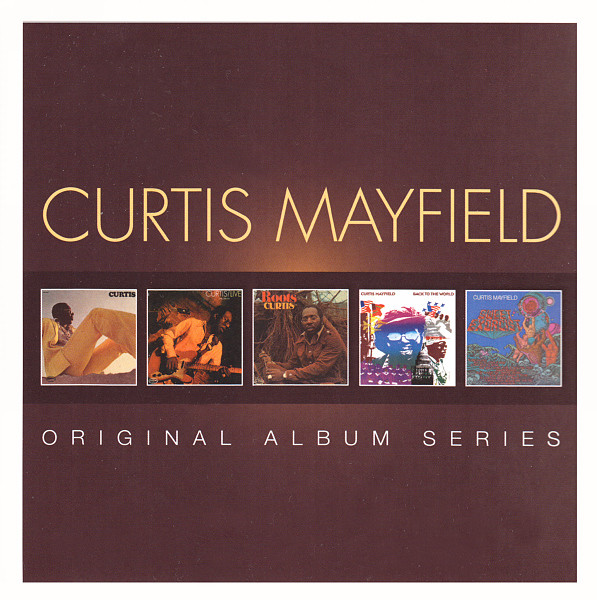
Original Album Series
2013
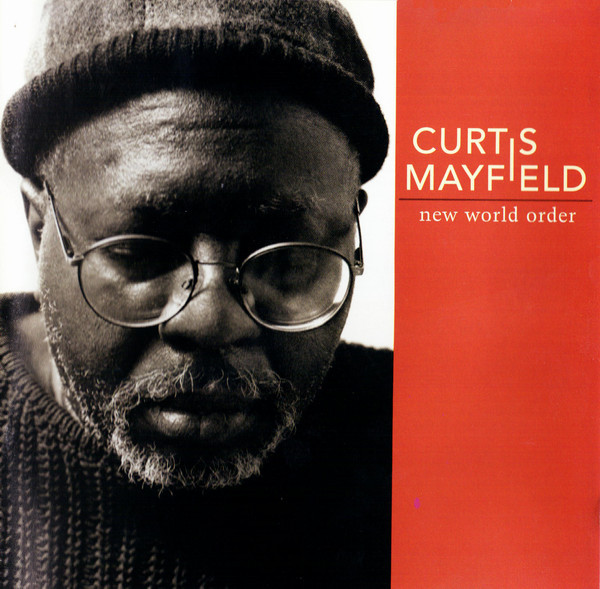
New World Order
1996

The Anthology 1961-1977
1992

Take It To The Streets
1990
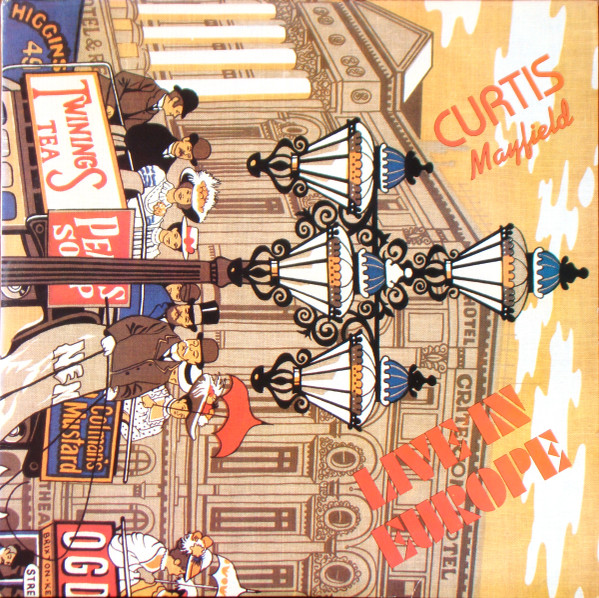
Live In Europe
1988
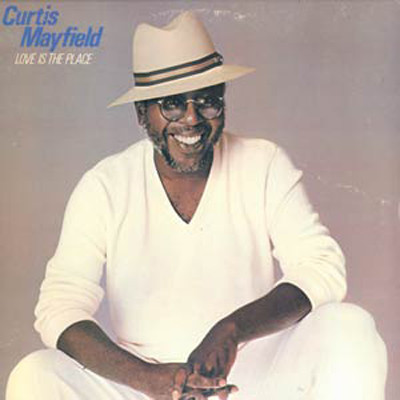
Love Is The Place
1981

The ABC Collection
1976

Move On Up
1971
The Impressions
A project Curtis Mayfield was part of. Former member.
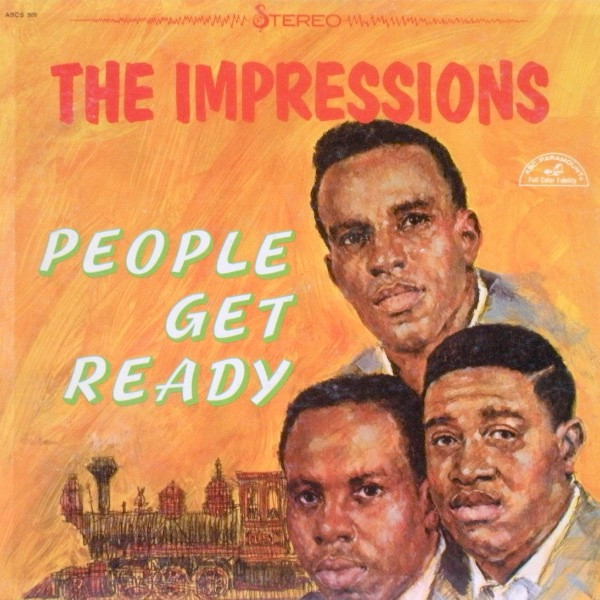
People Get Ready
1965
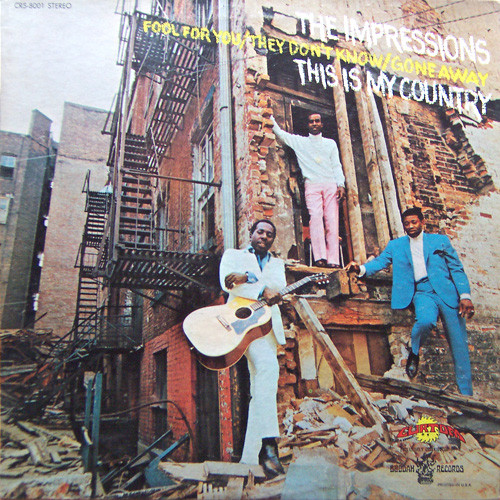
This Is My Country
1968

The Young Mods' Forgotten Story
1969

Finally Got Myself Together
1974
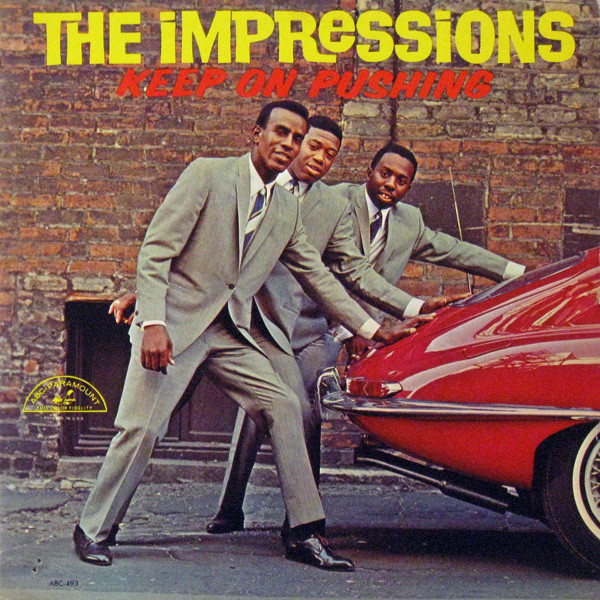
Keep On Pushing
1964

Check Out Your Mind!
1970
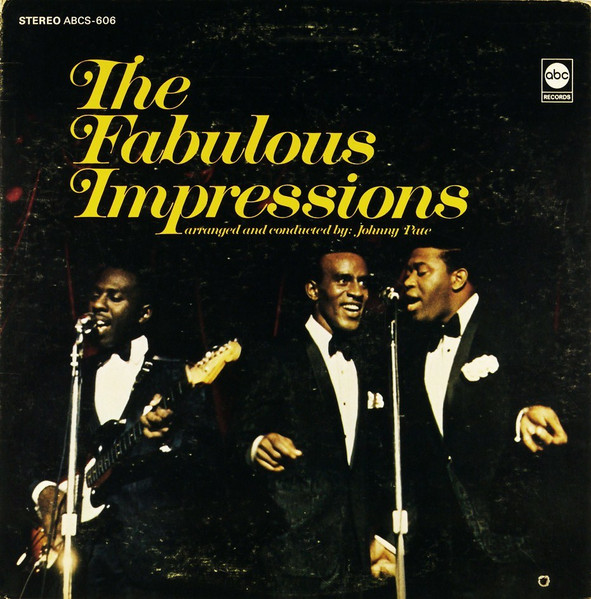
The Fabulous Impressions
1967

One By One
1965
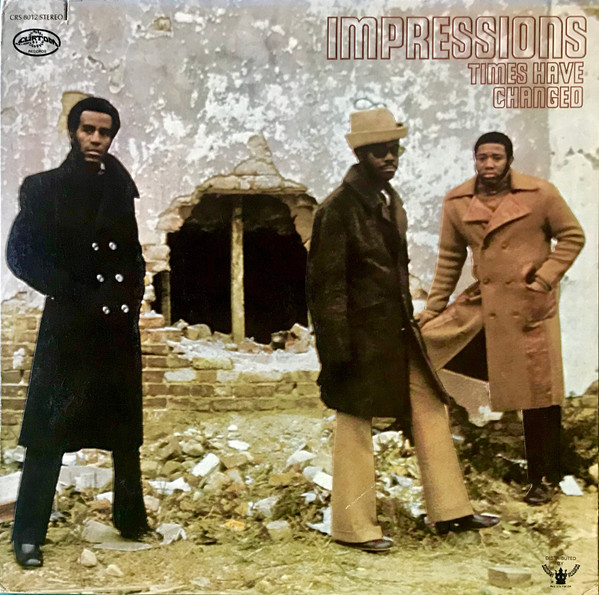
Times Have Changed
1972

Ridin' High
1966

The Never Ending Impressions
1964

This Is My Country / The Young Mod's Forgotten Story
1996

We're A Winner
1968
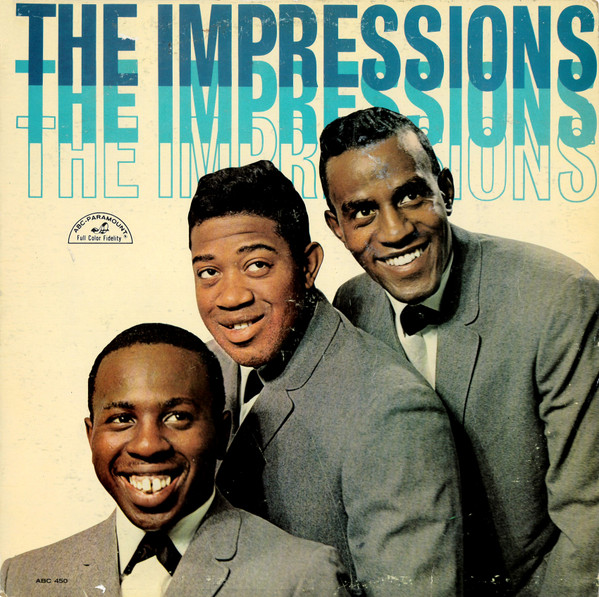
The Impressions
1963

It's About Time
1976

The Versatile Impressions
1969
Related artists
Around the web
Follow every record they touch.
Start your shelf and Gatefold tracks Curtis Mayfield's new pressings, tour dates, and the whole discography — automatically.
Start your shelf →Free forever. Works with 10 records or 10,000.