
Artist
Donald Byrd
American jazz trumpeter
Detroit, United States · 1932 – 2013
Donald Byrd is a musician from Detroit, United States, active 1932–2013. Their discography on Gatefold includes 24 records. They also recorded with Donald Byrd and 125th Street, N.Y.C., The Blackbyrds, Donald Byrd Quintet, The Red Garland Quintet, The Thelonious Monk Orchestra and Elmo Hope Sextet.

63
Albums tracked
376
In collections
1932
Since
Biography
Donald Byrd was the first guy the hard bop labels called when they needed a trumpet player who wouldn't fuck up the session. He landed in NYC and immediately started filling the holes left by Clifford Brown, playing on something like 50 records in three years because his sight-reading was flawless and his tone was pure steel. He wasn't just a sideman, though. He was a strategist who saw where the money and the culture were moving before the rest of the Blue Note roster realized the 50s were over. By the time he hooked up with the Mizell Brothers in the 70s, the purists wanted his head on a stake. He traded the smoky club aesthetic for high-gloss, airplane-noises-and-synthesizer funk that sold more copies than almost anything else in the jazz bin. He didn't care about the gatekeepers. He was busy teaching at Howard University and building a literal student-band empire with The Blackbyrds, proving you could have a Ph.D. and still top the R&B charts.
Bio from The Clerk
The Arc of Donald Byrd
The pivots — what forced Donald Byrd to reinvent.
The Hard Bop Workhorse
After replacing Kenny Dorham in Art Blakey’s Jazz Messengers, Byrd became the definitive Blue Note house trumpeter. He locked in with baritone saxophonist Pepper Adams, creating a thick, weighted frontline sound that defined the hard bop era’s muscle. You hear it on records like Byrd in Hand, where the technical precision is so high it almost feels mechanical. He wasn't searching for a voice yet; he was perfecting the one the industry demanded.
The Pearson Soul-Jazz Pivot
By the mid-60s, Byrd started leaning into the gospel-inflected arrangements of Duke Pearson, moving away from the frantic blowing sessions of his youth. This was the era of 'Christo Redentor,' where he brought in a vocal choir and slowed the tempos down to a crawl. The music became cinematic and spacious, trading complexity for a heavy, atmospheric mood that worked in a living room as well as a church. It was a calculated shift toward a broader, more melodic accessibility.
The Mizell Brothers Fusion
The real bomb dropped in 1973 when Byrd teamed up with Larry and Fonce Mizell for Black Byrd. They ditched the traditional jazz kit for funky, tight-pocket drumming and layered the tracks with wah-wah guitars and early ARP synthesizers. The production was dense, polished, and explicitly designed for the radio. It became Blue Note’s best-selling album ever, effectively inventing the jazz-funk blueprint that would be sampled by every hip-hop producer in the 90s.
Influences
- Clifford Brown — Byrd was explicitly brought into the New York scene to fill the vacuum left by Brown’s death in 1956. You hear it in his early 50s sessions where he mimics Brown’s clean articulation and rapid-fire lyricism. He took that 'Brownie' template and hardened it for the hard bop era.
- Art Blakey — Byrd’s stint in the Jazz Messengers served as his finishing school for bandleading and aggressive timing. Blakey’s 'thunder' forced Byrd to play louder and with more rhythmic authority to stay audible. This discipline is what made him the most reliable session player on the Blue Note roster.
- Fats Navarro — Byrd frequently cited Navarro as the source for his technical foundation and his approach to the upper register. Navarro’s influence is all over Byrd’s tone, which favored a brilliant, singing quality over the breathier style of West Coast players. It gave his playing a factual, unsentimental edge.
- Miles Davis — Davis wasn't just a stylistic peer; he was the roadmap for Byrd’s commercial pivots. Byrd watched Miles go electric with Bitches Brew and realized the acoustic era was a dead end for a guy who wanted to stay relevant. The shift to fusion wasn't an accident; it was Byrd following the trail Miles blazed through the avant-garde and into funk.
- Dizzy Gillespie — Gillespie’s influence shows up in Byrd's early harmonic complexity and his later interest in big-band textures. Byrd stayed in Dizzy’s orbit during his formative years in Detroit and New York, absorbing the bebop architecture that allowed him to eventually deconstruct it in the 70s. He kept the speed but eventually traded the complexity for the groove.
Donald Byrd — solo
Their records — most-collected first.
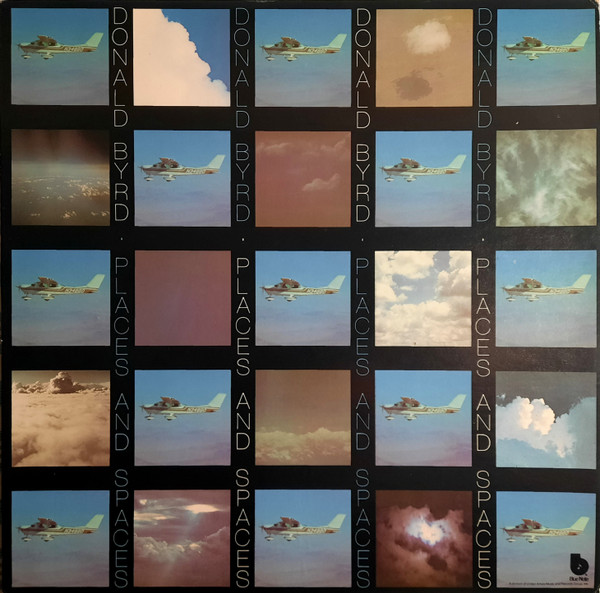
Places And Spaces
1975
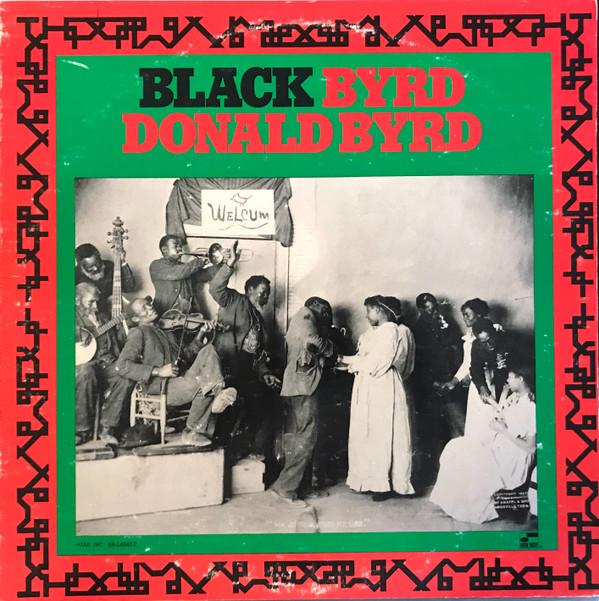
Black Byrd
1973
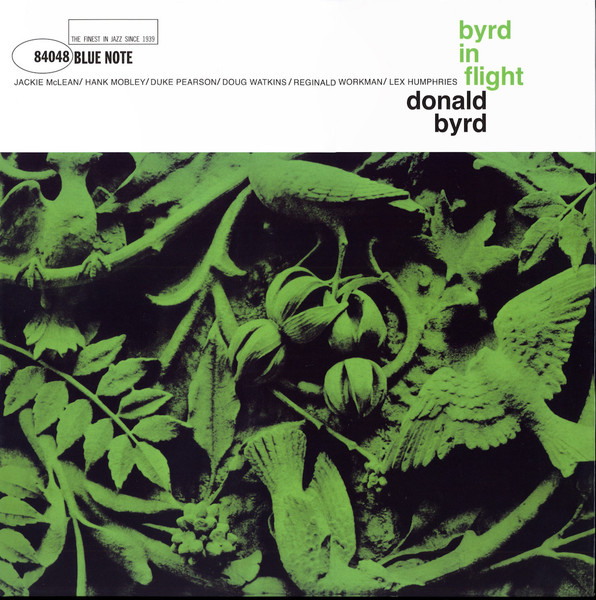
Byrd In Flight
1960
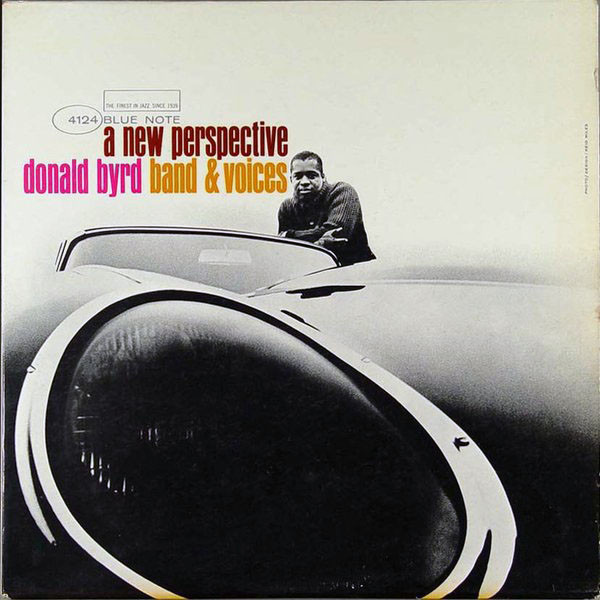
A New Perspective
1964
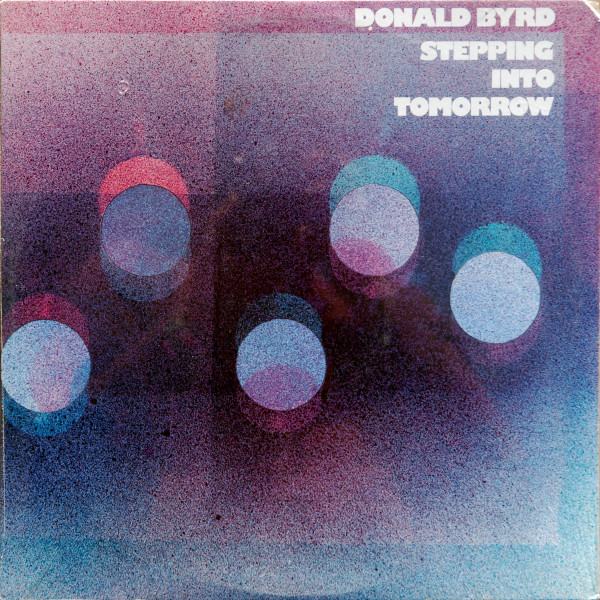
Stepping Into Tomorrow
1975

Chant
1979
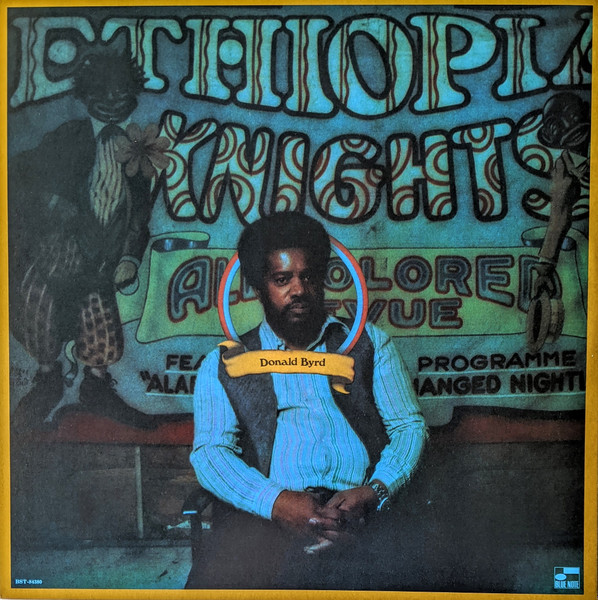
Ethiopian Knights
1972

Street Lady
1973

Fancy Free
1969
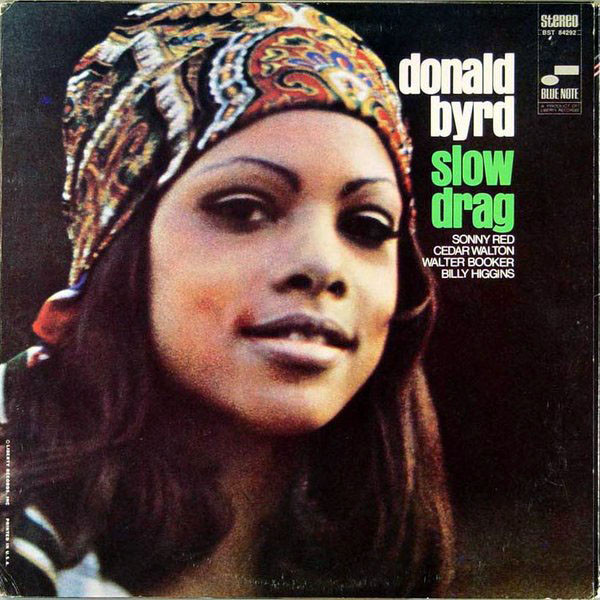
Slow Drag
1968
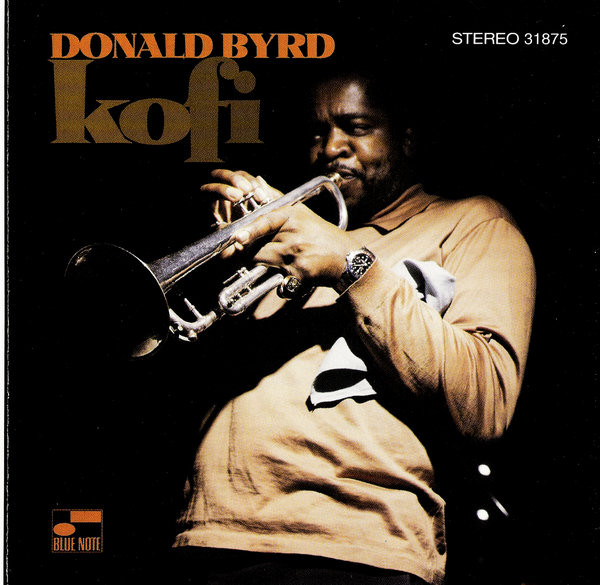
Kofi
1995

At The Half Note Cafe (Volume 1)
1961
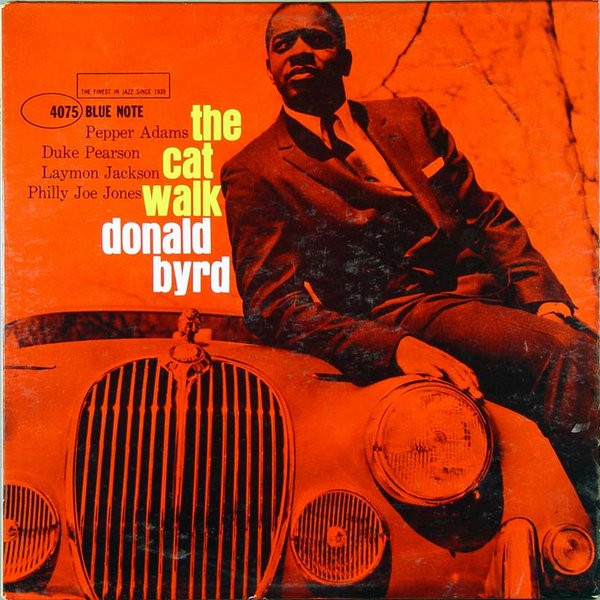
The Cat Walk
1962

Cookin' With Blue Note At Montreux
2022

Byrd's Eye View
1956

Electric Byrd
1970

Thank You … For F.U.M.L. (Funking Up My Life)
1978
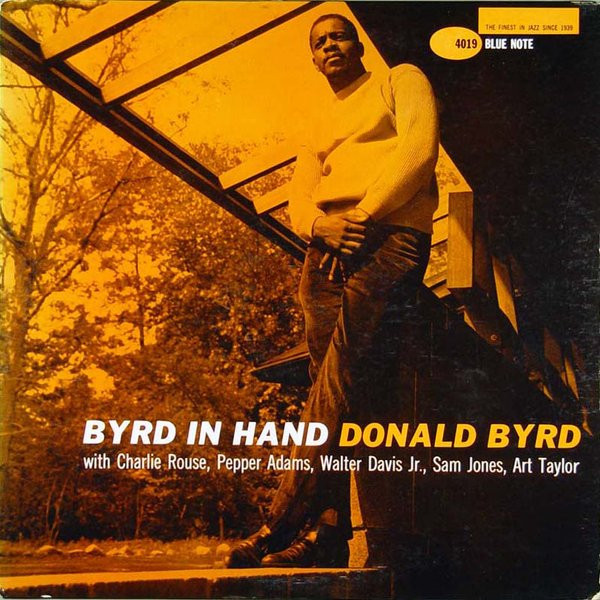
Byrd In Hand
1959
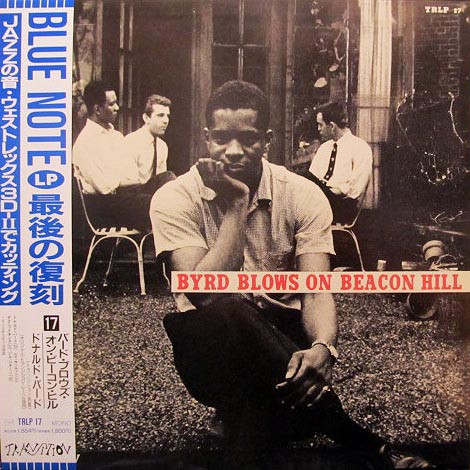
Byrd Blows On Beacon Hill
1957

Blackjack
1967
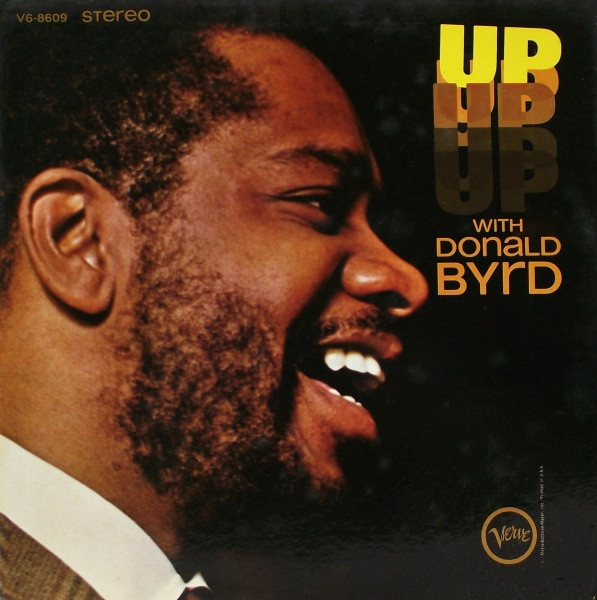
Up With Donald Byrd
1965
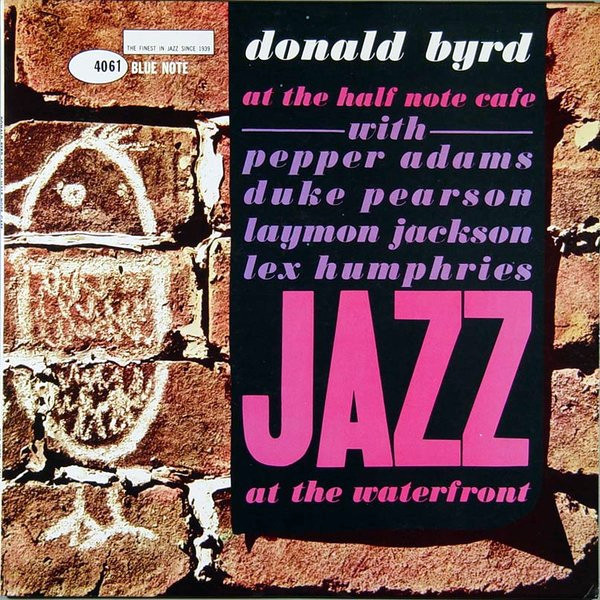
At The Half Note Cafe, Vol. 2
1963
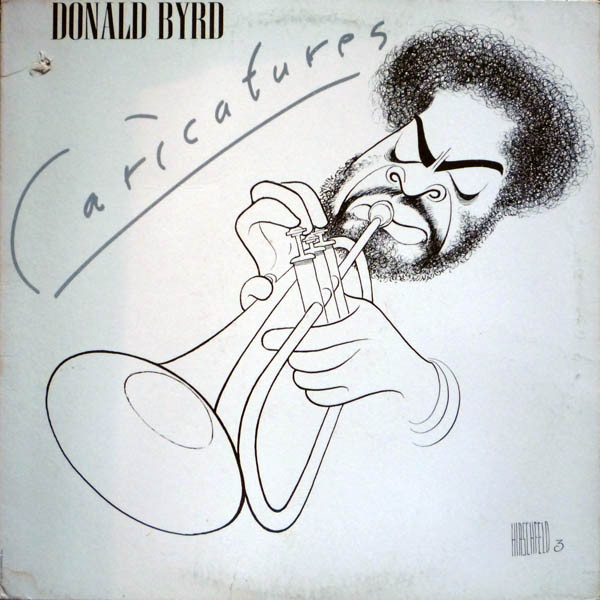
Caricatures
1976
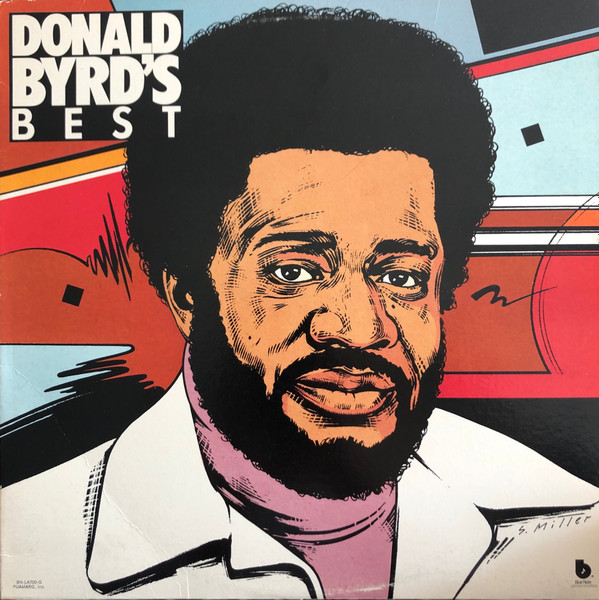
Donald Byrd's Best
1976
Donald Byrd and 125th Street, N.Y.C.
Donald Byrd under another name — MusicBrainz marks this project eponymous.


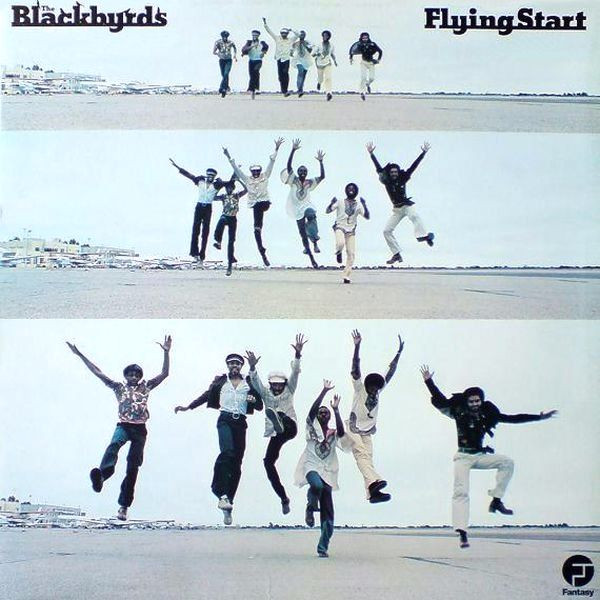
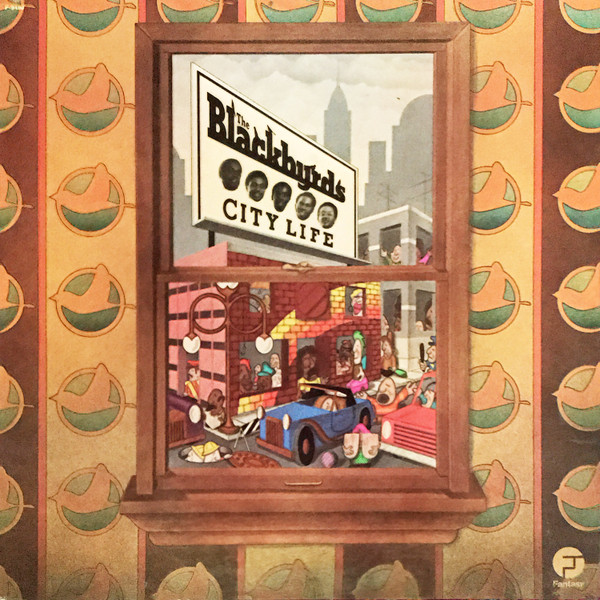
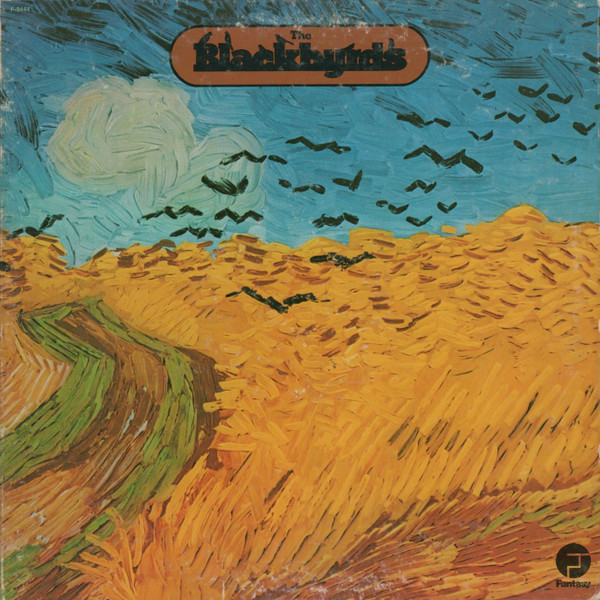
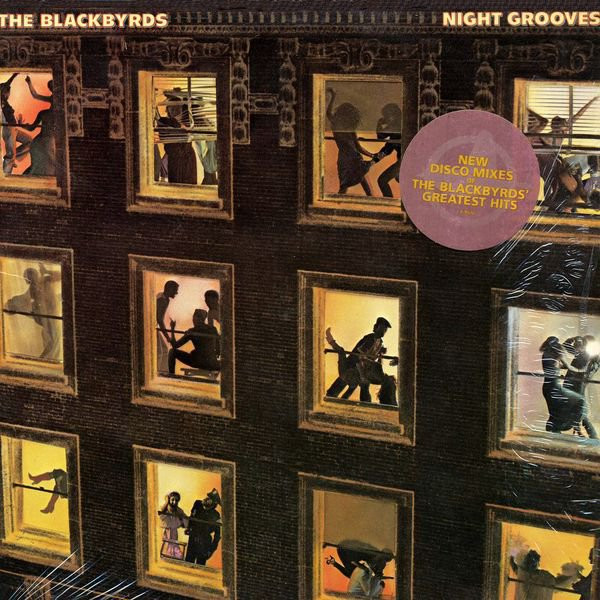
The Blackbyrds
A project Donald Byrd was part of.




Donald Byrd Quintet
A project Donald Byrd was part of.


The Red Garland Quintet
A project Donald Byrd was part of.


The Thelonious Monk Orchestra
A project Donald Byrd was part of.

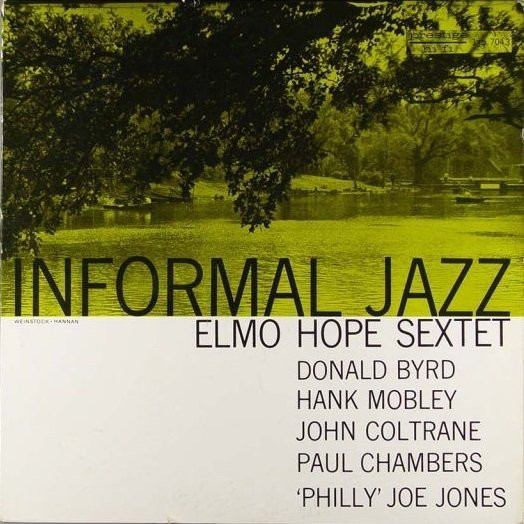
Elmo Hope Sextet
A project Donald Byrd was part of.
Related artists
Around the web
Follow every record they touch.
Start your shelf and Gatefold tracks Donald Byrd's new pressings, tour dates, and the whole discography — automatically.
Start your shelf →Free forever. Works with 10 records or 10,000.