
Artist
Jackie McLean
jazz saxophonist
New York City, United States · 1932 – 2006
Jackie McLean is a musician from New York City, United States, active 1932–2006. Their discography on Gatefold includes 24 records. They also recorded with Freddie Redd Quintet.

47
Albums tracked
147
In collections
1932
Since
Biography
Miles Davis punched Jackie in the mouth during a session because the kid was nodding out. That’s the reality of the 1950s hard bop scene—brutal, heroin-soaked, and zero room for error. McLean was barely twenty when he was playing on Miles’s 'Dig' sessions, and you can hear that jagged, slightly sharp intonation that became his calling card. It wasn't a mistake; it was an edge that most of the Blue Note stable was too polite to touch. He got his cabaret card pulled in '61 because of the junk, which meant he couldn't play the clubs in New York. A lot of guys would have folded or just played standards in the suburbs. Instead, McLean stayed in the city, hit the theater scene with 'The Connection,' and started getting weird. He pushed himself toward the avant-garde just as the label was getting nervous about the fringe stuff. He was the bridge between the Bird-worshiping bop purists and the total free-jazz fire of the late sixties.
Bio from The Clerk
The Arc of Jackie McLean
The pivots — what forced Jackie McLean to reinvent.
The Blue Note Hard Bop Grind
From '59 to '62, Jackie was the engine room for Alfred Lion, cranking out records like 'New Soil' and 'Capuchin Swing' that defined the label's gritty, soulful identity. He was working with guys like Donald Byrd and Kenny Drew, capturing a sound that felt like the sidewalk in Harlem on a Friday night. You hear it in the way he attacks the reed—there’s a biting, acidic quality that makes every solo feel like he's trying to outrun his own shadow. This was the peak of his commercial accessibility before the drugs and the law started closing in.
The Post-Bop Shift
Everything changed with 'One Step Beyond' in 1963 when Jackie ditched the piano and brought in Grachan Moncur III and Bobby Hutcherson. By removing the chordal safety net, he forced the music into open space, leaning into the dissonant 'inside-outside' style that drove the suits crazy. The vibes and trombone created a cold, metallic atmosphere that let his sharp alto cut through like a razor. It’s the sound of a man who realized that the old bop patterns were a prison and decided to pick the lock.
The SteepleChase Rebirth
After a long silence in the late sixties while he focused on teaching at Hartt, Jackie resurfaced in Denmark with the SteepleChase label in '72. 'Live at Montmartre' with Dexter Gordon showed a man who had cleaned up and regained a massive, lung-bursting power. The tone was still sharp, but the desperation was gone, replaced by a technical mastery that felt more calculated and lethal. He wasn't chasing the New Thing anymore—he was the elder statesman showing the kids how to actually blow.
Influences
- Charlie Parker — Jackie was a neighbor of Bird's and literally learned the mechanics of the alto under his direct wing. You hear it in the frantic double-time runs on those early Prestige dates. It's the DNA he spent the rest of his career trying to both honor and mutate.
- Bud Powell — McLean played in Powell's trio when he was still a teenager, a gig that served as a high-speed masterclass in bebop harmonic complexity. Powell’s percussive, aggressive approach to the keys mirrored the way Jackie eventually attacked his own phrasing. It's that nervous, high-voltage energy that defines 'The Scene is Clean'.
- Thelonious Monk — Jackie spent hours in Monk's apartment as a kid, absorbing the pianist's unorthodox sense of space and dissonance. Monk’s refusal to play the 'pretty' note is exactly where Jackie got the guts to play slightly sharp for emotional effect. It’s the foundation of his entire 'inside-outside' philosophy.
- Lester Young — McLean frequently cited Young’s linear storytelling as the blueprint for how a solo should breathe. While Jackie was much more aggressive than Prez, the logic of his melodies—especially on the slower blues numbers—comes straight from that cool, Kansas City school of thought. It's the soul buried under the grit.
- Dexter Gordon — Before they were peers on the SteepleChase label, Dexter was the guy who showed Jackie how to project a massive, room-filling sound. You hear the Gordon influence in Jackie’s later period where he moved away from the thin, bird-like chirping toward a heavier, more authoritative weight. He learned how to command the stage from the Long Tall One.
Jackie McLean — solo
Their records — most-collected first.
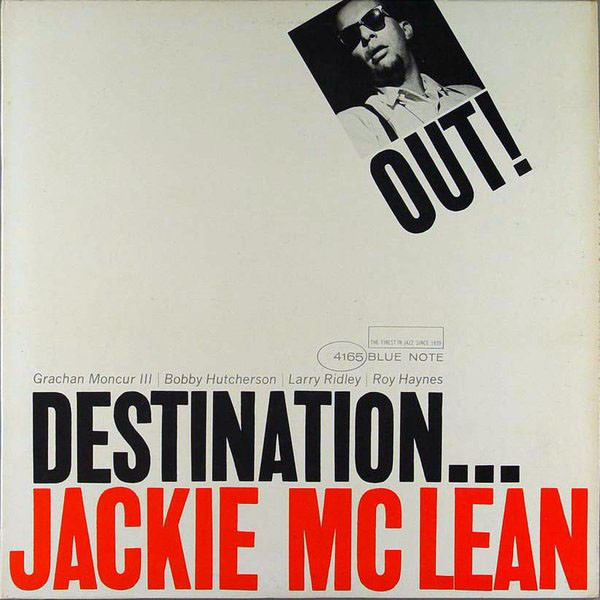
Destination... Out!
1964

Tippin' The Scales
1979
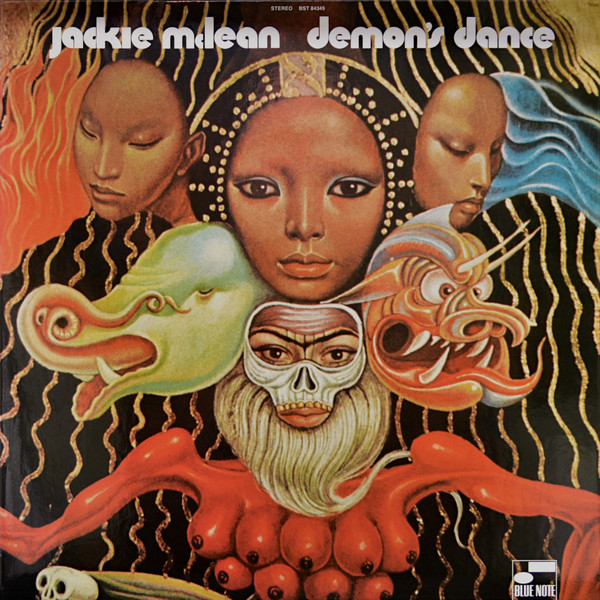
Demon's Dance
1970

Bluesnik
1962
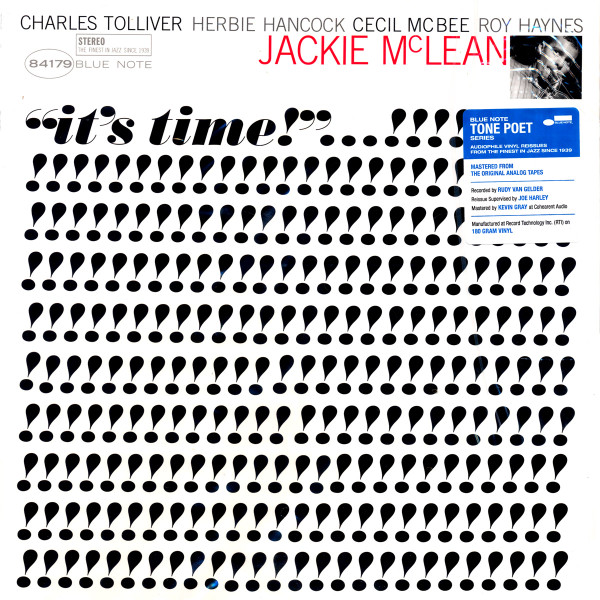
It's Time!
1965

One Step Beyond
1964

Let Freedom Ring
1963

A Fickle Sonance
1962

New Soil
1959

Action
1967

Jackie's Bag
1962

Capuchin Swing
1960
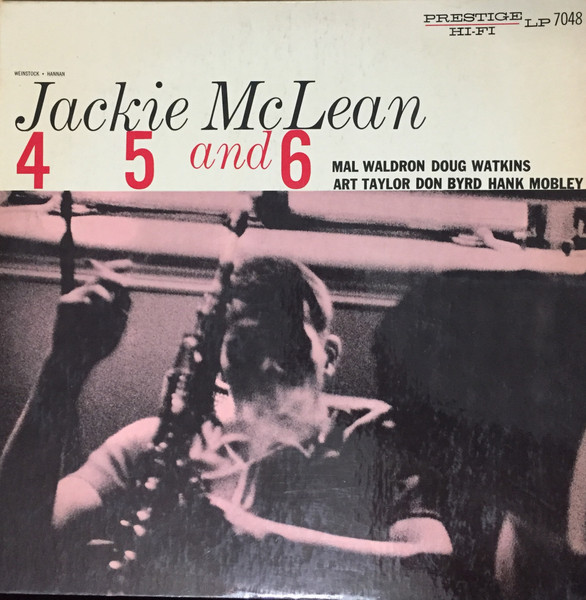
4, 5 And 6
1956

Right Now!
1966
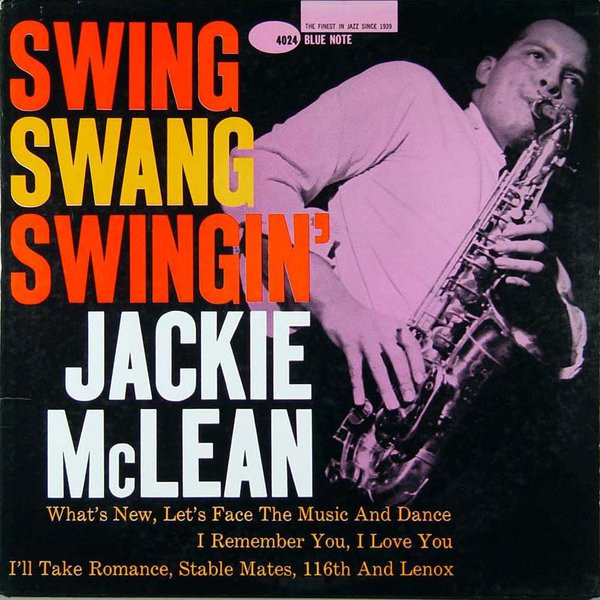
Swing, Swang, Swingin'
1960
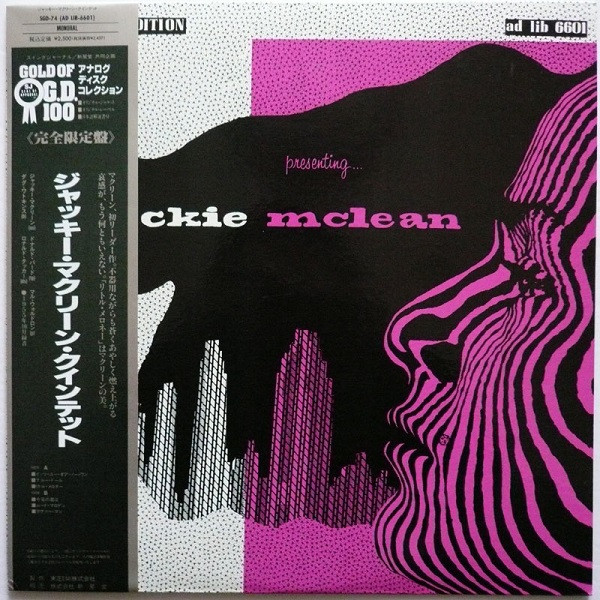
Presenting... Jackie McLean: The New Tradition
1955
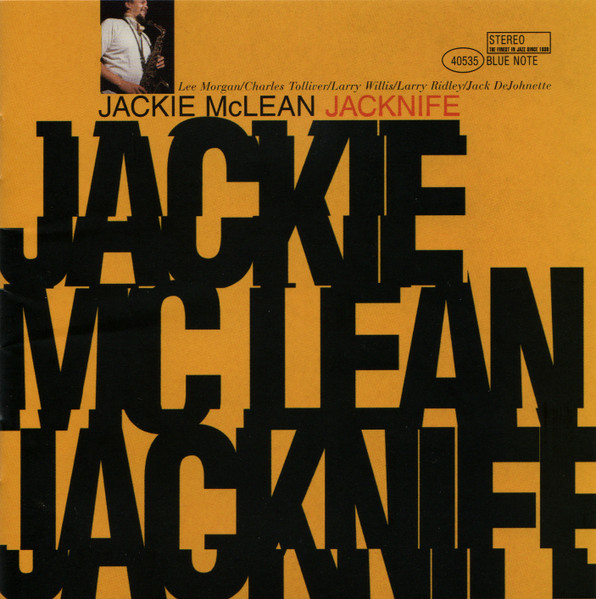
Jacknife
2002

Vertigo
1980

Contour
1977

New And Old Gospel
1968

A Long Drink Of The Blues
1961
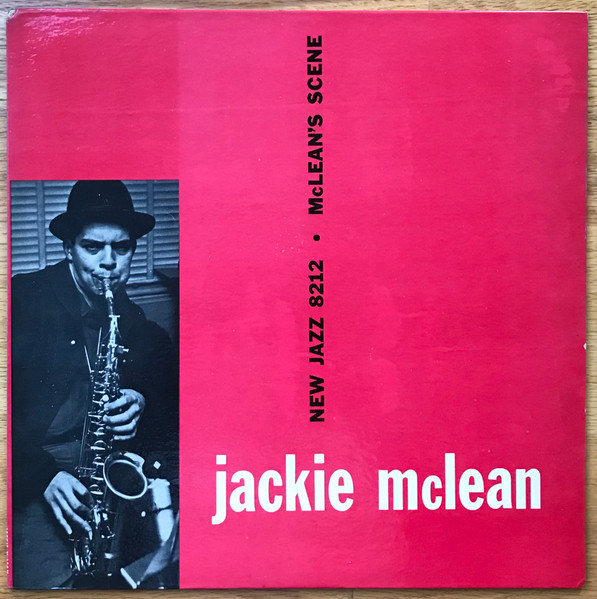
McLean's Scene
1958
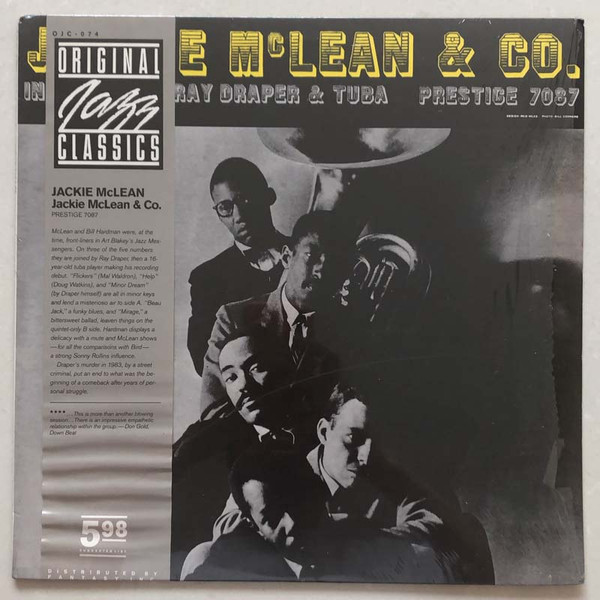
Jackie McLean & Co.
1957
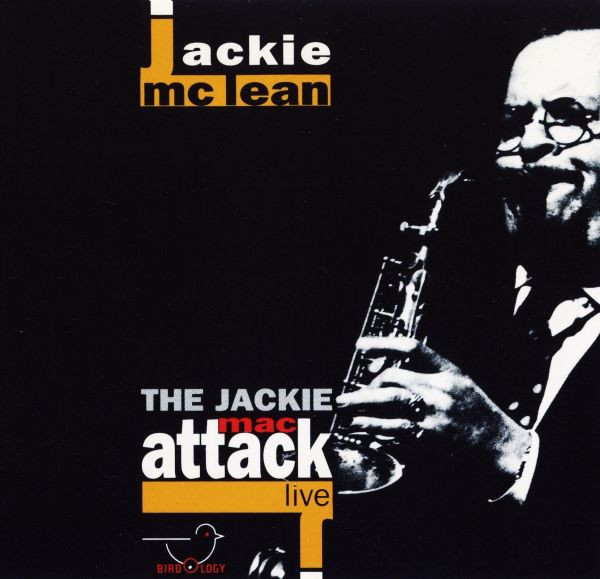
The Jackie Mac Attack - Live
1993
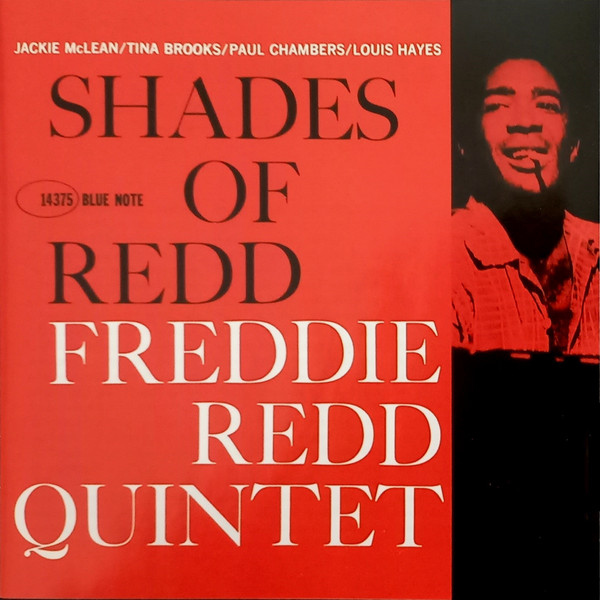
Freddie Redd Quintet
A project Jackie McLean was part of.
Related artists
Around the web
Follow every record they touch.
Start your shelf and Gatefold tracks Jackie McLean's new pressings, tour dates, and the whole discography — automatically.
Start your shelf →Free forever. Works with 10 records or 10,000.