
Artist
Def Leppard
Sheffield, United Kingdom · Formed 1977
Def Leppard is a music group from Sheffield, United Kingdom, active since 1977. Their discography on Gatefold includes 24 records.

41
Albums tracked
481
In collections
1977
Since
Biography
Mutt Lange basically treated Def Leppard like a human synthesizer. During the Hysteria sessions, he had them recording every single string of a guitar chord onto a separate track just to get a perfectly clean, processed ring. It was obsessive, expensive, and nearly broke them. They spent three years in the studio while the rest of the New Wave of British Heavy Metal scene either went bust or got soft, and the result was a record that sounded less like a band in a room and more like a high-definition transmission from a billion-dollar satellite. They started as Sheffield kids obsessed with Thin Lizzy and Mott the Hoople, but they ended up as the guys who made hard rock safe for pop radio by stripping away the blues dirt and replacing it with mathematical precision. You can hear the hunger on the first EP, but by the time they hit the 90s, the gloss started to wear thin and the tragedies—Steve Clark’s death and Rick Allen’s accident—became the narrative more than the riffs. They survived because they understood the architecture of a hook better than anyone else in leather pants, even when the grunge wave tried to bury them.
Bio from The Clerk
The Arc of Def Leppard
The pivots — what forced Def Leppard to reinvent.
The Mutt Lange Takeover
When Mutt Lange hopped on for High ’n’ Dry, he took a rough-around-the-edges rock band and began drilling them like a drill sergeant. He pushed them toward a tighter, more rhythmic sound inspired by AC/DC's Highway to Hell but with more vocal layers. You hear it on 'Bringin' On the Heartbreak,' where the stadium-sized backing vocals became a signature that defined the next decade of heavy melody. This was the moment the band stopped being a local Sheffield act and started aiming for the stars.
The Digital Frankenstein
The Hysteria era was a total pivot into sonic perfectionism that shouldn't have worked. After Rick Allen lost his arm, the band waited for him while he learned to trigger digital samples with his feet, changing their entire rhythm pocket from a natural swing to a hard, programmed stomp. They moved to Windmill Lane Studios in Dublin to chase a sound that was basically 'Thriller' for rock fans. The music became a lattice of layered guitars and Fairlight CMI sequences that sounded massive on car stereos but cost a fortune to finish.
The Slang Identity Crisis
By the mid-90s, the polished Mutt Lange formula finally felt out of step with the raw, dirty energy of the alternative scene. They ditched the heavy production for Slang, recording in a house in Spain to capture a more organic, darker vibe that leaned into industrial textures and real drums. It was a brave pivot that split the fanbase because it lacked the sugary sheen everyone expected. While it didn't sell like the 80s peaks, it proved they could actually play as a unit without a thousand overdubs.
Influences
- Mott the Hoople — Joe Elliott has cited Ian Hunter as his ultimate hero and the reason he wanted to be in a band. You hear that glam-rock swagger and the 'all the young dudes' anthem energy in the big singalong choruses. They even covered 'The Golden Age of Rock 'n' Roll' on the Yeah! album to pay the debt.
- Thin Lizzy — The twin-guitar harmony attack of Steve Clark and Pete Willis—and later Phil Collen—is a direct lift from the Gorham/Robertson era of Lizzy. Tracks like 'Switch 625' are essentially love letters to the melodic, dual-lead structures Phil Lynott perfected. It's the heavy metal equivalent of a vocal harmony.
- T. Rex — Marc Bolan’s boogie-inflected glam is baked into the DNA of the band’s mid-tempo stompers. You hear it in the rhythmic simplicity of 'Pour Some Sugar on Me,' which is basically a 70s glam track fed through a 1980s computer. They’ve admitted in interviews that they wanted the stomp of 'Get It On' with more muscle.
- Sweet — The massive, multi-tracked backing vocals that became the Leppard trademark were modeled directly after the high-register harmonies of Sweet. Mutt Lange helped them refine it, but the blueprint came from 'Ballroom Blitz' and 'Fox on the Run.' If you strip the distortion away, those vocal stacks are pure 70s bubblegum glam.
- Queen — The band’s obsession with studio layering and operatic arrangements comes straight from the Freddie Mercury playbook. They spent months in the studio trying to replicate the 'A Night at the Opera' vocal density for the Hysteria choruses. It’s the reason their records sound so expensive—they were chasing Queen's maximalism.
Discography
Their records — most-collected first.
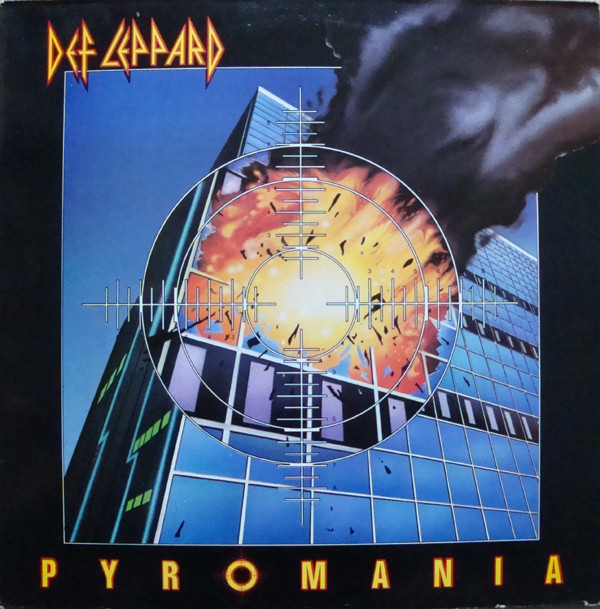
Pyromania
1983

Hysteria
1987
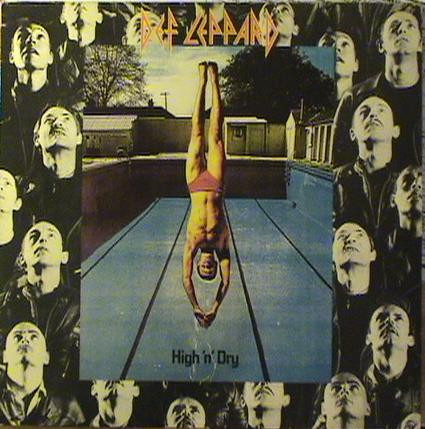
High 'N' Dry
1981

On Through The Night
1980
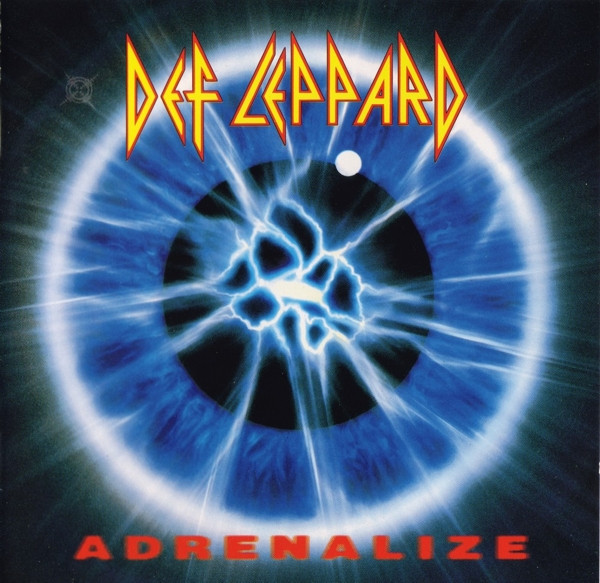
Adrenalize
1992

Vault (Def Leppard Greatest Hits 1980-1995)
1995

The Story So Far: The Best Of
2018

Euphoria
1999
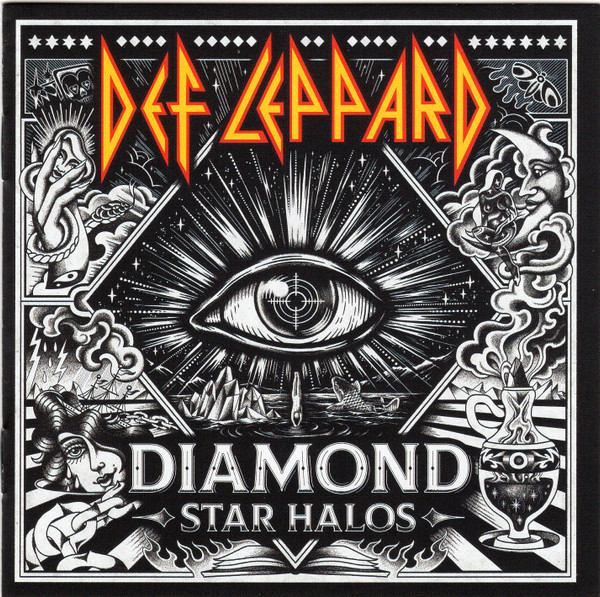
Diamond Star Halos
2022
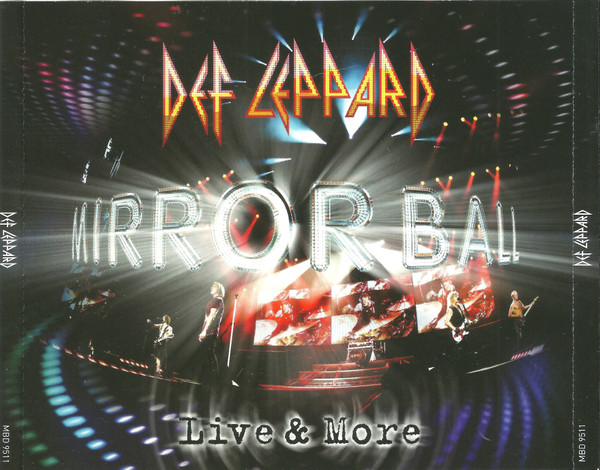
Mirror Ball - Live & More
2011
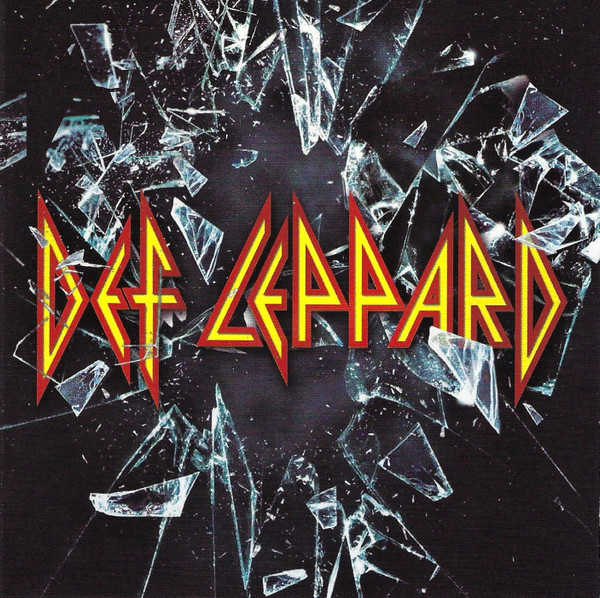
Def Leppard
2015
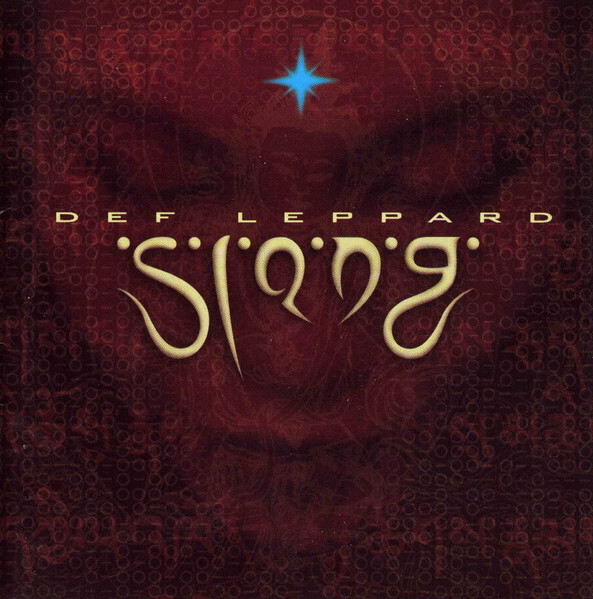
Slang
1996
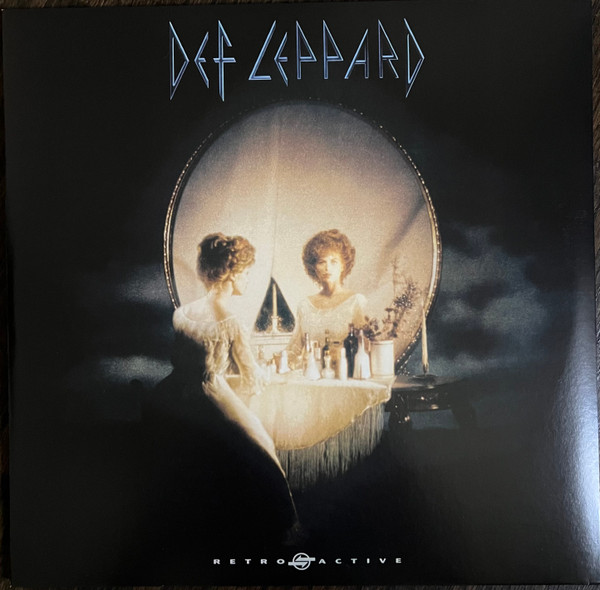
Retro Active
1993
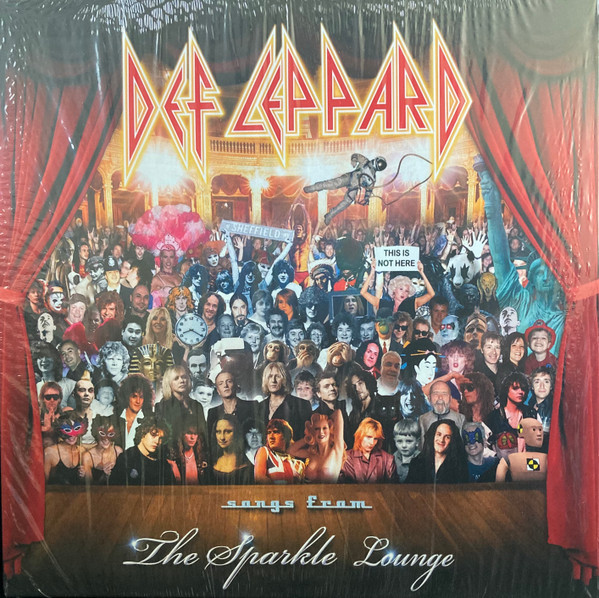
Songs From The Sparkle Lounge
2008

Rock Of Ages (The Definitive Collection)
2005

X
2002
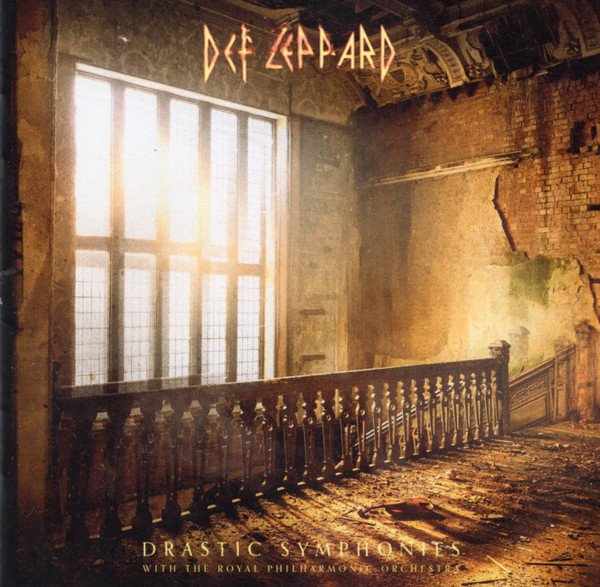
Drastic Symphonies
2023

Yeah!
2006

Best Of
2004

Love Bites
1988

Armageddon It!
1988
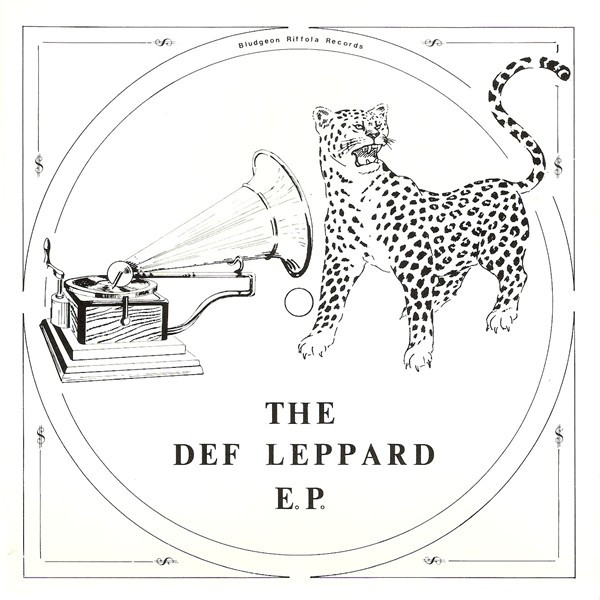
The Def Leppard E.P.
1979
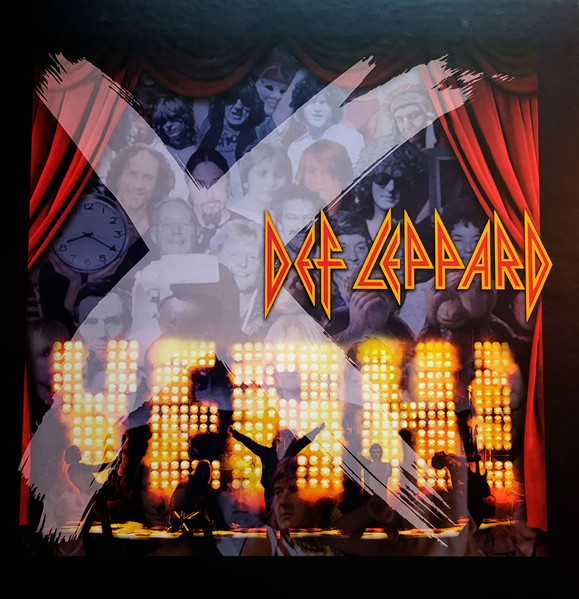
CD Collection Volume 3
2021
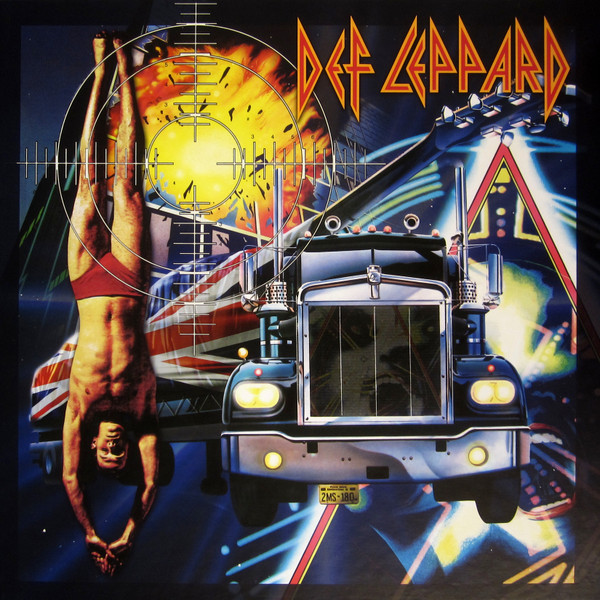
CD Collection Volume 1
2018
Related artists
Around the web
Follow every record they touch.
Start your shelf and Gatefold tracks Def Leppard's new pressings, tour dates, and the whole discography — automatically.
Start your shelf →Free forever. Works with 10 records or 10,000.