
Artist
Bob Mould
New York City, United States · b. 1960
Bob Mould is a musician from New York City, United States, active since 1960. Their discography on Gatefold includes 22 records. They also recorded with Hüsker Dü, Sugar and Blowoff.

45
Albums tracked
452
In collections
1960
Since
Biography
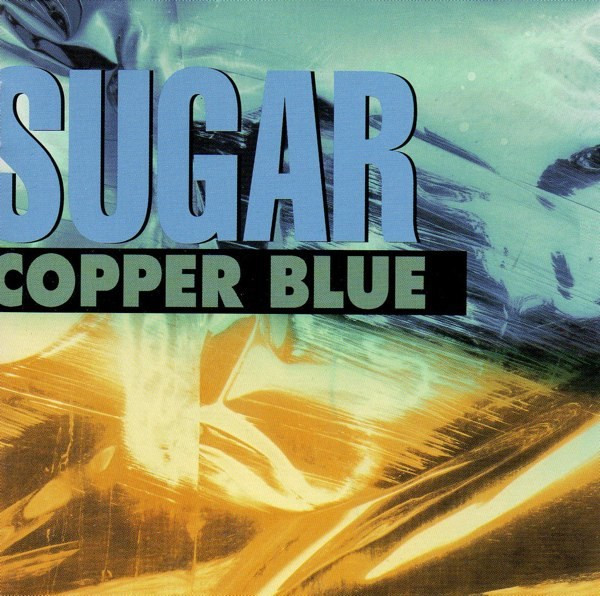
Hüsker Dü ended because the center couldn't hold between two massive egos and a manager’s suicide, leaving Bob Mould to retreat to a farmhouse in Pine City, Minnesota with an acoustic guitar and a lot of resentment. He wasn't trying to be a folk singer; he was trying to figure out how to write without Grant Hart’s pop sensibility pulling him toward the light. The result was Workbook, a record that proved he didn't need a wall of distortion to be the loudest guy in the room. He traded the SST grit for a cello and a 12-string, and for a minute, it looked like he was going to be the American Richard Thompson. Then he got bored of the quiet and formed Sugar because he realized he missed the feeling of a dimed amp hitting his back. Copper Blue is the record where he finally figured out how to marry that melodic ear to a massive, radio-ready crunch without losing his soul to the major label machine. He’s spent the last thirty years toggling between power-pop precision, weird electronic detours that baffled the purists, and a late-career return to the hyper-distorted punk that built his house. He doesn't coast. Even the missteps feel like they were made with a clenched jaw.
Bio from The Clerk
The Arc of Bob Mould
The pivots — what forced Bob Mould to reinvent.
The Pine City Isolation
After the messy collapse of Hüsker Dü, Mould moved to a farm and swapped his Flying V for an acoustic guitar and a cello player named Jane Scarpantoni. Working with producer Anton Fier, he stripped away the hardcore velocity to focus on the skeletal remains of his songwriting. You can hear the physical space of that farmhouse in the tracks, a stark departure from the claustrophobic noise of his previous decade. It was a high-stakes gamble that proved he was a composer, not just a noise merchant.
The Sugar Peak
Frustrated by the polite reception of his solo work, Mould recruited David Barbe and Malcolm Travis to form a power trio that could actually compete with the grunge explosion he had inadvertently fathered. They signed to Creation Records in the UK and Rykodisc in the states, releasing Copper Blue in 1992. The production is thick and sugary, burying the bitterness of his lyrics under a layer of stadium-sized hooks. It was the most commercially successful he’d ever be, but the tension between the band members meant it was never going to last more than a few years.
The Silver Age Return
After a weirdly sterile period flirting with electronic dance music and a brief retirement from the loud stuff, Mould found his second wind by looking backward. He hired Jon Wurster and Jason Narducy, a rhythm section that could actually keep up with the punishing tempo of his SST days. This era, starting around Silver Age, abandoned the experimental fluff for a high-decibel, high-speed assault that sounded younger than the bands he was influencing. The records became leaner and meaner, recorded with a sense of urgency that hadn't been there since the eighties.
Influences
- The Byrds — Mould has cited the Rickenbacker chime of Roger McGuinn as the primary DNA for his guitar style. You hear it in the way he rings out open strings under high-velocity distorted chords. It's essentially folk-rock played at the speed of a heart attack.
- Buzzcocks — Pete Shelley’s ability to write perfect pop songs within the wreckage of punk was the blueprint for everything Mould did in Hüsker Dü. The sharp, economical hooks on records like Another Music in a Different Kitchen showed him how to keep things melodic without slowing down. It’s the difference between being a hardcore band and a great band.
- Richard Thompson — Mould famously obsessed over Thompson’s dark, technical folk-rock during the writing of Workbook. He specifically looked to Thompson’s ability to use an acoustic guitar as a percussive, aggressive lead instrument. That influence is why his solo debut sounds so haunted and sharp.
- Ramones — The foundational speed and down-stroked guitar attack are straight out of the Johnny Ramone playbook. Every early Hüsker Dü set was a lesson in that relentless, no-breaks pacing. He took their wall of sound and just added more layers of feedback.
- Cheap Trick — Rick Nielsen’s power-pop sensibilities provided the structural integrity for the Sugar era. Mould grew up on these guys in the Midwest and learned how to stack guitars to create a massive, radio-friendly wall. It’s the hidden pop heart inside the punk veteran.
Bob Mould — solo
Their records — most-collected first.
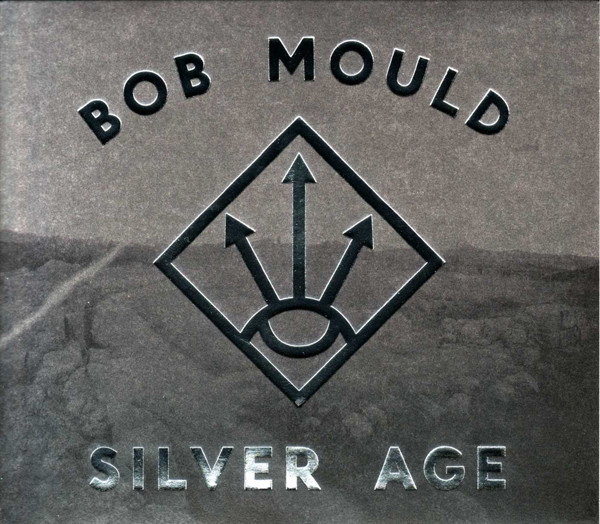
Silver Age
2012

Workbook
1989

Black Sheets Of Rain
1990
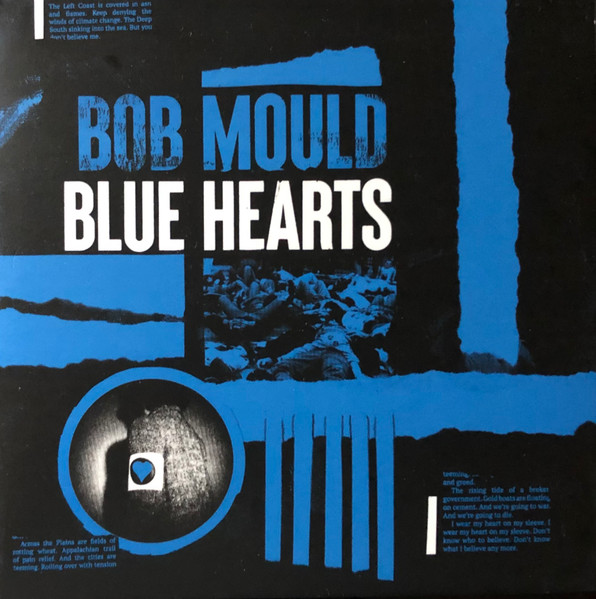
Blue Hearts
2020
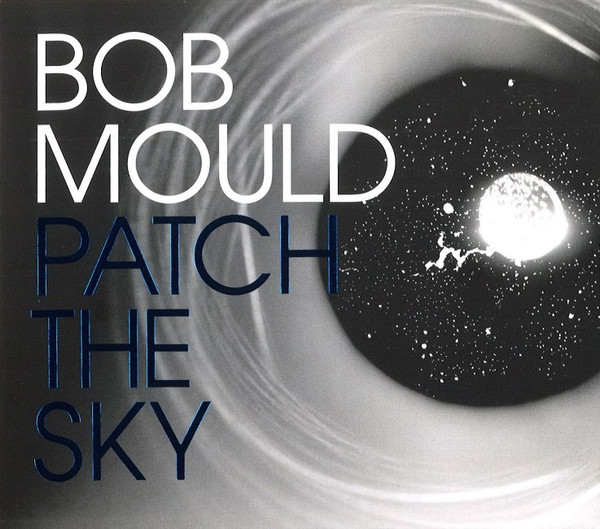
Patch The Sky
2016

Sunshine Rock
2019

Bob Mould
1996

Here We Go Crazy
2025
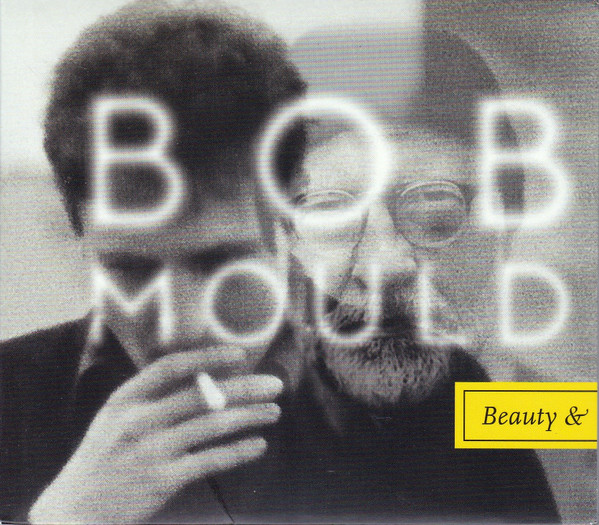
Beauty & Ruin
2014

Body Of Song
2005

Distortion: 1989 - 1995
2020

Modulate.
2002

Circle Of Friends
2007

Distortion: The Best Of 1989 - 2019
2021

Distortion: 1996 - 2007
2021

District Line
2008

The Last Dog And Pony Show
1998

Life And Times
2009

Poison Years
1994

See A Little Light
1989

Distortion: 1989 - 2019
2020
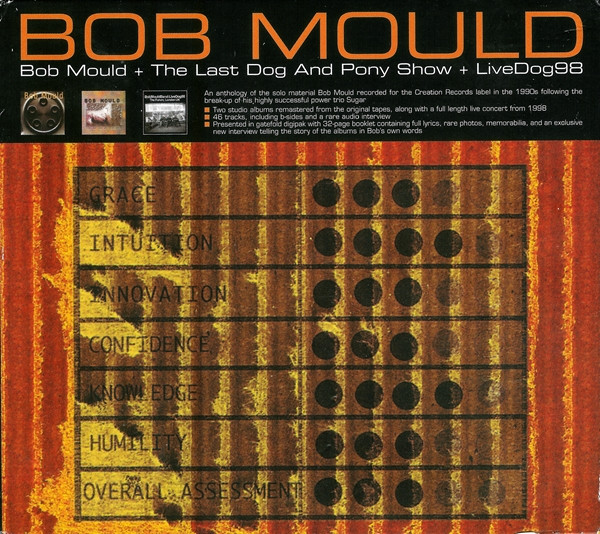
Bob Mould + The Last Dog And Pony Show + LiveDog98
2012
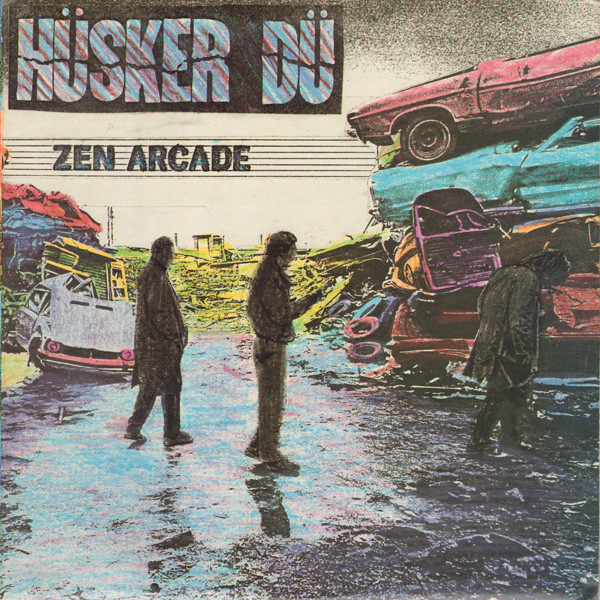
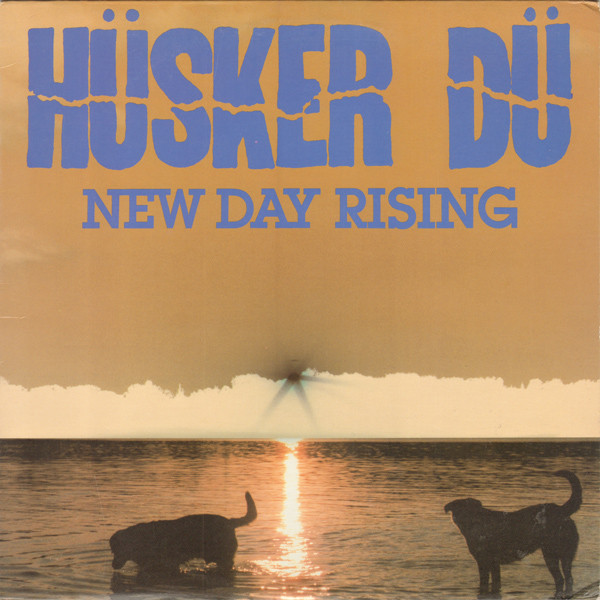
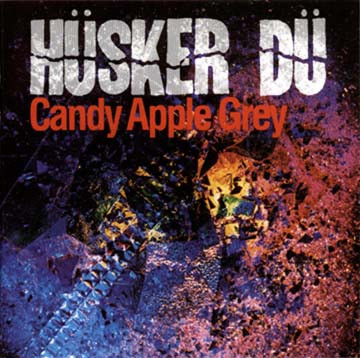
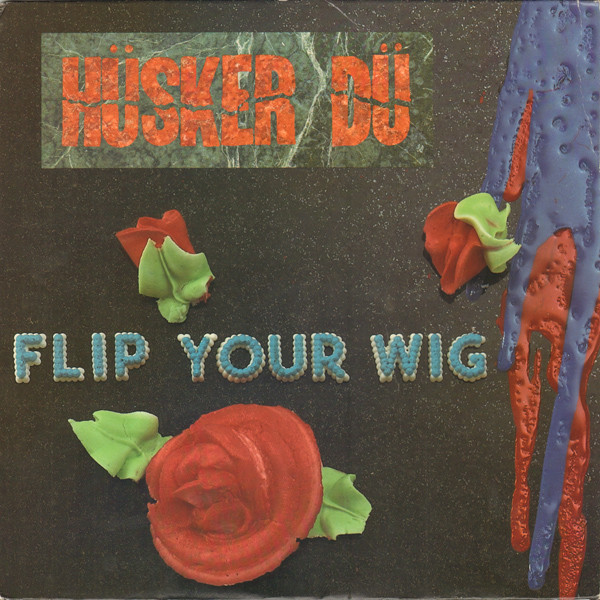
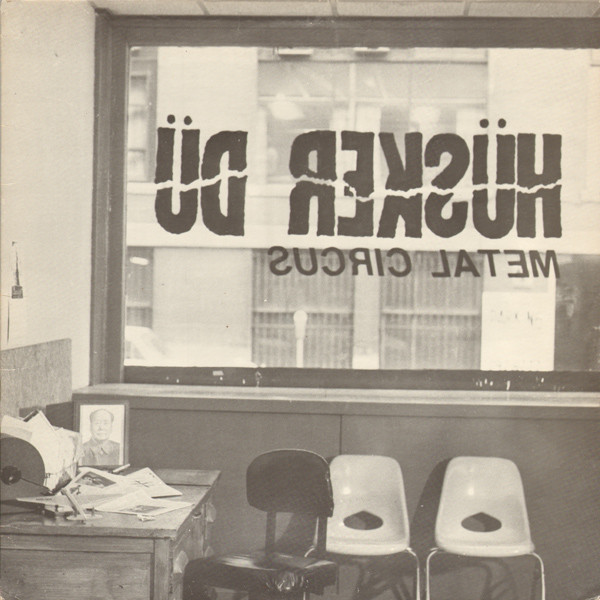
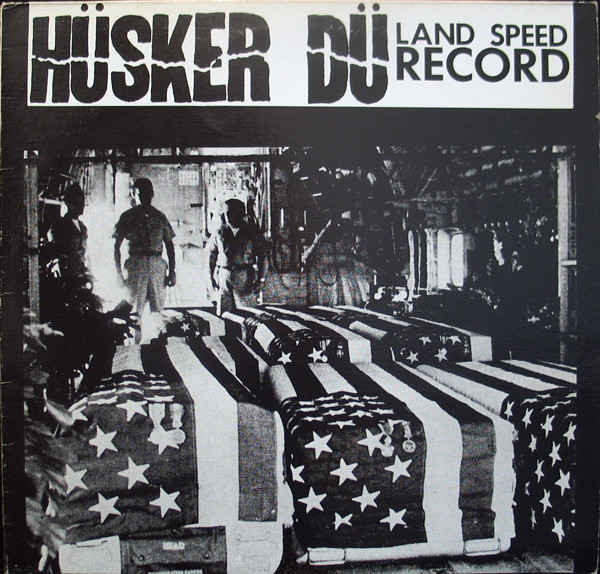
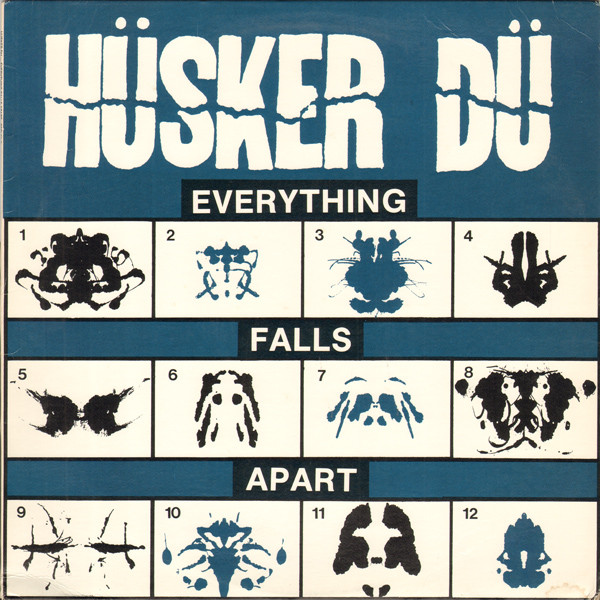
Hüsker Dü
A project Bob Mould was part of.





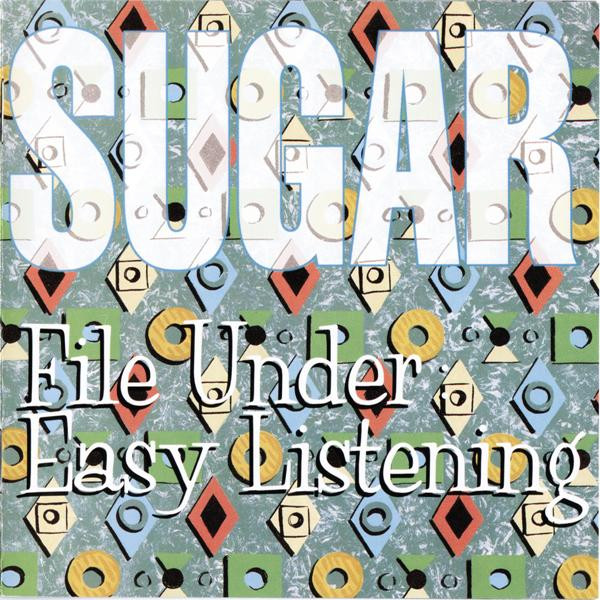
Sugar
A project Bob Mould was part of.


Blowoff
A project Bob Mould was part of.
Related artists
More projects
Frequent collaborators
Around the web
Follow every record they touch.
Start your shelf and Gatefold tracks Bob Mould's new pressings, tour dates, and the whole discography — automatically.
Start your shelf →Free forever. Works with 10 records or 10,000.