
Artist
Interpol
NYC rock band
New York City, United States · Formed 1997
Interpol is a music group from New York City, United States, active since 1997. Their discography on Gatefold includes 24 records.

25
Albums tracked
348
In collections
1997
Since
Biography
Peter Katis didn't have a lot of space in his Bridgeport attic studio, Tarquin Studios, but he had the right compressors to squash Paul Banks’ baritone into that suffocating, cavernous space on Turn On the Bright Lights. They were the only band in that 2002 NYC explosion that didn't sound like they were having a party; they sounded like they were mourning a city that hadn't even finished burning down yet. Kessler’s jagged, staccato guitar lines were precision-engineered to cut through the cigarette smoke of the Luna Lounge, anchored by Carlos Dengler’s bass playing, which was easily the most arrogant—and necessary—part of their DNA. Then they signed to Capitol for Our Love to Admire and the budget got fat, the strings got real, and the tension started to leak out of the room. It’s the classic story: the minute you can afford a grand piano and a big-name producer like Rich Costey, you lose the claustrophobia that made people give a shit in the first place. They spent years trying to figure out how to be a legacy act without their secret weapon on bass, but they finally stopped chasing the major label polish and leaned back into the grit. They aren't the saviors of rock anymore, just a bunch of guys who know exactly how to make a dark room feel even smaller.
Bio from The Clerk
The Arc of Interpol
The pivots — what forced Interpol to reinvent.
The Tarquin Attic Years
Before the hype reached a fever pitch, the band retreated to a residential studio in Connecticut with Peter Katis to capture a sound that felt entirely disconnected from the garage rock revival happening in Brooklyn. They utilized tight, gated reverb and heavily compressed drums to create a cold, urban atmosphere that defined their first two records. The interplay between Kessler’s rhythmic scratching and Dengler’s melodic, Highsmith-esque bass lines created a mechanical tension that peaked on Antics. This era ended when the band decided they had outgrown the indie constraints of Matador for a major label payday.
The Major Label Bloat
Signing to Capitol for Our Love to Admire saw the band trading the basement shadows for Hollywood's Electric Lady Studios and a more expansive, cinematic production style. Rich Costey pushed for a bigger, cleaner sound that prioritized Paul Banks’ vocals over the jagged post-punk edges, resulting in tracks that felt more like arena auditions than late-night anthems. The friction during these sessions eventually led to the departure of Carlos D, the man whose style provided the band's rhythmic backbone. Without him, the self-titled fourth album felt like a band searching for an identity they had already perfected five years earlier.
The Self-Sustained Trio
After the major label experiment soured and they returned to Matador, the remaining trio had to reinvent their workflow with Paul Banks taking over bass duties for El Pintor. Working with Dave Fridmann for Marauder in 2018 forced them into a raw, analog corner where they recorded straight to tape with no Pro Tools safety net. This forced a return to the urgency of their early days, stripping away the orchestral pretensions of the mid-2000s. You can hear the dirt back in the signal, especially in the blown-out drum tones that feel like a middle finger to the polished radio rock they briefly flirted with.
Influences
- Joy Division — Banks has spent a career dodging the Ian Curtis comparisons, but the band famously covered 'Digital' during their early sessions. You hear it in the way the bass leads the melody while the guitars provide atmospheric texture. It is the architectural blueprint for their entire rhythmic approach.
- The Chameleons — The band has cited Mark Burgess’s crew as a massive touchstone for their twin-guitar attack. The swirling, delay-heavy interplay on 'Script of the Bridge' is the direct ancestor to Daniel Kessler's layering on 'Untitled'. They took that Manchester gloom and exported it to Manhattan.
- Pixies — Paul Banks told Rolling Stone that Doolittle was the record that made him want to play music. The loud-quiet-loud dynamics and the cryptic, often surrealist lyrical imagery are baked into the structures of their early EPs. It's the reason their songs feel like they're about to boil over before pulling back.
- Television — The precise, interlocking guitar work of Tom Verlaine and Richard Hell is the literal DNA of the NYC post-punk scene they revived. You hear it in the clean, un-distorted guitar tones that favor melody over power chords. Without 'Marquee Moon', Interpol doesn't have a map for their fretboard geometry.
- The Psychedelic Furs — The band toured with the Furs early on, and Richard Butler’s detached, smoky vocal delivery is a clear predecessor to Banks’ own style. The way 'The Ghost in You' balances pop sensibility with a deep, underlying melancholy is a trick Interpol has been trying to perfect since 1997. It is the sound of expensive sadness.
Discography
Their records — most-collected first.
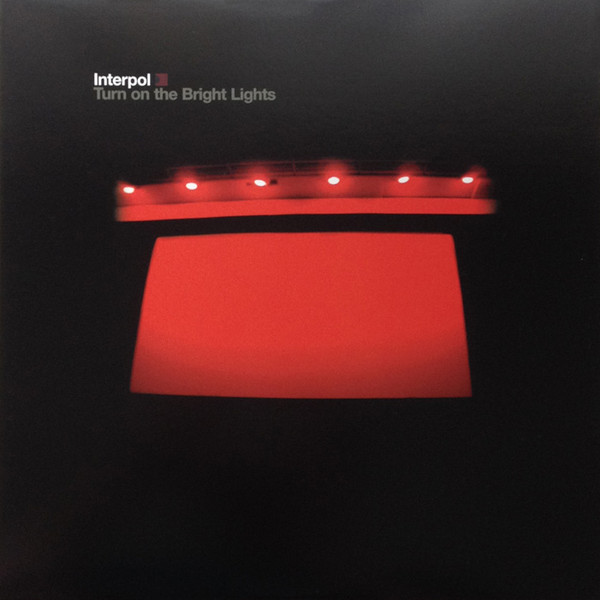
Turn On The Bright Lights
2002
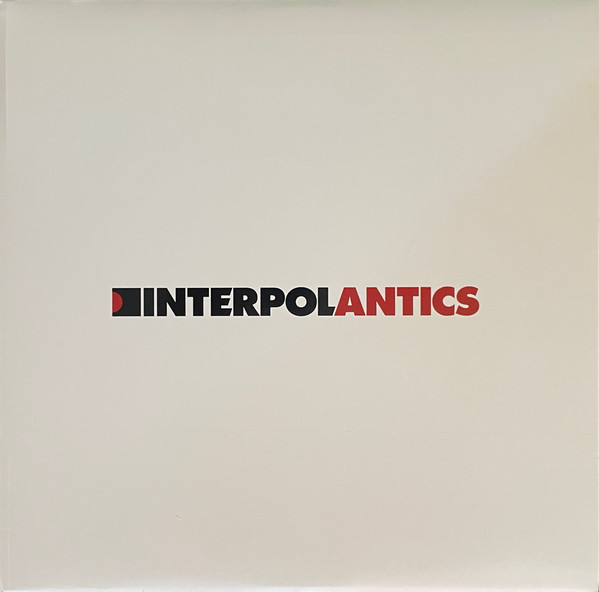
Antics
2004
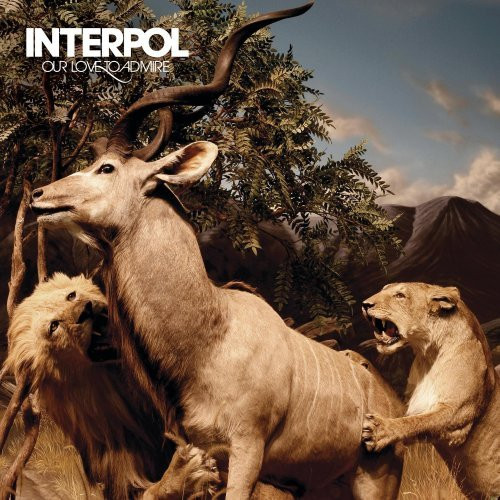
Our Love To Admire
2007
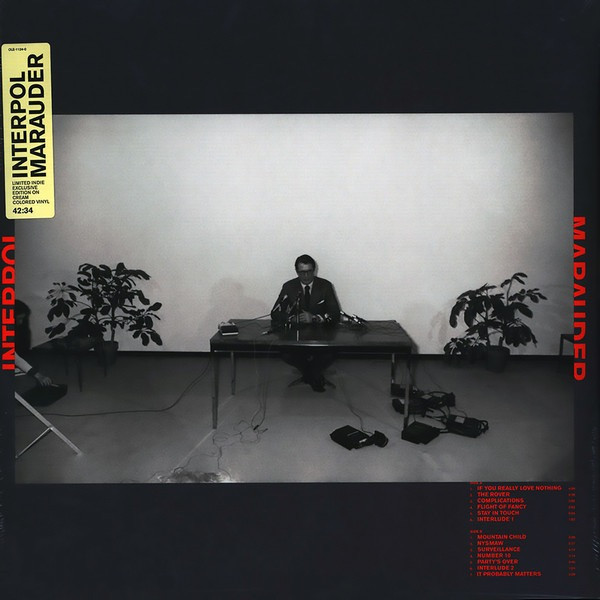
Marauder
2018
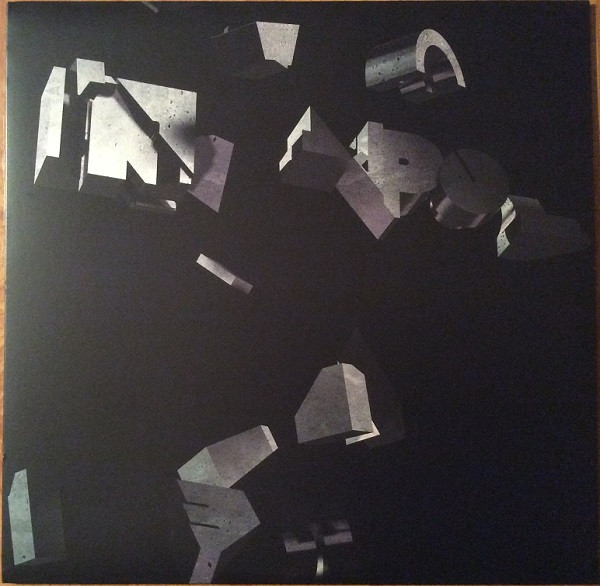
Interpol
2010

El Pintor
2014
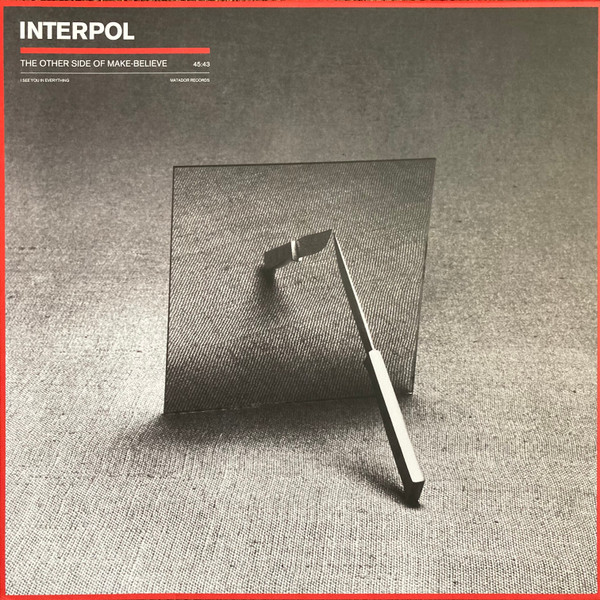
The Other Side Of Make-Believe
2022

C'Mere
2005

Everything Is Wrong
2015

Evil
2005

Obstacle 1
2002

Live At Third Man Records
2024

This Mirror Weighs A Ton
2026
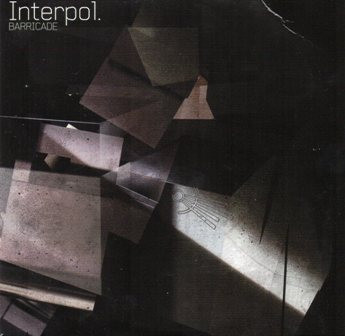
Barricade
2010

The Heinrich Maneuver
2007

Slow Hands
2004
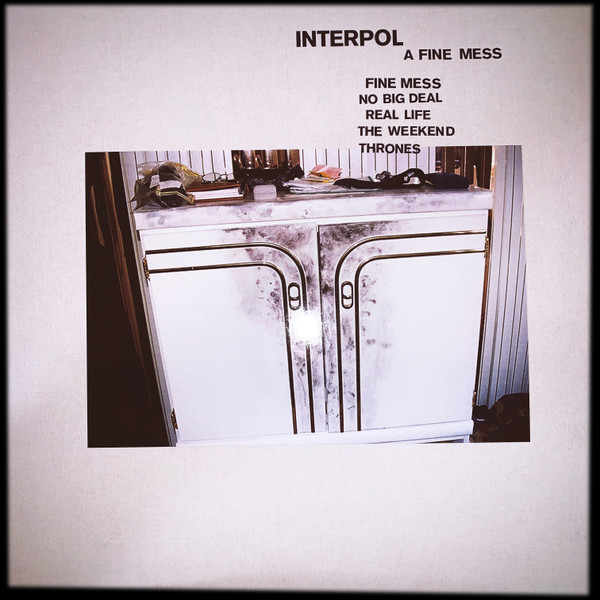
A Fine Mess
2019
Live
2003

Say Hello To The Angels | NYC
2003

Interpol EP
2002

Fukd I.D. #3
2000

Remix
2005

Turn On The Bright Lights / Antics
2005

The Black EP
2003
Related artists
Around the web
Follow every record they touch.
Start your shelf and Gatefold tracks Interpol's new pressings, tour dates, and the whole discography — automatically.
Start your shelf →Free forever. Works with 10 records or 10,000.