
Artist
ABBA
Swedish pop group
Stockholm, Sweden · 1972 – 2022
ABBA is a music group from Stockholm, Sweden, active 1972–2022. Their discography on Gatefold includes 24 records.

70
Albums tracked
674
In collections
1972
Since
Biography
Björn Ulvaeus and Benny Andersson were already kings of the Swedish scene when they pulled their partners into the booth. They weren't just writing hooks; they were obsessed with the architecture of a track, dragging engineers like Michael B. Tretow into the depths of multi-tracking to find a wall of sound that didn't sound like a Phil Spector rip-off. It was about precision. They treated the studio like a laboratory, often spending weeks on a single vocal arrangement until the layers felt like one impossible instrument. The disco era gets all the shine, but the back half of the catalog is where the masks slip. By the time they hit the early '80s, the marriages were dead and the songs got cold, sharp, and cynical. They didn't go out with a party; they went out with synthesizers that sounded like a fluorescent light flickering in an empty hallway. It’s some of the most honest pop music ever committed to tape because they stopped pretending the spotlight didn't burn.
Bio from The Clerk
The Arc of ABBA
The pivots — what forced ABBA to reinvent.
The Eurovision Launchpad
Everything changed at the 1974 Eurovision Song Contest when 'Waterloo' hit the stage with a glitz that felt like a middle finger to folk purity. They weren't just a Swedish novelty act anymore; they were a hit machine leveraging Stig Anderson’s marketing ruthlessness and a heavy, glam-rock stomp. You hear it in the distorted guitars and the aggressive piano trills that pushed them away from the schlager tradition into global pop dominance. It was the moment they realized English-language lyrics were the key to the vault.
The Polar Studio Shift
In 1978, they built Polar Studios in Stockholm and stopped relying on outside rooms, giving Benny and Björn total control over their obsessive production habits. This era saw the introduction of the Yamaha GX-1 synthesizer, which fundamentally altered their sound from organic arrangements to the dense, electronic sheen of the 'Voulez-Vous' sessions. The tracks became tighter and more rhythmic, influenced by the disco boom but executed with a terrifying, mechanical precision that only a band with their own playground could achieve.
The Synthetic Divorce
The final stretch starting with 'Super Trouper' and 'The Visitors' saw the group retreating from the dancefloor into a grim, digital landscape. As the two internal marriages collapsed, the music stripped away the bubblegum and replaced it with early digital recording technology and cold, lyrical paranoia. The vocals became more isolated, the reverb got longer, and the upbeat tempos felt like a forced smile. It wasn't about the charts anymore; it was about the sound of four people who couldn't stand to be in the same room together.
Influences
- The Beach Boys — Björn has repeatedly cited Brian Wilson’s vocal stacking as the blueprint for ABBA's 'wall of sound' vocal takes. You hear it in the intricate, high-register harmonies on 'Take a Chance on Me' that mirror the complex arrangements of the 'Pet Sounds' era. They took the Californian sunshine and filtered it through a cold Swedish lens.
- The Beatles — Benny Andersson tracked their entire career against the Lennon-McCartney songwriting standard, specifically focusing on their mid-period structural shifts. The melodic DNA of tracks like 'Knowing Me, Knowing You' draws a direct line to the minor-key melancholy found on 'Rubber Soul'. It’s the art of the perfect bridge as a narrative tool.
- Phil Spector — Engineer Michael B. Tretow admitted to trying to replicate Spector's 'Wall of Sound' by slightly detuning identical vocal tracks to create a shimmer. This technique gave their early 70s records a massive, dense presence that felt larger than a standard four-piece band. It's the reason their singles jump out of a radio speaker with that specific, vibrating energy.
- The Bee Gees — Before the disco era, ABBA was closely watching the Gibb brothers' transition from baroque pop to rhythmic R&B. The influence is undeniable on the 'Voulez-Vous' album, where the syncopated basslines and falsetto flourishes mirror the 'Main Course' era production. They swapped the folk guitars for a steady 4/4 thump that kept them relevant as the decade turned.
- The Shadows — Benny and Björn both cut their teeth in 60s beat groups like The Hep Stars that were essentially clones of Hank Marvin's instrumental outfit. That clean, melodic guitar picking style stayed in their toolbox and defined the lead lines of their early hits like 'Honey, Honey'. It provided the pop-rock foundation before the synthesizers took over.
Discography
Their records — most-collected first.
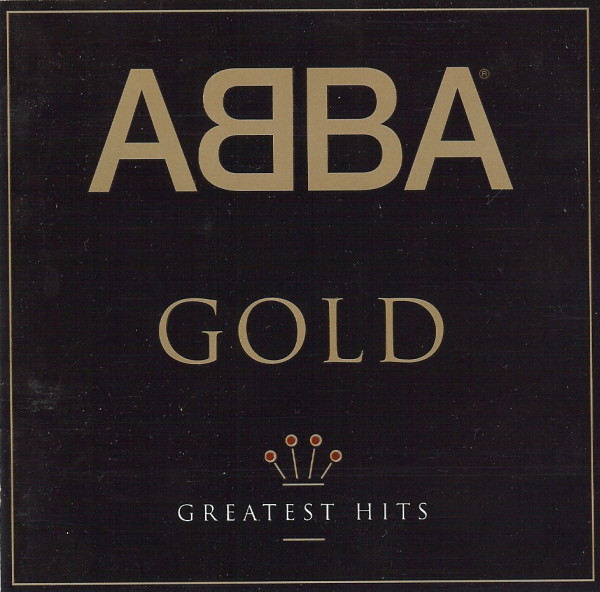
Gold (Greatest Hits)
1992
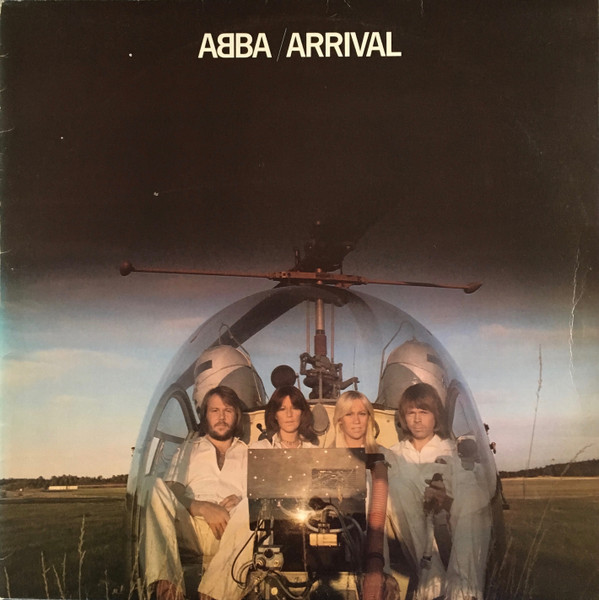
Arrival
1976
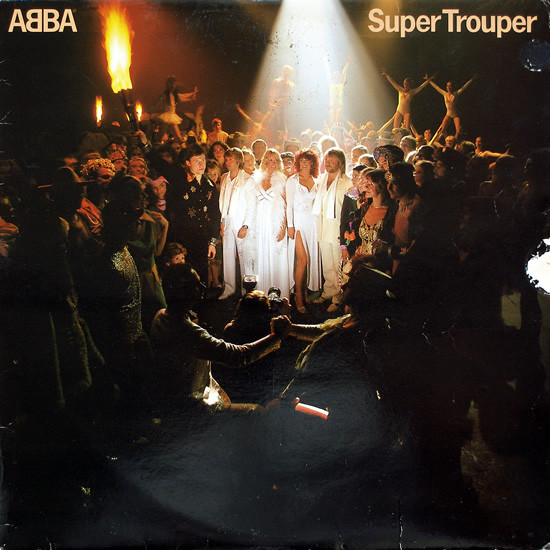
Super Trouper
1980
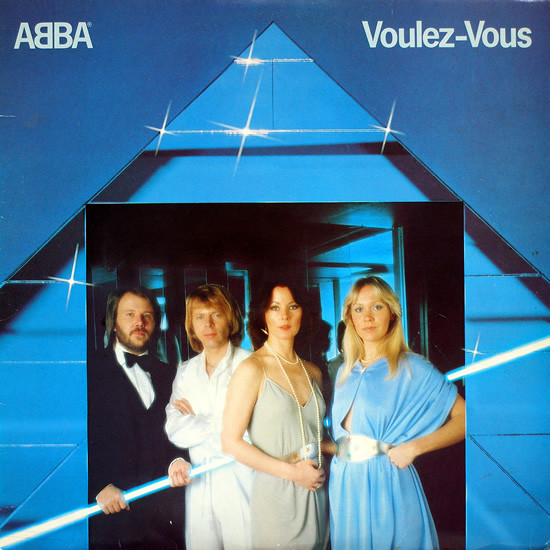
Voulez-Vous
1979
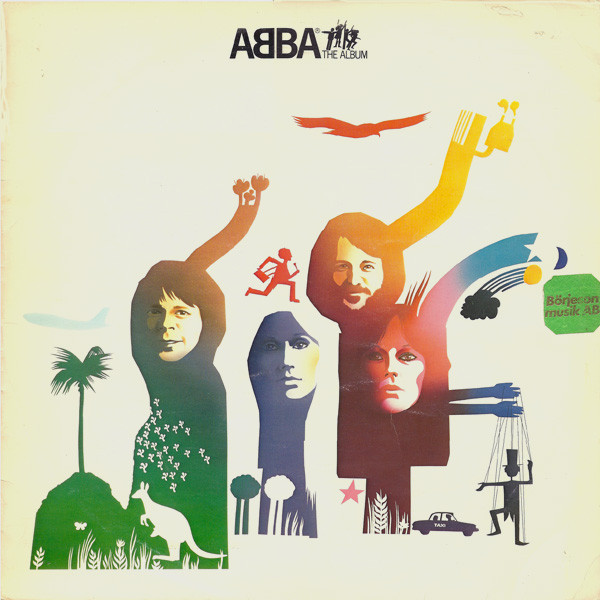
The Album
1977
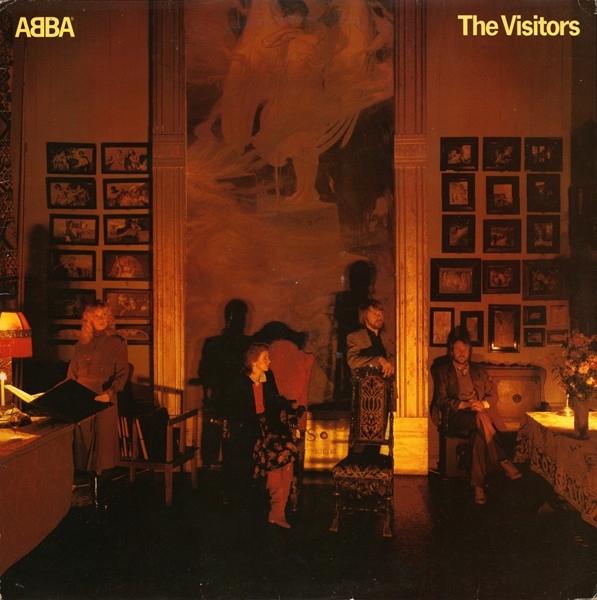
The Visitors
1981
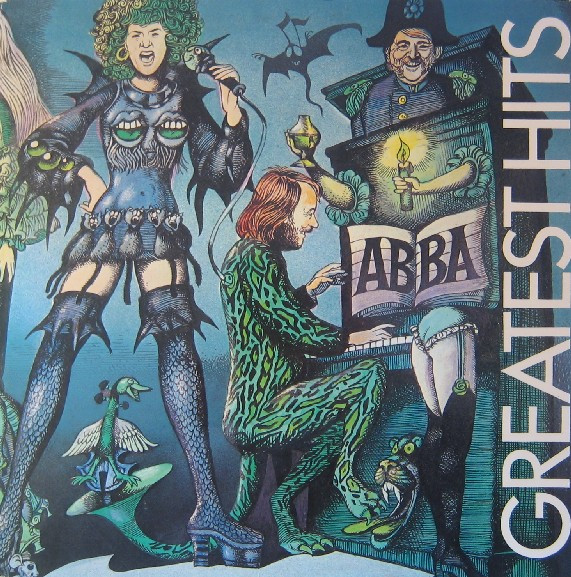
Greatest Hits
1975
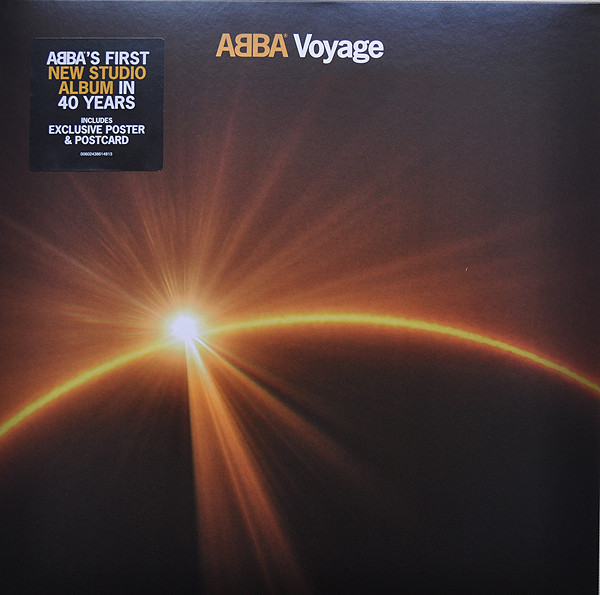
Voyage
2021
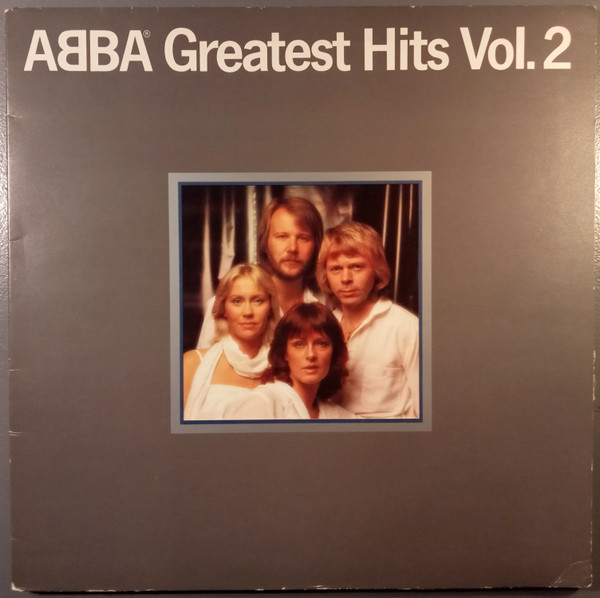
Greatest Hits Vol. 2
1979
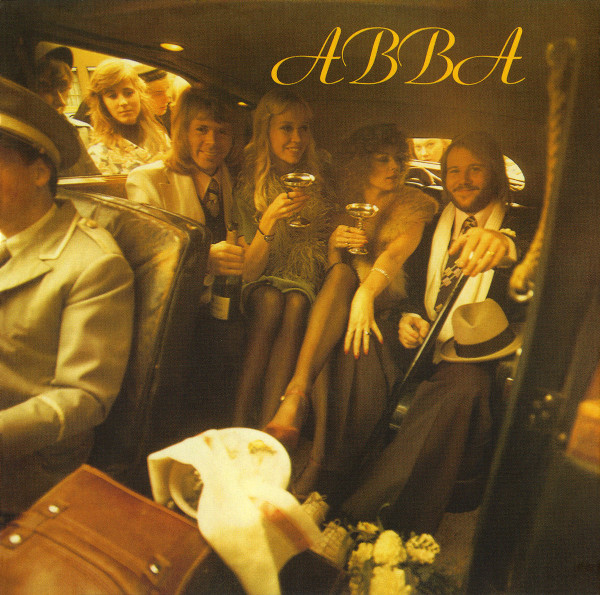
ABBA
1975
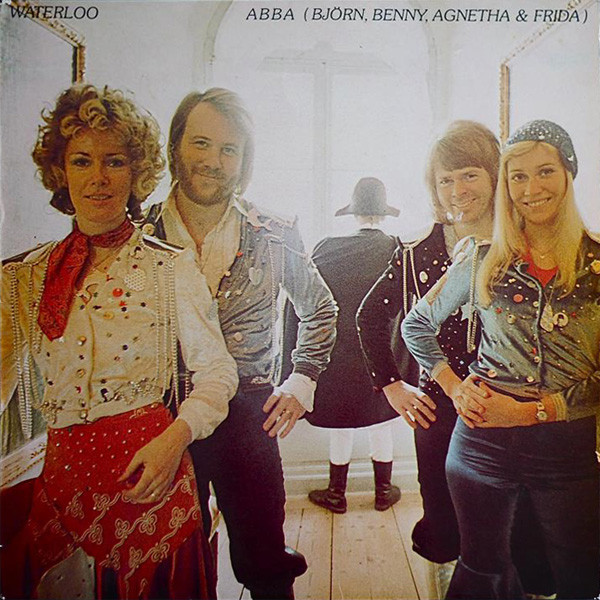
Waterloo
1974

The Singles (The First Ten Years)
1982

Ring Ring
1973

The Best Of ABBA
1975
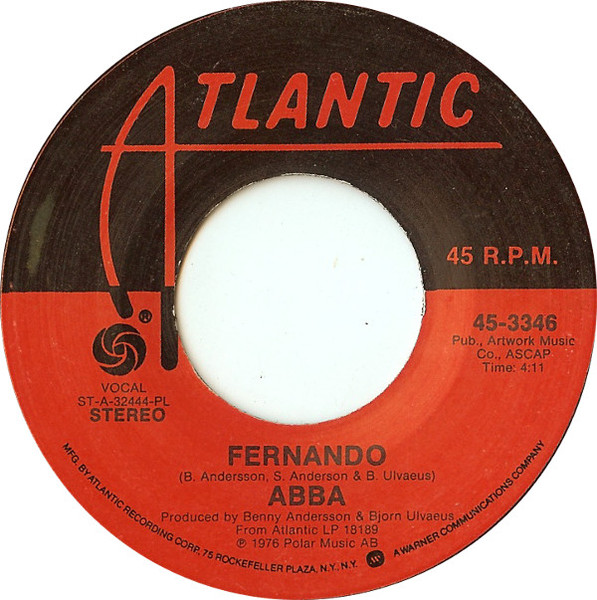
Fernando
1976

Waterloo
1974
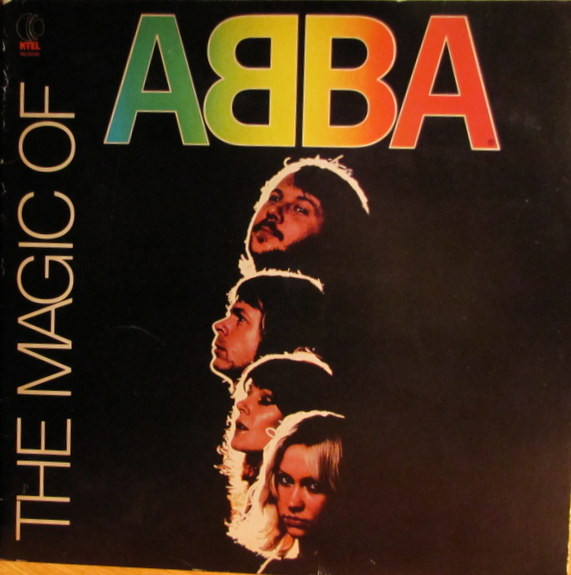
The Magic Of ABBA
1980
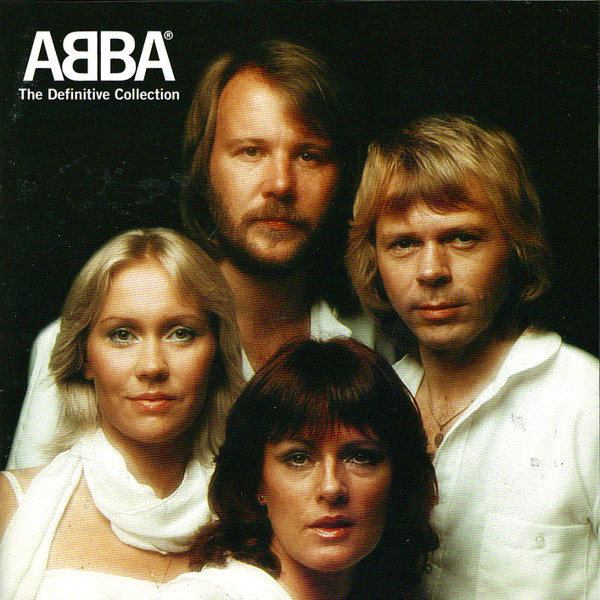
The Definitive Collection
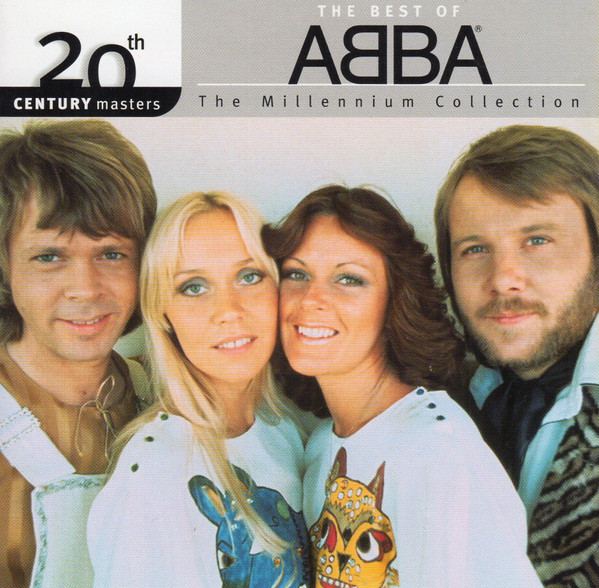
The Best Of ABBA
2000

More ABBA Gold (More ABBA Hits)
1993

Take A Chance On Me / I'm A Marionette
1978
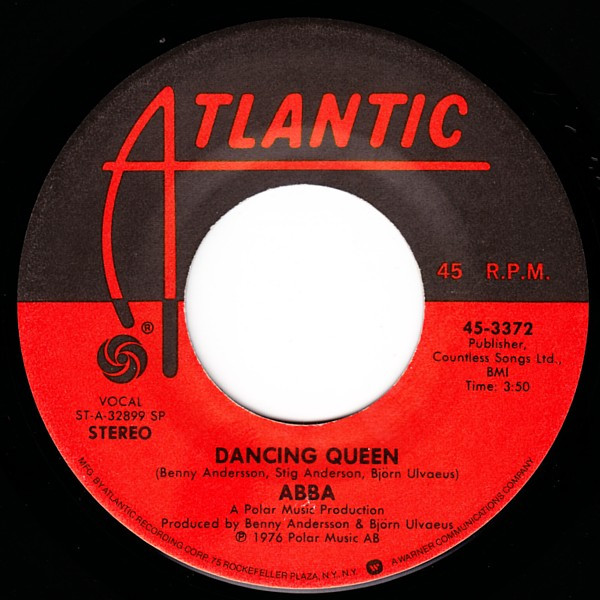
Dancing Queen & That's Me
1976
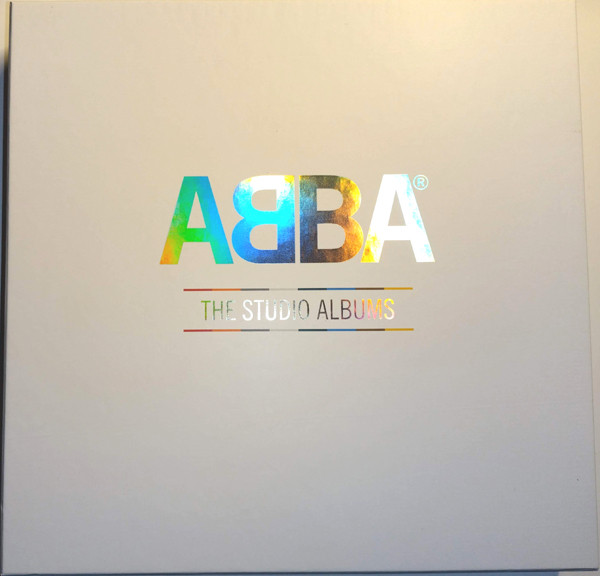
The Studio Albums
2014
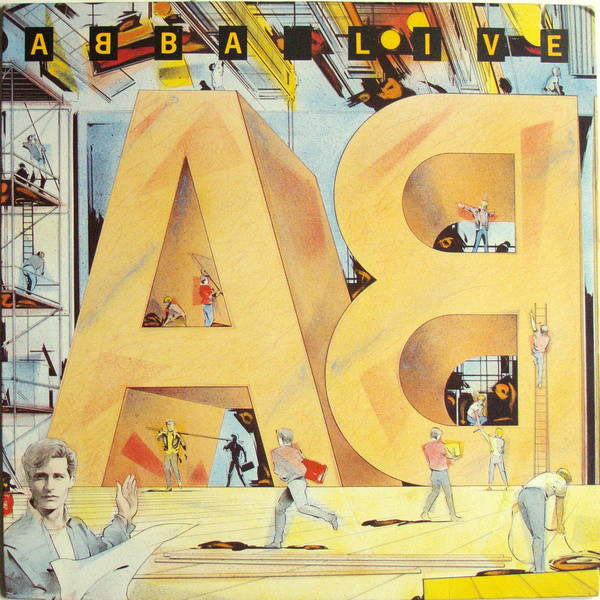
Live
1986
Related artists
Around the web
Follow every record they touch.
Start your shelf and Gatefold tracks ABBA's new pressings, tour dates, and the whole discography — automatically.
Start your shelf →Free forever. Works with 10 records or 10,000.