
Artist
Billy Joel
American singer‐songwriter and pianist
New York City, United States · b. 1949
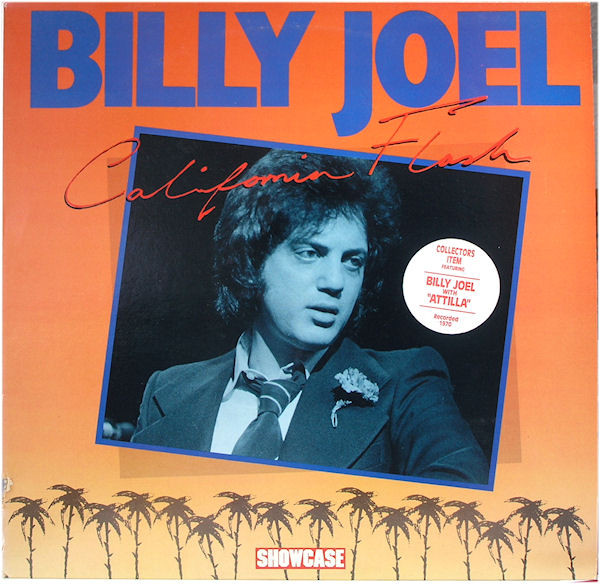
Billy Joel is a musician from New York City, United States, active since 1949. Their discography on Gatefold includes 24 records. They also recorded with Attila.

61
Albums tracked
1,250
In collections
1949
Since
Biography
Family Productions mastered Cold Spring Harbor at the wrong tape speed in 1971, forcing his solo debut out into the world sounding like a chipmunk on speed. Before that disaster, he was in Attila, a drum-and-organ heavy psych duo that wore barbarian armor on their gatefold cover and blew out studio amps with pure Marshall feedback. The guy was not born sitting politely at a Steinway singing about cocktail lounges. He was a Long Island brawler with broken knuckles and a head full of classical chord inversions, pissed off at shady record contracts and scrambling for survival. Everything changed the second Phil Ramone stepped into A&R Studios in '77 and told Columbia they were idiots for trying to replace Billy's touring band with slick studio cats. Ramone captured the dirt and grease of Liberty DeVitto's drums and Richie Cannata's sax, turning out The Stranger and 52nd Street back to back. Suddenly Joel was the biggest pop auteur on the planet, armed with an absurdly sharp Broadway-meets-Brill-Building craft that critics desperately wanted to hate because it was simply too catchy. He was never cool, and he knew it. That chip on his shoulder fueled the entire machine.
Bio from The Clerk
The Arc of Billy Joel
The pivots — what forced Billy Joel to reinvent.
The West Coast Grind
Trapped in a predatory deal with Artie Ripp, Joel fled to Los Angeles in 1972, hiding under the alias Bill Martin at the Executive Room piano bar while his lawyers fought. Columbia signed him and paired him with producer Michael Stewart to churn out slick California studio tracks. The result was Piano Man and Streetlife Serenade, records dominated by LA session aces where his authentic East Coast grit got buried under pedal steels and banjo overdubs. You hear a frustrated songwriter desperately trying to drag raw New York street sketches out of sterile West Coast production.
The Phil Ramone Peak
Furious with label-hired session musicians, Joel brought his road band back to New York and teamed up with Phil Ramone for 1977's The Stranger. Ramone gave the band room to hit hard, turning Doug Stegmeyer, Liberty DeVitto, and Russell Javors into a relentless pop-rock engine. Over the next three records, Joel dominated the charts by chasing pure rock aggression on Glass Houses and dense, paranoid Beatlesque studio experimentation on The Nylon Curtain. It remains his most lethal run, defined by live-room tape punch and venomous songwriting.
The Nostalgia Pivot and Exit
Burnt out by the grim perfectionism of The Nylon Curtain, Joel pivoted hard into the doo-wop and Motown 45s of his youth on An Innocent Man. The late '80s brought massive arena success, but the cracks showed when he fired his longtime rhythm section and brought in Mick Jones to produce Storm Front. By the time River of Dreams hit in 1993, he was done battling the pop machine and walked away from writing pop songs altogether to stick purely to classical compositions and stadium residency gigs. He slammed the piano lid on his pop songwriting career on his own terms.
Influences
- The Beatles — Joel openly credits watching their 1964 Ed Sullivan performance as the exact moment he decided to pursue rock and roll. You can hear their direct shadow all over The Nylon Curtain, particularly on tracks like Laura and Scandinavian Skies where he lifts John Lennon's vocal sneer and dense tape arrangements note-for-note. Without Lennon and McCartney, Joel never develops that obsessive melodic counterpoint.
- Ray Charles — Joel named his daughter Alexa Ray after the genius of soul and frequently cited Charles as his ultimate vocal and keyboard touchstone. Listen to the gritty, gospel-fueled electric piano chops on New York State of Mind or Baby Grand, the duet they eventually cut together on The Bridge. Charles is where Joel learned to make an acoustic keyboard groove like a full horn section.
- Ludwig van Beethoven — Classically trained from age four, Joel routinely stole harmonic progressions and structural movements straight from Romantic-era piano sonatas. The entire chorus melody of This Night on An Innocent Man is an explicit, credited lift from the second movement of Beethoven's Pathétique Sonata. It explains why his pop songs carry such heavy, dramatic harmonic weight.
- Frankie Valli & The Four Seasons — Growing up on Long Island street corners, the tight Italian-American street doo-wop of Bob Gaudio and Frankie Valli was stamped into his DNA. He explicitly pastiched Valli's signature piercing falsetto and backing vocal arrangements on Uptown Girl. It gave him an ear for multi-part street-corner harmonies that cut right through commercial radio.
- Otis Redding — Before going solo, Joel spent his teenage years in The Hassles covering Stax and Volt R&B singles night after night in suburban clubs. You hear Redding's raw, full-throated vocal attack on tracks like Rosalinda's Eyes and Ain't No Crime. That Southern soul vocal grit kept his balladry from turning entirely into Broadway syrup.
Billy Joel — solo
Their records — most-collected first.

The Stranger
1977

52nd Street
1978
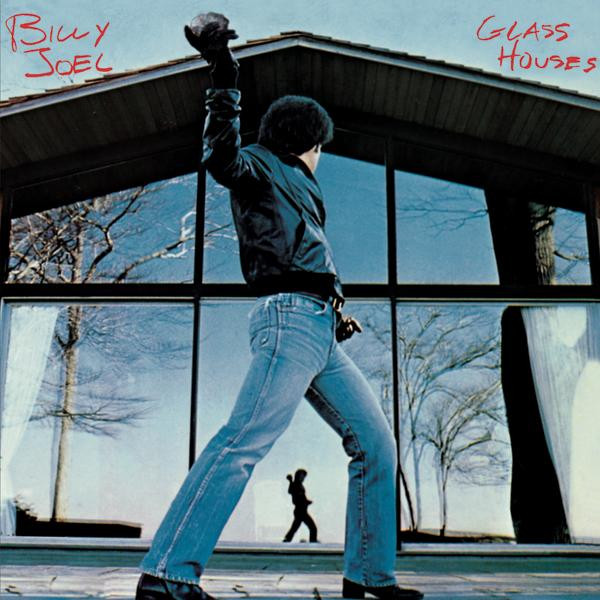
Glass Houses
1980
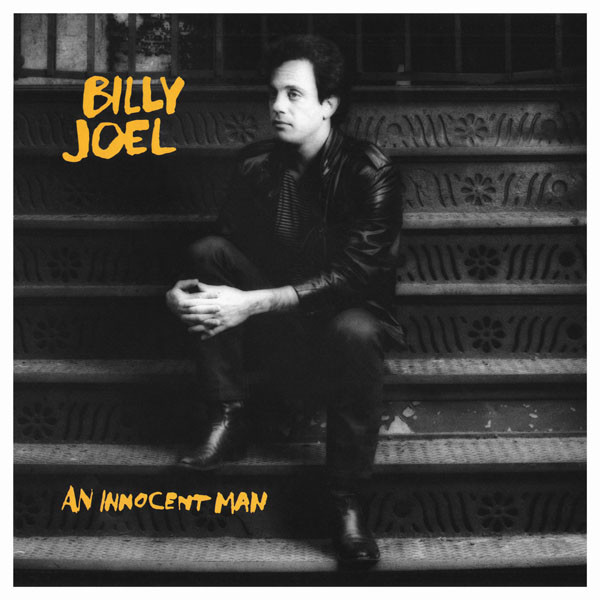
An Innocent Man
1983
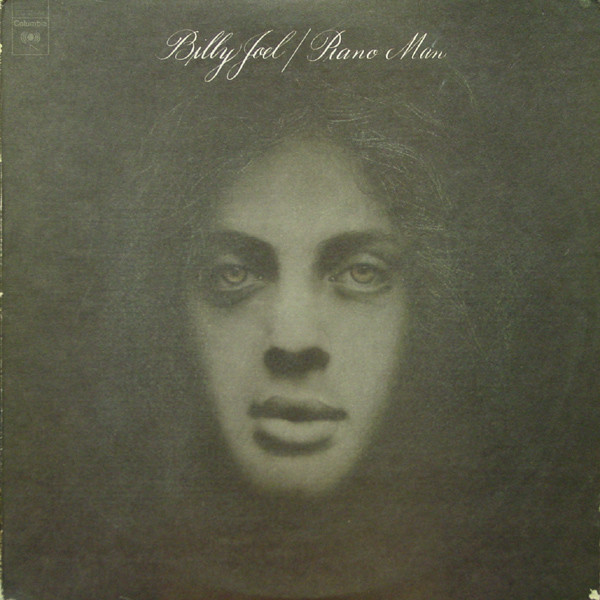
Piano Man
1973
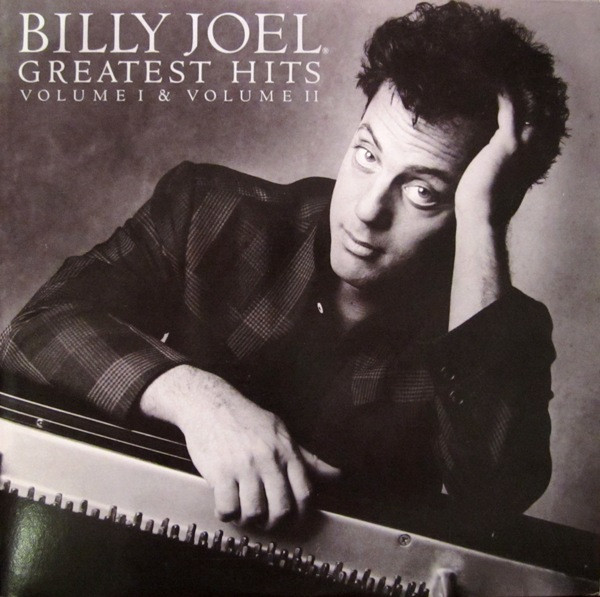
Greatest Hits Volume I & Volume II
1985
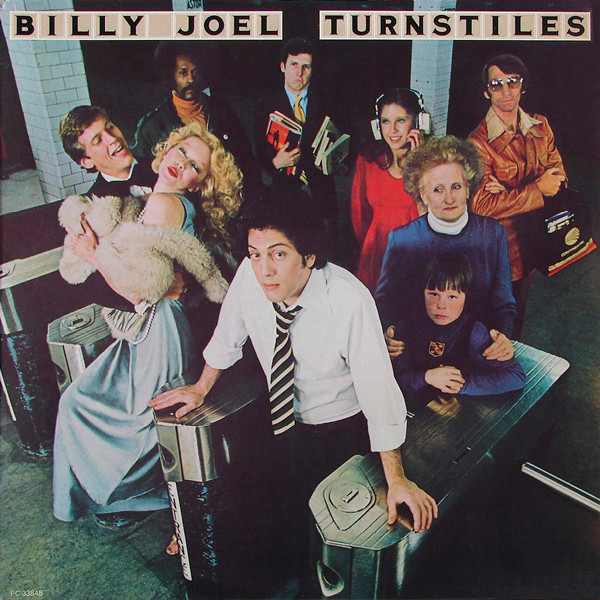
Turnstiles
1976
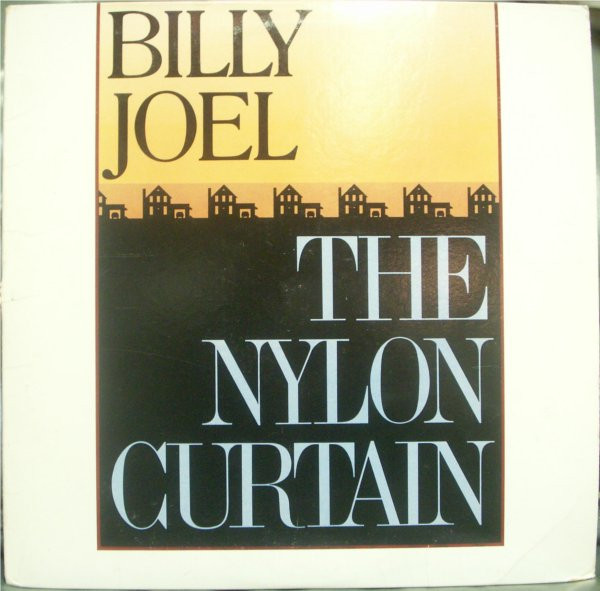
The Nylon Curtain
1982
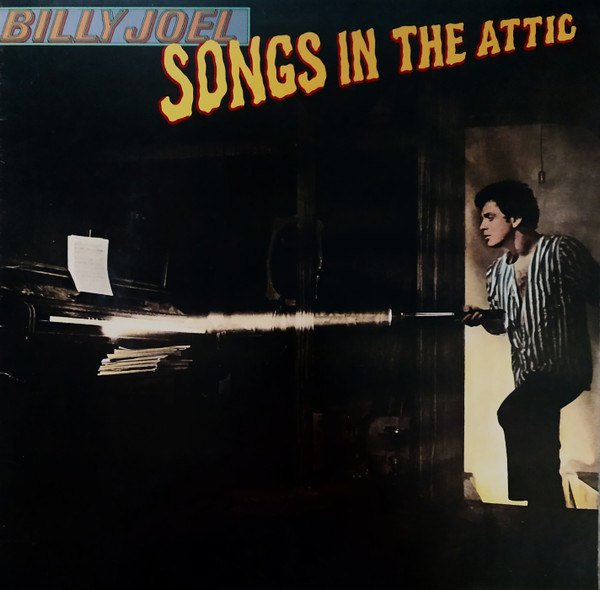
Songs In The Attic
1981
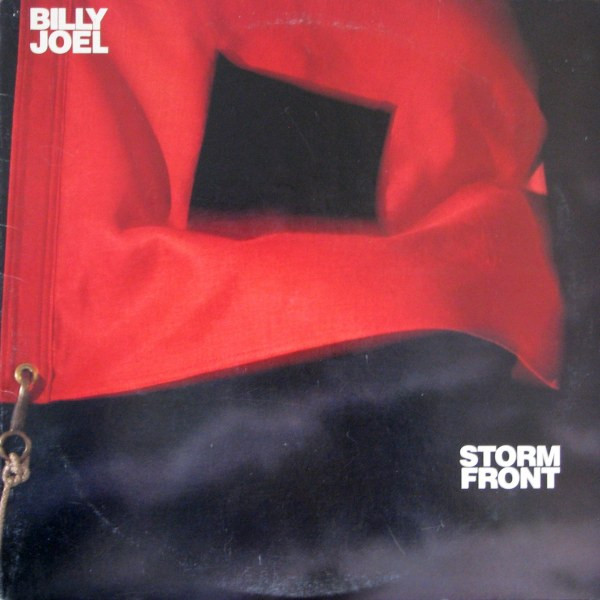
Storm Front
1989
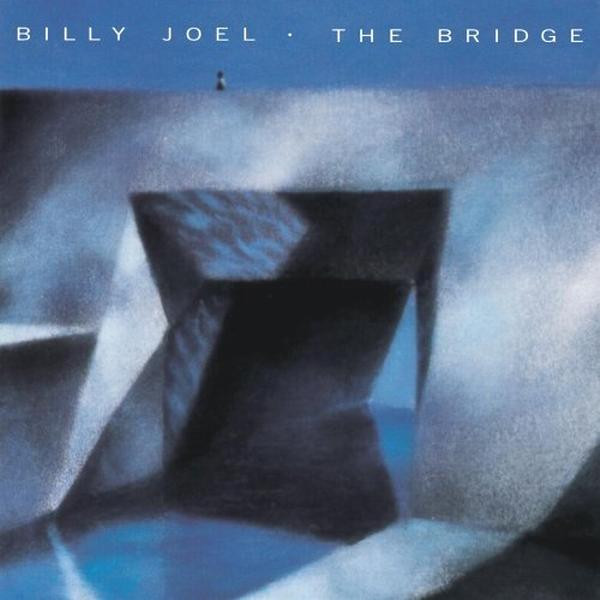
The Bridge
1986

Streetlife Serenade
1974
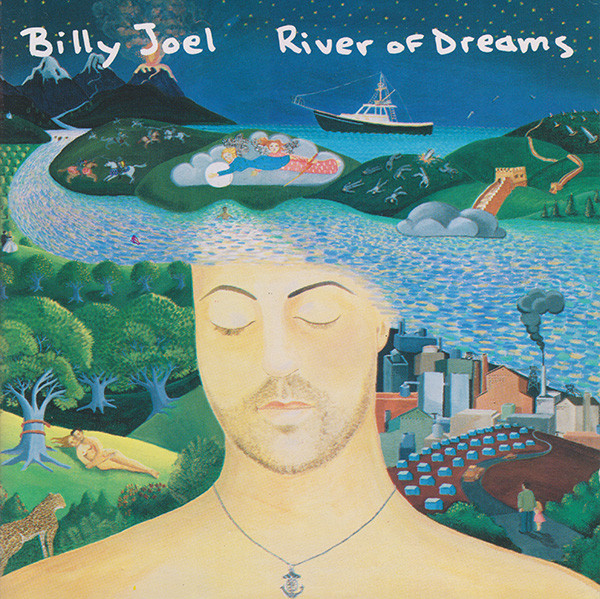
River Of Dreams
1993

Cold Spring Harbor
1971

Концерт
1987
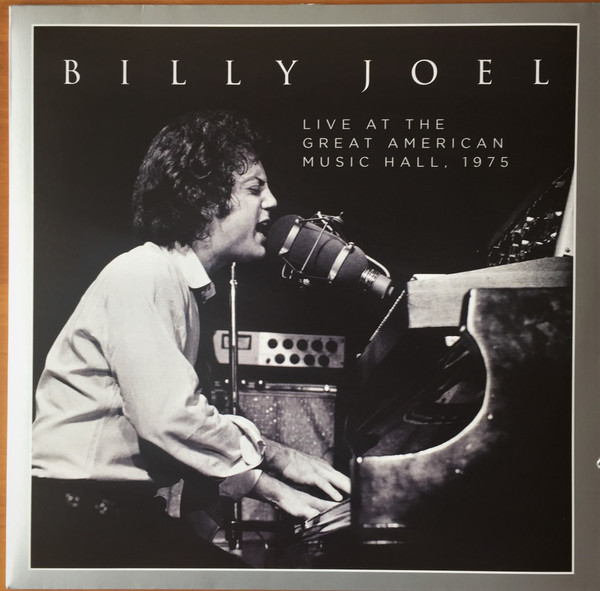
Live At The Great American Music Hall, 1975
2023
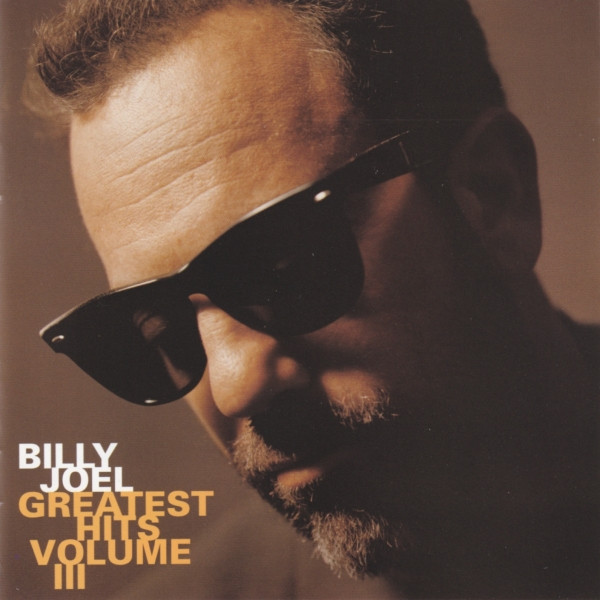
Greatest Hits Volume III
1997

The Essential Billy Joel
2001

Live At Yankee Stadium June 22 & 23, 1990
2022
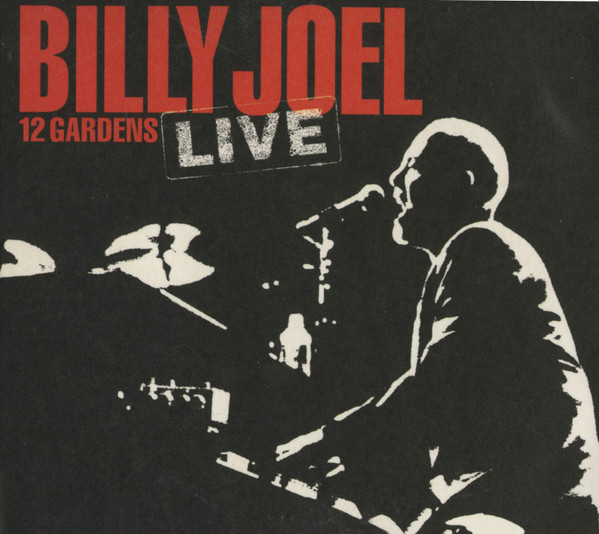
12 Gardens Live
2006
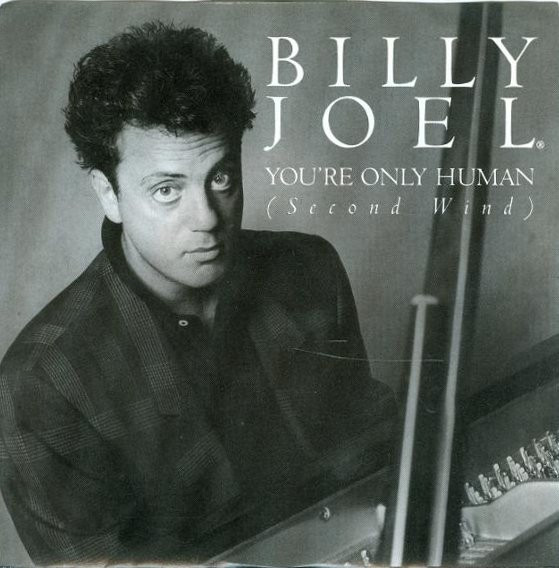
You're Only Human (Second Wind)
1985
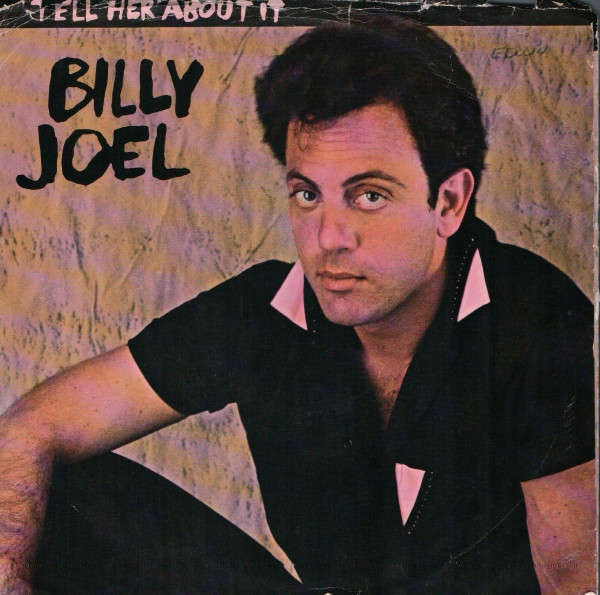
Tell Her About It
1983

Just The Way You Are
1977
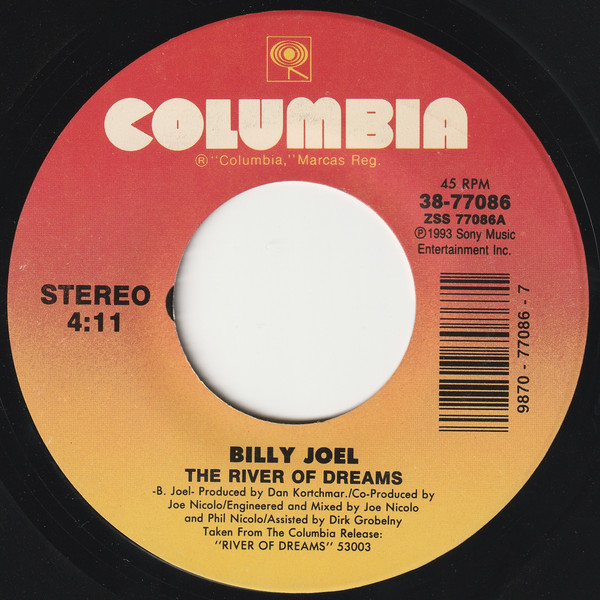
The River Of Dreams
1993
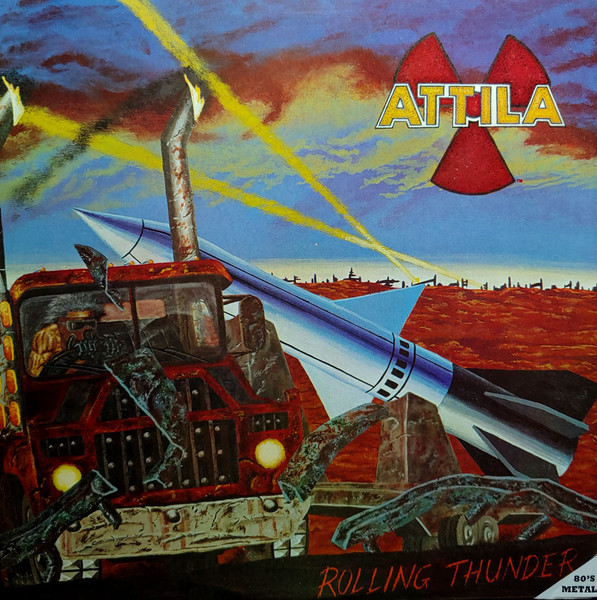
Attila
A project Billy Joel was part of.
Related artists
Around the web
Follow every record they touch.
Start your shelf and Gatefold tracks Billy Joel's new pressings, tour dates, and the whole discography — automatically.
Start your shelf →Free forever. Works with 10 records or 10,000.