
Artist
Barry White
Galveston, United States · 1944 – 2003
Barry White is a musician from Galveston, United States, active 1944–2003. Their discography on Gatefold includes 24 records. They also recorded with Love Unlimited Orchestra.

62
Albums tracked
179
In collections
1944
Since
Biography
Barry White spent four months in 1960 sitting in a Los Angeles jail for stealing Cadillac tires. He was sixteen. While locked up, he heard Elvis Presley singing 'Now or Never' on the radio, and the sheer force of that vocal delivery rearranged his brain. When he got out, he didn't jump straight into the spotlight. He worked the grunt jobs of the LA soul scene first — arranging, writing, and A&R scouting for small labels like Bronco and Mustang. He was a studio rat who knew how to balance a horn section long before he ever let his own sub-bass baritone near a live microphone. He actually wanted to stay behind the scenes. He built Love Unlimited as a female vocal trio to deliver his songs, but business partner Larry Nunes forced him to sing his own demos. The result was 'I've Got So Much to Give' in 1973 on 20th Century Records. He didn't just sing; he conducted the entire Love Unlimited Orchestra like a massive, symphonic engine. This wasn't cheap disco. It was heavy, complex soul orchestration built on massive rhythm section grooves, utilizing three drummers playing simultaneously to get that deep, locked-in pocket. By the late seventies, the formula hit a wall of self-parody and the disco backlash killed the momentum. The transition to the eighties was brutal, filled with redundant arrangements and synth-heavy clutter that drowned out his natural warmth. But the industry underestimated his grit. He clawed his way back in 1994 by pairing with modern R&B producers like Jimmy Jam and Terry Lewis, proving his voice could still anchor a groove when stripped of the symphonic excess.
Bio from The Clerk
The Arc of Barry White
The pivots — what forced Barry White to reinvent.
The Behind-the-Glass Architect
Before the solo fame, White worked as a staff producer and arranger for Bronco Records, shaping the West Coast soul sound from the control room. He discovered and coached the girl group Love Unlimited, building their lush vocal blend to match his increasingly cinematic instrumental ideas. When he tracked 'Walkin' in the Rain with the One I Love' in 1972, he threw in a real phone conversation sound effect, establishing his knack for dramatic, narrative-driven studio production. He was content to be the puppet master until label heads refused to let anyone else sing his guide vocal tracks.
The 20th Century Symphonic Reign
Signing with 20th Century Records in 1973 unleashed the fully realized Barry White sound. Backed by the forty-piece Love Unlimited Orchestra, he merged classical string arrangements with heavy rhythm section grooves. He utilized top-tier session players like guitarist Ray Parker Jr. and drummer Ed Greene to ground the massive orchestral swells in tight, undeniable funk. This run produced back-to-back platinum records where the instrumental tracks were just as physically powerful as his rumbling vocal deliveries.
The 90s New Jack Resurrection
After a decade of commercial stagnation and labels not knowing how to market an aging soul giant, White signed with A&M and adapted to the hip-hop era. He teamed up with Jimmy Jam and Terry Lewis for 1994's 'The Icon Is Love', letting them inject modern drum-machine swing beneath his classic vocal delivery. The lead single 'Practice What You Preach' became his biggest hit in twenty years. It worked because he didn't try to rap or mimic teenagers; he just let his deep baritone glide over updated, slow-jam production.
Influences
- Elvis Presley — White explicitly credited hearing Presley's 'It's Now or Never' while serving jail time in 1960 as the catalyst that made him pursue music. You hear this in the dramatic, operatic phrasing White used to build tension before his songs hit their main grooves.
- Ray Charles — White grew up practicing piano to Charles's records, studying how to blend gospel chord progressions with secular blues. That heavy, rhythmic piano chugging on 'I'm Gonna Love You Just a Little Bit More Babe' is a direct extension of Charles's piano style.
- The Righteous Brothers — During his mid-60s tenure at Mustang/Bronco Records, White worked closely with the label's roster and studied Bill Medley's booming baritone delivery. He took that deep, blue-eyed soul resonance and applied it to his own self-produced, late-night ballads.
- H.B. Barnum — The legendary LA arranger mentored White in the mid-1960s, teaching him how to write charts for large ensembles. Barnum's work with Capitol Records artists laid the exact blueprint for how White later conducted the forty-piece Love Unlimited Orchestra.
- Motown Rhythm Section — White studied the Detroit label's mid-60s output, specifically the driving basslines of James Jamerson and the percussion arrangements of the Funk Brothers. You hear this influence in the relentless, syncopated sixteenth-note hi-hat patterns and active basslines that drive 'Love's Theme'.
Barry White — solo
Their records — most-collected first.
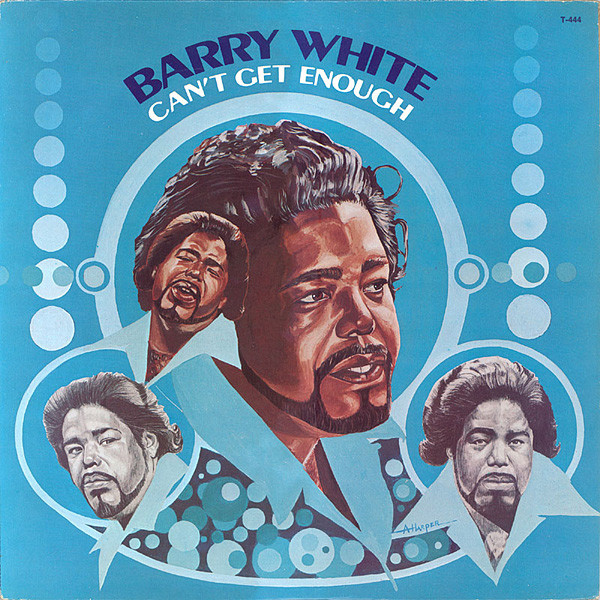
Can't Get Enough
1974
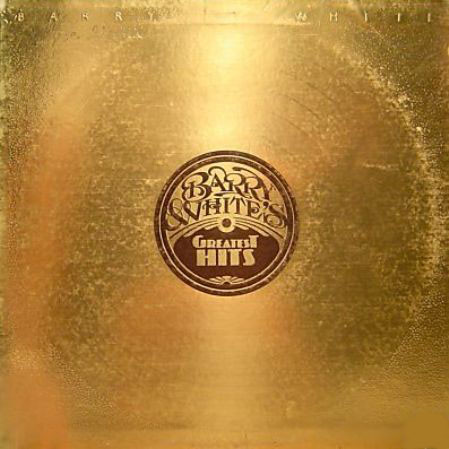
Barry White's Greatest Hits
1975
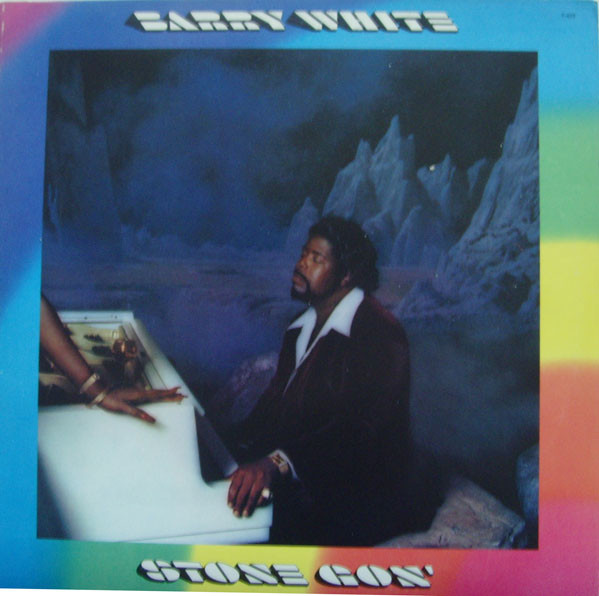
Stone Gon'
1973
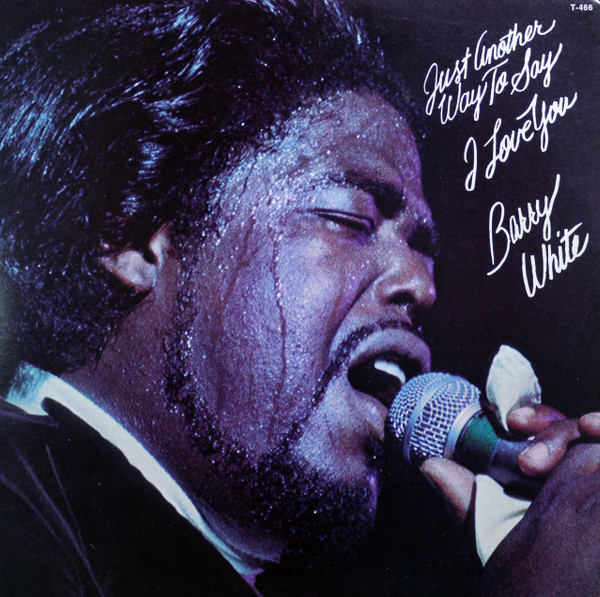
Just Another Way To Say I Love You
1975
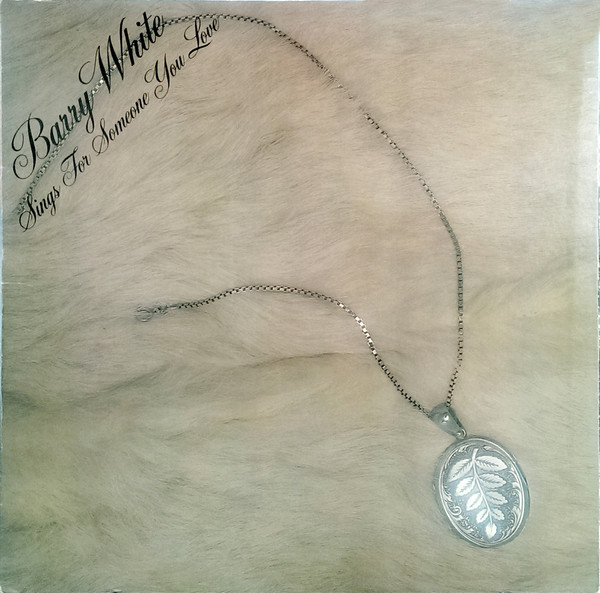
Barry White Sings For Someone You Love
1977
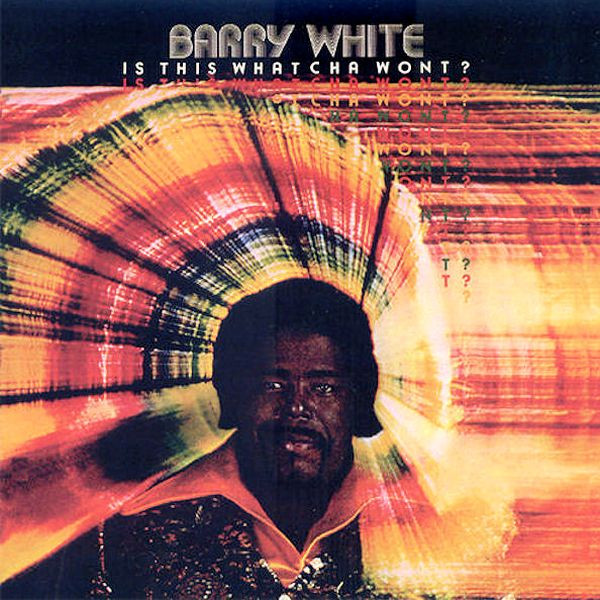
Is This Whatcha Wont?
1976
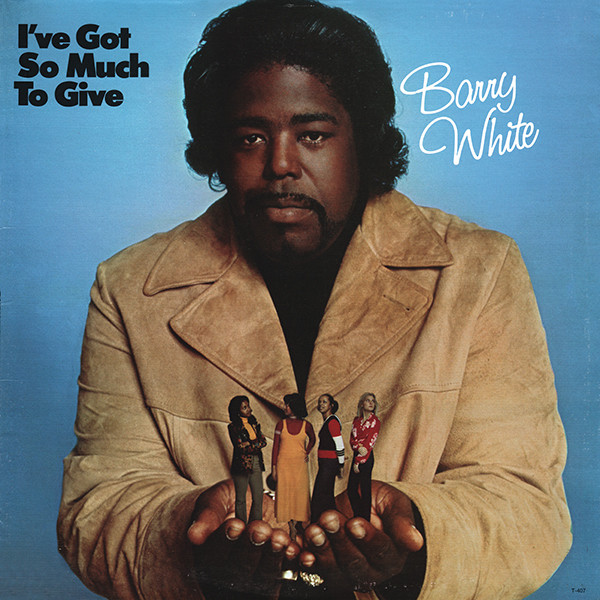
I've Got So Much To Give
1973

All-Time Greatest Hits
1994
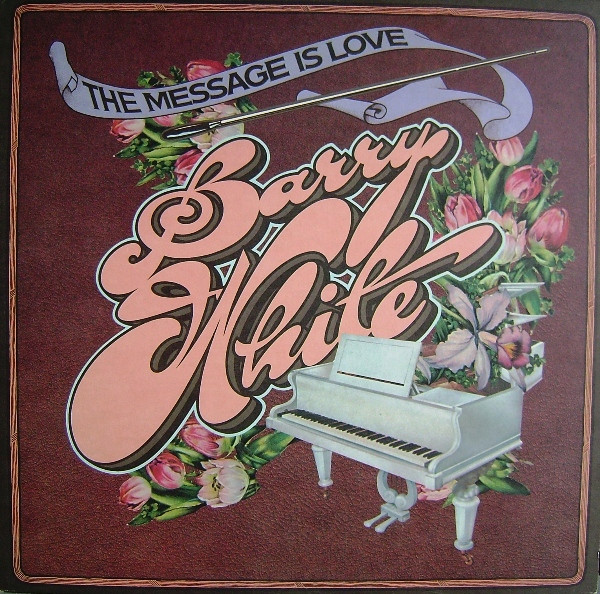
The Message Is Love
1979
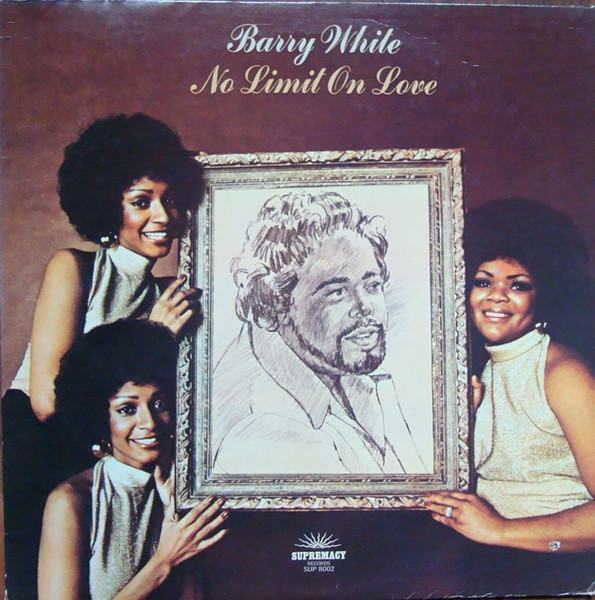
No Limit On Love
1974
You're The First, The Last, My Everything
1974
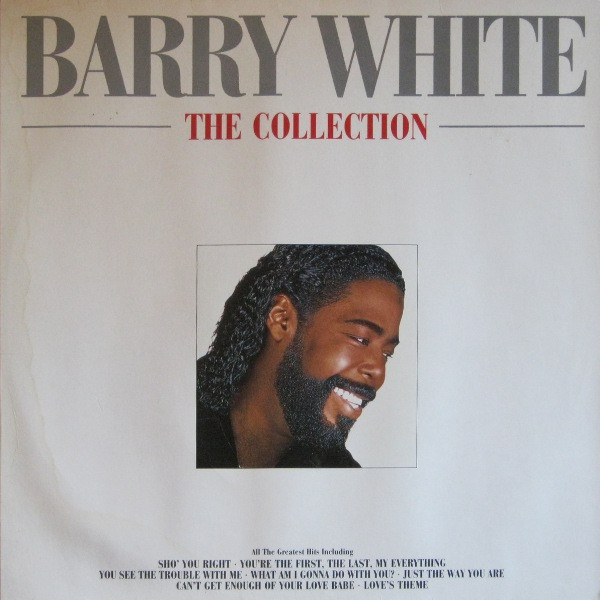
The Collection
1988
Barry White The Man
1978
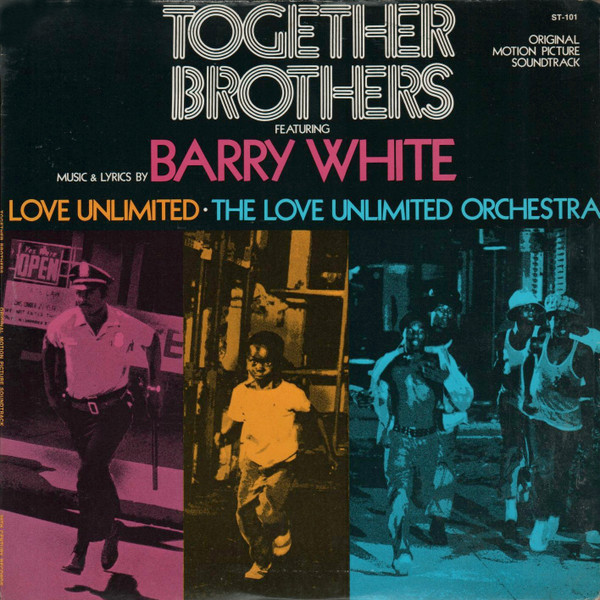
Together Brothers (Original Motion Picture Soundtrack)
1974
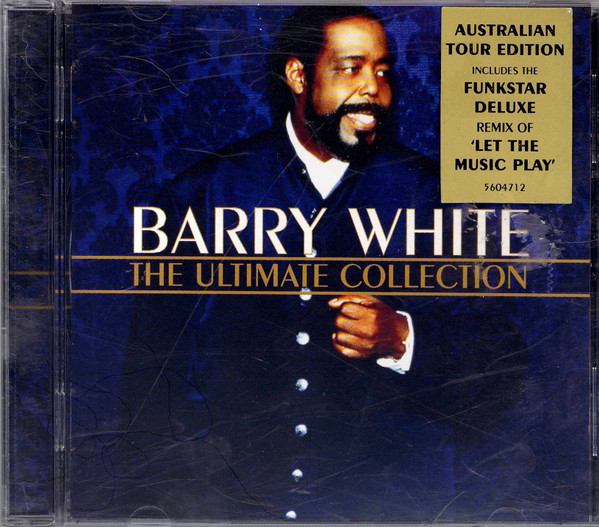
The Ultimate Collection
1999

Put Me In Your Mix
1991
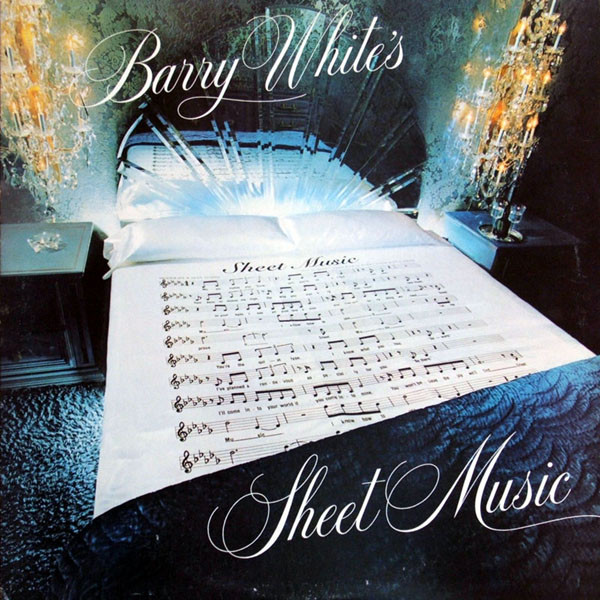
Barry White's Sheet Music
1980

Let The Music Play
1976
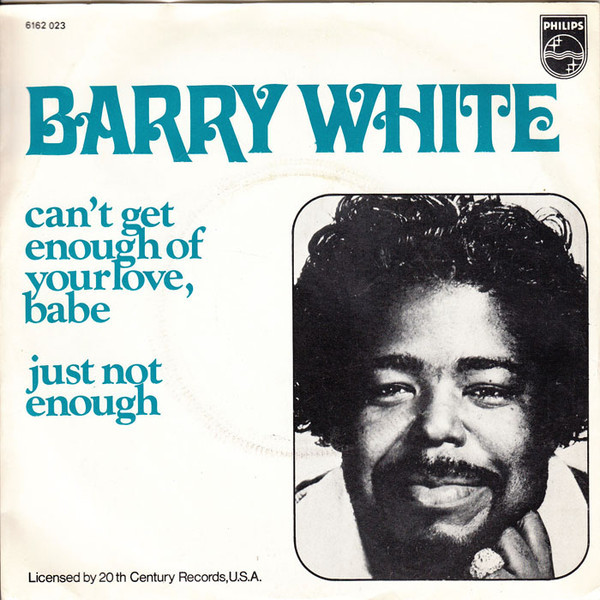
Can't Get Enough Of Your Love, Babe
1974
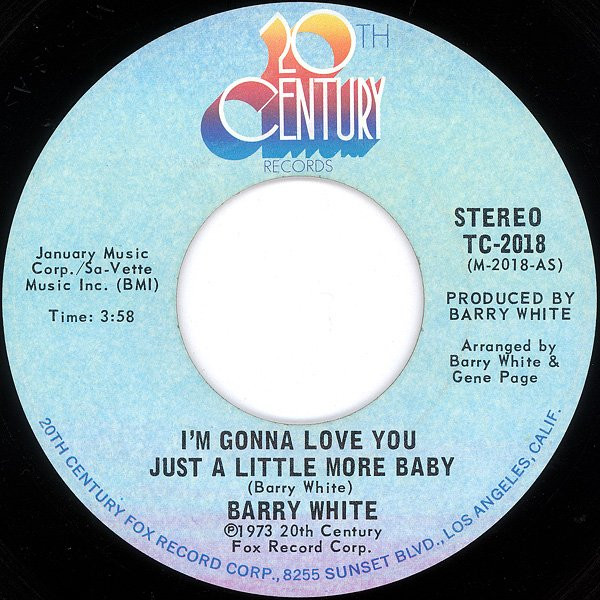
I'm Gonna Love You Just A Little More Baby
1973

Love's Theme (The Best Of The 20th Century Records Singles)
2018
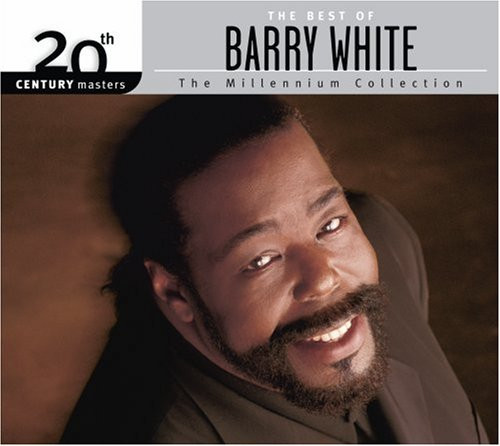
The Best Of Barry White
2003

Can't Get Enough Of Your Love / I'm Gonna Love You A Little Bit More
2001
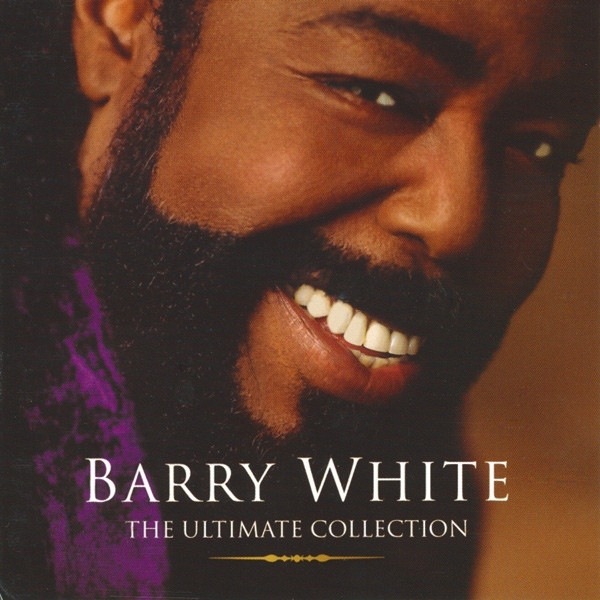
The Ultimate Collection
2000
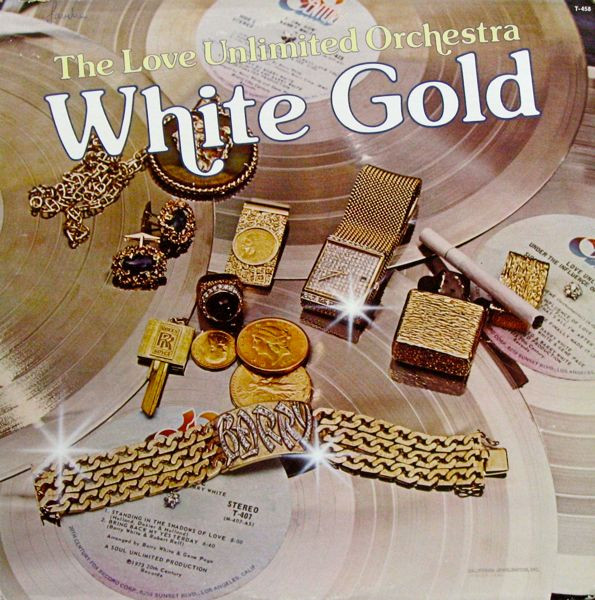
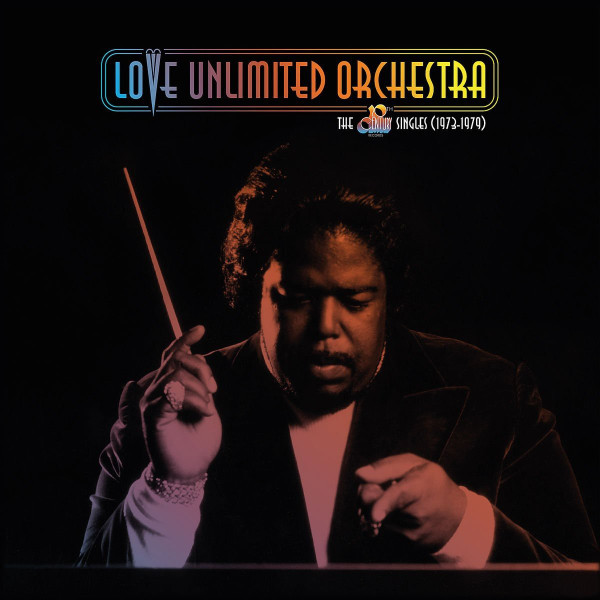
Love Unlimited Orchestra
A project Barry White was part of. Former member.
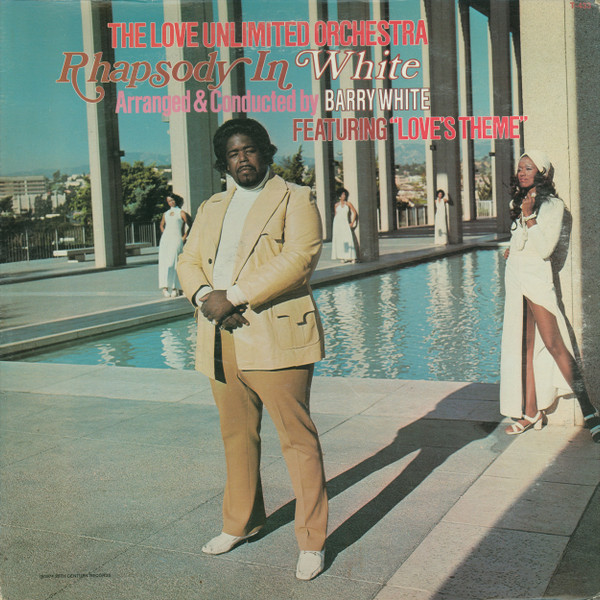




Related artists
Around the web
Follow every record they touch.
Start your shelf and Gatefold tracks Barry White's new pressings, tour dates, and the whole discography — automatically.
Start your shelf →Free forever. Works with 10 records or 10,000.