
Artist
Beyoncé
Houston, United States · b. 1981
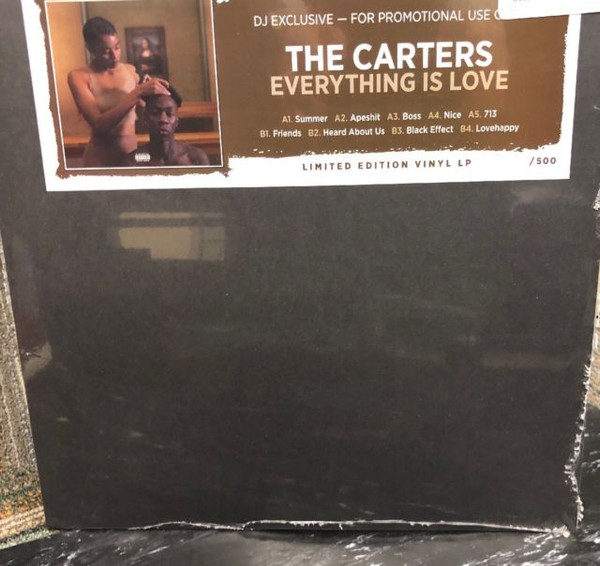
Beyoncé is a musician from Houston, United States, active since 1981. Their discography on Gatefold includes 21 records. They also recorded with Destiny’s Child and THE CARTERS.

35
Albums tracked
301
In collections
1981
Since
Biography
Columbia gave her three weeks to finish her solo debut after the label got cold feet about the material, and she responded by cutting 'Crazy in Love' in a single night with Rich Harrison. That's the baseline for her entire career—a maniacal level of control and a refusal to let the industry's nervous suits dictate the pace. She spent years polishing the edges until she reached a level of corporate perfection that felt almost sterile, but she had the sense to blow it all up just when it threatened to get boring. By the time she reached the self-titled visual record, she’d stopped chasing the radio altogether. She started moving in silence, dropping albums like grenades with no press lead-up or traditional marketing. She traded the generic chart-toppers for deep-pocket grooves and niche references, turning the most massive platform in music into a personal playground. It's a high-wire act of staying the biggest star on the planet while acting like an underground experimentalist, and she’s pulling it off with a grit that most pop stars couldn't fake if their lives depended on it.
Bio from The Clerk
The Arc of Beyoncé
The pivots — what forced Beyoncé to reinvent.
The Post-Child Independence
After years of Matthew Knowles managing every breath Destiny’s Child took, the 'Dangerously in Love' sessions were a desperate bid for autonomy. Working with Rich Harrison and Scott Storch, she pivoted from the group's rapid-fire vocal stacks to a more expansive, horn-heavy soul sound. You can hear her testing the limits of her lower register for the first time, shedding the teenage girl-group polish for something that felt like actual R&B. It was the moment she proved she could carry a record without Kelly and Michelle backing her up.
The 4 Experiment
Firing her father as manager led directly to '4,' an album that felt like a deliberate commercial suicide note at the time. She ignored the synth-pop wave dominating the charts in 2011 to record at MSR Studios with a live band and a heavy Fela Kuti obsession. The result was a weird, brassy record that felt more like a 70s funk session than a Top 40 play. It’s the sound of an artist finally getting bored with being perfect and deciding to get loud instead.
The Digital Drop Realignment
The self-titled record in 2013 changed the way the industry functions by bypassing the entire promotional machine. She worked in a literal haze of secrecy, bringing in Boots to provide a dark, atmospheric production style that traded hooks for mood. This wasn't about singles anymore; it was about the cohesive long-form project, filled with trap drums and feminist theory. It forced every other major label artist to rethink their release strategy and gave her the leverage to do whatever the fuck she wanted from then on.
The Genre Archeology
Starting with 'Renaissance' and moving into 'Cowboy Carter,' she shifted from making contemporary hits to documenting Black musical history. She pulled in legends like Nile Rodgers and Sheila E., while sampling everything from New Orleans bounce to Donna Summer. These records aren't just albums; they are massive curation projects that connect the dots between house music, country, and soul. You hear it in the sequencing—it’s mixed like a continuous DJ set, honoring the club culture and the session players who built the foundations.
Influences
- Tina Turner — The influence is a direct line of sight, with Beyoncé frequently citing Tina as her ultimate blueprint for stage presence and vocal grit. She performed 'Proud Mary' with Turner at the 2008 Grammys, and you hear that rasp and high-octane endurance in every live arrangement she's done since. It’s the sweat-and-blood approach to being a frontwoman.
- The Clark Sisters — The complex, multi-part vocal harmonies of Destiny’s Child and Beyoncé’s solo arrangements are rooted in the gospel innovations of these sisters. She has sampled their work and explicitly credited them for her vocal agility. You hear it in the way she stacks her own background vocals, using her voice as a rhythmic instrument rather than just a melody line.
- Fela Kuti — During the recording of '4,' she spent weeks in the studio with the cast of the 'Fela!' musical to absorb his polyrhythmic structures. While much of the direct Afrobeat material stayed in the vault, the brass-heavy urgency of his music redefined her mid-career sound. It’s the engine behind the massive horn sections on 'End of Time.'
- Donna Summer — The DNA of Summer's Giorgio Moroder-produced disco is all over the 'Renaissance' record, specifically through the interpolation of 'I Feel Love.' It’s more than just a sample; it’s a shared philosophy of the dance floor as a sacred space. She treats the four-on-the-floor beat with the same reverence Summer did in the late 70s.
- Michael Jackson — She watched his 'Motown 25' performance on loop as a kid to study his precision, a fact documented across her entire career. That relentless focus on the 'visual album' and short-film music videos is a direct extension of the 'Thriller' and 'Moonwalker' era ambition. You see it in the choreography and the absolute refusal to ever deliver a sloppy performance.
Beyoncé — solo
Their records — most-collected first.
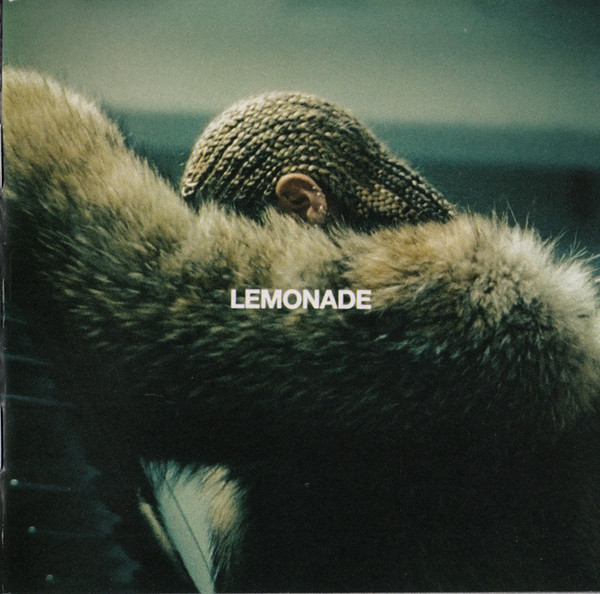
Lemonade
2016
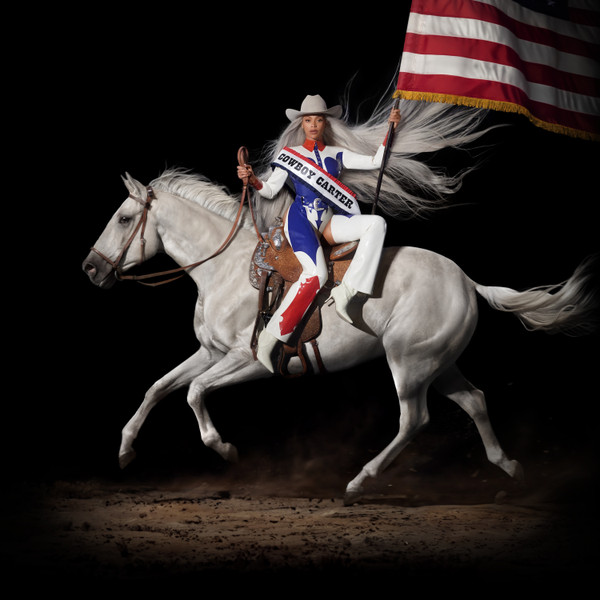
Cowboy Carter
2024
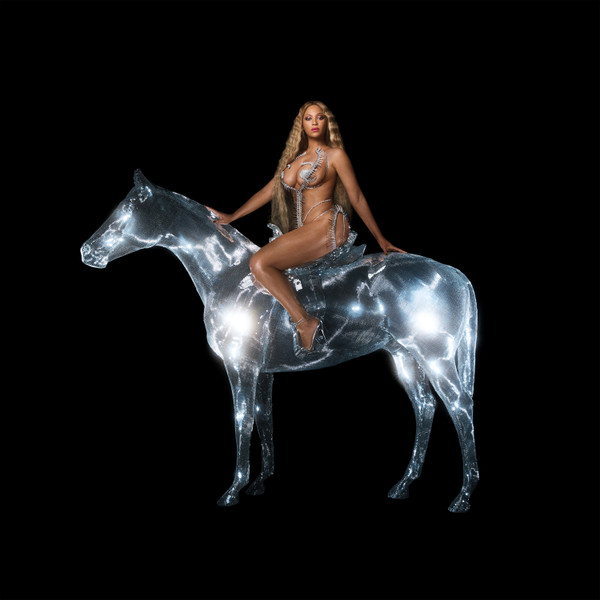
Renaissance
2022

B'Day
2006

Beyoncé
2014
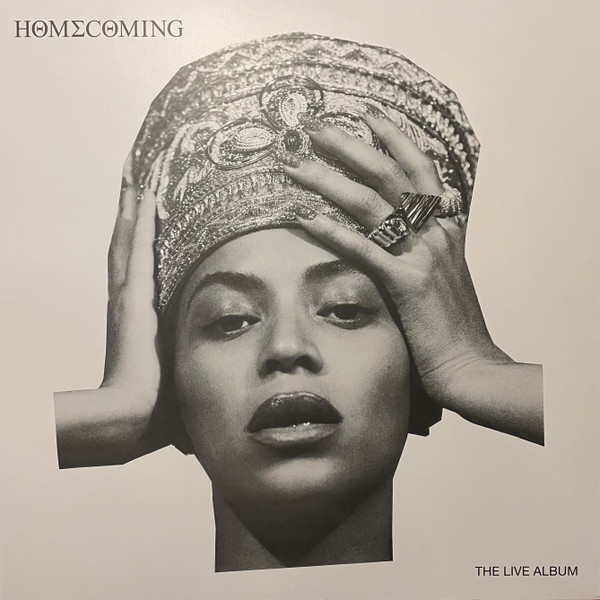
Homecoming: The Live Album
2019
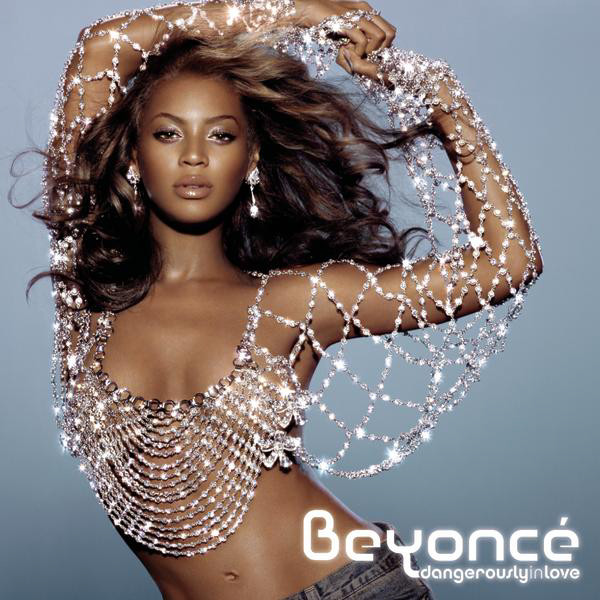
Dangerously In Love
2003

I Am... Sasha Fierce
2008

Crazy In Love
2003
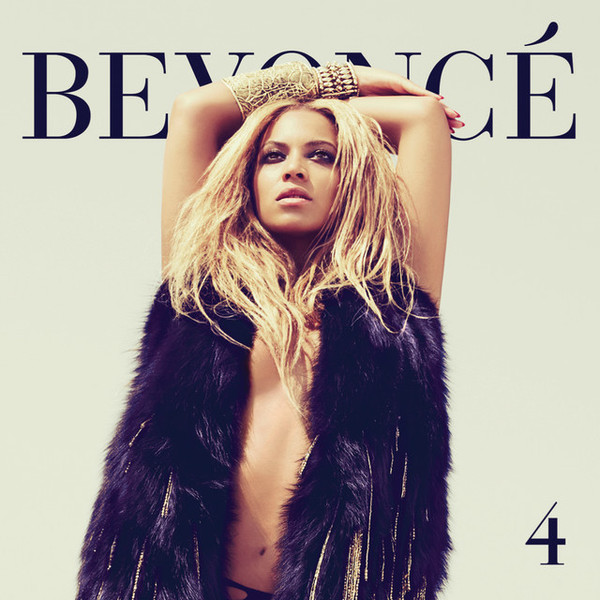
4
2011

Naughty Girl
2004

America Has A Problem
2023

I Am... World Tour
2010
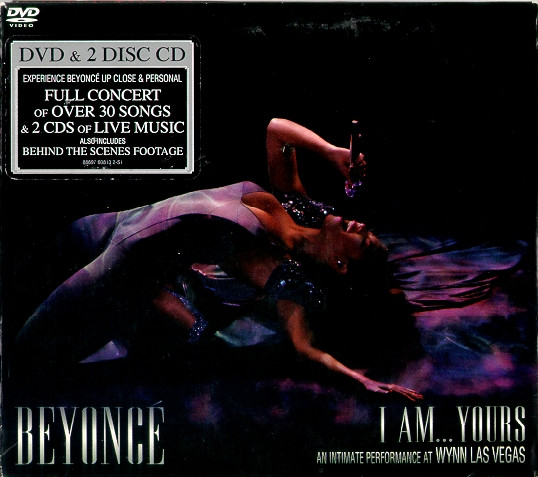
I Am... Yours: An Intimate Performance At Wynn Las Vegas
2009
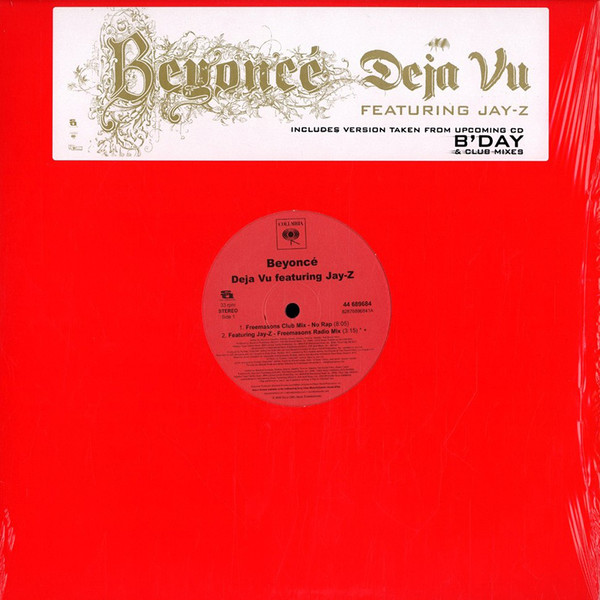
Déjà Vu
2006

Ring The Alarm
2006
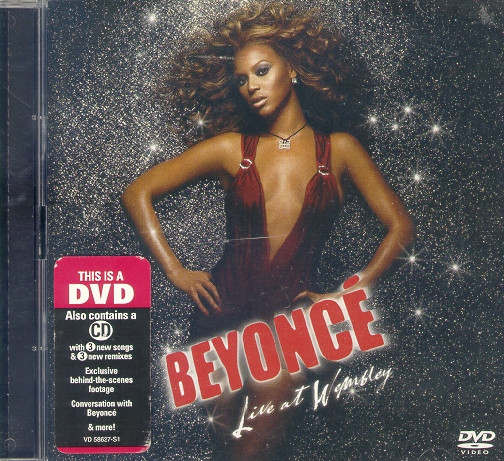
Live At Wembley
2004
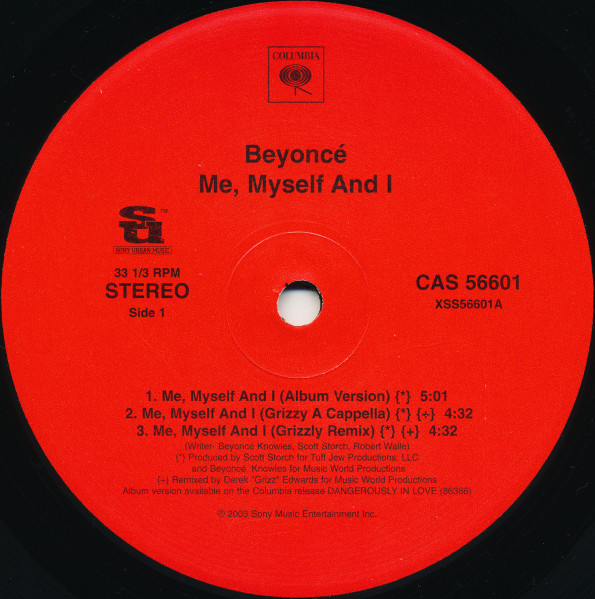
Me, Myself And I
2003

Fighting Temptation
2003
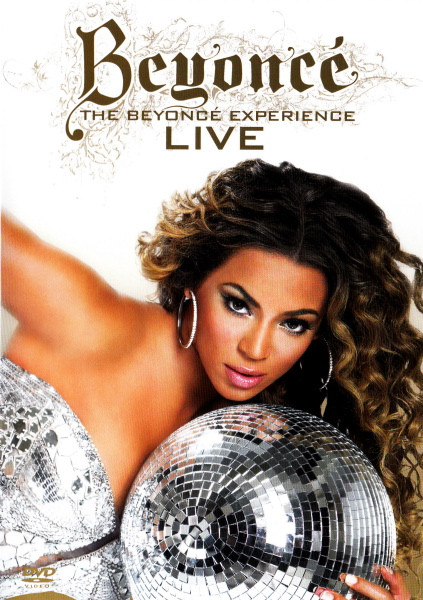
The Beyoncé Experience Live
2007

Irreemplazable
2007
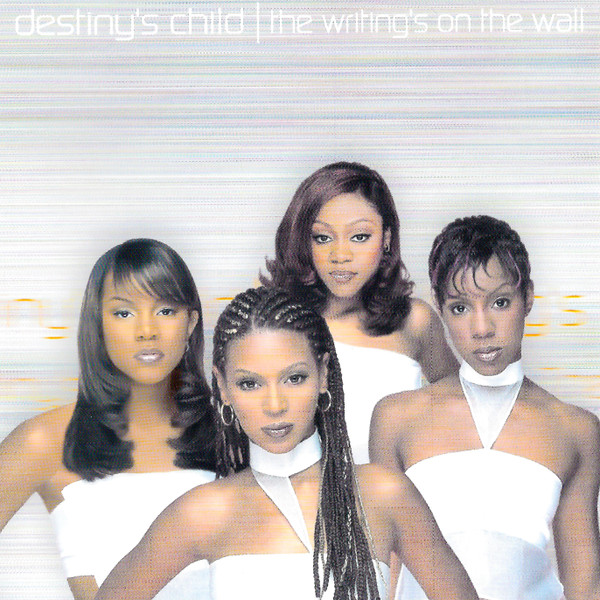
Destiny’s Child
A project Beyoncé was part of.

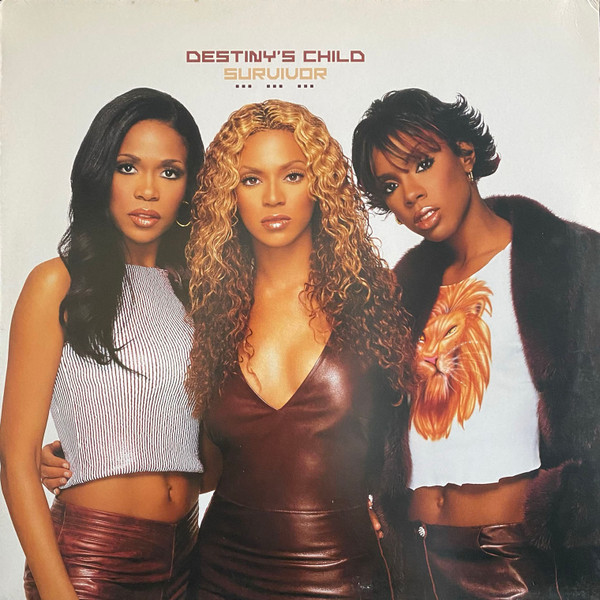


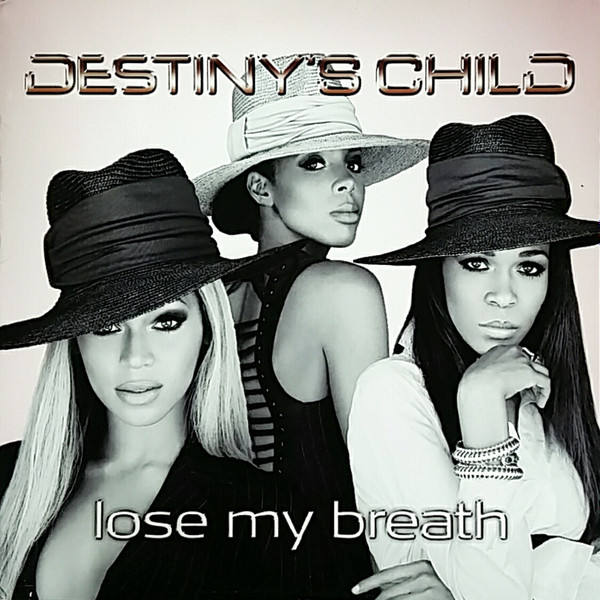


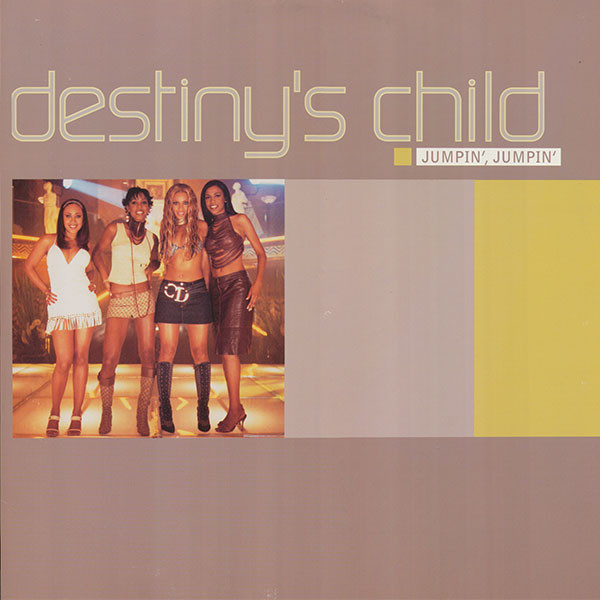
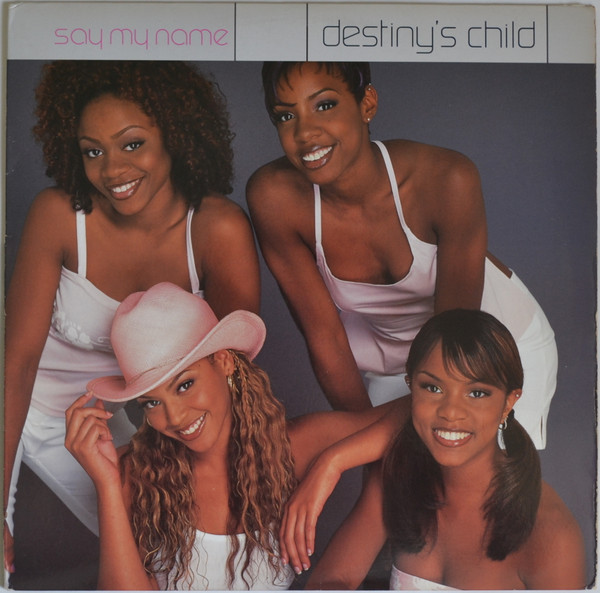


THE CARTERS
A project Beyoncé was part of.
Related artists
Frequent collaborators
Around the web
Follow every record they touch.
Start your shelf and Gatefold tracks Beyoncé's new pressings, tour dates, and the whole discography — automatically.
Start your shelf →Free forever. Works with 10 records or 10,000.