
Artist
Coldplay
London, United Kingdom · Formed 1996
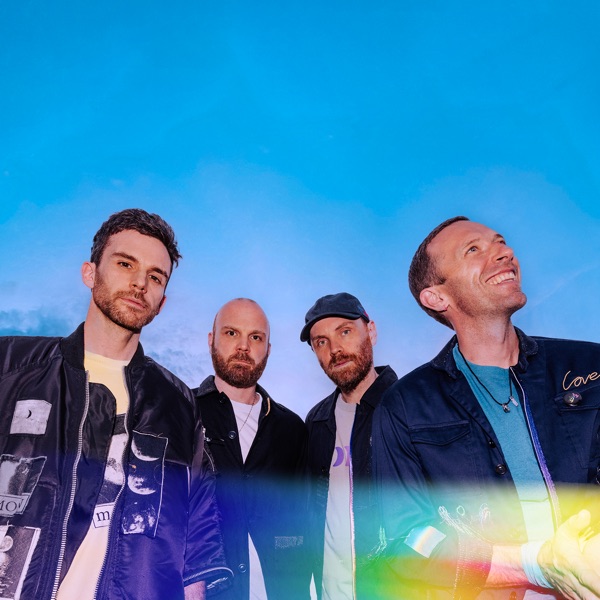
Coldplay is a music group from London, United Kingdom, active since 1996. Their discography on Gatefold includes 24 records.
39
Albums tracked
691
In collections
1996
Since
Biography
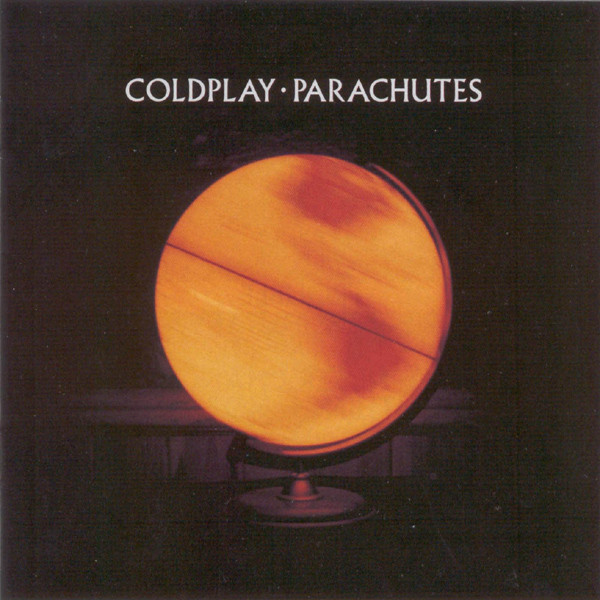
Ken Nelson took them to Rockfield Studios with barely enough finished songs to cut a full-length, tracked Chris Martin's vocals on a Neumann U47, and let the room do the heavy lifting. The result was Parachutes: stripped, slightly damp acoustic Britpop that caught everyone off guard because it didn't try to out-swagger Oasis or out-think Radiohead. It was just vulnerable, well-mic'd melancholy with Jonny Buckland's chiming guitar lines holding the seams together. They weren't arena gods yet; they were four guys figuring out how to play in time with Will Champion's kick drum. Then came the inevitable pivot to global conquest. By the time they locked into the studio with Brian Eno and later pulled in Jon Hopkins to flesh out the ambient textures on Viva La Vida, they traded the damp acoustic wood for marching drums, church bells, and stadium-sized hooks engineered to hit the back row of a football pitch. People love to take shots at the later synth-pop sheen and the neon confetti cannons, but writing off their chops is bullshit. Few rhythm sections hold a groove as tight as Champion and Guy Berryman when the tempo drops, and Martin knows exactly how to build a chorus that gets sixty thousand people screaming the exact same vowel.
Bio from The Clerk
The Arc of Coldplay
The pivots — what forced Coldplay to reinvent.
The Bedroom Acoustic Era
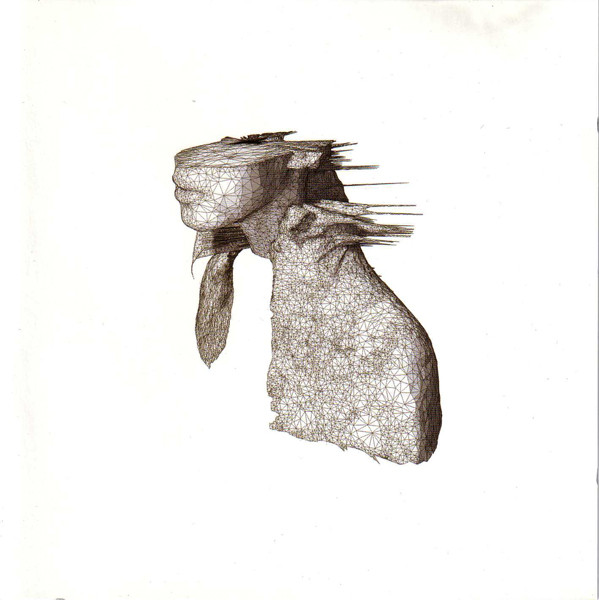
Cut across British studios like Rockfield and Parr Street, Parachutes and A Rush of Blood to the Head established their early sound through upright pianos, dry acoustic guitars, and minimal gloss. Martin leaned heavily into falsetto melodies over unadorned minor chords while Buckland picked out sparse, echo-laden leads. The music felt intimate and slightly unkempt, sounding more like late-night session tapes than modern radio pop. It captured a band still relying on basic room dynamics before the production budgets ballooned.
The Eno Reconstruction
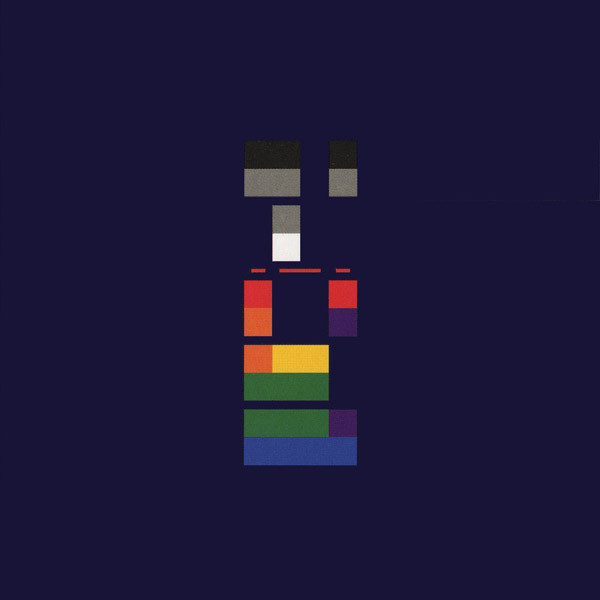
Exhausted by the strained, over-layered sessions of X&Y, the band hired Brian Eno to completely dismantle how they wrote and recorded for Viva La Vida or Death and All His Friends. Eno banned them from playing their usual chord progressions, brought in electronic composer Jon Hopkins for textural beds, and pushed them toward orchestral percussion, Spanish guitars, and tape manipulation. The result stripped away the standard four-piece rock dynamic in favor of cinematic arrangements and aggressive dynamics. You hear it immediately in the pounding timpani and string hooks of the title track.
The Max Martin Pop Machine
Chasing pure radio ubiquity and massive stadium production, they pivoted fully into commercial electronic pop starting around Mylo Xyloto and culminating with Music of the Spheres. Bringing in Swedish pop mastermind Max Martin as producer reshaped their arrangements around synth drops, drum machines, and features with BTS and Selena Gomez. The guitars and live rhythm section were shoved down in the mix to make room for vocal processing and pristine digital hooks. It alienated purists who wanted Rockfield intimacy, but it was a calculated masterclass in modern pop construction.
Influences
- Radiohead — Coldplay cited The Bends as a direct blueprint when they first started tracking demos in the late nineties. Buckland's soaring guitar arpeggios and Martin's falsetto on Parachutes directly lift the melancholic dynamics of Jonny Greenwood and Thom Yorke. It is the undeniable DNA of their early catalog.
- R.E.M. — Martin has repeatedly credited Michael Stipe as his vocal hero, even joining him on stage to perform together. You can hear Peter Buck's jangly, arpeggiated Rickenbacker lines all over Buckland's playing on tracks like 'Shiver'. They took Stipe's arena-level earnestness and ran with it.
- U2 — Bono took the band under his wing early on, and the band openly modeled their stadium ambitions on The Unforgettable Fire and The Joshua Tree. The ringing delay pedal work that Jonny Buckland leans on is straight out of The Edge's playbook. They realized early on that a simple, repeating guitar delay could fill an entire sports arena.
- Jeff Buckley — Martin openly admitted that Buckley's 1994 record Grace fundamentally changed the way he approached singing and phrasing. The delicate, cracking falsetto across 'Yellow' and 'Trouble' owes everything to Buckley's soaring, exposed vocal style. Without Buckley, Martin is just another mid-register pub singer.
- Kraftwerk — When Coldplay built their hit 'Talk' on X&Y, Martin famously sent a handwritten letter to Ralf Hütter begging for permission to use the synth melody from 'Computer Love'. Kraftwerk agreed, handing over one of their most celebrated hooks to anchor the band's mid-2000s sound. It marks the exact moment the band started looking beyond guitar rock and diving headfirst into electronic music.
Discography
Their records — most-collected first.
Parachutes
2000
A Rush Of Blood To The Head
2002
X&Y
2005
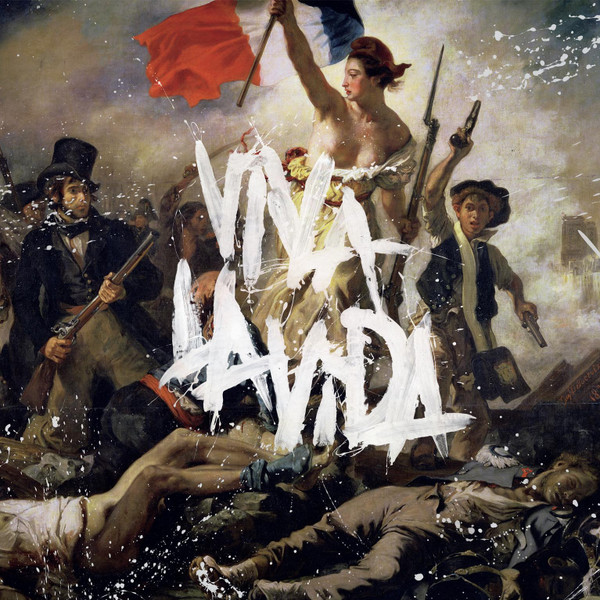
Viva La Vida Or Death And All His Friends
2008

Mylo Xyloto
2011
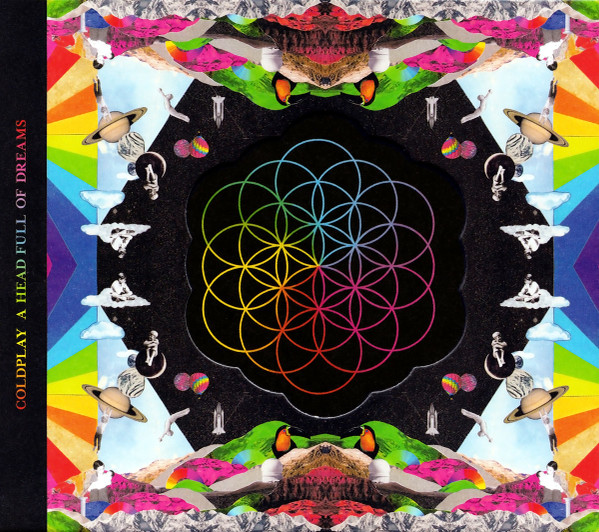
A Head Full Of Dreams
2015
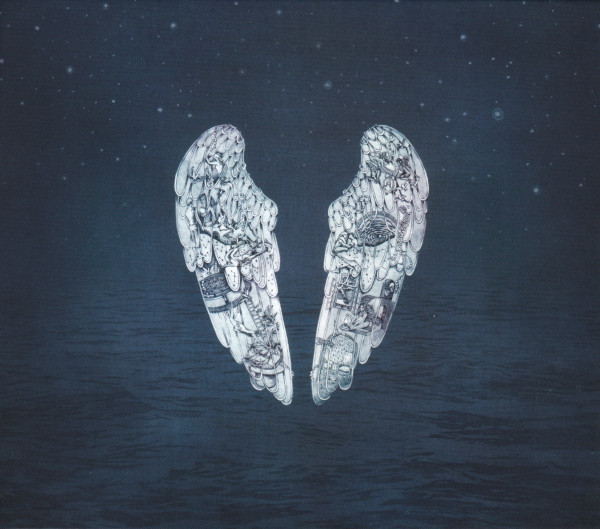
Ghost Stories
2014

Moon Music
2024

Music Of The Spheres
2021
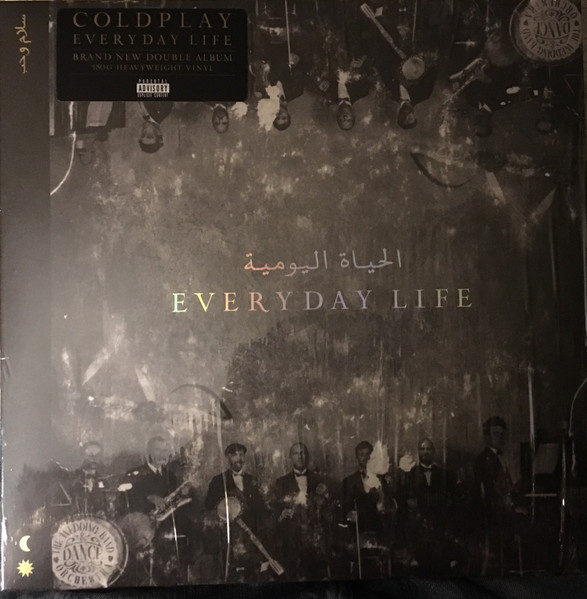
Everyday Life
2019
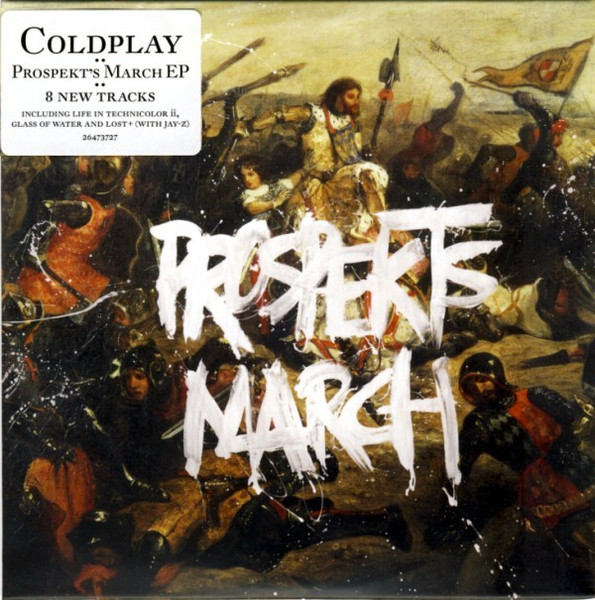
Prospekt's March EP
2008

Live 2003
2003

Brothers & Sisters
1999
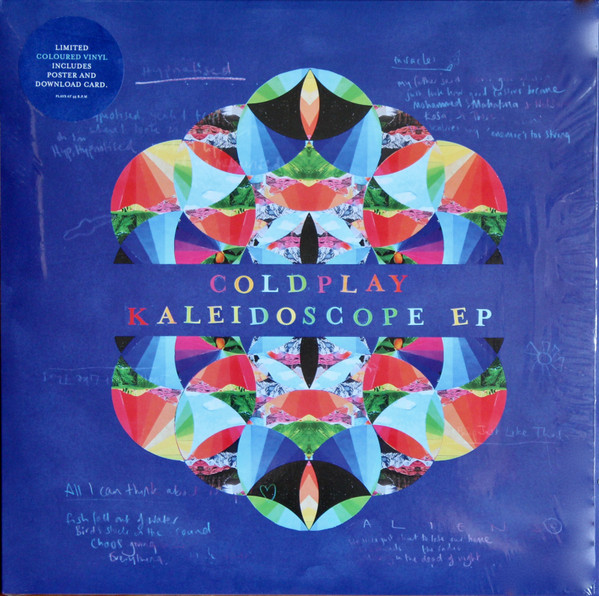
Kaleidoscope EP
2017

Left Right Left Right Left
2009
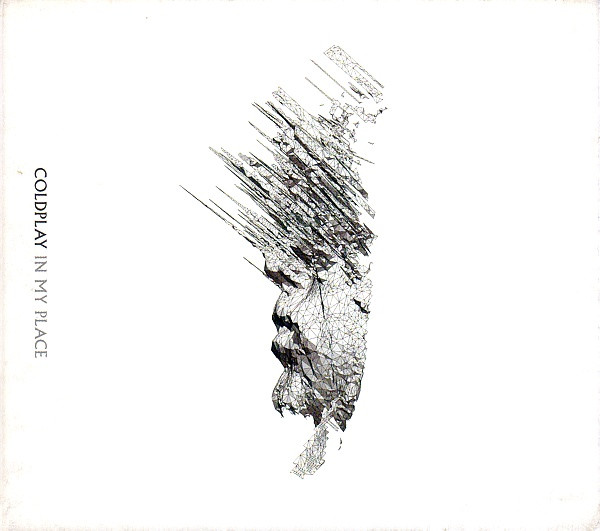
In My Place
2002
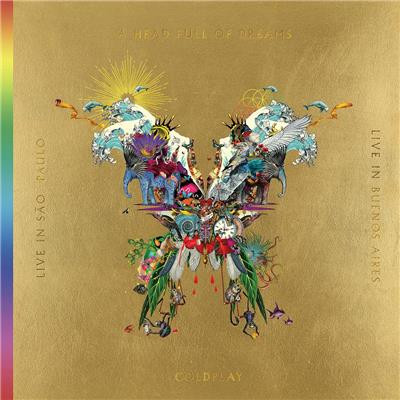
Live In Buenos Aires
2018
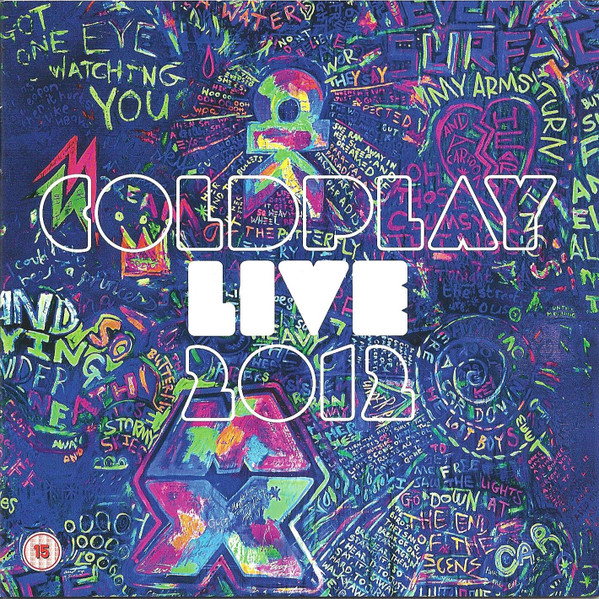
Live 2012
2012

Christmas Lights
2010
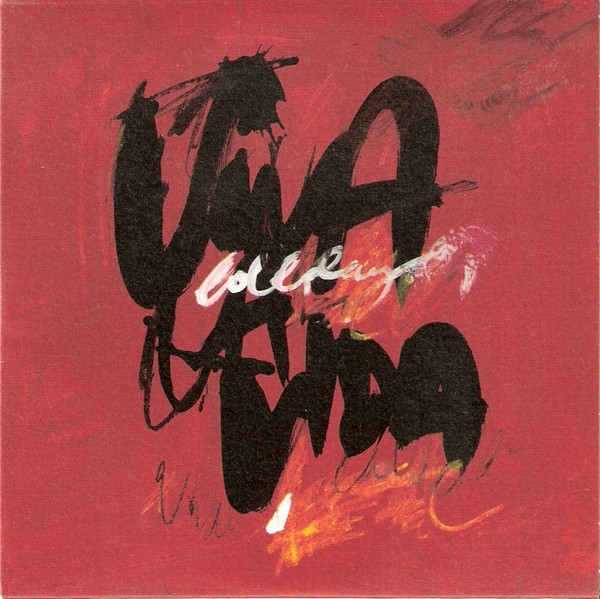
Viva La Vida
2008
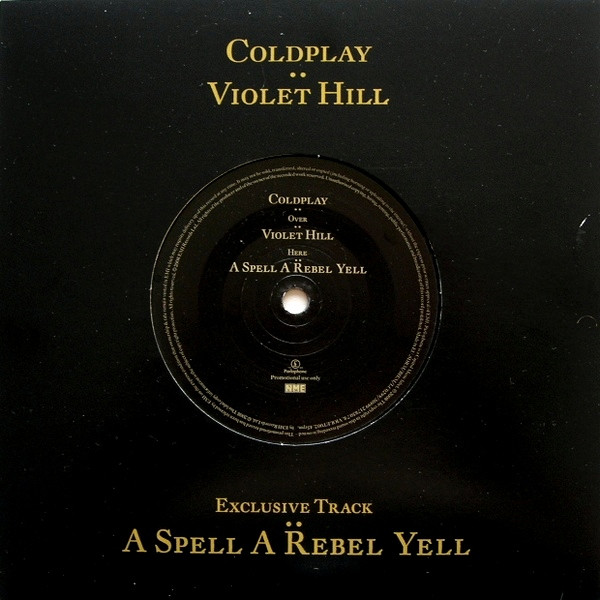
Violet Hill
2008

The Singles 1999-2006
2007
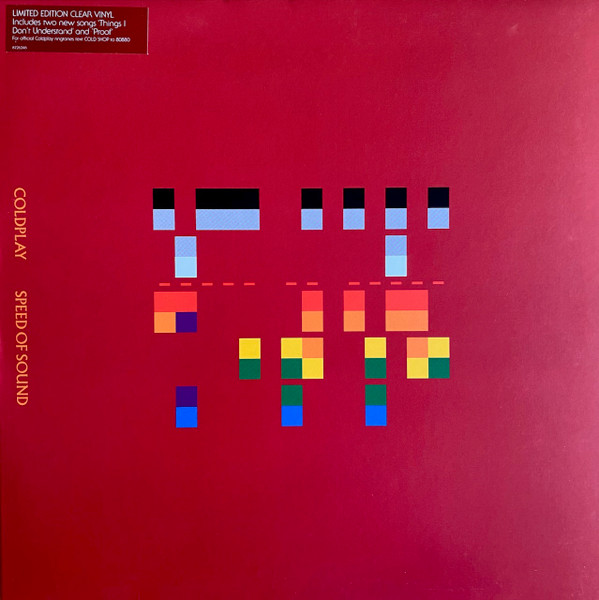
Speed Of Sound
2005

Yellow
2000
Related artists
Around the web
Follow every record they touch.
Start your shelf and Gatefold tracks Coldplay's new pressings, tour dates, and the whole discography — automatically.
Start your shelf →Free forever. Works with 10 records or 10,000.