
Performance · Other credits
Ornette Coleman
real name Randolph Denard Ornette Coleman
US jazz saxophonist, trumpeter, violinist, and composer
Fort Worth, United States · 1930-03-09 – 2015-06-11
Ornette Coleman is credited on 2,847 releases across 600 albums tracked on Gatefold, active 1958–2026 — the collector-built map of who actually made the music.

2,847
Credits
600
Albums
8
Decades active
257
In collections
Biography
Showing the Discogs bio
American Jazz saxophonist, violinist, trumpeter and composer.
Born March 9, 1930 in Fort Worth, Texas, USA
Died June 11, 2015 in New York City, New York, USA
His album "Free Jazz" gave its name to a whole jazz movement.
He was married to Jayne Cortez from 1954-64. Their son Denardo Coleman is a jazz drummer, and has recorded with both parents, beginning at the age of 10 on "The Empty Foxhole". Brother.
Bio from Discogs
Credited work
2,847 releases · 600 albums · active 1958–2026
- Performance · 5,293
- Other credits · 288
- Production · 63
- Engineering · 5
Studios: Tonstudio Bauer · Contemporary's Studio · Van Gelder Studio, Englewood Cliffs, New Jersey · Gyllene Cirkeln, Stockholm
Discography
Records they worked on — most-collected first.
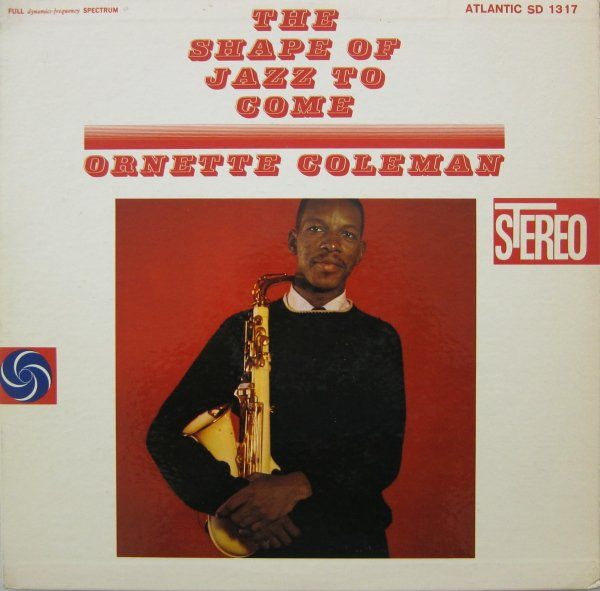
The Shape Of Jazz To Come
1959
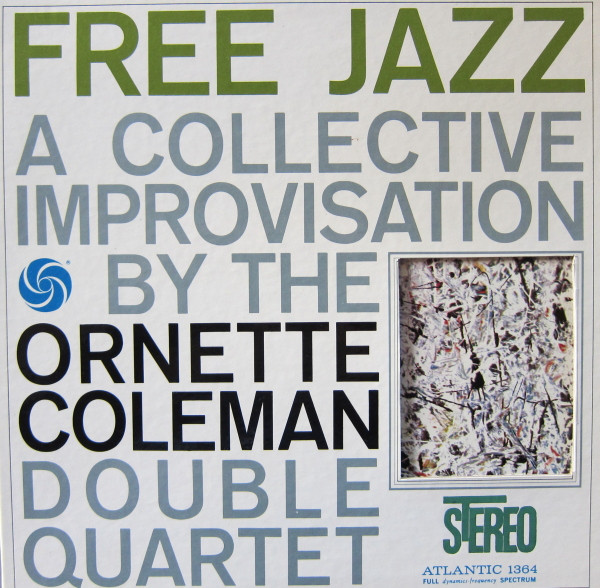
Free Jazz
1961
The Heavyweight Champion - The Complete Atlantic Recordings
1995
Bright Size Life
1976
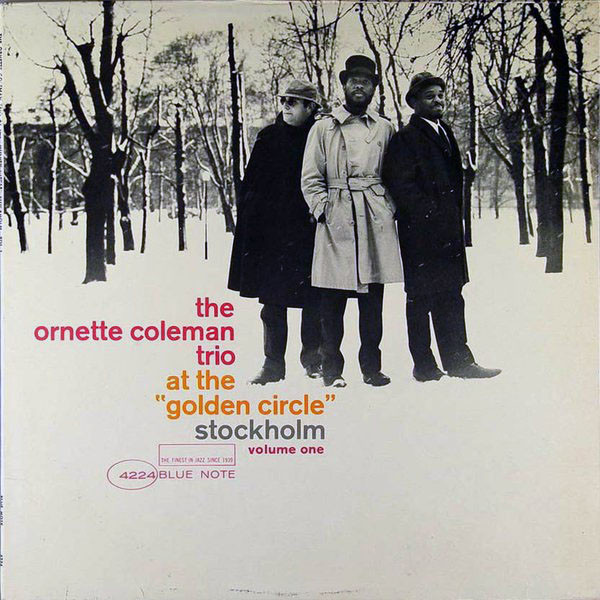
At The "Golden Circle" Stockholm (Volume One)
1966
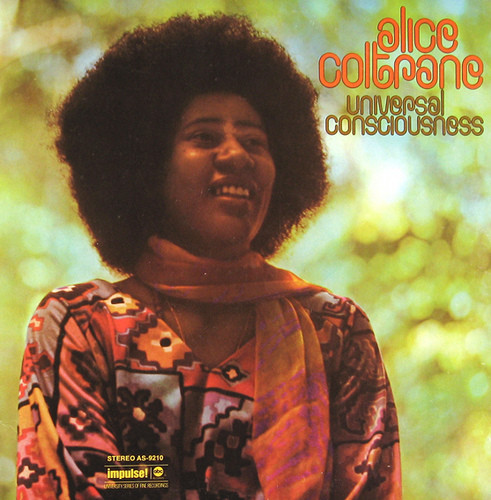
Universal Consciousness
1971

Stick-Up!
1968
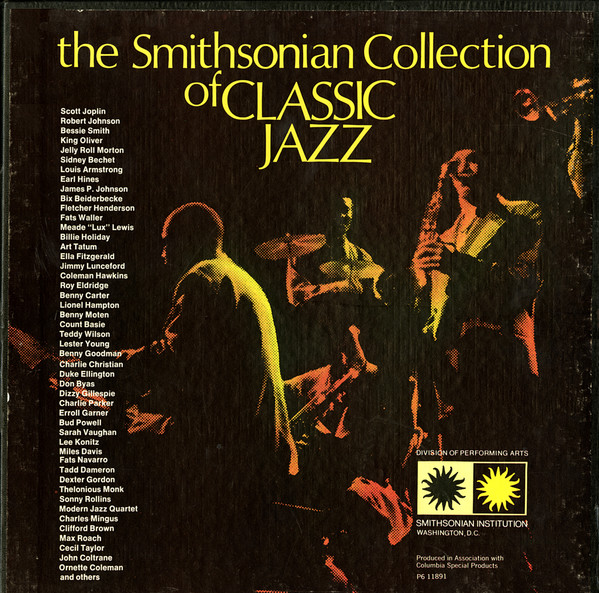
The Smithsonian Collection Of Classic Jazz
1973

So What
1998
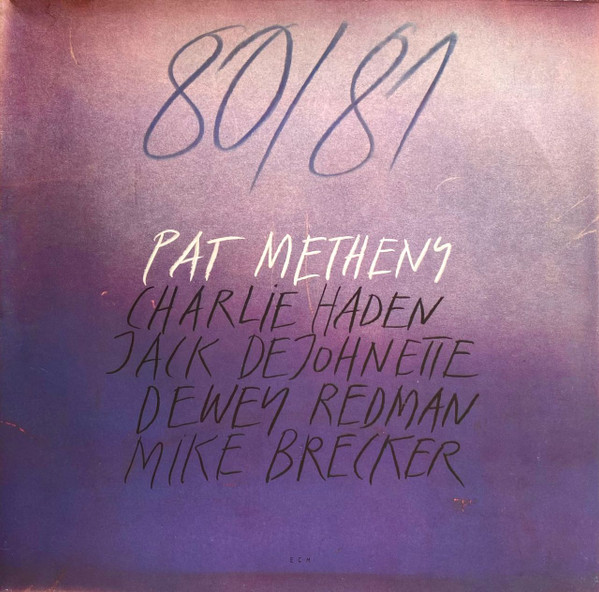
80/81
1980

Tomorrow Is The Question!
1959
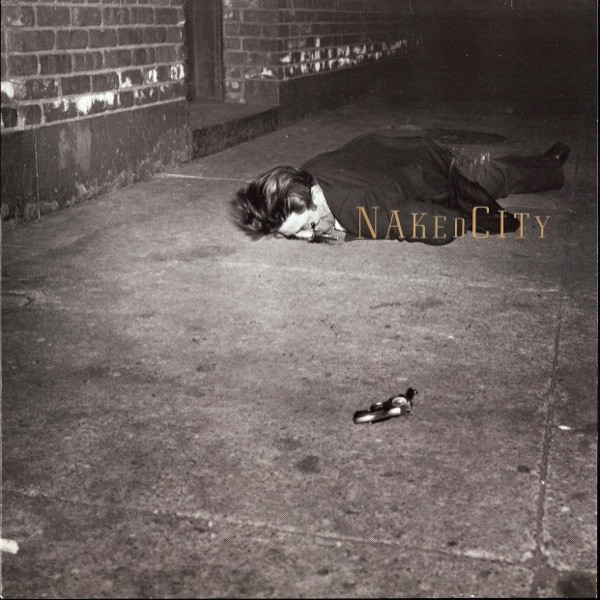
Naked City
1990

Something Else!!!!
1958
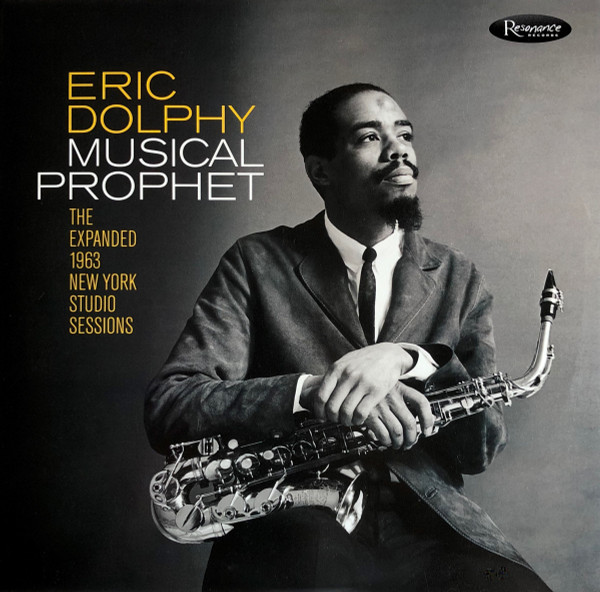
Musical Prophet (The Expanded 1963 New York Studio Sessions)
2018

Where Is Brooklyn?
1969

Smack Up
1962
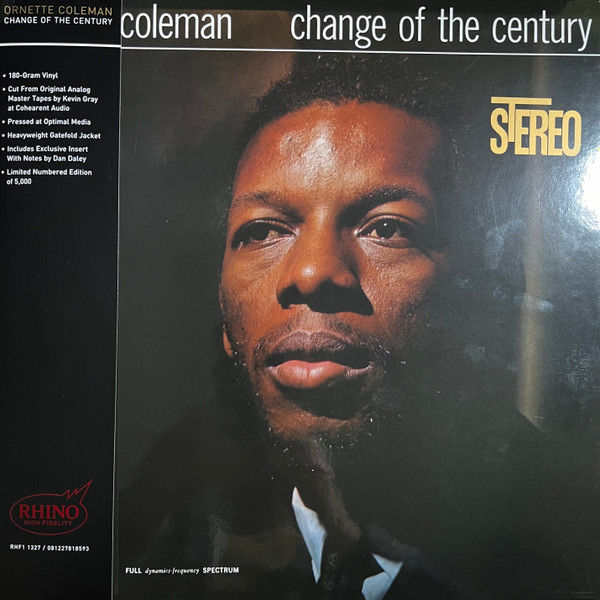
Change Of The Century
1960

Science Fiction
1972

The Song Of Singing
1971
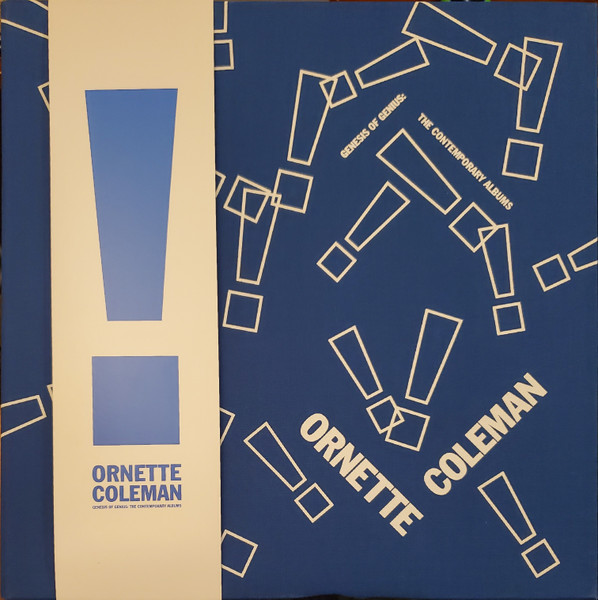
Genesis Of Genius: The Contemporary Albums
2022
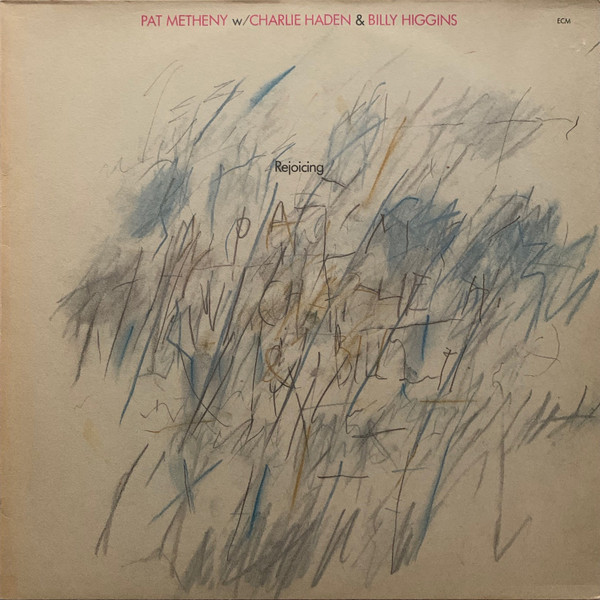
Rejoicing
1984

Inventions
1965

This Is Our Music
1961

Give
2004
Frequent collaborators
Around the web
See who really made the music.
Gatefold maps every producer, engineer, and player across your shelf — the credits no one else surfaces.
Start your shelf →Free forever. Works with 10 records or 10,000.