Artist
Ornette Coleman
US jazz saxophonist, trumpeter, violinist, and composer
Fort Worth, United States · 1930 – 2015
Ornette Coleman is a musician from Fort Worth, United States, active 1930–2015. Their discography on Gatefold includes 24 records. They also recorded with The Ornette Coleman Double Quartet, The Ornette Coleman Trio and The Ornette Coleman Quartet.

35
Albums tracked
165
In collections
1930
Since
Biography
Ornette showed up to Los Angeles in the 50s with a plastic Grafton saxophone and a theory that made every professional in the room want to beat his ass. He was working as an elevator operator at Bullock’s department store, studying harmony books between floors because the local bebop cats wouldn't let him on the bandstand. They thought he was playing out of tune. He wasn't out of tune—illegally, he was just playing in the cracks between the notes where the actual feeling lives. When he finally landed at the Five Spot in '59, he split the jazz world into two warring camps with a plastic horn and a band that didn't use a piano. Miles Davis called him psychotic and Max Roach reportedly punched him in the mouth after a set. He didn't give a shit. He kept stripping away the safety net of chord changes until all that was left was the melody and the rhythm. It’s the rawest, most human noise ever put to tape, even when he hit the 80s and started messing with funk and MIDI.
Bio from The Clerk
The Arc of Ornette Coleman
The pivots — what forced Ornette Coleman to reinvent.
The Five Spot Rupture
Atlantic Records signed him and stuck him in the studio with Don Cherry, Charlie Haden, and Billy Higgins to record The Shape of Jazz to Come. By ditching the piano, Ornette removed the harmonic map that usually told soloists where to go. You hear the freedom in how the horn lines chase the melody rather than the chords. It turned the New York jazz scene into a battlefield overnight because he proved the old rules were optional.
The Double Quartet Chaos
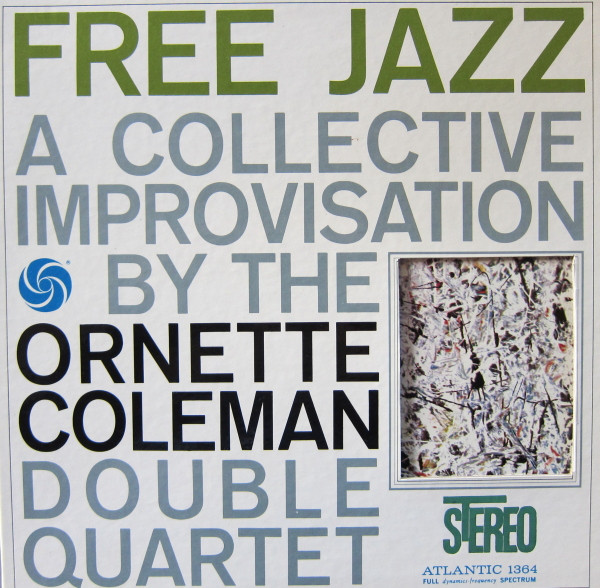
In 1960, he shoved two separate quartets into the same room to record Free Jazz: A Collective Improvisation. There are no pre-written heads and no safety bars, just thirty-seven minutes of thirty-year-old men trying to navigate a total lack of structure without crashing into each other. It’s the ultimate endurance test for listeners and the moment jazz stopped being polite background music for cocktails. You can hear the exhaustion and the telepathy in the way the panning separates the two bands in your speakers.
The Harmolodic Funk Shift
After a trip to Morocco to play with the Master Musicians of Jajouka, Ornette traded the acoustic swing for electric guitars and slap bass with his Prime Time band. He developed 'Harmolodics,' a theory that treated harmony, melody, and rhythm as equal players. On Dancing in Your Head, the result sounds like a high-speed car crash between a loft-jazz session and a James Brown rehearsal. It’s loud, repetitive, and thick with the kind of distorted energy that predicted the No Wave scene in Manhattan.
Influences
- Charlie Parker — Ornette spent years woodshedding Bird’s solos at double speed until he understood the logic behind the bebop language well enough to dismantle it. You hear the ghost of Parker's phrasing in the way Ornette attacks a fast blues line before veering off the cliff. He took the velocity of bebop but threw away the chord changes.
- The Master Musicians of Jajouka — Ornette traveled to the Rif Mountains in 1973 to record with this Moroccan ensemble, looking for a music that wasn't 'tempered' by Western scales. Their pan-tonal, drone-heavy collective improvisations became the DNA for his Harmolodic theory. You hear this tribal, non-linear approach all over the electric records like Body Meta.
- Louis Armstrong — He constantly cited Satchmo’s vocal-like phrasing as the gold standard for how a horn should sound. Ornette wanted his sax to cry, laugh, and talk just like Armstrong’s trumpet did in the 20s. It’s that pre-swing, southern blues vocalization that makes Ornette's 'out' playing feel so strangely familiar and warm.
- Thelonious Monk — Monk’s use of space and 'crushed' notes provided the blueprint for Ornette to stop worrying about traditional intonation. He famously covered 'Sphinx' and 'Humpty Dumpty' as a nod to Monk’s rhythmic angularity. Both guys understood that a 'wrong' note played with enough conviction becomes the right one.
- Pee Wee Russell — The swing-era clarinetist was one of the few older guys Ornette publicly praised for his 'dirty' tone and eccentric pitch. Russell played with a growl and a disregard for clean conservatory technique that mirrored Ornette's own Grafton sax squawk. It’s that same stubborn refusal to sound 'pretty' for the sake of the audience.
Ornette Coleman — solo
Their records — most-collected first.
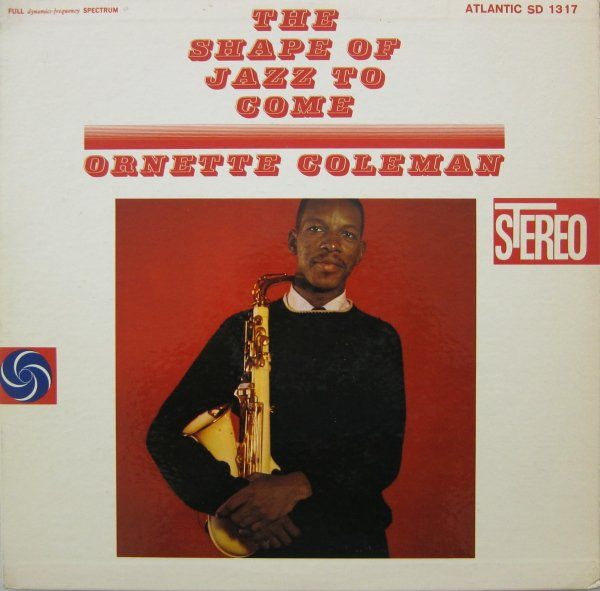
The Shape Of Jazz To Come
1959

Tomorrow Is The Question!
1959

Something Else!!!!
1958
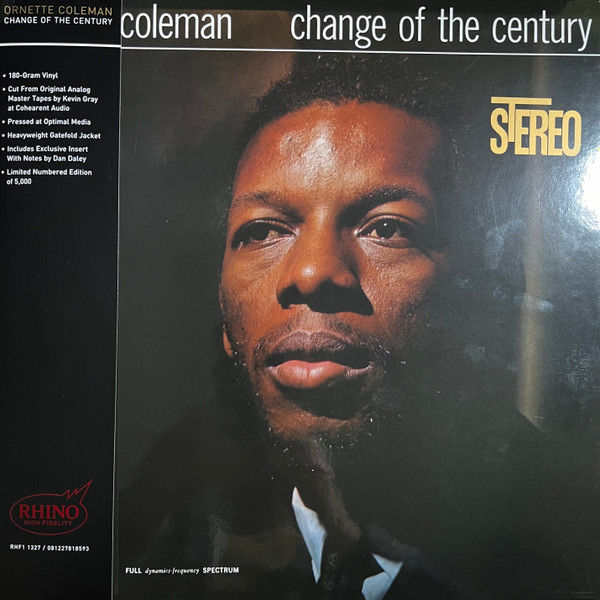
Change Of The Century
1960

Science Fiction
1972
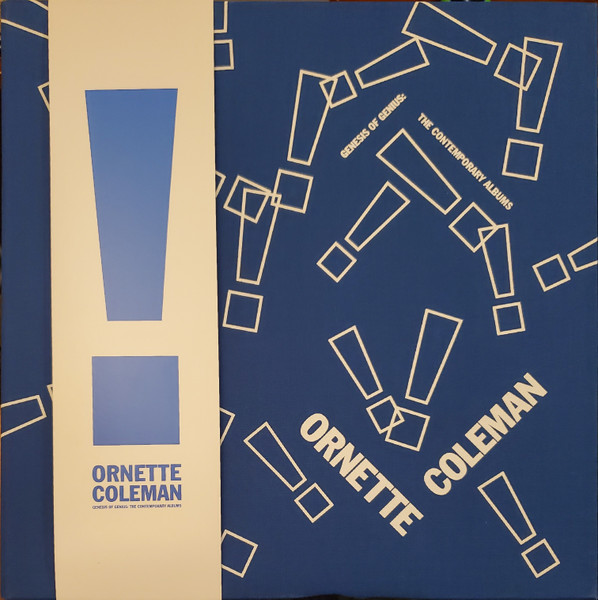
Genesis Of Genius: The Contemporary Albums
2022
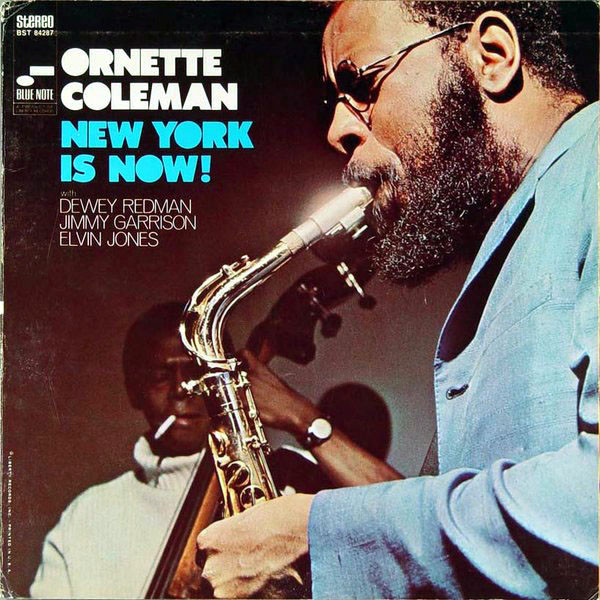
New York Is Now!
1968
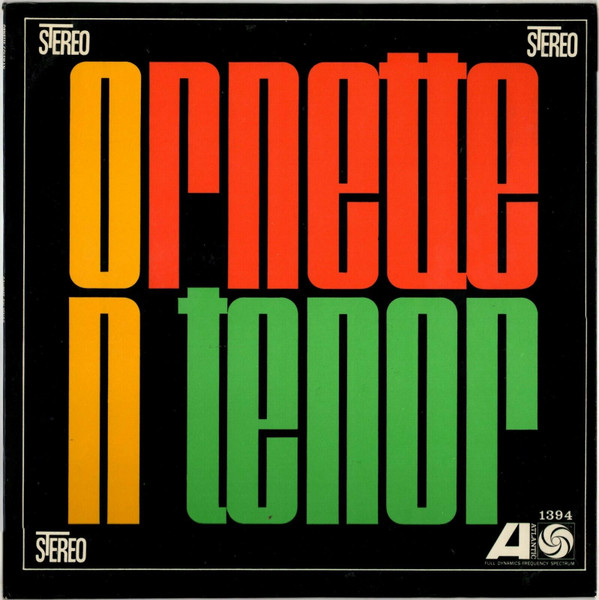
Ornette On Tenor
1962
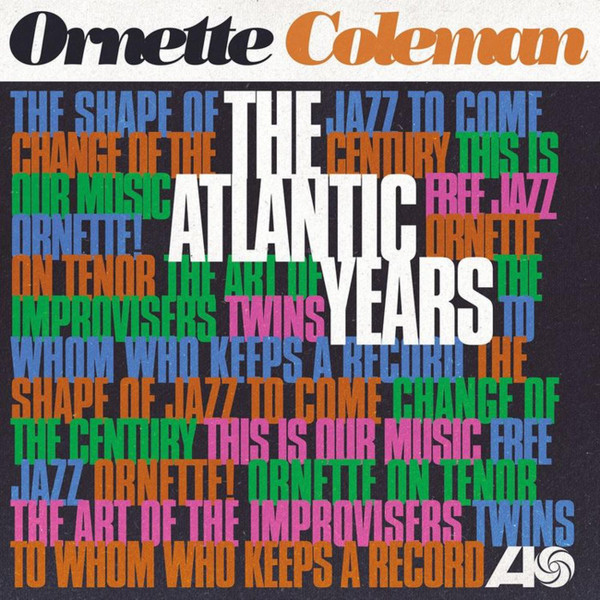
The Atlantic Years
2018
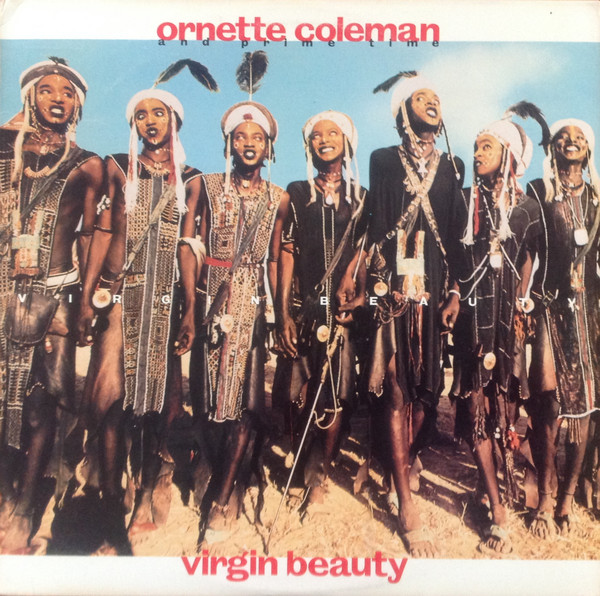
Virgin Beauty
1988

Of Human Feelings
1982
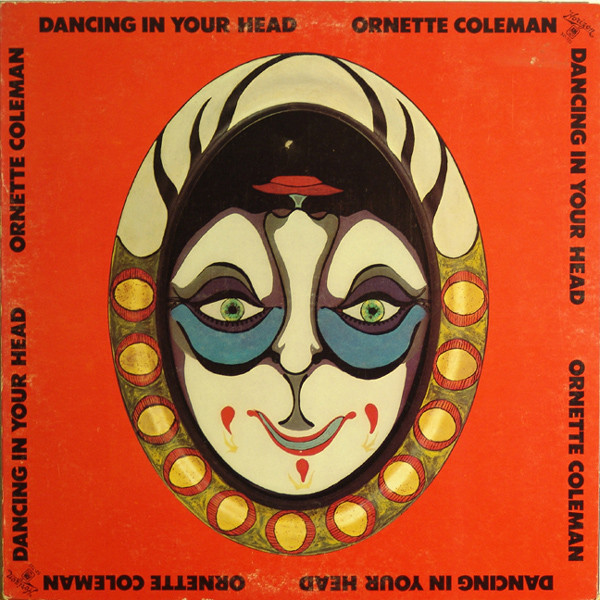
Dancing In Your Head
1977

Twins
1971

Love Call
1971
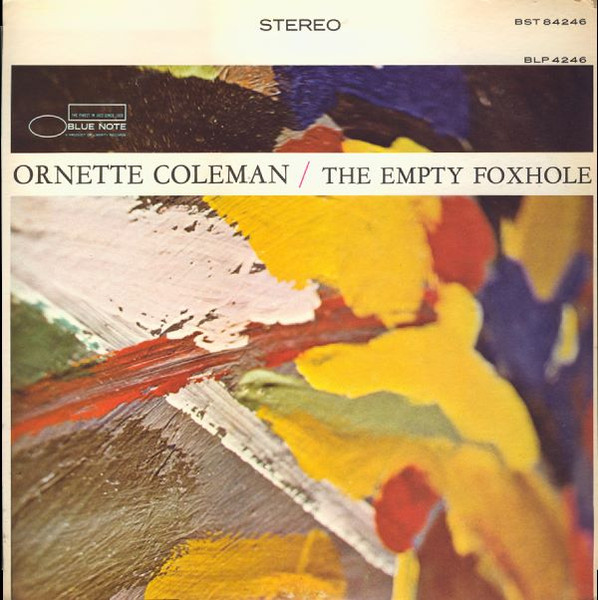
The Empty Foxhole
1966
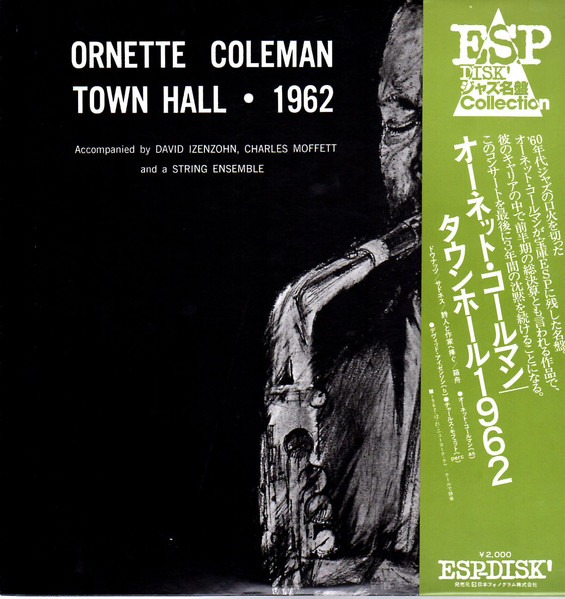
Town Hall • 1962
1965

Original Album Series
2021
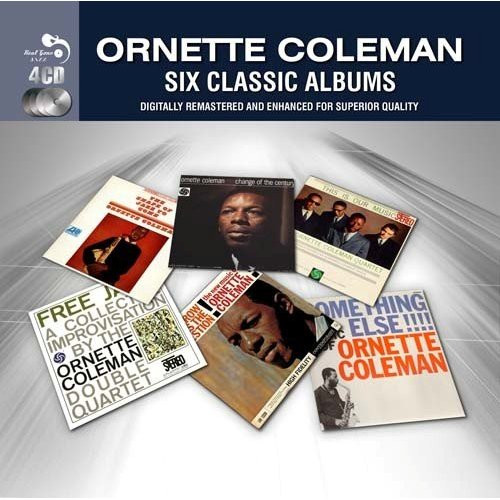
Six Classic Albums
2012

Tone Dialing
1995

Beauty Is A Rare Thing (The Complete Atlantic Recordings)
1993
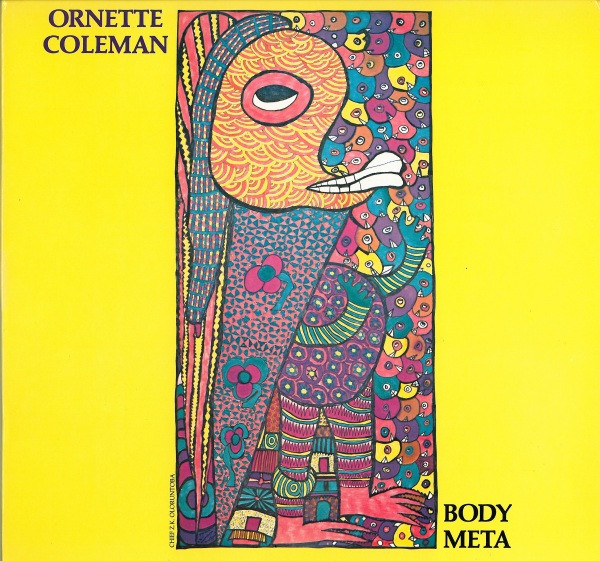
Body Meta
1978
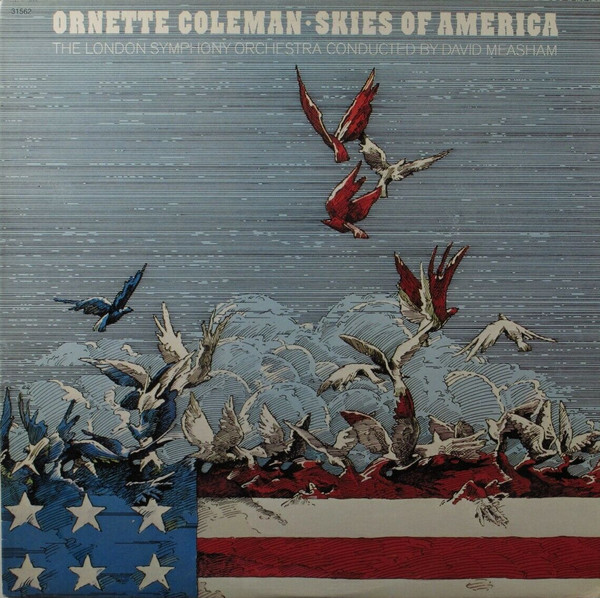
Skies Of America
1972

Friends And Neighbors - Ornette Live At Prince Street
1970

An Evening With Ornette Coleman
1967
The Ornette Coleman Double Quartet
Ornette Coleman under another name — MusicBrainz marks this project eponymous.
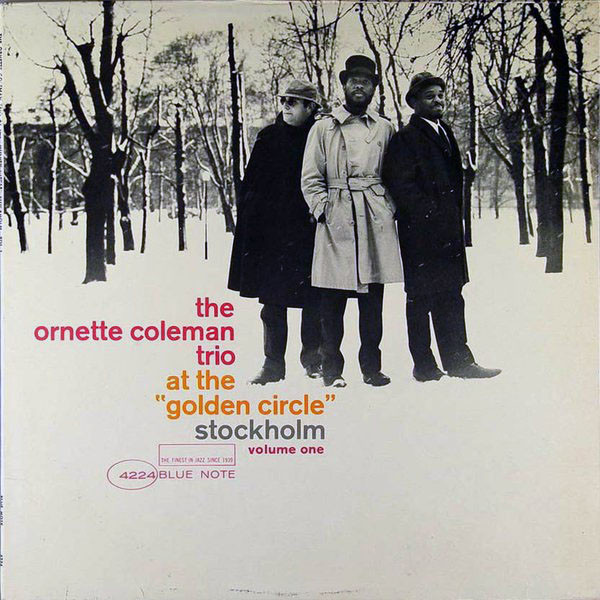
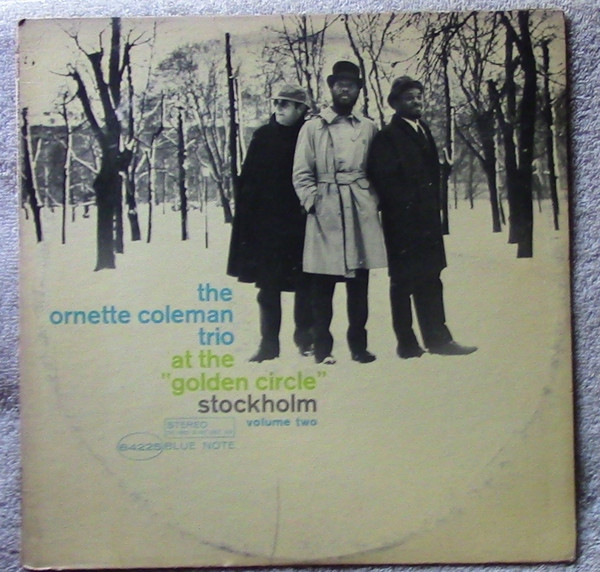
The Ornette Coleman Trio
Ornette Coleman under another name — MusicBrainz marks this project eponymous.
The Ornette Coleman Quartet
Ornette Coleman under another name — MusicBrainz marks this project eponymous.


Related artists
Around the web
Follow every record they touch.
Start your shelf and Gatefold tracks Ornette Coleman's new pressings, tour dates, and the whole discography — automatically.
Start your shelf →Free forever. Works with 10 records or 10,000.